
Review · TOKYO
Ramen and Sushi Cooking Class with Sake Pairing Set in Tokyo
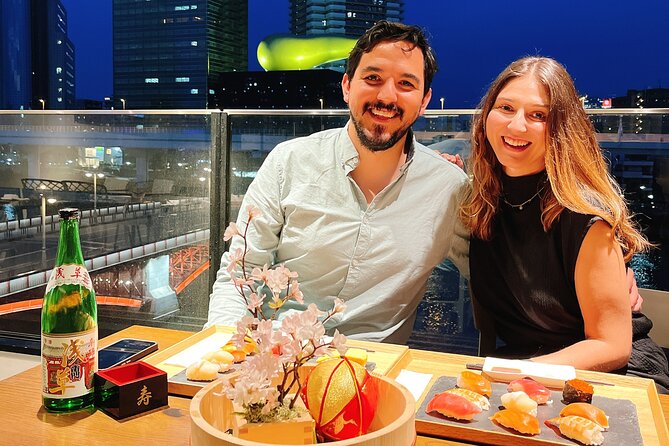
Making sushi is usually the star of this three-hour Tokyo class, but the better surprise is how much you do in one sitting: shape sushi, prepare ramen broth from scratch, customize your bowl, and taste sake with the finished food. The setting in Tsukishima is small and relaxed, with no more than eight people.
I like the close-up instruction, especially for sushi techniques that are hard to learn from a video. I also like the food-and-drink value: ingredients, the meal, and all drinks are included. The main thing to consider is that the ramen portion is less hands-on than the sushi work, so this suits cooks seeking a guided introduction rather than a full professional kitchen session.
Key points at a glance
- Three Japanese favorites in one class: Make sushi, prepare ramen broth, and sample sake in about three hours.
- Small groups of up to eight: You get more room for questions and direct help from the instructor.
- Sushi receives the most hands-on attention: The class is designed to help you repeat the techniques at home.
- Ramen is customizable: You prepare the broth and assemble your bowl, though this part involves less direct cooking.
- A relaxed Tsukishima setting: The class takes place near public transportation and may include a river view.
- Good food value at $79.59: The price covers ingredients, the meal, and all drinks, with no hotel transfer included.
Why this Tokyo cooking class works so well
This is not simply a demonstration where you sit back and watch someone else cook. You work through several parts of the meal yourself, with an English-speaking instructor nearby to show you what to do and correct small mistakes.
That matters most with sushi. Rice texture, hand pressure, filling placement, and shape can all go wrong quickly when you are learning from a screen at home. Here, the instructor can show you the motion, let you try it, and offer help while the ingredients are still in front of you.
The class also gives you a useful look at how Japanese food is presented and enjoyed. Along with recipes and techniques, the instructors share stories about sushi and ramen, explain details of Japanese culinary culture, and may add a quiz covering the history and facts behind the dishes.
The tone appears to be friendly rather than formal. Sato, Ryushi, Alex, Taka, and Kaori are among the instructors connected with the class, and the teaching style is described as warm, polite, and easygoing. Staff may vary on your date, but the format remains personal and social.
More Sushi Making Classes around Tokyo:
- Tokyo Tsukiji Fish Market Tour and Sushi Making Lesson
★ 5.0 · 390 reviews - AKEMI’s SUSHiKiTCHEN: A fun sushi cooking lesson in Tokyo
★ 5.0 · 5 reviews - Japanese Knife Skills & Tuna Don/Sushi Workshop in Tokyo
★ 5.0 · 3 reviews
What happens during the three-hour session
The exact order can vary, but the class centers on three connected parts: sushi, ramen, and sake. You are not simply served a meal at the end. The food you help prepare becomes your meal, which makes the session feel more useful than a standard tasting.
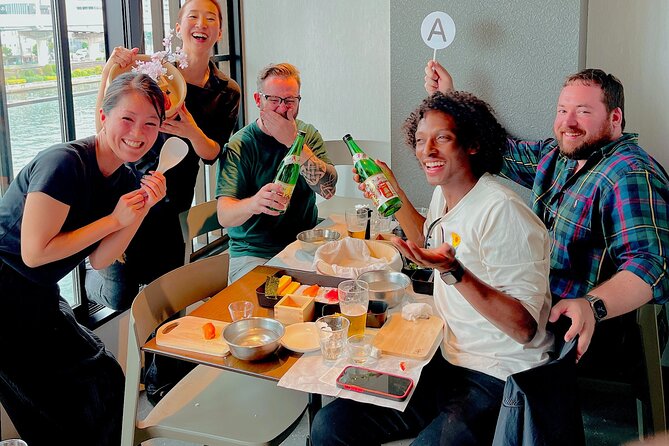
You begin by getting oriented in the compact class setting and meeting the instructor and the other participants. With a maximum of eight people, the group is small enough for the teacher to demonstrate techniques without forcing you to watch from across a large room.
The atmosphere is part of the appeal. Some cooking classes can feel rushed or crowded, especially when several people need the same tools at once. This class is designed around a smaller group, giving you a better chance to ask questions and receive hands-on guidance.
The cultural explanations add welcome context. You may learn not only what to do, but why a technique matters, how sushi and ramen developed as everyday foods, and how sake fits with the meal. That makes the cooking feel connected to Japan rather than just a set of steps copied from a recipe card.
Sushi is the most practical lesson
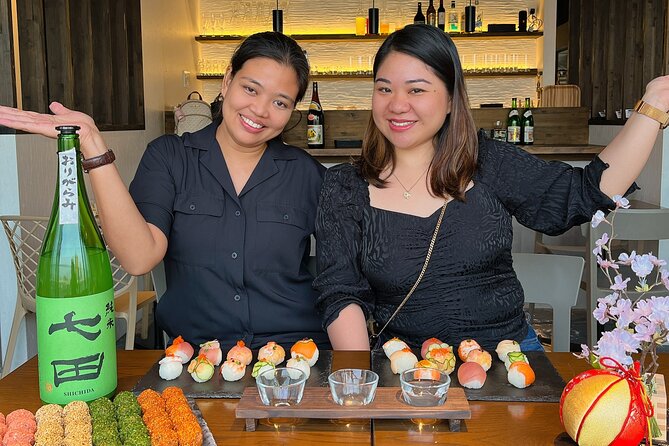
The sushi portion is likely the strongest reason to book. It is the part where your hands do the most work, and the small group allows the instructor to stay close while you practice.
The class is especially useful if you have tried making sushi at home and ended up with loose rolls, uneven pieces, or rice that did not behave. Direct correction can save you from repeating the same mistake. The point is not to turn you into a sushi chef in one afternoon, but to give you enough confidence to try again in your own kitchen.
You also eat the sushi you make. That gives you an immediate test of the technique. If a roll is too loose or the portions are uneven, you see the result at once, then understand how a better method changes the finished piece.
The food quality matters here. The class uses ingredients selected to match the standard of the lesson, so you are not practicing with an afterthought meal. For many people, this makes the experience feel more like a proper Japanese lunch or dinner than a craft workshop.
Sushi is also the part most likely to appeal to families, couples, and first-time cooking-class participants. The steps are concrete, the results arrive quickly, and everyone can compare their finished pieces without the session becoming competitive.
Ramen brings broth, pork belly, and choice
Ramen works differently. The class teaches you to prepare a savory broth from scratch, then lets you customize the bowl. You may find this section less hands-on than the sushi work, but it still gives you a better sense of how the dish comes together.
The meal can include pork belly, which has been singled out as a particularly good part of the ramen. The contrast between the rich topping, the broth, and the noodles gives the dish more substance than a quick instant-noodle lesson.
The customizable element is useful because ramen is flexible. You can see how changes in toppings or seasoning affect the final bowl, and you get a practical idea of which parts are essential and which are open to personal taste.
There is one fair limitation: the ramen process is not as active from start to finish as the sushi portion. Broth preparation often involves steps that cannot be compressed into a short class, so some work may be prepared in advance or guided more lightly. If you want to spend every minute chopping, simmering, and cooking, this may feel uneven. If you want to learn the structure of a ramen bowl without taking a full-day course, the balance makes sense.
More sake tastings around Tokyo:
- Osaka Sake Tasting with Takoyaki Cooking
★ 5.0 · 156 reviews - Osaka: Cooking Class & Sake Tasting with Local Market Visit
★ 4.8 · 31 reviews
Sake pairing makes the meal feel complete
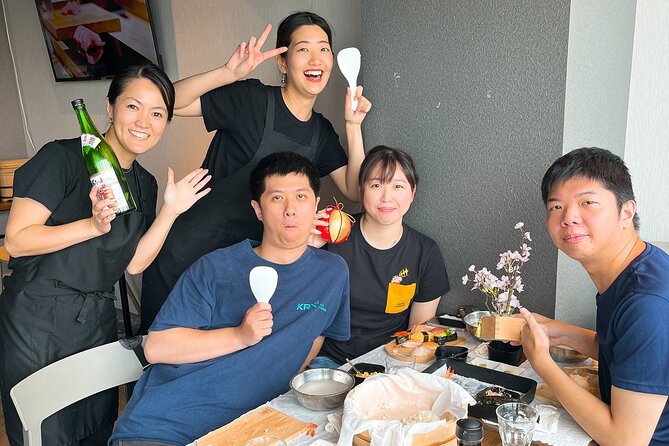
Sake is not treated as a separate bar stop. It is paired with the food you prepare, and all drinks are included in the price.
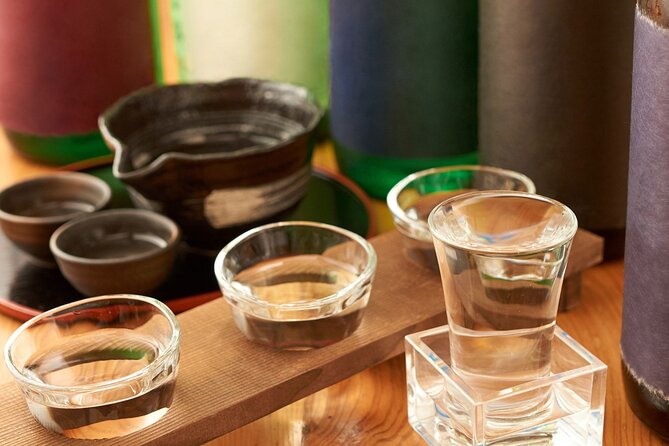
That pairing adds a useful layer to the meal. You can taste how different sake choices work with sushi and ramen, rather than drinking sake without context. The selections have been described as smooth, and the class presents the tasting in an approachable way for people who may not know much about sake.
You should still treat this as a cooking class with sake, not a specialist tasting. The main focus is learning to prepare Japanese dishes, with the drinks helping round out the meal. If you are looking for a long, technical study of brewing methods or regional sake styles, this is not the right format.
For a relaxed afternoon, though, the combination is well judged. You cook, eat, learn a little, and have something to sip while talking with the instructor and the rest of the group.
The Tsukishima setting and meeting point
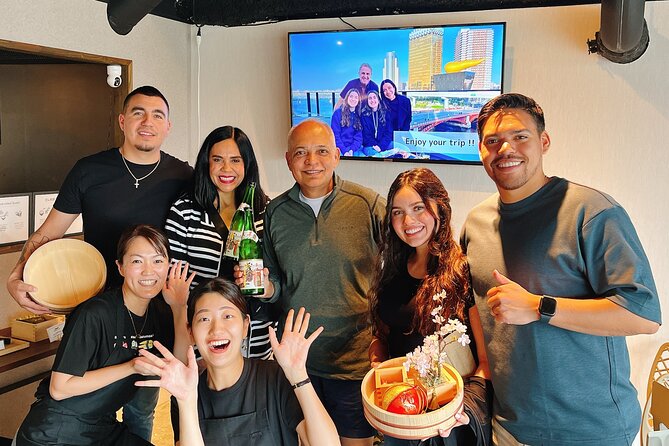
The class meets at HAUS Tsukishima in Tsukuda, Chuo City, Tokyo, at 104-0051. The activity ends back at the same meeting point, so you do not need to arrange a separate return transfer.
Tsukishima is a practical setting for a food class because it is near public transportation, and the venue has been noted for views overlooking the river. That view can make the session feel less like a sealed classroom and more like a pleasant neighborhood activity.
You will need to make your own way there. Hotel pickup and drop-off are not included, so allow time to reach the address and find the entrance. A mobile ticket is provided, which is convenient when you are moving around Tokyo with your phone rather than carrying printed paperwork.
The location also works well if you want to pair the class with other plans in central Tokyo. Since the session lasts about three hours and returns to the starting point, it is easier to schedule than an all-day excursion. Still, do not book a tight appointment immediately afterward. Cooking, eating, and group instruction can take the full stated time.
How the price compares with the experience
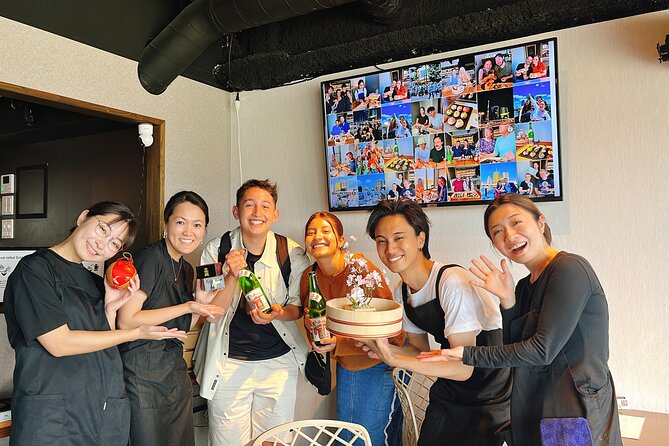
At $79.59 per person, this is not the cheapest meal in Tokyo. You can eat excellent ramen or sushi for less, especially if your only goal is to have lunch.
The value comes from the combination of food, instruction, drinks, and time with a small group. You are paying for a meal plus the chance to learn techniques you can repeat at home. The included ingredients and all drinks also make the price easier to judge in advance, since you are not building the final bill with separate sake charges or ingredient fees.
The maximum group size of eight is important. A larger class might cost less, but it would offer less personal help. Here, the extra cost makes more sense if you have struggled with sushi before, want to ask questions, or prefer a friendly class over a crowded demonstration.
I would call it good value for food-focused visitors who want an activity, not just another restaurant meal. It is less compelling if you do not eat sushi, ramen, or sake, or if you already have strong Japanese cooking skills and want advanced techniques.
The people who will enjoy it most
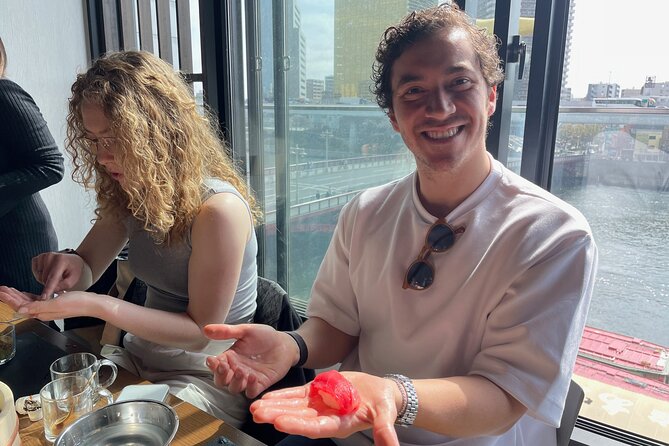
This class suits first-time visitors who want a practical connection with Japanese food. You get familiar dishes, local culinary context, and an activity that does not require a full day away from Tokyo.
It is also a strong choice for couples and small groups. The format encourages conversation, and the cooking creates something to do together. Solo participants should also fit comfortably into the maximum-eight format, particularly if you enjoy meeting people around food.
Families may like the sushi work because it is tactile and easy to follow, though parents should decide if the three-hour class suits their children. The supplied information confirms that service animals are allowed, but it does not provide details about child ages, dietary substitutions, kitchen access, or allergy procedures. Ask the provider directly if any of those issues affect your booking.
I would be less likely to choose it for someone seeking a quiet meal with no instruction, a serious chef-training course, or a long sake seminar. It is social, guided, and designed for broad appeal.
What the strong ratings tell you, and what they do not
The experience has a 5/5 rating from 291 ratings and a 100 percent recommendation figure. That points to a consistently positive experience, especially around the instructors, the relaxed mood, the food, and the personal help.
The most repeated strengths are clear: friendly staff, easy-to-follow guidance, tasty food, and a welcoming room. The river view also adds a pleasant touch, while the small group keeps the teaching close.
The ratings do not mean every part is equally hands-on. The sushi lesson receives more direct attention than the ramen preparation, and your enjoyment will depend partly on how much you want to cook yourself. The class is best understood as a well-paced food experience with instruction, not as a substitute for culinary school.
Booking details that matter
You receive confirmation at the time of booking, and the mobile ticket is useful for reaching the meeting point without extra paperwork. The experience has free cancellation if you cancel at least 24 hours before the local start time.
Cancellations made within 24 hours are not refunded, and changes in that same period are not accepted. Keep that deadline in mind when planning around train times, weather, or another Tokyo booking.
All ingredients for the class, the meal, and drinks are included. Hotel transportation is not included, and the activity begins and ends at HAUS Tsukishima.
Should you book the ramen and sushi class?
I would book this if you want to eat well, learn a few techniques, and spend a relaxed half-day with a small group. The hands-on sushi practice, included sake, and helpful instructors give the $79.59 price a fair return.
Choose it with realistic expectations. Sushi is the main practical lesson, while ramen is more about broth, assembly, and customization. If that mix sounds right, this is a useful and enjoyable way to make Japanese food part of your Tokyo experience instead of simply ordering it from a menu.
FAQ
How long does the cooking class last?
The activity lasts approximately three hours.
What dishes do you make?
The class focuses on sushi and ramen. You prepare sushi, make savory ramen broth from scratch, and customize your ramen bowl.
Is sake included?
Yes. All drinks are included, and the class features sake selected to pair with the dishes.
How many people can join the class?
The maximum group size is eight people.
Where does the class meet?
It meets at HAUS Tsukishima, Japan, 104-0051 Tokyo, Chuo City, Tsukuda, 2-chōme135. The activity ends back at the meeting point.
Is hotel pickup included?
No. Hotel pickup and drop-off are not included. The meeting point is near public transportation.
What is the cancellation policy?
You can cancel at least 24 hours before the local start time for a full refund. Cancellations or changes made less than 24 hours before the start time are not accepted for a refund.
New cooking classes around Tokyo
- Shinjuku Tokyo: Authentic Japanese Home-Style Culinary Class★ 4.9 · 125 reviews
- Shibuya Tokyo: Onigiri & Tamagoyaki Cooking Class★ 5.0 · 4 reviews
- Ramen Making from Scratch +Akihabara Tour –Cooking Class★ 5.0 · 25 reviews
- Japanese Knife Skills & Tuna Don/Sushi Workshop in Tokyo★ 5.0 · 3 reviews
- AKEMI’s SUSHiKiTCHEN: A fun sushi cooking lesson in Tokyo★ 5.0 · 5 reviews
- Tokyo: Private Japanese Cooking Class with a Local Chef★ 5.0 · 81 reviews
- Unique Private Cooking Class with a Tokyo Local Emi★ 5.0 · 131 reviews
- Japanese Home Cooking Class & Walk in Todoroki Temple Tokyo★ 5.0 · 88 reviews
Tokyo Cooking Classes, side by side.

Ramen & Gyoza Cooking Class in Tokyo with Local Supermarket Visit
Read our review →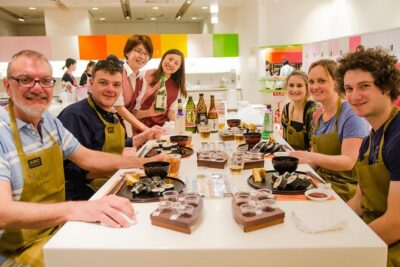
Tokyo Tsukiji Fish Market Tour and Sushi Making Lesson
Read our review →
Tokyo: Easy Ramen Cooking Experience in Kabukicho, Shinjuku
Read our review →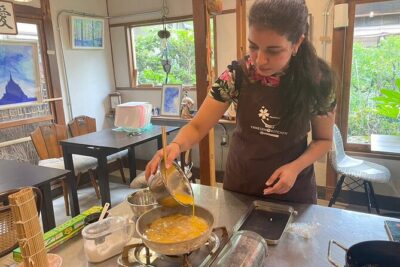
Private Home Cooking in Yanaka – Local Flavors in a Warm Setting
Read our review →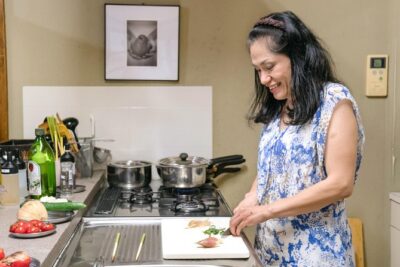
Unique Private Cooking Class with a Tokyo Local Emi
Read our review →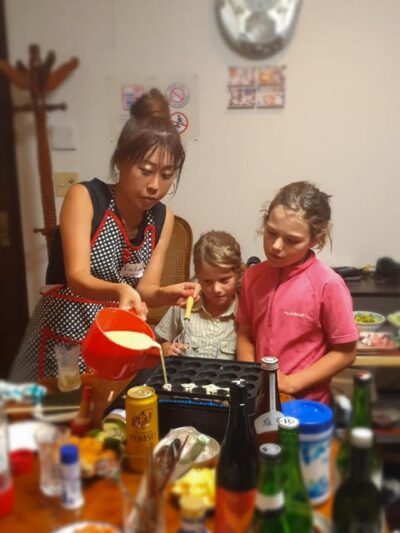
Shinjuku Tokyo: Authentic Japanese Home-Style Culinary Class
Read our review →
Japanese Home Cooking Class & Walk in Todoroki Temple Tokyo
Read our review →
Tokyo: Private Japanese Cooking Class with a Local Chef
Read our review →This kitchen also appears in