
Review · TURKEY
Antalya: Kunefe Cooking Class with Local Chef in Old Town
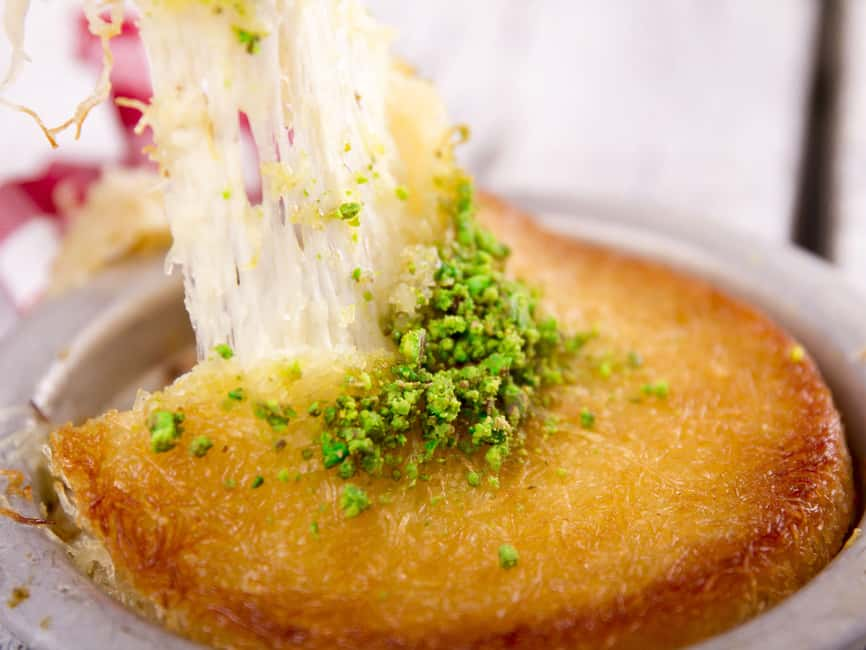
Kunefe is best understood with your hands, not just a fork. In this small Old Town kitchen, you learn to butter and layer delicate kadayıf, add the right cheese, manage a low flame, and finish the dessert with warm syrup and pistachios. The result is crisp, soft, salty, sweet, and very Turkish.
I like the hands-on cooking and the small group limit of six, which gives the chef room to guide each person. I also like the cultural side: the class explains kunefe’s regional roots and place in Turkish food, then leaves time for tea and conversation. The main consideration is simple: at $65 for 90 minutes, this is a worthwhile food lesson rather than a cheap dessert stop. You should want the teaching, not only a plate of sweets.
Key points to know before booking
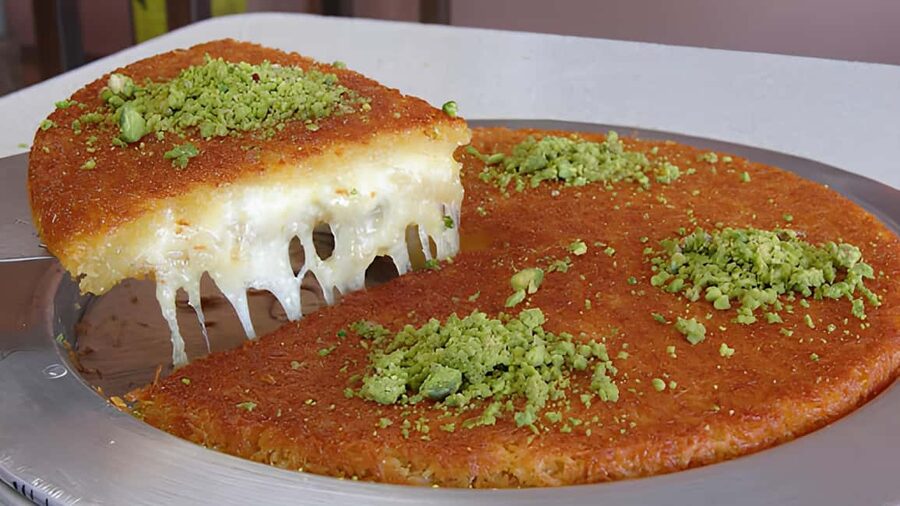
- Kunefe is cooked from scratch: You work with kadayıf, cheese, clarified butter, syrup, and pistachios rather than watching a demonstration from the sidelines.
- The low flame matters: You learn to rotate the traditional round tray and control the heat so the outside turns crisp without burning.
- Tea is part of the experience: The class ends with your freshly prepared kunefe, Turkish tea, and conversation with the host.
- The group is limited to six: This is a more personal setting than a large cooking demonstration.
- The class lasts 1.5 hours: It fits neatly into an Antalya sightseeing day, especially if you are staying near the central Old Town area.
- Children under 10 are not suitable: The activity is aimed at older children and adults interested in cooking and food culture.
Why kunefe makes a good Antalya cooking class
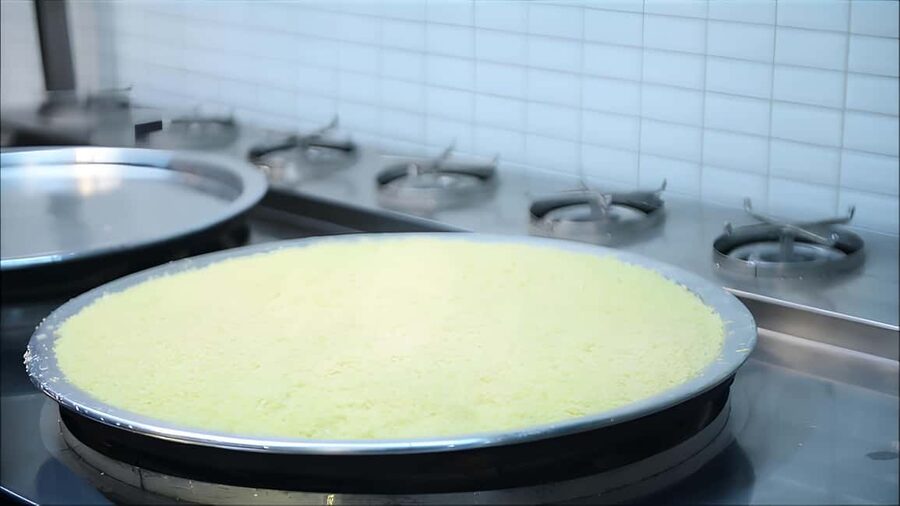
Kunefe is not a shy dessert. It arrives crisp and golden, with stretchy cheese inside, warm syrup soaking through the pastry, and pistachios scattered over the top. The contrast is the whole point. You get crunch, softness, salt, sweetness, and heat in one bite.
That combination also makes kunefe a useful way to understand Turkish cooking. It is not simply a pastry recipe. The ingredients and technique have to work together. Too much butter can make the dessert heavy. Too little leaves the kadayıf dry. The cheese needs to soften without taking over the dish, and the syrup must be warm enough to spread through the layers.
I like this class because it treats the dessert as a piece of culture, not just a quick snack. You hear where kunefe comes from, how it changes from one region to another, and why it matters in Turkish cuisine. The lesson gives you context before asking you to cook, so the food has a story as well as a flavor.
The small kitchen setting should appeal to you if you prefer direct contact with a host. The experience is limited to six participants, and the instructor speaks English and Turkish. That does not guarantee a private class, but it does mean the format is designed for questions, close guidance, and conversation rather than a crowd moving through stations.
More cooking classes around the world:
- Half-Day Thai Cooking Class at Organic Farm in Chiang Mai
★ 5.0 · 19,087 reviews - Florence: Pasta Cooking Class with Unlimited Wine
★ 4.9 · 10,285 reviews - 3 in 1 Cooking Class near Navona: Fettuccine, Ravioli & Tiramisu
★ 5.0 · 7,376 reviews
Greeting the chef with Turkish tea
The class begins in a cozy kitchen in central Antalya’s Old Town area. You are greeted with traditional Turkish tea, which sets the tone right away. This is not a rushed food tasting where the drink appears only after the cooking is finished. Tea is part of the welcome and part of the social exchange.
The chef first gives you an introduction to kunefe and its background. You learn about its origins, its regional variations, and its role in Turkish food culture. That opening matters because the recipe can look simple at first glance. Kadayıf, cheese, butter, and syrup do not sound complicated until you try to get their texture right.
This is also the moment to ask questions. If you have tasted kunefe elsewhere in Turkey, you can use the introduction to understand why one version may taste softer, sweeter, saltier, or more heavily topped than another. The supplied details do not name the chef, but the class is led by a local host with years of experience preparing and teaching Turkish sweets.
A practical note: transportation to the workshop is not included. You need to make your own way to the central Old Town kitchen, so allow time to find the meeting point. The exact starting time depends on availability when you book.
Learning the ingredients behind the crisp layers
The first real cooking lesson focuses on the building blocks. You work with high-quality kadayıf, the fine shredded pastry that gives kunefe its crisp texture. It is not handled like ordinary sheets of pastry. You need to separate and coat the strands properly so the finished dessert cooks evenly.
You also learn about the cheese. Kunefe requires a cheese that softens and stretches while keeping enough character to balance the syrup. The class explains the suitable type used for the dessert and how you might substitute it outside Turkey. That is useful if you hope to recreate the dish at home, since the exact local ingredient may not be easy to find once you leave Antalya.
Clarified butter, known as tereyağı, is another important part of the lesson. Butter gives the pastry its flavor and helps produce the browned surface. You learn how to apply it to the kadayıf and tray, with attention to coverage rather than simply pouring it on.
Then comes the syrup. Homemade syrup sounds basic, but timing affects the final texture. The warm syrup needs to soak into the cooked kunefe without turning the pastry limp. The class shows how these parts fit together, which is more useful than receiving a recipe with no explanation of why each step matters.
I like that the ingredients are explained in practical terms. You are not only told what goes into the dessert. You learn what each item does, what to look for, and what can go wrong.
Building and cooking the kunefe on a round tray
Once the ingredients are ready, you butter and layer the kadayıf. This is the hands-on heart of the activity. You learn how to distribute the pastry, place the cheese, and cover it with another layer so the filling stays inside while the exterior browns.
The dessert is cooked on a traditional round tray over a low flame. That method gives you something a modern kitchen demonstration often lacks: an immediate lesson in heat control. The flame is not simply turned on and forgotten. You watch the color, manage the temperature, and rotate the tray so the kunefe cooks evenly.
This part requires patience. A high flame may brown the outside before the center has softened. A low but uneven heat can leave patches pale and undercooked. Rotating the tray helps spread the heat across the base, and the chef guides you through that process.
For me, this is the strongest reason to choose a cooking class instead of ordering kunefe at a restaurant. In a restaurant, you get the finished contrast between crisp pastry and melting cheese. Here, you see how that contrast is made. The cooking technique becomes part of the memory.
The class is only 90 minutes, so do not expect a full Turkish cuisine course. You focus on one dessert from start to finish. That limited scope is a strength if you want a clear, manageable activity, but a drawback if you are hoping to learn several dishes.
Same kitchen, a different dish:
- Florence: Pasta & Tiramisu Cooking Class with Unlimited Wine
★ 4.9 · 6,708 reviews - Florence: Pasta Cooking Class with Unlimited Wine
★ 5.0 · 6,413 reviews - Hanoi Cooking Class: Culture, Local Market & Meaning CSR Impact
★ 5.0 · 5,147 reviews - 5 Traditional Dishes Hanoi Cooking Class with Market Trip
★ 5.0 · 4,890 reviews
Syrup, pistachios, and the first bite
When the kunefe is cooked, the warm syrup is poured over it. This is the moment when the crisp pastry takes on its signature sweetness. The timing matters. The syrup should spread through the layers while the exterior keeps some bite.
Pistachios go on top, adding color, flavor, and a bit of texture. The finished dessert is then served with tea, and you sit down with the host and the other participants to eat what you made.
That final table time is not an afterthought. Turkish food is closely tied to hospitality, and tea gives the class a natural ending. You have time to talk about the recipe, compare your results, and ask questions that may not have come up while the tray was over the flame.
The reviews provided for this activity give special weight to the chef’s warmth and passion. Rani from France described the chef and the women involved in the experience as people eager to share their knowledge and help participants enjoy the class. Ahlam also highlighted the chef’s friendly manner and the way the explanation connected Turkish cooking with culture.
Those details point to the real character of the activity. The recipe is important, but the exchange around it is just as valuable. You leave with a dessert in your stomach and a better sense of why it is made this way.
What $65 means for the value
The price is $65 per person. That is not the cheapest way to eat kunefe in Antalya. If your only goal is to taste the dessert, a pastry shop or restaurant will cost less and take less time.
The value comes from the full package. For 90 minutes, you receive a local food lesson, ingredient explanations, practical cooking guidance, a cultural introduction, tea, and the finished kunefe. The group is capped at six, which supports a more personal format than a large class.
I would consider the price fair if you enjoy cooking, ask questions, or want an activity that helps you understand Turkish food. It is less compelling for someone with a packed sightseeing schedule who simply wants a sweet bite between visits.
The class also gives you a skill you can carry home. You learn about substitutes for the cheese outside Turkey, how to layer the kadayıf, how to work with butter and syrup, and how to control the tray over low heat. You may not reproduce the exact Antalya version on your first attempt, but you will understand the method better than you would from ordering it at a café.
The reserve now and pay later option can help if your schedule is still changing. You can cancel up to 24 hours in advance for a full refund. Those policies matter in Antalya, where you may be balancing Old Town sightseeing, day trips, and changing plans.
Who should book this small-group class
I would recommend the experience to adults and children aged 10 or older who enjoy food and conversation. It suits couples, solo visitors, and small groups who want a calm cultural activity rather than a large organized outing.
It is also a good choice for repeat visitors to Antalya. If you have already seen the main sights, a cooking class gives you a different way to spend part of the day. You learn about a familiar Turkish dessert from the inside, including the regional details that are easy to miss on a restaurant menu.
The class may appeal to you if you are collecting recipes from your trip. The explanation of cheese substitutions is especially useful for anyone planning to try kunefe outside Turkey. You also learn the visual signs of proper cooking, such as the browned surface and the balance between a crisp exterior and soft center.
I would be more cautious about booking if you dislike sweet desserts, cannot eat the ingredients used, or want a broad cooking course. The information provided does not list dietary substitutions beyond the discussion of cheese outside Turkey. It also does not promise transportation, so you need to arrange your own arrival.
Alcohol and drugs are not allowed. Children under 10 are not suitable for the activity.
A good fit within an Antalya day
The 1.5-hour length makes this easy to pair with time in central Antalya. You can place it between Old Town sightseeing, shopping, or a relaxed meal, as long as you leave enough time to reach the kitchen and do not book yourself too tightly around the start time.
The experience is indoors, in a cozy kitchen, so it offers a useful break from walking. It also gives you a social activity without requiring a full-day commitment. Since the class is limited to six, you should expect interaction rather than a quiet, private dessert preparation.
The strongest feature is the balance of instruction and eating. You are not standing around while someone else does all the work, and you are not left to cook without guidance. The chef leads you through the technique, then shares the finished moment over tea.
The published rating is five out of five from four reviews, with particular praise for the chef’s friendliness, passion, and cultural explanations. That is a small sample, so I would not treat it as proof that every class will feel identical. Still, the repeated praise points to the most important part of the experience: the human welcome and the chance to learn directly from someone who cares about Turkish sweets.
Should you book the kunefe class?
Book it if you want more than a dessert. The class gives you a close look at one of Turkey’s best-known sweets, a chance to cook it yourself, and an easy cultural exchange over tea. The group size, local setting, and low-flame cooking method make it feel more personal than a standard tasting.
Skip it if you are looking for the lowest-cost kunefe in Antalya or a full Turkish cooking course. At $65, you are paying for instruction and time with a local host, not just ingredients and a serving of pastry.
For most food-focused visitors, I would book it, especially if you are staying near central Antalya and have 90 minutes to spare. Go ready to work with your hands, watch the heat closely, and eat a dessert that balances crisp kadayıf, soft cheese, warm syrup, and pistachios.
FAQ
How long does the kunefe cooking class last?
The activity lasts 1.5 hours.
Where does the class take place?
It takes place in a cozy kitchen in central Antalya’s Old Town area.
How many people can join the class?
The experience is a small-group activity limited to six participants.
What languages does the instructor speak?
The instructor speaks English and Turkish.
Is tea included with the kunefe?
Yes. Traditional Turkish tea is included, and you enjoy it with the kunefe you prepare.
Can children join the activity?
Children under 10 are not suitable for this experience.
New cooking classes around the world
- Shinjuku Tokyo: Authentic Japanese Home-Style Culinary Class★ 4.9 · 125 reviews
- Shibuya Tokyo: Onigiri & Tamagoyaki Cooking Class★ 5.0 · 4 reviews
- M.O.M COOKING CLASS★ 4.8 · 6 reviews
- Seville: Paella-Cooking Experience with Sangria & Full Meal★ 4.9 · 42 reviews
- Shanghai: Authentic Chinese Cooking Class with Master Chef★ 5.0 · 2 reviews
- Sestri Levante: Pesto & Cooking Classes, Wine Tasting★ 4.9 · 56 reviews
- Seville: Paella Cooking Class & 30-Min Local Expert Q&A★ 4.8 · 37 reviews
- Seoul: Korean Kimchi Cooking Class in the Heart of the City★ 5.0 · 3 reviews
Turkey Cooking Classes, side by side.
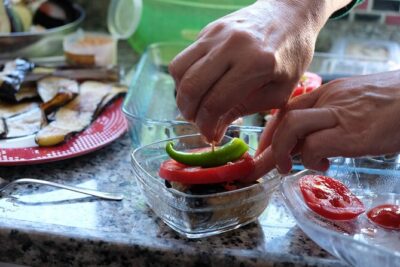
Private Turkish Cuisine Cooking Class with Local Moms
Read our review →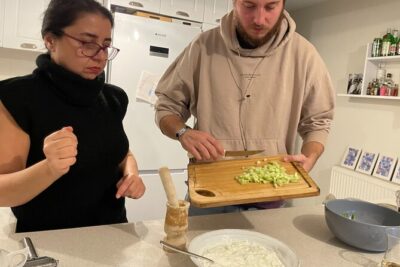
Traditional Home Cooking with a Local in İstanbul City Center
Read our review →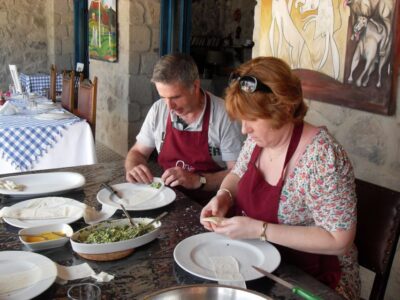
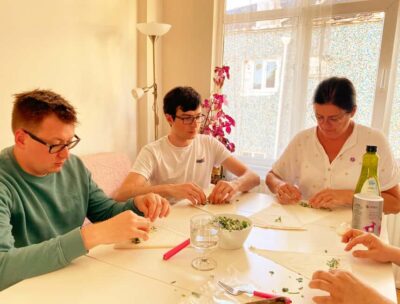
Authentic Turkish Cooking at a Local’s Home in Istanbul
Read our review →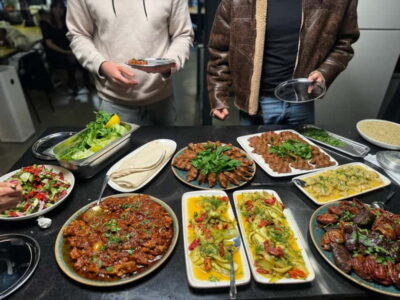
Istanbul: Turkish Cooking Class with a Professional Chef
Read our review →
Istanbul: Vegan/Vegetarian Cooking Class with Locals at Home
Read our review →
Authentic Turkish Breakfast Cooking at Home with Locals
Read our review →This kitchen also appears in