Review · ROME
Fettuccine & Tiramisù: Cooking Class with Wine & Limoncello
The best part of this Rome cooking class is that you make two Italian staples from scratch, then sit down and eat them. You prepare tiramisu first, set it to chill, and turn to fresh fettuccine with help from an English-speaking chef such as Lori, Tommy, Mimi, or Carlotta.
I like the clear hands-on format and the choice of three sauces, including tomato and basil, Amatriciana, and cacio e pepe. I also like the social side: you share a table, trade cooking tips, and finish with wine and limoncello. The main consideration is pace. Some sessions feel relaxed and intimate, while others can move quickly or be affected by a noisy classmate.
At a glance
- Two classic recipes: Make tiramisu and fresh fettuccine during a three-hour class.
- Choose your sauce: Pick tomato and basil, Amatriciana, or cacio e pepe for your pasta.
- English instruction: Chefs including Lori, Tommy, Mimi, Mattia, Maria, Kiki, and Carlotta have led sessions.
- Eat what you make: Your meal includes pasta, tiramisu, water, wine or a non-alcoholic drink, plus limoncello or coffee.
- Central Rome setting: Meet at Gusto Restaurant, Via Giuseppe Zanardelli 14.
- Good for mixed skill levels: The class suits beginners, families with older children, couples, and solo food lovers. Children under four are not allowed.
Why this class works so well in Rome
Rome gives you endless choices for a meal, but a cooking class gives you something a restaurant meal cannot: a practical skill and a story to carry home. Here, the ingredients are simple, the recipes are familiar, and the result is immediate. You do not need to be a confident cook to take part.
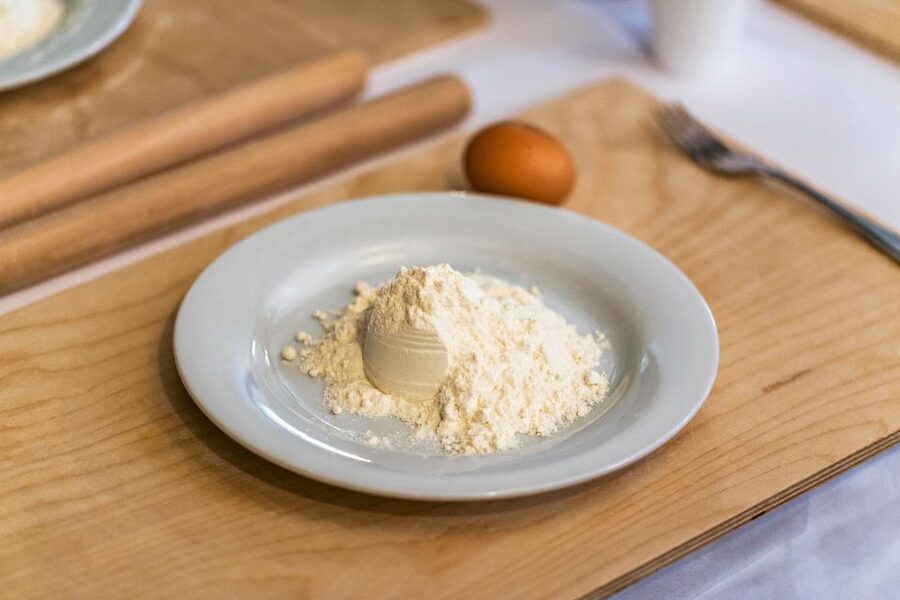
That simplicity is useful. You learn how flour, eggs, mascarpone, coffee, and a few other ingredients become dishes strongly tied to Italian food culture. The class does not depend on fancy equipment or hard-to-find products, so you can try the recipes again after returning home.
The setting is Gusto Restaurant on Via Giuseppe Zanardelli 14, in the heart of Rome. You meet your chef there ten minutes before the scheduled start. Since the address is central, this is easy to pair with a day of sightseeing, though you should allow enough time to arrive without rushing from your previous stop.
The class is run in English. Chefs vary by session, but the named instructors include Lori, Tommy, Mimi, Maria, Carlotta, Kiki, Mattia, Furio, Tomas, Laura, and Paradise. That variety means the tone can differ from one class to another. The common thread is step-by-step teaching, humor, and plenty of encouragement.
More Cooking Classes with Wine Tasting in Italy
- Rome: Pasta Making Class with Wine, Limoncello, and Dessert
★ 4.9 · 3,177 reviews - Pasta Making & Wine Tasting with Dinner in Frascati from Rome
★ 5.0 · 1,326 reviews - Rome Cooking Class: Make Pasta, Dine & Drink Wine With Local Chef
★ 5.0 · 1,263 reviews
Starting with tiramisu before the pasta
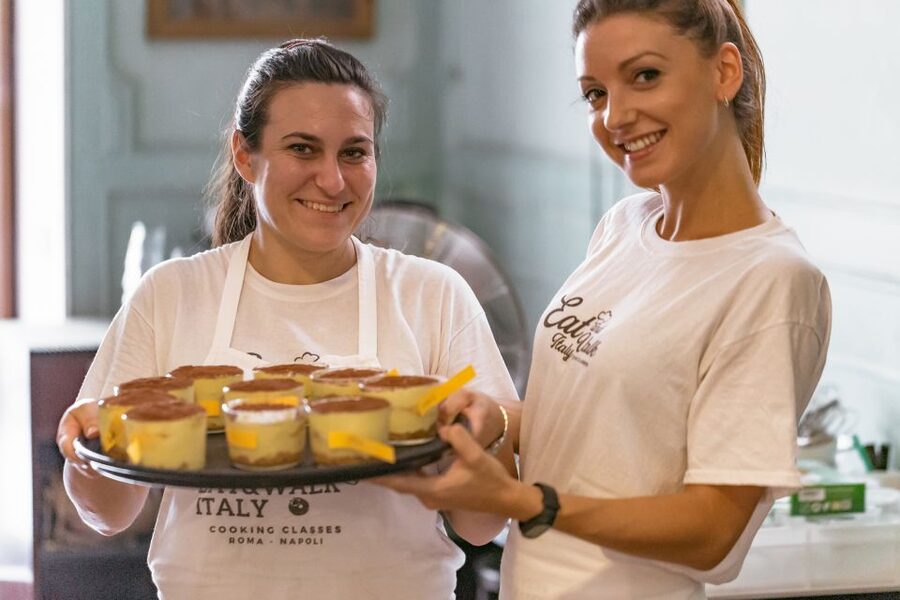
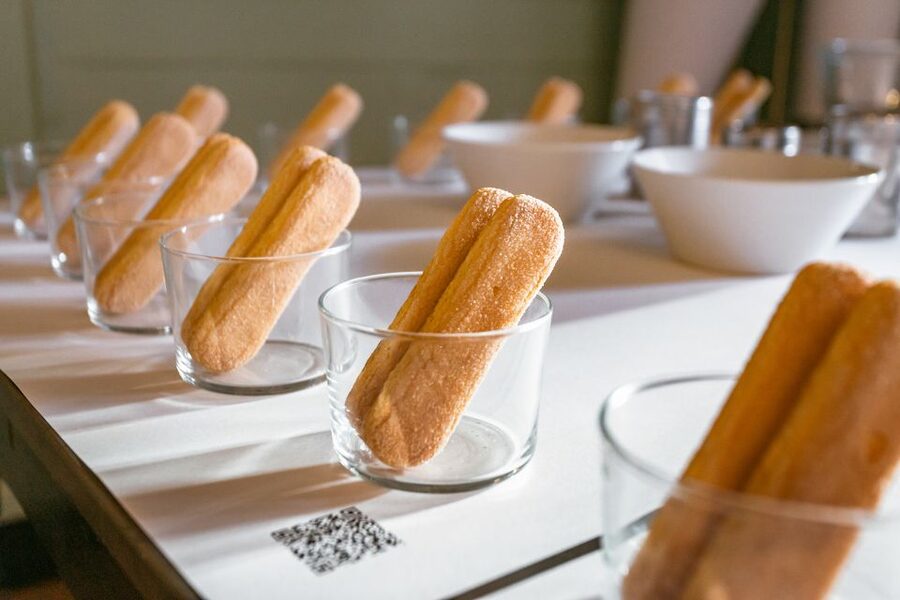
The class begins with tiramisu. This is a smart order because the dessert needs time to rest in the refrigerator while you work on the pasta.
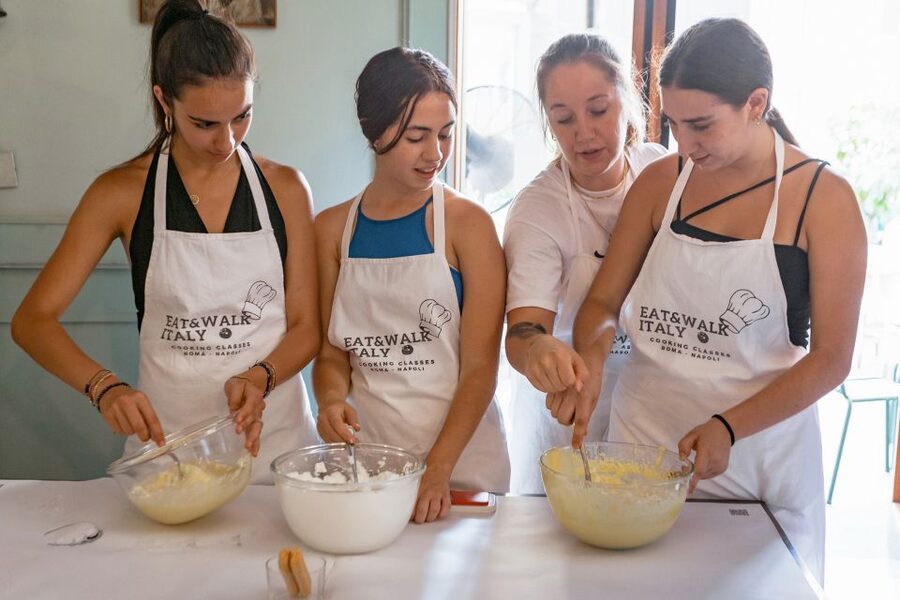
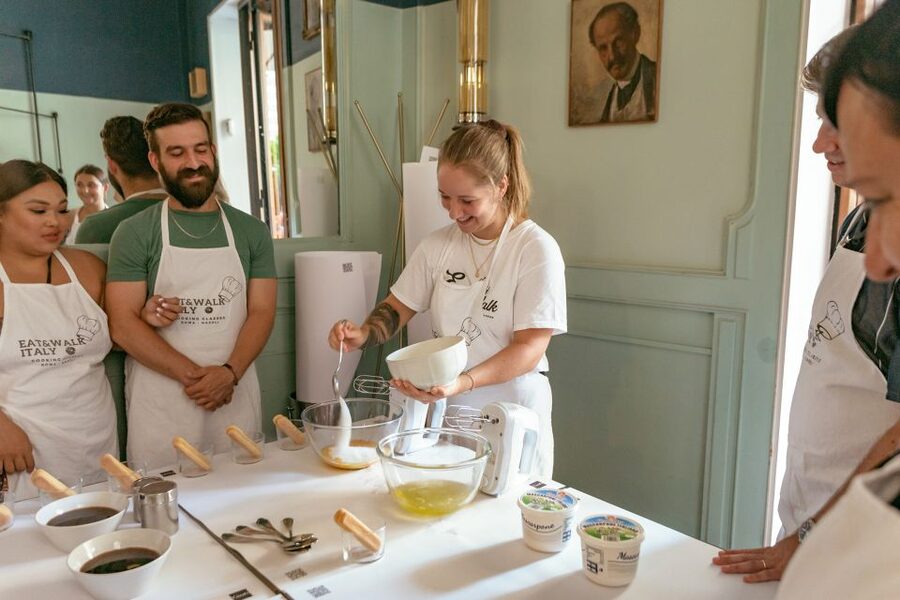
Your chef guides you through the process using fresh ingredients and explains each stage. You are not simply watching someone assemble a dessert at the front of the room. The aim is to take part, measure and combine ingredients, and build the tiramisu yourself.
The tiramisu portion is especially friendly to beginners. It does not require advanced knife work or complicated cooking techniques, and the chef can keep the group moving while helping people at different skill levels. Several instructors are praised for making the steps easy to follow, which matters if this is your first cooking class.
Once the dessert is ready, it goes into the fridge. That small pause gives the class a pleasing rhythm. You can see one part of the meal finished, then shift your attention to pasta making.
Rolling and shaping fresh fettuccine
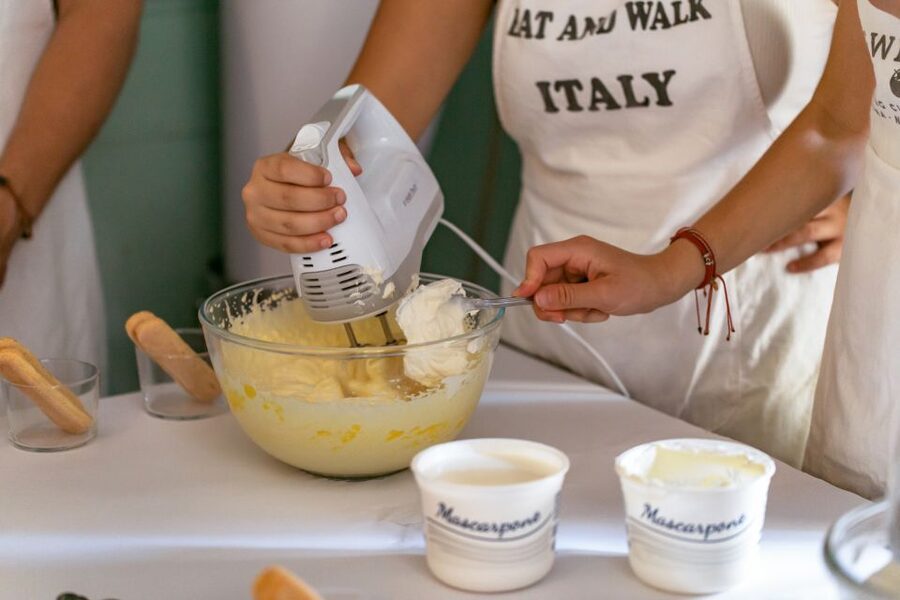
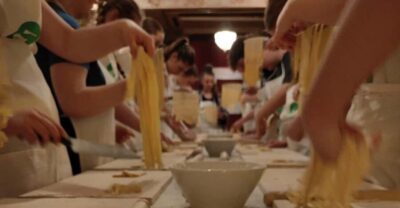
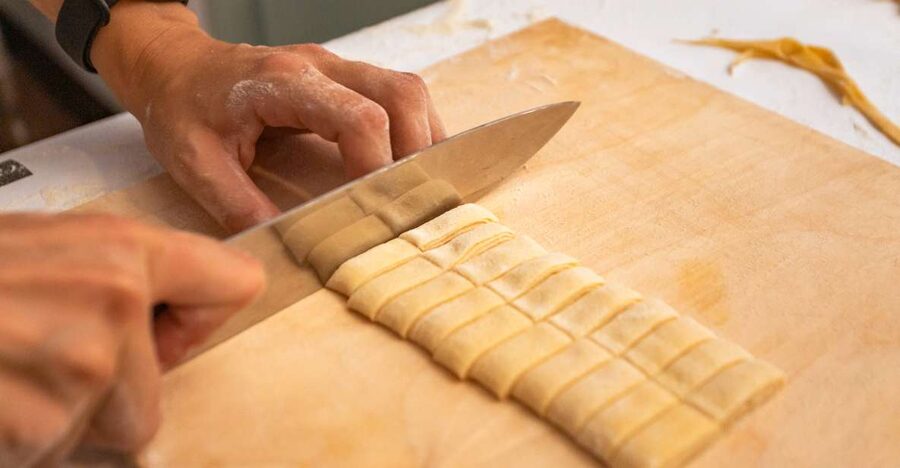
The pasta section is the heart of the experience. You work with a special recipe and learn how to shape the famous fettuccine. The process is hands-on, so you get a feel for the dough rather than only hearing an explanation.
This is where the chef’s teaching style matters most. Lori is described as especially encouraging, while Tommy is known for humor and clear instruction. Mimi has been praised for giving equal attention around the table, including to children. Carlotta and Mattia are also noted for keeping the class lively and interactive.
You will likely find the process easier than expected, but do not assume every movement will feel natural at first. Pasta dough rewards patience. The point is not to produce restaurant-perfect strands on your first try. It is to understand the basic method well enough to repeat it later.
The class has also included ravioli in some sessions, according to the supplied experience details. The advertised focus is fettuccine and tiramisu, so you should treat ravioli as a possible extra rather than a guaranteed part of every class.
One useful point to keep in mind: the pasta is cooked for you after preparation. That lets you move from the worktable to the meal without waiting through a long cooking period.
Picking between three Roman-style sauces
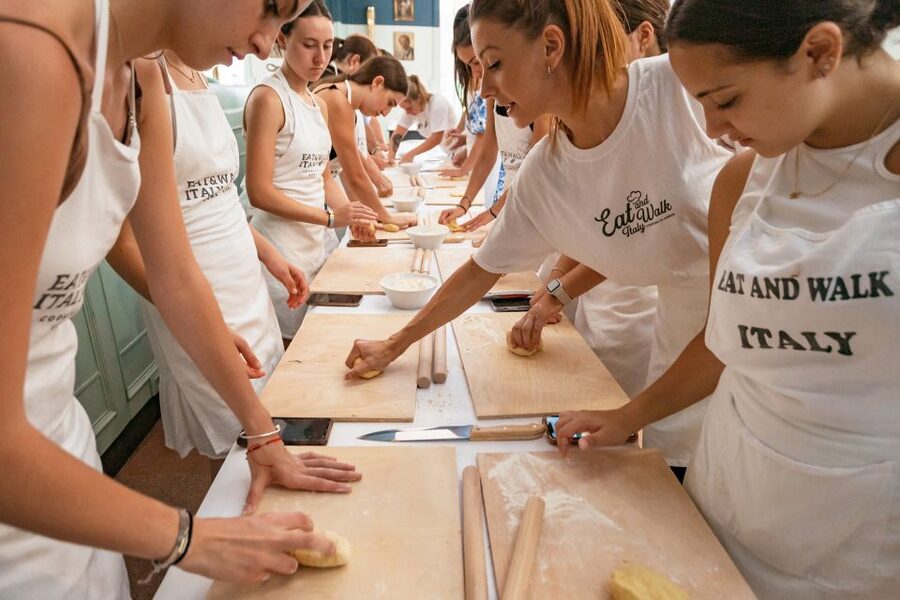
You choose the sauce for your fettuccine from three options:
- Tomato and basil
- Amatriciana
- Cacio e pepe
This choice is more than a minor menu detail. It lets you match the pasta to your own taste and gives you a small taste of the range of Italian sauce styles. Tomato and basil is the straightforward option. Amatriciana brings a stronger, savory character. Cacio e pepe is simple on paper but depends on getting the cheese and pepper balance right.
The chef explains the pasta preparation, but the supplied information does not promise a full demonstration of every sauce. One participant specifically wanted to see more of the sauce preparation. If sauce technique is your main interest, keep your expectations measured and ask questions during the class.
The pasta itself is the star. Freshly made fettuccine has a different texture from dried pasta, and eating it soon after shaping helps you understand why the work is worthwhile. You are not just learning a recipe. You are learning how fresh dough changes the final meal.
More Cooking Classes with Wine Tasting in Rome
- Rome: Combo Pizza and Pasta Cooking Class with Wine
★ 4.6 · 1,180 reviews - Rome: Pasta Making with Wine Tasting and Dinner in Frascati
★ 4.9 · 979 reviews - Super Fun Pasta & Gelato Class by Vatican with Wine + Oil Tasting
★ 5.0 · 726 reviews - Rome: Traditional Pasta Making Class with Wine & Gelato
★ 4.9 · 677 reviews
Sitting down to eat what you made
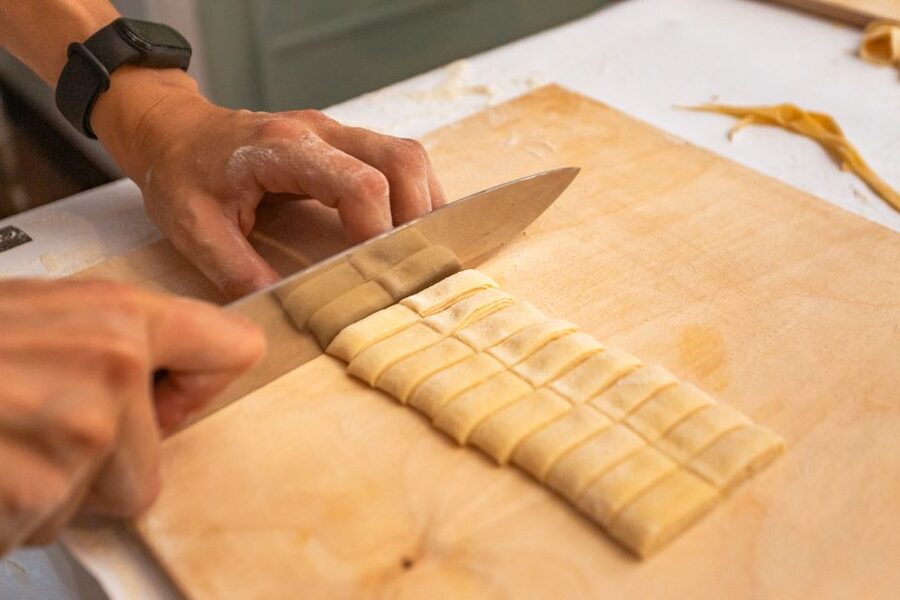
At the end, you take a seat and eat your own fettuccine and tiramisu. This is a satisfying finish because the meal has a clear connection to your work. You have mixed the ingredients, shaped the pasta, and watched the chef turn it into the dish on your plate.
The meal includes a glass of Italian wine or a non-alcoholic drink, along with a glass of limoncello or coffee. Water is also included. The drink pairing makes the class feel like a shared Roman meal rather than a lesson that ends at the kitchen table.
The dining portion is also when the social side comes into focus. You meet people from different countries, compare your pasta shapes, and talk about Rome over the food. Solo participants can find this especially useful, since the class naturally gives you a table of people to talk with.
The atmosphere can vary with the group. Smaller sessions may feel more comfortable and make it easier to connect with the chef and classmates. One class had only five people, which allowed for more direct attention. Larger or more energetic groups can be fun, but a few people may compete for the front position or talk while the chef is explaining a step.
That is the normal tradeoff of a shared cooking class. You are paying for a social experience, not a private lesson.
What the teaching is really like
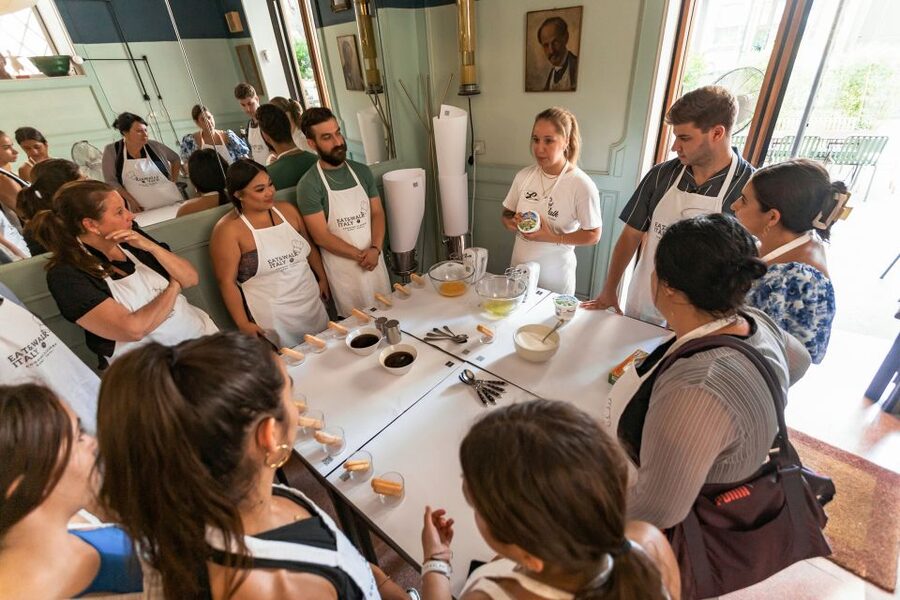
The strongest part of the class is the instructor’s role. The chefs do not simply demonstrate and leave you to guess the rest. The best sessions include clear instructions, hands-on help, jokes, and encouragement when the dough does not behave perfectly.
Lori has been praised for creating a welcoming atmosphere and helping each person succeed. Mimi is noted for her energy and ability to keep children involved. Tommy is described as funny and engaging, while Maria receives praise for being patient and helpful. Furio is remembered for explaining the process with humor and patience.
These details matter because cooking classes can easily become either too technical or too shallow. This one aims for a middle ground. You learn enough to repeat the dishes, but the mood stays relaxed.
Still, the experience is not identical every time. One session felt rushed, with some elements prepared in advance. That can be useful for keeping a three-hour class on schedule, but it may disappoint you if you want to perform every single step yourself. The class is best viewed as guided participation, not a completely independent cooking test.
Is $66 a good value?
At $66 per person, the class is not the cheapest meal in Rome. It is also more than the price of a basic plate of pasta. The value comes from combining instruction, food, drinks, and a social evening in one three-hour experience.
You receive the cooking class, an instructor, fettuccine with your chosen sauce, the tiramisu you make, water, a glass of wine or non-alcoholic drink, and limoncello or coffee. You also leave with the method for making the dishes, and the recipes are shared after the class according to the supplied details.
I consider that good value if you want an activity rather than only dinner. The class can replace one restaurant meal while giving you something practical to remember. It is less compelling if you dislike group activities or only want to eat without spending time preparing food.
For couples and families, the price covers entertainment as well as dinner. For solo visitors, the chance to meet people can add value. For serious home cooks, the class may feel basic, since the recipes use familiar ingredients and the instruction is designed for mixed experience levels.
Who should book this experience?
This class is a strong fit for first-time pasta makers. You do not need to arrive with cooking skills, and the chefs are used to explaining the process in simple steps.
It also suits families with teenagers. Several sessions have worked well for older children and teens, with the hands-on work keeping them involved. Children under four are not allowed, so this is not designed for toddlers or preschool-age children.
Couples may enjoy the balance of activity and meal. You work side by side, then sit down together with wine or another drink. Solo visitors can also fit in easily because the class encourages conversation around a shared table.
I would be more cautious if you want a private, highly technical lesson. The class may include a mix of skill levels, and the energy depends partly on the people in your group. You should also expect English instruction only.
Practical details before you reserve
Plan to arrive at Gusto Restaurant, Via Giuseppe Zanardelli 14, ten minutes before the class. Starting times vary, so check the available slot when booking.
The activity lasts three hours. That is long enough to learn both recipes and eat, but not so long that it consumes an entire day in Rome. I would place it between sightseeing plans only if you leave a comfortable buffer. Cooking classes rarely end at the exact minute when the meal and conversation are still going.
Pets are not allowed. The class offers free cancellation up to 24 hours before the start for a full refund, and you can reserve now and pay later. Those terms help if your Rome schedule is still changing.
The experience provider is Eat and Walk Italy. The listed price is $66 per person, and the class is offered in English.
The small drawbacks to know in advance
The biggest issue is not the food. It is the group dynamic. A loud or pushy classmate can make it harder to hear the chef, especially when everyone wants to help with the same step.
The second point is the pace. The class needs to prepare two dishes within three hours, so some preparation may be arranged in advance and certain explanations may move quickly. If you need extra time, speak up and ask the chef to repeat a step.
Finally, the sauce work may not receive as much attention as the pasta and tiramisu. The class clearly focuses on making the dough and dessert. You will choose a sauce and eat it with the pasta, but a full lesson on sauce preparation is not guaranteed.
These limits do not cancel out the good points. They simply help you book with the right expectations.
Should you book the Rome pasta and tiramisu class?
Book it if you want to make your own meal, meet people over the table, and learn recipes you can repeat at home. The combination of fettuccine, tiramisu, wine, and limoncello gives you a full three-hour experience for $66, rather than a short demonstration followed by a separate dinner.
I would especially recommend it for beginners, couples, solo food lovers, and families with teenagers. Choose another format if you want a private class, a detailed sauce workshop, or complete control over every step.
For most visitors, this is a practical and tasty break from Rome’s museums and monuments. You leave with a full stomach, a few new skills, and recipes that can bring a little Roman cooking into your own kitchen.
FAQ
Where does the cooking class take place?
Meet your chef at Gusto Restaurant, Via Giuseppe Zanardelli 14, in the heart of Rome.
How long does the experience last?
The cooking class lasts three hours. Check the available starting times when you reserve.
What food will I make?
You will make tiramisu and fresh fettuccine. The class information also mentions that some sessions may include ravioli, but the main focus is fettuccine and tiramisu.
Which pasta sauces can I choose?
You can choose tomato and basil, Amatriciana, or cacio e pepe for your fettuccine.
What drinks are included?
The experience includes water, a glass of wine or a non-alcoholic drink, and a glass of limoncello or coffee.
Is the class suitable for young children?
Children under four years old are not allowed. The class is suitable for older children and teenagers, and instruction is provided in English.
More Tiramisu and Dessert Classes in Rome
- Rome: Pasta & Tiramisu Cooking Class near the Spanish Steps
★ 4.8 · 1,395 reviews - Cooking Class in the Heart of Rome: Pizza and Tiramisu Making
★ 5.0 · 1,330 reviews - 2-in-1 Pasta and Tiramisu Cooking Masterclass in Rome
★ 5.0 · 832 reviews - Rome Cooking Class: Make Pizza and Pasta with Wine & Dessert
★ 4.5 · 651 reviews
More Pasta Making Classes in Rome
- 3 in 1 Cooking Class near Navona: Fettuccine, Ravioli & Tiramisu
★ 5.0 · 7,376 reviews - Rome Cooking Class: Make Pasta and 3 Spritz Cocktails
★ 5.0 · 2,937 reviews - Rome: 3-in-1 Fettuccine, Ravioli, and Tiramisu Cooking Class
★ 4.9 · 2,704 reviews - Rome: Fettuccine Pasta Cooking Class in Rome’s City Center
★ 4.8 · 2,414 reviews
New cooking classes around Rome
- ROME:Hands-On Lasagna & Marsala Tiramisu Cooking Experience”★ 5.0 · 3 reviews
- Rome: Vatican Food Tours, Cooking classes & Free Tours★ 4.9 · 11 reviews
- Rome: Traditional Pasta, Spritz & Tiramisu Cooking Class★ 4.9 · 279 reviews
- Rome: Trastevere Pasta Making Class★ 4.9 · 33 reviews
- Rome: Traditional Pasta and Tiramisu Cooking Class★ 5.0 · 4 reviews
- Rome: Small Group Pasta cooking class near Piazza Navona★ 4.9 · 8 reviews
- Rome: Traditional Cooking Class in the Jewish Ghetto★ 4.9 · 75 reviews
- Rome: “Rooftop Pasta and Cocktails Cooking Class”★ 5.0 · 12 reviews
Rome Cooking Classes, side by side.

3 in 1 Cooking Class near Navona: Fettuccine, Ravioli & Tiramisu
Read our review →
Rome: Pasta Making Class with Wine, Limoncello, and Dessert
Read our review →
Rome Cooking Class: Make Pasta and 3 Spritz Cocktails
Read our review →
Rome: 3-in-1 Fettuccine, Ravioli, and Tiramisu Cooking Class
Read our review →
Rome: Fettuccine Pasta Cooking Class in Rome’s City Center
Read our review →
Pasta Cooking Class Near the Colosseum with 3 Spritz Cocktails
Read our review →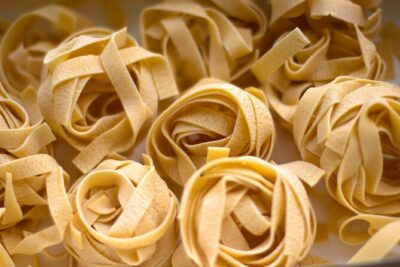
Enjoy Spritz and Pasta Making in Piazza Navona
Read our review →