
Review · INDIA
Alleppey Homely Cooking Class
Kerala cooking makes a strong first impression through simple, familiar ingredients used with care. At Shilpa’s family home in Alleppey, you’ll learn how coconut, curry leaves, mustard seeds, tamarind, banana leaves, and fresh vegetables turn into a full meal. I especially like the small private setting and the chance to eat the food in a traditional banana-leaf style with the family. I also like that the spice level can be adjusted to suit you.
The main thing to clarify is what you mean by cooking class. You may take part in preparing the dishes, but the experience can also feel like watching Shilpa demonstrate several recipes while explaining each step. If you want printed recipes or a take-home ingredient list, ask in advance, since these are not listed as included.
Key points to know before booking
- A real family home: Shilpa welcomes you into the home where her husband, daughter, parents, and nearby relatives are part of local family life.
- A full Kerala menu: Expect fish pollichathu, fish curry, prawns puttu, avial, thoran, pickle, papad, payasam, and tea with rice or appam.
- Three hours in a private group: This suits people who prefer conversation and personal attention over a large demonstration.
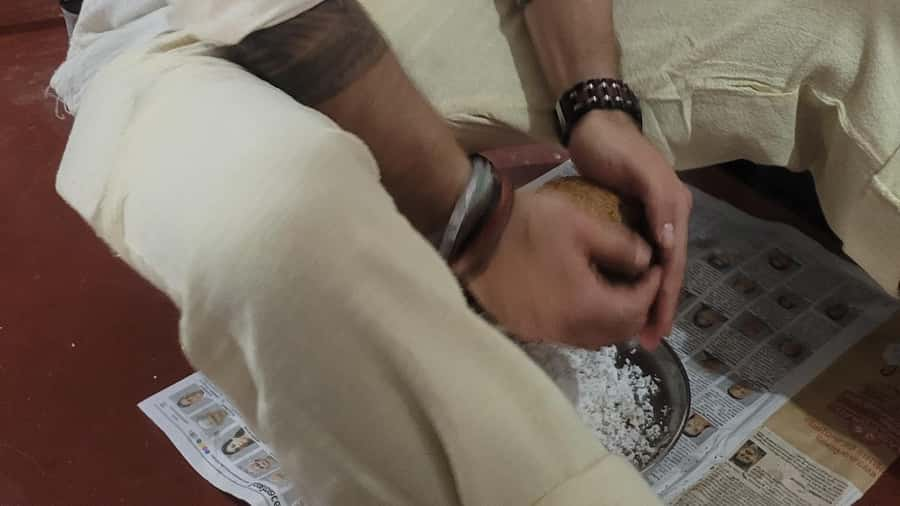
- Coconut is the star ingredient: You’ll see local coconut-based methods, including the traditional coconut grater that impressed one visiting chef.
- Food is adapted to you: Shilpa can adjust the spice level, but this activity is not suitable for people with food allergies.
- Plan your own way there: Pickup and transportation are not included, so you need to reach the family home independently.
Entering Shilpa’s Alleppey kitchen
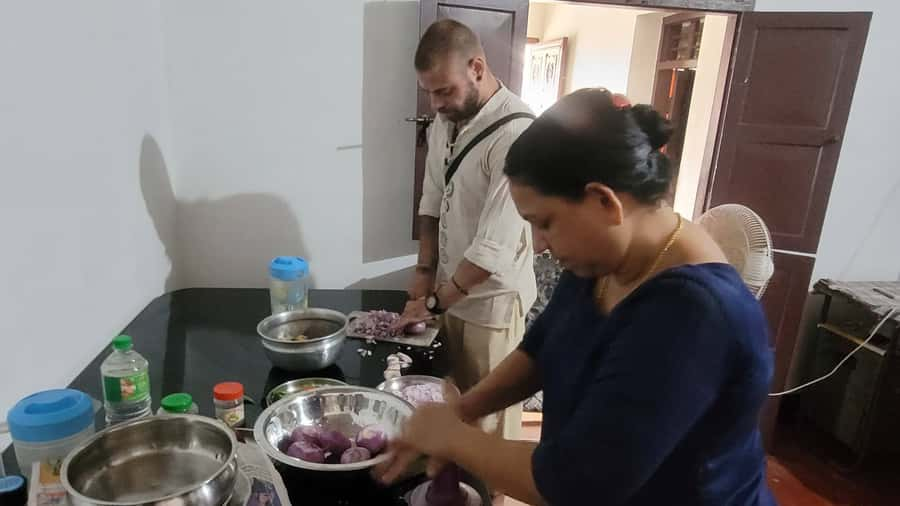
This is not a polished restaurant class with a branded teaching kitchen. It takes place at Shilpa’s home, in a family setting that gives the afternoon or evening a more personal shape. The meeting point is described as the family home, with parents and relatives living nearby for a long time.
That detail matters. You are not only learning a few dishes. You are seeing how Kerala food fits into ordinary home life, where cooking is tied to family, conversation, and sharing a meal. Shilpa’s husband and daughter may be part of the welcome, and one session included stories about life in Alleppey. I would choose this experience if you want a warm local encounter rather than a formal culinary lesson.
The group is private, which is a useful feature at $32 per person. You do not have to compete with a large class to ask about an ingredient or cooking method. The pace can also suit your group, especially if you want to talk about food, family life, or your time in Kerala.
The tradeoff is that a private home class may be less structured than a professional school. One participant expected to cook more actively but found that the class involved watching several dishes being prepared. That does not make the food lesson poor, but it does mean you should confirm how hands-on the session will be if that is your main reason for booking.
More cooking classes around India:
- Pink City Cooking Class
★ 5.0 · 452 reviews - Five Course Cooking Class & Meal
★ 5.0 · 250 reviews - Indian Cooking Class in an Authentic Local Home – Learn 6 Dishes
★ 5.0 · 195 reviews
The opening lesson: coconut, spices, and local ingredients
The class begins with an introduction to ingredients used in Kerala cooking. Expect attention to spices, vegetables, coconut, seafood, curry leaves, and the sour notes that give many Kerala dishes their character.
The coconut grater is one especially interesting piece of equipment. It is a simple local tool, but it shows how fresh coconut enters everyday cooking. Grated coconut appears in dishes such as avial and thoran, while coconut milk can help shape fish curry. For someone used to buying prepared coconut products, this is a useful reminder that the ingredient is not just a garnish in Kerala. It helps build texture, body, and aroma.
Shilpa also explains the role of spice blends and seasoning. Kerala food is not simply hot for the sake of being hot. Sour tamarind or raw mango can sharpen a fish curry, mustard seeds and curry leaves can season a vegetable dish, and coconut can soften the overall effect. The result is a meal with several kinds of flavor rather than one blast of chili.
I like that the class can be adjusted to your spice tolerance. This is practical, especially if you are new to South Indian food. Still, tell Shilpa clearly what you can handle before cooking begins. Do not assume that asking for less heat means removing every strong flavor. Many Kerala dishes depend on sourness, curry leaves, pepper, ginger, or other seasonings that are not the same as chili heat.
Fish pollichathu, a banana-leaf specialty
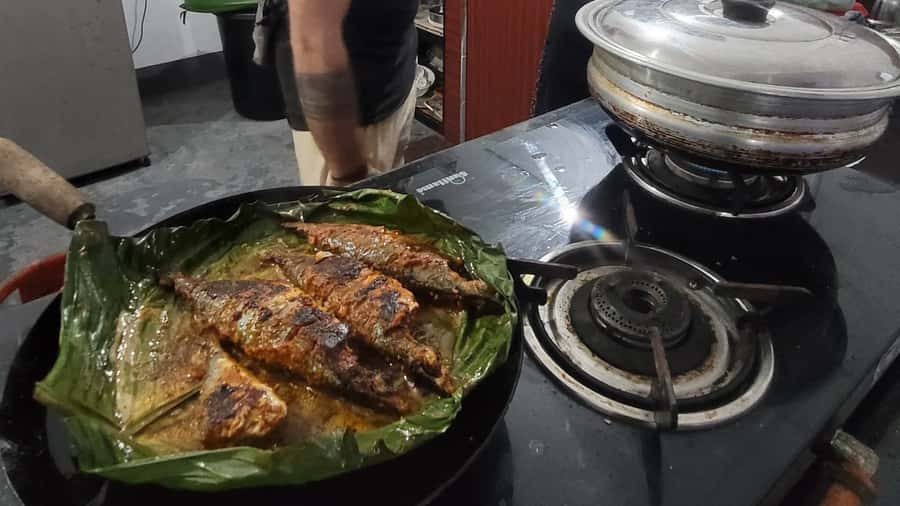
Fish pollichathu is one of the most memorable dishes on the menu. The fish is marinated in spices, wrapped in a banana leaf, and then grilled or steamed. The leaf helps hold in moisture and gives the dish its distinctive aroma.
This is a good dish to watch closely because the method is as important as the ingredients. The banana leaf is not simply a plate. It forms a cooking wrapper that protects the fish and adds a gentle fragrance. You can ask Shilpa how she chooses the fish, how long it is marinated, and how she knows when it is ready.
Fish pollichathu also gives you a clear example of Kerala’s practical cooking style. A local leaf, fresh seafood, coconut, and spices combine without the need for a complicated presentation. If you already enjoy seafood, this may be the highlight of the meal.
Fish is central to the menu, so this class will not suit everyone. If you do not eat seafood, you should ask whether alternatives are possible before booking. The supplied information lists the class as unsuitable for people with food allergies, and it does not promise substitutions.
Fish curry with coconut, tamarind, or raw mango
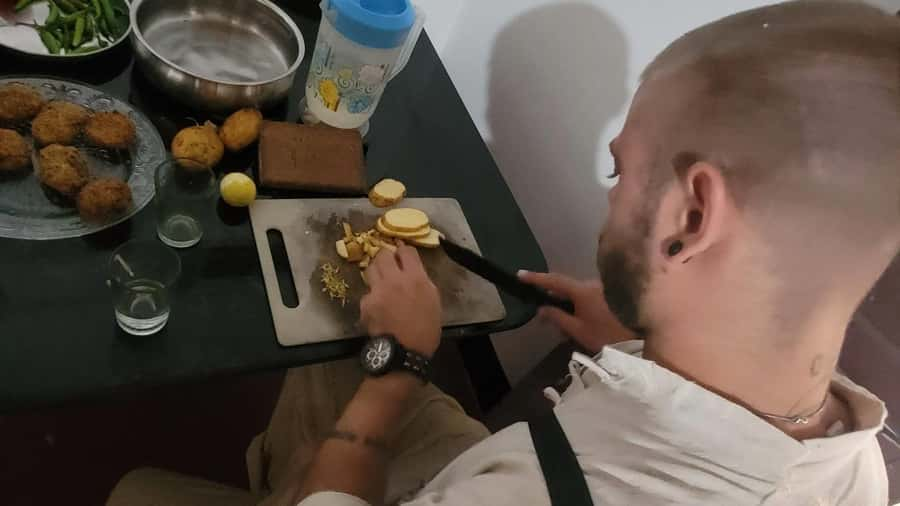
Kerala fish curry offers a different lesson from fish pollichathu. Instead of a wrapped preparation, the fish is cooked in a spiced sauce that may include coconut milk, tamarind, or raw mango. That sour edge is one of the things that makes the curry taste distinctly Keralan.
I like this part of the meal because it explains why two fish dishes can feel completely different. Pollichathu focuses on the banana leaf and the marinade. Fish curry focuses on the sauce, the balance of sourness and spice, and the way it works with rice or appam.
The class menu says the dishes are served with rice or appam. Rice is the straightforward partner for a saucy curry, while appam brings a soft, lacy texture that works well for scooping. The exact choice may depend on the cooking plan and availability, so do not assume you will receive both.
If you want to recreate the curry at home, pay attention to when the sour ingredient is added and how the sauce is thickened. Those small timing choices often matter more than buying a long list of spices. Shilpa is also a good person to ask about substitutions if some Kerala ingredients are difficult to find where you live.
Same kitchen, a different dish:
- Private Guided Cooking Workshop Experience in Jodhphur
★ 5.0 · 158 reviews - Jaipur Market Tour & Vegetarian Rajasthani Home Cooking Class
★ 5.0 · 113 reviews - Cooking Class in Jaipur – Family Experience with Meal & Transport
★ 5.0 · 101 reviews - Interactive Cooking Class with a Local Family in Jaipur
★ 5.0 · 90 reviews
Prawns puttu and the seafood focus
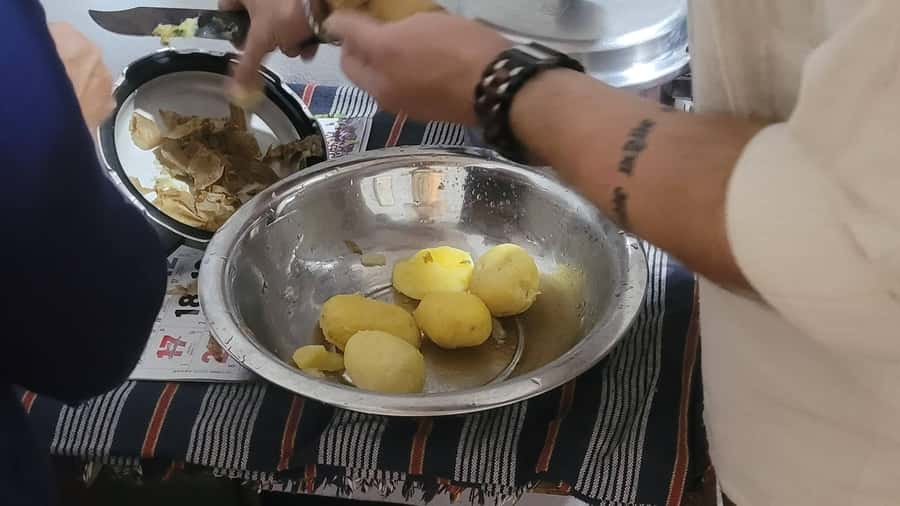
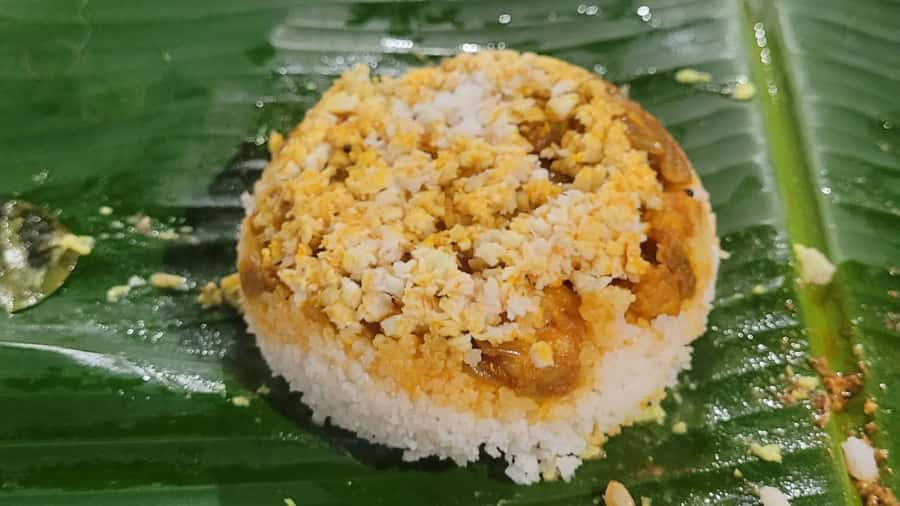
Prawns puttu adds another texture to the meal. It combines ground prawns, grated coconut, and spices, then is steamed in a cylindrical mold or a traditional container such as bamboo. It is different from the better-known sweet or plain versions of puttu because the seafood becomes part of the steamed mixture.
This dish is useful for understanding how Kerala cooking uses steaming as well as frying, grilling, and simmering. Coconut keeps the mixture moist, while the shape gives it a neat form when served. You may want to ask whether the prawns are ground finely or left with more texture, since that changes the bite.
The seafood-heavy menu is a strength if you want a taste of coastal Kerala. It is a limitation if you prefer vegetarian food. Avial and thoran provide vegetable dishes, but the class description does not say that a fully vegetarian menu is available. Contact the host before reserving if seafood is a concern.
Avial and thoran: two vegetable dishes, two different styles
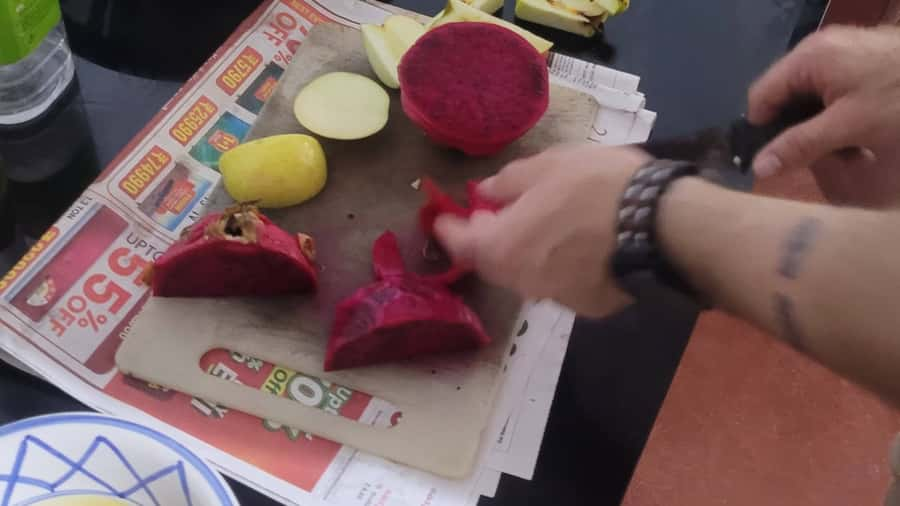
Avial is a mixed vegetable dish cooked with coconut and yogurt, then finished with coconut oil and curry leaves. It is mild and slightly tangy, which makes it a useful counterpoint to fish curry or pickle.
The vegetables are not buried under a heavy sauce. Coconut and yogurt bind the dish, while the seasoning keeps it fresh. This is the sort of preparation I find especially helpful to learn because it can become an everyday side dish, not just a special meal.
Thoran takes vegetables in another direction. It is a dry preparation made with grated coconut and vegetables such as beans, cabbage, or carrots. Mustard seeds and curry leaves add flavor, but the dish remains relatively light and textured.
Together, avial and thoran show how a Kerala meal creates balance. You get a soft, saucy vegetable dish and a drier coconut-based side, then combine them with rice or appam, pickle, and the seafood dishes. The menu is broad enough to give you a real sense of a home meal rather than a single recipe lesson.
Pickle, papad, payasam, and tea
The smaller items are not filler. Kerala pickles, often made with mango or lime, bring salt, spice, oil, and sourness to the plate. A little can change the taste of rice, fish curry, or vegetables. Ask how much pickle to use, because its flavor can be strong even in a small serving.
Papad adds crunch. In Kerala, it may be made with rice flour and served as a side dish or starter. It is easy to overlook, but the crisp texture helps break up a meal built around soft rice, curry, and steamed dishes.
Payasam is the dessert to save room for. It is a creamy sweet made with milk, sugar, and sometimes jaggery, cardamom, saffron, or nuts. Ada pradhaman, made with rice flakes and jaggery, is one famous version. One couple specifically found the dessert worth making room for, so I would not rush through the main course.
Tea finishes the experience. Kerala tea is strong and may include milk, sugar, cardamom, or ginger. Tea is also a natural time to keep talking with Shilpa and ask about the recipes, ingredients, and ways to cook them at home.
Sharing the meal on a banana leaf
After the cooking and explanations, you eat lunch or dinner, with tea included. One particularly appealing detail is the traditional banana-leaf meal shared with the family. It gives the food a clear local setting and changes the feel of the class from demonstration to hospitality.
A banana leaf is practical, but it also shapes the meal. Dishes can be placed around the rice, and you can try small amounts together rather than eating each recipe in isolation. If you are new to eating from a banana leaf, watch how the meal is arranged and ask questions. There is no need to pretend you already know the custom.
The quantity may be generous. One person wished for a doggy bag after several dishes were prepared, but takeaway food is not listed as included. If you think you will not manage a large meal, tell Shilpa early and ask what can be saved or shared. Do not count on leaving with leftovers unless the host confirms it.
What the $32 price really gives you
At $32 per person, the value is strongest if you want more than a meal. You receive a three-hour private cooking experience, instruction in several dishes, lunch or dinner, tea, and time with an English-speaking host. The menu covers seafood, vegetables, pickles, a crisp side, dessert, and a drink, so you get a wide sample of Kerala home cooking.
The price is less compelling if you only want to eat. Alleppey has many ways to enjoy a meal for less money, and a class requires three hours of your schedule. You are paying for the personal welcome, the cooking conversation, and the chance to ask how the food is made.
Transportation is not included. Since the meeting point is a private home, confirm the address and plan your route before the day. The activity does not include pickup, even though one past participant referred to help with pickup and drop-off. I would treat transport as your responsibility unless Shilpa agrees otherwise in writing.
The booking terms are traveler-friendly: you can cancel up to 24 hours before the experience for a full refund, and you can reserve now and pay later. Starting times vary, so check availability when choosing your slot.
Who should book this Alleppey cooking class
I would recommend this for you if you like small-group experiences, home cooking, seafood, and conversation. It works especially well for couples, solo visitors, and food-focused families who want a personal activity during a stay in Kerala.
It also suits cooks who want to learn techniques rather than collect a restaurant menu. The coconut grater, banana-leaf cooking, steamed puttu, sour fish curry, and vegetable sides give you several ideas to take home. One participant who works as a chef found the tools and methods new, which suggests the session can interest experienced cooks as well as beginners.
You should think twice if you need a formal class with printed recipes, exact measurements, and guaranteed hands-on work. Ask about recipes and participation before booking. You should also avoid this experience if you have food allergies, since it is specifically marked as unsuitable for people with allergies.
Should you book it?
Book the Alleppey Homely Cooking Class if you want a warm family welcome, a broad Kerala menu, and a private three-hour food experience for $32. Shilpa’s clear explanations, flexible spice level, family stories, and banana-leaf meal are the strongest reasons to go.
Skip it if your priority is a tightly scripted professional lesson or a fully hands-on kitchen workshop. For most people seeking a taste of daily Kerala cooking, the home setting and generous menu make this a worthwhile choice, provided you confirm the meeting point, transport, recipe details, and level of participation first.
FAQ
How long does the Alleppey Homely Cooking Class last?
The cooking class lasts three hours. Starting times vary, so you need to check availability when booking.
What food is included in the experience?
The menu may include fish pollichathu, fish curry, prawns puttu, avial, thoran, pickle, papad, payasam, and tea. Dishes are served with rice or appam.
Is lunch or dinner included?
Yes. Lunch or dinner and tea are included with the Kerala cuisine cooking class.
Is transportation to the family home included?
No. Pickup and transportation are not included, so you need to arrange your own way to the meeting point.
Is the class private?
Yes. The activity is offered as a private group experience with an English-speaking host.
Can I cancel the booking?
You can cancel up to 24 hours in advance for a full refund. You can also reserve now and pay later.
New cooking classes around India
- Private Cooking Class In Jodhpur With Family★ 5.0 · 2 reviews
- New Delhi: Full-Day Cooking Class learn 8 dishes with Locals★ 5.0 · 7 reviews
- New Delhi: Indian Cooking Class in a Local Home★ 5.0 · 65 reviews
- New Delhi: 5-Hour Traditional Cooking Class with Local Chef★ 5.0 · 2 reviews
- Mumbai Coastal Cooking: From Fishing Net to Flavourful Plate★ 5.0 · 5 reviews
- Kerala: Cooking Class in Munnar★ 5.0 · 2 reviews
- Kerala Traditional village cooking class (Munnar)★ 4.8 · 15 reviews
- Jodhpur 11 Dishes Cooking Class With REKHA Pick Up & Drop OF★ 5.0 · 24 reviews
India Cooking Classes, side by side.
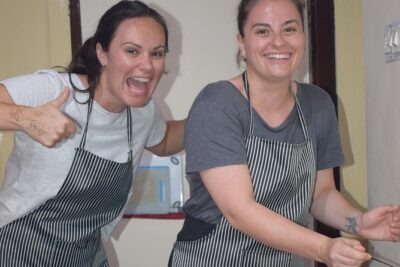
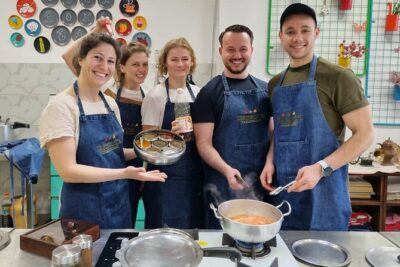
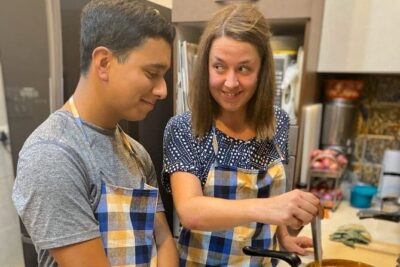
Indian Cooking Class in an Authentic Local Home – Learn 6 Dishes
Read our review →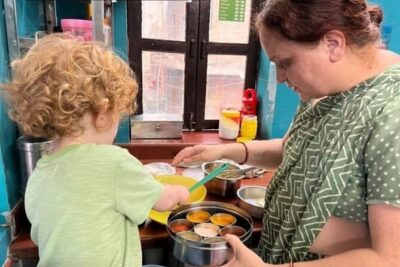
Private Guided Cooking Workshop Experience in Jodhphur
Read our review →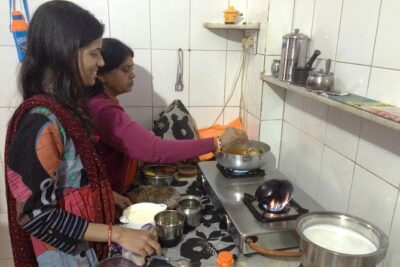
Jaipur Market Tour & Vegetarian Rajasthani Home Cooking Class
Read our review →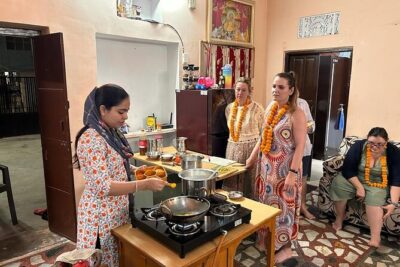
Cooking Class in Jaipur – Family Experience with Meal & Transport
Read our review →
Interactive Cooking Class with a Local Family in Jaipur
Read our review →
Delhi: AI Cooking Class and Much More in a Local Family Home
Read our review →This kitchen also appears in