
Review · SRI LANKA
Arugam Bay Cooking Class : Sri Lankan Tradition
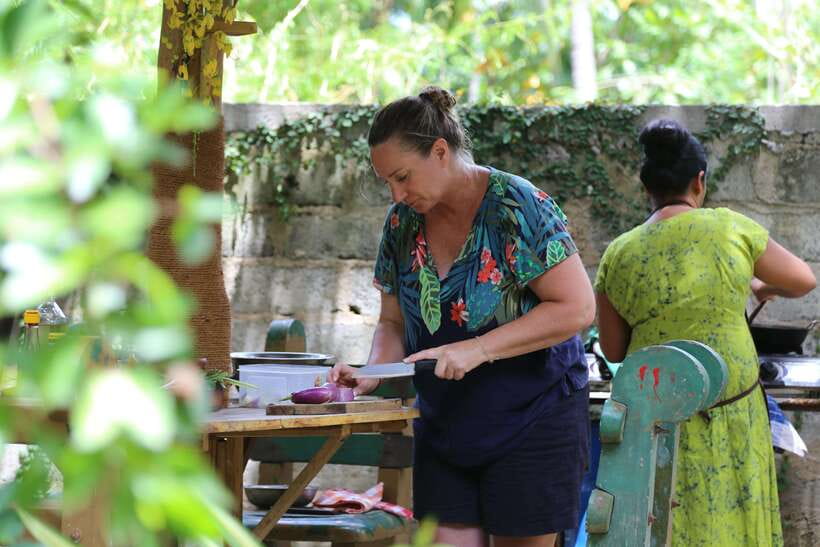
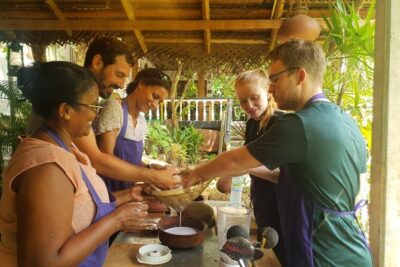
The most appealing part of this experience is the setting: you leave Arugam Bay for the village of Panama and cook in a local family home. I like the personal village connection and the chance to eat food you help prepare, rather than simply sitting down at a restaurant. The $30 price also covers pickup, transport, the lesson, lunch, and a welcome drink.
I also like the focus on familiar Sri Lankan cooking methods, especially tempering spices in coconut oil and balancing curries, sambals, rice, and dessert. The main point to consider is the hands-on level: one participant found the session more watch-and-eat than cook, so you should confirm how much preparation you will personally handle.
Key points at a glance
- Panama village setting: Leave Arugam Bay and see a more local side of the area.
- Family-hosted meal: Cook and eat with a Sri Lankan family in their home.
- Traditional techniques: Learn about coconut oil, spice tempering, curries, sambals, rice, and dessert.
- English or Italian guidance: Your instructor can lead the session in either language.
- $30 all-in value: Hotel pickup, transport, the 1.5-hour class, lunch, and an Aayubowan welcome drink are included.
- Important expectation: The session may include demonstration and observation as well as hands-on cooking.
From Arugam Bay to Panama village
This class begins with a short change of scene. Instead of staying among Arugam Bay’s surf-town restaurants, you travel to Panama, where a local family welcomes you into a traditional Sri Lankan kitchen.
That change matters. Food makes more sense when you see where it is prepared and shared. A meal in a family home gives you a closer look at daily life than a standard restaurant visit, even though the cooking session itself lasts only 1.5 hours.
Hotel pickup and drop-off are included, along with full transport. That makes the outing simple to fit into an Arugam Bay stay. You do not need to arrange a separate ride to the village or work out your way back after lunch.
The exact pickup time depends on availability, so check the start times before booking. The duration is short enough to fit around other plans, including a beach day or a longer outing in the area.
More cooking classes around Sri Lanka:
- Ella: Traditional Sri Lankan Cooking Class
★ 4.9 · 788 reviews - Organic cooking class sigiriya (kumara & family)
★ 5.0 · 650 reviews - Sri Lanka Cooking Class with Granny
★ 5.0 · 587 reviews
A warm welcome before the cooking begins
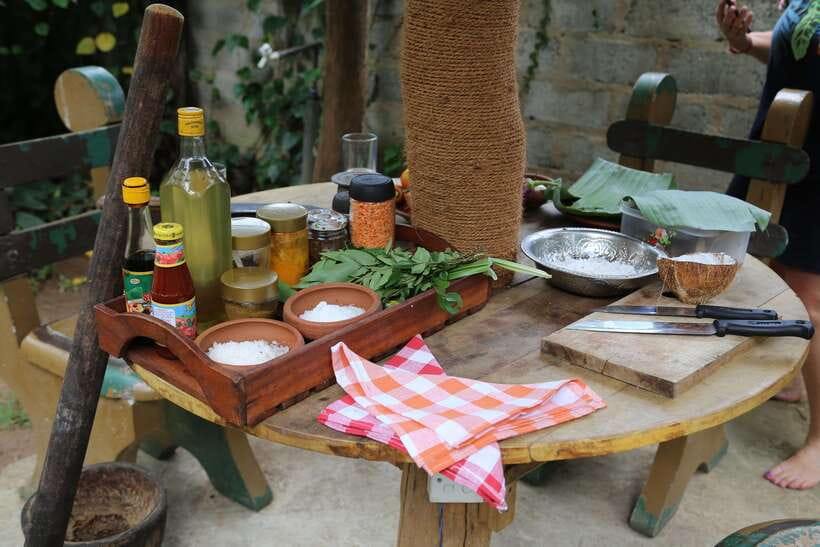
The experience includes an Aayubowan welcome drink. Aayubowan is a traditional Sri Lankan greeting, and this opening gives the visit a clear cultural purpose from the start.
You are not simply being taken to a kitchen for a quick demonstration. The idea is to meet a family, hear about food in ordinary life, and share a meal after the preparation. The host family is part of the experience, not just background scenery.
The available information does not specify the size of the group or the exact dishes served on a particular day. That means your meal may vary according to the family’s menu and available ingredients. This is normal for a home-based cooking class, but it is worth keeping in mind if you are hoping to prepare one exact dish.
The class is led by an instructor who speaks English or Italian. Rishi is specifically praised for being helpful, so Italian and English speakers have a named guide associated with the experience. The family host and guide may divide the work between cooking instruction, translation, and conversation.
What you learn in the traditional kitchen
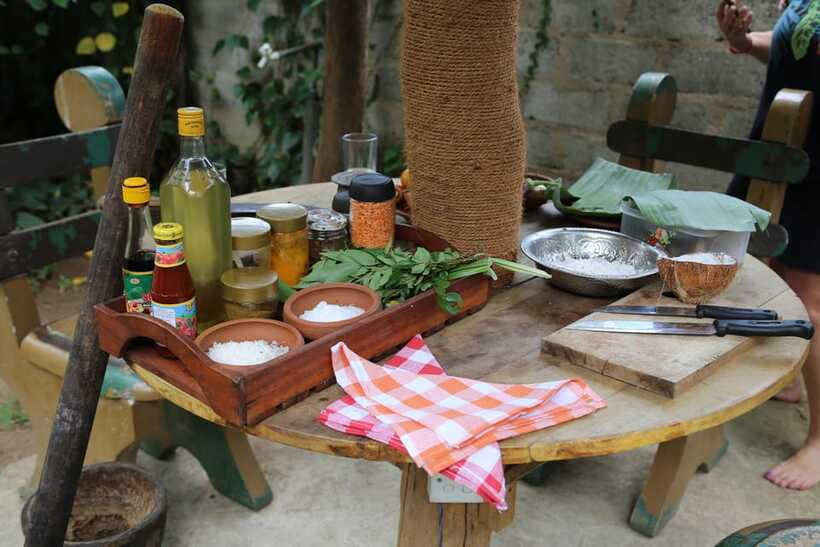
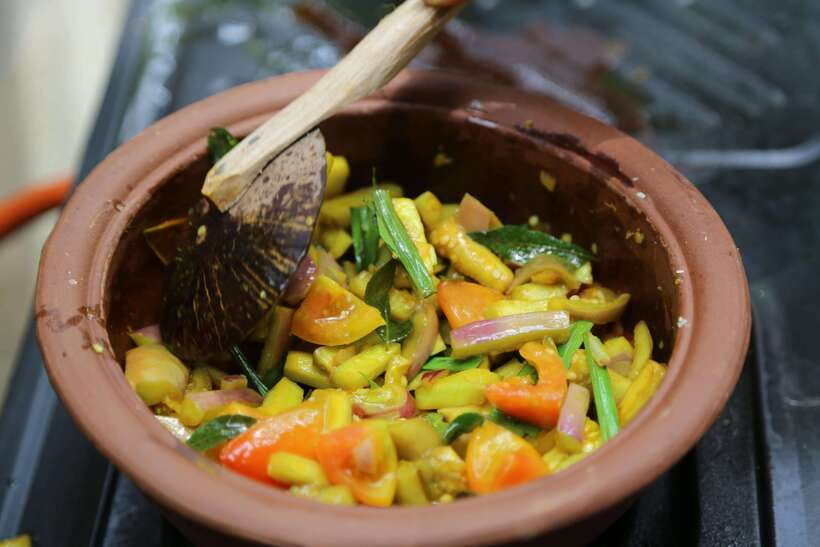
The cooking lesson centers on the building blocks of Sri Lankan food. You can expect instruction connected to aromatic curries, spicy or fresh sambals, fragrant rice, and Sri Lankan desserts.
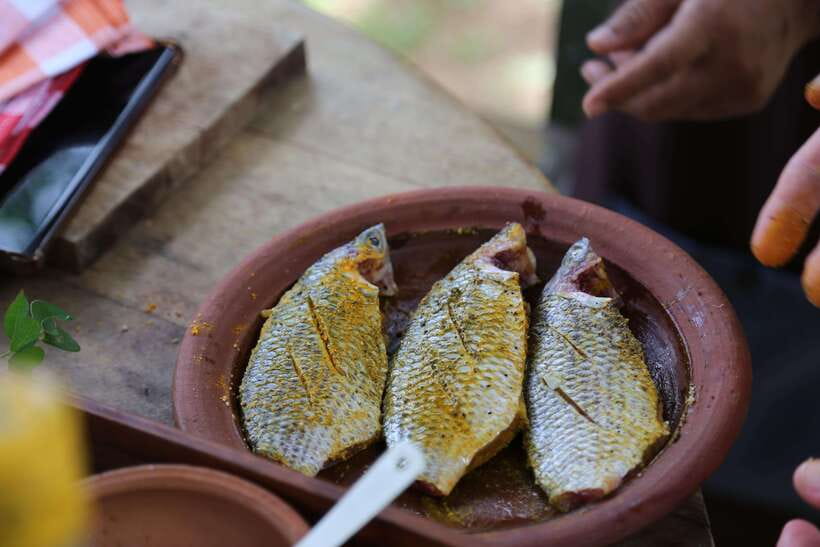
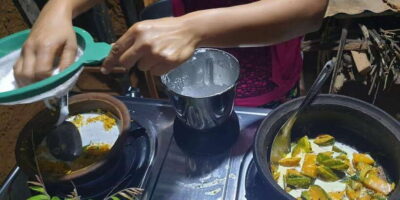
One useful technique is tempering spices in coconut oil. This is not just a small kitchen trick. Heating spices in oil helps release their aroma and gives the finished dish a deeper flavor. You also learn how several strong ingredients work together without one taking over the plate.
Sri Lankan cooking often depends on balance. Heat, sourness, sweetness, salt, coconut, and spice need to work together. A good class should help you see why ingredients are added at different points, rather than asking you to follow a list of steps without explanation.
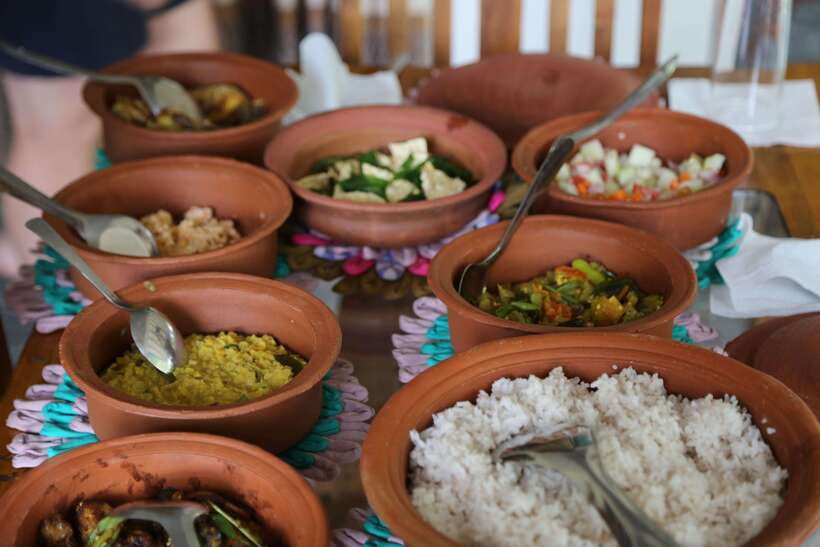
You may also learn how the rice, curries, sambals, and dessert fit together as one meal. That is more useful than learning a single recipe in isolation. It gives you a better sense of how a Sri Lankan lunch is assembled and shared.
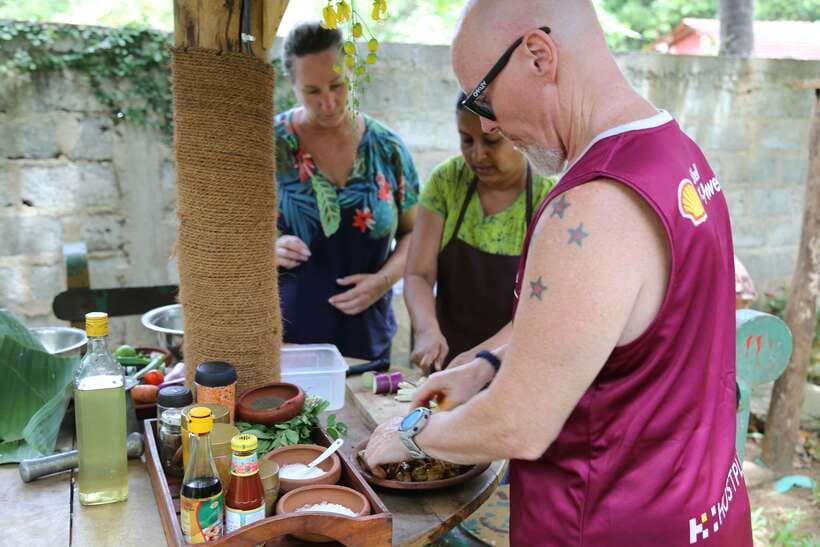
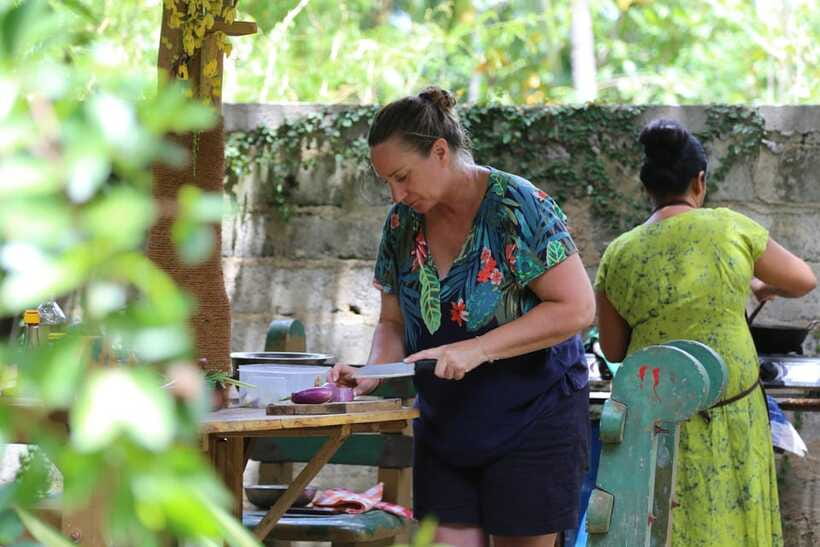
The experience is described as hands-on, but you should set your expectations carefully. One participant felt there was more watching and eating than direct cooking. If you are an enthusiastic home cook, ask at the start which tasks you will perform yourself. You may be able to chop, stir, season, or help with several dishes, but the supplied details do not promise that every participant handles every stage.
The meal is part of the lesson
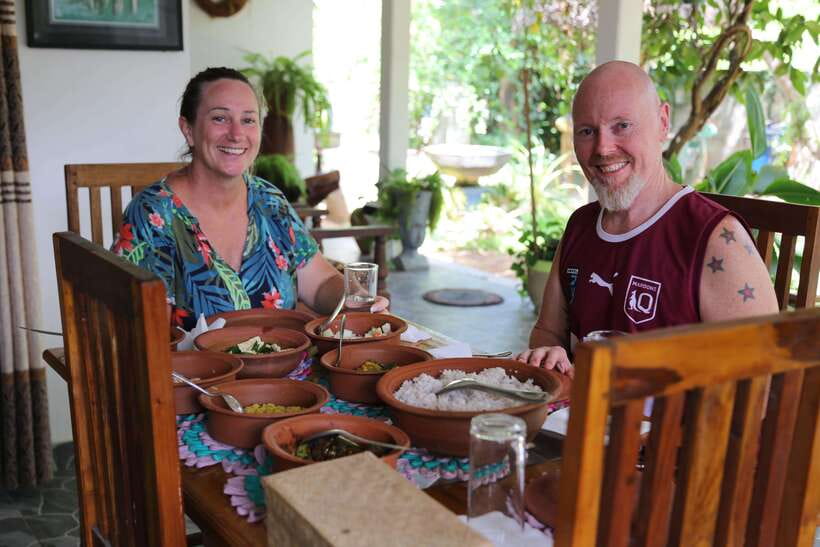
After the cooking, you sit down to eat the meal prepared during the session. This is one of the strongest reasons to choose a cooking class instead of a food demonstration. You get to taste the result while the techniques are still fresh in your mind.
The meal is also a chance to talk with your hosts and exchange stories. The experience is designed around food as a social activity, not simply as a technical exercise. You learn why meals matter in family life and how traditional dishes fit into the rhythm of a Sri Lankan household.
The clearest praise for the experience concerns the family, the guide, and the flavor of the food. One verified participant described the family as nice, found Rishi helpful, and rated the meal highly. That points to the human side of the outing as its greatest strength.
Still, the meal should not be confused with a restaurant tasting menu. The emphasis is on sharing a home-cooked lunch that you help prepare. The menu is not listed in advance, and the experience does not promise a long series of courses.
Same kitchen, a different dish:
- Kandy Village Cooking Class
★ 5.0 · 536 reviews - Sea waves sri lankan cooking class
★ 5.0 · 467 reviews - Ella: Sri Lankan Cooking Class with Neranji at Homestay
★ 5.0 · 276 reviews - Cook with Wasantha
★ 5.0 · 248 reviews
How much value do you get for $30?
At $30 per person, this is a fair price if you value the complete package. The fee includes hotel pickup and drop-off, transport, an instructor, the 1.5-hour lesson, the welcome drink, and the meal.
Transport adds real value in Panama. If you had to arrange a separate taxi or tuk-tuk, the cost and hassle would reduce the appeal of a short cooking session. Here, the transport is built in, so more of your time and money goes toward the experience itself.
The duration also helps explain the price. This is not a full-day food tour. It is a focused 90-minute visit with a meal and cultural contact. You pay for a compact activity, not an all-day excursion with several stops.
For a serious cook, the value depends on how active the session is. If you mainly want to watch a local family work and then eat, the price remains reasonable. If you want to practice every technique yourself, the value is less certain because one participant found the class less hands-on than expected.
I would treat this as a cultural meal with cooking instruction, rather than a formal professional cooking school. That is the fairest way to judge what you receive for $30.
Who will enjoy this Arugam Bay activity?
This class suits you if food is one of your favorite ways to meet people. It also works well if you want a short cultural activity that gets you away from the usual Arugam Bay routine.
It is a good fit for:
- Food lovers who want to understand Sri Lankan flavors.
- Cultural explorers who prefer a family home to a standard restaurant.
- Couples and small groups looking for a shared meal and a relaxed activity.
- First-time visitors who want an easy introduction to curries, sambals, rice, and dessert.
- English or Italian speakers who want instruction in one of those languages.
- Visitors with limited time who need an activity lasting only 1.5 hours, plus transport.
It may be less suitable if your main goal is intensive cooking practice. The available feedback includes a clear warning that the session may involve more watching than expected. If you want to master several recipes step by step, ask for details before you commit.
The class also may not suit anyone who needs a fixed menu. The experience describes types of dishes rather than a guaranteed list of recipes. That flexibility is part of the home-based character, but it gives you less control than a formal cooking school.
Practical details that matter
The activity takes place in Sri Lanka’s Eastern Province, with the village visit in Panama near Arugam Bay. Hotel pickup and drop-off are included, but the exact pickup area is not stated, so confirm that your accommodation is covered when you reserve.
The class lasts 1.5 hours. Check the available starting times because the schedule is not fixed in the information provided.
Instruction is available in English and Italian. If you have food allergies, dietary restrictions, or ingredients you avoid, the supplied details do not confirm that special menus are available. Contact the provider before booking rather than assuming the family kitchen can adjust the meal.
The provider is Arugambay Agenda. The experience has a current rating of 4.4 from two verified ratings, one giving four out of five and another giving five out of five. With such a small sample, I would use the score as a general signal, not a guarantee.
Free cancellation is available up to 24 hours before the activity for a full refund. You can also reserve now and pay later, which is helpful if your Arugam Bay plans may change.
How to get the most from the visit
Go in ready to participate, but do not assume you will personally prepare every dish. At the beginning, ask the instructor which parts you can handle and whether the class will be mainly demonstration, shared preparation, or a mix of both.
Pay close attention to the spice work. The most useful lesson may not be a single recipe, but the order in which ingredients are cooked and how coconut oil brings out their aroma.
Ask about the role of each dish on the plate. A curry, a sambal, and rice do different jobs, and understanding that balance will help you recreate the meal at home. The family setting gives you a natural chance to ask those questions.
Give yourself time to enjoy the conversation. The visit is short, and rushing through the meal would miss the point. Your most lasting memory may be the exchange with the hosts rather than a written recipe.
Finally, keep your expectations aligned with the price. You are receiving transport, a welcome, local instruction, and lunch for $30. That is strong value for a friendly cultural visit, even if it does not provide the depth or personal cooking time of a longer specialist course.
Should you book this cooking class?
Book it if you want a friendly introduction to Sri Lankan food, a family-hosted lunch, and an easy trip from Arugam Bay to Panama. The helpful guide, pleasant family setting, tasty meal, included transport, and $30 price make a convincing package.
Skip it, or ask more questions first, if you need a highly hands-on class with guaranteed individual cooking time. The one caution is important: the session may be more demonstration and tasting than active preparation.
For most people, I would view this as a short cultural food visit with cooking included. If that sounds right, it offers a simple way to meet local people, understand Sri Lankan flavors, and enjoy lunch away from the main resort strip.
FAQ
Where does the cooking class take place?
The experience takes you from Arugam Bay to the village of Panama in Sri Lanka’s Eastern Province, where a local family hosts the cooking session.
How long does the activity last?
The cooking class lasts 1.5 hours.
What is included in the $30 price?
The price includes hotel pickup and drop-off, full transport, a tour instructor, the 1.5-hour cooking lesson, an Aayubowan welcome drink, and the meal prepared during the experience.
Which languages are available?
The instructor can provide the experience in English or Italian.
Will I cook the dishes myself?
The activity is presented as hands-on, but the amount of personal cooking may vary. One participant found the session more focused on watching and eating, so ask the instructor how much preparation you will handle.
Is lunch included?
Yes. After preparing the food, you sit down and enjoy a Sri Lankan lunch made during the class.
Can I cancel for a full refund?
Yes. You can cancel up to 24 hours in advance for a full refund. Reserve now and pay later is also available.
New cooking classes around Sri Lanka
- Private Traditional Sri Lankan Cooking Class in Kandy★ 5.0 · 7 reviews
- Private cooking class – Personalized classic menu★ 5.0 · 5 reviews
- Nilaveli: Sri Lankan Cooking Class with a Local Family★ 5.0 · 16 reviews
- Mirissa: Cooking Class with Beer and Meal★ 3.3 · 4 reviews
- Kandy Cooking Class with Granny★ 4.9 · 95 reviews
- Kandy: Village Cooking Class 12 Dishes with Market Tour★ 5.0 · 6 reviews
- Hands-On Cooking Class in Anuradhapura: Cook Like a Local★ 5.0 · 5 reviews
- Galle: Traditional Sri Lankan Cooking Class★ 5.0 · 21 reviews
Sri Lanka Cooking Classes, side by side.
Organic cooking class sigiriya (kumara & family)
Read our review →
Ella: Sri Lankan Cooking Class with Neranji at Homestay
Read our review →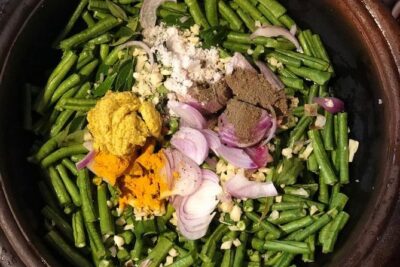
Ella : Cooking class with amazing Spice Garden Tour
Read our review →This kitchen also appears in