
Review · CAPE TOWN
Authentic African Cuisine Cooking Experience
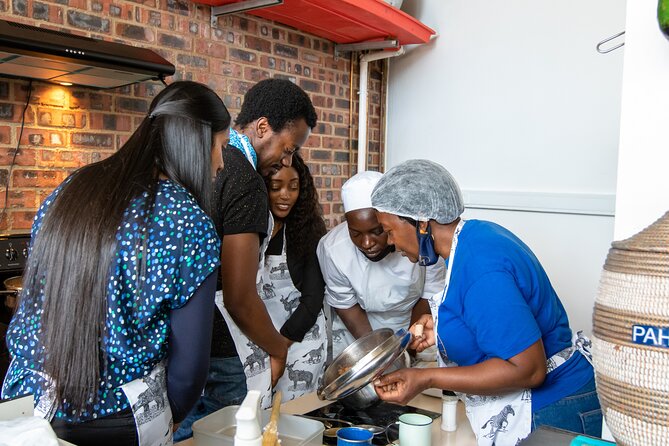
African cooking here is a hands-on lesson and a shared meal, not a cooking demonstration where you sit quietly and watch. At Pahari African Restaurant, Caleb explains the food’s history while Florence leads the practical work, from Sadza and chicken stew to chakalaka and peanut-butter vegetables.
I like the small group limit of 10, which gives the class a friendly, personal feel. I also like the chance to eat communally after cooking, with African drinks, starter snacks, and a hot tea or coffee to finish. The one consideration is that this is best for basic cooks. If you want advanced knife skills or restaurant-level technique, the lesson may feel simple.
Key points to know before booking
- You cook a full spread: Prepare Sadza, beef bones with greens, chicken stew, peanut-butter vegetables, chakalaka, and sugar beans.
- Caleb and Florence host the experience: Caleb covers history, ingredients, and food traditions, while Florence guides much of the cooking.
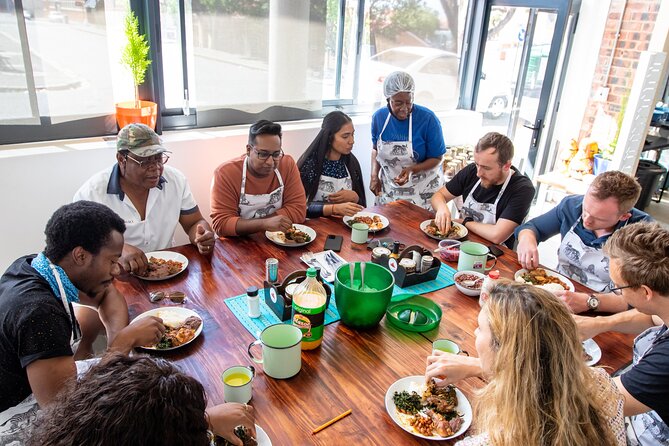
- The meal is communal: You help make the food, then sit down and share it together in an African home-style setting.
- Vegetarian and vegan choices are available: Tell the hosts your needs when booking so the meal can be adjusted.
- The class lasts about two and a half hours: It begins and ends at Pahari African Restaurant in Salt River.
- Plan your ride carefully: The meeting point is near public transport, and an Uber driver should be told you are going to the restaurant.
Starting at Pahari African Restaurant in Salt River
The experience begins at Pahari African Restaurant, 121 Cecil Road, Salt River, Cape Town. It ends at the same place, so you do not need to arrange a second pickup point. The activity is confirmed at booking, and your mobile ticket is handy for arrival.
Salt River is outside the most tourist-focused parts of Cape Town. That matters because this cooking class is tied to a working restaurant and local setting rather than a polished hotel kitchen built only for visitors. I would allow extra time to find the address, especially if you are using a ride-hailing car. One practical tip is to tell your Uber driver the restaurant name and address clearly. Drivers may know the restaurant better than a general destination such as Salt River.
The class accepts up to 10 people. That is small enough for each person to have a role, though the exact amount of hands-on work can depend on the size and mix of your group. A pair may receive a more intimate lesson, while a full group will create a livelier shared table.
More cooking classes around the world:
- Half-Day Thai Cooking Class at Organic Farm in Chiang Mai
★ 5.0 · 19,087 reviews - Florence: Pasta Cooking Class with Unlimited Wine
★ 4.9 · 10,285 reviews - 3 in 1 Cooking Class near Navona: Fettuccine, Ravioli & Tiramisu
★ 5.0 · 7,376 reviews
African drinks and starter snacks set the tone
You are welcomed with a choice of African drinks and starter snacks before the main cooking begins. These early tastes are useful because they introduce ingredients and flavors before you start preparing the meal.
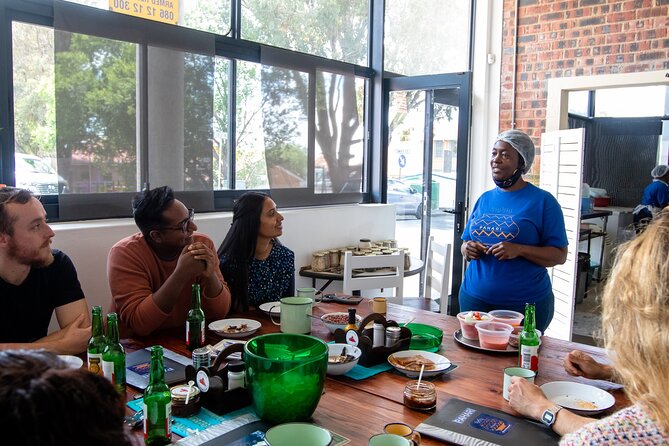
The food lesson is not limited to a list of recipes. Caleb explains the background of African cuisine, how ingredients are used, and how recipes have changed as they have passed through generations. That context gives the meal more meaning. You are not simply learning how to stir a pot. You are learning why these dishes belong together and how food carries family traditions.
One especially useful part of the introduction is the attention given to nutritional value and ingredients. The experience includes an explanation of the food before Florence takes the group into the cooking work. If you enjoy understanding what you are eating, this opening discussion adds real value.
The tone appears relaxed and social. The hosts are described as warm and welcoming, and the setting is intended to feel like an African home rather than a formal culinary school. That is a strength for people who want conversation and cultural exchange along with their meal.
Six dishes, one shared cooking session
The main work covers several dishes rather than one single recipe. You will learn to make Sadza, also called mealie pap, along with meaty beef bones mixed with green vegetables, chicken stew, green vegetables with peanut butter, chakalaka, and sugar beans.
Sadza is a central part of the meal. It is a maize-based staple with a plain, comforting character, and it helps balance the stronger stews and vegetables. Preparing it gives you a basic connection to the structure of the meal, rather than treating it as an unfamiliar side dish that simply appears at the table.
The beef bones and greens bring a hearty element to the menu. Chicken stew adds another main dish, while the green vegetables with peanut butter show how a rich, nutty ingredient can change the texture and flavor of a vegetable course. Chakalaka contributes a spiced vegetable component, and sugar beans add a filling, plant-based dish.
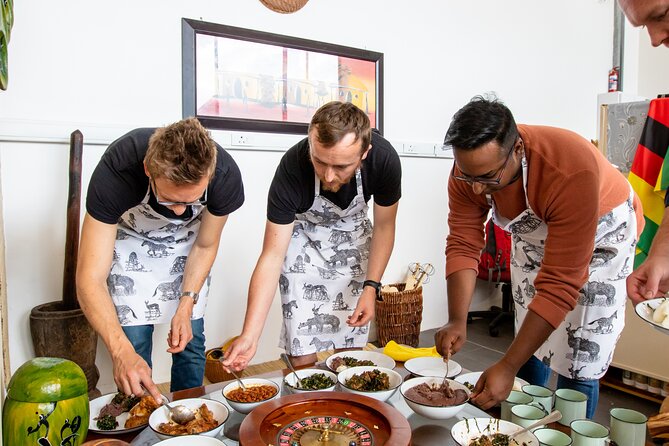
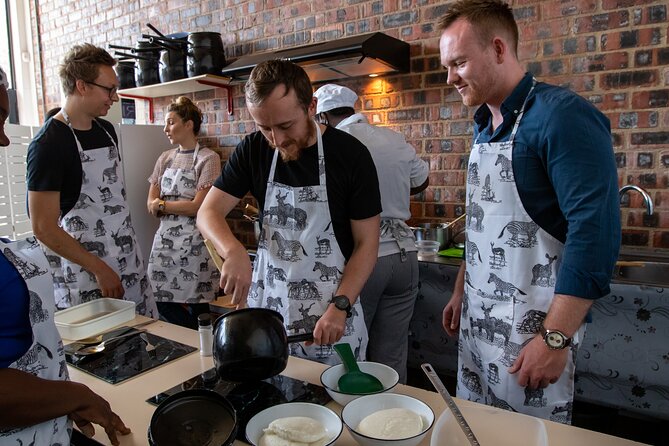
You will not necessarily prepare every component entirely on your own. The experience is built around shared participation, with each person contributing to one or two dishes. That arrangement works well for families and groups because everyone has something to do, and nobody has to carry the whole meal.
It also explains why the class may feel basic to an experienced home cook. The emphasis is on learning, helping, and sharing rather than mastering difficult culinary technique. If you already cook often, focus on the ingredients, methods, and cultural explanations. The value is less about technical challenge and more about seeing how a complete African meal comes together.
Cooking with Florence and learning from Caleb
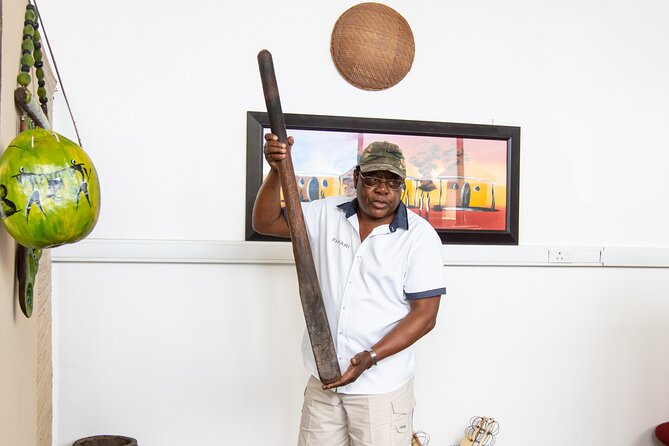
Caleb’s part of the experience centers on food history, ingredients, and the meaning behind the dishes. His presentation gives the cooking a wider frame and helps connect the recipes to African food traditions.
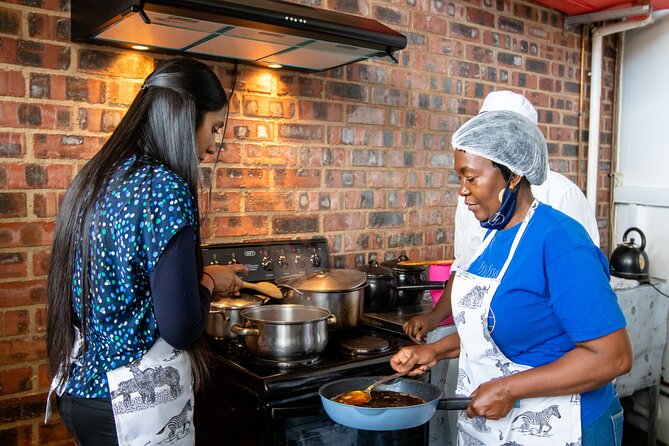
Florence leads the practical side with a warm, personal approach. The cooking is step by step, and you are encouraged to get your hands involved. That hands-on element matters. You can ask questions as the dishes take shape, see how the ingredients are handled, and contribute instead of watching from the edge of the room.
One distinctive detail is the traditional preparation of peanut butter. The hosts show how it was made in a more traditional way, adding a useful connection between a familiar ingredient and older food practices. This kind of detail is more memorable than a generic cooking lesson because it shows how methods and ingredients fit into everyday life.
The hosts also provide recipes and photographs or videos after the experience, according to the information provided by the operator. That is a practical bonus if you want to recreate the meal at home. Still, you should not expect a formal recipe book or a professionally structured chef’s course. The experience is personal and conversational.
Same kitchen, a different dish:
- Florence: Pasta & Tiramisu Cooking Class with Unlimited Wine
★ 4.9 · 6,708 reviews - Florence: Pasta Cooking Class with Unlimited Wine
★ 5.0 · 6,413 reviews - Hanoi Cooking Class: Culture, Local Market & Meaning CSR Impact
★ 5.0 · 5,147 reviews - 5 Traditional Dishes Hanoi Cooking Class with Market Trip
★ 5.0 · 4,890 reviews
Eating together is part of the lesson
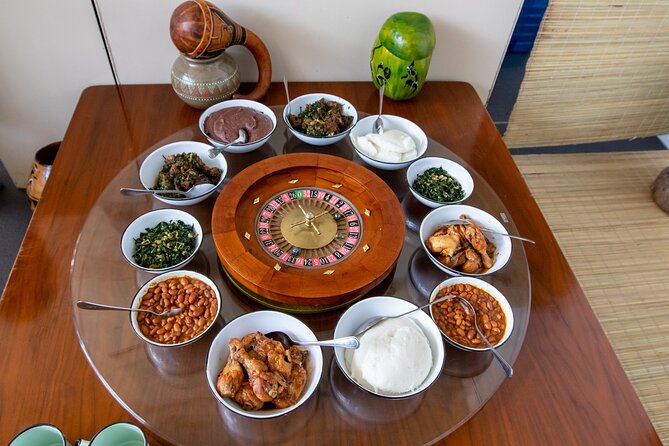
Once the food is ready, the group eats together communally. This is not an optional afterthought. Sharing the meal is presented as part of how food is commonly enjoyed in an African home.
That final table time is one of the strongest reasons to book this experience. You get to taste the dishes while they are fresh, compare the different textures, and talk with the people who prepared the meal beside you. For many people, this will feel more meaningful than leaving a cooking class with a container of food and no shared moment.
The hosts aim to create a home-away-from-home atmosphere. The style is friendly and intimate, especially when the group is small. It also suits families. Two children, ages 11 and 14, were able to take part, try unfamiliar foods, and enjoy eating with their hands. That does not guarantee every child will like the menu, but it shows that the experience can work well for older children who enjoy active participation.
The communal format may not suit someone who prefers a private table or a quiet, highly structured meal. You will be sharing the space, the work, and the conversation with your group. For most people choosing this activity, that is the point.
Vegetarian and vegan options are available
The menu includes meat, but vegetarian and vegan options are offered. This is important because the standard spread includes beef bones and chicken stew, while the vegetables, chakalaka, and sugar beans can help form the basis of a plant-focused meal.
I would communicate your dietary needs in advance rather than waiting until the cooking begins. The information confirms that alternatives are available, but it does not specify exactly which dishes will be changed or what substitute ingredients will be used. People with strict allergies should also ask for details before booking.
The range of dishes makes this a better choice for a mixed group than a class built around a single meat dish. One person can focus on the vegetable cooking while another helps with stew or Sadza, and everyone can still sit down to a shared meal.
What the price includes, and what it does not
The listed price is $57.51 per person. That includes the cooking experience, starter snacks, lunch or dinner, alcoholic beverages, and coffee or tea. Because the class lasts roughly two hours and 30 minutes and includes both instruction and a substantial meal, the price is reasonable for someone who wants a complete food-focused activity rather than a short tasting.
The value comes from several parts working together. You receive an introduction to African cuisine, hands-on preparation of multiple dishes, food and drinks, a communal meal, and a chance to speak directly with the hosts. You are also paying for a small-group format rather than a large demonstration.
Transportation is not included. You must reach Pahari African Restaurant yourself, using public transport or a taxi service. The meeting point is near public transportation, but no private transfer is provided. Add that ride to your budget and allow time for Cape Town traffic and for locating the restaurant.
Alcoholic drinks are included, but the available choices are not specified. If you do not drink, the African drinks and nonalcoholic options still form part of the welcome.
Who will enjoy this Cape Town cooking class
I would choose this experience if you want food to be your way into local culture. It suits people who enjoy conversation, family recipes, communal eating, and trying dishes they may not encounter in a standard Cape Town restaurant.
It is also a good introduction to Southern African food for a first visit. The class gives you a starting point for recognizing Sadza, chakalaka, sugar beans, stews, and greens later in your trip. The explanations about history and ingredients help you order with more confidence.
Families with older children can also consider it. The work is active, the setting is social, and the meal includes unfamiliar foods that can make the evening feel like an adventure. Vegetarian and vegan diners have options, though advance notice is sensible.
This is less suited to an advanced cook seeking precision instruction. One honest assessment describes the class as designed for very basic cooks, even while praising the food and information. If you want complex pastry work, advanced sauces, or a professional kitchen challenge, choose a different class.
It may also be less appealing if your priority is a tourist attraction near Cape Town’s central sights. Salt River requires a separate trip, and the focus is the food and people rather than a landmark view.
Timing, group size, and cancellation details
Plan on about two hours and 30 minutes from start to finish. The schedule includes the welcome, history and ingredient talk, cooking, the shared meal, and a final African tea or coffee. Do not schedule a tightly timed evening activity immediately afterward.
The maximum group size is 10. The smaller format supports participation, but the exact experience depends on how many people book your date. A group of two may receive a more intimate lesson, while a larger group may bring more conversation and shared energy.
You can cancel for a full refund up to 24 hours before the start time. Changes or cancellations made less than 24 hours before the experience are not accepted for a refund. The cut-off follows local Cape Town time, so check the local time before making last-minute changes.
Should you book the Authentic African Cuisine Cooking Experience?
Book it if you want a warm, practical food experience with real participation. The strongest features are the small group, the generous spread of dishes, the history and ingredient explanations from Caleb, Florence’s hands-on cooking guidance, and the communal meal at the end.
The price is fair when you count the food, drinks, instruction, and two-and-a-half-hour format. Just remember to arrange your own transport and expect a welcoming beginner-level class rather than an advanced culinary workshop.
For a first visit to Cape Town, this is a useful way to spend an evening away from the usual sightseeing route. If you want to cook, talk, laugh, and leave with recipes and a better sense of African food traditions, this is a strong choice. If you want technical cooking training or a central location near the main sights, think twice.
FAQ
Where does the cooking experience take place?
It takes place at Pahari African Restaurant, 121 Cecil Road, Salt River, Cape Town, 7925, South Africa.
How long does the experience last?
The activity lasts approximately two hours and 30 minutes.
What dishes will I learn to prepare?
The menu includes Sadza, also called mealie pap, meaty beef bones with green vegetables, chicken stew, green vegetables with peanut butter, chakalaka, and sugar beans.
Are vegetarian and vegan options available?
Yes. Vegetarian and vegan options are available.
Are food and drinks included?
Yes. The experience includes snacks, lunch or dinner, alcoholic beverages, and coffee or tea.
How many people can join the class?
The activity has a maximum of 10 participants.
Can I cancel for a full refund?
Yes. You can cancel at least 24 hours before the local start time for a full refund. Cancellations or changes made less than 24 hours before the start time are not accepted for a refund.
New cooking classes around the world
- Shinjuku Tokyo: Authentic Japanese Home-Style Culinary Class★ 4.9 · 125 reviews
- Shibuya Tokyo: Onigiri & Tamagoyaki Cooking Class★ 5.0 · 4 reviews
- M.O.M COOKING CLASS★ 4.8 · 6 reviews
- Seville: Paella-Cooking Experience with Sangria & Full Meal★ 4.9 · 42 reviews
- Shanghai: Authentic Chinese Cooking Class with Master Chef★ 5.0 · 2 reviews
- Sestri Levante: Pesto & Cooking Classes, Wine Tasting★ 4.9 · 56 reviews
- Seville: Paella Cooking Class & 30-Min Local Expert Q&A★ 4.8 · 37 reviews
- Seoul: Korean Kimchi Cooking Class in the Heart of the City★ 5.0 · 3 reviews
Cape Town Cooking Classes, side by side.
Cape Town: Malay Cooking Class and Lunch in Bo-Kaap
Read our review →
Cape Town: Bo-Kapp Walking Tour and Malay Cooking Class
Read our review →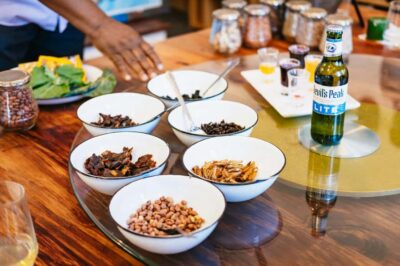
Cape Town: Authentic African Cuisine Cooking Experience
Read our review →This kitchen also appears in