
Review · CAPE TOWN
Cape Town: Malay Cooking Class and Lunch in Bo-Kaap
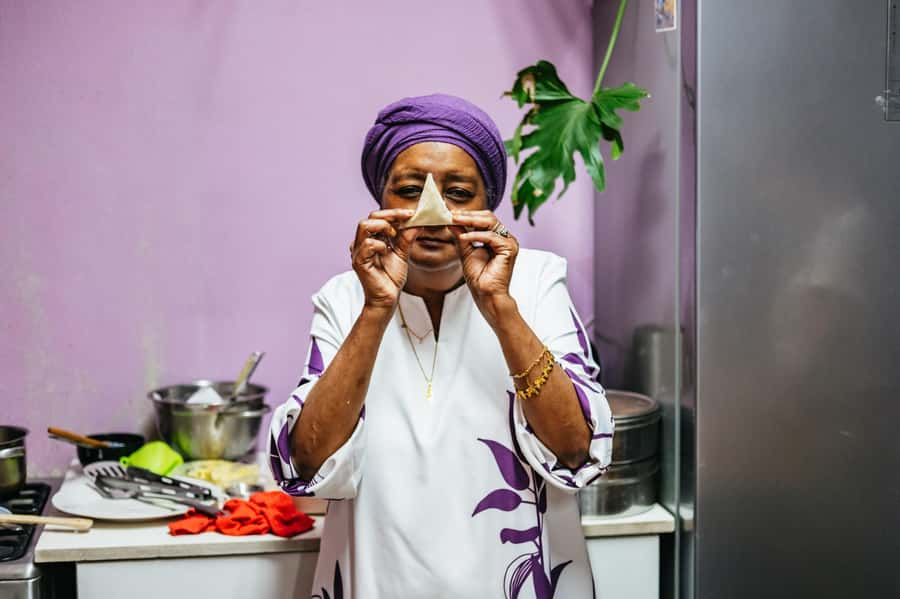
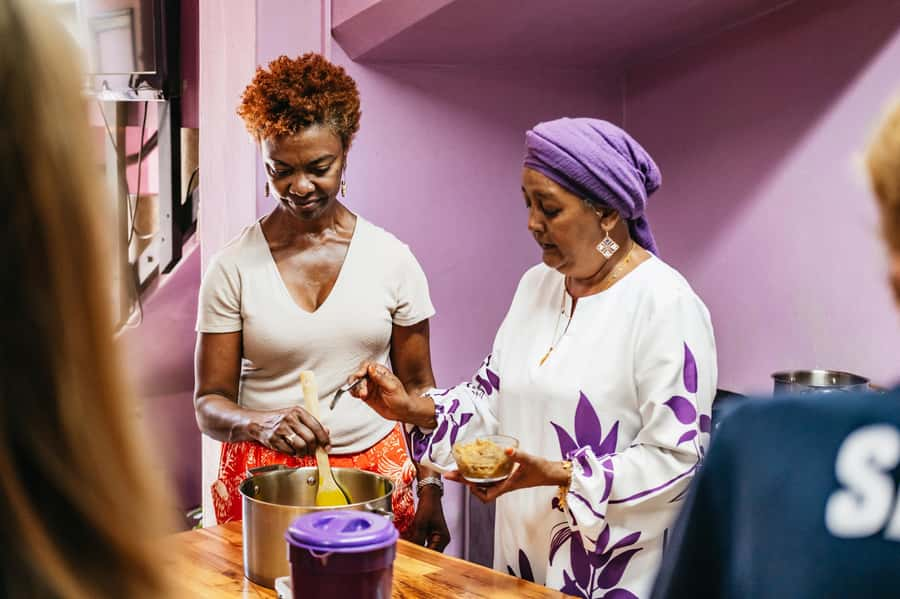
The best part of this Bo-Kaap cooking class is that it takes you into a local home, not just a restaurant kitchen. Faldela leads the session with stories, jokes, and practical instruction as you prepare Cape Malay food, then sit down to eat what the group has made.
I like the personal setting and the chance to learn why ingredients such as turmeric, tamarind, fennel, ginger, and star anise matter. I also like that the class suits beginners and solo visitors, with a shared meal that makes meeting people easy. The main consideration is that a large group can mean less hands-on cooking for each person.
Key points to know before booking
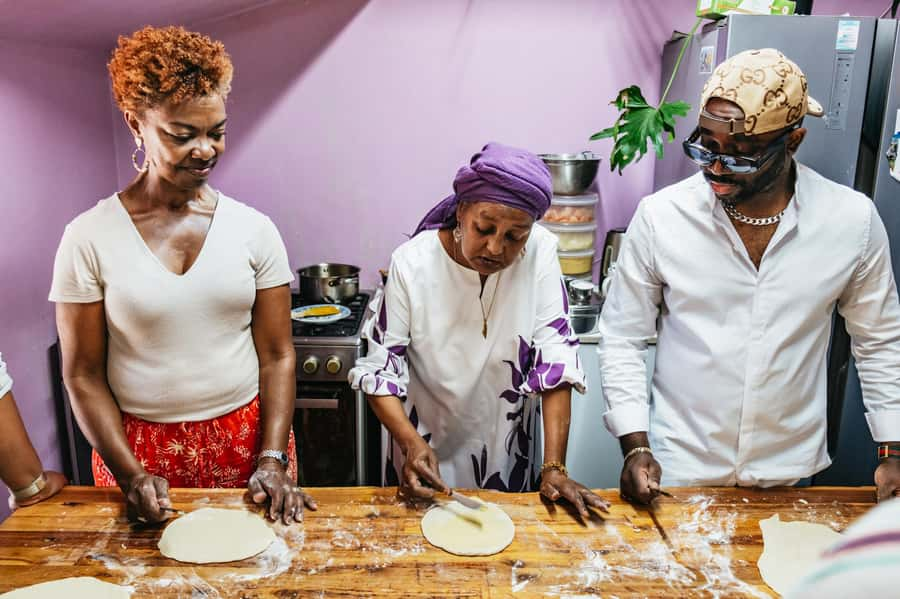
- Cook in Bo-Kaap: The class takes place in a local home near the colorful houses of this famous Cape Town neighborhood.
- Learn from Faldela: Expect a warm, funny instructor who explains Cape Malay cooking, family traditions, and the uses of different spices.
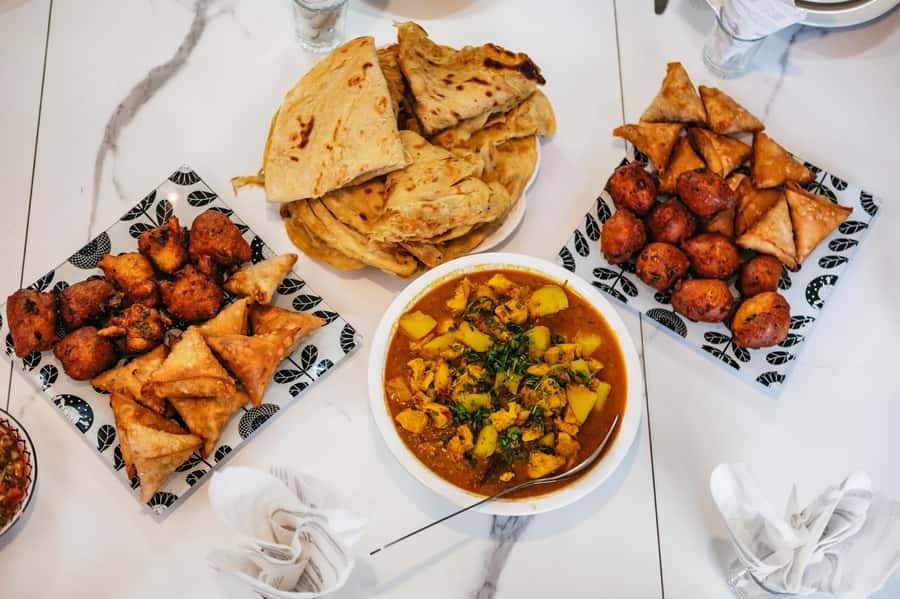
- Eat what you prepare: The menu may include curry, stews, roasts, rotis, samosas, salad, juice, dessert, and other sauce-heavy dishes.
- Good for beginners: No previous cooking experience is needed, and the class is relaxed rather than technical.
- Recipes may go home with you: Recipes are shared after the class, giving you a fair chance to recreate the meal.
- Strong value at $49: Ingredients, kitchen equipment, instruction, lunch, and soft drinks are included, but transport and alcohol are not.
Why this Bo-Kaap class feels more personal than a restaurant meal
Cape Malay food tells a story of movement and adaptation. The cooking combines African traditions with influences brought by Malaysian and Indonesian people forced to the Cape by the Dutch during the 17th and 18th centuries. In Bo-Kaap, that story is not presented as a museum display. It comes through family recipes, spice choices, cooking habits, and the simple act of eating together.
You meet Faldela at 109 Wale Street, in the Schotsche Kloof area of Cape Town. The meeting point puts you close to the neighborhood’s famous painted houses, with Signal Hill rising behind them. The exact class setting is a local home, which gives the afternoon a different feel from a standard commercial cooking school.
I like this arrangement because the lesson has a human scale. Faldela has been praised for remembering names, asking about people’s backgrounds, and making the room feel relaxed within minutes. Her humor is part of the teaching, so you are not left standing silently while someone cooks in front of you.
The colorful houses are an important part of the setting, but they should not be the whole reason you book. This is primarily a cooking and food experience. You have a chance to see the neighborhood and take photographs, but the real time is spent in the kitchen and around the dining table.
More cooking classes around the world:
- Half-Day Thai Cooking Class at Organic Farm in Chiang Mai
★ 5.0 · 19,087 reviews - Florence: Pasta Cooking Class with Unlimited Wine
★ 4.9 · 10,285 reviews - 3 in 1 Cooking Class near Navona: Fettuccine, Ravioli & Tiramisu
★ 5.0 · 7,376 reviews
What happens during the 150-minute visit
The activity lasts two and a half hours, including the cooking lesson and lunch. The schedule starts and finishes at 109 Wale Street, so you do not need to arrange a separate meeting point in another part of Cape Town.
At the start, Faldela introduces the food and the neighborhood. This is where you get context about Cape Malay cuisine and the role of spices. Expect explanations of ingredients rather than a quick list of measurements. Turmeric, for example, gives many dishes their golden color and a distinctive smell, while ginger, fennel, star anise, and tamarind help build layers of flavor.
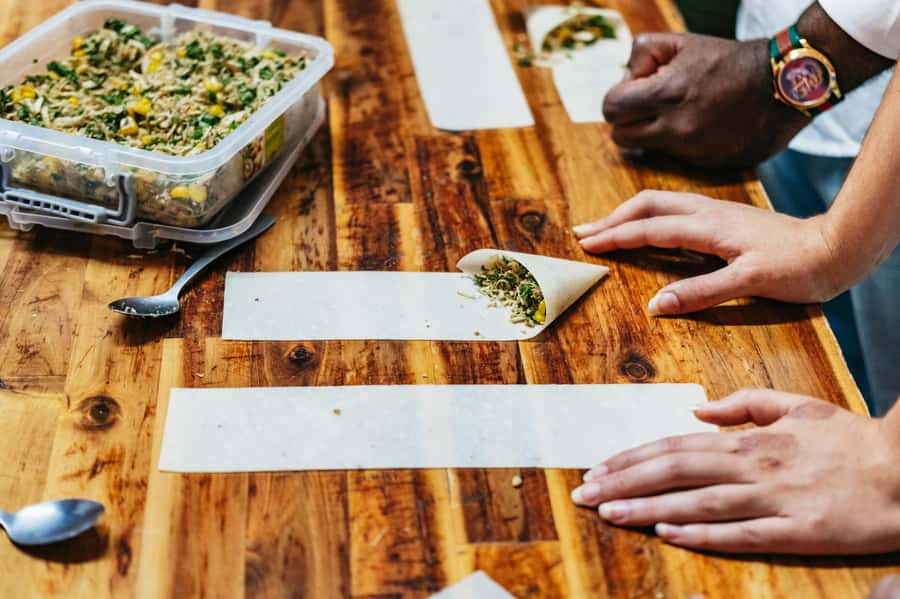
The cooking itself can include several kinds of preparation. Depending on the menu, you might help with a curry, stew, roast, rotis, samosas, or other dishes with generous sauces. The emphasis is on learning methods and recognizing ingredients, not on producing restaurant-perfect food under pressure.
That makes this a good choice if you have never taken a cooking class. You will not need expert knife skills or a background in South African food. The teaching is described as patient, light-hearted, and practical, with the group involved rather than left to watch from the side.
The class may also cover the uses and claimed health benefits of various spices. This adds useful context, though you should treat those points as culinary and cultural information, not medical advice. The most valuable lesson is learning how the spices work together in the pot.
After cooking, everyone sits down to eat. Lunch includes the food prepared during the class, along with soft drinks. Several menu elements may appear beyond the main dish, including salad, juice, and dessert. Come hungry. The portions are described as generous, and the meal is a major part of the value.
The food: Cape Malay flavor without restaurant polish
Cape Malay cooking often leans toward stews, roasts, and curries with plenty of sauce. The flavor comes from a balance of aromatic spices, sweetness, acidity, and heat rather than from one overpowering ingredient. Tamarind adds sourness, while turmeric brings color and earthiness. Ginger and fennel contribute a fragrant lift.
You may also learn to make rotis and samosas, depending on the day’s menu. These are especially useful dishes to learn at home because the techniques can be repeated with other fillings and sauces. The class is not just a tasting session. You take part in the preparation, then see how the pieces fit together at lunch.
I like that this approach gives you a better understanding of what you are eating. At a restaurant, it is easy to notice only that a curry tastes good. Here, you can connect the aroma to a particular spice and see how the dish changes during cooking.
The food is also served in a social setting. You eat at the same table with people from different countries and age groups, which gives the meal a friendly, informal rhythm. This is particularly useful for solo visitors who want an activity with natural conversation built in.
One practical point: do not expect every participant to have the same amount of hands-on work. A larger class can mean that people take turns, with some helping more directly than others. If your main goal is detailed, individual instruction, ask about the expected group size before booking. If your priority is food, culture, and company, a larger group may suit you well.
Faldela’s teaching style
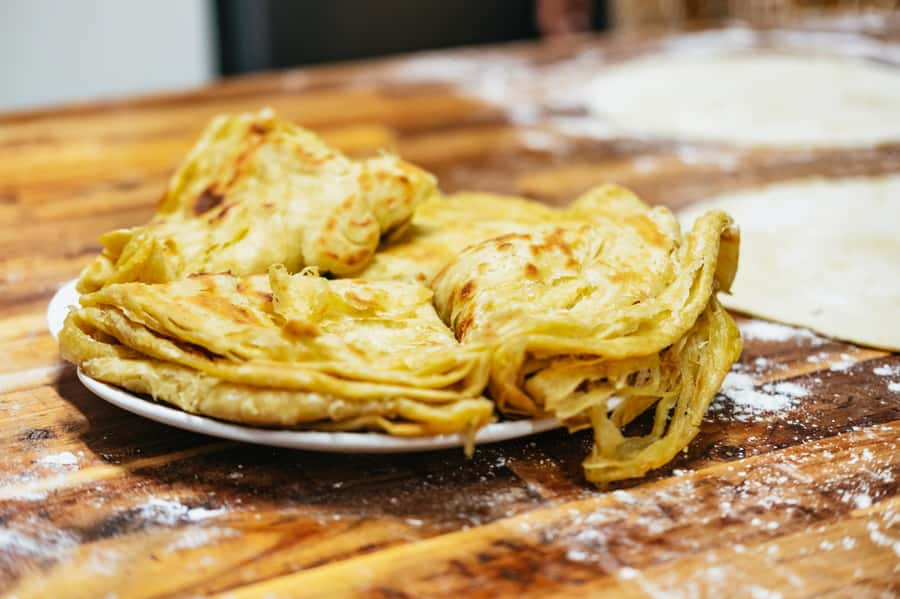
Faldela is the key reason this activity has received such strong praise. The most consistent pattern is her warmth, humor, and ability to make the class feel easygoing. Her dry wit keeps the lesson lively, while her stories connect recipes to family, community, and daily life in Bo-Kaap.
She also appears comfortable with different dietary needs. One particularly useful detail is that dietary requirements have been accommodated with ease. You should still communicate your needs in advance, since the available menu and substitutions are not specified.
The class has been described as welcoming to complete beginners. Faldela explains the steps patiently and gives the process a relaxed pace. You are not expected to know the difference between every spice before you arrive.
Her daughter or sister may also help with the session, depending on the day. The experience can therefore feel like cooking with a family rather than attending a formal demonstration. That is part of its charm, but it also means the atmosphere is informal and personal rather than highly structured.
Recipes are shared after the class, according to several participants who recreated the dishes at home. This is an important benefit. You do not leave with only a memory and a full stomach. You have a way to try the meal again, though your results may depend on finding the right spices and learning to judge quantities by taste.
Same kitchen, a different dish:
- Florence: Pasta & Tiramisu Cooking Class with Unlimited Wine
★ 4.9 · 6,708 reviews - Florence: Pasta Cooking Class with Unlimited Wine
★ 5.0 · 6,413 reviews - Hanoi Cooking Class: Culture, Local Market & Meaning CSR Impact
★ 5.0 · 5,147 reviews - 5 Traditional Dishes Hanoi Cooking Class with Market Trip
★ 5.0 · 4,890 reviews
Is $49 a fair price?
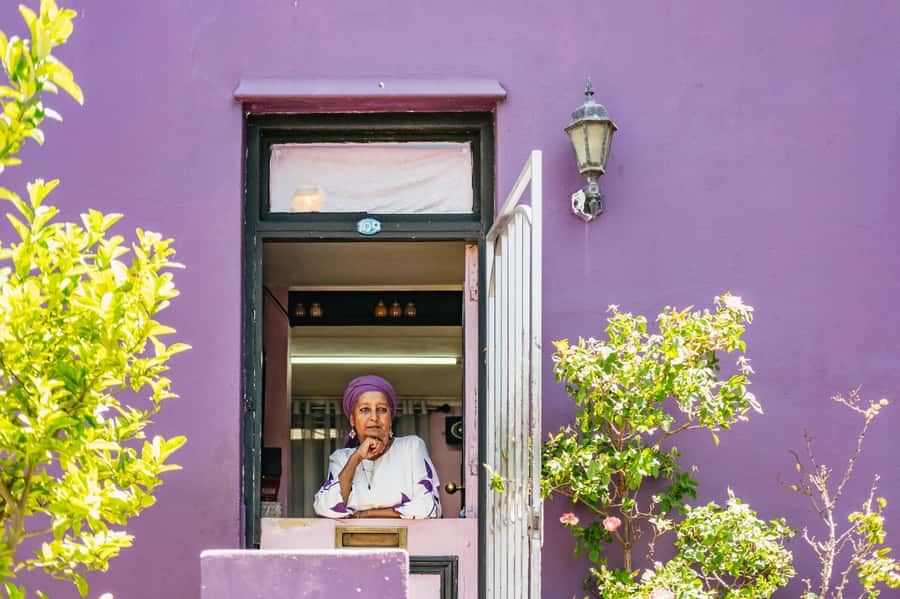
At $49 per person, the price includes the cooking class, ingredients, equipment, chef instruction, lunch, and soft drinks. It does not include transport or alcoholic drinks.
I consider that a good value for a two-and-a-half-hour activity in central Cape Town. You are paying for instruction, a substantial meal, and access to a private local setting. The price also covers the ingredients and kitchen use, costs that are easy to overlook when comparing cooking classes.
The value is strongest if you want more than a meal. A restaurant lunch might cost less, depending on where you eat, but it would not give you the same contact with a local cook or the chance to learn the process. On the other hand, if you are mainly searching for a short food tasting, this class may take more time and cost more than necessary.
Since transport is not included, you should plan your own way to 109 Wale Street. The activity does not pick you up from your hotel based on the details provided. Build a little time into your schedule so you can reach the meeting point without rushing, but do not arrive far too early. One participant arrived 30 minutes early and had to wait outside.
Who will enjoy this most
This class fits first-time visitors who want an introduction to Bo-Kaap beyond taking photographs of its painted homes. It is also a strong option for food lovers who want to understand Cape Malay flavors before ordering them elsewhere.
You do not need cooking experience. In fact, beginners may get the most from Faldela’s step-by-step explanations. Families, couples, groups of friends, and solo visitors can all fit into the format, and the shared table makes it easy to talk with others.
It is also suitable for people who prefer cultural contact in a relaxed setting. The focus is not on a long historical lecture. You learn through conversation, food, and the host’s own connection to her heritage.
You may want to reconsider if you dislike group activities or want one-to-one instruction. A larger class can limit how much chopping, mixing, or shaping each person does. The class is also not designed around alcohol, since alcoholic drinks are excluded and alcohol is not allowed.
The activity is wheelchair accessible, which is useful for visitors who need that feature. Pets, smoking, alcohol, and drugs are not allowed.
Making the most of your afternoon
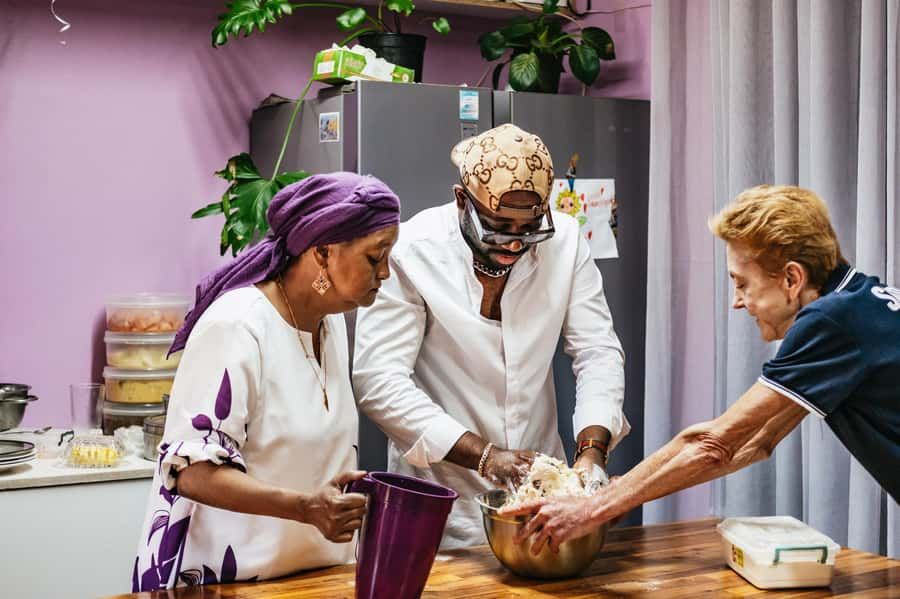
Arrive ready to participate. Wear something comfortable and avoid clothing that would make kitchen work awkward. The supplied information does not specify an apron or storage arrangements, so keep your belongings manageable.
Take photographs of Bo-Kaap before or after the class, rather than assuming the cooking session will include a long neighborhood walk. The listed route is simple: meet at 109 Wale Street, take part in the class, and return to the same location.
Tell the host about dietary needs as early as possible. Faldela has handled different requirements well, but the class menu can vary and specific substitutions are not guaranteed.
If you want to cook the dishes again, pay attention to texture and smell, not only written quantities. Cape Malay cooking often depends on adjusting spices as the dish develops. Ask questions about when to add turmeric, how much tamarind to use, and what the finished sauce should look like.
Finally, keep room in your day for the meal. This is not a quick demonstration followed by a tiny sample. You prepare food, sit down to eat, and share the table with the rest of the group.
Should you book this Cape Malay cooking class?
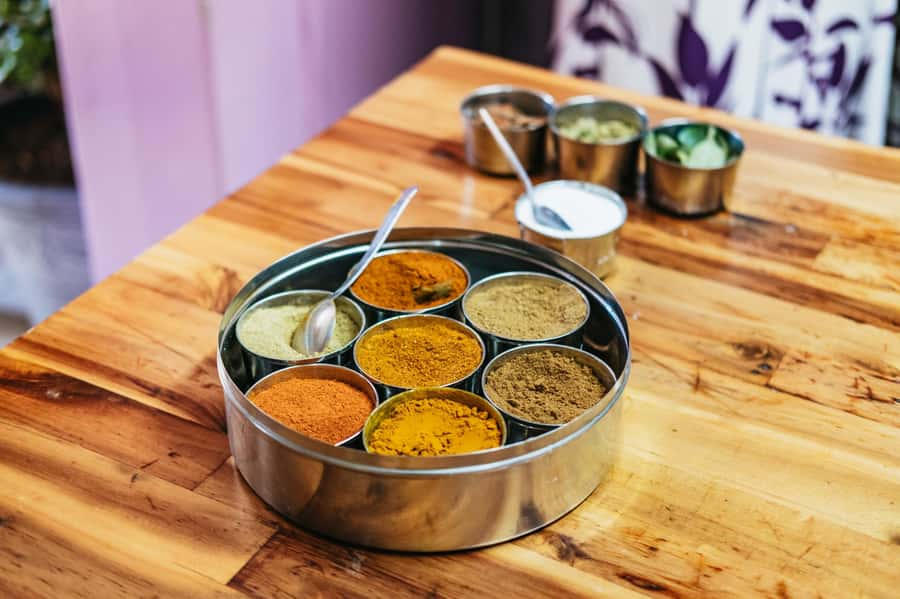
I would book it if you want a friendly, food-centered way to understand Bo-Kaap. Faldela’s humor, personal stories, spice lessons, and generous lunch give the afternoon more substance than a basic cooking demonstration.
The decision is less clear if you want a quiet private lesson, a small group guaranteed, or a detailed walking tour of the neighborhood. Those are not the main strengths here. The class is best understood as a shared home cooking experience with cultural context.
For $49, the package is strong: a local chef, ingredients, equipment, lunch, soft drinks, and recipes to try later. Bring an appetite, arrive at 109 Wale Street on time, and expect to leave with new spice ideas, a full stomach, and a better sense of Cape Malay food.
FAQ
Where does the cooking class meet?
Meet at 109 Wale Street, Schotsche Kloof, Cape Town.
How long does the experience last?
The activity lasts 150 minutes, or two and a half hours.
What language is the class taught in?
The live class is taught in English.
What food will I learn to cook?
The menu may include stews, roasts, sauce-heavy curries, rotis, samosas, salad, juice, and dessert. The exact dishes can vary.
Is lunch included?
Yes. You eat the food prepared during the class, and soft drinks are included.
Are ingredients and kitchen equipment included?
Yes. The price includes ingredients and equipment.
Is alcohol included?
No. Alcoholic drinks are not included, and alcohol is not allowed during the activity.
Is transport included?
No. You arrange your own transportation to and from 109 Wale Street.
Do I need previous cooking experience?
No. The class is suitable for beginners, and no cooking experience is required.
Is the activity wheelchair accessible?
Yes. The activity is listed as wheelchair accessible.
Can I cancel the booking?
You can cancel up to 24 hours in advance for a full refund.
Can I reserve now and pay later?
Yes. You can reserve your place and pay later, keeping your plans flexible.
New cooking classes around the world
- Shinjuku Tokyo: Authentic Japanese Home-Style Culinary Class★ 4.9 · 125 reviews
- Shibuya Tokyo: Onigiri & Tamagoyaki Cooking Class★ 5.0 · 4 reviews
- M.O.M COOKING CLASS★ 4.8 · 6 reviews
- Seville: Paella-Cooking Experience with Sangria & Full Meal★ 4.9 · 42 reviews
- Shanghai: Authentic Chinese Cooking Class with Master Chef★ 5.0 · 2 reviews
- Sestri Levante: Pesto & Cooking Classes, Wine Tasting★ 4.9 · 56 reviews
- Seville: Paella Cooking Class & 30-Min Local Expert Q&A★ 4.8 · 37 reviews
- Seoul: Taste of Korea, Authentic Home Style Cooking Class★ 4.9 · 166 reviews
Cape Town Cooking Classes, side by side.
Cape Town: Bo-Kapp Walking Tour and Malay Cooking Class
Read our review →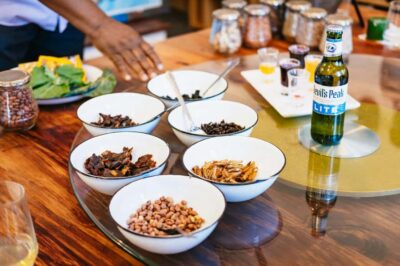
Cape Town: Authentic African Cuisine Cooking Experience
Read our review →This kitchen also appears in