
Review · SRI LANKA
Cooking Class: Sajee’s Place Cooking Class sigiriya
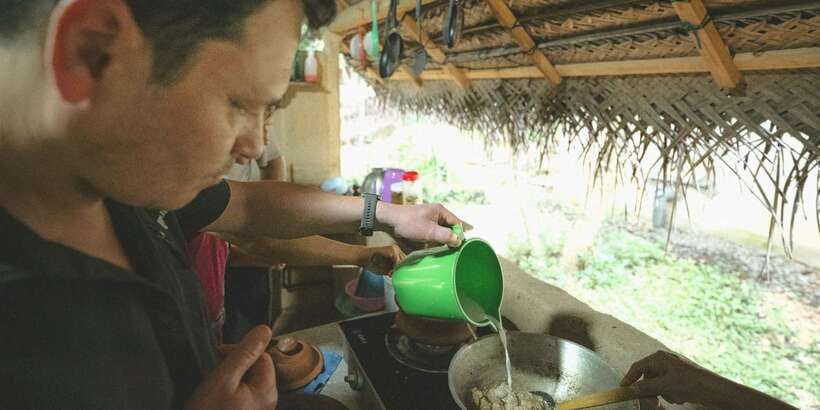
Sri Lankan cooking makes more sense once you stop treating curry as one dish. At Sajee’s Place Cooking Class, Sajee and his wife Suzy show you how spices, coconut, lentils, vegetables, and heat work together across a full rice-and-curry meal. You do the chopping and cooking, then sit down to eat what you made.
I like the hands-on format, where everyone works through the meal instead of watching a demonstration. I also like the practical follow-up: Sajee sends PDF recipes and spice tips, so the class can continue in your own kitchen. The main consideration is pace. Three hours is enough time for a generous menu, but it is an active session rather than a quick, casual tasting.
Key points at a glance
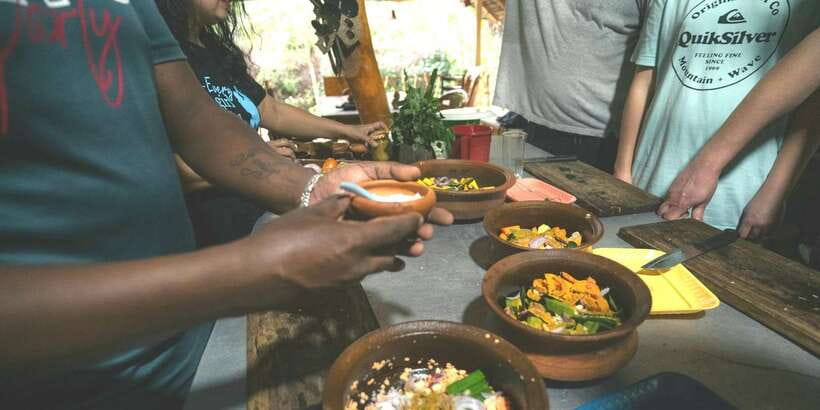
- A full Sri Lankan meal: Prepare rice, dhal, chicken or fish curry, three vegetable curries, a stir-fried or tempered dish, coconut sambol, and papadams.
- A husband-and-wife team: Sajee explains ingredients and methods while Suzy helps guide the cooking.
- Small groups: The class is limited to 10 participants, allowing time for questions and personal help.
- Fresh, local cooking: Seasonal vegetables, freshly grated coconut, herbs, and Sri Lankan spices shape the meal.
- Useful at-home lessons: You receive PDF recipes and spice information after the class.
- Good value at $36: For three hours of instruction, a substantial meal, unlimited water, and take-home recipes, the price is fair.
A three-hour introduction to Sri Lankan rice and curry
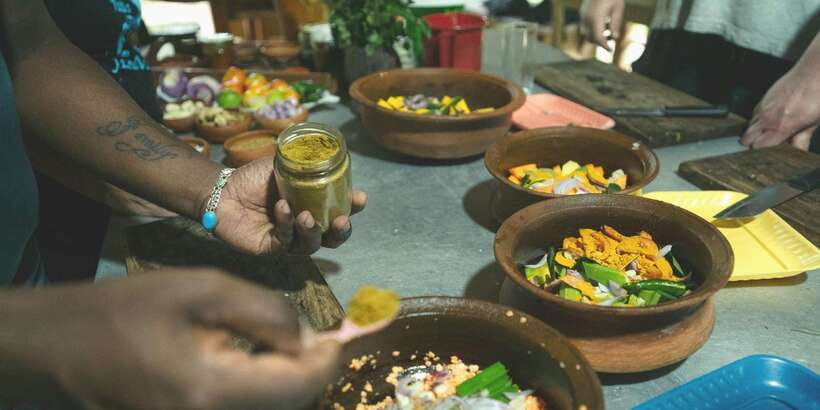
Sajee’s Place is built around a simple idea: the best way to understand Sri Lankan food is to make it yourself. You are not just handed a plate of curry. You learn how the ingredients are chosen, prepared, seasoned, and combined.
The class lasts about three hours and is taught in English. It is designed for a small group of no more than 10 people, though the experience can feel especially personal when fewer participants book. On one occasion, a small booking allowed plenty of time for questions and individual help.
The menu is substantial. Depending on the day and available ingredients, you prepare dhal curry, chicken or fish curry, three seasonal vegetable curries, one stir-fried or tempered dish, coconut sambol, rice, and papadams. The exact vegetable dishes can change, which is a plus if you want to see how Sri Lankan cooks adapt to what is fresh.
That variety matters. In Sri Lanka, rice and curry is not one fixed recipe. A meal may contain several small portions, each with a different texture and level of heat. One curry may be creamy and mild, another earthy and spicy, while a sambol adds sharpness and freshness. Making several dishes side by side helps you understand the balance of the plate.
More cooking classes around Sri Lanka:
- Ella: Traditional Sri Lankan Cooking Class
★ 4.9 · 788 reviews - Organic cooking class sigiriya (kumara & family)
★ 5.0 · 650 reviews - Sri Lanka Cooking Class with Granny
★ 5.0 · 587 reviews
Meeting Sajee and Suzy
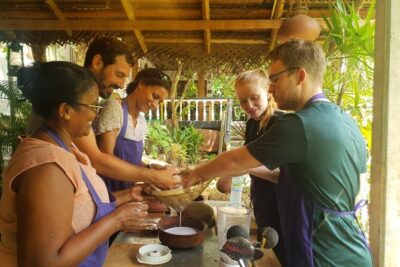
Sajee and Suzy run the class together, and the husband-and-wife setup shapes the mood. Sajee leads much of the explanation, while both hosts help participants through the preparation. The teaching style is patient and detailed, with time to ask about ingredients, spice levels, cooking methods, and substitutions.
That last point is particularly useful if you live outside Sri Lanka. Sajee explains how to adapt dishes for different vegetables, meat, and fish. You learn the method rather than a rigid list of ingredients, which gives the recipes a better chance of working at home.
The class also goes beyond cooking instructions. Sajee explains how herbs and spices are used, including the difference between ingredients used in everyday dishes and those used in curries. Food culture comes into the conversation as you cook, giving context to the meal without turning the session into a lecture.
The atmosphere is warm and informal. You are encouraged to take part at every stage, and beginners are not expected to know their way around Sri Lankan cooking. If you have little kitchen experience, the hosts guide you through each task.
What you actually cook
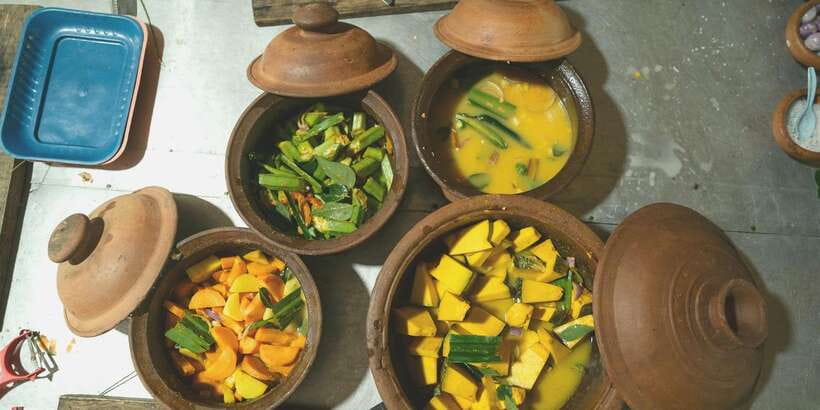
The class centers on the rice-and-curry meal, but the number of dishes gives it a wider reach. You may prepare six, seven, eight, or even more components, depending on the menu and how the food is organized that day.
Dhal curry
Dhal is one of the most useful Sri Lankan recipes to learn because it is affordable, adaptable, and common on local menus. You work with lentils and spices to create a soft curry that helps balance hotter or stronger dishes.
The lesson is not only about following steps. It shows how texture and seasoning affect the final result. Once you learn the basic technique, you can adjust the curry at home with ingredients available in your own market.
Same kitchen, a different dish:
- Kandy Village Cooking Class
★ 5.0 · 536 reviews - Sea waves sri lankan cooking class
★ 5.0 · 467 reviews - Ella: Sri Lankan Cooking Class with Neranji at Homestay
★ 5.0 · 276 reviews - Cook with Wasantha
★ 5.0 · 248 reviews
Chicken or fish curry
The main nonvegetarian dish is usually chicken curry or fish curry. The class explains how spices and cooking methods change depending on the protein. This is a helpful contrast with the vegetable dishes, since you can see how Sri Lankan cooking handles different ingredients without relying on one universal curry sauce.
If you do not eat meat or fish, the class menu may need to be discussed in advance. The supplied information confirms that the main dish is chicken or fish, while several vegetable dishes are also prepared. It is sensible to contact Sajee directly if dietary needs are important to your booking.
Seasonal vegetable curries
Three vegetable curries form the heart of the meal. The use of seasonal produce keeps the menu connected to local cooking rather than turning it into a fixed tourist recipe.
This is also where you learn the most about adaptation. Vegetables differ in water content, firmness, and natural sweetness. Sajee explains how to work with those differences and how to adjust the spice mix and cooking time.
Stir-fried or tempered dish
One stir-fried or tempered dish adds another technique to the class. Tempering is especially important in South Asian cooking because spices and aromatics are briefly cooked in oil to release flavor before being added to a dish or used as a finishing touch.
Learning this method gives you a practical tool for home cooking. It can change a simple lentil, vegetable, or rice dish without requiring a long ingredient list.
Coconut sambol, rice, and papadams
Fresh coconut sambol is one of the most memorable parts of the menu. You may grate coconut yourself and combine it with the other ingredients to make a sharp, fresh accompaniment.
Rice and papadams complete the plate. The rice lesson covers how to produce fluffy grains, while papadams bring crunch to the softer curries. These small details matter because the pleasure of rice and curry comes from contrast: soft, crisp, creamy, spicy, mild, fresh, and savory in one meal.
Why the hands-on approach works
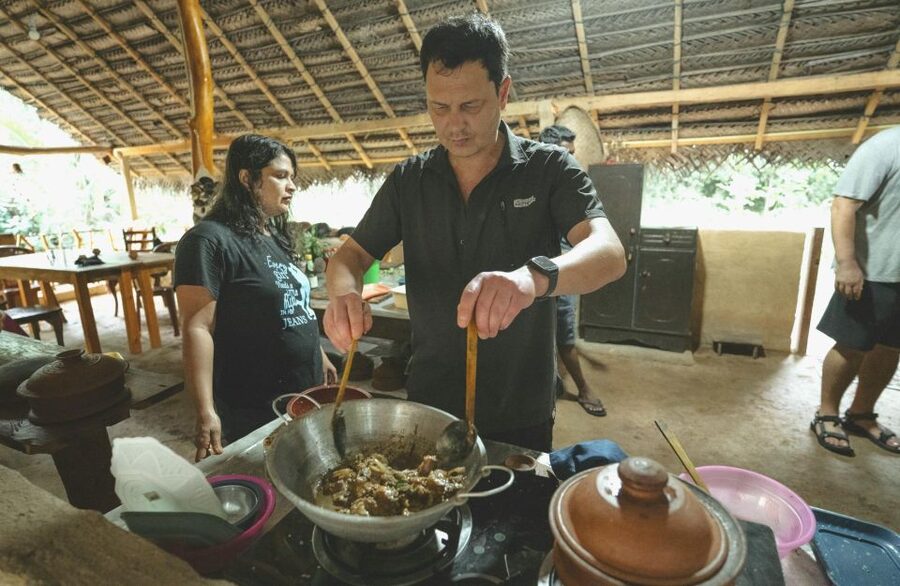
Many cooking classes leave you watching someone else handle the difficult parts. That is not the plan here. You participate in preparing the meal, and the hosts guide you through the work rather than simply performing it for you.
I especially like this format for people who want to cook Sri Lankan food at home. You learn what the ingredients look like, how they behave in a pan, and how the dishes change as they cook. Those visual and practical cues are hard to get from a recipe alone.
It is also a good setup for couples, families, and mixed-experience groups. Teenagers can take part, and complete beginners are made comfortable. More confident cooks can ask about substitutions, spice balance, and technique.
The one tradeoff is that a hands-on class can feel busier than a demonstration. You may be chopping, stirring, asking questions, and keeping track of several dishes at once. If you want a slow, quiet food tasting, this is not that kind of experience. If you want to learn by doing, the activity suits you well.
Fresh ingredients and adjustable spice
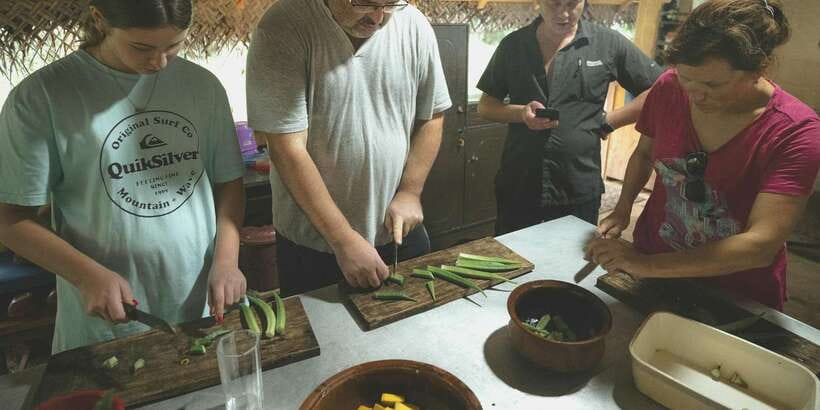
The class places strong attention on local ingredients, herbs, and Sri Lankan spices. You learn what each ingredient contributes instead of simply being told to add a premixed curry powder.
Spice tolerance is adjusted during the class, so you do not need to worry that every dish will be too hot to enjoy. This is important for first-time visitors to Sri Lankan cuisine. You can taste the character of the food without treating heat as a test of courage.
The lessons also help you read restaurant menus later in your trip. Once you understand dhal, sambol, tempering, and the difference between vegetable preparations, unfamiliar dishes become easier to identify. You may find yourself ordering with more confidence at local restaurants.
Freshness is another part of the appeal. The use of seasonal vegetables and freshly grated coconut gives the meal a direct connection to the ingredients around Sigiriya. The class is not just about reproducing a restaurant-style curry. It shows you how an everyday Sri Lankan meal is assembled.
Sitting down to eat the finished meal
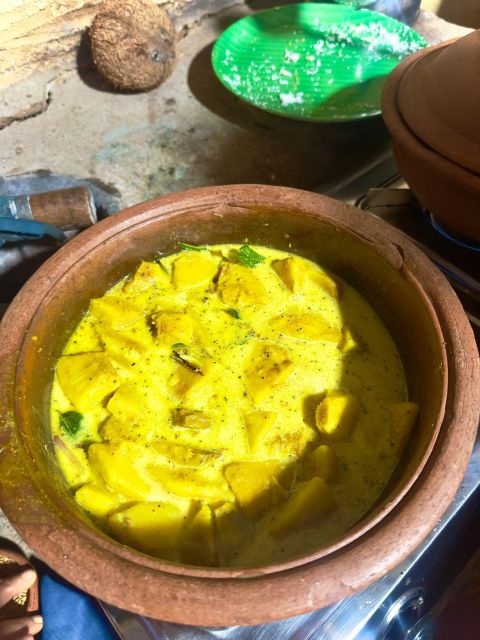
The final meal is the reward for the work, but it also acts as the last lesson. You sit down with the dishes prepared during the class and see how they work together as a complete rice-and-curry spread.
This is where the separate techniques begin to make sense. The dhal softens the meal, the sambol brings freshness, the papadams add crunch, and the different curries provide changing flavors from one mouthful to the next.
The quantity is generous. The menu can include a large number of dishes, so you should arrive ready for a substantial meal. Unlimited bottled water is included for everyone, which is a useful practical touch in Sri Lanka’s warm climate.
A small point to note: a welcome drink is not listed as part of the experience. The focus is on cooking and eating rather than extra refreshments before the lesson begins.
Recipes you can use after Sigiriya
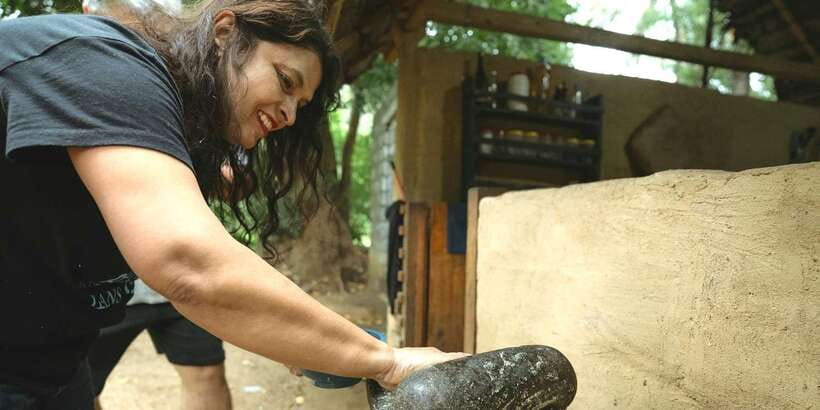
The take-home recipes are one of the strongest parts of the class. Sajee sends PDF recipes and spice information after the session, along with tips that make the dishes easier to reproduce.
That follow-up changes the value of the experience. You are not left with a pleasant memory and a vague idea of how the meal was made. You have written guidance for dhal, curries, sambol, and other dishes from the class.
Still, ingredients may be the biggest challenge once you return home. Some Sri Lankan vegetables and fresh coconut may not be available everywhere. The useful part is that Sajee also explains substitutions, so you can adapt the recipes instead of abandoning them when one ingredient is missing.
I would save the PDF files before leaving Sri Lanka and note which spices were used in each dish. That small bit of organization will make the first attempt at home much easier.
Value, group size, and practical details
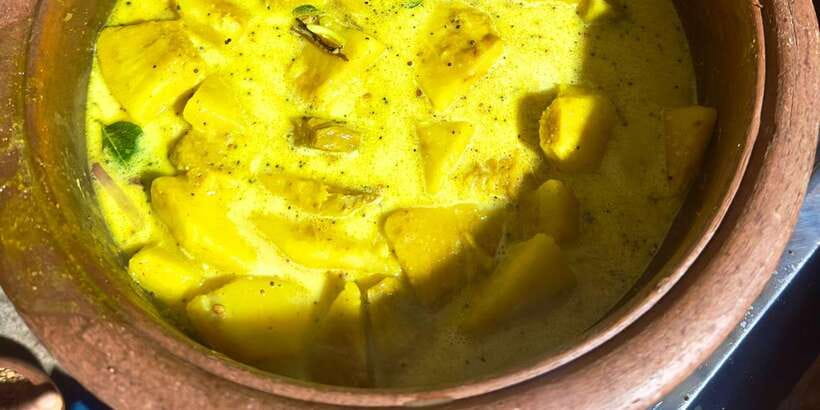
The price is $36 per person for three hours. That includes the cooking lesson, the full meal, unlimited bottled water, and the recipes and spice guidance sent afterward.
For comparison, you are paying not only for food but for instruction in several techniques and a meal with many components. The value is strongest if you plan to cook Sri Lankan food again. If you only want lunch, a restaurant will be simpler. If you want skills, context, and recipes, this class gives you more for the money.
The maximum group size is 10, which keeps the session from becoming a large demonstration. Smaller bookings should give you more time to ask questions and receive help at your station.
The activity is wheelchair accessible, and the instructor language is English. You can cancel up to 24 hours before the class for a full refund, and the reserve-now, pay-later option gives you some flexibility while planning a Sigiriya stay. Starting times depend on availability, so check the schedule before committing your sightseeing plans.
No detailed transfer arrangement is provided here. If you need pickup from your accommodation, ask Sajee directly before booking rather than assuming it is included.
Who should book Sajee’s Place
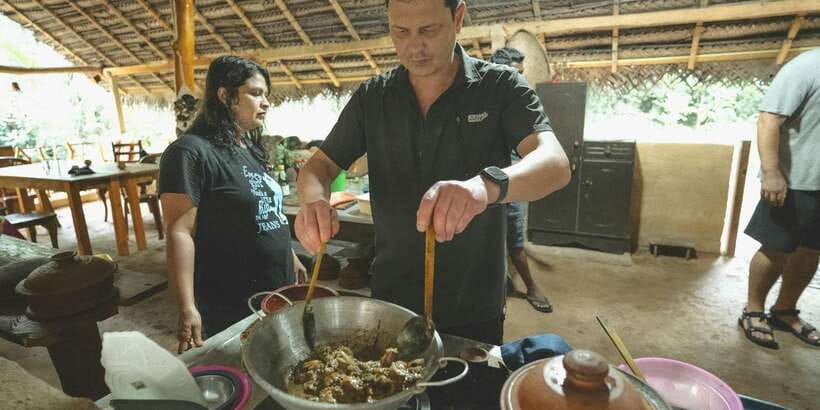
I would recommend this class to anyone who wants more than a quick sample of Sri Lankan food. It suits curious eaters, home cooks, beginners, families with older children, and people who like to bring practical skills home from a trip.
It is especially good for you if:
- You want to learn several dishes in one session.
- You enjoy participating rather than watching.
- You want recipes that can be adapted outside Sri Lanka.
- You are interested in local ingredients and food customs.
- You have a small group and value time for questions.
- You plan to eat more rice and curry during your stay and want to understand the menu.
You may want to choose another activity if you dislike cooking, have a very limited three-hour window, or want a class focused on one specialist dish. This experience covers a broad meal, so its strength is variety rather than a single perfectly refined recipe.
Should you book this Sigiriya cooking class?
Yes, if you want an active and practical introduction to Sri Lankan food. Sajee and Suzy offer a broad menu, patient instruction, adjustable spice levels, and recipes you can use after you leave Sigiriya.
The best reason to book is the combination of participation and variety. You cook a full meal, learn how the dishes relate to one another, and sit down to eat the result. At $36, that is a fair deal for three hours of food, instruction, and cultural context.
Before booking, confirm any dietary restrictions and ask about pickup if you need it. Otherwise, this is one of the stronger food activities in Sigiriya for anyone who wants to understand Sri Lankan rice and curry from the kitchen outward.
FAQ
How long is Sajee’s Place Cooking Class?
The cooking class lasts three hours.
How much does the class cost?
The listed price is $36 per person.
Who teaches the cooking class?
The class is taught by Sajee and his wife, Suzy.
What language is used for instruction?
Instruction is provided in English.
How many people can join the class?
The class is limited to 10 participants.
What dishes are included?
The menu includes rice, dhal curry, chicken curry or fish curry, three vegetable curries, one stir-fried or tempered dish, coconut sambol, and papadams.
Are drinks included?
Yes. Unlimited bottled water is provided for everyone.
Do I receive recipes after the class?
Yes. Sajee provides PDF recipes and spice tips so you can recreate the dishes at home.
Can the spice level be adjusted?
Yes. The spice tolerance is adjusted during the class.
Is the activity wheelchair accessible?
Yes, the activity is listed as wheelchair accessible.
New cooking classes around Sri Lanka
- Private Traditional Sri Lankan Cooking Class in Kandy★ 5.0 · 7 reviews
- Private cooking class – Personalized classic menu★ 5.0 · 5 reviews
- Nilaveli: Sri Lankan Cooking Class with a Local Family★ 5.0 · 16 reviews
- Mirissa: Cooking Class with Beer and Meal★ 3.3 · 4 reviews
- Kandy: Village Cooking Class 12 Dishes with Market Tour★ 5.0 · 6 reviews
- Kandy Cooking Class with Granny★ 4.9 · 95 reviews
- Hands-On Cooking Class in Anuradhapura: Cook Like a Local★ 5.0 · 5 reviews
- Galle: Traditional Sri Lankan Cooking Class★ 5.0 · 21 reviews
Sri Lanka Cooking Classes, side by side.
Organic cooking class sigiriya (kumara & family)
Read our review →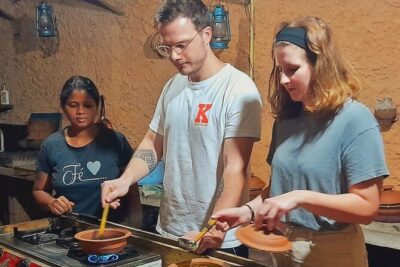
Ella: Sri Lankan Cooking Class with Neranji at Homestay
Read our review →
Ella : Cooking class with amazing Spice Garden Tour
Read our review →This kitchen also appears in