
Review · OSAKA
Master Washoku: 5 Core Techniques for Authentic Cooking
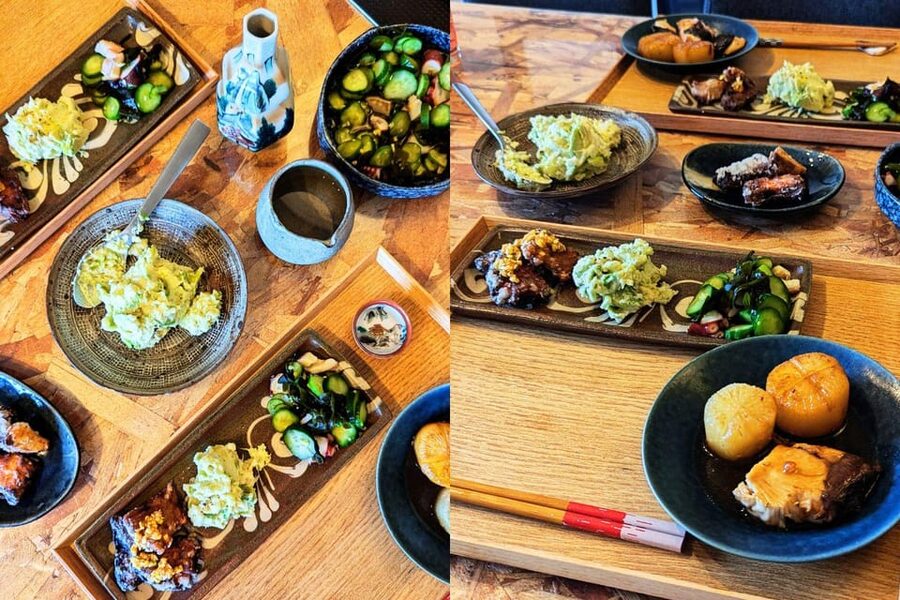
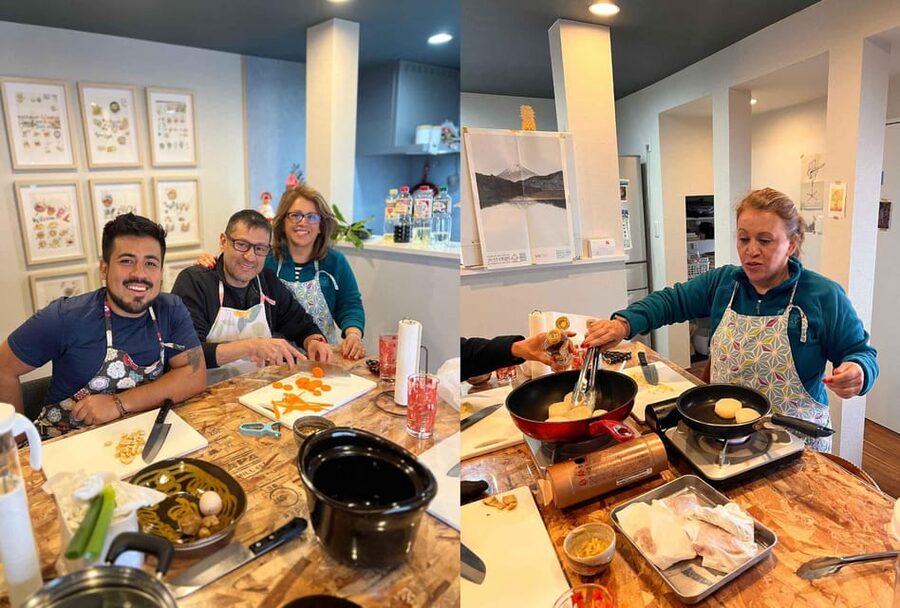
Japanese cooking is much bigger than sushi and tempura, and this three-hour class gets straight to the good stuff: the everyday techniques that give washoku its balance. With chef Yuki, who spent 4.5 years cooking at a Michelin Bib Gourmand izakaya, you prepare five dishes in a small Osaka apartment near central Osaka.
I like the four-person limit, which gives you room to ask questions, and the way the menu moves from a spicy wasabi potato salad to tender yellowtail with daikon. I also like that the recipes are practical enough to repeat at home. The main consideration is the setting: you cook in a private apartment, not a polished culinary school, and the meeting point can vary by booking option.
Key details before you book
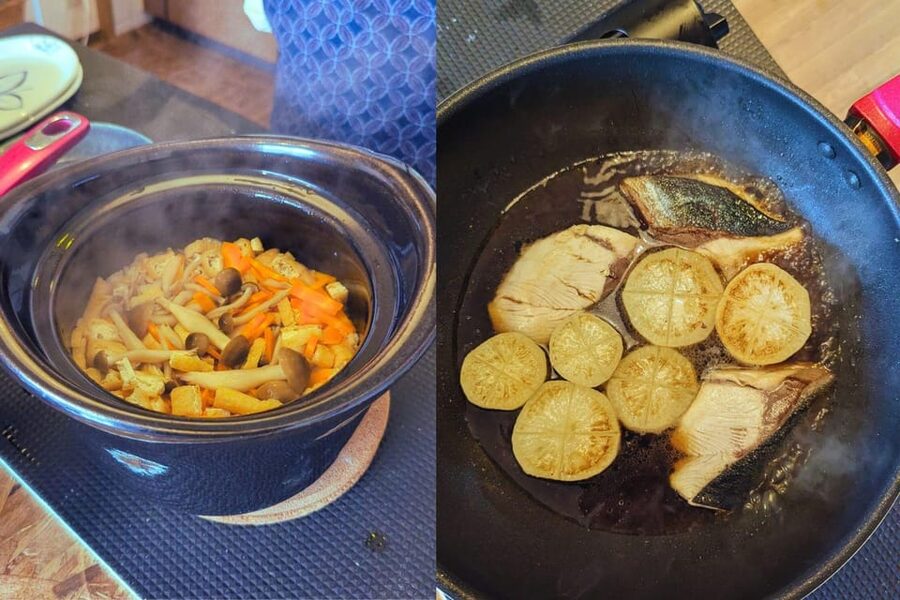
- Five dishes, five useful techniques: Practice marinating, grilling, simmering, pickling, and rice preparation rather than simply watching a demonstration.
- Chef Yuki leads the class: Her background includes 4.5 years at a Michelin Bib Gourmand izakaya in Osaka.
- Small group format: The class is limited to four participants, making personal help more likely.
- Optional sake lesson: Compare a chilled Junmai, a chilled Junmai Ginjo, and a warm sake from the same brand.
- A meal with real variety: The menu includes octopus, cucumber, fish, daikon, potatoes, seasoned rice, soy sauce, mirin, and sake.
- Useful extras are included: Ingredients, cooking equipment, aprons, tea, water, and digital photos are provided.
What this Osaka cooking class is really about
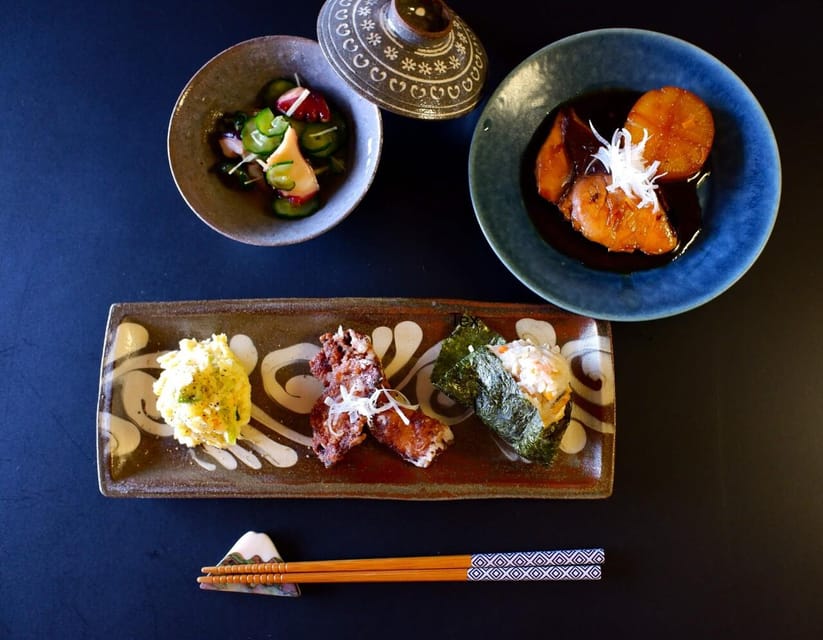
This is not a class built around one famous Japanese dish. You are not spending three hours shaping sushi or frying tempura. Instead, you work through five small dishes that show how Japanese cooks build flavor with careful preparation and restrained seasoning.
That makes the class useful for anyone who wants to understand the logic behind Japanese food. Soy sauce, mirin, and sake are not simply poured into a pan at random. You learn how they help create savory, sweet, fragrant, and balanced results.
The class also has a clear social rhythm. You prepare food, taste it, compare flavors, and eat what you have made. The pace is designed to be fun and practical, not like a formal chef examination. One Australian participant described the atmosphere as relaxed, with Yuki offering plenty of tips and tricks. That is the right expectation: you should come ready to take part, not sit back and watch.
More cooking classes around Osaka:
- Sushi Making Osaka! Popular Sushi Class in Japan!
★ 5.0 · 500 reviews - Osaka: Ramen and Gyoza Cooking Class in Dotonbori
★ 5.0 · 378 reviews - Osaka Cooking Class: Okonomiyaki &Japanese cuisines experience
★ 5.0 · 261 reviews
Meeting Yuki in a small Osaka apartment
The class takes place in a comfortable apartment near central Osaka, with the precise meeting point depending on the option you choose. Transportation to the venue is not included, so check the address and starting time carefully before you commit to a tight schedule.
The apartment setting has a clear advantage. With no large tour group around you, the instruction can stay personal. The group limit is four, and that matters when you are learning hands-on skills such as shaping onigiri or judging whether fish is properly cooked.
It also means the setting is informal. You should not expect the equipment, layout, or presentation of a professional cooking studio. For many people, that home-style quality is part of the appeal. A Swiss participant described the experience as cooking in a private home, with a friendly and attentive host. If you want a relaxed local setting, this should suit you well. If you prefer a highly polished classroom, keep the apartment format in mind.
Instruction is available in English and Japanese. Yuki’s job is not only to guide the recipe but also to explain the cultural role of the ingredients and methods. The result is more useful than a recipe card alone, since you learn why the food is prepared in a certain way.
Starting with wasabi garlic potato salad
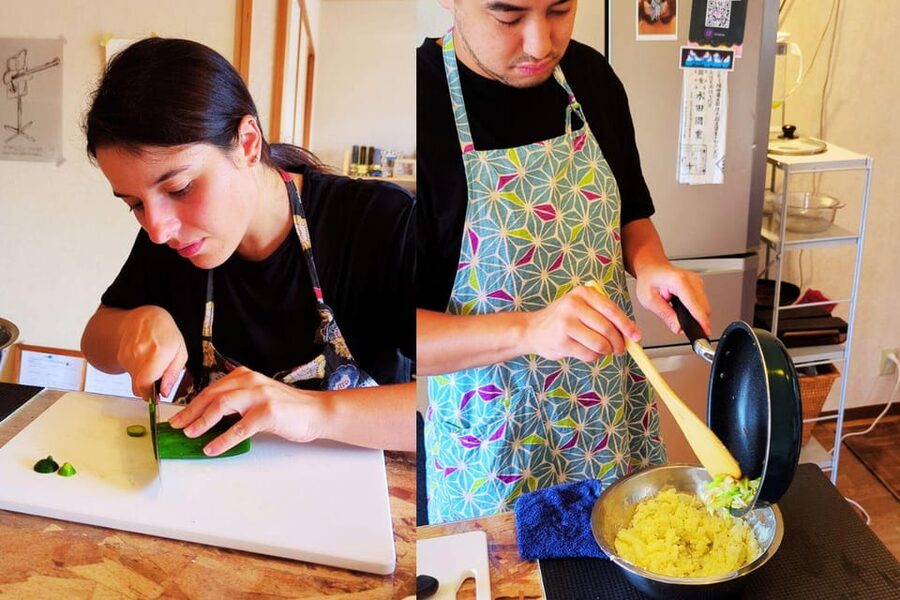
The first dish, wasabi garlic potato salad, gives you a quick lesson in adapting familiar ingredients to Japanese tastes. Potato salad may seem ordinary, but the wasabi adds a sharp kick, while garlic gives it a stronger savory edge than a typical European version.
This is a good opening recipe because it is approachable. You can focus on seasoning and balance before moving to more delicate seafood. The dish also has a clear izakaya connection, making it the sort of snack you might find alongside drinks in an Osaka eating spot.
Pay attention to the amount of wasabi. Its heat can quickly take over if you use too much. The point is not simply to make the salad hot. It is to use wasabi as a clean, lively note within the creamy potato mixture.
This is one of the recipes most likely to earn a regular place in your home kitchen. Potatoes are easy to find, and the technique is less intimidating than handling raw fish or shaping rice.
Balancing octopus and cucumber vinegar salad
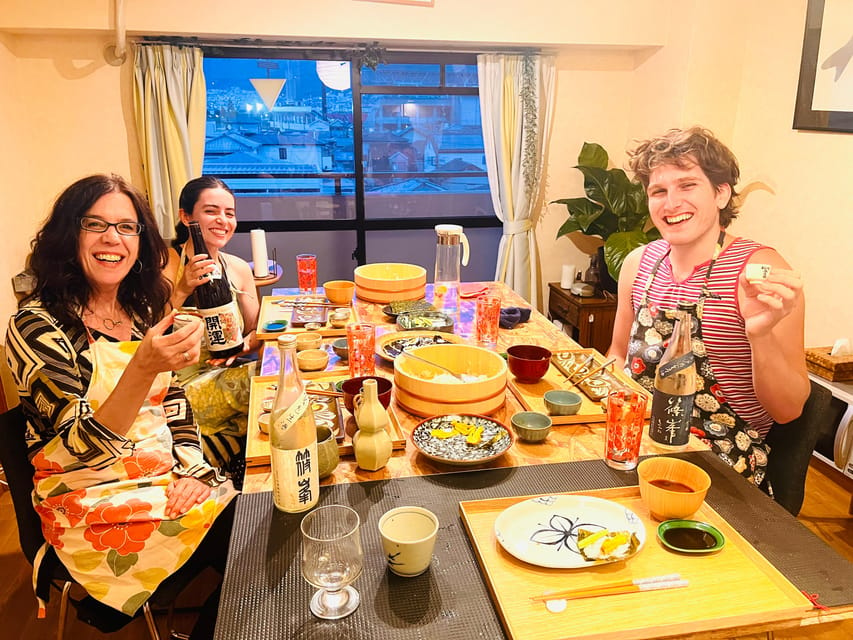
Next comes octopus and cucumber vinegar salad, a cool dish built around contrast. The soft, springy texture of octopus works against crisp cucumber, while the vinegar dressing provides a bright counterpoint to the richer dishes that follow.
This is where the class shows an important feature of Japanese cooking: a small dish does not need a long ingredient list to feel complete. The balance comes from texture, acidity, and careful seasoning.
The octopus and cucumber salad received especially strong praise from one participant, who singled it out as the favorite dish. I can understand why. It offers an immediate sense of Japanese home and izakaya cooking, and it is refreshing rather than heavy.
You will also get a useful lesson in handling vinegar-based salads. These dishes are easy to make badly if the acidity is too strong or the vegetables lose their bite. Yuki’s guidance helps you see how the ingredients should work together rather than simply following measurements.
Same kitchen, a different dish:
- Osaka: Roll and Authentic Sushi Making Class in Dotonbori
★ 4.9 · 239 reviews - Osaka Sake Tasting with Takoyaki Cooking
★ 5.0 · 156 reviews - Osaka: Cooking Class Ramen & Gyoza Course in Nanba
★ 4.9 · 86 reviews - Osaka: Gluten-Free Ramen and Gyoza Cooking Class
★ 5.0 · 42 reviews
Preparing fish tatsuta-age with scallion sauce
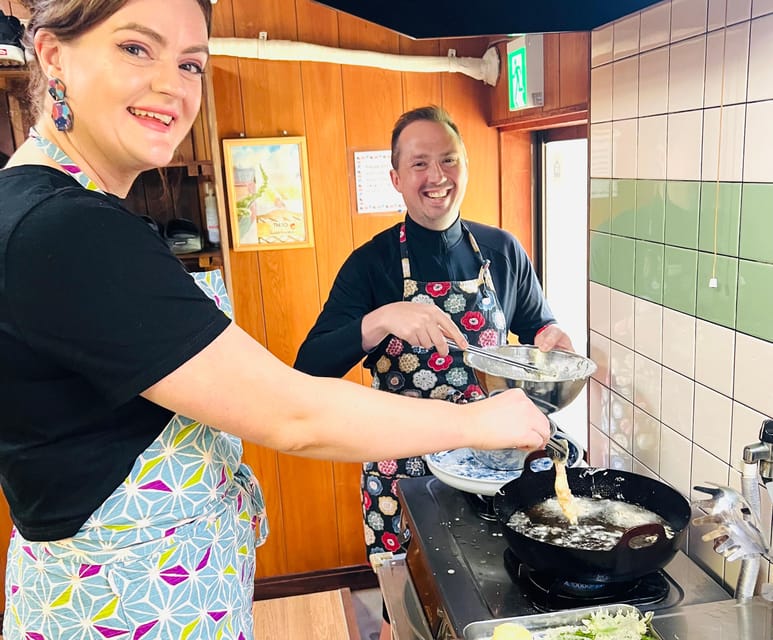
Fish tatsuta-age introduces a different texture: crisp on the outside, tender inside, and full of flavor from the marinade. The fish is prepared using a Japanese-style marinating method before being cooked, then paired with a scallion sauce.
This dish is a natural match for the optional sake tasting. Its savory crust and aromatic sauce give you something substantial to eat while you compare the drinks. It also shows how marinating can bring flavor into fish without covering up its character.
The class is not just about the final plate. You are learning the order of operations. Marinating, coating, cooking, and saucing each affect the result, and small timing errors can change the texture.
If you rarely cook fish, this may be one of the most useful sections. The method gives you a way to make fish feel more special without requiring complicated restaurant equipment. Still, fish preparation can require more attention than the potato salad or cucumber dish, so expect Yuki to correct technique as you work.
Simmering yellowtail with daikon
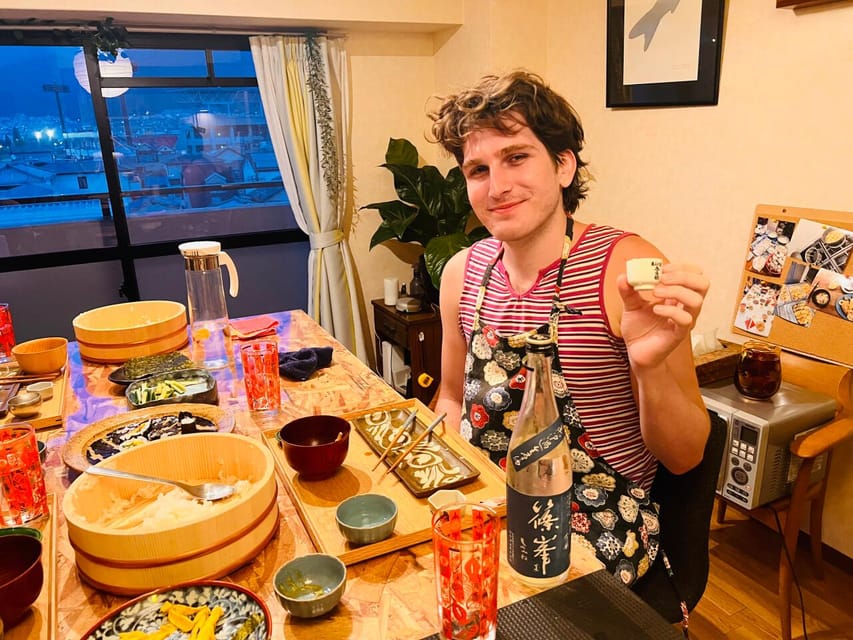
The most traditional-feeling dish on the menu is simmered yellowtail with daikon. This is the class’s clearest lesson in patient cooking. The goal is tender fish, softened daikon, and a sauce that brings the two together without becoming overly salty.
Simmering is central to Japanese home cooking. It allows ingredients to take on seasoning gradually, and it rewards careful heat control. Daikon is especially good for showing the process because its texture changes as it cooks.
This dish may be the point where you gain the most respect for Japanese flavor building. Soy sauce, mirin, and sake each contribute something different, and the final taste depends on proportion rather than brute strength.
The drawback is time. A simmered dish cannot be rushed in the same way as a quick salad. Since the full class lasts three hours and includes five dishes, the lesson must be paced carefully. You will learn the method, but you should not expect a long restaurant-style simmering session with every stage stretched out.
Finishing with mixed rice onigiri
The class ends with mixed rice onigiri, a comforting finish that brings attention back to rice. You learn how to prepare seasoned mixed rice and shape it into onigiri by hand.
Onigiri looks simple, but the rice texture matters. If the rice is too dry, the shape will not hold. If it is too wet, the result can become heavy. Shaping also takes a little confidence, since the rice needs enough pressure to stay together without being crushed.
This is a smart final dish because it leaves you with a practical skill. Onigiri works as a snack, lunch, picnic food, or a way to use leftover rice. The mixed rice approach also gives you more room to experiment at home than a highly specific sushi recipe would.
The dish has a comforting quality that rounds out the menu. You begin with a snack-style potato salad, work through seafood and simmering, then finish with a familiar Japanese staple. It is a full lesson in variety rather than a collection of unrelated recipes.
The optional sake tasting, three styles in one lesson
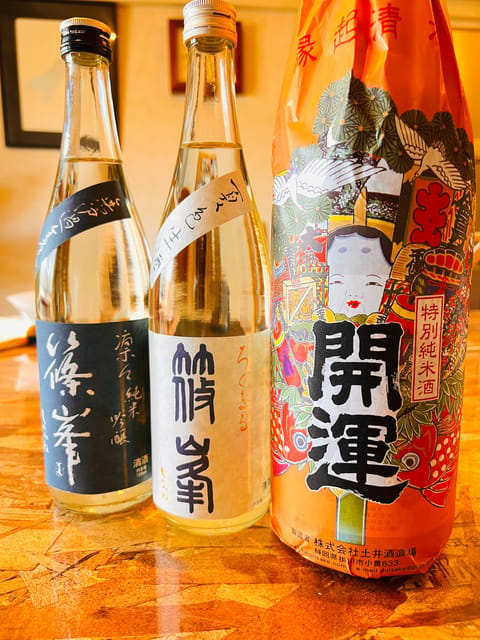
The sake component is optional, so you can choose the class without it if you are not drinking or prefer to focus only on food. If you add it, you taste three sakes: a chilled Junmai, a chilled Junmai Ginjo from the same brand, and one warm sake.
Using two chilled sakes from the same producer makes the comparison easier. You are not trying to sort out several brands at once. Instead, you can focus on how Junmai and Junmai Ginjo differ, then see what warmth does to sake’s aroma and flavor.
The warm sake is particularly useful because temperature can change your impression of a drink. A sake that seems crisp when chilled may feel softer or fuller when warmed. This is a compact lesson, but it adds cultural context to the cooking.
Do not book the sake option simply because it sounds like an extra attraction. It works best if you enjoy tasting slowly and paying attention to food pairing. The fish tatsuta-age is specifically suited to sake, so the drink is tied to the menu rather than added as a separate party activity.
Is $109 a fair price for three hours?
At $109 per person, this class is not the cheapest way to eat in Osaka. You can buy excellent prepared food for far less. The value comes from the instruction, the small group, the ingredients, and the chance to repeat the techniques after you go home.
You are not paying only for five plates. You are paying to learn how to season a vinegar salad, marinate fish, simmer yellowtail and daikon, prepare mixed rice, and shape onigiri. The optional sake tasting adds another layer if you choose it.
The price looks strongest for people who enjoy cooking and want skills they can use after Japan. It is less compelling if you want a quick meal or a show with little participation. You should also remember that transportation to the venue is not included.
Ingredients and equipment are supplied, and you receive an apron, water, tea, and digital photos. Those details keep the experience simple on the day. You do not need to shop for ingredients or bring cooking tools.
What to know about timing, allergies, and cancellation
The class lasts three hours, so allow enough time to reach the apartment without hurrying. The meeting point may vary by the option you book, and the class starts at scheduled times based on availability.
Tell Yuki about food allergies in advance. Adjustments can be made as much as possible, but the information provided does not promise that every allergy or dietary request can be accommodated. If you have serious allergies, explain them clearly before booking.
You can cancel up to 24 hours before the class for a full refund. A reserve-now-and-pay-later option is also available, which helps if your Osaka schedule is still shifting.
Who will enjoy this class most?
I would choose this experience if you want a small, active food class with a clear connection to everyday Japanese cooking. It suits curious beginners because the recipes are approachable, while experienced home cooks should still find useful lessons in seasoning, texture, and temperature.
It is also a good fit for solo visitors, couples, or small groups who prefer personal instruction. With only four participants, you are less likely to get lost in the crowd.
Families with children should consider the child’s patience and comfort with seafood, fish, vinegar, and hands-on kitchen work. The class is not described as a children’s program, so younger participants may need close attention.
I would skip it if you want a grand restaurant setting, a large cultural performance, or a class focused only on sushi. This is a modest, home-style cooking session, and its strength is practical instruction.
Should you book the Osaka washoku class?
Book it if you want to leave Osaka with more than food photos. The best parts are the small group, Yuki’s attentive guidance, and the range of techniques packed into three hours. The octopus and cucumber salad, simmered yellowtail, and mixed rice onigiri give you a good spread of textures and methods.
The main decision is whether you like the apartment setting and hands-on format. If you do, $109 buys a useful cooking lesson, a substantial meal, optional sake education, and recipes you can try again at home. If you mainly want sightseeing or a quick tasting, spend the money elsewhere. For a traveler who wants to understand how Japanese flavors are built, this is a sensible Osaka choice.
FAQ
Where does the cooking class take place?
The class takes place in a comfortable apartment near central Osaka. The exact meeting point may vary depending on the option you book.
How long does the class last?
The cooking experience lasts three hours. Starting times depend on availability.
How many people can join?
The class is limited to four participants, creating a small group setting with more opportunity for personal instruction.
Which dishes will I prepare?
You will prepare wasabi garlic potato salad, octopus and cucumber vinegar salad, fish tatsuta-age with scallion sauce, simmered yellowtail with daikon, and mixed rice onigiri.
Is the sake tasting included?
The sake tasting is optional. If you choose it, you will taste two chilled sakes, one Junmai and one Junmai Ginjo from the same brand, plus one warm sake.
Can food allergies be accommodated?
You should tell Yuki about any food allergies in advance. Adjustments can be made as much as possible, but the class does not guarantee that every request can be accommodated.
New cooking classes around Osaka
- Okonomiyaki&Takoyaki for Families:Osaka Street Food Festival★ 5.0 · 4 reviews
- Osaka Sake Tasting with Takoyaki Cooking★ 5.0 · 156 reviews
- Osaka: Sashiko Japanese Craftsmanship Workshop★ 5.0 · 31 reviews
- Osaka: Japanese Cooking Class with Matcha Experience★ 5.0 · 4 reviews
- Osaka Okonomiyaki Cooking Experience for Families & Groups★ 4.9 · 8 reviews
- Osaka: Okonomiyaki Cooking Class with Beer or Soft Drink★ 4.9 · 9 reviews
- Osaka: Cooking Class Ramen & Gyoza Course in Nanba★ 4.9 · 86 reviews
- Osaka: Gluten-Free Ramen and Gyoza Cooking Class★ 5.0 · 42 reviews
Osaka Cooking Classes, side by side.

Sushi Making Osaka! Popular Sushi Class in Japan!
Read our review →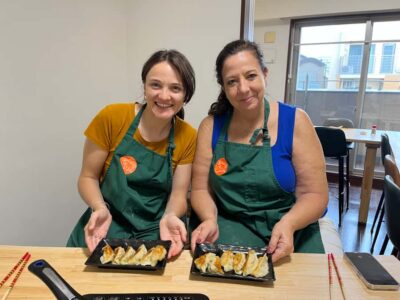
Osaka: Ramen and Gyoza Cooking Class in Dotonbori
Read our review →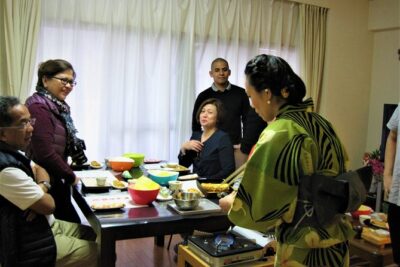
Osaka Cooking Class: Okonomiyaki &Japanese cuisines experience
Read our review →
Osaka: Roll and Authentic Sushi Making Class in Dotonbori
Read our review →
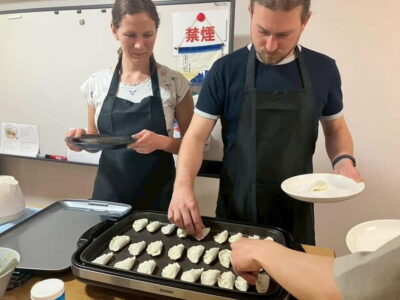
Osaka: Cooking Class Ramen & Gyoza Course in Nanba
Read our review →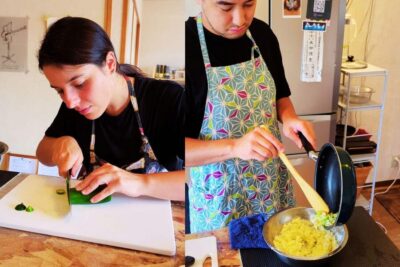
Osaka: Gluten-Free Ramen and Gyoza Cooking Class
Read our review →
Osaka: Cooking Class & Sake Tasting with Local Market Visit
Read our review →This kitchen also appears in