
Review · COOKING CLASSES WITH A MARKET TOUR
Prague: Traditional Czech Cooking Class with Market Tour
Prague’s food culture comes into focus when you shop for ingredients with Chef Ondřej Molina, then use them to cook a three-course Czech meal. The market visit is not just a quick look around. Ondřej introduces you to vendors, explains how he chooses produce and meat, and may adjust the menu when a particularly good ingredient catches his eye.
I like the hands-on format and the small-group feel reported by past participants. You chop, season, stir, and shape the food yourself, rather than watching a chef work while you stand back. I also like that the experience includes wine, beer, printed recipes, and takeaway boxes, so the evening continues after you leave.
The main consideration is timing. This is a four-and-a-half-hour activity, and Thursday evening sessions start at 17:00 without the market visit because of market closing hours. Dietary needs must be discussed with the supplier ahead of time, and the final experience depends partly on the group’s willingness to take part.
Key points to know before booking
- Shop at Holešovice Market: Meet in front of Hall 22, next to the Pekárna bakery, and help choose the ingredients used in class.
- Cook three Czech dishes: The usual menu includes Kulajda soup, beef goulash with dumplings, and povidlové buchty, a traditional plum-filled dessert.
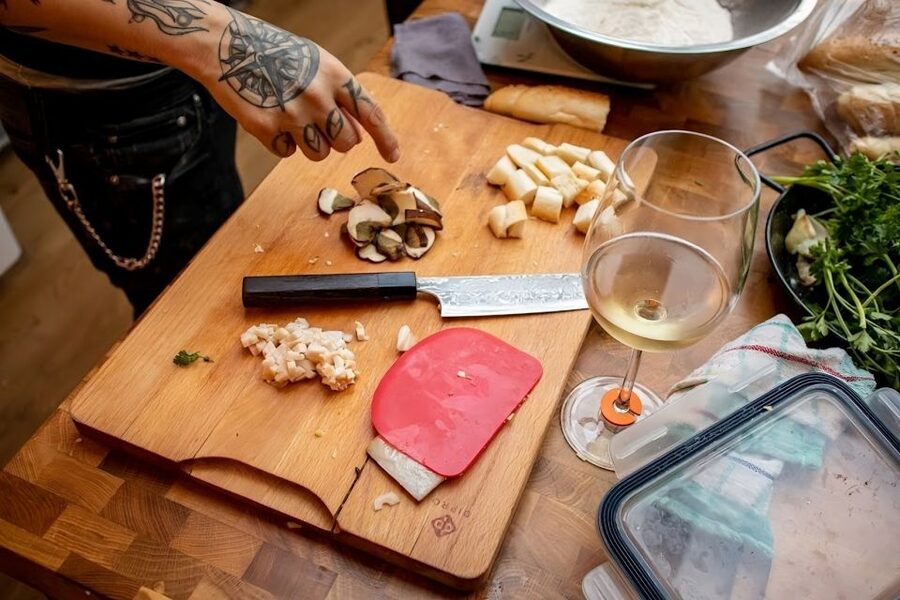
- Learn practical kitchen skills: Knife handling, spice aromas, ingredient selection, cooking methods, and tool choice are all part of the lesson.
- Eat and drink together: Wine, beer, coffee, soft drinks, snacks, and local tastings are included.
- Expect a personal teaching style: Ondřej Molina is described as funny, patient, and willing to adapt the menu to the group and market finds.
- Take the class home: You receive printed recipes and boxes for leftovers, giving you a real chance to repeat the meal later.
Starting at Holešovice Market
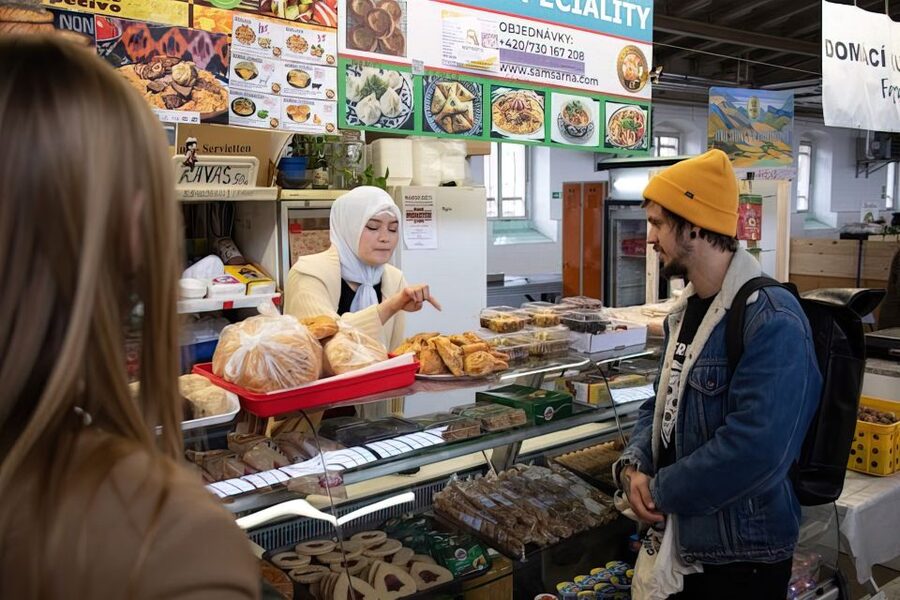
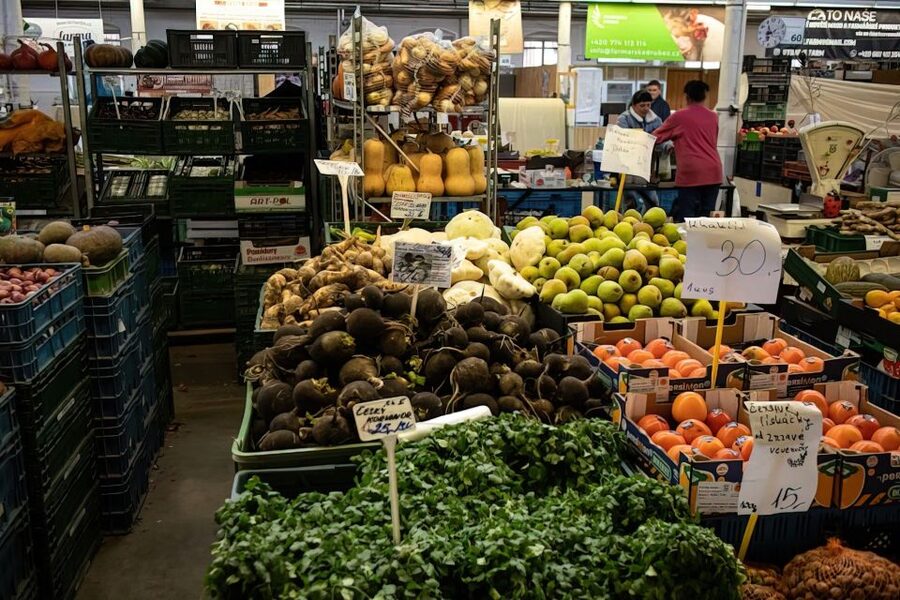
The experience begins at Holešovická Tržnice, commonly called Holešovice Market. Find Hall 22 and meet your guide beside the Pekárna bakery. If it rains, Ondřej waits inside Hall 22, which makes the meeting point easier to manage in poor weather.
This is a useful place to begin a cooking lesson because you see ingredients before they are turned into a finished dish. Ondřej selects products for the meal, discusses quality with vendors, and explains how he makes choices about freshness, flavor, and value. You may taste a few market products along the way, depending on what is available.
The market also gives the class a local setting that a standard restaurant meal cannot provide. You get a sense of the produce, meat, wine, and other food sold in Prague, while seeing how a Czech cook shops for a home-style menu. Several participants particularly enjoyed watching Ondřej speak with vendors he knows.
The market is not a sightseeing stop in the usual sense. You will not get a formal tour of every hall or a long talk about the building. Its purpose is practical: gather ingredients, ask questions, and learn how the menu begins with shopping.
On Thursday, the schedule changes. The evening start is 17:00, but the market is closed by then, so you go directly to the kitchen portion of the activity. Instead of the market walk, you begin with local delicacies and wine, giving the evening a slower social start.
More Cooking Classes with a Market Tour in the world:
- Hanoi Cooking Class: Culture, Local Market & Meaning CSR Impact
★ 5.0 · 5,147 reviews - 5 Traditional Dishes Hanoi Cooking Class with Market Trip
★ 5.0 · 4,890 reviews - Cooking Class and Lunch at a Tuscan Farmhouse with Local Market Tour from Florence
★ 5.0 · 4,831 reviews
From the market to Ondřej’s kitchen
Transportation from the market is included. The exact arrangement can vary, but the experience moves the group from Holešovice to Ondřej’s kitchen for the cooking session. This is useful because you do not need to plan a separate route between the two parts.
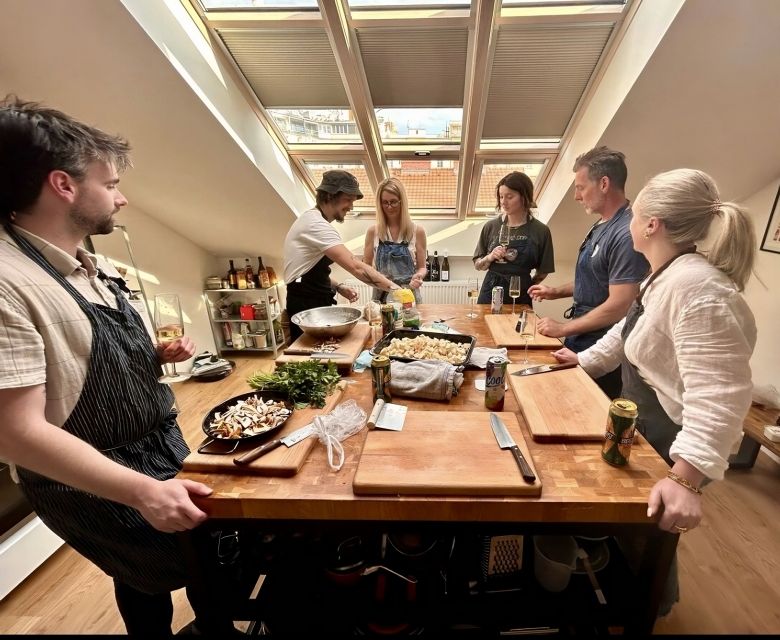
The kitchen is described as a welcoming cooking studio in an apartment setting, with an open layout and a view toward the Žižkov TV Tower. That setting helps the class feel more like being invited into a working cook’s home than attending a formal culinary school.
You begin with introductions, drinks, and an explanation of the menu. Wine is part of the experience from the start, and beer, coffee, and non-alcoholic drinks are also provided. The opening tasting matters because it gives you time to settle in before the chopping begins.
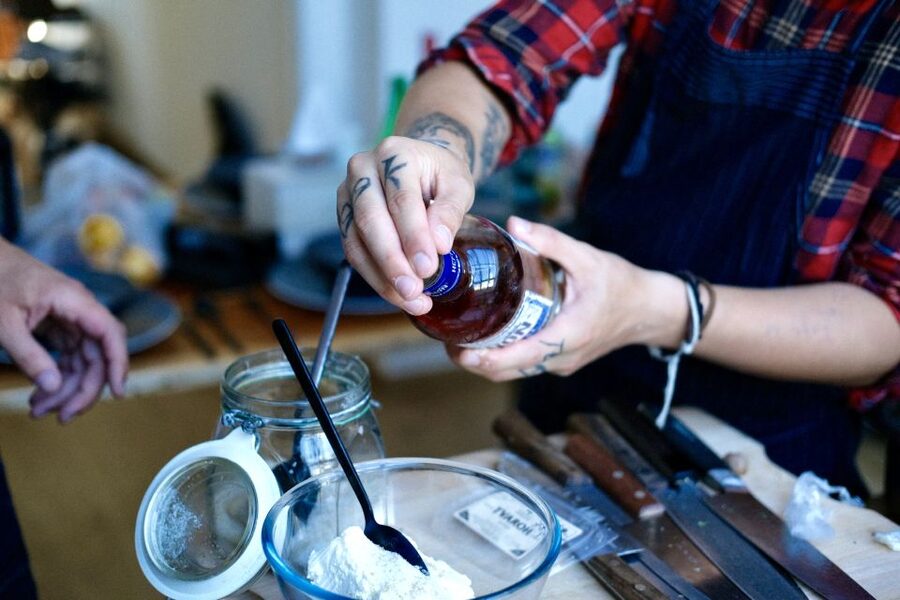
The class is not limited to following a recipe line by line. Ondřej explains how to select tools, handle ingredients, balance flavors, and understand the reason behind each step. One participant with nearly five decades of cooking experience even picked up a better way to hold a chopping knife, which says something about the practical level of the instruction.
The tone is friendly rather than stiff. There may be music, conversation, and plenty of joking, but the cooking remains the main event. If you enjoy asking questions, you will have more to gain than if you simply wait for your assigned task.
Cooking Kulajda, goulash, and plum-filled buchty
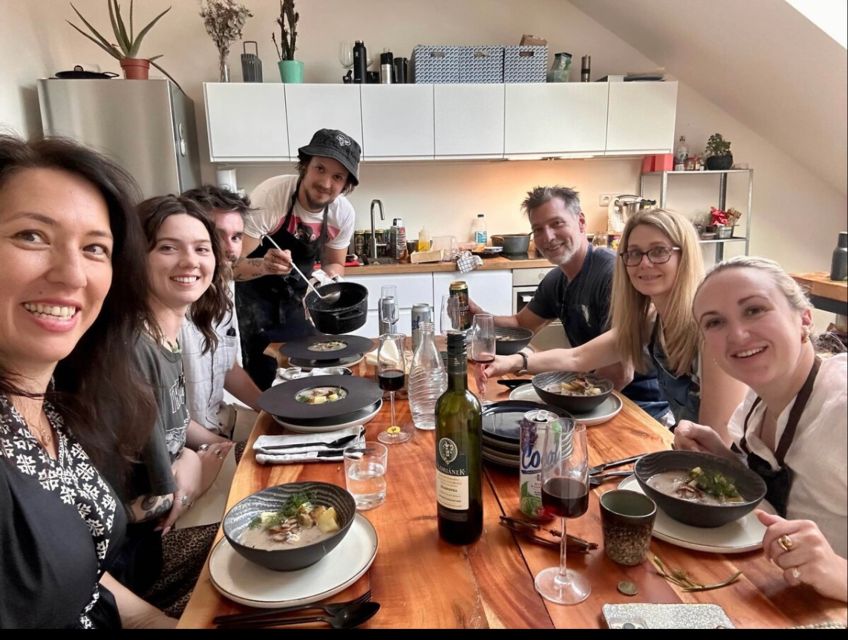
The standard three-course menu gives you a good introduction to Czech comfort food. You begin with Kulajda, a creamy soup traditionally associated with potatoes, mushrooms, dill, and a tangy dairy flavor. The ingredients can vary, and past classes have used fresh dill and foraged mushrooms from the market.
Many people find the soup the most memorable course because it shows how Czech food can be hearty without being heavy. Fresh herbs and mushrooms give it a clear connection to the market visit. You learn how the parts come together rather than simply receiving a bowl at a restaurant.
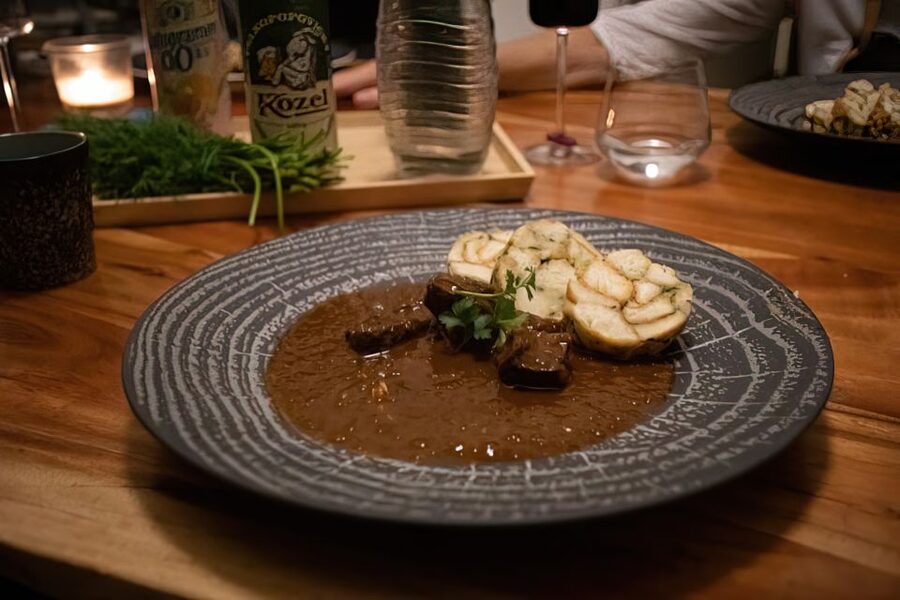
The main course is beef goulash with dumplings. Goulash is one of the dishes most visitors associate with Czech cooking, but preparing it yourself gives you a better feel for the work behind its deep flavor. You help with the cutting, seasoning, and cooking, then learn how the dumplings are made and served alongside the sauce.
The menu is not completely rigid. In past sessions, the goulash has been made with venison when that suited the ingredients and the group. Potato soup has also appeared in place of the standard soup, and plum dumplings have been used for dessert. This flexibility is a strength, though you should understand that the exact dishes may change.
Dessert is usually povidlové buchty, soft Czech pastries filled with plum jam. They offer a sweet finish after the savory soup and goulash. The class lets you see how a traditional dessert is assembled, not just taste it after the difficult work is done.
You should expect to participate throughout the preparation. The class covers chopping skills, spice aromas, cooking science, and the use of kitchen tools. That makes it suitable for cooks who already have experience but still want Czech recipes, as well as beginners who want clear guidance.
Why the small-group setup matters
The strongest part of this activity is the direct access to Ondřej. Past groups have sometimes been reduced to only one couple, yet the class continued with the full market visit and cooking lesson. That is not something you can count on when booking, but it shows that the format can remain personal even when plans change.
A smaller group means more room at the work surface and more chances to ask for help. You are less likely to spend the whole class waiting for someone else to finish a task. It also makes conversation easier, which is important because the meal is served and eaten together.
The social side is part of the value. You meet people from different countries, work toward the same meal, and sit down together afterward. If you want a quiet private lesson with no group interaction, this may not be the best match. If you like cooking with new people, the format should suit you well.
One practical warning: a cooking class works best when everyone takes part. A past session was affected by disagreements over dietary restrictions and by participants leaving before the meal. That was not a problem with the chef, but it is a reminder to contact the supplier before booking if you have allergies or strict food requirements.
More cooking classes around the world:
- Half-Day Thai Cooking Class at Organic Farm in Chiang Mai
★ 5.0 · 19,087 reviews - Florence: Pasta Cooking Class with Unlimited Wine
★ 4.9 · 10,285 reviews - 3 in 1 Cooking Class near Navona: Fettuccine, Ravioli & Tiramisu
★ 5.0 · 7,376 reviews - Florence: Pasta & Tiramisu Cooking Class with Unlimited Wine
★ 4.9 · 6,708 reviews
Eating the meal you prepared
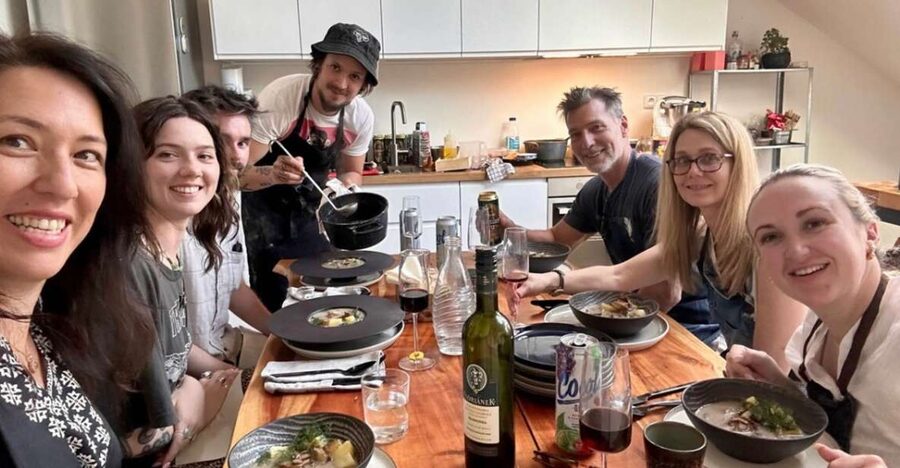
Once the three courses are ready, everyone sits down and eats together. This is more satisfying than tasting one small sample at each stage. You get a full meal, with the chance to compare how the soup, main course, dumplings, and dessert work as a complete Czech menu.
Drinks are included during the activity. You can expect local wine, beer, coffee, and non-alcoholic choices, along with snacks and a wine tasting. The drinks are not an afterthought. They help turn the cooking lesson into a long shared meal, which fits the social role of food in Czech culture.
The meal is also a useful test of what you have learned. You can ask about seasoning, texture, and timing while the results are still in front of you. If something worked particularly well, you can make a note before leaving.
Takeaway boxes are included for leftovers. That is a small but useful detail, especially after four and a half hours of cooking and eating. Printed recipes cover the dishes prepared in class, so you can try them again at home rather than letting the experience end in Prague.
The value of $155 per person
At $155 per person, this is not a budget meal or a basic market walk. The price makes more sense when you count the full package: a market visit, transportation from the market, ingredients, a three-course meal, hands-on instruction, wine and beer, snacks, printed recipes, and takeaway containers.
You are also paying for time with a chef rather than simply buying dinner. The activity lasts 270 minutes, giving you a full afternoon or evening centered on food. For a couple or a small group, the personal instruction and social meal may justify the cost more easily than it would for someone who only wants to sample Czech dishes.
The value is strongest if you will actually use the recipes. A restaurant can serve you goulash, but this class gives you a way to recreate it after returning home. It also teaches general skills, such as better knife handling and ingredient selection, that apply beyond the three dishes.
The value is weaker if you dislike group cooking, have complicated dietary needs, or mainly want a quick meal. The class moves at a relaxed pace and includes conversation, market shopping, and teaching. You should book it for the process, not just for the food.
Timing, access, and practical planning
Plan on four and a half hours from start to finish. Wear comfortable clothes and shoes suitable for standing and moving around a kitchen. No special cooking equipment is required, since ingredients and tools are part of the activity.
The meeting point is Hall 22 at Holešovická Tržnice, beside Pekárna. In rainy weather, wait inside Hall 22. Hotel pickup and drop-off are not included, so you need to arrange your own way to the market.
The class is offered in English and Czech. It is wheelchair accessible, and transportation receives a 90 percent perfect score from participants. Still, if you have specific mobility needs, it is sensible to confirm the details with the supplier before reserving.
Free cancellation is available up to 24 hours before the activity for a full refund. You can also reserve and pay later, which helps if your Prague schedule is still taking shape.
Who should book this Czech cooking class?
I would recommend it most strongly to people who enjoy food as a way to understand a place. You will get more from the class if you want to know why ingredients matter, how a dish is built, and how Czech cooking fits into daily life.
It is also a good choice for couples, solo visitors who like meeting people, and families with older children who can take part in kitchen tasks. The class has enough structure for beginners and enough technique to interest experienced home cooks.
The experience is less suitable if you want a formal restaurant dinner, a short activity, or a guaranteed fixed menu. Thursday evening bookings do not include the market, and the dishes can shift with ingredients and group preferences.
Should you book it?
Book this experience if you want to cook rather than simply eat, and if you value direct contact with a chef. Ondřej Molina’s warm teaching style, market relationships, flexible menu, and practical cooking advice are the main reasons to choose it.
Skip it if your schedule cannot spare 270 minutes, if you have dietary requirements that have not been cleared in advance, or if you dislike shared cooking and conversation. For everyone else, $155 buys a substantial food experience, not just a plate of goulash. You leave with a full meal, recipes, leftovers, and a better sense of how Czech food reaches the table.
FAQ
Where does the cooking class begin?
Meet your guide at Holešovice Food Market, also called Holešovická Tržnice. The meeting point is in front of Hall 22, next to the Pekárna bakery.
What happens if it rains?
Your guide waits inside Hall 22 in rainy weather.
Who teaches the cooking class?
The experience is led by Chef Ondřej Molina. Instruction is available in English and Czech.
How long does the experience last?
The activity lasts 270 minutes, or four and a half hours.
What dishes will I prepare?
The usual three-course menu includes Kulajda soup, beef goulash with dumplings, and povidlové buchty for dessert. The menu may change based on ingredients and group preferences.
Is the market tour included?
Yes, the market tour is included. Thursday evening sessions begin at 17:00 and skip the market because of closing hours.
Is transportation included?
Transportation from the market to the cooking location is included. Hotel pickup and drop-off are not included.
What drinks are provided?
Wine, beer, coffee, and non-alcoholic drinks are provided. Snacks and a wine tasting are also included.
Can I take food home?
Yes. Takeaway boxes are included for leftovers, and you receive printed recipes for the dishes prepared during the class.
Is the class suitable for wheelchair users?
The activity is listed as wheelchair accessible. If you have particular access needs, confirm the arrangements with the supplier before booking.
Can I cancel my reservation?
You can cancel up to 24 hours in advance for a full refund. Reserve-now, pay-later booking is also available.
New cooking classes around the world
- Shinjuku Tokyo: Authentic Japanese Home-Style Culinary Class★ 4.9 · 125 reviews
- Shibuya Tokyo: Onigiri & Tamagoyaki Cooking Class★ 5.0 · 4 reviews
- M.O.M COOKING CLASS★ 4.8 · 6 reviews
- Seville: Paella-Cooking Experience with Sangria & Full Meal★ 4.9 · 42 reviews
- Shanghai: Authentic Chinese Cooking Class with Master Chef★ 5.0 · 2 reviews
- Sestri Levante: Pesto & Cooking Classes, Wine Tasting★ 4.9 · 56 reviews
- Seville: Paella Cooking Class & 30-Min Local Expert Q&A★ 4.8 · 37 reviews
- Seoul: Premium Korean Feast Cooking Class★ 5.0 · 3 reviews
Cooking Classes with a Market Tour, side by side.
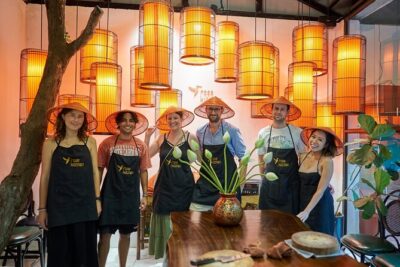
Hanoi Cooking Class: Culture, Local Market & Meaning CSR Impact
Read our review →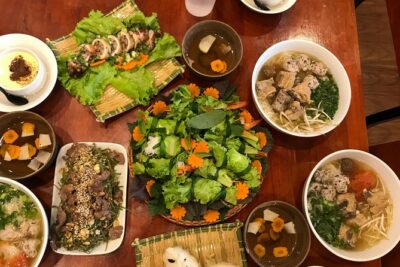
5 Traditional Dishes Hanoi Cooking Class with Market Trip
Read our review →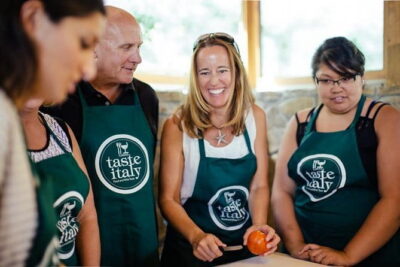
Cooking Class and Lunch at a Tuscan Farmhouse with Local Market Tour from Florence
Read our review →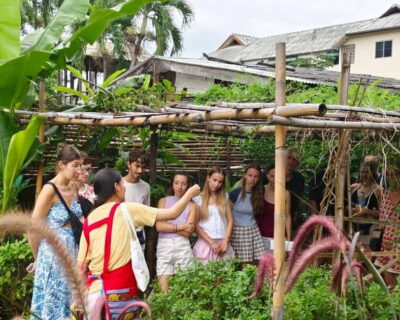
Chiang Mai: Cooking Class, Market & Thai Herbs Garden Tour
Read our review →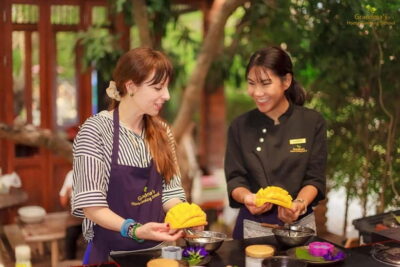
Chiang Mai: Authentic Cooking Class with Market & Farm Visit
Read our review →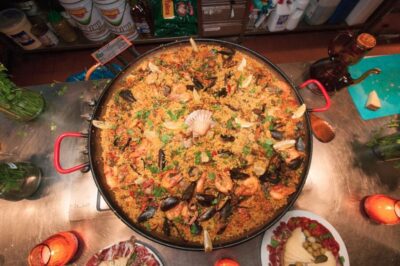
Barcelona: Paella Cooking Experience & Boqueria Market Tour
Read our review →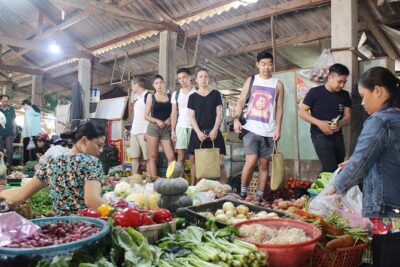
Cooking Class Hoi An:Local Market, Basket Boat, Fishing & Cooking
Read our review →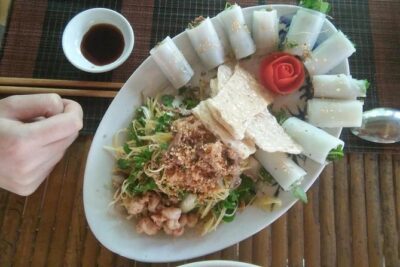
Hoi An Cooking Class(Market,BasketBoat Crabfishing&Cooking Class)
Read our review →This kitchen also appears in