Review · ROME
Rome: Pasta Cooking Class with Market Visit and Wine
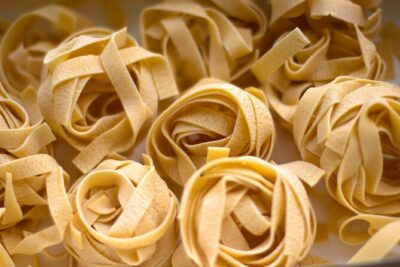
Rome’s best cooking lessons do more than put flour on a table. This one begins at Nomentano Market, where Chef Marco introduces the fresh ingredients used later in class, then returns to the Kitchen of Mamma for hands-on pasta making. You may work with several pasta shapes, ravioli fillings, and sauces before sitting down to eat what you helped prepare.
I like the market visit because it connects the meal to Roman shopping habits rather than treating pasta as an isolated recipe. I also like the individual workstations, which give you room to practice instead of simply watching a demonstration. The main consideration is gluten: this experience is not suitable for people with gluten intolerance, and the four-hour schedule is largely devoted to pasta, wine, and conversation.
Key points to know before booking
- Nomentano Market comes first: You walk to a local market with Marco and learn how ingredients are chosen for the class.
- Several pasta styles are included: Depending on the lesson, you may work with linguine, ravioli, tortellini, and other shapes.
- You make the dough yourself: Marco demonstrates each step, then checks your work at your station.
- Lunch is part of the class: Your pasta is cooked and served with sauces, along with Italian wine.
- The setting is social and relaxed: Coffee, limoncello, conversation, and Roman stories round out the meal.
- The practical extras are useful: You leave with recipes and a participation certificate, though not with a gluten-free option.
Starting at Via Palestro 51 in Rome
The meeting point is Via Palestro 51, 00185 Rome, near the Termini area. Arrive at least 10 minutes before the scheduled start so the group can begin together.
The class lasts about four hours. That is a good length for a food experience in Rome. You have enough time to visit the market, learn the basic technique, eat a full meal, and chat without turning the day into an all-day project.
The route begins on foot. The market walk is short, described in past sessions as roughly five to ten minutes, though the exact pace may vary. Wear comfortable shoes, since this is not a sit-down class from the first minute.
The instructors speak English and Italian. Chef Marco leads the sessions described here, and his style is a major part of the experience. He teaches, cooks, answers questions, and keeps the group moving with humor. That combination matters in a practical class, since pasta dough can feel simple when demonstrated and less simple when your own dough is under your hands.
More Cooking Classes with a Market Tour in Italy
- Authentic Roman Cooking Class & Market Experience
★ 5.0 · 363 reviews - Kitchen of Mamma: Pasta Cooking Class with market visit in Rome
★ 5.0 · 140 reviews - Rome: Market and Cooking Class at a Local’s Home
★ 4.0 · 3 reviews
A local market before the cooking begins
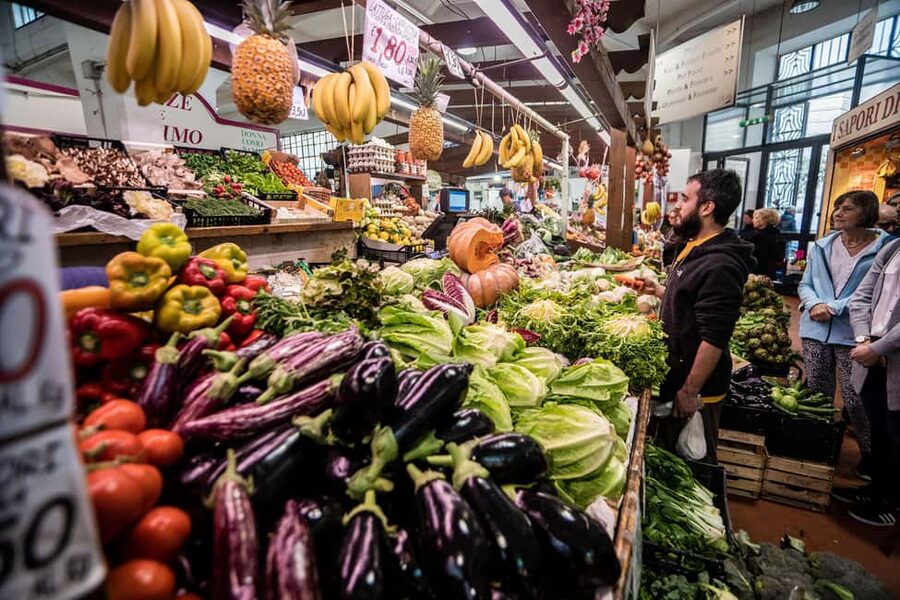
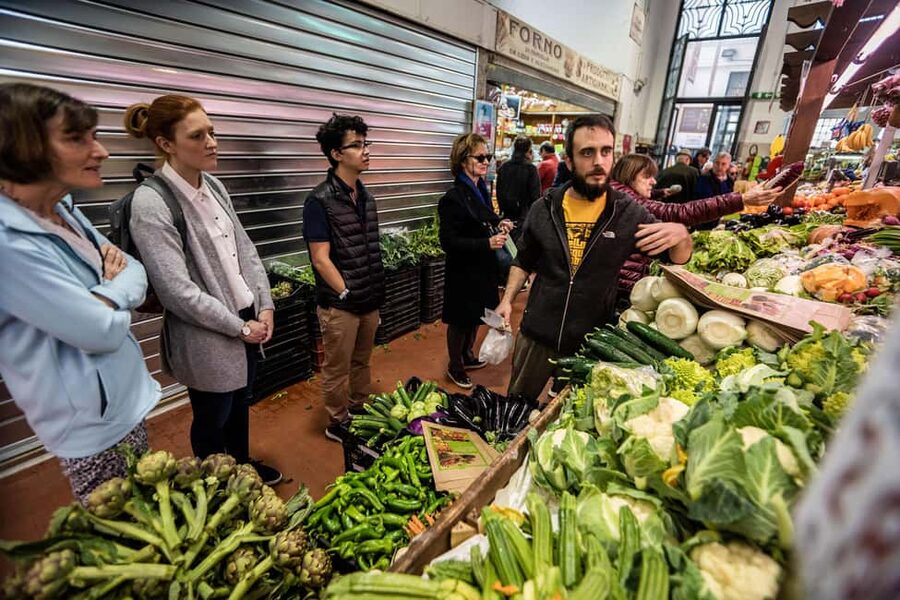
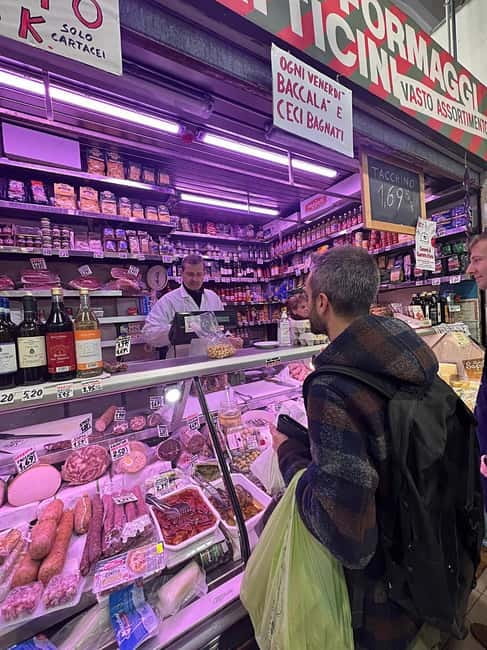
The visit to Nomentano Market gives the class a useful Roman setting. Instead of arriving at a kitchen with ingredients already lined up, you first see the sort of fresh produce, meat, and fish that may shape a meal.
Marco uses the walk to explain how ingredients work together. Past class menus have included combinations such as pumpkin, ricotta, sage, and mushrooms. That is more useful than a general talk about Italian food because you can see how a cook chooses ingredients for a filling or sauce.
The walk also includes stories about Rome and Italian food culture. It is not presented as a full sightseeing tour, so do not book this expecting major monuments or an extended market history lecture. Think of it as a short neighborhood introduction that gives the cooking class some local context.
The market stop is especially useful if you want to understand why Italian cooking often depends on a few fresh ingredients. You are not simply memorizing a recipe. You are seeing how the choice of a vegetable, cheese, herb, or other ingredient can guide the dish.
You may also have time to look at products for yourself. Still, the main purpose is to gather ingredients for the lesson, not to shop for a full picnic or stock your suitcase.
Learning pasta dough at your own station
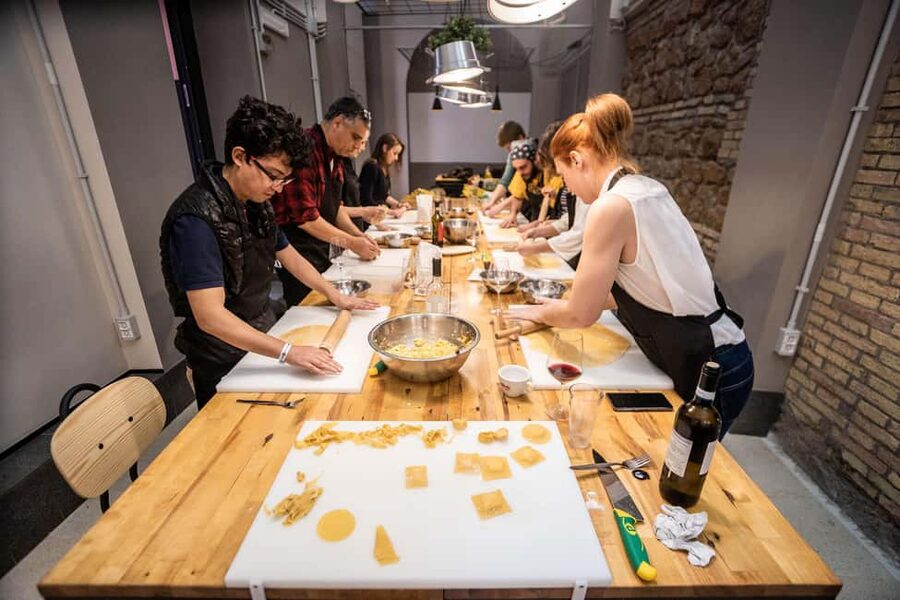
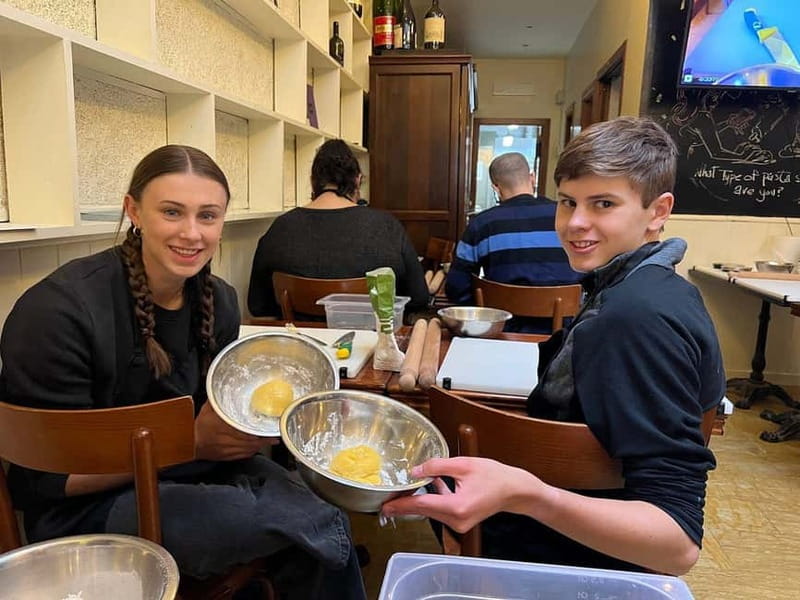
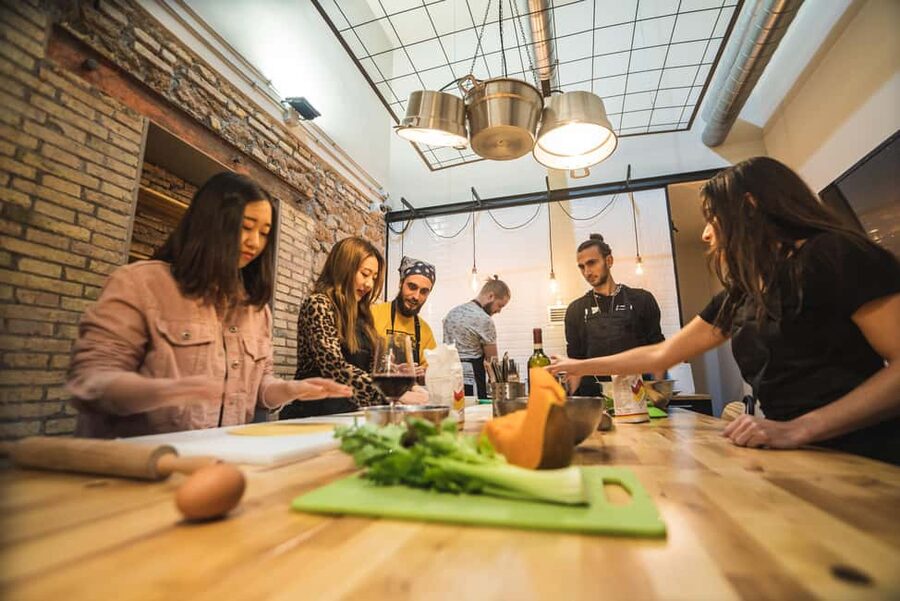
Back at the Kitchen of Mamma, you work around a shared table with your own utensils and station. That setup gives you a chance to practice instead of standing behind someone taller or trying to copy a demonstration from across the room.
Marco explains how to make the dough and then checks each person’s progress. This individual attention is important for beginners. The dough may need adjustments in handling, moisture, or kneading, and a teacher can spot problems before they affect the finished pasta.
No previous cooking skill is needed. You do not need to know how to shape pasta, mix dough, or prepare fillings before arriving. The class is designed to teach the basic process in a clear, usable way.
The emphasis is on learning by doing. You may find that shaping pasta takes more patience than expected, especially when forming filled pieces. That is part of the appeal. A slightly uneven ravioli or imperfect tortellini still teaches you how the dough behaves.
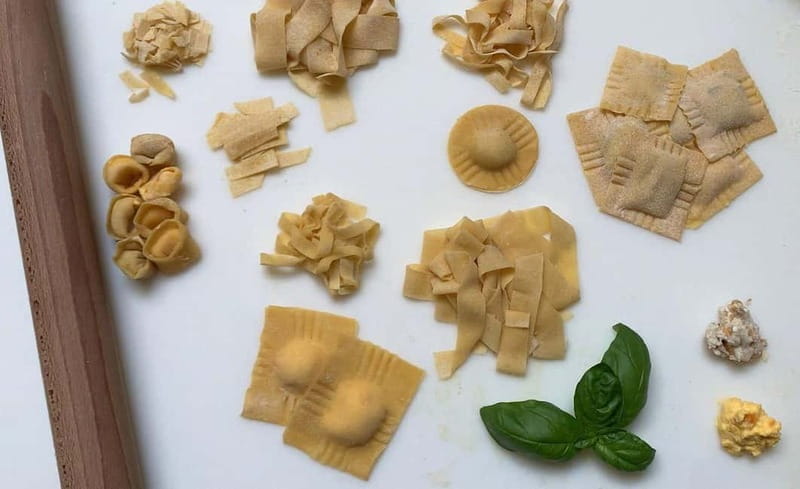
Several different pasta forms can be part of the lesson. Past sessions have included linguine, ravioli, tortellini, and multiple cut sizes. Some participants have made five or more kinds of pasta, while one session included seven different sizes and filled ravioli. The exact selection may change, so book this for a broad introduction rather than a promise of one fixed menu.
Fillings, sauces, and the meal you help create
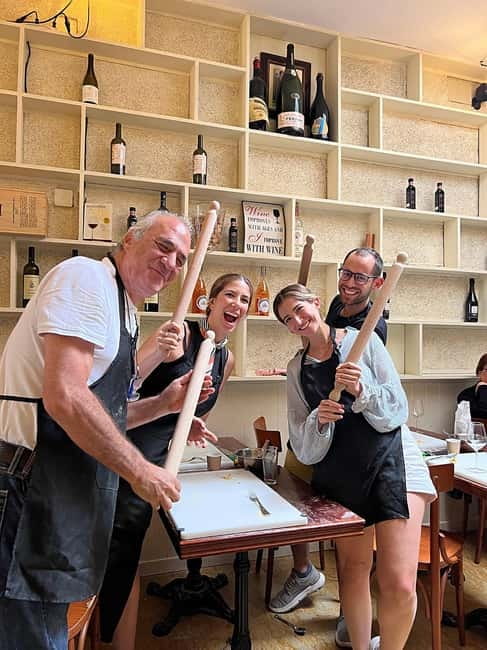
The pasta shapes are only one part of the class. You also learn how fillings and sauces fit together.
Marco prepares and explains fillings for dishes such as ravioli and tortellini. Pumpkin and ricotta with sage and mushrooms have appeared in the cooking sessions, along with other combinations. He also prepares sauces, including a meat-based bolognese in some classes.
This format gives you more variety than a lesson focused only on spaghetti. You learn that pasta is not one dish but a set of techniques: making the dough, cutting or shaping it, filling it, sealing it, boiling it, and pairing it with sauce.
Some parts of the meal may be demonstrated or prepared by Marco rather than cooked entirely by every participant. That is worth knowing if you expect to make every sauce from start to finish. The benefit is that the class can include more dishes and different techniques within four hours.
Once the pasta is ready, Marco cooks it and serves it with the sauces. You then eat the results as lunch. Portions have been described as generous, and the meal is meant to be a proper part of the activity rather than a tiny tasting at the end.
This is where the class earns much of its value. You are not paying only for an instructional demonstration. You receive a meal, wine, recipes, and a social afternoon built around food.
More Cooking Classes with Wine Tasting in Italy
- Rome: Pasta Making Class with Wine, Limoncello, and Dessert
★ 4.9 · 3,177 reviews - Fettuccine & Tiramisù: Cooking Class with Wine & Limoncello
★ 4.9 · 2,103 reviews - Pasta Making & Wine Tasting with Dinner in Frascati from Rome
★ 5.0 · 1,326 reviews - Rome Cooking Class: Make Pasta, Dine & Drink Wine With Local Chef
★ 5.0 · 1,263 reviews
Wine, coffee, and limoncello at the table
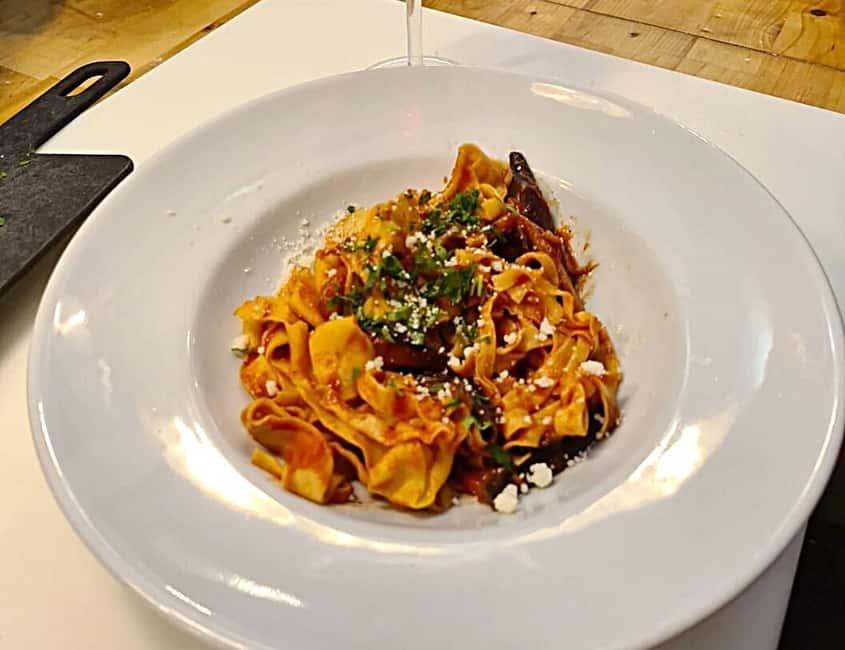
A glass of Italian wine is included with lunch. The wine helps turn the lesson into a shared meal, though you should not think of this as a formal wine tasting. The focus is pasta and Italian cooking, with wine served as part of the meal.
Coffee and limoncello follow the food. These small finishing touches make the experience feel closer to a relaxed Italian lunch than to a short cooking workshop that ends as soon as the last pan is washed.
The conversation is part of the class, too. Marco shares stories about Italy and Rome while explaining the food. The tone is informal, and the humor helps put beginners at ease.
If you do not drink alcohol, the activity still includes the cooking and meal itself. However, the published inclusions specifically promise a glass of Italian wine, coffee, and limoncello, not a detailed list of alternative drinks. If you have a medical, religious, or personal restriction, mention it when booking or at the start of the class.
What the teaching style is really like
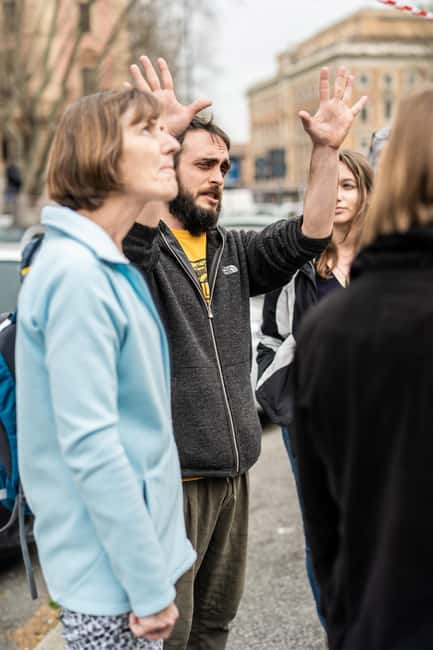
Marco receives unusually strong praise for his warmth, patience, and energy. He is described as a chef, guide, teacher, and entertainer, but the practical point is that he stays involved with the group.
He walks around to check dough, helps with folding, and answers questions as they arise. That matters more than a polished speech. Pasta making has small points that are easy to miss, and personal help can make the difference between a neat shape and a leaky one.
His humor is another useful feature. Beginners can feel self-conscious when their tortellini look less elegant than the instructor’s. A relaxed teacher keeps the class from becoming a test.
The tone does mean that this is not a quiet, highly formal culinary school. You should expect conversation, jokes, wine, and a communal table. If you want a technical masterclass with a strict curriculum and detailed measurements for every stage, this may feel loose. If you want to learn useful basics in a friendly setting, it is a strong fit.
The activity is offered in English and Italian. The available information does not promise a particular language pairing for every session, so confirm your preferred language when selecting a date.
Food restrictions and who should book
The clearest limitation is gluten. The experience is specifically marked as unsuitable for people with gluten intolerance. Since pasta is the central activity, you should not book it hoping to watch while eating a separate gluten-free meal.
Vegetarian needs have been accommodated in past classes, and Marco has asked about meat restrictions before preparing sauces. Still, do not assume every dietary request can be handled automatically. Tell the provider in advance, especially if you avoid pork, red meat, or other ingredients.
The class suits:
- Couples looking for a shared food activity
- Families who want something more active than a restaurant meal
- First-time cooks who want simple instruction
- Pasta fans who want to learn several shapes
- People interested in local food shopping and Roman cooking habits
- Anyone who enjoys a social class with wine and conversation
It may not suit you if you dislike group activities, cannot eat gluten, want a silent or highly technical lesson, or prefer a quick demonstration rather than several hours around a table.
Is $103 a fair price?
At $103 per person, the price is reasonable for a four-hour Rome experience that combines a market walk, instruction, a full pasta lunch, wine, coffee, limoncello, recipes, and a certificate.
The value is strongest if you treat it as both a meal and a class. A restaurant lunch alone would not teach you to make pasta or take you through a local market. A short pasta demonstration would cost less, but it would not offer the same amount of hands-on practice or food.
The class also gives you something useful to take home: recipes and the method for making the dough. You may need practice before your pasta looks as neat as Marco’s, but the class gives you a foundation you can repeat in your own kitchen.
The value is less clear if you are mainly looking for a market tour. The market visit is short and supports the cooking lesson. It is not a separate market-focused excursion.
Free cancellation is available up to 24 hours before the activity for a full refund, and you can reserve now and pay later. Those terms help if your Rome schedule is still shifting, but the practical details of your chosen start time should be checked before booking.
Practical tips for a smoother class
Arrive early at Via Palestro 51. A late arrival could be awkward because the group begins with a walk to the market.
Wear comfortable clothing and shoes. You will walk to the market, stand during parts of the lesson, work with dough, and sit down for lunch later.
Do not schedule a major museum or timed attraction immediately afterward. The class is listed as four hours, but a meal with conversation can run at an easy pace. Give yourself breathing room.
Come hungry, but not starving. You will be working with food before lunch, and the meal is a central part of the experience.
Ask questions as you work. Marco’s teaching style is hands-on, so you will get more from the class if you show him your dough, ask about shaping, and pay attention to how he handles fillings and sauces.
Keep the recipes somewhere accessible after the trip. The real payoff comes when you try the techniques again at home.
Should you book this Rome pasta class?
I would book this class if you want a warm, practical introduction to Italian pasta rather than a polished show for tourists. The market visit adds local context, the individual stations give you real practice, and the meal lets you taste several results in one sitting.
Chef Marco is the central reason to choose it. His teaching style is patient, funny, and involved, and he has a knack for making beginners comfortable. The class also offers more variety than a simple spaghetti lesson, with filled pasta, different shapes, sauces, wine, and a proper lunch.
Skip it if gluten makes pasta impossible for you or if you want a short, private lesson with a fixed gourmet menu. For everyone else, $103 buys a useful skill, a generous meal, and a pleasant half-day in Rome that connects the kitchen to the local market.
FAQ
How long does the pasta cooking class last?
The activity lasts four hours. Check availability for the exact starting time.
Where is the meeting point?
Meet at Via Palestro 51, 00185 Rome. You should arrive at least 10 minutes before the activity begins.
What does the market visit include?
You take a walking tour to Nomentano Market, where you see fresh, seasonal ingredients and learn how they are selected for the recipes.
Do I need previous cooking experience?
No. The class is designed for beginners, and the instructor explains how to make the dough, fillings, sauces, and pasta shapes.
Is lunch included?
Yes. Lunch includes the pasta prepared during the class, along with a glass of Italian wine. Coffee and limoncello are also included.
Is the class suitable for someone with gluten intolerance?
No. The experience is listed as unsuitable for people with gluten intolerance.
What do I take home after the class?
You receive a participation certificate and pasta recipes.
More Pasta Making Classes in Rome
- 3 in 1 Cooking Class near Navona: Fettuccine, Ravioli & Tiramisu
★ 5.0 · 7,376 reviews - Rome Cooking Class: Make Pasta and 3 Spritz Cocktails
★ 5.0 · 2,937 reviews - Rome: 3-in-1 Fettuccine, Ravioli, and Tiramisu Cooking Class
★ 4.9 · 2,704 reviews - Rome: Fettuccine Pasta Cooking Class in Rome’s City Center
★ 4.8 · 2,414 reviews
More Cooking Classes with Wine Tasting in Rome
- Rome: Combo Pizza and Pasta Cooking Class with Wine
★ 4.6 · 1,180 reviews - Rome: Pasta Making with Wine Tasting and Dinner in Frascati
★ 4.9 · 979 reviews - Super Fun Pasta & Gelato Class by Vatican with Wine + Oil Tasting
★ 5.0 · 726 reviews - Rome: Traditional Pasta Making Class with Wine & Gelato
★ 4.9 · 677 reviews
New cooking classes around Rome
- ROME:Hands-On Lasagna & Marsala Tiramisu Cooking Experience”★ 5.0 · 3 reviews
- Rome: Vatican Food Tours, Cooking classes & Free Tours★ 4.9 · 11 reviews
- Rome: Traditional Pasta, Spritz & Tiramisu Cooking Class★ 4.9 · 279 reviews
- Rome: Trastevere Pasta Making Class★ 4.9 · 33 reviews
- Rome: Traditional Pasta and Tiramisu Cooking Class★ 5.0 · 4 reviews
- Rome: Small Group Pasta cooking class near Piazza Navona★ 4.9 · 8 reviews
- Rome: Traditional Cooking Class in the Jewish Ghetto★ 4.9 · 75 reviews
- Rome: “Rooftop Pasta and Cocktails Cooking Class”★ 5.0 · 12 reviews
Rome Cooking Classes, side by side.

3 in 1 Cooking Class near Navona: Fettuccine, Ravioli & Tiramisu
Read our review →
Rome: Pasta Making Class with Wine, Limoncello, and Dessert
Read our review →
Rome Cooking Class: Make Pasta and 3 Spritz Cocktails
Read our review →
Rome: 3-in-1 Fettuccine, Ravioli, and Tiramisu Cooking Class
Read our review →
Rome: Fettuccine Pasta Cooking Class in Rome’s City Center
Read our review →
Fettuccine & Tiramisù: Cooking Class with Wine & Limoncello
Read our review →
Pasta Cooking Class Near the Colosseum with 3 Spritz Cocktails
Read our review →