
Review · HOME COOKING CLASSES
Samarkand: Cooking class with local family
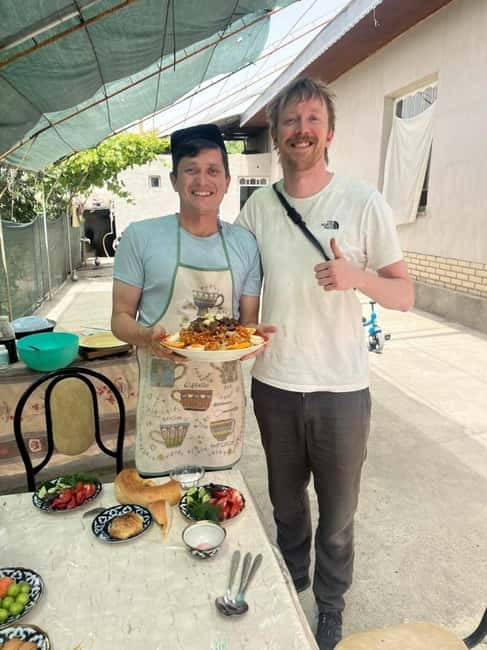
The best part of this Samarkand outing happens at a family kitchen, not beside a monument. You shop for ingredients at a local bazaar, then cook plov, shashlik, and samsa from scratch with Navroʻz, Guli, and their family. I like the hands-on cooking and the chance to see ordinary family life up close.
I also like the useful mix of food and craft stops, especially the Konigil paper factory and handmade rug workshop. The main consideration is pace: five hours covers a lot, so the bazaar, cooking, lunch, and workshops may feel more like a well-packed introduction than a slow afternoon at home.
Key points at a glance
- Cook in a family home: Prepare classic Uzbek dishes with family members rather than watching a chef work alone.
- Start at a local bazaar: See the ingredients, trade, and daily shopping that shape Uzbek meals.
- Meet Navroʻz or Guli: Guides help explain cooking, customs, and the wider story of Uzbekistan.
- Visit traditional workshops: The outing can include Konigil paper making, oil meal, pottery, and handmade rugs.
- Private five-hour format: Your group has a guide and vehicle without sharing the experience with a large crowd.
- Good value at $65: Lunch, water, transport, guiding, and several cultural stops are included.
A Samarkand day built around the kitchen
Samarkand is famous for its grand Silk Road monuments, but a home kitchen gives you a different kind of understanding. Here, you are not simply looking at Uzbek culture. You are handling the ingredients, learning how dishes are prepared, and sitting down to eat the result.
The five-hour experience begins with a local bazaar. From there, you travel by air-conditioned vehicle to a local family home for the cooking session and lunch. The day also includes craft-focused stops connected with paper, oil meal, pottery, and, based on the outing arrangement, handmade rugs.
That combination matters. Food shows how a family spends time together. A bazaar shows how the household shops. Workshops show how older skills still earn a place in modern Samarkand. You get several short windows into local life instead of another half-day spent moving from one monument to the next.
More Home Cooking Classes in the world:
- Khmer Cooking Class at a Local’s Home in Krong Siem Reap
★ 5.0 · 2,731 reviews - Porto: Pastel de Nata Cooking Class with Grandma’s Recipe
★ 5.0 · 1,565 reviews - Siem Reap: Khmer Cooking Class at a Local’s Home
★ 5.0 · 1,108 reviews
Shopping for ingredients at a Samarkand bazaar
The bazaar is the right opening scene because it gives context to the meal that follows. You can expect stalls filled with food and household goods, vendors serving local shoppers, and the constant small decisions involved in buying ingredients.
Your guide can help you notice what matters. Which rice is chosen for plov? How is meat selected for shashlik? Which ingredients go into samsa? The point is not just to pass through the market with a camera. It is to connect the food you see there with the work you will do later.
A bazaar can also be a lively place, so give yourself room to look before rushing on. This is one part of the experience where your guide’s language skills are useful. English, Korean, Russian, Uzbek, and Tajik guiding is available, which gives the activity broad appeal for international visitors.
The practical limitation is that the exact shopping time is not stated. Since the whole outing lasts five hours, the market visit is likely one portion of a tightly planned day. If you enjoy slow browsing and careful food photography, you may wish the schedule allowed longer. Still, even a shorter visit helps you understand that Uzbek cooking begins with shopping, not with a recipe card.
Cooking plov, shashlik, and samsa from scratch
The cooking class is the heart of the outing. You join a local family at home and help prepare three of the country’s best-known dishes: plov, shashlik, and samsa.
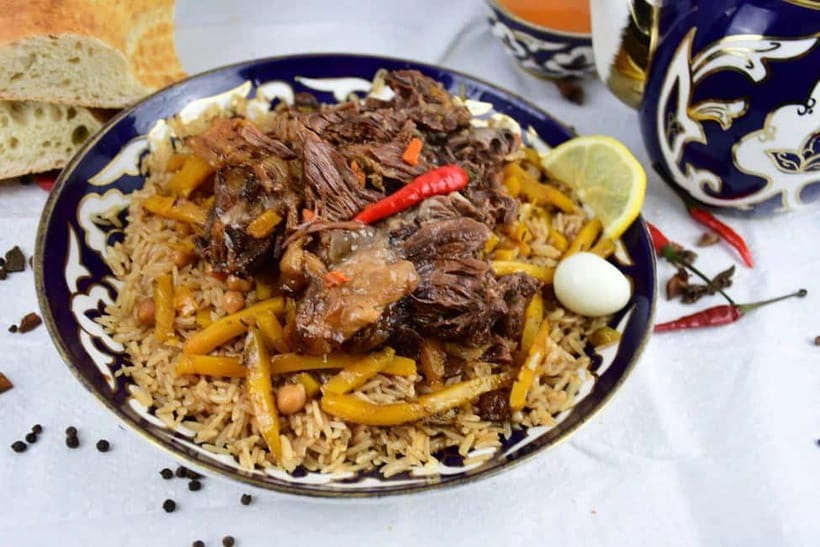
Plov is the meal most people associate with Uzbekistan. It is a rice dish, but that simple description misses the social side of it. Preparing plov involves timing, shared work, and attention to the balance of rice, meat, and other ingredients. You get to see how a celebrated national food fits into a family setting.
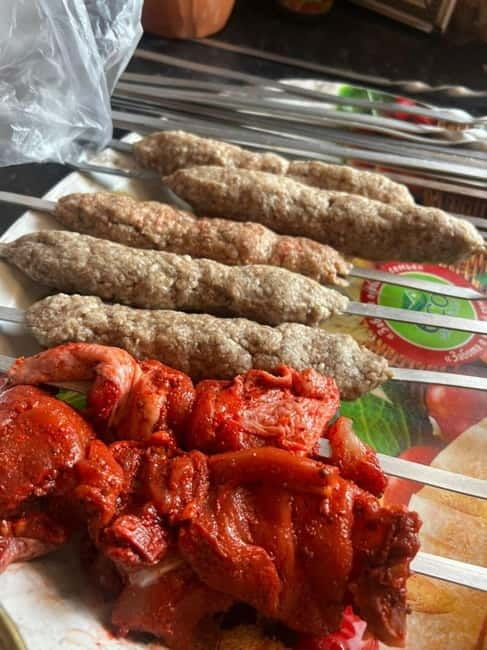
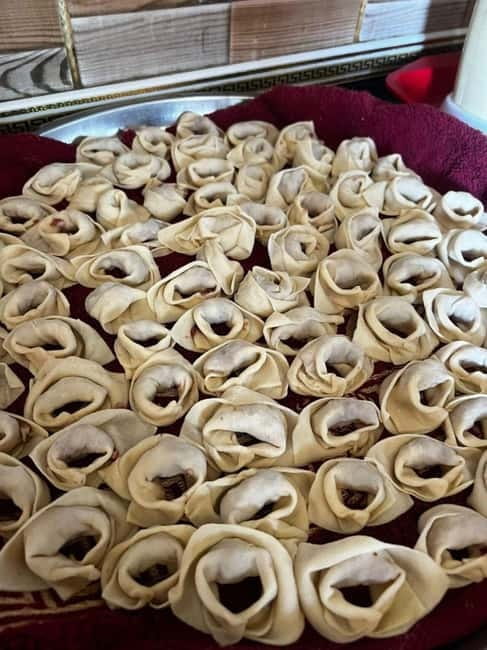
Shashlik brings the grill into the picture. You can expect to help prepare grilled meat, with the emphasis on participation rather than a formal demonstration. Samsa adds a pastry element, giving the class a wider range of techniques and textures.
I appreciate that the food is prepared from scratch. It gives you more to take home than the memory of a good lunch. You gain a basic sense of how the dishes are made and why they matter. You might not reproduce every step perfectly in your own kitchen, but you will understand the meal in a more useful way.
The available accounts of the outing point to a family setting that includes the guide’s wife and parents. Navroʻz is described as leading the cultural side of the visit, while Guli has been praised for making sure the cooking instructions were clear. The exact family members present can vary, but the format is personal rather than classroom-like.
That personal format also means you should expect the class to reflect a real home. It is not a purpose-built cooking school with separate workstations and a polished demonstration kitchen. For me, that is part of the appeal. If you prefer a highly structured culinary lesson, the informal style may feel less predictable.
Lunch with the family
Lunch is included, and it is more than a practical break between activities. After helping prepare the dishes, you sit down to eat food connected to the work you just did.
The family setting gives this meal its meaning. You may share stories, talk about customs, or simply observe how people spend time together around food. One account of the activity describes the warmth of family affection, and that captures what you should expect better than a list of dishes can.
You might also have time for a relaxed conversation or a game of chess. These details are not guaranteed as a formal part of the schedule, but they fit the social nature of the visit. The main value is the chance to exchange more than tourist questions and answers.
Remember that hospitality is central to the experience, but cultural exchange works both ways. A polite attitude, modest clothing, and patience will help. Short skirts, tight clothing, alcohol, drugs, and nudity are not allowed. Red wine is specifically prohibited, and alcoholic drinks cannot be taken in the vehicle.
More cooking classes around the world:
- Half-Day Thai Cooking Class at Organic Farm in Chiang Mai
★ 5.0 · 19,087 reviews - Florence: Pasta Cooking Class with Unlimited Wine
★ 4.9 · 10,285 reviews - 3 in 1 Cooking Class near Navona: Fettuccine, Ravioli & Tiramisu
★ 5.0 · 7,376 reviews - Florence: Pasta & Tiramisu Cooking Class with Unlimited Wine
★ 4.9 · 6,708 reviews
Konigil paper and the craft stops
The outing continues beyond food with a visit to the Konigil paper factory. Paper making has a long place in the region, and the stop gives you a chance to see a traditional craft rather than only hear about it in a museum.
The paper workshop is especially useful after the family visit because it shifts the focus from household customs to local production. You can watch the craft process and think about the patience and manual work behind an object that is usually treated as ordinary.
The schedule also includes oil meal and pottery workshop stops. The supplied details do not specify exactly how long you spend at each place, so treat them as brief cultural visits rather than full workshops unless your guide says otherwise. They add variety, but they also make the day more tightly timed.
A handmade rug stop may be included as well. One version of the outing includes a famous rug-making place where every rug is made by hand. If this visit forms part of your route, it offers another look at skilled labor and gives you a chance to compare household cooking with larger craft traditions.
These stops are not substitutes for Samarkand’s major monuments. They serve a different purpose. You see how people make things, not only what rulers built. If you have already visited Registan Square and the city’s main sights, this side of Samarkand can feel like a welcome change of pace.
What $65 gets you
At $65 per person, the price is reasonable if you want several elements in one private outing. You receive an English, Korean, Russian, Uzbek, or Tajik-speaking guide, air-conditioned vehicle transport, lunch, bottled water, the family cooking experience, the bazaar visit, and the craft stops.
The value depends on how much you care about direct contact with local people. If you only want a cooking lesson, you may find the price higher than a simple class. If you want transport, a private guide, a meal, market time, and several cultural visits bundled together, the cost makes more sense.
The private group format is important. You are not being folded into a large class where the family must divide attention among dozens of people. You can ask questions, get help with the recipes, and speak at a more natural pace.
There is no separate charge listed for lunch, water, transport, or the workshops. That makes budgeting easier. Still, check the exact meeting and route details when booking, since the available information does not specify pickup arrangements or the precise order of every stop.
Who will enjoy this most
I would choose this experience for you if you want to see Samarkand through food, conversation, and everyday customs. It suits first-time visitors who want a break from major sights, as well as repeat visitors who have already seen the city’s famous buildings.
It is also a good match for couples, families, and small private groups. The hands-on format gives children and teenagers something concrete to do, though the clothing rules and home setting require respectful behavior.
Food-focused visitors will get the most from the class. You should be willing to participate rather than sit back. There may be cutting, shaping, seasoning, and other kitchen work, but the supplied details do not promise a specific level of difficulty or that every participant will handle every stage.
I would be more cautious if you need a long, slow meal or an in-depth cooking course. Five hours must cover several stops, and the family visit is paired with market and craft visits. The strength is variety, not specialist culinary training.
Practical details before you book
The activity lasts five hours, with starting times available according to the date you select. The guide languages are English, Korean, Russian, Uzbek, and Tajik. Navruz is identified as the experience provider, and the guide you meet may be Navroʻz or Guli, depending on the arrangement.
You receive an air-conditioned vehicle, lunch, and bottled water. Because the route includes a bazaar, a home visit, and workshops, wear practical clothing that follows the stated rules. Short skirts and tight clothing are not allowed, and alcohol is not permitted in the vehicle or as part of the activity.
You can cancel up to 24 hours in advance for a full refund. A reserve-now, pay-later option is also available, which helps if your Samarkand plans are still shifting.
One useful point is the private format. You can ask for explanations about cooking methods, customs, and family life without competing with a big group. That personal contact is the reason to book this outing instead of simply ordering Uzbek food at a restaurant.
Should you book this Samarkand cooking class?
Book it if you want a personal introduction to Uzbek life and would rather share a family meal than spend every hour at monuments. The cooking, bazaar, and craft visits work well together, and the family setting gives the day its strongest sense of place.
The best reasons to choose it are the hands-on preparation of plov, shashlik, and samsa, the chance to meet a local family, and the added visits to paper, pottery, oil meal, and possibly rug workshops. At $65, the package offers solid value for a private five-hour outing with transport and lunch included.
Skip it if your priority is a slow specialist cooking course, a long market visit, or a route focused only on Samarkand’s architectural sights. For everyone else, this is a practical way to see the city from the kitchen outward.
FAQ
How much does the Samarkand cooking class cost?
The activity costs $65 per person.
How long does the experience last?
The experience lasts five hours.
What food will I prepare?
You can expect to prepare traditional Uzbek dishes including plov, shashlik, and samsa.
Is lunch included?
Yes. Lunch and bottled water are included.
Is transportation provided?
Yes. Air-conditioned vehicle transport is included.
What languages are available for the guide?
Guiding is available in English, Korean, Russian, Uzbek, and Tajik.
Is this a private group experience?
Yes. The activity is offered for a private group. You can cancel up to 24 hours in advance for a full refund, and a reserve-now, pay-later option is available.
New cooking classes around the world
- Shinjuku Tokyo: Authentic Japanese Home-Style Culinary Class★ 4.9 · 125 reviews
- Shibuya Tokyo: Onigiri & Tamagoyaki Cooking Class★ 5.0 · 4 reviews
- M.O.M COOKING CLASS★ 4.8 · 6 reviews
- Seville: Paella-Cooking Experience with Sangria & Full Meal★ 4.9 · 42 reviews
- Shanghai: Authentic Chinese Cooking Class with Master Chef★ 5.0 · 2 reviews
- Sestri Levante: Pesto & Cooking Classes, Wine Tasting★ 4.9 · 56 reviews
- Seville: Paella Cooking Class & 30-Min Local Expert Q&A★ 4.8 · 37 reviews
- Seoul: Korean Kimchi Cooking Class in the Heart of the City★ 5.0 · 3 reviews
Home Cooking Classes, side by side.
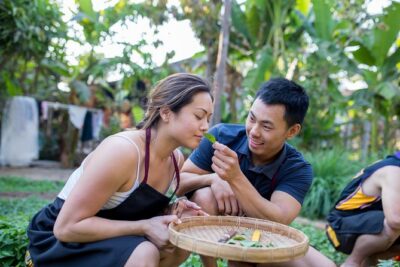
Khmer Cooking Class at a Local’s Home in Krong Siem Reap
Read our review →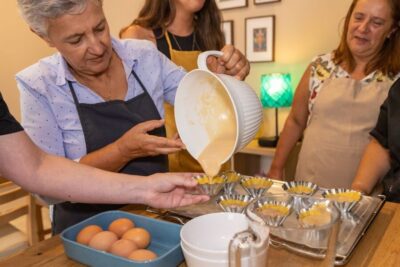
Porto: Pastel de Nata Cooking Class with Grandma’s Recipe
Read our review →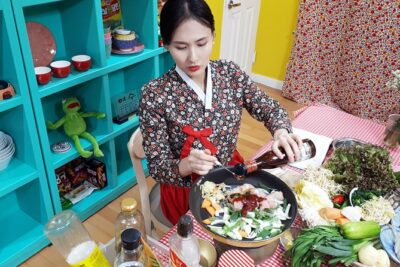
Local Home Korean Cooking Class & Market Adventure in Seoul
Read our review →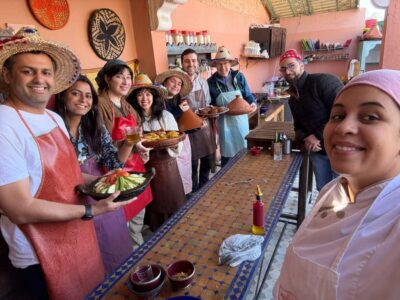
Marrakech: Moroccan Cooking Class with a Local Family
Read our review →
Mexican Cooking from Scratch in a Local Home in Tulum
Read our review →
Pasta Cooking Class: Mastering Nonna’s Recipes
Read our review →
Pastamama, Home Cooking Classes at Grace’s Home
Read our review →
Marrakech: Moroccan Cuisine Cooking Class in Local Home
Read our review →This kitchen also appears in