
Review · SOUTH AFRICA
Johannesburg: Pan-African Cooking & Dinning Experience
The best part of this Johannesburg experience is that you do more than sit down to an African meal. You shop for ingredients, help cook in a local home, and then eat around the same table. I especially like the hands-on cooking and the choice between an organic vegan menu and a meat menu. The storytelling over wine or juice adds a personal touch that a restaurant meal cannot match.
There is one important catch: the market visit and timing may not always feel polished. One late pickup led to a rushed shopping stop and a less organized cooking session, so confirm your pickup time and keep your schedule flexible. The food and welcome can be excellent, but this is a home-based cultural exchange, not a formal culinary school.
Key points to know before booking
- Shop before you cook: Visit an open-air market or supermarket with the chef and learn how local ingredients fit into African food traditions.
- Choose your menu: Select an organic vegan option or a meat-based meal when arranging the experience.
- Cook in a real home: You help prepare a starter and main course rather than simply watching a demonstration.
- Expect storytelling at the table: The meal includes conversation about food, family, nutrition, and the chef’s own culinary path.
- Pickup is included: Transport covers Sandton and locations within 10 kilometers of Johannesburg city center.
- Allow up to four hours: The advertised duration is 210 minutes to four hours, and delays may affect the evening.
Cooking African food in a Johannesburg home
This experience is built around hospitality rather than a fixed restaurant menu. You begin with a pickup in Sandton, visit a local food market or supermarket, and then head to a home where the cooking takes place.
That setting matters. In a restaurant, you usually receive a finished dish with little sense of how the ingredients were chosen or how the cook uses them at home. Here, you see the process from shopping to serving. You can ask about spices, produce, nutrition, and the place of food in daily life.
The Pan-African label is also worth understanding. This is not one narrow national cuisine. The idea is to show connections and contrasts across the continent, then focus on a particular country or set of dishes with the chef. The exact meal can vary, especially because the group chooses between vegan and meat options.
Chef Tee has been praised for making people feel at home and for explaining South African food as the meal comes together. Noni Godole has also hosted the experience, with a menu built around fresh ingredients, native drinks, outdoor cooking, and dishes from across Africa. You cannot necessarily request a particular host, but you can ask at the time of booking.
More cooking classes around the world:
- Half-Day Thai Cooking Class at Organic Farm in Chiang Mai
★ 5.0 · 19,087 reviews - Florence: Pasta Cooking Class with Unlimited Wine
★ 4.9 · 10,285 reviews - 3 in 1 Cooking Class near Navona: Fettuccine, Ravioli & Tiramisu
★ 5.0 · 7,376 reviews
The market stop: useful, but keep expectations realistic
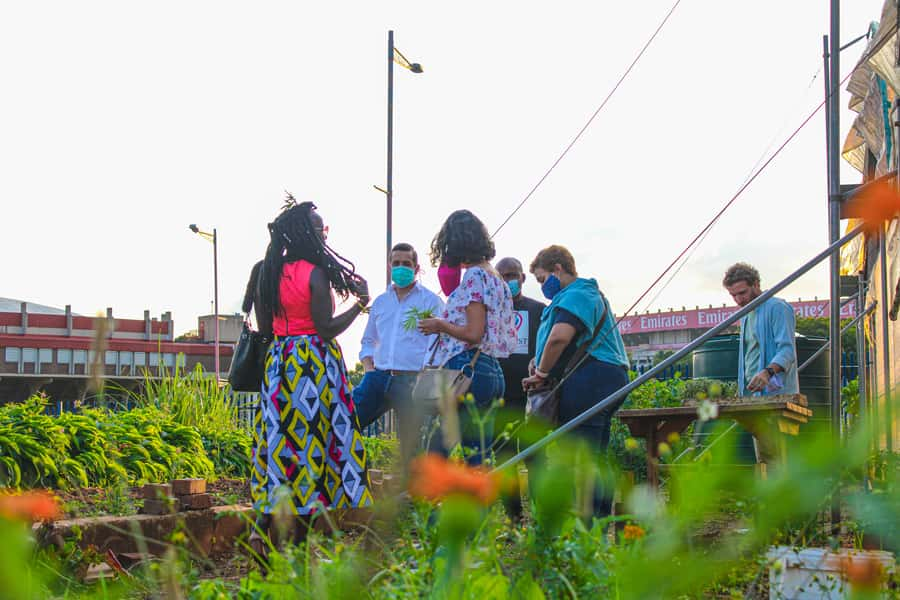
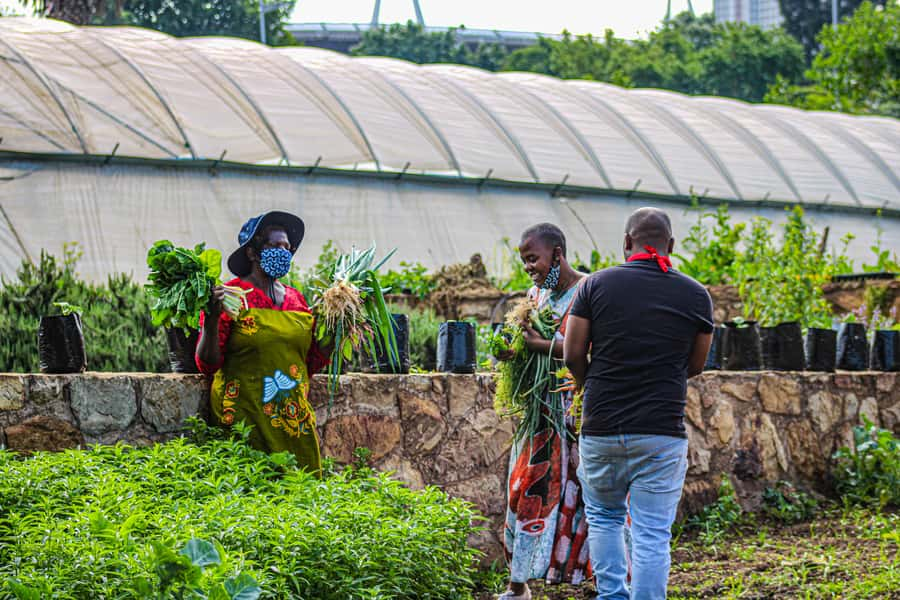
The first part lasts about 30 minutes and includes the food stop plus welcome refreshments. Depending on the day, you may visit an open-air market or a supermarket. The chef introduces the ingredients used for the meal and explains their cultural and practical role.
This is a good way to get your bearings. You learn what the produce looks like before it reaches the plate, and you can ask why certain ingredients appear in African home cooking. The discussion may also touch on home-grown food, healthy eating, and nutrition.
Do not expect a large food hall or a long guided market tour every time. One account described a very small market with only a few booths in a dark alley. That may have been affected by a late start, but it shows why you should treat this stop as an ingredient-shopping visit rather than a major Johannesburg attraction.
The quality of the market portion depends heavily on timing and preparation. A well-paced visit gives you context and makes the meal feel connected to the neighborhood. A delayed pickup can turn it into a quick shopping errand. I would confirm the pickup window before departure and avoid booking a separate activity immediately afterward.
You receive a welcome drink along the way or upon arrival. Options described include locally produced wine, juice, hibiscus tea with ginger, and fruit-infused water. The included bottle of wine is shared, while extra alcoholic drinks cost more.
Inside the home: small tasks and a relaxed welcome

After shopping, you travel to the home where the meal is prepared. The chef gives you a short tour, explains the house rules, and assigns simple tasks. This is not a sit-back cooking show. You may chop, stir, season, prepare vegetables, or help with other parts of the meal.
The format works well for people who enjoy conversation and participation. Solo visitors can meet others without the pressure of a large group, while couples and families get a shared project rather than another sightseeing stop. Small groups are available, which can make it easier to ask questions and take part.
The home setting also creates the strongest sense of personal connection. Several accounts describe feeling warmly welcomed, including one solo visitor who felt comfortable throughout the evening. That kind of hospitality is central to the experience, and it is likely to matter more to you than the exact number of dishes on the table.
Still, a private home is not designed like a professional cooking studio. Work areas may be less formal, task assignments may be flexible, and the plan may change according to the group, ingredients, or available time. If you want exact measurements, printed recipes, and a highly structured lesson, this may feel loose.
What you actually cook and eat
The standard description includes a starter and main course, but the food can be more extensive. One evening included several dishes prepared indoors, followed by three meat dishes cooked outside on a grill. Another account described food made over wood fires in a concrete oven and on a long grill, with many pots cooking at once.
These details suggest that the meal is not limited to a single simple plate. You may see several techniques in use, from stovetop cooking to grilling and outdoor fire cooking. The exact menu is not fixed in the information provided, so you should ask what is planned when you book if specific dishes matter to you.
The vegan option is described as organic, while the meat option may include grilled meat alongside vegetables and other sides. If you have dietary restrictions beyond choosing vegan or meat, tell the provider in advance. The available information confirms those two menu choices but does not promise allergen-free preparation or a particular substitute.
The strongest food experience comes when the chef explains how the seasoning works. Some accounts highlight lessons about spices and the history behind the meal. Another account found that the dishes relied on store-bought curry mix packets and that the individual spices were not clearly explained. This is a useful distinction: you should expect a practical home meal, but not necessarily a detailed spice workshop.
The food has received some of the warmest praise. One person called it the best meal of a Johannesburg stay, while another singled out the combination of fresh ingredients, outdoor cooking, welcome drinks, dessert, and friendly conversation. That praise is encouraging, but the meal can vary with the menu, host, and amount of time available.
Same kitchen, a different dish:
- Florence: Pasta & Tiramisu Cooking Class with Unlimited Wine
★ 4.9 · 6,708 reviews - Florence: Pasta Cooking Class with Unlimited Wine
★ 5.0 · 6,413 reviews - Hanoi Cooking Class: Culture, Local Market & Meaning CSR Impact
★ 5.0 · 5,147 reviews - 5 Traditional Dishes Hanoi Cooking Class with Market Trip
★ 5.0 · 4,890 reviews
Storytelling over the finished meal

Once the cooking is done, everyone sits down to eat. Local wine and beer may accompany the meal, with one shared bottle included. Extra alcoholic drinks are not included, and alcohol or drugs are not allowed as part of the activity.
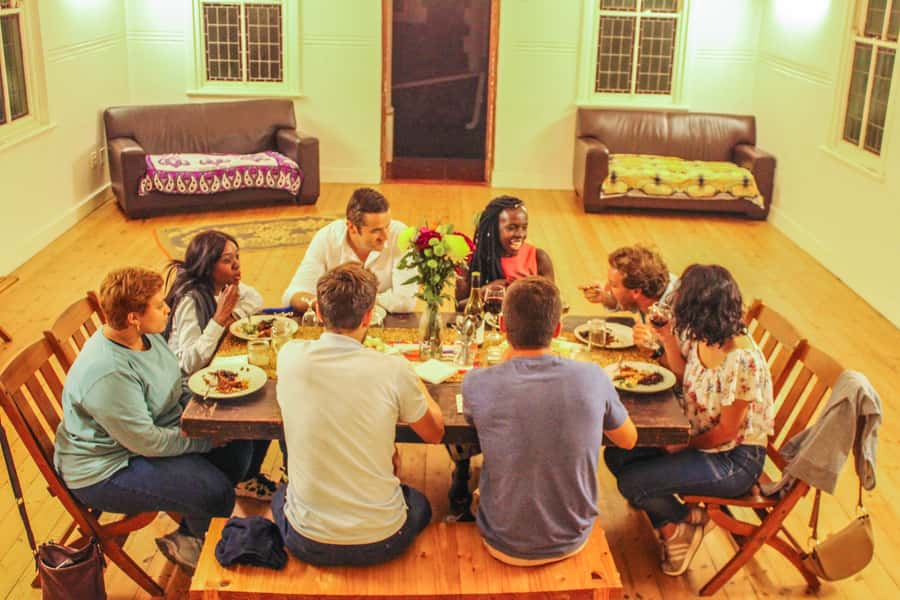
The final meal is more than a tasting. The chef shares personal stories and explains how food connects with family, place, and tradition. You can share your own story too, but you are not required to speak. That makes the evening suitable for a solo visitor who wants company without having to perform socially.
This is also where the Pan-African theme becomes clearer. Food is presented as a way to pass on history and family knowledge, not just as a list of ingredients. Conversations may cover healthy eating, home-grown food, and the way recipes move across borders.
The mood can be especially appealing for couples. It has the feel of a shared date night, but with enough activity to avoid awkward stretches of small talk. Families and friends may also appreciate having a meal they helped create.
If you are mainly interested in learning precise culinary technique, set your expectations carefully. The storytelling and social exchange are as important as the instruction. You may leave with a better sense of the food and the people behind it, but not with a polished restaurant-style recipe book.
The value of $102 per person
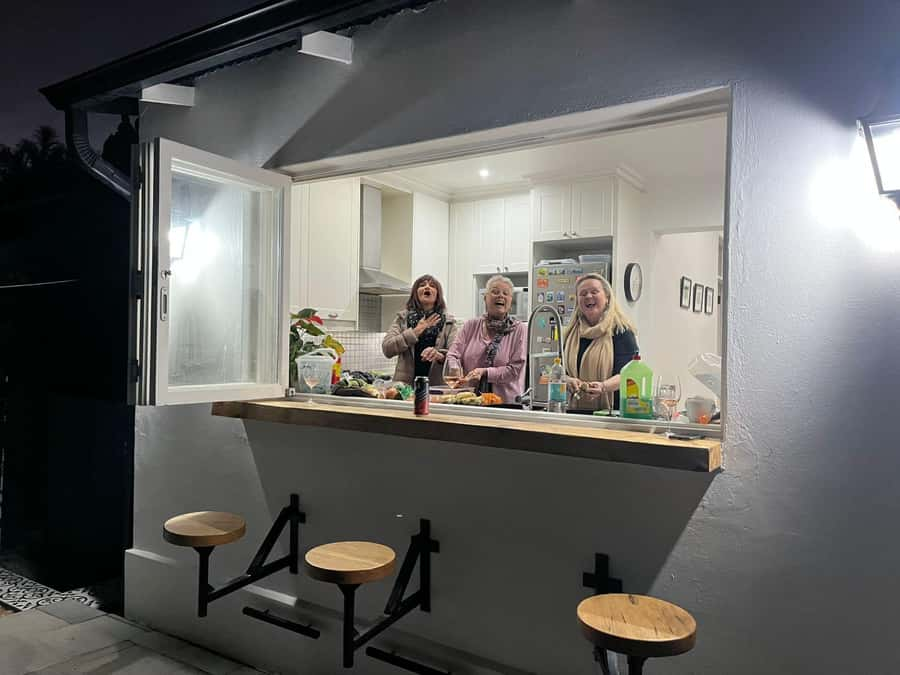
At $102 per person, this is not a cheap meal. The price includes pickup and drop-off, the chef, cooking supplies, the market stop, the cooking session, the meal, and a shared bottle of wine. It also pays for an evening of hosted conversation rather than only the food itself.
I think the value is strongest if you want a personal cultural experience and would otherwise spend money on separate transport, a meal, and a cooking class. The combination saves you from arranging those pieces yourself and gives the evening a clear beginning and end.
The value is weaker if you judge it only by quantity of food or technical instruction. A restaurant may give you more polished service, and a formal cooking school may offer clearer recipes. This experience earns its price through access to a local home, shared preparation, and conversation.
The duration ranges from 210 minutes to four hours. That is enough time for the pickup, market visit, cooking, and meal, but the actual pace can change. One late pickup created frustration and reduced the time available for planning the food. I would not book it on a night when you have a strict theater reservation, airport transfer, or other fixed appointment.
Pickup, language, and group details
Pickup and drop-off are included from Sandton and from locations within 10 kilometers of Johannesburg city center. If your accommodation sits outside that area, check the arrangement before paying. The meeting details matter because the activity starts with transport, not at the home or market.
Instruction is available in English and French. Small-group arrangements are available, which may suit you if you want more time with the chef or prefer a quieter social setting. The experience is also listed as wheelchair accessible, though you should confirm the exact pickup and home arrangements if you have specific mobility needs.
The provider offers free cancellation up to 24 hours before the activity and allows you to reserve while paying later. Those terms help if your Johannesburg schedule is still changing, but they do not solve the practical problem of a delayed pickup. Keep your phone available on the day and contact the provider if the vehicle is late.
Who will enjoy this most
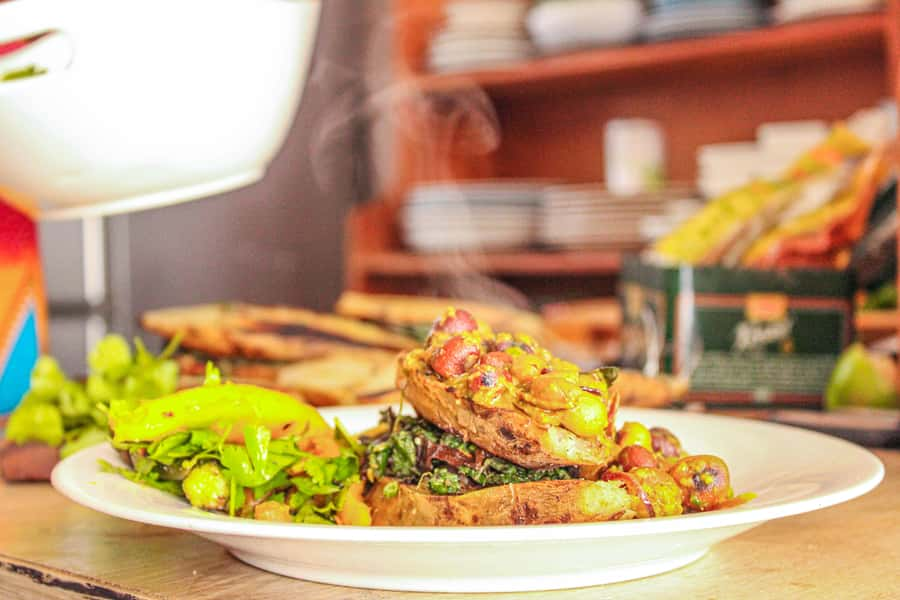
I would choose this for a solo visitor who wants a friendly evening with real conversation, a couple seeking a distinctive meal, or a family that likes cooking together. It also fits anyone who wants food to be the doorway into local culture rather than a separate part of the trip.
It is less suited to someone who wants a famous market tour, a strict lesson plan, or guaranteed access to one named chef. The market can be modest, the menu can vary, and the cooking may be more relaxed than technical.
Food-focused visitors should ask about the planned dishes, the host, and how much spice instruction will be included. If you particularly want Noni Godole or Chef Tee, request that preference, but do not assume it can be guaranteed.
Should you book the Pan-African cooking experience?
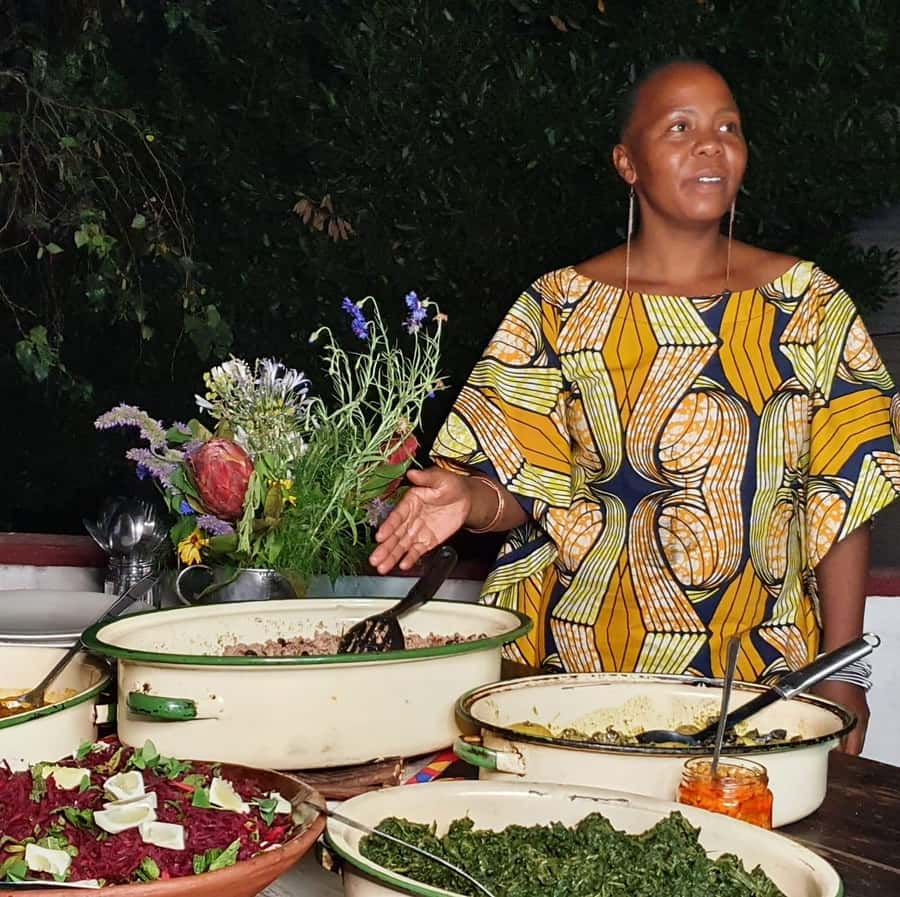
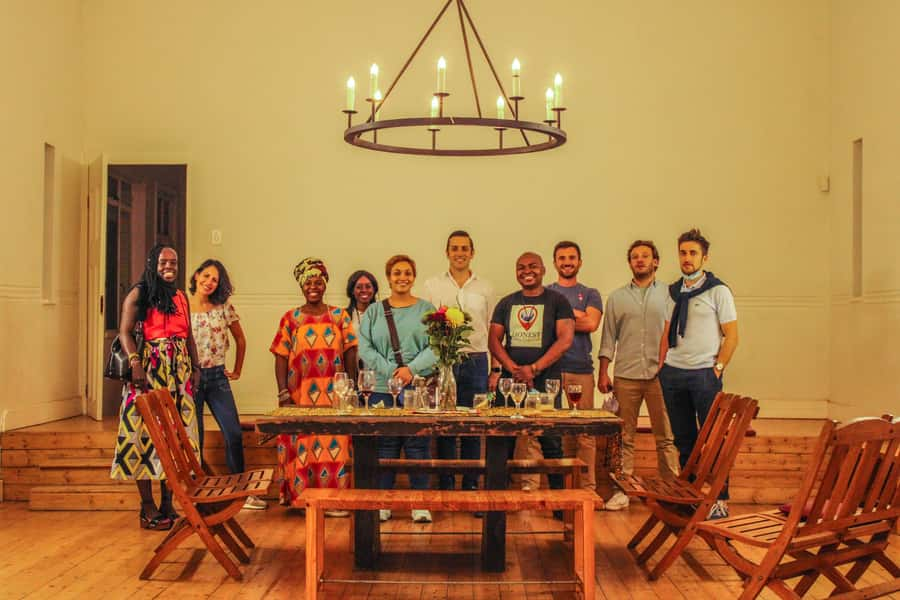
Book it if you value home hospitality, shared cooking, and conversation more than formal culinary training. The best evenings combine fresh ingredients, outdoor or kitchen cooking, generous hosts, and a memorable meal around a candlelit table.
Think twice if late transport or an uneven market visit would bother you. Confirm your pickup time, menu choice, dietary needs, and expected dishes before the day. For the right person, $102 buys far more than dinner. It buys a personal evening built around food, stories, and participation.
FAQ
Where does the experience take place?
The activity is based in Johannesburg, Gauteng. Pickup and drop-off are available in Sandton and within 10 kilometers of Johannesburg city center, while the cooking takes place in a local home.
How long does the experience last?
The stated duration is 210 minutes to four hours. Starting times vary, so check availability when booking.
Is pickup included?
Yes. Pickup and drop-off are included for Sandton and locations within 10 kilometers of Johannesburg city center.
Can I choose a vegan meal?
Yes. You can choose between an organic vegan option and a meat option.
Is a chef included?
Yes. A chef leads the market visit, cooking, and dining experience. Instruction is available in English and French.
Will I cook the food myself?
You take part in preparing the meal. The chef assigns hands-on tasks and guides you through a starter and main course.
Is the market visit always at an open-air market?
No. The visit may be to a local open-air market or a supermarket, depending on the day.
Are drinks included?
A welcome drink and one shared bottle of locally produced wine are included. Extra alcoholic drinks are not included.
Is the activity wheelchair accessible?
The experience is listed as wheelchair accessible. Confirm the specific transport and home arrangements if you need particular accessibility support.
Can I cancel for a full refund?
Yes. You can cancel up to 24 hours in advance for a full refund. You can also reserve now and pay later.
New cooking classes around the world
- Shinjuku Tokyo: Authentic Japanese Home-Style Culinary Class★ 4.9 · 125 reviews
- Shibuya Tokyo: Onigiri & Tamagoyaki Cooking Class★ 5.0 · 4 reviews
- M.O.M COOKING CLASS★ 4.8 · 6 reviews
- Seville: Paella-Cooking Experience with Sangria & Full Meal★ 4.9 · 42 reviews
- Shanghai: Authentic Chinese Cooking Class with Master Chef★ 5.0 · 2 reviews
- Sestri Levante: Pesto & Cooking Classes, Wine Tasting★ 4.9 · 56 reviews
- Seville: Paella Cooking Class & 30-Min Local Expert Q&A★ 4.8 · 37 reviews
- Seoul: Korean Kimchi Cooking Class in the Heart of the City★ 5.0 · 3 reviews
South Africa Cooking Classes, side by side.
Cape Town: Malay Cooking Class and Lunch in Bo-Kaap
Read our review →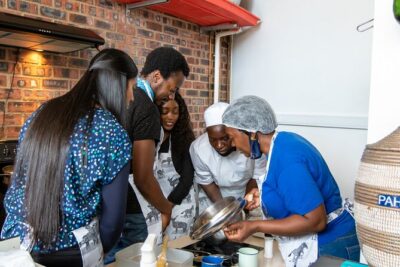
Cape Town: Bo-Kapp Walking Tour and Malay Cooking Class
Read our review →
Cape Town: Authentic African Cuisine Cooking Experience
Read our review →
GQ: City Walking Tour & African Cuisine Cooking Class
Read our review →This kitchen also appears in