
Review · OSAKA
Katsu Curry OR Bento Making Cooking Class & Local Shop Tour
Osaka Cooking Base turns lunch into a cultural lesson. You begin at Osaka Tenmangu Shrine, walk through local shops, then prepare either katsu curry or a bento with step-by-step help. The cooking is approachable, and the food you make is meant to be repeated in your own kitchen.
I especially like the small-group format, which gives you room to ask questions, and the local shopping walk, which connects ordinary ingredients to Japanese life. The main consideration is choice: you may not get both dishes, since the class centers on either katsu curry or bento.
Key points to know
- Start at Osaka Tenmangu Shrine: Meet at the large main gate, not the smaller back entrance.
- Choose one main dish: Your session focuses on katsu curry or a bento box.
- Shop before cooking: You visit a few nearby shops and learn about Japanese ingredients.
- English guidance throughout: Translation help is provided during the shopping and cooking.
- Made for mixed ages: Children, adults, and seniors can take part.
- Small and flexible: The published maximum is eight people, with one class reported as having only six places.
From Tenmangu Shrine to the neighborhood shops
The meeting point is in front of the large main gate of Osaka Tenmangu Shrine. That detail matters because the shrine has more than one entrance, and arriving at the small back gate could leave you searching for the group. Build in a few extra minutes so you can identify the correct gate without starting the class flustered.
The shrine is more than a pin on a map. It gives the outing a proper Osaka beginning, rather than dropping you straight into a kitchen. From here, your guide leads you to a few local shops and introduces ingredients used in Japanese home cooking.
Do not expect a grand food-market tour with a long list of stops. The description promises a short visit to a few shops, so think of it as a useful introduction rather than a full market expedition. That shorter format is practical: you get context without spending the entire morning carrying on before the cooking starts.
This part may be most valuable if you are unsure about Japanese ingredients. With English translation assistance, you can learn what you are looking at and why it matters. A packet, sauce, or seasoning that seems unfamiliar in a shop becomes easier to understand when someone explains how it fits into a home meal.
The local shopping also gives the class a sense of place. You are not simply following a recipe in a room prepared for tourists. You first see some of the everyday food culture around the shrine, then use that knowledge at the kitchen table.
More Indian Cooking Classes around Osaka:
- Indian Cooking Class in an Authentic Local Home – Learn 6 Dishes
★ 5.0 · 195 reviews - Jaipur Market Tour & Vegetarian Rajasthani Home Cooking Class
★ 5.0 · 113 reviews - New Delhi: Indian Cooking Class in a Local Home
★ 5.0 · 65 reviews
Katsu curry: a practical Japanese comfort meal
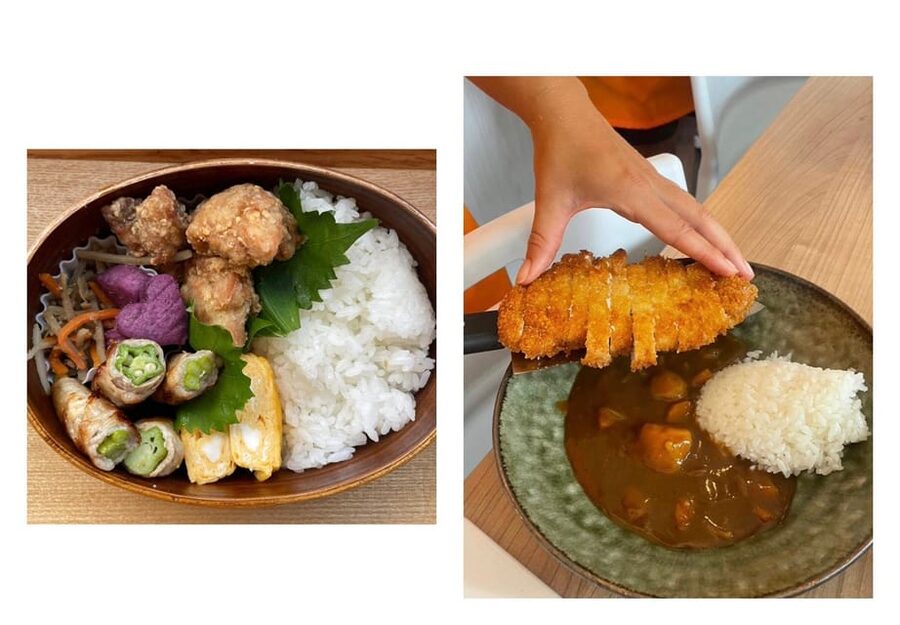
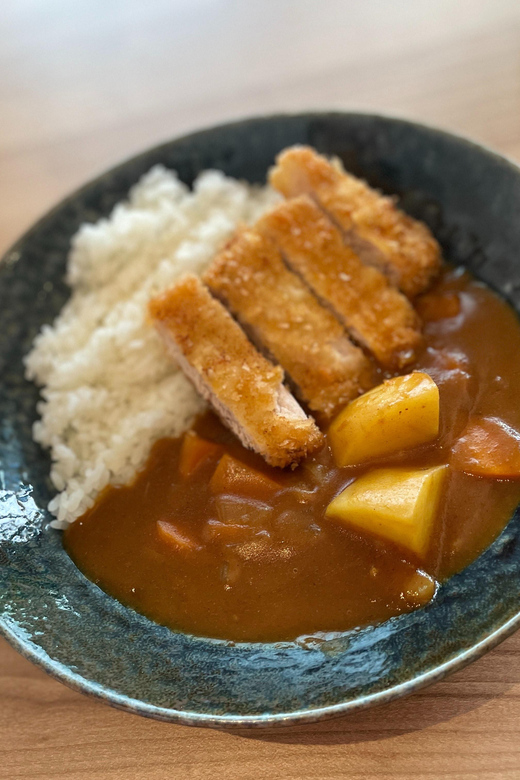
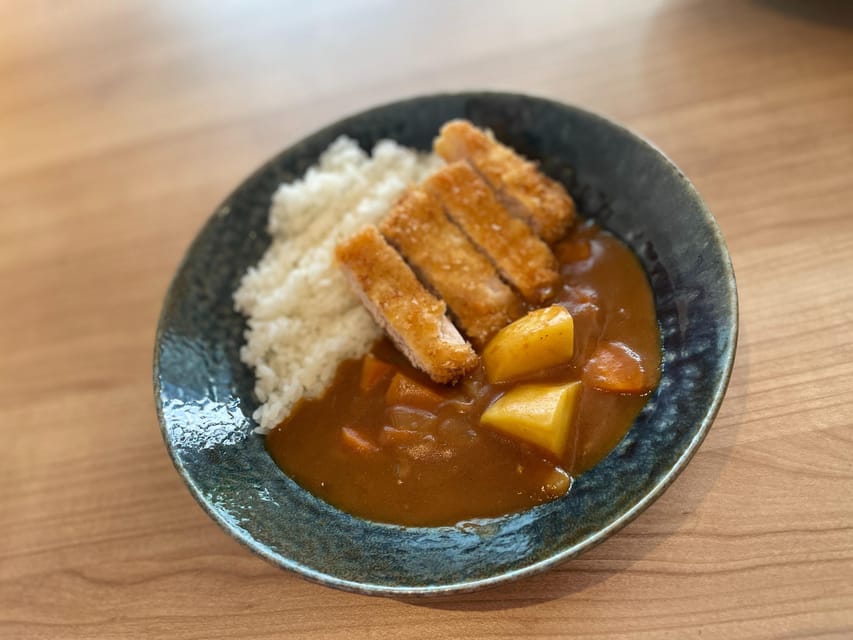
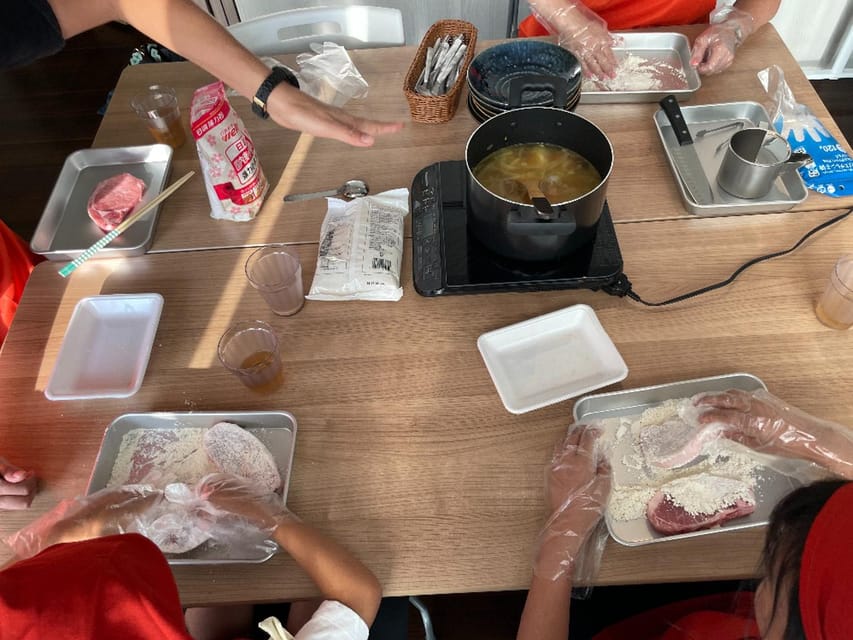
If you choose katsu curry, you learn to prepare a familiar Japanese meal from the beginning. The class covers the process step by step, with your guide explaining what to do and how the different parts come together.
Katsu curry works well for a cooking class because it combines several useful ideas in one plate. You learn about the curry itself, the crisp cutlet, and the way the finished meal is served. The result is filling, recognizable, and realistic to make again at home.
The class is not presented as a chef-training session. That is good news for most people. You are there to gain confidence with a home-style dish, not to pass a professional kitchen exam. The instructors explain each stage and leave time for questions about Japan, the food, and local customs.
Yuka has led katsu curry sessions and is described as patient when teaching from scratch. That matters if your group includes children or anyone who does not cook often. One family with children found that the class allowed plenty of questions, which is exactly what you want from a hands-on activity.
You also eat the meal you prepare. This sounds obvious, but it changes the experience from a demonstration into a small achievement. You see the ingredients become lunch, then sit down with the satisfaction of having made it yourself.
Bento making and the reward of a finished lunchbox
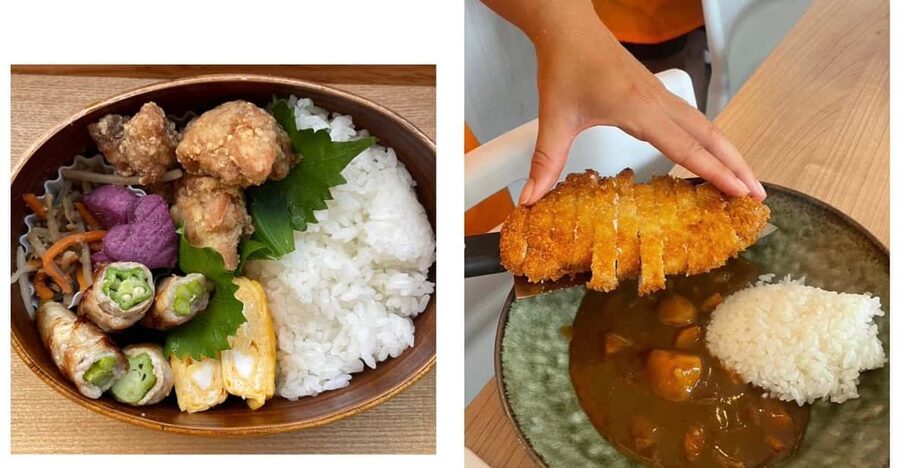
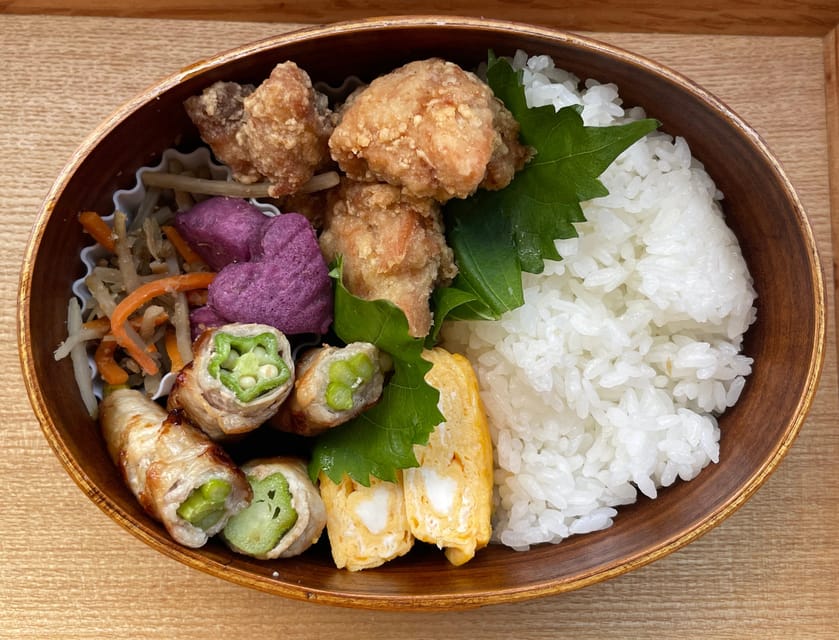
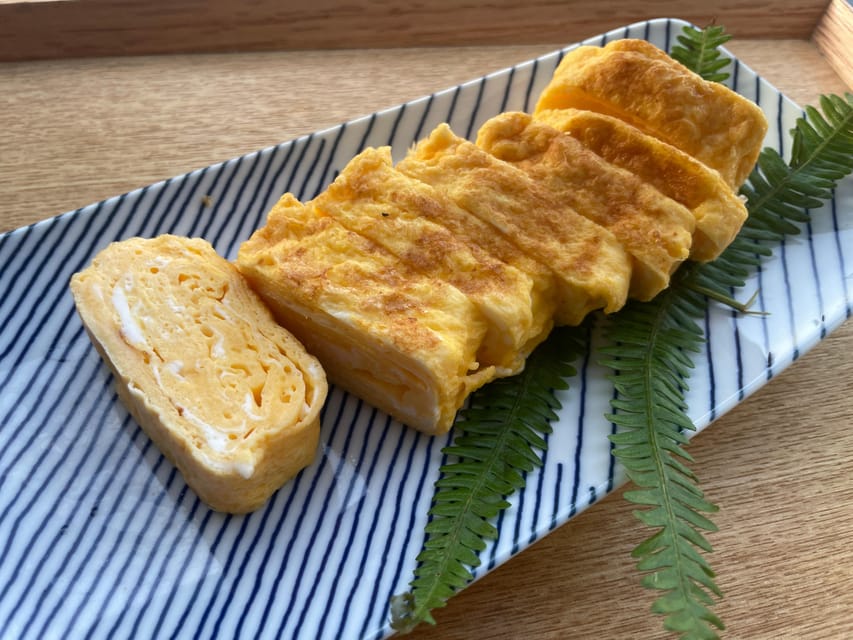
The bento option offers a different kind of cooking lesson. Instead of one bowl-based meal, you arrange a lunchbox with several elements, learning how to put the finished box together in a neat and appealing way.
That final arrangement is part of the fun. A bento is not only about flavor. It is also about balance, portions, and presentation. You leave with a better sense of how a Japanese lunchbox is assembled, rather than simply learning one recipe and forgetting the rest.
Miyako has led a bento class and helped a participant build the box from start to finish. The sense of achievement comes from the complete process: preparing the food, organizing it, and seeing the finished lunchbox in front of you.
For families, bento may be the better choice if children enjoy putting things together. For adults who want a practical lunch idea, it has a clear advantage too. The format gives you a meal you can adapt at home, even if your own ingredients are different from those used in Osaka.
The key point is to check which dish you are booking. Katsu curry and bento are separate choices, not two full meals included in one short class. If you want both, this experience may not meet that particular goal.
The guides make the class more than a recipe lesson
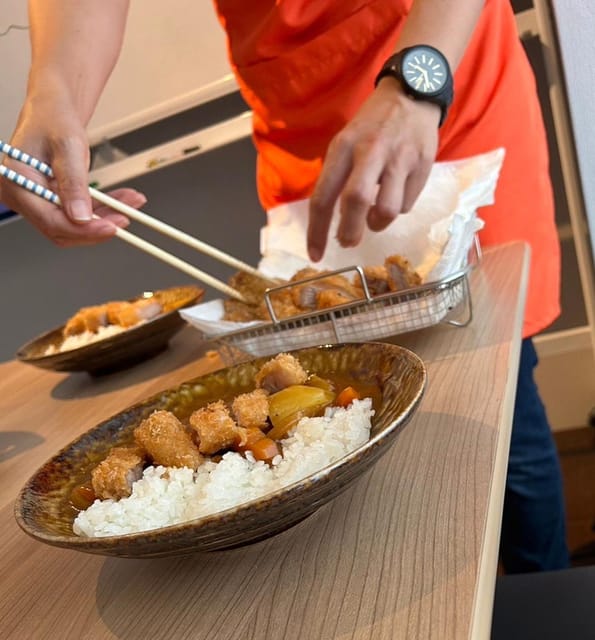
The English-speaking instructors are central to the experience. Yuka, Miyako, and Tomoko are the guide names associated with past sessions, and their roles extend beyond showing you how to chop or cook.
Tomoko, for example, has also helped with food recommendations. That extra conversation can be useful when you are planning the rest of your time in Osaka and want ideas tied to what you have just learned.
You can ask about Japanese culture, daily life, local food, or the neighborhood. The class is designed as a cultural exchange, so the conversation is not treated as a distraction from the cooking. It is part of the point.
This makes the experience a good fit for curious beginners. You do not need to arrive with detailed knowledge of Japanese cuisine. The guides explain the ingredients and methods in English, and you can ask questions as they come up.
The teaching style also seems suited to groups with different ages and confidence levels. A child can ask basic questions, while an adult can ask about recreating the recipe at home. Seniors can take part too, and the session is intended to be accessible to all ages in the ordinary sense of being easy to follow and engaging.
More cooking classes around Osaka:
- Sushi Making Osaka! Popular Sushi Class in Japan!
★ 5.0 · 500 reviews - Osaka: Ramen and Gyoza Cooking Class in Dotonbori
★ 5.0 · 378 reviews - Osaka Cooking Class: Okonomiyaki &Japanese cuisines experience
★ 5.0 · 261 reviews - Osaka: Roll and Authentic Sushi Making Class in Dotonbori
★ 4.9 · 239 reviews
Why the two-and-a-half-hour schedule works
The advertised session lasts 150 minutes, or about two and a half hours. That gives you enough time for the shrine meeting, shop visits, cooking, conversation, and eating without turning the activity into a full-day commitment.
I like this length for a cooking class in a city as busy as Osaka. You can fit it into a morning or afternoon and still have time for another part of your itinerary. One participant specifically described it as a good morning activity, which is a sensible way to use it.
The title also shows a duration range of 150 minutes to one day, so you should check the selected date and starting time when booking. The detailed description presents the main experience as 2.5 hours, while availability may display a wider time range.
The pace will likely feel conversational rather than rushed. The local walk is short, and the cooking is explained in stages. Still, you should not treat the start time casually. The group meets at a specific shrine gate, and a late arrival could be awkward once the guide has started walking.
What the small group means for you
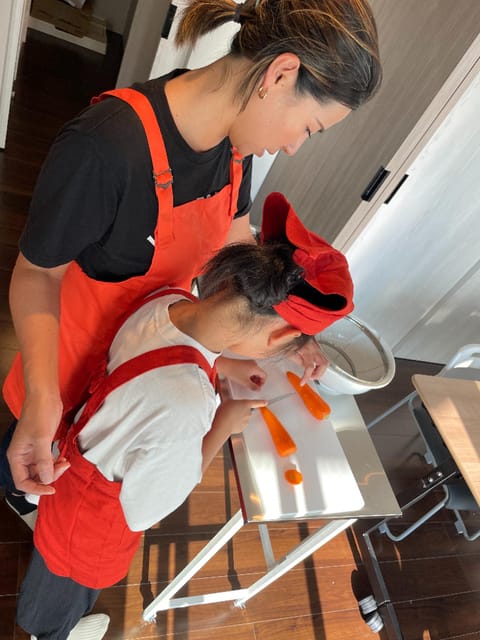
The published maximum is eight participants. A separate class description referred to groups of up to six, so the exact limit may depend on the session. Either way, this is a small activity rather than a large cooking demonstration.
That size is one of the strongest reasons to book. You can ask questions without trying to catch the instructor’s attention across a crowded room. The guide can watch your progress, explain a technique again, and keep the conversation moving.
One session had only one participant booked. You should not count on having a private class, but the possibility of a very small group is appealing if you prefer direct conversation.
A small group can also make the cultural exchange feel more natural. You are not only listening to a scripted talk. You have time to discuss food recommendations, local customs, and the practical details of cooking Japanese meals.
The tradeoff is that the class may feel intimate rather than high-energy. If you want a large social event with many fellow cooks, this is probably not the right format. If you prefer personal guidance, the limited size is a real benefit.
Price, inclusions, and what you actually receive
The listed price is $83 per person. That is not bargain-priced for lunch, but lunch is only one part of what you are paying for.
Your fee covers the local tour of a few shops, the food for your selected dish, English-language instruction, and the hands-on class. You also get the cultural explanation that ties the ingredients and cooking methods to life in Japan.
The value is strongest if you care about learning something you can repeat at home. A restaurant meal gives you a finished dish. This experience gives you a recipe process, guidance, a neighborhood walk, and the chance to ask questions while you cook.
Drinks other than water are optional, including sake tasting. That keeps the base price clearer, but you should treat any drink add-on as extra rather than assuming it is part of the meal.
The class is also more useful for a first visit than for someone seeking advanced culinary training. You pay for access, instruction, and cultural conversation as much as for the ingredients. If you only want to eat katsu curry, a restaurant will cost less and take less time. If you want to understand how the meal comes together, this price makes more sense.
Who should book this Osaka cooking class?
I would recommend it most strongly to:
- Families looking for a practical activity where children can ask questions
- First-time visitors who want a friendly introduction to Japanese food
- Couples or solo visitors who prefer a small group
- Home cooks who want a recipe they can recreate
- People who enjoy learning about ingredients while they shop
- Anyone who wants a morning or afternoon activity near Osaka Tenmangu Shrine
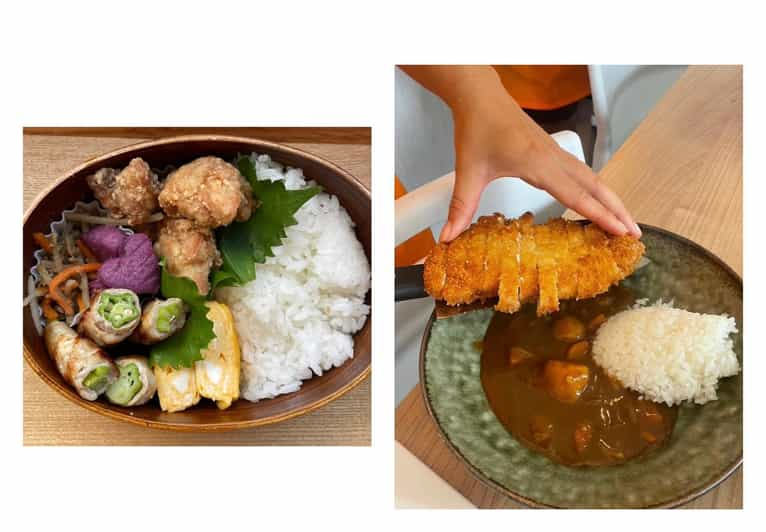
The bento class suits people who like presentation and lunchbox ideas. The katsu curry class is a better match if you want a hearty, familiar Japanese comfort meal.
This may be less suitable if you have strict dietary requirements that have not been discussed in the available information. The class centers on specific dishes, so ask Osaka Cooking Base about ingredients and possible adjustments before paying.
You should also know that the experience is not a broad Osaka food tour. You visit a few local shops, but the main purpose is cooking. Choose it for hands-on instruction and cultural exchange, not for a long list of tastings.
Booking details worth handling carefully
Reserve at least 24 hours ahead. The activity offers free cancellation up to 24 hours before the start time, and you can reserve now and pay later, which helps if your Osaka schedule is still changing.
The meeting point is the large main gate of Osaka Tenmangu Shrine. This is worth writing down exactly, since the small back gate is specifically not the correct meeting point.
The class is offered in English. The listed duration is 150 minutes, although you should check the available start time and displayed duration for your date.
FAQ
Where does the cooking class meet?
Meet in front of the large main gate of Osaka Tenmangu Shrine. Do not go to the small back gate.
How long does the experience last?
The detailed session lasts 150 minutes, or about two and a half hours. Availability may show a duration range from 150 minutes to one day, so check your selected date.
Do I choose between katsu curry and bento?
Yes. The activity offers a choice between a katsu curry course and a bento-making course.
Is food included?
Yes. Food for your selected katsu curry or bento course is included.
Are drinks included?
Water is included, but other drinks are optional. Optional additions include sake tasting.
Is the class taught in English?
Yes. English instruction and translation assistance are provided.
How many people can join?
The published maximum is eight participants. One class description referred to a maximum of six, so check the specific session when booking.
Can children and seniors participate?
Yes. The activity is designed to be engaging and educational for all ages, including young children and seniors.
How far in advance should I reserve?
You should reserve at least 24 hours in advance.
Should you book Osaka Cooking Base?
Book this class if you want more than a meal. The best parts are the short local shop tour, the patient step-by-step cooking, and the chance to ask direct questions in a small English-speaking group.
Choose bento if you like arranging food and want a lunchbox you can recreate. Choose katsu curry if you prefer a substantial comfort meal and want to learn a straightforward Japanese home dish.
At $83, it is not the cheapest lunch in Osaka. But for a 2.5-hour food and culture activity, with ingredients, instruction, neighborhood context, and a meal you make yourself, the value is solid. Confirm your dish choice, check the group size, and arrive at the large Tenmangu gate. Do that, and this is a friendly, useful way to spend part of an Osaka day.
New cooking classes around Osaka
- Okonomiyaki&Takoyaki for Families:Osaka Street Food Festival★ 5.0 · 4 reviews
- Osaka Sake Tasting with Takoyaki Cooking★ 5.0 · 156 reviews
- Osaka: Sashiko Japanese Craftsmanship Workshop★ 5.0 · 31 reviews
- Osaka: Japanese Cooking Class with Matcha Experience★ 5.0 · 4 reviews
- Osaka Okonomiyaki Cooking Experience for Families & Groups★ 4.9 · 8 reviews
- Osaka: Okonomiyaki Cooking Class with Beer or Soft Drink★ 4.9 · 9 reviews
- Osaka: Cooking Class Ramen & Gyoza Course in Nanba★ 4.9 · 86 reviews
- Osaka: Gluten-Free Ramen and Gyoza Cooking Class★ 5.0 · 42 reviews
Osaka Cooking Classes, side by side.

Sushi Making Osaka! Popular Sushi Class in Japan!
Read our review →
Osaka: Ramen and Gyoza Cooking Class in Dotonbori
Read our review →
Osaka Cooking Class: Okonomiyaki &Japanese cuisines experience
Read our review →
Osaka: Roll and Authentic Sushi Making Class in Dotonbori
Read our review →
Osaka: Cooking Class Ramen & Gyoza Course in Nanba
Read our review →
Osaka: Gluten-Free Ramen and Gyoza Cooking Class
Read our review →
Osaka: Cooking Class & Sake Tasting with Local Market Visit
Read our review →This kitchen also appears in