
Review · LUANG PRABANG
Luang Prabang: Bamboo Forest Cooking-class & Farm Visit
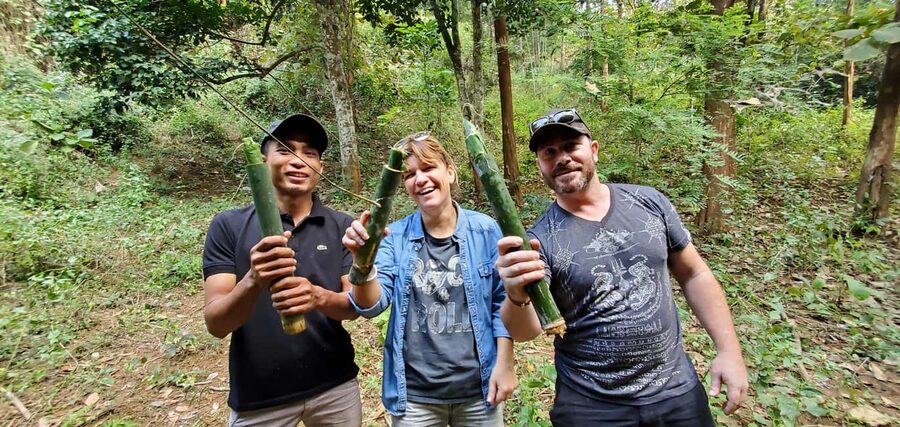
The unusual part comes before lunch: you build your cooking space and utensils from bamboo, then use them to prepare a Khmu meal in the forest. This is not a cooking demonstration where you watch someone else do the work. You cut, shape, cook, and eat.
I like two things here. First, the farm visit gives the meal a clear connection to the land, as you pick vegetables and learn which plants are edible, medicinal, or useful in daily life. Second, the handmade bamboo cup and chopsticks are useful souvenirs with a story behind them. The main consideration is comfort: six hours outdoors means you should be ready for forest walking, insects, heat, and hands-on work.
Key points to know before you book
- Your lunch begins with bamboo, not a kitchen: You make utensils, prepare cooking materials, and help create the setting for the meal.
- A Khmu guide leads the day: The experience focuses on traditional methods and everyday plant use within Khmu culture.
- The farm visit matters: You pick vegetables and plants rather than simply receiving preselected ingredients.
- The group is limited to 10 people: This keeps the activity small enough for direct help and conversation.
- You take home your own bamboo cup and chopsticks: They are made during the outing, not bought from a souvenir stall.
- The schedule runs from 9 AM to 3 PM: Hotel transfers, ingredients, water, tax, and entrance fees are included.
A forest cooking class with real work involved
Many food outings give you a recipe, a stove, and a neat plate at the end. This one begins farther back in the process. You learn how to create the tools and cooking area before you prepare the food.
That makes the day a better fit for curious, active visitors than for anyone seeking a polished restaurant-style class. I like the directness of it. Bamboo is not just decoration here. It becomes a cup, chopsticks, cooking equipment, and part of the meal presentation.
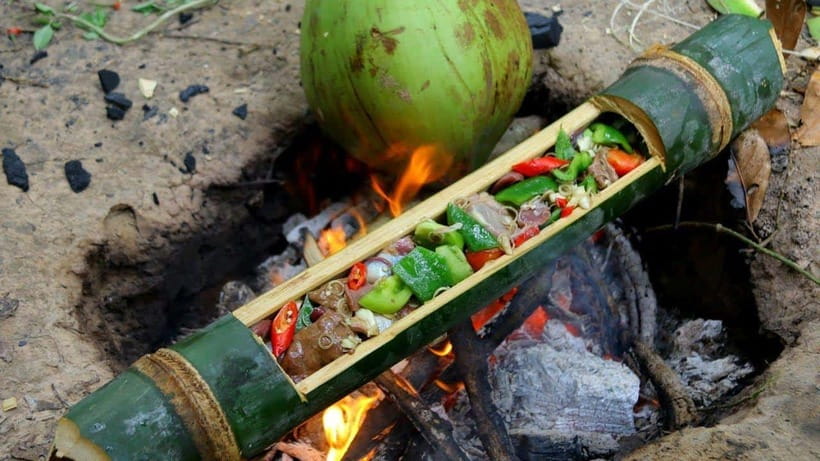
The experience is based on Khmu cooking traditions in Laos. Your guide explains how Khmu families have used local materials and plants, then shows you methods for cooking rice, meat, or fish with bamboo. The goal is not to turn you into an expert cook in six hours. It is to help you understand how food, tools, plants, and daily life fit together.
The group size helps. With no more than 10 participants, you should have a better chance to handle the materials yourself and ask questions. The guide may speak English, French, Thai, or Lao, depending on the booking. Peng is one guide associated with the experience, and direct communication is a strong part of the outing.
More Farm Cooking Classes in the world:
- Half-Day Thai Cooking Class at Organic Farm in Chiang Mai
★ 5.0 · 19,087 reviews - Cooking Class and Lunch at a Tuscan Farmhouse with Local Market Tour from Florence
★ 5.0 · 4,831 reviews - Chiang Mai: Cooking Class, Market & Thai Herbs Garden Tour
★ 4.9 · 4,824 reviews
The farm visit puts the meal in context
The first main stop is an authentic vegetable farm. This is where you pick the vegetables and plants needed for lunch.
I find this part especially useful because it changes how you see the final meal. Instead of meeting ingredients only after they have been washed and arranged, you learn where they begin and how to recognize them. The guide points out plants used for food, medicine, and ordinary household needs.
That practical plant lesson may be the most valuable part for anyone interested in rural life. You are not only learning what goes into a dish. You are learning how a village can make use of what grows nearby.
The supplied ingredients include rice, meat, fish, fruit, and drinking water. The exact menu may be shaped by the day and by your dietary needs, so tell the provider about allergies, restrictions, or preferences before you go. That is important here because the cooking is built around the ingredients available for the group.
Do not expect a market tour or a long farming lecture. The farm visit supports the cooking activity. You pick what you need, learn how to identify useful plants, and then continue into the forest.
Making bamboo tools is the hands-on centerpiece
After the farm, you head into primary forest for the cooking session. The guide shows you how to select and prepare bamboo for several purposes.
You make a bamboo cup and chopsticks to use during the meal and take home afterward. You also learn how bamboo can help with cooking and serving. The process gives you a much better sense of traditional technique than a quick explanation ever could.
This is where the outing asks you to participate. You may be cutting bamboo, shaping pieces, or helping prepare the cooking area. The experience is designed so you can be as active as you want, but it is still best booked by someone willing to get involved.
There is a touch of satisfying absurdity in making a drinking cup in the forest, then using it for lunch a short time later. It is also a good reminder that traditional cooking does not require a long list of manufactured tools.
The bamboo items are modest. Do not expect finely finished craftwork. Their value comes from the work you put into making them and from the connection to the day. A commercial souvenir from a night market may look tidier, but it will not carry the same memory.
Cooking rice, meat, or fish over natural materials
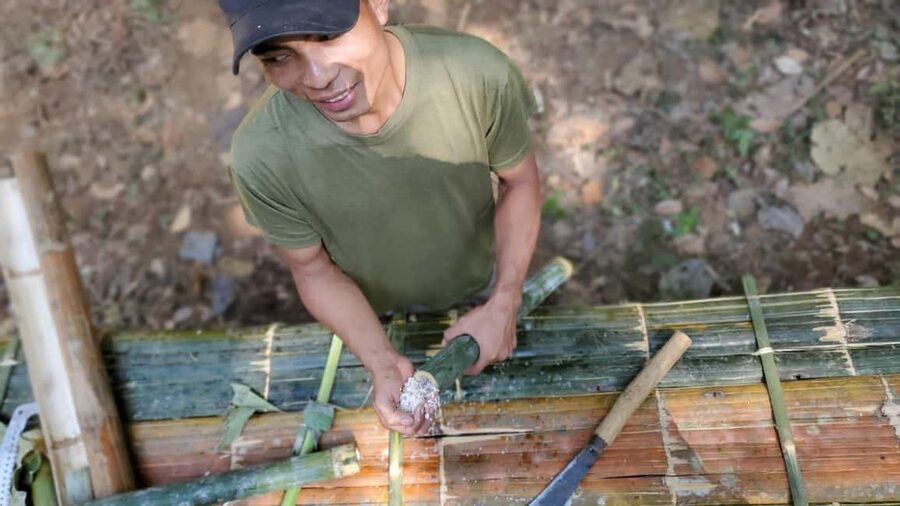
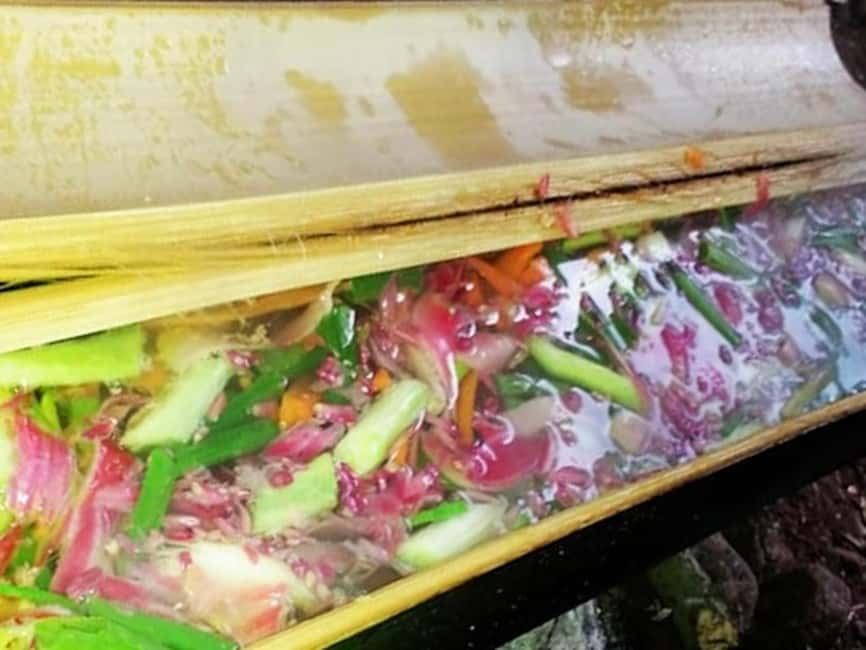
The cooking lesson covers fragrant rice, grilled meat or fish, and presentation in the Khmu style. Bamboo is selected and prepared for cooking, and the guide explains how to use it safely and effectively.
The meal is the reward, but it is not the whole point. You have already visited the farm, gathered ingredients, made tools, and prepared the cooking setting. By the time you eat, the food has a clear story.
This approach also makes the lunch more social. You share the work and then share the result in the forest. If you prefer to watch rather than handle every task, the activity allows some flexibility. Still, the more you take part, the more sense the day will make.
I would not choose this outing if your priority is a fast introduction to Lao flavors. You may spend more time preparing the setting than sampling a wide range of dishes. For anyone who values process, local technique, and a meal made with their own hands, that is a fair trade.
More cooking classes around the world:
- Florence: Pasta Cooking Class with Unlimited Wine
★ 4.9 · 10,285 reviews - 3 in 1 Cooking Class near Navona: Fettuccine, Ravioli & Tiramisu
★ 5.0 · 7,376 reviews - Florence: Pasta & Tiramisu Cooking Class with Unlimited Wine
★ 4.9 · 6,708 reviews - Florence: Pasta Cooking Class with Unlimited Wine
★ 5.0 · 6,413 reviews
Lunch in the forest is simple and meaningful
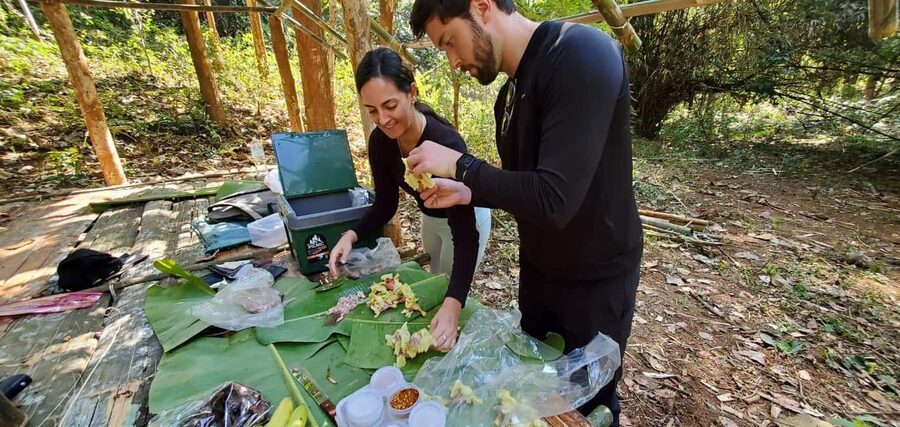
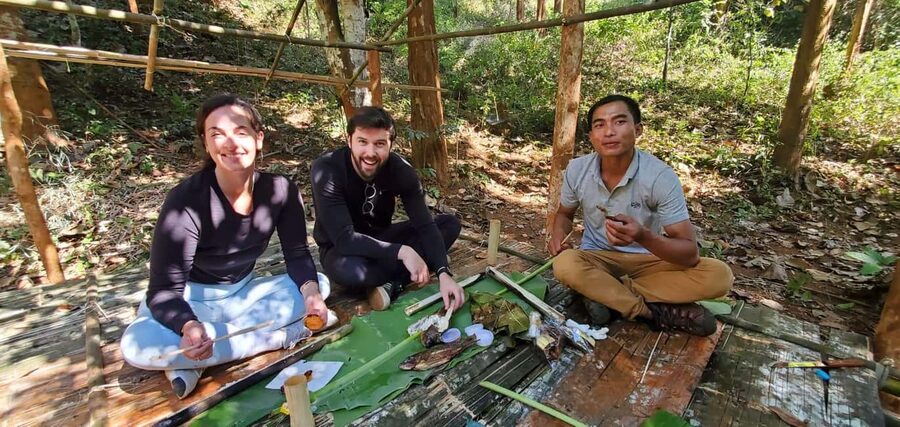
Lunch takes place outdoors, surrounded by nature, after the cooking is complete. The setting is informal and tied to the work you have just done.
All basic meal ingredients and drinking water are provided. Additional food and drinks are not included, so bring only what you need and confirm any special requirements in advance. The meal is designed around the Khmu cooking method rather than restaurant service.
This is a good moment to slow down. The forest setting is part of the experience, but it also means you should not expect tables, air-conditioning, or the comforts of a standard cooking school. You will be eating in the same practical setting where you prepared the food.
The lunch also gives you time to talk with the guide. One guide, Peng, has been praised for clear communication and for making the session easy to follow. Another important feature is the guide’s Khmu background and agricultural training, which can add useful detail when you ask about plants, farming, or village life.
The experience does not promise a staged cultural show. That is one of its strengths. The day is built around ordinary skills: finding useful plants, working with bamboo, cooking food, and sharing a meal.
Why the six-hour schedule works
The outing runs from 9 AM to 3 PM, which gives enough time for the farm visit, forest work, cooking, and lunch without turning the day into a rushed checklist.
Hotel transfer to and from the activity is included, and the meeting point is the provider’s showroom. That makes the morning simpler, especially if you are staying in Luang Prabang and do not want to arrange transport to a rural starting point yourself.
The schedule will take most of a day. Do not pair it with another fixed morning or early afternoon booking. The optional stop at a craft village on the way home can add another local touch, but it is not the central part of the activity.
The small group limit of 10 is worth noting. A hands-on class can become frustrating when too many people share one tool or wait for one guide. This group size should give you a better chance to work directly, although the exact amount of individual attention will depend on the group and the pace of the day.
What to wear and bring for the forest
Dress for practical outdoor work, not a café lunch. Long trousers or pants are recommended, along with suitable footwear for walking in the forest.
Bring mosquito spray. A cap or hat is also recommended, as are any personal essentials such as medication. These suggestions are not minor. You will be outside for several hours, and the comfort of your clothing will affect how much you enjoy the cooking.
You should also be prepared to handle natural materials. The activity is not described as physically extreme, but it does involve walking and working with bamboo. Wear clothes and shoes that can cope with dust, plant material, and a bit of mess.
Dietary preferences and restrictions should be shared ahead of time. Rice, meat, fish, fruit, vegetables, and water are provided, but the provider needs notice to tailor the meal.
Is the $100 price good value?
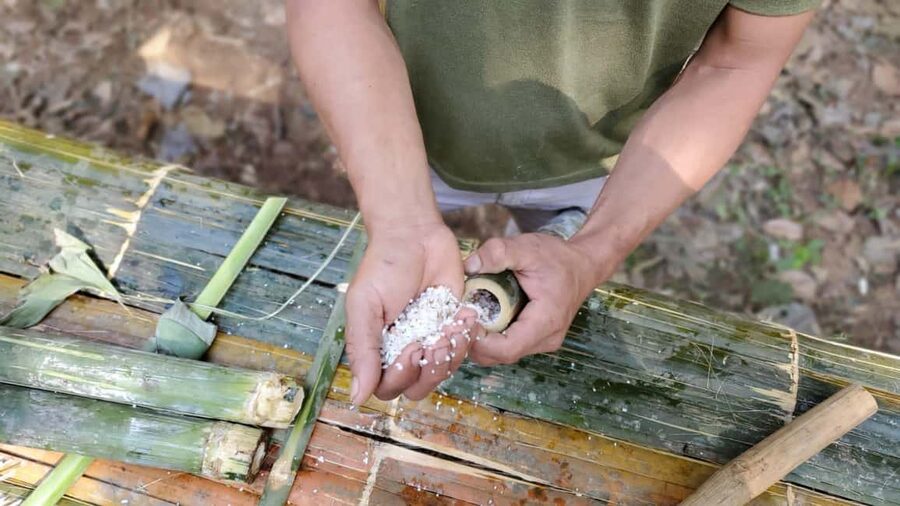
At $100 per person, this costs more than a basic Lao cooking class held in a town kitchen. The comparison is not quite fair, though. The price includes hotel transfers, ingredients, water, guide services, tax, entrance fees, and the handmade cup and chopsticks you take home.
You are also paying for a six-hour experience rather than a short lesson. The farm visit, forest setting, plant instruction, bamboo work, and lunch all form one connected activity.
I see the value most clearly for people who want cultural context. If you only want to learn a few recipes, a cheaper class may suit you better. If you want a full day built around Khmu methods and local materials, the added cost is easier to justify.
The small group limit also helps support the price. You are not paying for a large bus outing with a quick demonstration at the end. The experience is intended to feel personal and participatory.
Who should book this experience?
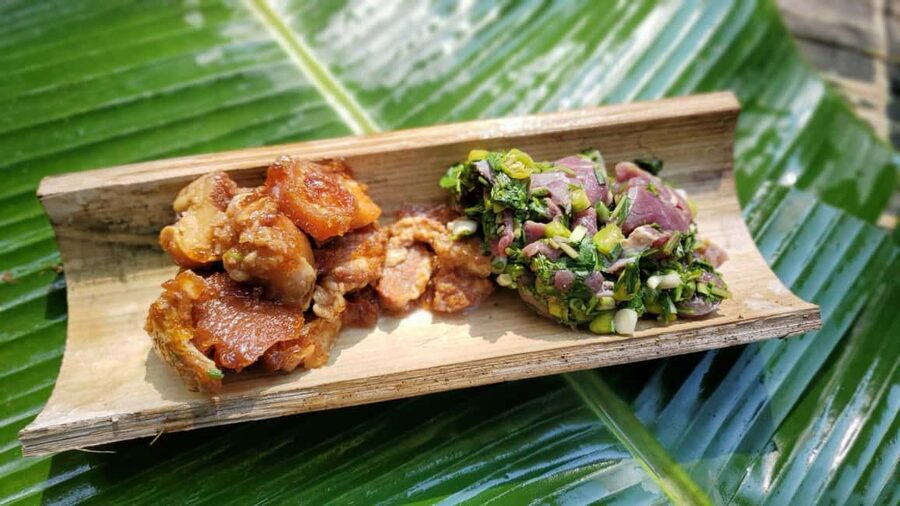
I would recommend it to you if you enjoy learning by doing. It suits people who want contact with local food traditions rather than a polished performance.
It is also a strong choice for visitors interested in Khmu culture, plant use, farming, and practical village skills. Families with older children may enjoy the bamboo work, provided everyone is comfortable with forest walking and outdoor conditions.
Food lovers should book it for the method as much as the meal. The cooking is interesting because it shows how ingredients, tools, and setting work together.
I would be more cautious if you dislike insects, walking, heat, or hands-on tasks. The day is not designed for someone who wants to remain clean, seated, and on a tight timetable. The flexible participation helps, but the basic nature of the outing does not change.
The experience is available with an English, French, Thai, or Lao-speaking guide. Ask about the language when you reserve if detailed explanation is important to you.
Practical booking details
The activity costs $100 per person and lasts six hours. It is offered as a small group with up to 10 participants.
You can cancel up to 24 hours in advance for a full refund. Reserve now and pay later is available, which helps if you are still arranging your Luang Prabang schedule.
Hotel transfer is included, but the stated meeting point is the provider’s showroom. Check the pickup details after booking so you know whether the transfer comes directly to your hotel or whether you first need to reach the showroom.
Basic ingredients, drinking water, tax, entrance fees, and your bamboo cup and chopsticks are included. Extra food, extra drinks, and gratuity are not included.
Should you book the Khmu forest cooking day?
Book it if you want a full, active day that connects food with plants, bamboo, farming, and Khmu life. The strongest reason to choose it is the chance to make the tools, gather some of the ingredients, cook outdoors, and then use what you made.
Skip it if you want a short recipe class, a comfortable indoor setting, or a broad tasting menu. This is a practical cultural outing, not a restaurant experience.
For the right person, the handmade cup and chopsticks will mean more than a standard souvenir. They mark the work of the day. At $100, it is not the cheapest food activity in Luang Prabang, but the combination of transport, a six-hour schedule, small-group attention, a meal, and direct Khmu instruction gives it solid value.
FAQ
Where does the Khmu forest cooking experience take place?
It takes place in Luang Prabang Province, Laos, with a visit to a vegetable farm followed by cooking in the forest.
How long does the activity last?
The activity lasts six hours, from 9 AM to 3 PM.
What is the price?
The price is $100 per person.
Is transportation included?
Yes. Transfer to and from your hotel is included.
How many people can join the group?
The activity is limited to 10 participants.
What languages can the guide speak?
Guiding is available in English, French, Thai, or Lao.
What food and ingredients are provided?
Rice, meat, fish, vegetables, fruit, and drinking water are provided. Tell the provider about dietary preferences or restrictions in advance.
What should I bring?
Bring long trousers or pants, suitable footwear for forest walking, mosquito spray, a cap or hat, and any essential personal medication.
Can I cancel the booking?
Yes. You can cancel up to 24 hours in advance for a full refund. Reserve now and pay later is also available.
New cooking classes around the world
- Shinjuku Tokyo: Authentic Japanese Home-Style Culinary Class★ 4.9 · 125 reviews
- Shibuya Tokyo: Onigiri & Tamagoyaki Cooking Class★ 5.0 · 4 reviews
- M.O.M COOKING CLASS★ 4.8 · 6 reviews
- Seville: Paella-Cooking Experience with Sangria & Full Meal★ 4.9 · 42 reviews
- Shanghai: Authentic Chinese Cooking Class with Master Chef★ 5.0 · 2 reviews
- Sestri Levante: Pesto & Cooking Classes, Wine Tasting★ 4.9 · 56 reviews
- Seville: Paella Cooking Class & 30-Min Local Expert Q&A★ 4.8 · 37 reviews
- Seoul: Korean Kimchi Cooking Class in the Heart of the City★ 5.0 · 3 reviews
Luang Prabang Cooking Classes, side by side.
Luang Prabang: Evening Cooking Class & Local Baci Ceremony
Read our review →
Luang Prabang: Bamboo Weaving Workshop & Cooking Class
Read our review →
Luang Prabang: Cooking Class at the Former Royal Palace
Read our review →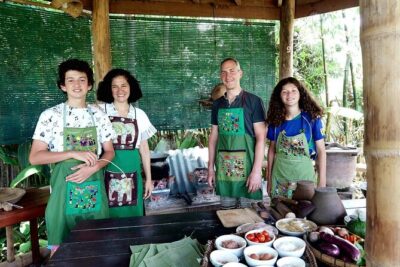
Day-time Bamboo weaving & Cooking Classes join-in
Read our review →
Luang Prabang: Mekong River Cooking Class with Hotel Pickup
Read our review →This kitchen also appears in