
Review · OSAKA
Osaka: Japanese Cooking Class with Matcha Experience
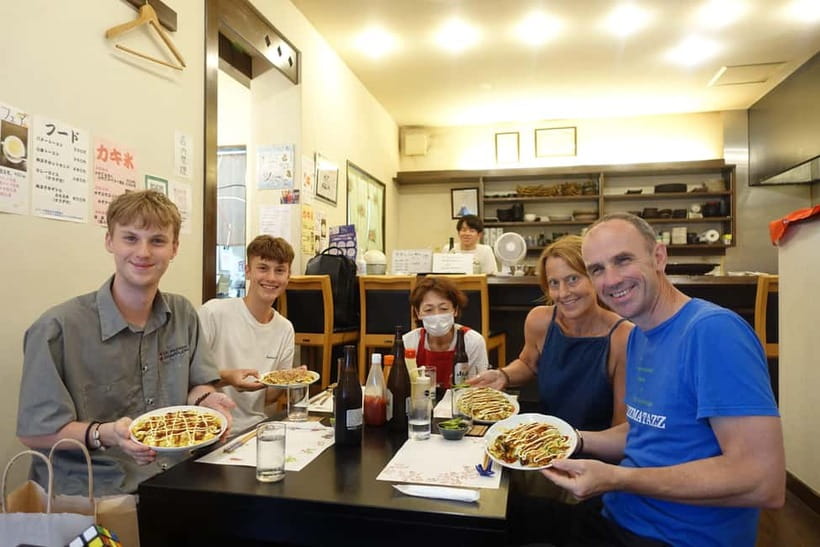
The best part of this Osaka class is that you do more than eat Japanese food. You choose a dish, prepare it with a local chef, then make matcha before heading back into the city. I like the choice of three cooking styles, since home cooking, okonomiyaki, and bento offer very different windows into daily Japanese food. I also like the small group limit of 10, which should give families and first-time cooks room to ask questions.
The main caution is practical: this class is not suitable for wheelchair users or people with food allergies. The information also asks you to bring ingredients, although all ingredients for the selected dish are listed as included, so contact the host before you go and clear up exactly what is needed.
Key points to know before booking
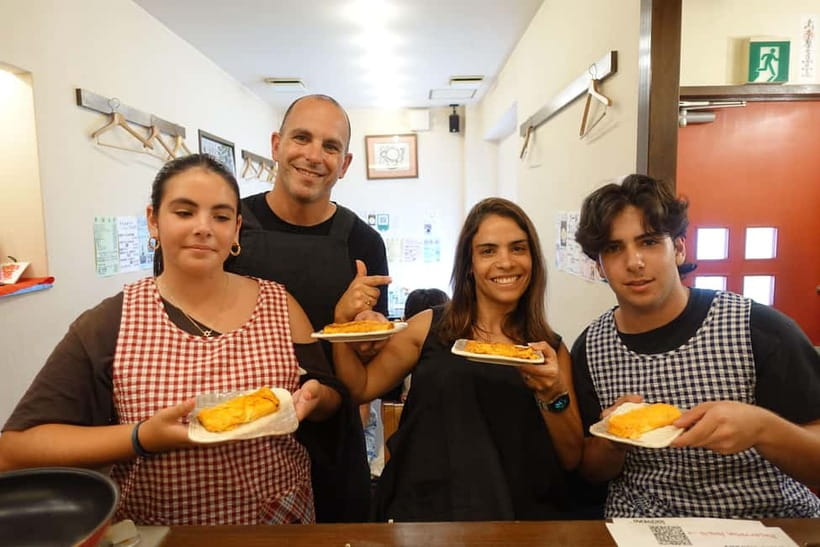
- Choose your own Japanese dish: Pick home-cooked dishes, okonomiyaki, or bento rather than following one fixed menu.
- Matcha is part of the class: Your two-hour visit includes a matcha-making experience, not just cooking.
- Ikuko is a named teacher: She is described as warm, enthusiastic, and especially good at helping children and beginners.
- Easy Morinomiya access: The meeting point is a seven-minute walk from Morinomiya Station and one JR station from Osaka Castle Station.
- Good for families: Children have enjoyed the class, and the cooking creates a shared activity rather than another passive sightseeing stop.
- Small but not private: The group can include up to 10 people, with English and Japanese host support.
Choosing between home cooking, okonomiyaki, and bento
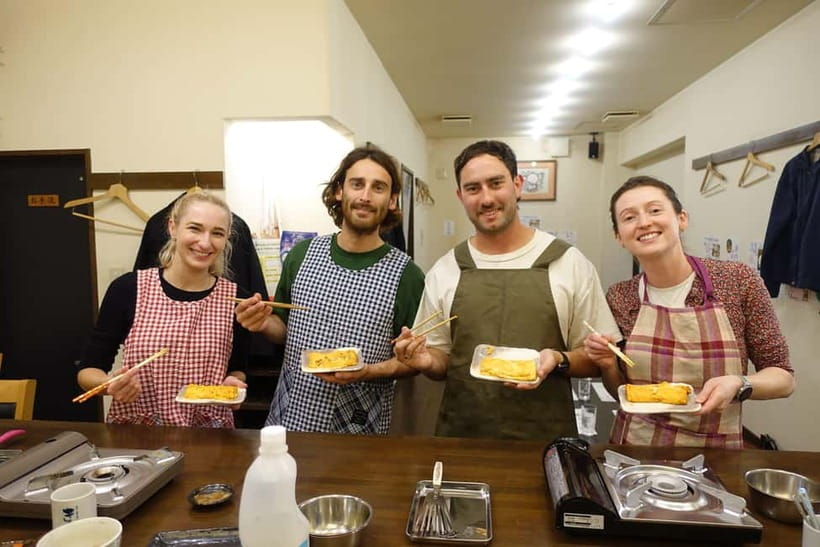
Your first important decision comes before the stove: choose one of three food directions. The options are home-cooked dishes, okonomiyaki, and bento. Since no fixed recipes are provided in advance, you should ask which exact dishes are available when booking or before arrival.
Home-cooked dishes are likely the best fit if you want a useful introduction to everyday Japanese food. This option connects naturally with the class goal of making food commonly enjoyed in Japan and Osaka. It may also suit you if you want recipes you can recreate after returning home. One participant specifically noted that the recipes were delicious and practical enough to make again at home, which is a better measure of value than simply eating something once.
Okonomiyaki gives you a more specifically Osaka-focused choice. This savory dish is strongly linked with Osaka food culture, so it makes sense for visitors who want their cooking class tied closely to the city. The class gives you a chance to prepare it rather than only ordering one at a restaurant.
Bento offers a different kind of appeal. A bento is a Japanese packed meal, so the attraction is not only one dish but the way food is arranged and presented together. This may be especially appealing to families, couples, or anyone interested in the practical side of Japanese meals.
The choice matters because two hours passes quickly. If your main goal is to understand daily cooking, choose home-cooked food. If you want an Osaka specialty, choose okonomiyaki. If you like neat presentation and a complete meal format, consider bento.
More cooking classes around Osaka:
- Sushi Making Osaka! Popular Sushi Class in Japan!
★ 5.0 · 500 reviews - Osaka: Ramen and Gyoza Cooking Class in Dotonbori
★ 5.0 · 378 reviews - Osaka Cooking Class: Okonomiyaki &Japanese cuisines experience
★ 5.0 · 261 reviews
Arriving near Morinomiya Station
The class location is in a useful part of Osaka. It is a seven-minute walk from Morinomiya Station, and the information places it only one JR station from Osaka Castle Station. You can also reach it conveniently from Shinsaibashi and Namba, making it easy to place the class between other city activities.
This location is helpful because a cooking class does not need to consume your entire day. You can schedule it before or after sightseeing rather than spending hours crossing Osaka. Osaka Castle is a natural nearby pairing, although the class itself is not presented as an Osaka Castle tour.
Look for the sign at the meeting point. Since the location details provided are brief, allow yourself enough time to walk from the station, find the sign, and settle in before the scheduled start. The host or greeter speaks English and Japanese, which should help if you need assistance on arrival.
You are told to wear comfortable shoes and comfortable clothes. That is sound advice for any hands-on cooking activity. Avoid treating this like a formal meal or a photo-only stop. You will be working with ingredients, moving around a cooking space, and taking part rather than simply watching.
What the two-hour class is likely to feel like
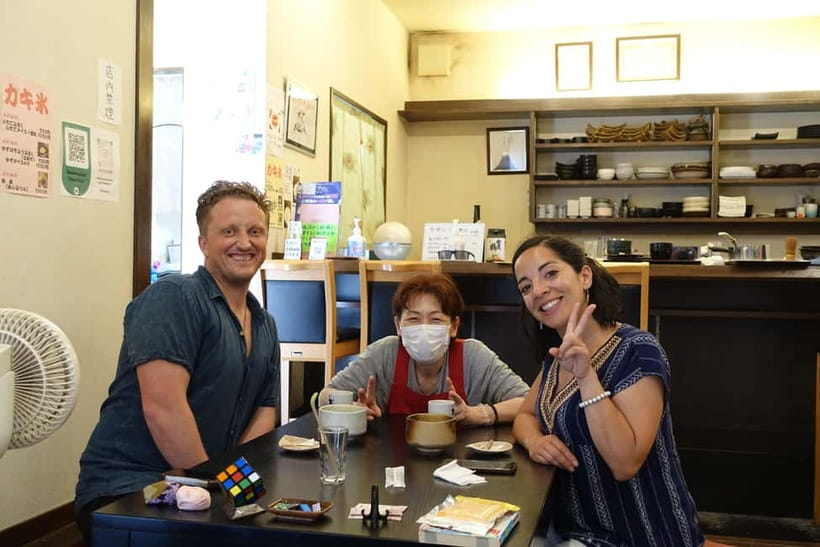
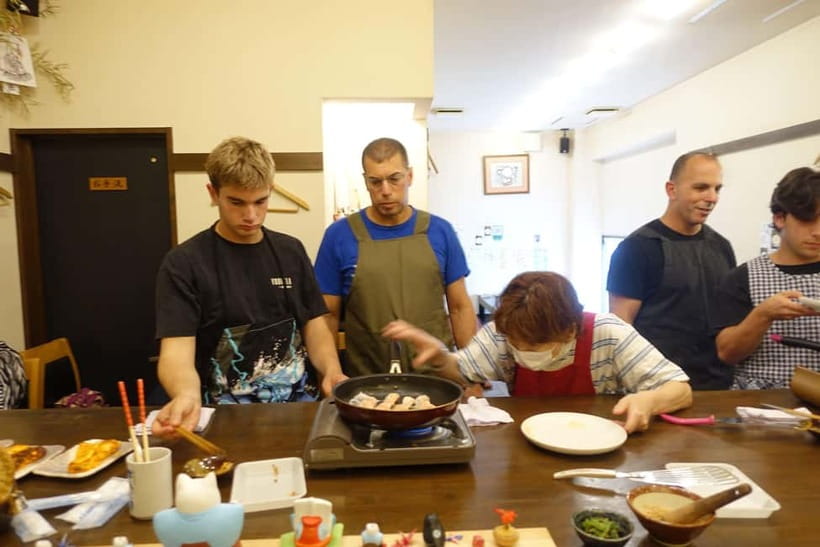
The class follows a simple pattern. You arrive, meet the local chef, choose or confirm your dish, prepare the food with instruction, and finish with matcha. The exact order may vary, but the central point is participation.
The teacher explains how to make a traditional Japanese dish and helps you through the steps. If you are not comfortable in a kitchen, an Osaka mom is available to support you. That detail matters. Many cooking classes are enjoyable for confident cooks but stressful for beginners, especially when unfamiliar ingredients or techniques are involved. Here, the stated aim is to make the process approachable.
You should expect a social class rather than a private lesson. The group is limited to 10 people, so you will be cooking alongside other participants. That size is small enough to feel personal without promising one-to-one instruction for every minute. If you are booking for a family or group of friends, this format lets you work together and share the finished meal.
The class also works well as a family activity because everyone has a role. Children can take part in the preparation with help from the teacher, while adults can focus on learning techniques and keeping the meal organized. A family from the available feedback said the experience was a hit with their girls, and another account specifically notes that children enjoyed it.
Do not expect a full culinary school lesson. The description promises a traditional dish, a local chef, and matcha, but it does not provide detailed information about knife skills, recipes, cooking equipment, or the exact number of dishes. Book it for a friendly introduction to Japanese cooking, not an advanced professional course.
Learning from Ikuko and the local teaching style
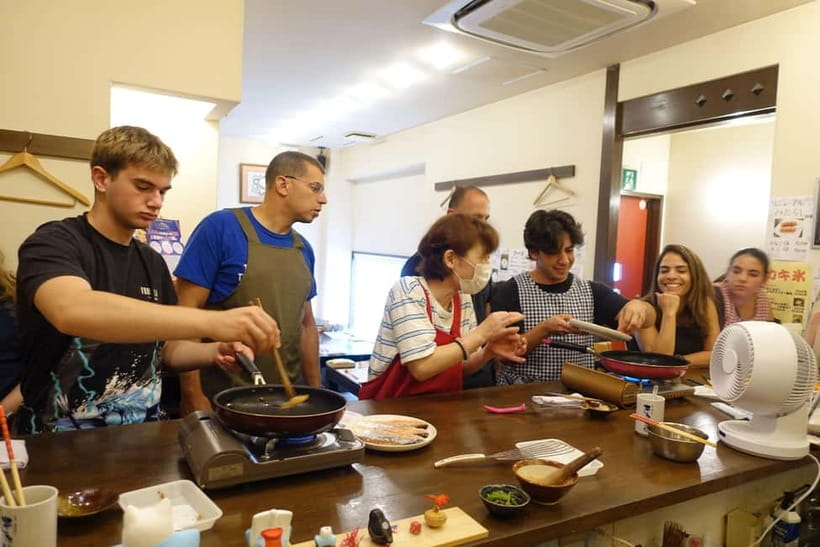
Ikuko is the teacher named in the available feedback, and her approach is one of the strongest reasons to consider this class. She is described as enthusiastic, happy, and effective at getting her techniques across. That combination is useful in a short class, where a clear demonstration can make the difference between confusion and confidence.
The Osaka mom support is another practical feature. You do not need to arrive with cooking experience. If you are unsure how to handle an ingredient or follow a step, ask for help rather than trying to guess.
Language should be manageable, but you should still expect a mix of demonstration, simple explanation, and hands-on learning. English and Japanese support is available. Cooking is also a forgiving activity for language gaps because the teacher can show you what to do, then correct your technique as you work.
The warm teaching style described by participants seems particularly valuable for children. A serious or rushed instructor can make a cooking class feel like school. An enthusiastic teacher can turn the same task into a shared memory. If you are booking for young people, the teacher’s attitude may matter more than the exact menu.
Same kitchen, a different dish:
- Osaka: Roll and Authentic Sushi Making Class in Dotonbori
★ 4.9 · 239 reviews - Osaka Sake Tasting with Takoyaki Cooking
★ 5.0 · 156 reviews - Osaka: Cooking Class Ramen & Gyoza Course in Nanba
★ 4.9 · 86 reviews - Osaka: Gluten-Free Ramen and Gyoza Cooking Class
★ 5.0 · 42 reviews
The matcha portion adds a second Japanese tradition
The matcha-making experience gives the class a useful second focus. Without matcha, this would be a straightforward cooking lesson. With it, you get a small introduction to a different part of Japanese food culture.
The supplied details do not promise a full tea ceremony, so do not book this expecting a formal performance with an extensive explanation of tea etiquette. Instead, think of it as a hands-on matcha activity added to the cooking class. That makes the two-hour format feel more varied.
Matcha also gives you a calmer change of pace after preparing food. You begin with practical work, then finish with a Japanese drink-making experience. For families and couples, that contrast can make the session feel more complete.
If matcha is a major reason for booking, ask the host what the activity includes. The available information confirms that matcha making is included, but it does not spell out the exact method or how much time is devoted to it.
Is $64 a fair price?
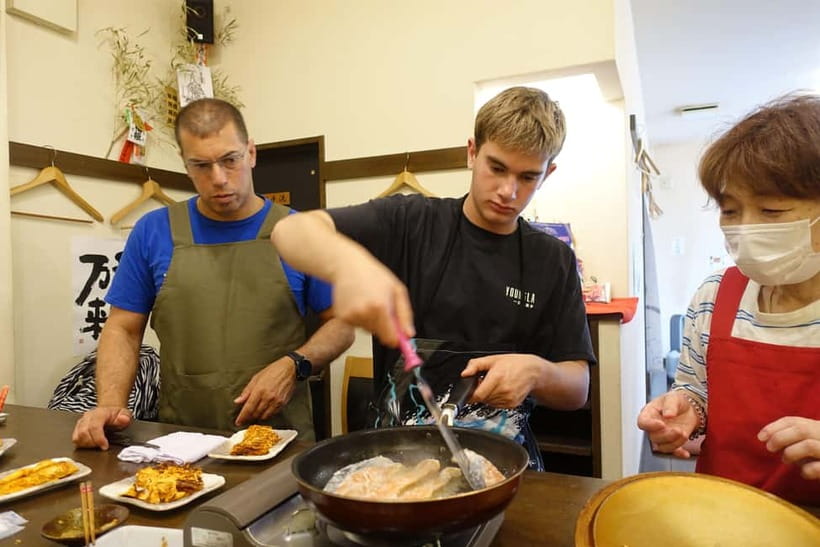
At $64 per person, the price is reasonable if you value instruction and participation. The fee includes the cooking class with a local chef, ingredients for the selected dish, and the matcha-making experience. You are paying for a two-hour activity, not merely for a meal.
The value is strongest for people who want something they can take home beyond photographs. A recipe you can recreate, a better understanding of an Osaka dish, and a shared family activity all add weight to the price. The practical recipe angle is especially useful if you cook after returning home.
The price is less compelling if your only goal is to eat inexpensive Japanese food. Osaka restaurants can provide a meal for less, and this class does not include transportation or personal expenses. You are paying for the lesson, the help, the ingredients, and the time spent cooking together.
For a family, multiply the cost carefully. Children may enjoy the activity, but the class becomes a larger expense when several people book. It makes the most sense when everyone who pays plans to take part, rather than having some people watch from the side.
One point needs clarification. The packing instructions say to bring ingredients, while the inclusions say all ingredients for the selected dish are provided. That may be a wording issue or may refer to a special requirement. Ask before arrival so you do not show up with the wrong expectations.
Who will enjoy this class most
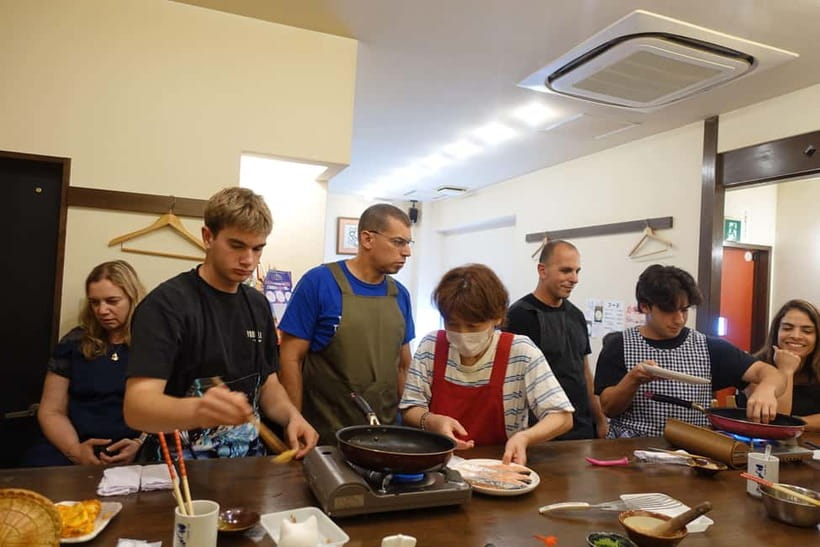
I would recommend this experience to families, couples, friends, and solo visitors who prefer doing something active. It is especially suitable if you want a break from temples, shopping streets, and observation decks.
Beginners are welcome in principle, thanks to the Osaka mom support. You do not need to be a skilled cook to get value from the class. The teacher’s enthusiasm and the small group setting should make it easier to ask for help.
It is also a smart choice for anyone who wants an Osaka food experience with a local angle. Okonomiyaki connects directly with the city, while the home-cooking and bento options offer a broader look at Japanese meals.
You may want to skip it if you have serious food allergies, since people with food allergies are listed as unsuitable for the activity. Dietary restrictions should be reported in advance, but the information does not promise that every restriction can be accommodated. Wheelchair users should also choose another activity, as the class is not listed as accessible.
Planning the class around your Osaka day
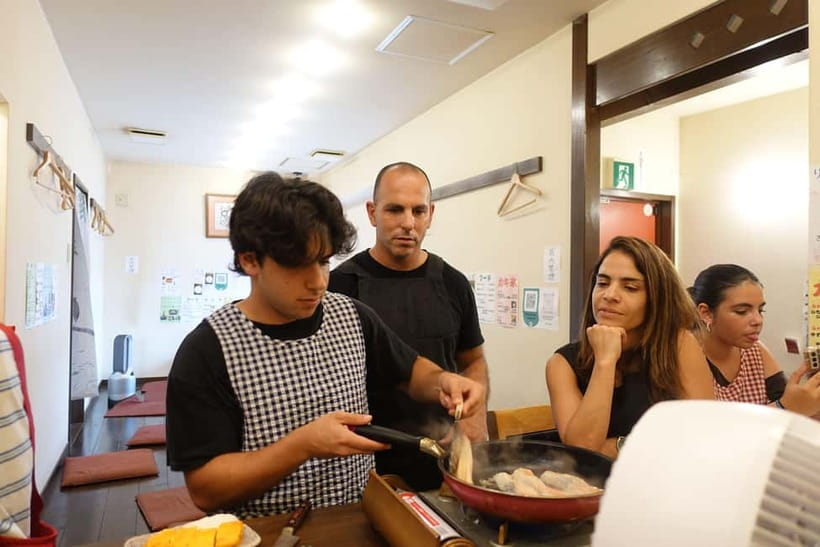
Morinomiya makes this easy to fit into a sightseeing plan. You can reach the area from Shinsaibashi and Namba, and the class is close to the route for Osaka Castle Station. A cooking class before sightseeing may leave you with a satisfying meal already taken care of. Scheduling it after walking around the city gives you a chance to sit down and work with food.
Allow time for the seven-minute walk from Morinomiya Station. The class lasts two hours, but you should also account for local transport and finding the sign at the meeting point. The activity is small-group, not a hop-on, hop-off stop, so arriving late could affect your time with the teacher.
Comfortable shoes and clothes are the sensible choice. Since the class is hands-on, wear something you can move in and do not bring anything that needs to stay perfectly clean.
The booking terms are flexible. You can cancel up to 24 hours in advance for a full refund, and reserve now while paying later. Check the available starting times because the class runs for two hours and the exact schedule depends on availability.
Should you book this Osaka cooking class?
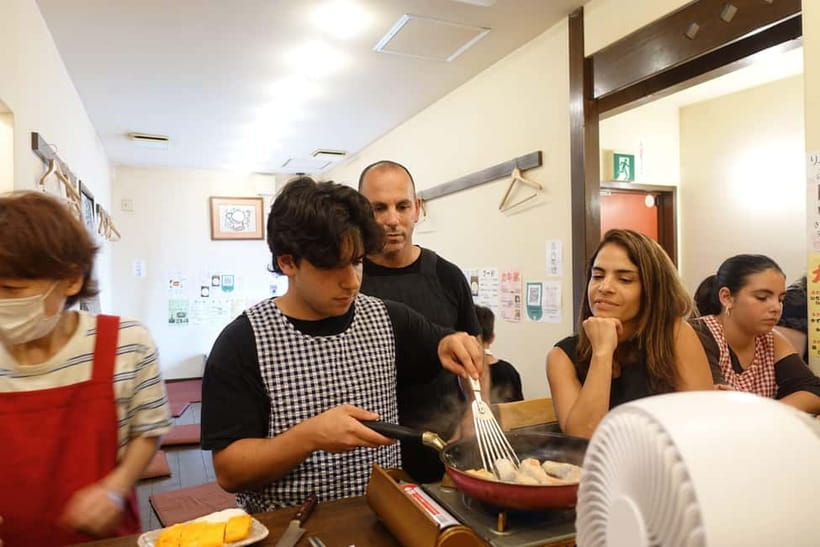
Book it if you want an approachable, family-friendly activity that combines food preparation with matcha. The strongest reasons are the three dish choices, the convenient Morinomiya location, the small group size, and the supportive teaching style associated with Ikuko.
I would choose the class for a family with children, a couple looking for a shared activity, or a visitor who wants to learn recipes rather than simply order another restaurant meal. Pick okonomiyaki for an Osaka-specific focus, home cooking for useful everyday dishes, or bento for meal presentation.
Think twice if you have food allergies, need wheelchair access, or want a formal tea ceremony or advanced cooking course. Also confirm the ingredient requirement before paying. For everyone else, $64 buys a compact, hands-on introduction to Japanese food with a good chance of producing something you can make again at home.
FAQ
Where is the Japanese cooking class held?
The class is a seven-minute walk from Morinomiya Station in Osaka. It is also one JR station from Osaka Castle Station and accessible from Shinsaibashi and Namba.
How long does the activity last?
The cooking and matcha experience lasts two hours. Starting times vary, so check availability when booking.
What dishes can I choose to make?
You can choose from home-cooked dishes, okonomiyaki, or bento. The exact recipes are not specified in the available information.
Is matcha included?
Yes. A matcha-making experience is included along with the cooking class and ingredients for the selected dish.
Is the class suitable for beginners and children?
Yes. An Osaka mom is available to support people unfamiliar with cooking, and children have enjoyed the activity. English and Japanese host support is available.
What should I bring, and can I cancel?
Wear comfortable shoes and clothes. The information asks you to bring ingredients, although the inclusions say ingredients for the selected dish are provided, so confirm this with the host in advance. You can cancel up to 24 hours before the activity for a full refund.
New cooking classes around Osaka
- Okonomiyaki&Takoyaki for Families:Osaka Street Food Festival★ 5.0 · 4 reviews
- Osaka Sake Tasting with Takoyaki Cooking★ 5.0 · 156 reviews
- Osaka: Sashiko Japanese Craftsmanship Workshop★ 5.0 · 31 reviews
- Osaka Okonomiyaki Cooking Experience for Families & Groups★ 4.9 · 8 reviews
- Osaka: Okonomiyaki Cooking Class with Beer or Soft Drink★ 4.9 · 9 reviews
- Osaka: Cooking Class Ramen & Gyoza Course in Nanba★ 4.9 · 86 reviews
- Osaka: Gluten-Free Ramen and Gyoza Cooking Class★ 5.0 · 42 reviews
- Osaka : Exclusive Tea Ceremony & Wagashi Cooking★ 5.0 · 2 reviews
Osaka Cooking Classes, side by side.

Sushi Making Osaka! Popular Sushi Class in Japan!
Read our review →
Osaka: Ramen and Gyoza Cooking Class in Dotonbori
Read our review →
Osaka Cooking Class: Okonomiyaki &Japanese cuisines experience
Read our review →
Osaka: Roll and Authentic Sushi Making Class in Dotonbori
Read our review →
Osaka: Cooking Class Ramen & Gyoza Course in Nanba
Read our review →
Osaka: Gluten-Free Ramen and Gyoza Cooking Class
Read our review →
Osaka: Cooking Class & Sake Tasting with Local Market Visit
Read our review →This kitchen also appears in