
Review · OSAKA
Osaka: Roll and Authentic Sushi Making Class in Dotonbori
Making sushi in Osaka is more fun when you stop merely ordering it and learn how the pieces come together. This 100-minute class near Dotonbori gives you hands-on time with two styles: maki rolls and nigiri, the small rice-and-topping pieces often called authentic Japanese sushi.
I like the friendly English-speaking instructors, who keep the room lively with jokes, questions, and local food tips. I also like the short sushi-history quiz, which gives the meal some cultural context instead of turning the class into a simple craft session. The main drawback is timing: several people found the final eating period a little rushed.
Key points
- Two sushi styles in one class: Make maki rolls and nigiri, rather than focusing on only one technique.
- A lively introduction: Learn basic sushi history through an interactive quiz before you start preparing food.
- Central Osaka setting: The class is about five minutes from Shinsaibashi Station, close to Dotonbori’s food streets.
- English-speaking local staff: Instructors including Shoki, Yui, Takara, Fujiko, and others guide each step.
- Dietary planning is possible: Vegan, vegetarian, gluten-free, halal, and allergy menus can be arranged if requested at least three days ahead.
- Good value for a meal and activity: At $45, you receive instruction, ingredients, and the sushi you make.
Why this sushi class works well in Osaka
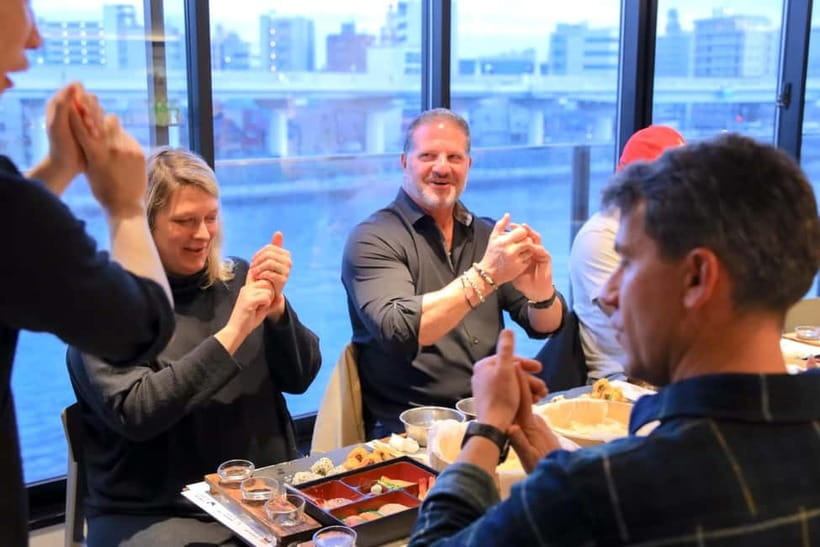
Osaka is famous for eating, but a cooking class gives you a better way to understand that food culture. You are not simply handed a finished plate. You handle the rice, shape the pieces, work with the fillings, and then eat the result.
That makes this especially useful for a first visit to Japan. You get a practical food memory that lasts beyond the meal itself. Several people left feeling confident enough to try sushi at home, which is a fair measure of a beginner class.
The mood is light rather than formal. You may hear the instructors encourage the room with the playful Hoi Hoi Hoi call while shaping nigiri. That may sound a little silly on paper, but it helps nervous beginners relax. You do not need cooking experience, and you are not expected to know sushi terminology before arriving.
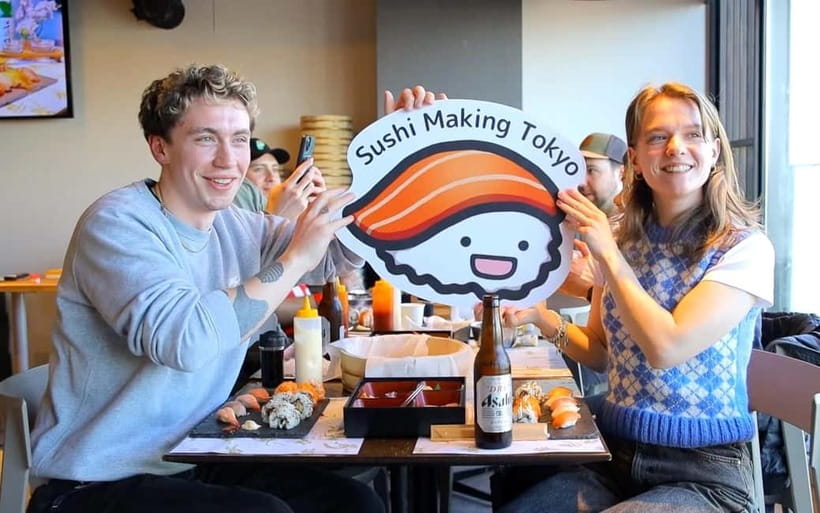
The class suits couples, families, solo visitors, and small groups. Solo participants can meet people from other countries, while couples can make the activity part of an evening around Shinsaibashi and Dotonbori.
More Sushi Making Classes around Osaka:
- Sushi Making Osaka! Popular Sushi Class in Japan!
★ 5.0 · 500 reviews - Tokyo Tsukiji Fish Market Tour and Sushi Making Lesson
★ 5.0 · 390 reviews - Ramen and Sushi Cooking Class with Sake Pairing Set in Tokyo
★ 5.0 · 291 reviews
Finding the class near Shinsaibashi and Dotonbori
The meeting point is on the third floor of the Galleria Acca Building, about a five-minute walk from Shinsaibashi Station. That central location matters because you can fit the class into a day of shopping, sightseeing, and eating without spending time crossing Osaka.
Dotonbori is close by, so you can combine the class with an evening walk along the canal and nearby food streets. The area is one of Osaka’s best places to sample the city’s famous appetite, though you may want to avoid arriving overly full. You will be making and eating a full set of sushi during the session.
The building entrance can be easy to miss. One person described the entrance as being in a concrete building with interesting architecture, so allow a few extra minutes to locate it. The practical access information says the experience is wheelchair accessible. One detailed note says the building has an elevator, but it does not reach the workshop floor, so anyone relying on step-free access should confirm the exact arrangement before booking.
There is no hotel pickup or drop-off. You make your own way to the building, which is simple enough from central Osaka but worth building into your schedule.
The opening quiz gives the meal some context
The first part introduces sushi history through a short, interactive quiz. This is not a long lecture. It is meant to be light and social, with the instructor asking questions and drawing you into the subject before the food preparation begins.
That small step adds value. Sushi is not one single dish or technique, and the quiz helps you understand why the class covers both maki and nigiri. You also get a clearer sense of what you are making instead of blindly copying hand movements.
The instructors use English, and the teaching style is energetic. Shoki was praised for explaining the background of sushi while keeping the mood fun. Yui, Takara, Fujiko, Reika, Fuko, Miho, and other instructors were also singled out for clear instruction, patience, humor, and warm conversation.
Do not expect a chef-training course. The rice and ingredients are prepared for you, so the focus is on shaping and assembling sushi rather than cooking every component from scratch. That is a sensible choice for a 100-minute activity. You learn the parts you can realistically repeat at home without spending the whole session washing rice and preparing fillings.
Making maki rolls, the approachable first step
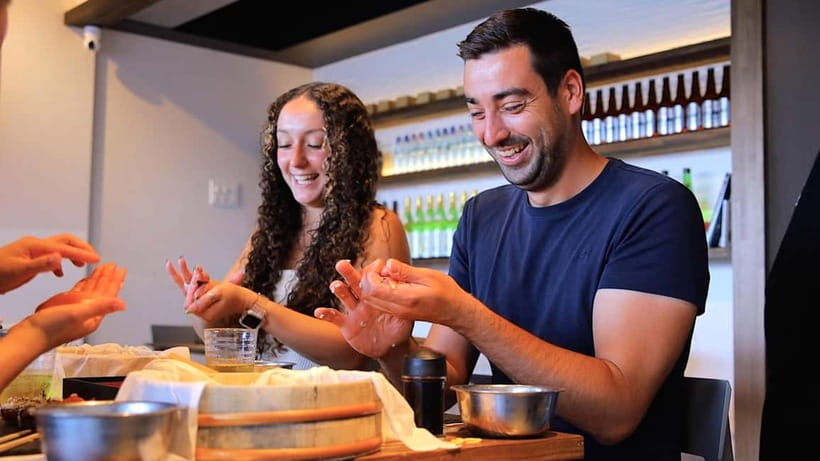
Maki is the roll-style sushi most people recognize. You work with seaweed, rice, and fillings, then shape the mixture into a neat roll before cutting it into pieces.
For beginners, this is usually the more forgiving technique. You can see how the ingredients are arranged, how much rice is needed, and how pressure affects the shape. The class gives you a chance to make several pieces rather than producing one precious roll and stopping there.
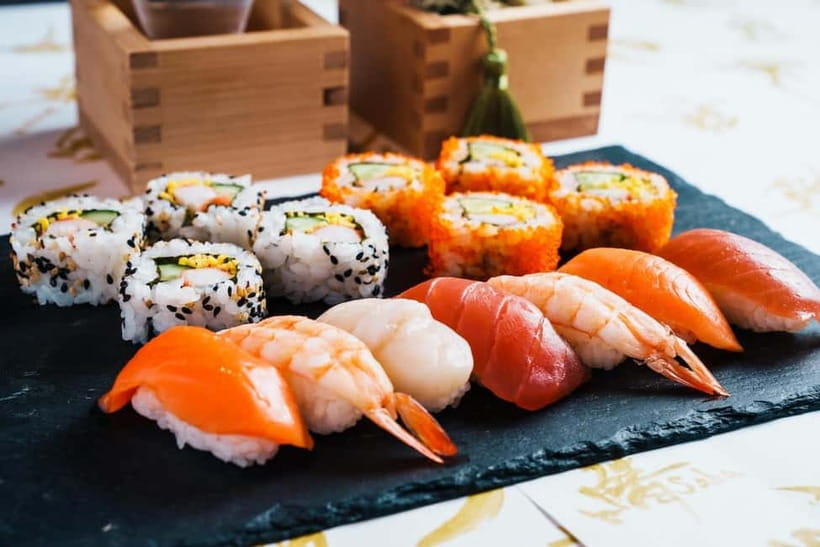
One detailed account described making six pieces of maki and six pieces of nigiri. The precise serving arrangement may vary, but you should expect enough food to make the activity function as lunch or a light meal, not just a tasting.
The instructors demonstrate the process with visual guidance. A video and live demonstrations were both noted as useful, especially for people who learn better by watching first. You then copy the steps at your own station while the staff checks your technique.
This is where the class feels most useful at home. You learn how to handle the rice and fillings, how to keep the roll together, and how to avoid the common beginner mistake of trying to pack in too much. Your finished pieces may not look like a sushi chef’s work, but they should look good enough to eat with pride.
More cooking classes around Osaka:
- Osaka: Ramen and Gyoza Cooking Class in Dotonbori
★ 5.0 · 378 reviews - Osaka Cooking Class: Okonomiyaki &Japanese cuisines experience
★ 5.0 · 261 reviews - Osaka Sake Tasting with Takoyaki Cooking
★ 5.0 · 156 reviews - Osaka: Cooking Class Ramen & Gyoza Course in Nanba
★ 4.9 · 86 reviews
Shaping nigiri with a little more care
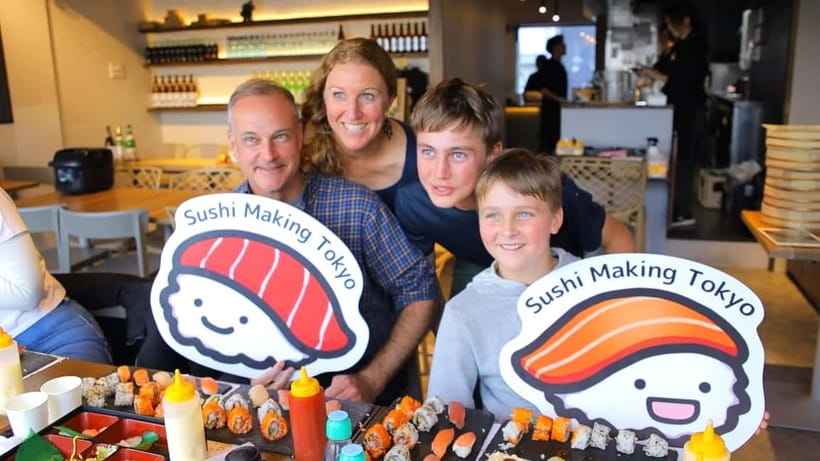
Nigiri requires more control than a roll. You form a small portion of rice and place a topping over it, aiming for a piece that holds together without being packed too firmly.
The instructors take you through the hand movements slowly. The class is designed for beginners, so you are not expected to produce perfect restaurant pieces at the first attempt. The point is to understand the balance between rice, topping, and pressure.
This part also gives the class its strongest connection to traditional sushi presentation. A roll can hide a few uneven edges. Nigiri puts your shaping technique on display. That makes it satisfying when the pieces come together, but it can also make the final minutes feel hurried if you spend too long trying to perfect each one.
Pay attention during the demonstration. One person summed up the bargain plainly: the sushi at the end is lovely, provided you listened carefully. I would not treat that as a warning so much as useful advice. Watch the instructor’s hands, ask questions when you need help, and keep moving.
The class may also use terms such as nigiri, maki, and sashimi during the explanation. The advertised hands-on focus is maki and authentic Japanese sushi, with reviews specifically describing nigiri. If a particular style matters to you, ask the staff what will be included in your session.
The instructors make the difference
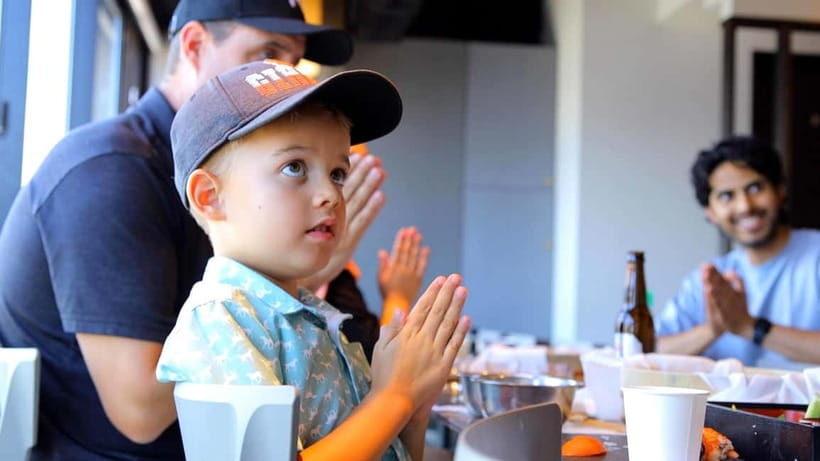
The most consistent strength here is the teaching style. The staff do more than repeat instructions. They ask where you are from, talk about food and travel, answer questions, and offer suggestions for places to eat or visit in Osaka.
Shoki was praised for his positive energy and memorable explanations. Yui was described as an excellent sushi chef and teacher. Takara was noted for helping participants produce beautiful pieces, while Fujiko was praised for patience and humor. These individual names matter because a cooking class depends heavily on the person leading it.
The tone is social, but you still receive practical help. Instructors move through the steps with demonstrations and direct guidance. People with little cooking experience can follow along, and experienced home cooks can concentrate on small details such as rice pressure and presentation.
The class is not presented as a quiet, highly formal lesson. Expect conversation, jokes, and group participation. If you want a serious chef’s apprenticeship, this is not that. If you want a clear introduction with enough cultural background to make it meaningful, the approach fits well.
How much food do you make and eat?
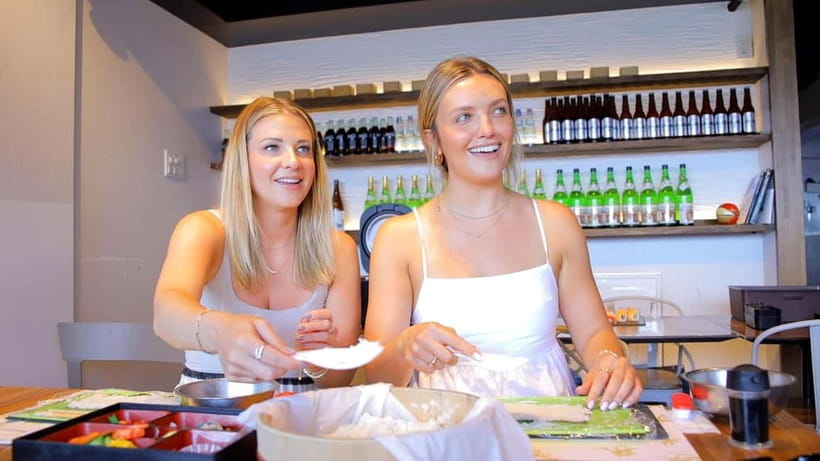
The ingredients are included, and you eat what you prepare. That is an important part of the value. You are not paying $45 for a demonstration followed by a small sample. The class gives you a meal along with the instruction.
The exact amount can depend on the session, but one detailed account described six maki pieces and six nigiri pieces. That is enough to serve as lunch for many people, particularly when paired with the satisfaction of making it yourself.
The ingredients were repeatedly described as good quality, with a solid selection. You should still remember that this is a beginner activity, not an omakase meal. The value comes from the combination of food, instruction, a central location, and a memory you can carry into your next kitchen.
The only real issue is the eating time. Some people felt pressured to finish making the sushi and then had little time left to eat. One person also noted that ingredient trays were collected early, which made it harder to finish a final piece or take extra ginger and wasabi. Keep your work moving, and place anything you want to eat on your plate before the tray is removed.
Dietary requests need early planning
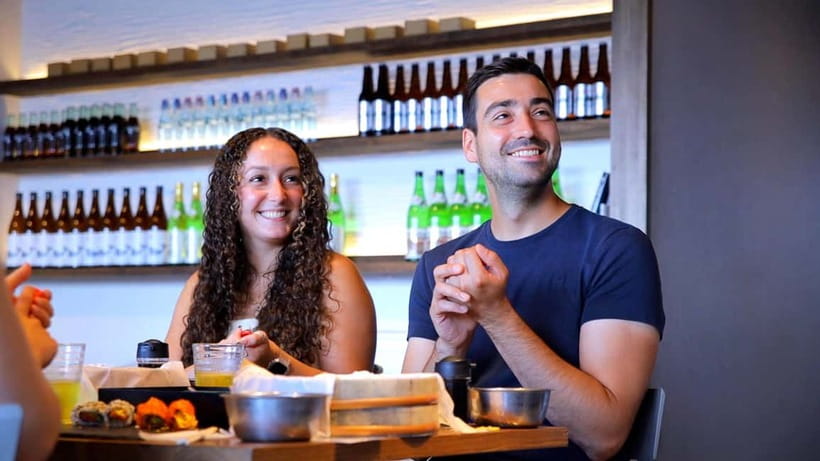
The menu can be adjusted for vegan, vegetarian, gluten-free, halal, and allergy needs. Meat, nuts, fruits, and dairy are not used in the standard ingredient list provided for these arrangements.
You must request a menu change when making the reservation, at least three days in advance. The staff cannot respond to a same-day request, and they do not accept individual ingredient specifications.
This is a useful option for people who often struggle to find suitable cooking activities in Japan. Still, the policy is firm. If you need halal or allergy-safe ingredients, do not assume a last-minute conversation at the door will solve the problem. Make the request early and state the dietary requirement clearly.
One person who requested halal ingredients found that the correct selection had been prepared. That is encouraging, but advance notice remains essential.
Is $45 a fair price?
At $45 per person, this sits in the reasonable middle range for a central Osaka food activity. You receive the cooking class, ingredients, an English-speaking instructor, and the food you make. There is no extra charge for hotel transportation because transportation is not included.
I see the strongest value for people who would otherwise spend money on lunch and want a hands-on activity as well. You get a meal, a lesson, social contact, and a useful skill in one 100-minute block.
The value is weaker if you only want to eat excellent sushi. A restaurant will give you a more polished plate, and a dedicated cooking course might offer more preparation from scratch. This class is best judged as a cultural food activity, not as a replacement for an upscale sushi counter.
Flexible booking also helps. You can reserve now and pay later, and cancellation is free up to 24 hours before the activity for a full refund. Starting times vary, so check availability when choosing your date.
Who should book this class?
I would recommend it for first-time visitors who want a memorable Osaka activity that is easy to fit into a city schedule. It is also a good choice for families, couples, solo participants, and groups with mixed cooking ability.
It works especially well for:
- People who love sushi but have never made it
- Visitors who want an English-language activity
- Families looking for something beyond sightseeing
- Couples who want a shared meal with a practical element
- Solo participants who enjoy meeting people through food
- Anyone curious about maki and nigiri techniques
I would think twice if you dislike group activities, want a long quiet lesson, or expect to prepare every ingredient from the beginning. The lively teaching style is part of the appeal, but it will not suit someone seeking a formal culinary school atmosphere.
My verdict on this Dotonbori sushi experience
Book this class if you want to make your own lunch, learn the basics of two sushi styles, and spend time with friendly local instructors in central Osaka. The strongest points are the clear demonstrations, the light history lesson, the good ingredient selection, and the staff’s ability to make beginners feel at ease.
Plan your schedule carefully so you do not feel rushed at the end. Arrive early enough to find the third-floor meeting point, submit dietary requests at least three days ahead, and pay close attention during the shaping demonstrations.
For $45, you get more than a plate of food. You get a hands-on introduction to a major part of Japanese food culture, with enough technique to try making sushi again after you return home.
FAQ
Where does the sushi-making class take place?
The class meets on the third floor of the Galleria Acca Building, about a five-minute walk from Shinsaibashi Station. It is near Dotonbori and Shinsaibashi in central Osaka.
How long does the activity last?
The sushi-making experience lasts 100 minutes.
What types of sushi will I make?
You will make two styles: maki sushi rolls and authentic Japanese sushi, with nigiri specifically described as part of the hands-on lesson.
Is the class taught in English?
Yes. The instructor teaches in English, and English-speaking local staff guide you through the activity.
Do I need previous cooking experience?
No. The class is designed for beginners, and the instructors explain each step through demonstrations and hands-on guidance.
Is food included?
Yes. Ingredients and the cooking class are included, and you eat the sushi you make.
Can the menu accommodate dietary requirements?
Vegan, vegetarian, gluten-free, halal, and allergy menus are available with advance notice. You must request a menu change at least three days before the class. Same-day changes are not accepted.
Can I cancel or pay later?
You can cancel up to 24 hours in advance for a full refund. You can also reserve now and pay later, subject to the booking terms.
New cooking classes around Osaka
- Okonomiyaki&Takoyaki for Families:Osaka Street Food Festival★ 5.0 · 4 reviews
- Osaka Sake Tasting with Takoyaki Cooking★ 5.0 · 156 reviews
- Osaka: Sashiko Japanese Craftsmanship Workshop★ 5.0 · 31 reviews
- Osaka: Japanese Cooking Class with Matcha Experience★ 5.0 · 4 reviews
- Osaka Okonomiyaki Cooking Experience for Families & Groups★ 4.9 · 8 reviews
- Osaka: Okonomiyaki Cooking Class with Beer or Soft Drink★ 4.9 · 9 reviews
- Osaka: Cooking Class Ramen & Gyoza Course in Nanba★ 4.9 · 86 reviews
- Osaka: Gluten-Free Ramen and Gyoza Cooking Class★ 5.0 · 42 reviews
Osaka Cooking Classes, side by side.
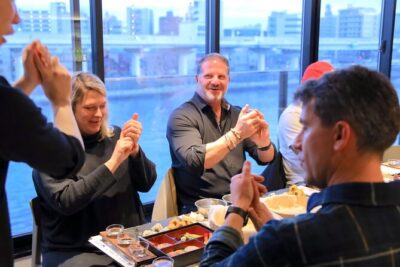
Sushi Making Osaka! Popular Sushi Class in Japan!
Read our review →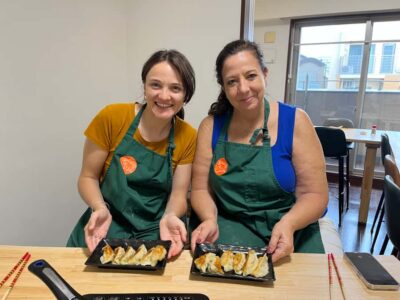
Osaka: Ramen and Gyoza Cooking Class in Dotonbori
Read our review →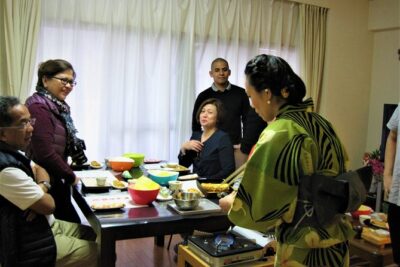
Osaka Cooking Class: Okonomiyaki &Japanese cuisines experience
Read our review →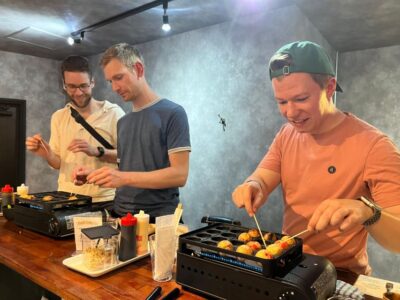
Osaka: Cooking Class Ramen & Gyoza Course in Nanba
Read our review →
Osaka: Gluten-Free Ramen and Gyoza Cooking Class
Read our review →
Osaka: Cooking Class & Sake Tasting with Local Market Visit
Read our review →
This kitchen also appears in