
Review · CAPE TOWN
Cape Town: Authentic African Cuisine Cooking Experience
This Cape Town cooking class puts you to work with sadza, chicken stew, chakalaka, sugar beans, and beef bones with green vegetables. Florence, co-owner of Pahari African Restaurant, and her team explain how these recipes developed and passed through her family before you sit down to eat what you helped make.
I like the personal scale, with no more than 10 people, and the chance to learn from hosts who have worked in food service for two decades. I also like that you receive African juice, beer, tea, or coffee, plus a meal rather than a quick demonstration. The main consideration is that this is a social, hands-on experience, not a polished restaurant tasting, and the meal does not include dessert.
Key points
- Family recipes from Florence: Hear how African cooking was taught to her from an early age and carried through generations.
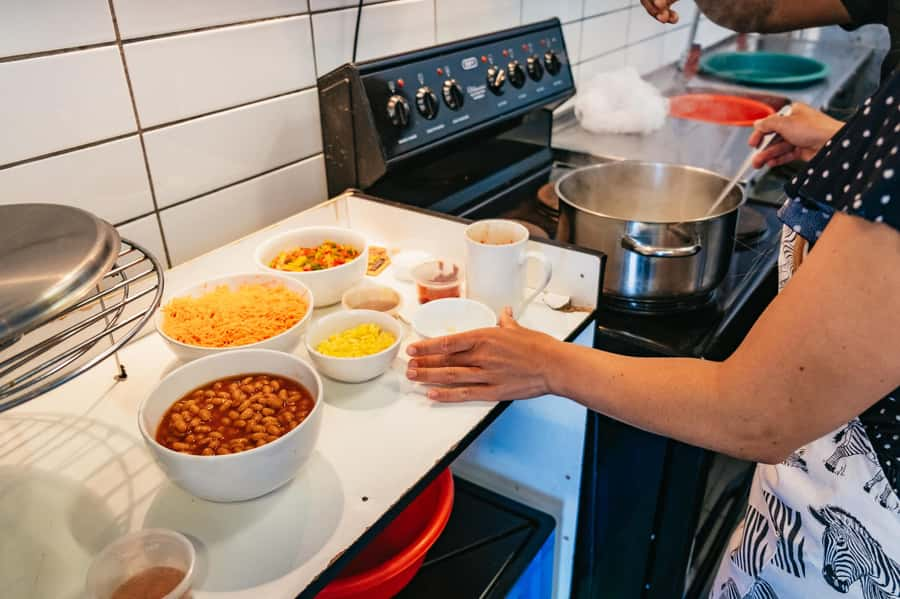
- Five main dishes: Prepare sadza, beef bones with green vegetables, chicken stew, chakalaka, and sugar beans.
- Shared meal at the end: Eat communally with the hosts, as you would in an African home.
- Small group setting: The room is limited to 10 participants, with each person invited to contribute.
- African drinks and snacks: Try African juice, beer, tea or coffee, and starter snacks before the cooking begins.
- Flexible food choices: Vegetarian and vegan options are available, and you can request an easy recipe to use at home.
Cooking family recipes at Pahari African Restaurant
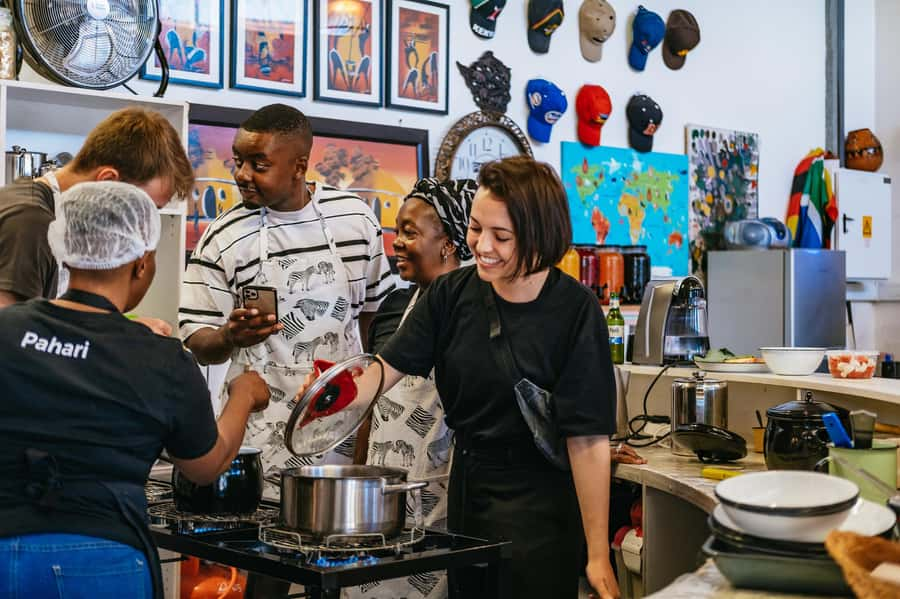
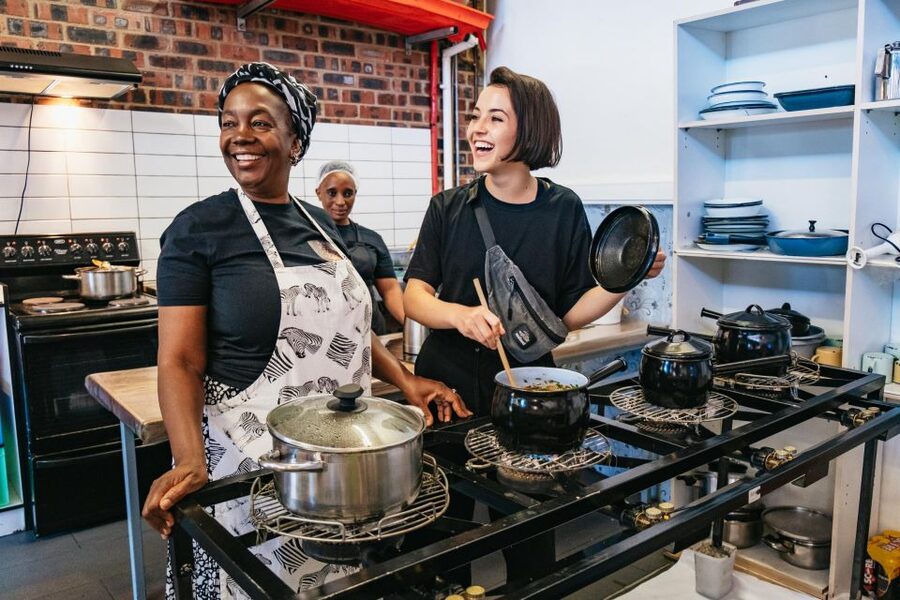
The heart of this experience is not a chef performing in front of you. You take part from the first preparation to the final meal. That makes the class useful if you want more than a plate of unfamiliar food. You get a clearer sense of how the dishes are put together and why they matter.
The class takes place in a separate room next to Pahari African Restaurant. You arrive there, ask for Florence, and settle into a small group of up to 10 people. The setting keeps the class apart from the normal restaurant service, while still giving you a connection to the working restaurant next door.
Florence is a co-owner of Pahari African Restaurant. She learned to cook from her mother at an early age, and her family’s recipes have passed from one generation to the next. Her husband and fellow co-owner, Caleb, has also spent two decades in food service. That background gives the class a personal thread: you are hearing about food as part of family life, not just as a list of dishes.
The instruction is in English. Each person gets a chance to contribute, so you should expect to handle ingredients and help with the cooking rather than simply watch. The hosts encourage you to get your hands dirty, which is useful to know if you prefer a neat, demonstration-only class.
More cooking classes around the world:
- Half-Day Thai Cooking Class at Organic Farm in Chiang Mai
★ 5.0 · 19,087 reviews - Florence: Pasta Cooking Class with Unlimited Wine
★ 4.9 · 10,285 reviews - 3 in 1 Cooking Class near Navona: Fettuccine, Ravioli & Tiramisu
★ 5.0 · 7,376 reviews
African drinks and starter snacks before the cooking
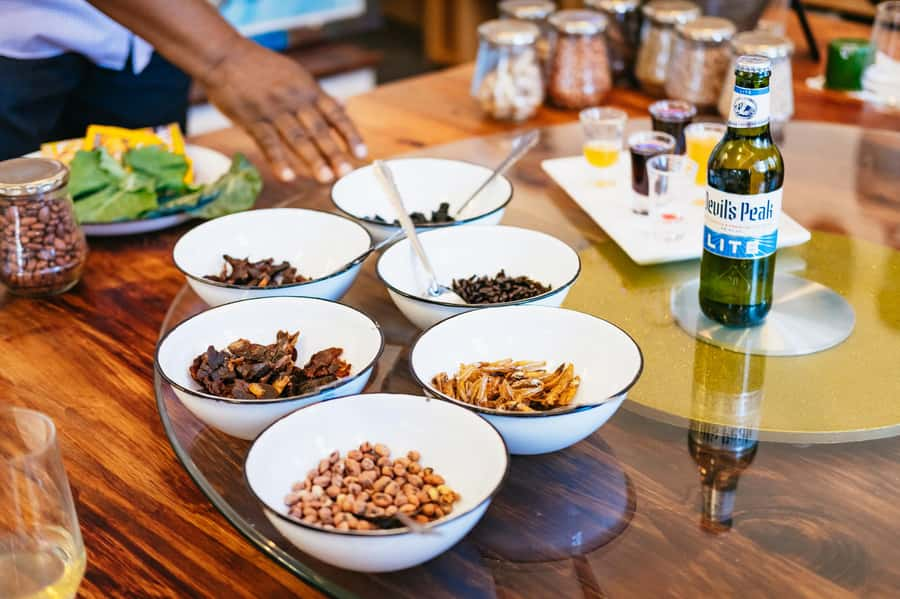
The experience begins with a selection of African drinks. You can try African juice and African beer, with tea or coffee served later as the meal comes to an end. The drinks help set the tone, but the main value is the chance to encounter flavors that may not appear on a standard Cape Town restaurant menu.
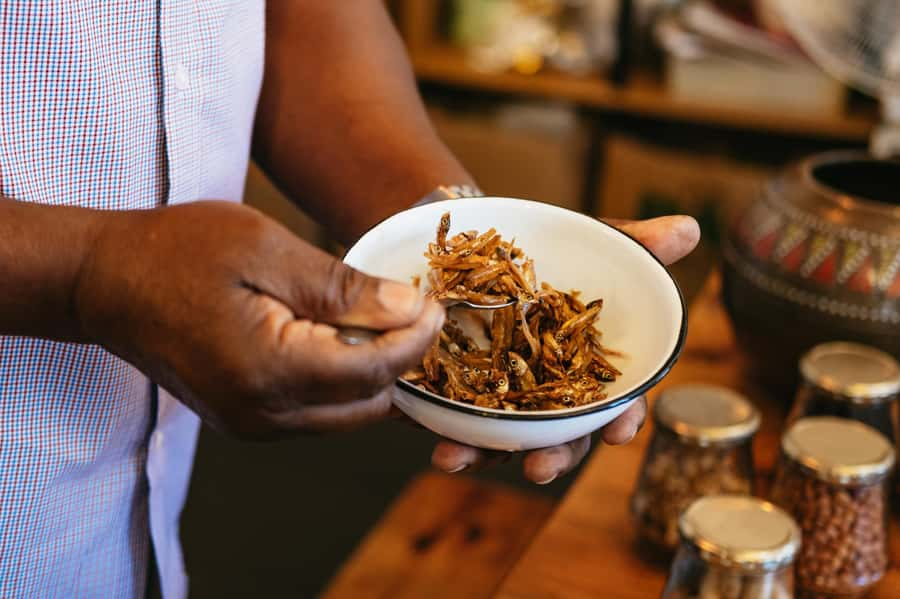
Starter snacks come before the cooking work. The exact selection is not fixed in the information provided, but one session included caterpillars and termites. If unusual food is not your thing, you can ask what is being served before trying anything. If you are curious, this is one of the more distinctive parts of the experience.
I like this opening because it gives you a gentle introduction before the main work begins. You can taste first, ask questions, and then move into the cooking with some context. It also creates room for conversation between the hosts and the group.
This is not presented as a formal wine-and-food pairing. The drinks are included as part of the cultural experience, and you should see them that way. You are there to learn how food, hospitality, and shared meals connect.
Making sadza, the meal’s central foundation
One of the main jobs is preparing sadza, made from ground mealie meal. It is described as a foundation for the main meal, and learning to prepare it gives you a useful starting point for understanding the rest of the table.
The hosts guide you through the process step by step. Since each person has a chance to contribute, you will likely work alongside the others rather than receive an individual cooking station. The small group size matters here. With a maximum of 10 people, there is a better chance to see what is happening and take part without waiting through a large crowd.
Sadza is also where the class makes a clear break from familiar Western dining habits. At the end, the food is enjoyed communally, and you may eat with your hands. One family described discovering that this was not as easy as using a knife and fork. Take that as part of the lesson, not a test of table manners.
The hosts explain ingredients, customs, and the way recipes have changed over time. I value that context because it keeps the class from becoming a simple cooking checklist. You learn not only what is in the pot, but also how food knowledge can move through a family.
Preparing stews, vegetables, chakalaka, and beans
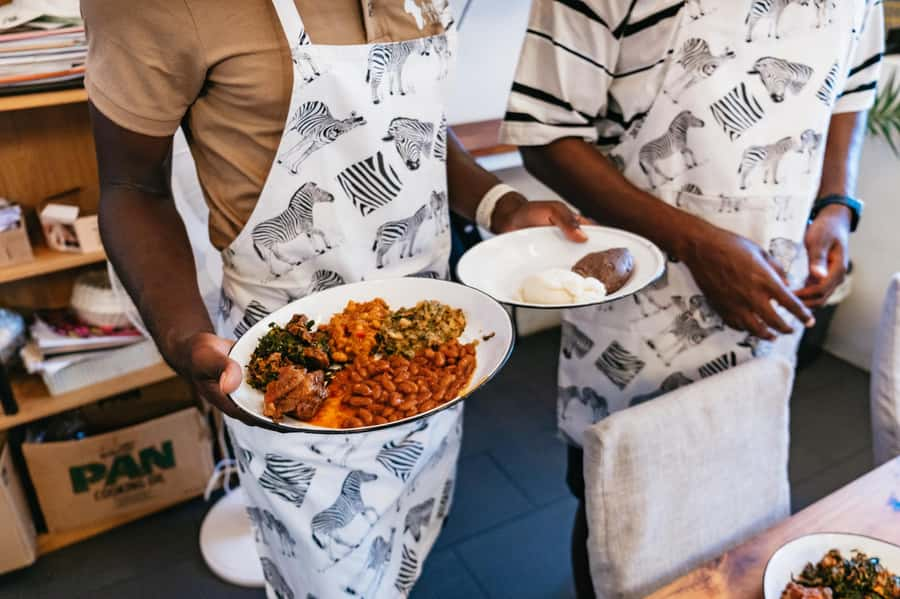
The rest of the menu gives you several different kinds of cooking to explore. You prepare meaty beef bones mixed with green vegetables, chicken stew, chakalaka, and sugar beans. Together with sadza, these form the main meal you later share.
The beef and green vegetable dish offers a contrast between meat and vegetables in one preparation. The chicken stew gives the group another central dish to work on, while chakalaka and sugar beans add separate vegetable and pulse-based elements to the table. The supplied information does not specify every spice or cooking method, so you should expect the hosts to explain those details during the class rather than arrive with fixed expectations.
This menu is useful for comparison. Instead of making one dish and eating it immediately, you work on several dishes that are meant to be enjoyed together. That helps you understand the meal as a complete spread, with different textures and flavors placed side by side.
The class also makes room for dietary needs. Vegetarian and vegan options are available. Since the listed menu includes beef and chicken, tell the provider about your preference when booking or at the earliest practical point. The available information confirms the options, but it does not spell out exactly how every dish is adapted.
Same kitchen, a different dish:
- Florence: Pasta & Tiramisu Cooking Class with Unlimited Wine
★ 4.9 · 6,708 reviews - Florence: Pasta Cooking Class with Unlimited Wine
★ 5.0 · 6,413 reviews - Hanoi Cooking Class: Culture, Local Market & Meaning CSR Impact
★ 5.0 · 5,147 reviews - 5 Traditional Dishes Hanoi Cooking Class with Market Trip
★ 5.0 · 4,890 reviews
Food history told through ingredients and family practice
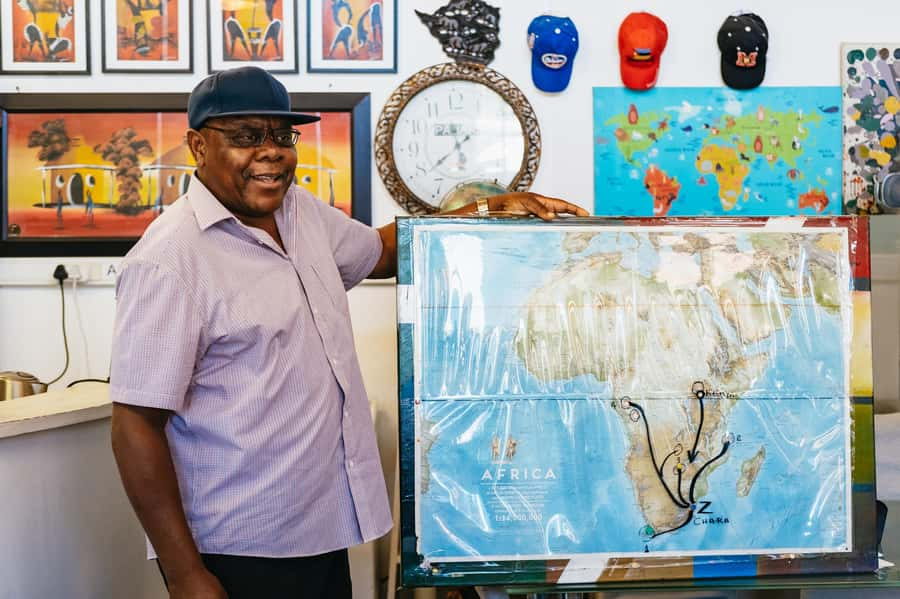
The class includes an explanation of African cuisine, its ingredients, and the way recipes evolved and passed through generations. That talk is one of the strongest reasons to choose this experience over cooking a familiar dish at home.
I like hearing food history from someone with a family connection to the recipes. Florence’s story begins with learning from her mother, then carrying those lessons into a restaurant shared with her husband. It gives the class a human scale and helps explain why the cooking matters beyond the plate.
The phrase African cuisine covers a large area and many traditions, so you should not expect one short class to represent every country or region. This experience focuses on the dishes served at Pahari African Restaurant and on the hosts’ own food traditions. That is a strength if you want a personal introduction, but it is worth keeping the scope clear.
The teaching also includes local and organic ingredients, according to one account of the class. The supplied details do not identify every ingredient or its source, so I would treat this as part of the hosts’ approach rather than a guarantee that every item will be organic.
A communal meal with the people who taught you
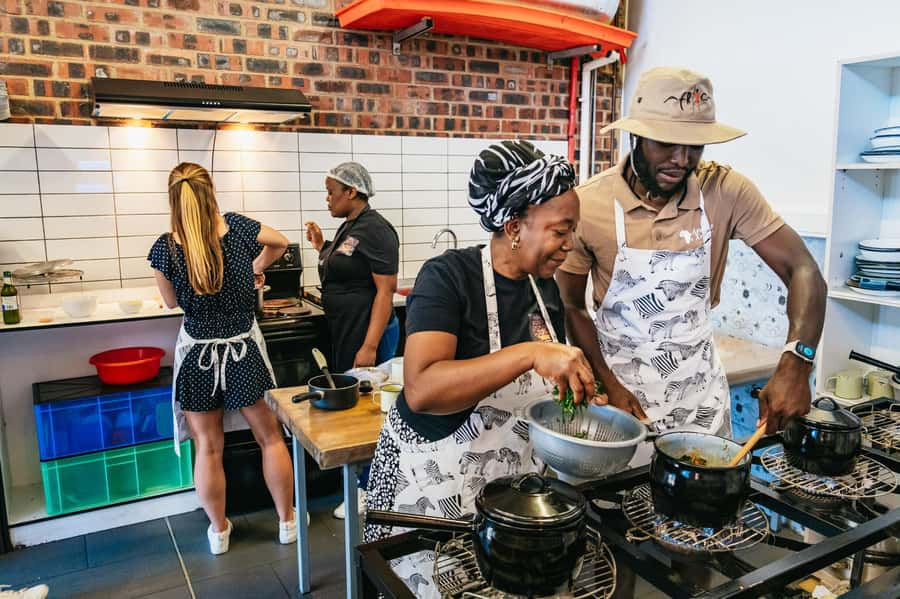
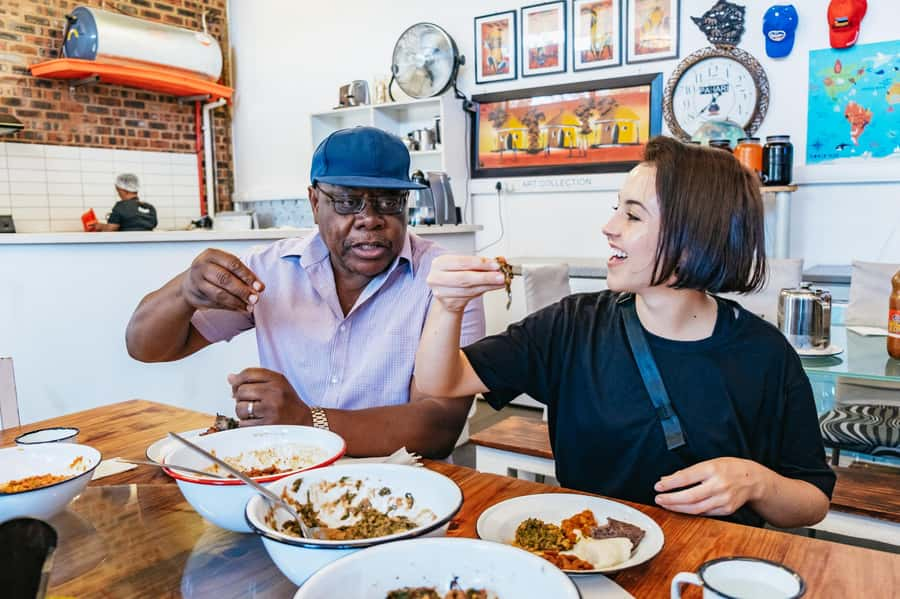
After the cooking, everyone sits down to eat together. This is not a rushed tasting at the counter. The meal is shared with the hosts, and the communal style reflects how food is often enjoyed in an African home.
That final meal gives the 150-minute experience a satisfying shape. You begin with drinks and snacks, move through instruction and preparation, then eat the finished dishes. You are not left wondering what happened to the food you helped make.
The shared table also lets the class turn social. The hosts enjoy hearing about other cultures and what people like to eat, so conversation is part of the experience. If you prefer a quiet, private meal, this format may feel more outgoing than a normal restaurant dinner.
The class can also be booked for a private gathering with family, friends, work colleagues, and other people. The available information confirms that you can enjoy the experience privately with your own group, but it does not give separate private-group pricing or conditions. Ask for those details before booking if privacy is important to you.
What the 150 minutes gives you for $71
The price is $71 per person, and the duration is 150 minutes. For that cost, you receive instruction, the food you prepare, African juice, African beer, and African tea or coffee. Hotel pickup and drop-off are not included, so your transport to Pahari African Restaurant is your responsibility.
I see the value in the meal as much as in the class. A short cooking demonstration can leave you hungry or send you to a separate restaurant afterward. Here, you help prepare a full spread and eat it with the people who taught you. That makes the price easier to justify, especially if you normally pay separately for a cultural activity and dinner.
The value also depends on your interest. If you want a quick introduction to Cape Town’s food scene, a restaurant meal may be simpler. If you want an activity that gives you a recipe, food history, social contact, and dinner in one sitting, the price is more appealing.
The group limit of 10 helps protect that value. You are not paying for a large auditorium demonstration. The small room gives you a better chance to ask questions and take part in the dishes, although the exact amount of hands-on time may vary with the group and the day.
Practical details that shape the visit
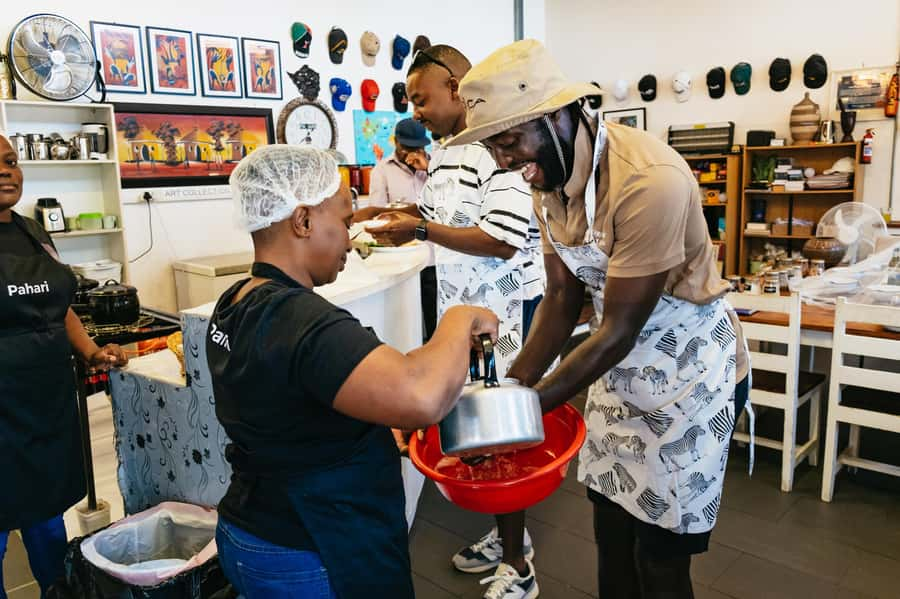
The meeting point is Pahari African Restaurant. When you arrive, ask for Florence. The class happens in a separate room beside the restaurant, not in a hotel or on a sightseeing vehicle.
The entire experience lasts 150 minutes, so allow a little extra time around it for arriving and leaving. There is no hotel transportation included. Starting times vary, so check availability when selecting a date.
The instructor language is English. The group is limited to 10 participants, and the experience can be reserved with payment later. Free cancellation is available up to 24 hours in advance for a full refund.
You can also request an easy-to-follow recipe so you can recreate the cooking at home. That is a small but useful benefit. A recipe gives the class a life beyond Cape Town, though the information does not specify whether every recipe from the full menu is provided.
The experience suits adults, families, food-focused visitors, and anyone who likes talking with local hosts. It is also a good fit for a small private group. You should be comfortable with communal dining, hands-on preparation, and the possibility of eating with your hands.
Small drawbacks to consider before booking
The class has a clear food focus, so it may not suit you if you dislike cooking or want a purely observational cultural activity. You are expected to contribute, and the hosts invite you to get your hands dirty.
The lack of dessert is another small point. The menu finishes with African tea or coffee, not a sweet course. One participant particularly missed having dessert, so keep your expectations on the savory meal rather than a full multi-course restaurant dinner.
The menu includes meat, but vegetarian and vegan options are available. Since the exact substitutions are not listed, ask ahead if you have strict dietary requirements. Also keep in mind that African cuisine is broad, while this class presents the dishes and family traditions connected with Pahari African Restaurant.
Finally, the class is in English. That is straightforward for English speakers, but the experience may be less comfortable if you need instruction in another language.
Should you book this Cape Town cooking class?
I would book this if you want a personal introduction to African food rather than another sightseeing stop. Florence’s family cooking story, the small group, the chance to prepare five main dishes, and the communal meal give the experience real substance.
You should choose it especially if you enjoy learning by doing. The class lets you taste unusual snacks, hear about food customs, prepare a full meal, and leave with a recipe request for your own kitchen.
I would skip it if you want hotel transport, a dessert course, or a tightly polished demonstration with no participation. For everyone else, $71 is a fair price for 150 minutes of cooking, drinks, dinner, and conversation at Pahari African Restaurant.
FAQ
Where does the cooking experience take place?
It takes place in a separate room adjacent to Pahari African Restaurant in Cape Town, Western Cape, South Africa.
Who should I ask for when I arrive?
Ask for Florence when you arrive at Pahari African Restaurant.
How long does the experience last?
The cooking experience lasts 150 minutes.
What food will I prepare?
You will prepare sadza, meaty beef bones mixed with green vegetables, chicken stew, chakalaka, and sugar beans.
Are drinks included?
Yes. African juice, African beer, and African tea or coffee are included.
Are vegetarian and vegan options available?
Yes. Vegetarian and vegan options are available.
How many people can join the class?
It is a small-group experience limited to 10 participants.
Can I cancel or pay later?
You can cancel up to 24 hours in advance for a full refund. You can also reserve now and pay later.
New cooking classes around the world
- Shinjuku Tokyo: Authentic Japanese Home-Style Culinary Class★ 4.9 · 125 reviews
- Shibuya Tokyo: Onigiri & Tamagoyaki Cooking Class★ 5.0 · 4 reviews
- M.O.M COOKING CLASS★ 4.8 · 6 reviews
- Shanghai: Authentic Chinese Cooking Class with Master Chef★ 5.0 · 2 reviews
- Seville: Paella-Cooking Experience with Sangria & Full Meal★ 4.9 · 42 reviews
- Sestri Levante: Pesto & Cooking Classes, Wine Tasting★ 4.9 · 56 reviews
- Seville: Paella Cooking Class & 30-Min Local Expert Q&A★ 4.8 · 37 reviews
- Seoul: Korean Kimchi Cooking Class in the Heart of the City★ 5.0 · 3 reviews
Cape Town Cooking Classes, side by side.
Cape Town: Malay Cooking Class and Lunch in Bo-Kaap
Read our review →
Cape Town: Bo-Kapp Walking Tour and Malay Cooking Class
Read our review →This kitchen also appears in