
Review · CROATIA
Split Cooking Class
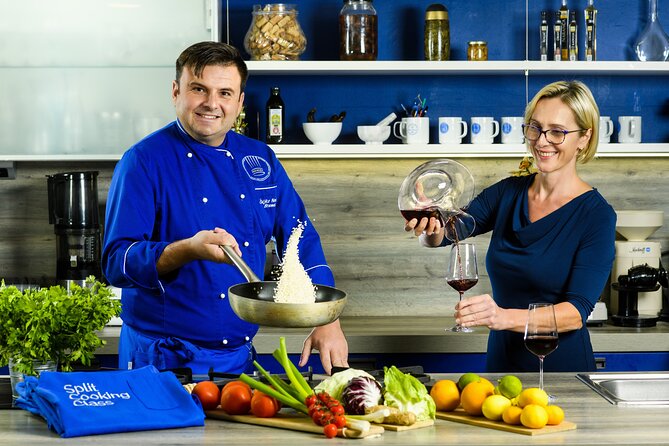
Split’s best cooking lesson starts before you reach the kitchen. You meet at Hrvojeva 4 and head first to the Green Market and Split Fish Market, choosing ingredients with your chef. That simple step gives the meal a local setting, not just a recipe card and a polished demonstration.
I like two things right away: you do the work yourself, including practical jobs such as cleaning fish and preparing dough, and the market walk adds food culture and a little Split orientation. Chefs including Marin, Željko, and Drago are praised for patient teaching and easy conversation.
The main consideration is the price, $211.72 per person. That is a serious spend for lunch, even with wine and a five-hour class. You also need to be happy doing some walking and eating fish if the day’s menu leans that way.
Key points at a glance
- Market-first cooking: Morning bookings include visits to Split’s Green Market and Fish Market to choose ingredients.
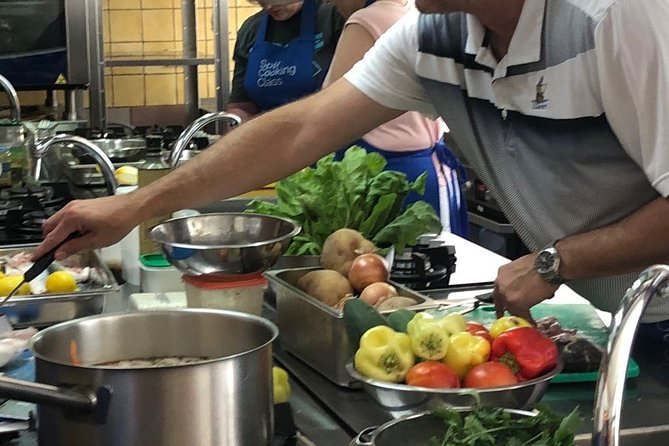
- Real kitchen participation: You chop, prepare, cook, and may learn fish cleaning, bread baking, sauces, risotto, and desserts.
- Chefs with restaurant experience: Instructors such as Marin, Željko, and Drago bring professional kitchen skills and local food knowledge.
- A full half-day: The class begins at 9:00 a.m. and lasts about five hours, with lunch at the end.
- Small-group format: The maximum is 12 people, though off-season groups may be smaller.
- Useful flexibility: Vegetarian guests can be accommodated, and classes without the market walks are also available.
Why the morning market visit matters
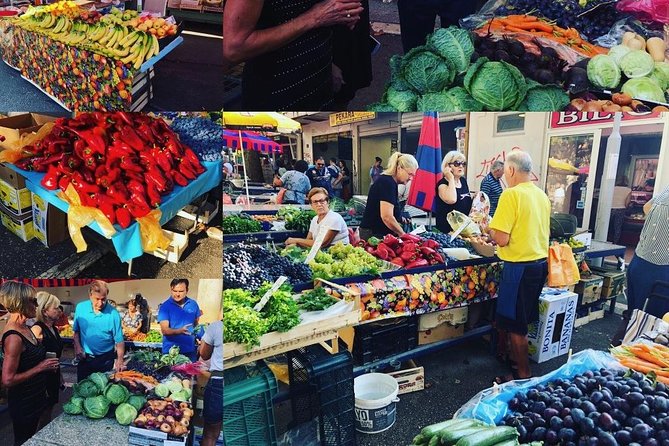
The strongest part of this experience may happen before the first knife is lifted. At the Green Market, you see the produce available that day and learn how local ingredients shape the cooking. The Fish Market adds another layer, especially if you come from a place with a smaller range of seafood.
Your chef helps select the food bought from local producers and fishermen. This makes the meal feel tied to Split rather than pulled from a fixed classroom script. It also gives you a better sense of seasonality. The market’s offer changes through the year, so the ingredients and dishes may not be identical on every date.
The walk between the markets and cooking school also includes some Split background. The meeting point at Hrvojeva 4 is close to the old center and near Diocletian’s Palace, making the start easy to reach on foot from central accommodation. You are not simply driven to an out-of-town kitchen and handed an apron.
There is a small catch. The market portion involves walking, and the full route may not suit someone looking for a seated activity. If that is a concern, the school also offers classes without the vegetable and fish market visits.
More cooking classes around the world:
- Half-Day Thai Cooking Class at Organic Farm in Chiang Mai
★ 5.0 · 19,087 reviews - Florence: Pasta Cooking Class with Unlimited Wine
★ 4.9 · 10,285 reviews - 3 in 1 Cooking Class near Navona: Fettuccine, Ravioli & Tiramisu
★ 5.0 · 7,376 reviews
Inside the professional cooking academy
Once you reach the school, the day shifts from shopping to hands-on cooking. Snacks, drinks, and coffee or tea are included, so you have something to enjoy before the main meal begins. Wine is also part of the experience, including wine tasting and drinks during the cooking session.
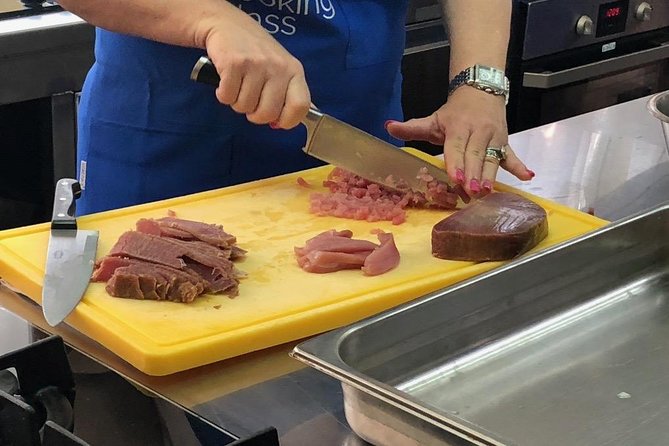
The setting is a proper cooking academy with professional facilities. That matters because the class is not just a chef talking while you watch from the side. You should expect to take part in the preparation, with the chef stepping in to explain, correct, and keep the work moving.
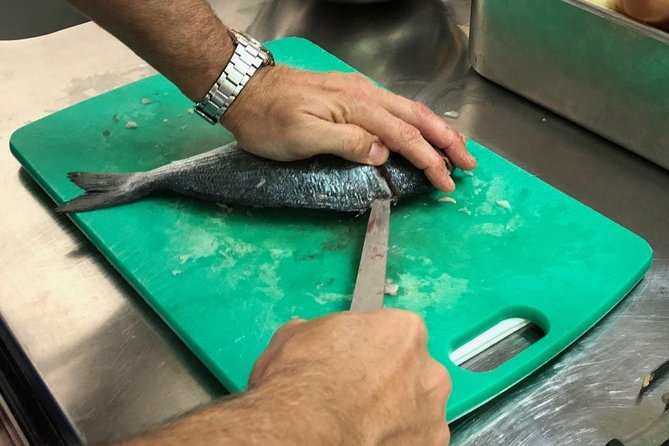
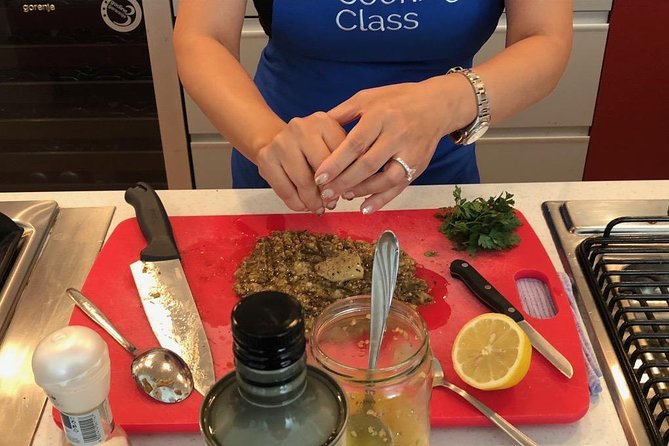
The menu can vary, but the food described from the classes includes seafood dishes, risotto, bread, sauces, vegetables, and desserts. Fish preparation is a particular focus in several sessions. You may learn how to clean or filet a fish, a useful skill that most visitors will not pick up from a standard food tour.
The class is suitable for beginners, but experienced home cooks should not feel out of place. The teaching covers practical details rather than assuming everyone has the same background. If you already cook often, you can still pick up ideas about fish, seasoning, local produce, and the way Dalmatian food is put together.
The school expects you to participate. This is not the right choice if you want a passive demonstration with someone else doing all the chopping. That is part of the appeal, but it also means you may spend much of the morning standing, preparing food, and following instructions.
What you may cook and eat
The advertised sample menu is simply described as a Croatian starter, but the actual dishes can be broader. Classes have included multi-course meals with fish, vegetables, bread, risotto, and desserts. One especially praised dish was risotto, while another class included stingray, a useful chance to try a fish that may not appear often on your home table.
You may also encounter classic combinations such as Swiss chard with potatoes and garlic. These are not flashy ingredients, yet they show how much of Dalmatian cooking depends on fresh produce, seafood, good olive oil, and careful preparation.
Bread baking and dessert preparation are also part of some sessions. The level of participation can differ by dish. Fish and vegetable preparation tends to be more hands-on, while bread or dessert may involve more watching and guidance. If you want to practice every course equally, ask about the menu when booking.
Do not assume the menu is fixed. The market visit helps determine what is available, and fish choices can change. Tell the operator about allergies or dietary needs when you book. A vegetarian option is available, but it must be requested in advance.
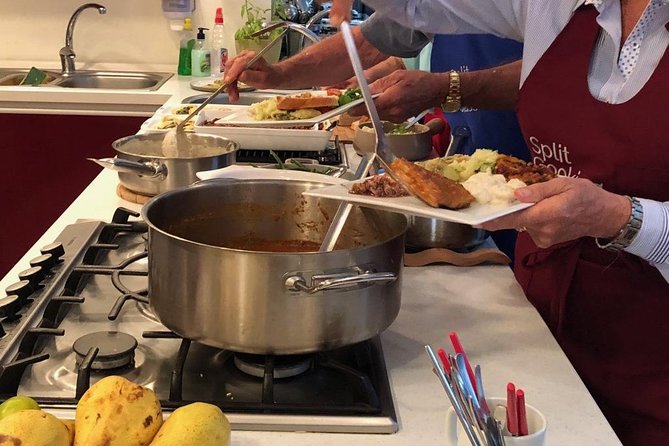
The meal at the end is a major part of the value. You sit down with the group, eat what you helped prepare, and enjoy wine and conversation. In Dalmatia, lunch is not merely fuel between sightseeing stops. A shared midday meal is an important social habit, and the class uses that tradition well.
The teaching style: practical, patient, and personal
The instructors are one of the clearest strengths. Marin is described as passionate and highly engaged, while Željko receives praise for taking time with individual questions. Drago is noted for his warm manner and for helping participants through each step without taking over.
The chef also adds context while you work. You learn not only how to prepare a dish, but why a certain ingredient is used and how the food connects to local life. That background turns a recipe into something you can remember and repeat at home.
A good example is fish cleaning. It can feel intimidating if you have never done it, but patient instruction makes the process manageable. The same is true of making a sauce base, handling dough, or preparing risotto. You leave with techniques, not just photographs of lunch.
Group chemistry will affect the mood. The maximum is 12 people, small enough for questions but large enough that you may share the kitchen with several others. Some dates have only a handful of participants, especially outside the busiest season. A smaller group can allow more direct time with the chef, but you should not book on the assumption that every date will be nearly private.
The class is offered in English. That makes it practical for international visitors, and the instructors’ relaxed style appears suited to questions and conversation. The experience is social, so solo participants can fit in, while couples, families, and food-loving friends have plenty to do together.
Same kitchen, a different dish:
- Florence: Pasta & Tiramisu Cooking Class with Unlimited Wine
★ 4.9 · 6,708 reviews - Florence: Pasta Cooking Class with Unlimited Wine
★ 5.0 · 6,413 reviews - Hanoi Cooking Class: Culture, Local Market & Meaning CSR Impact
★ 5.0 · 5,147 reviews - 5 Traditional Dishes Hanoi Cooking Class with Market Trip
★ 5.0 · 4,890 reviews
How much value do you get for $211.72?
At $211.72 per person, this is not a bargain cooking lesson. You are paying a premium for a five-hour experience that combines a market visit, a guided class, food, beverages, wine, and a full lunch. Hotel pickup and drop-off are included only when that option is selected, so check the booking choice carefully.
The value is strongest if you want several experiences in one morning. You get a short food-focused look at Split’s markets, a local guide, a professional kitchen, hands-on instruction, and a meal. If you would otherwise book a market tour and a cooking class separately, the combined format may make more sense.
It is less compelling if your main goal is simply to eat Croatian food cheaply. You can find a less expensive lunch in Split, and a market visit on its own costs far less. The class earns its price through participation and instruction, especially if you learn skills you will use at home.
I would also consider how much you enjoy organized activities. The class has a planned start, a set meeting point, and a shared menu. That structure is useful, but it leaves less room for a slow morning or spontaneous sightseeing.
The experience is booked, on average, 49 days ahead, which suggests that popular dates can fill early. If the class is central to your Split plans, it makes sense to reserve before arrival rather than treat it as a last-minute option.
Who should book this class
You should consider it if you like food, enjoy asking questions, and want more than a restaurant meal. It is especially well suited to home cooks who want practical ideas to take back to their own kitchen.
Families can also do well here. One family group appreciated the relaxed teaching and the chef’s care in checking that everyone was comfortable with a fish-based menu. Children’s suitability is not specified, so families should confirm details before booking.
This is a good rainy-day plan, too. The market walk gets you outside briefly, then the cooking school provides a comfortable indoor activity. A cooking class also gives you a break from churches, museums, and stone streets without losing contact with local culture.
It may not suit you if you dislike seafood, have strict dietary limits that were not discussed in advance, or want a quick demonstration. The cooking itself is part of the deal, and the day takes about five hours.
Vegetarians are welcome with advance notice. People who need less walking can ask about the version without the market tours. Neither option should be left until the morning of the class, since the menu and planning depend on advance information.
Practical details before you go
The class starts at 9:00 a.m. at Hrvojeva 4, 21000 Split, Croatia. The activity ends back at the meeting point, so you can plan an afternoon in the old center afterward.
Wear comfortable shoes. Only a small amount of walking is involved, but you will visit two markets and move through the cooking school before sitting down to eat. You should also arrive ready to participate rather than simply observe.
Bring any dietary information to the operator when booking. Vegetarian meals are available, and specific allergies can be discussed in advance. Since fish appears in many menus, be clear about your preferences.
The maximum group size is 12. The class is in English and includes a mobile ticket. Confirmation is provided when you book.
Free cancellation is available if you cancel at least 24 hours before the local start time. Cancellations or changes inside that window are not accepted for a refund. The class also requires a minimum number of participants. If the operator cancels because that number is not reached, you will be offered another date or experience, or a full refund.
Is the Split Cooking Class worth booking?
I would book this if you want a substantial food experience rather than a quick tasting. The market shopping, fish preparation, patient chefs, and shared lunch give the morning a clear sense of place. The strongest reason to go is that you do not just hear about Croatian cooking. You handle the ingredients and eat the result.
At $211.72, the class needs to be a highlight of your trip to justify the cost. Book it early if you want the 9:00 a.m. market version, request dietary arrangements in advance, and leave the rest of the day fairly open. If that sounds like your kind of morning, this is one of Split’s better choices for learning, eating, and meeting people around a kitchen table.
FAQ
Where does the Split Cooking Class begin?
It begins at Hrvojeva 4, 21000 Split, Croatia.
What time does the class start?
The class starts at 9:00 a.m.
How long does the experience last?
The cooking class lasts approximately five hours.
Does the class include visits to Split’s markets?
The morning option includes visits to the Green Market and Split Fish Market. Classes are also available without the vegetable and fish market tours.
Is lunch included?
Yes. Lunch, snacks, beverages, coffee or tea, and wine tasting are included.
Is a vegetarian option available?
Yes. A vegetarian option is available, but you should advise the operator when booking.
How many people can join the class?
The activity has a maximum of 12 participants.
What is the cancellation policy?
You can cancel up to 24 hours before the local start time for a full refund. Cancellations or changes made less than 24 hours before the start are not accepted for a refund.
New cooking classes around the world
- Shinjuku Tokyo: Authentic Japanese Home-Style Culinary Class★ 4.9 · 125 reviews
- Shibuya Tokyo: Onigiri & Tamagoyaki Cooking Class★ 5.0 · 4 reviews
- M.O.M COOKING CLASS★ 4.8 · 6 reviews
- Seville: Paella-Cooking Experience with Sangria & Full Meal★ 4.9 · 42 reviews
- Shanghai: Authentic Chinese Cooking Class with Master Chef★ 5.0 · 2 reviews
- Sestri Levante: Pesto & Cooking Classes, Wine Tasting★ 4.9 · 56 reviews
- Seville: Paella Cooking Class & 30-Min Local Expert Q&A★ 4.8 · 37 reviews
- Seoul: Taste of Korea, Authentic Home Style Cooking Class★ 4.9 · 166 reviews
Croatia Cooking Classes, side by side.

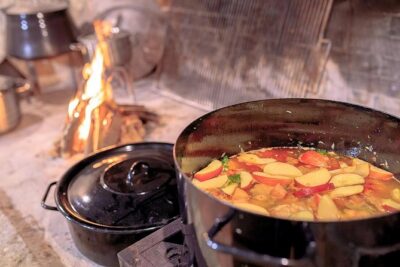
Traditional Cooking Class in Dubrovnik Countryside
Read our review →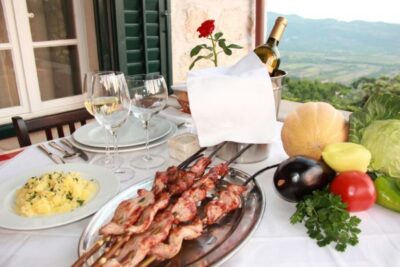
Traditional Dalmatian Cooking Class from Dubrovnik
Read our review →
This kitchen also appears in