
Review · SEOUL
Seoul: Taste of Korea, Authentic Home Style Cooking Class
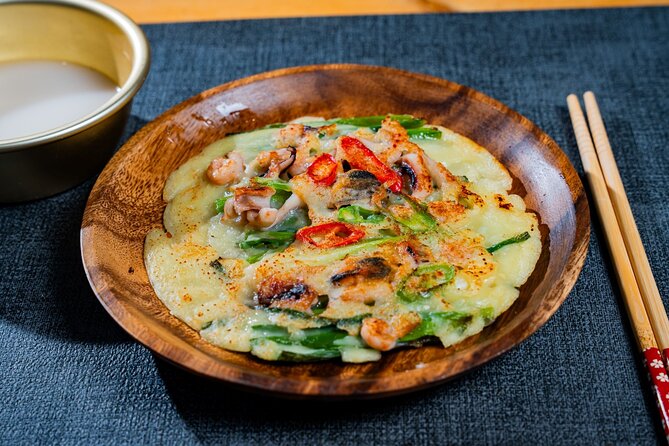
Korean cooking gets personal here. At Hansik Korean Cooking Class, Chef Jennifer turns a three-hour session into a friendly kitchen lesson, with each person working at a dedicated station. You learn dishes such as haemul pajeon and budae jjigae, then sit down to eat what you made with side dishes, drinks, and dessert.
I like the clear, patient teaching and the useful recipes you can repeat at home. I also like the small groups, capped at 10, which give Jennifer time to check your work. The one consideration is the menu: budae jjigae includes ingredients such as spam, hot dogs, and beans, so it may not fit your idea of a traditional Korean meal.
What makes this class worth your time
- Four dishes in one sitting: Recipes may include gimbap, tteokbokki, haemul pajeon, and budae jjigae.
- Your own cooking station: Pre-portioned ingredients and clear demonstrations keep the class easy to follow.
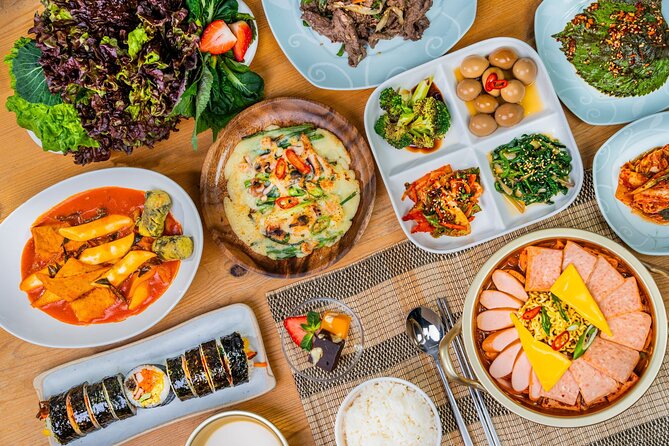
- A meal, not just a lesson: You eat the food you prepare with seasonal banchan, snacks, drinks, and dessert.
- Stories behind the food: Jennifer explains Korean cooking customs and the background of the dishes.
- Easy to fit into a Seoul schedule: Morning and evening sessions are available near Gyeongbokgung Station.
- Good support for dietary needs: Vegetarian substitutions and some other adjustments have been made when requested in advance.
Cooking four Korean dishes near Gyeongbokgung
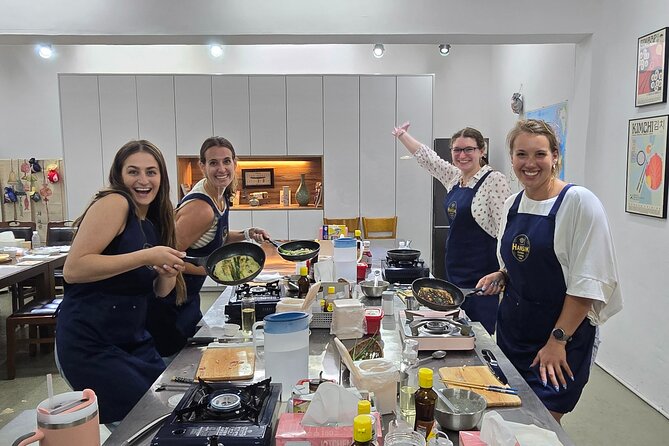
This is more than a quick demonstration where you watch a chef chop vegetables. You prepare food yourself, one stage at a time, then eat it while it is fresh. The advertised duration is three hours, though some sessions have taken around two and a half hours. I would keep the full three hours free, especially if you want time for photos and a relaxed meal.
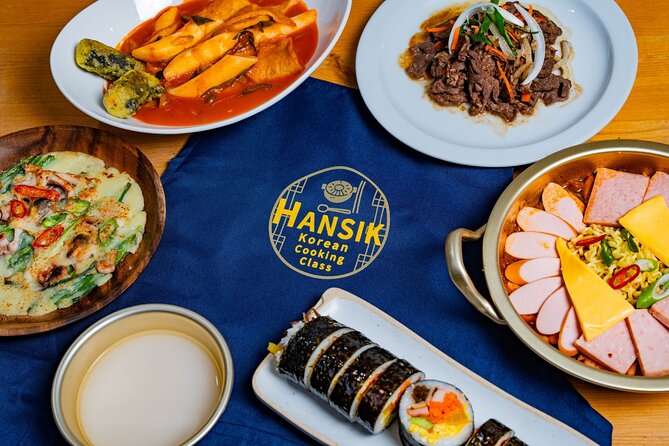
The exact menu can vary, but the advertised dishes cover several sides of Korean food. Gimbap teaches you how rice, vegetables, and fillings are arranged into a neat roll. Tteokbokki brings rice cakes and gochujang, Korea’s red chili paste, into the lesson. Haemul pajeon shows you how seafood and green onions come together in a crisp pancake, while budae jjigae offers a hearty stew with a very different story.
That range is useful. You are not simply making four versions of the same thing. You handle rolling, pan-frying, seasoning, and simmering, with enough variety to give you a real feel for the kitchen.
More cooking classes around Seoul:
- Local Home Korean Cooking Class & Market Adventure in Seoul
★ 5.0 · 1,024 reviews - Master Korean traditional cooking with a Kimchi chef
★ 5.0 · 385 reviews - Seoul: Korean Cooking Class at a Local Home and Market Tour
★ 5.0 · 348 reviews
What happens when you arrive at the cooking studio
The meeting point is Gyeongbokgung Subway Station on Orange Line 3. Use Exit 2, walk straight for about five minutes toward Woori Bank, then look for the small alley between the bank and the K-Pop Store. This final turn is easy to miss, so arrive with a little time to spare.
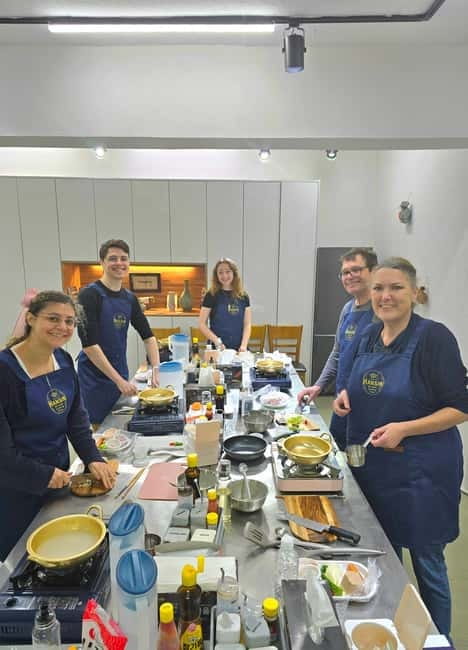
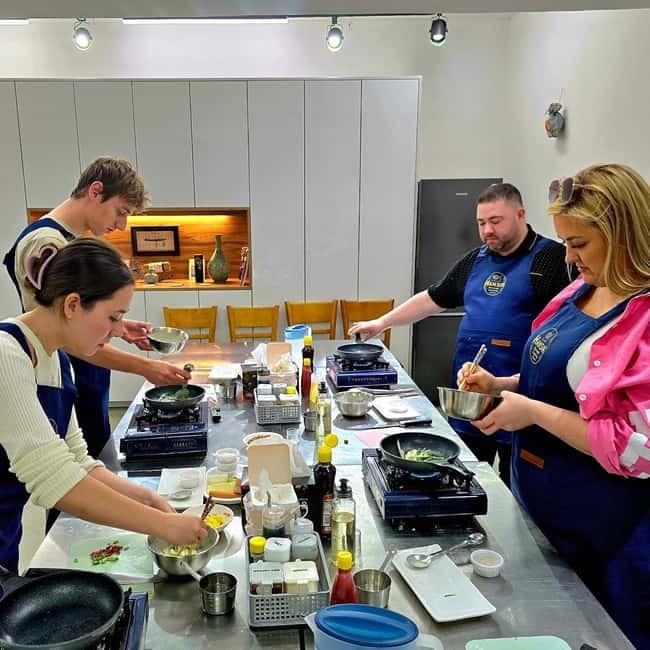
The cooking room is described as clean, spacious, and fitted with individual work areas. That setup matters. You are not crowded around one counter trying to see a single cutting board. Instead, you can follow along at your own pace while Jennifer checks your ingredients and technique.
The class begins with welcome drinks and Korean snacks. Depending on the session, you may try Sikhye, a sweet Korean rice punch, along with tea, coffee, water, or Makgeolli, a traditional rice wine. These small tastes help set the scene before the cooking begins, but they also mean you should not arrive expecting only a light snack.
Step-by-step instruction that works for beginners
Jennifer demonstrates each recipe before you make it. The teaching style is practical and calm. Ingredients are generally prepared and portioned in advance, so you spend your time learning the method rather than washing and measuring every item from scratch.
I especially like the way the class handles quantities. You learn the portions used in class, then receive guidance on how to scale the recipes for larger meals at home. That is the difference between a pleasant holiday activity and a lesson you may actually use later.
You do not need to be an experienced cook. Several people with little confidence in the kitchen have found the instructions manageable, and children aged 11 and 13 have taken part successfully. Jennifer monitors the workstations and offers help as you go, rather than leaving you to copy a demonstration from across the room.
The class also leaves room for mistakes. One useful feature is the relaxed pace. You can work through each step without feeling pushed from one recipe to the next, although a busy session still needs to keep moving to finish all four dishes.
Gimbap and tteokbokki: familiar Korean favorites
Gimbap is a strong choice for a cooking class because the process is hands-on and visual. You learn how to arrange the fillings, spread the rice, and roll the seaweed tightly enough to hold its shape. It is also one of the easiest recipes to repeat at home once you understand the order of the ingredients.
Tteokbokki offers a different lesson. The rice cakes are paired with gochujang, giving the dish its familiar sweet and spicy character. If Korean food is new to you, this is a useful introduction to one of the country’s most recognizable flavors.
These dishes also suit different appetites. Gimbap can be adjusted with different fillings, while tteokbokki gives you a chance to see how a strong sauce is balanced. Jennifer explains the ingredients and the best way to enjoy the finished food, rather than treating the recipes as a set of disconnected tasks.
Same kitchen, a different dish:
- Seoul: Korean Cooking at Seoul Cooking Club!
★ 5.0 · 311 reviews - Seoul: Royal Seoul Cooking Class in a 100-Year-Old Hanok
★ 5.0 · 96 reviews - Seoul: Kimchi Dishes Cooking Class with Wine Pairing
★ 4.7 · 38 reviews - Seoul: Temple Vegan Cooking Class & Oriental Medicine Tour
★ 4.6 · 32 reviews
Haemul pajeon and budae jjigae bring the meal together
Haemul pajeon is the more immediate crowd-pleaser for many people. Green onions and seafood are combined in a batter and cooked as a savory pancake. You learn how to handle the pan and how to judge when the outside is ready, then eat it soon after cooking.
Budae jjigae is the class dish that deserves a little context. Often called Korean military stew, it developed from the use of available ingredients after the Korean War, including processed meats, beans, and other additions. It is now a familiar Korean comfort food, but it is not an ancient royal recipe or a market classic.
That distinction matters if you are choosing this class to study older Korean culinary traditions. One participant liked the cooking lesson but felt army stew did not match the goal of exploring Korean food. I think the dish is valuable for understanding modern Korean food culture, but you should know what you are signing up to make.
If you do not eat red meat or follow a vegetarian diet, tell the provider when booking. Vegetarian substitutions have been made successfully, and red meat adjustments have also been arranged. The available information does not promise that every dietary request can be handled, so confirm before you go.
Sit down to a generous Korean meal
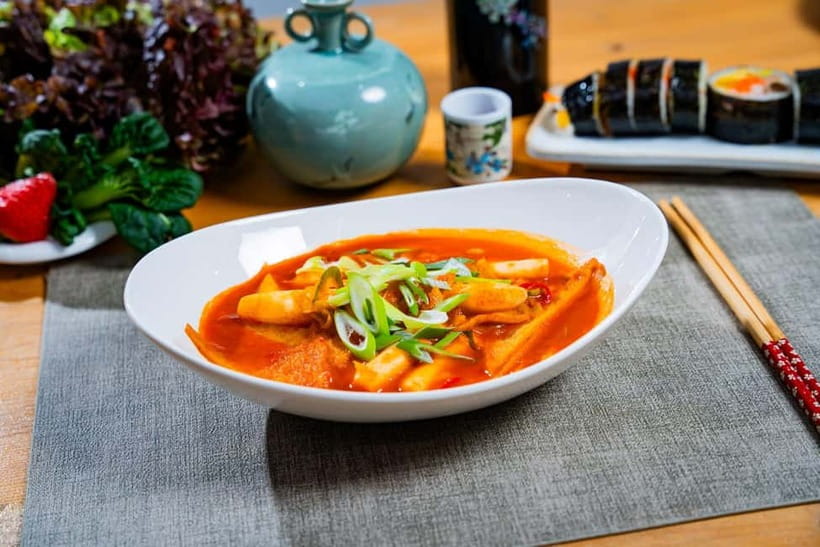
The class ends with a full meal built around the dishes you have prepared. Seasonal banchan, or small Korean side dishes, add variety to the table. You may also receive extra food, traditional drinks, snacks, and Korean desserts.
Come hungry. The amount of food is one of the class’s strongest points, but it can also be a lot if you eat a full meal just beforehand. Some sessions have included extra pork with lettuce, additional drinks, and enough food for people to take leftovers away.
Takeaway packaging may be simple bags rather than proper food containers. That works for dry items such as gimbap, but it may be less useful for carrying soup. If you expect to take home budae jjigae, bring a suitable container if practical, or ask what packaging is available.
The shared meal is also the social part of the class. You can compare the dishes while they are fresh, ask questions, and meet people from other countries. Solo visitors may find this especially pleasant because the cooking gives everyone an easy subject to talk about.
Korean food culture, explained without a lecture
Jennifer adds background about Korean cooking customs and the story behind the dishes. The class does not treat food as a list of ingredients. You hear why certain dishes matter, how they are served, and how Korean meals use several side dishes around a main item.
That context makes the recipes easier to remember. When you understand why a dish developed or how it fits into everyday eating, you are more likely to recognize it later in Seoul and know how to approach it.
The teaching is in English. English ability has been described as strong, and the instructions are given through demonstrations as well as spoken explanations. That combination helps if cooking vocabulary is not your strong point.
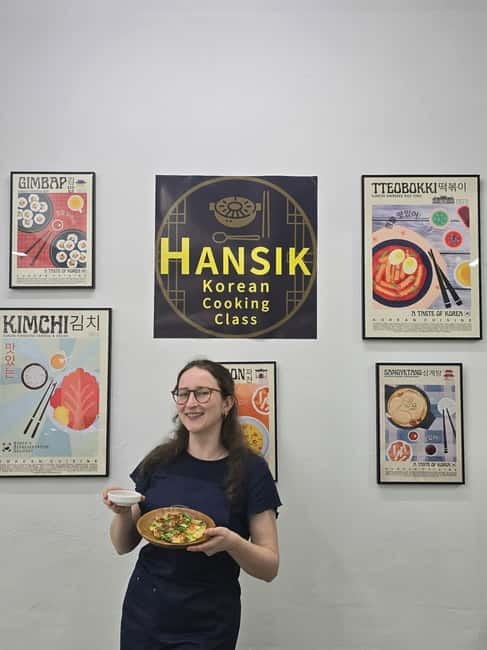
The provider is Hansik Korean Cooking Class. The supplied information consistently identifies Jennifer as the main chef and host, though a few comments refer to other names. If meeting a specific instructor is important to you, confirm the teacher when booking.
Is $89 a fair price?
At $89 per person, this is not the cheapest way to eat Korean food in Seoul. You could spend far less on a meal at a local restaurant. The value comes from the combination of instruction, ingredients, cooking equipment, a full meal, snacks, drinks, dessert, recipes by email, and about three hours of guided time.
It also saves you from buying a large collection of unfamiliar ingredients for a single home experiment. You get to handle the recipes first, ask questions, and learn how to adjust portions before trying them again.
The price makes the most sense if you want to cook, not simply taste. If your priority is finding the lowest-cost meal or seeing a professional kitchen show, this is probably not the right use of your budget. If you want a practical activity that combines food, culture, and conversation, the package is strong.
The score of 4.9 from 166 ratings points to a very consistent experience, especially around the teaching, food, and friendly atmosphere. Still, the menu and generous portions may not suit everyone. The class is best value for people who enjoy active participation and want recipes they can make after returning home.
Timing, group size, and booking advice
Morning and evening sessions are offered, so you can place the class around palace visits, shopping, or other Seoul plans. The location near Gyeongbokgung makes it easy to pair with a day in the surrounding area.
Groups are limited to 10 people. Smaller sessions can be much smaller, sometimes only two or four people, which gives Jennifer more time to help each person. Group size may affect the feel of the class, but the limit keeps it from becoming a large demonstration.
You can cancel up to 24 hours before the start for a full refund, and the reserve-now, pay-later option keeps your schedule flexible. Check the available start times when booking because the exact morning or evening schedule is not fixed.
Who should take this Seoul cooking class?
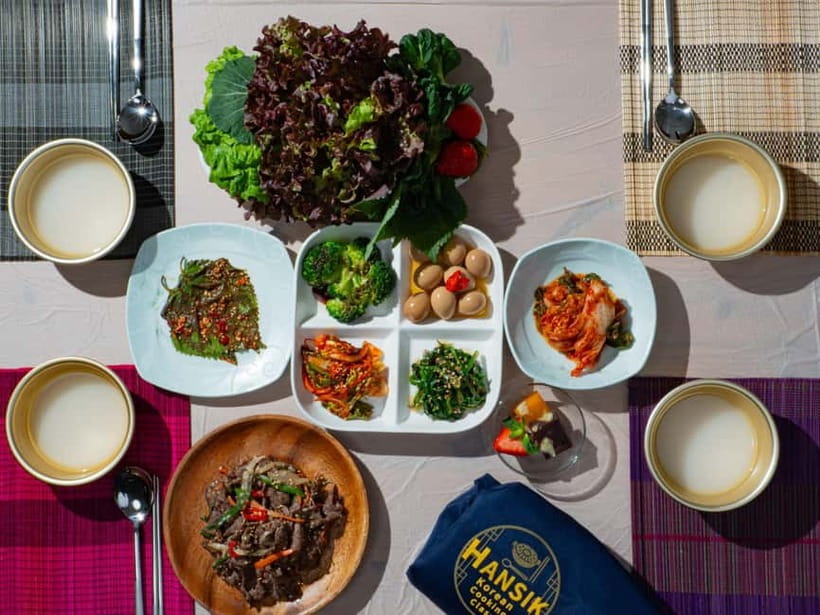
I would choose this class for first-time visitors who want more than restaurant meals, solo visitors looking for an easy social activity, and families with older children. It also works well for anyone who wants practical Korean recipes rather than a purely cultural talk.
Vegetarians and people avoiding red meat should contact the provider before arrival. Adjustments have been possible, but the class includes dishes that commonly use meat or seafood.
I would think twice if you dislike cooking, want a very quiet private lesson, or are looking for a menu made only from old or strictly traditional recipes. Budae jjigae is a modern comfort food with processed ingredients, and the small-group format is friendly rather than private.
Should you book Hansik Korean Cooking Class?
Book it if you want a hands-on Seoul activity with a generous meal at the end. Jennifer’s patient instruction, individual cooking stations, useful portion advice, and explanations of Korean food culture give the class lasting value.
Before paying, check the current menu and tell the provider about dietary needs. Keep three hours free, arrive early enough to find the alley near Woori Bank, and come with an appetite. For a practical introduction to home-style Korean cooking, this is a well-priced choice.
FAQ
How long is the Korean cooking class?
The advertised duration is three hours. Some sessions have lasted around two and a half hours, so you should allow the full three hours in your schedule.
Where is the meeting point?
Meet at Gyeongbokgung Subway Station, Orange Line 3, Exit 2. Walk straight for about five minutes toward Woori Bank, then find the small alley between the bank and the K-Pop Store.
What language is the class taught in?
The class is taught in English.
How many people are in the group?
The group is limited to 10 participants. Some sessions may be smaller.
Which dishes will I cook?
The advertised menu includes gimbap, tteokbokki, haemul pajeon, and budae jjigae. The exact selection may vary by session.
Is food and drink included?
Yes. The package includes the food you prepare, seasonal banchan, Korean snacks, water, tea, coffee, Sikhye, Makgeolli, and Korean desserts.
Are ingredients and cooking equipment included?
Yes. All ingredients and equipment for the class are included.
Can I receive the recipes afterward?
Yes. Recipes are sent by email.
Can dietary requirements be accommodated?
Vegetarian substitutions and some adjustments for people who do not eat red meat have been made. Contact Hansik Korean Cooking Class before booking or attending to confirm your specific needs.
New cooking classes around Seoul
- Seoul: Korean Kimchi Cooking Class in the Heart of the City★ 5.0 · 3 reviews
- Seoul: Premium Korean Feast Cooking Class★ 5.0 · 3 reviews
- (Seoul) Korean Cooking Class with a Professional Chef★ 5.0 · 14 reviews
- Seoul: Korean Home Visit, Cooking & Cultural Experience★ 5.0 · 2 reviews
- Seoul: Korean Cooking Class with Local Grocery Shopping★ 5.0 · 13 reviews
- Seoul: Cooking Class and Tour with Michelin-Trained Chef★ 5.0 · 11 reviews
- Seoul: Authentic Korean Cooking Class and Market Tour★ 5.0 · 6 reviews
- Seoul: Kimchi Dishes Cooking Class with Wine Pairing★ 4.7 · 38 reviews
Seoul Cooking Classes, side by side.
Local Home Korean Cooking Class & Market Adventure in Seoul
Read our review →
Master Korean traditional cooking with a Kimchi chef
Read our review →
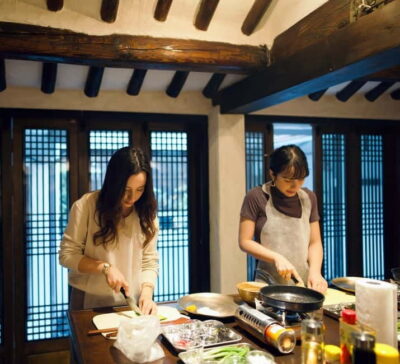
Seoul: Royal Seoul Cooking Class in a 100-Year-Old Hanok
Read our review →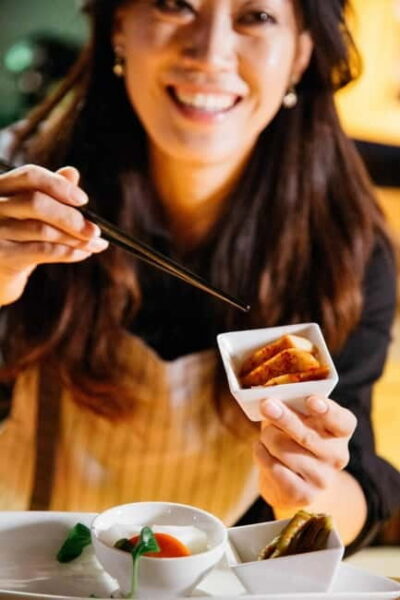
Seoul: Kimchi Dishes Cooking Class with Wine Pairing
Read our review →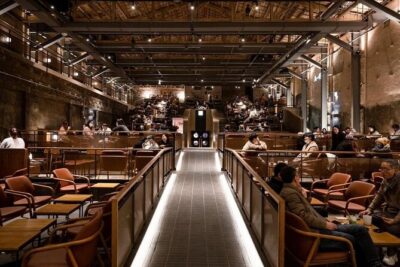
Seoul: Temple Vegan Cooking Class & Oriental Medicine Tour
Read our review →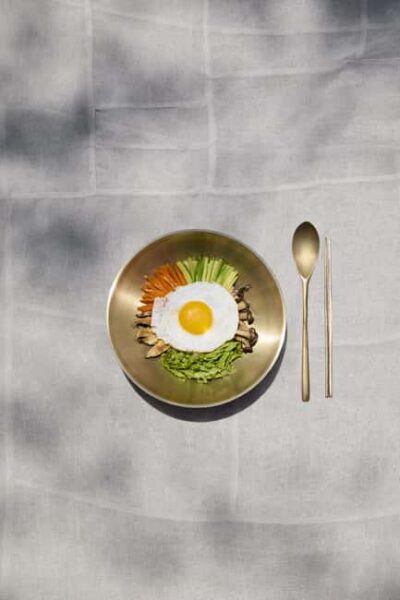
Seoul: Experience Korean Cooking in Modern Hanok Kitchen
Read our review →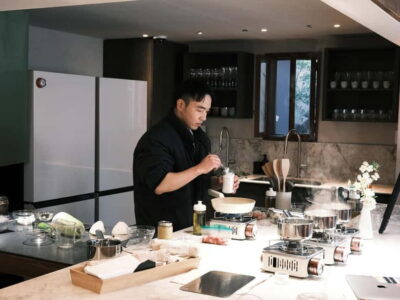
From Forest to Table: A Hansik Cooking Journey in Seoul
Read our review →This kitchen also appears in