Review · TOKYO
Private Home Cooking in Yanaka – Local Flavors in a Warm Setting
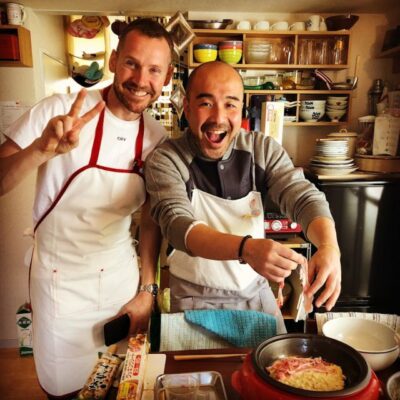
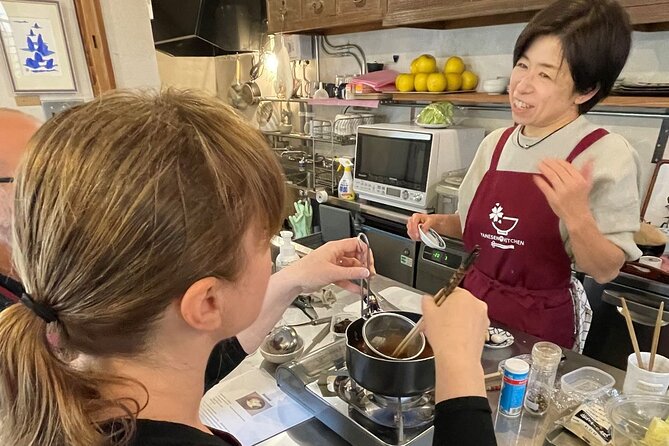
Japanese cooking here is hands-on and wonderfully ordinary. You might knead udon dough with your feet, prepare dashi from kombu and bonito flakes, roll sushi, or make miso-glazed eggplant, all in a small home-style cooking space near Yanaka Ginza. Yuki and the English-speaking teaching team put you to work rather than leaving you to watch.
I especially like the chance to choose dishes ahead of time and the direct, personal instruction. The class also pairs neatly with a walk through Yanaka Ginza and the older Yanesen district, one of Tokyo’s more relaxed areas. The main drawback is finding the meeting point, which sits on a side street and has confused some people. Allow extra time, and ask at the Yanesen Tourist Information and Culture Center or the nearby coffee shop for help.
Key points at a glance
- Cook dishes you can repeat at home: Recipes include miso soup, gyoza, tempura, sushi, udon, okonomiyaki, bento, oyakodon, and nikujaga.
- Choose your menu in advance: Plan A lets you choose one main dish, while Plan B lets you choose two appetizers.
- Get real one-on-one help: This is a private activity, so a solo booking may become a personal lesson.
- Meet near Yanaka Ginza: The cooking space is about 100 meters from the shopping street.
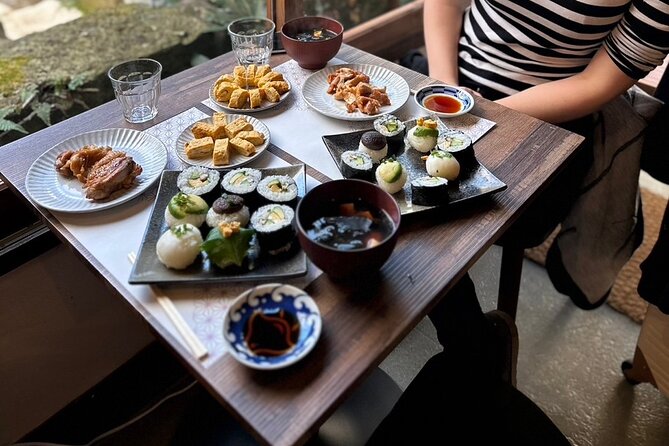
- Expect a generous meal: You eat what you prepare, and several menus produce enough food for a filling lunch or dinner.
- Tell the host about food needs early: Vegetarian, vegan, allergy-related, and other requests can be discussed up to two days before the class.
Cooking everyday Japanese food in Yanaka
This experience is less about restaurant-style presentation and more about learning the food Japanese families actually cook. You work with familiar ingredients and practical methods, then sit down to eat the meal you prepared.
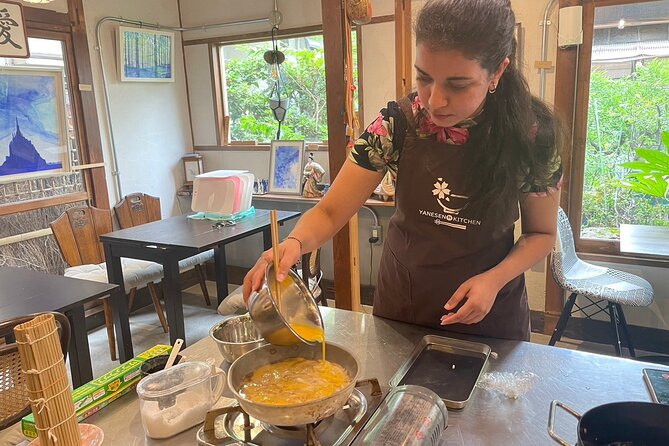
That difference matters. A sushi demonstration can be entertaining, but it does not always help you cook dinner at home. Here, you may learn how to build a basic dashi, judge frying oil, handle a square omelet pan, fold gyoza, or season miso soup. These are small skills, but they make Japanese food easier to understand once you return home.
The setting is described as a local home kitchen, though one account makes clear that it is better understood as a small, homey studio or workshop connected with the Yanesen Tourist Information and Culture Center. Do not expect a large cooking school with rows of stations. The appeal is the intimate scale and the chance to talk directly with your instructor.
The class is taught in English. Yuki is the instructor named most often in the available information, while other sessions have included Yukiko, Yuli, and Uki. The teaching style is practical: you chop, slice, mix, knead, and cook while your instructor explains what to do and why it matters.
More Home Cooking Classes in Japan
- Japanese Home Cooking Class & Walk in Todoroki Temple Tokyo
★ 5.0 · 88 reviews - Near Fushimiinari: Kyoto Home Cooking Class & Supermarket tour
★ 5.0 · 100 reviews - Private Japanese Home Cooking Class in Kyoto with Michiyo
★ 5.0 · 55 reviews
Meeting near Yanaka Ginza
Your meeting point is the YANESEN Tourist Information and Culture Center at 3-chōme-13-7 Yanaka, in Taito City. The cooking space is about 100 meters from Yanaka Ginza, so this is a good activity to combine with a neighborhood walk.
The exact meeting arrangement deserves attention. The entrance can be hard to spot, particularly if you arrive expecting a plainly marked cooking school. Directions indicate that the site is on a side street off Yomise Street, and the nearby coffee shop called Ko Hi Ko Jo can help direct you. Some people have also asked staff at the center or coffee shop to point them toward the class.
My practical advice is simple: arrive early, keep the meeting address open on your phone, and do not wander too far down Yanaka Ginza if you cannot see the center. The provider can also be contacted for assistance, and staff may come to find you.
Once you are oriented, the location works in your favor. Yanaka is known for its older streets, small shops, and quieter residential feel. You are still in central Tokyo, but the mood is less polished and commercial than in Ginza or Shibuya. Plan to browse Yanaka Ginza before or after the class, but remember that the activity itself ends back at the meeting point.
Choosing your two-hour menu
The menu is not fixed in the way a standard group class often is. When you reserve, you can request dishes and discuss allergies or other food needs. The information asks you to make those requests by the reservation form, ideally no later than two days before your cooking date.
The listed workshop structure gives you two broad choices:
- Plan A: choose one dish from the main-course selection.
- Plan B: choose two dishes from the appetizer selection.
The full menu is not displayed in the supplied details, but the dishes prepared in different sessions give you a useful idea of the range. You might cook miso soup, okonomiyaki, nasu dengaku, tonkatsu, oyakodon, nikujaga, gyoza, karaage, tempura, rolled sushi, soba, or udon.
Bento lessons are another popular format. These may include rolled omelet, onigiri rice balls, and arranging the box. That is a good choice if you want a practical lunch format rather than a single large dish.
If you are interested in noodles, ask about udon or soba. The udon lesson can include kneading dough with your feet inside a sealed bag, a traditional method that is both useful and amusing. If you prefer sauces and seasoning, ask about nasu dengaku, eggplant finished with a miso glaze, or a meal that includes homemade miso soup.
The flexibility is valuable, but you need to use it. Do not assume that every dish will be available on the day without advance discussion. Send your menu request early and spell out dietary restrictions clearly.
What the cooking lesson feels like
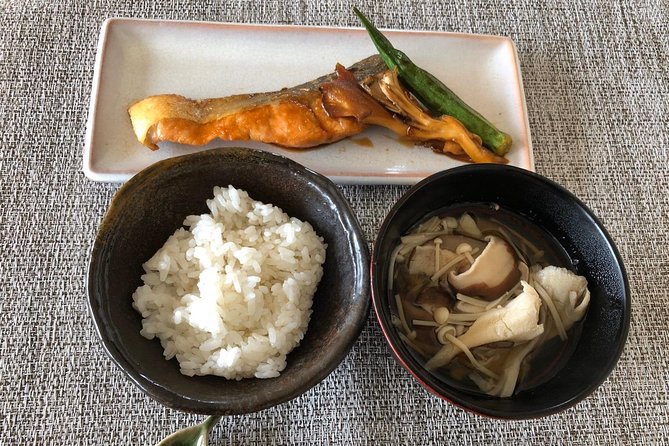
The class begins with ingredients and preparation rather than a long lecture. You may chop vegetables, slice ingredients, grind, mix, and set up the cooking area while your instructor explains the method.
That hands-on approach is the heart of the experience. You are not simply copying movements. You learn why Japanese cooks use particular ingredients and tools, and how small changes affect the result. One lesson, for example, covered homemade dashi with kombu, wakame, and bonito flakes. Another explained that miso from Nagoya is darker and stronger than some other varieties.
You might also learn techniques that are easy to overlook in a restaurant kitchen. The class can show you how to tell when oil has reached the right temperature for tempura, how to prepare fish Japanese-style, or how to use a square pan for rolled omelet. Those details are useful because they replace guesswork with something you can repeat.
The English instruction is a major advantage. Yuki is described as a patient and clear teacher, and the instructors have explained recipes well to both adults and children. The class also leaves room for conversation about daily life in Yanaka, local ingredients, food customs, and your own home cooking.
This is not a silent technical workshop. You will likely spend as much time talking as cooking, which makes the class friendly and personal. If you want a fast, highly formal lesson with restaurant-level precision, this may feel relaxed. If you want to ask questions freely, the relaxed format is a benefit.
More Private Cooking Classes in Japan
- Unique Private Cooking Class with a Tokyo Local Emi
★ 5.0 · 131 reviews - Tokyo: Private Japanese Cooking Class with a Local Chef
★ 5.0 · 81 reviews
Dashi, miso, and the logic behind Japanese flavor
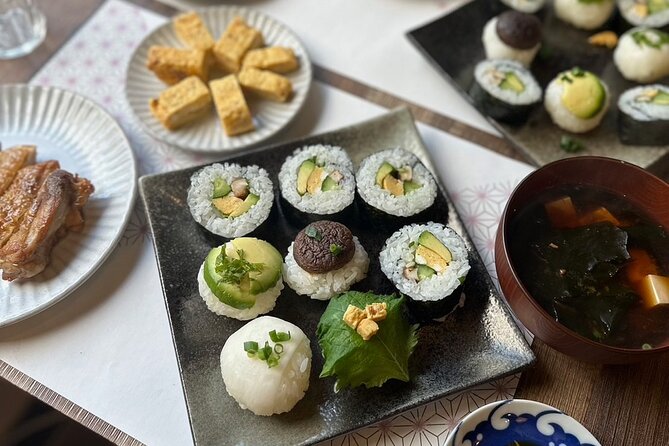
Miso soup is one of the best examples of what this class does well. It looks simple, but a good version depends on the stock, the timing, and the balance of ingredients.
You may start with kombu and bonito flakes to make dashi, then add wakame and miso. The point is not only to produce soup for the meal. You learn how Japanese cooks build flavor before adding the final seasoning.
The same lesson applies to nasu dengaku, where eggplant is paired with a sweet-savory miso glaze. One menu used two different glazes and sesame seeds, showing how a small change in seasoning can give the same vegetable a new character.
I like this part of the class because it helps you understand Japanese food beyond the labels. You are not just told that miso is salty or that dashi is savory. You see how these ingredients work together in an everyday meal.
From gyoza and sushi to udon and bento
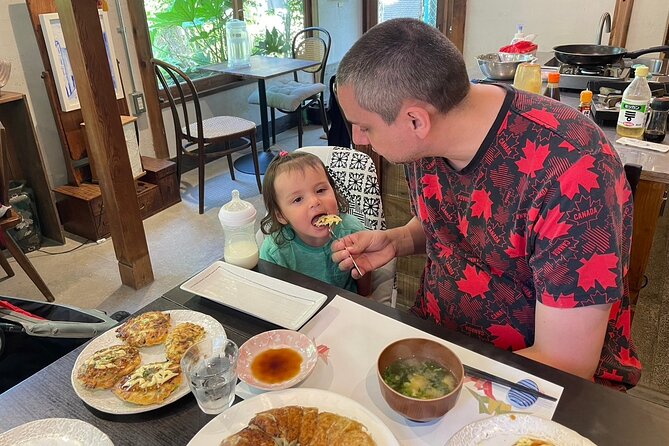
The class has enough variety to suit different interests.
Gyoza offers a social, hands-on option. You prepare the filling, shape the dumplings, and cook them together. It is a good pick for families or couples who want a task that keeps everyone involved.
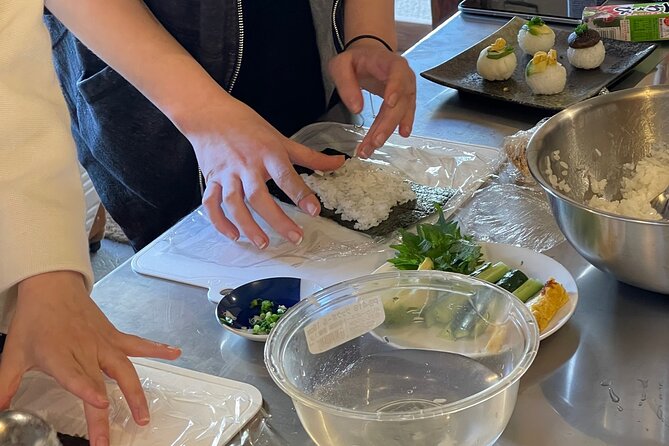
Sushi and bento are more detail-oriented. Rolled sushi teaches you how to handle rice and fillings, while bento introduces arrangement and portioning. Making onigiri and a rolled omelet gives you skills that are easy to use for a packed lunch at home.
Udon is one of the more unusual options. Kneading the dough with your feet, while keeping it inside a zippered bag, is a traditional technique that turns a basic noodle lesson into a memorable activity. You also learn how to prepare tempura, including the practical matter of judging oil temperature.
Okonomiyaki is another approachable choice. This savory pancake uses a mixture of ingredients and gives you room to understand how Japanese cooks turn simple staples into a complete meal.
For a classic home-style menu, consider oyakodon and nikujaga. Both use ingredients that are available in many supermarkets outside Japan, so you can recreate them without searching for specialty products. That practical quality adds real value to the class.
The meal at the end
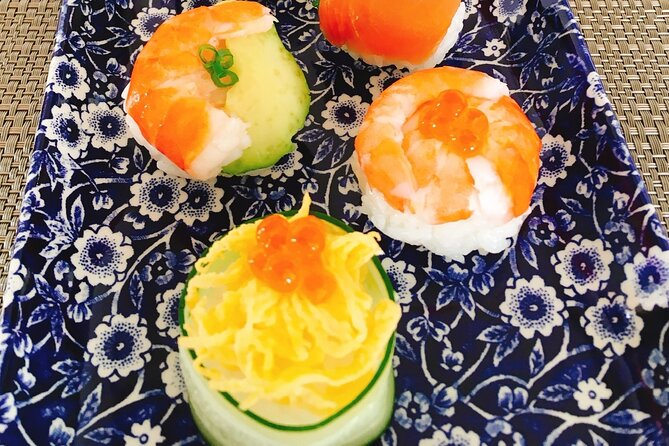
After the preparation, you eat together at the cooking space. You are not handed a token tasting portion. Several menus produce a generous amount of food, enough for a proper lunch or dinner, with some people having extra to enjoy later.
This shared meal is where the lesson becomes a social experience. You can ask final questions, compare the finished dishes, and talk about Japanese food in a more relaxed way. The host may also offer ideas for restaurants and food stops in the area.
The meal is especially useful for first-time visitors who want an easy introduction to Japan. You arrive with a clear activity, learn familiar dishes, and leave with a better sense of how Japanese households use ingredients and tools.
Still, remember that the class lasts about two hours. A menu involving several dishes may move at a steady pace, and you should not expect a full culinary course covering every technique. The value comes from focused practice and conversation, not from trying to cook an entire restaurant menu.
The cost and who gets good value
At $122.23 per person, this is not a budget meal. You are paying for a private, English-language lesson, ingredients, instruction, and the meal you prepare. The price makes more sense if you value personal attention and want recipes you can use after your trip.
For a solo visitor, the format can be particularly appealing. A small group activity may function as a one-on-one lesson, giving you more time to ask questions and adjust the menu to your interests. Couples and families also benefit because everyone can take part rather than watching one instructor demonstrate.
Group discounts are available, though the exact savings are not provided. Check the final price for your party before booking. The activity also uses a mobile ticket, which is convenient as long as you have the meeting details ready.
The class is less compelling if your main goal is simply to eat inexpensive Japanese food. Yanaka has many places to eat for less than the activity price. Book this for the instruction, the personal exchange, and the chance to take useful cooking skills home.
Practical details before you reserve
The experience lasts about two hours and is available as a lunch or dinner class. It is a private activity, so only your group takes part.
You can request vegetarian, vegan, allergy-related, and other menu adjustments. Give full details when you reserve, then use the contact form to discuss the menu up to two days before the class. Do not wait until arrival, since the ingredients and preparation need to be arranged in advance.
Service animals are allowed, and the meeting point is near public transportation. The activity requires a minimum number of participants and suitable weather. If the provider cancels for those reasons, you can choose another date or experience, or receive a full refund.
You can cancel for a full refund up to 24 hours before the start time. Changes made inside that 24-hour window are not accepted, and the cut-off follows local Tokyo time.
Should you book this Yanaka cooking class?
Book it if you want to cook, not just watch. The strongest reasons are the private format, the English-speaking instructors, the flexible menu, and the practical dishes that you can repeat at home.
It is particularly well suited to solo visitors, couples, families, and anyone who wants a gentle first activity in Tokyo. Pair it with a stroll through Yanaka Ginza, and you get both a neighborhood visit and a meal with local context.
Skip it if you dislike small home-style spaces, want a large professional kitchen, or only want the cheapest possible meal. Also take the meeting directions seriously. With a little planning, this class offers a personal look at ordinary Japanese cooking in one of Tokyo’s most appealing older neighborhoods.
FAQ
Where does the cooking class meet?
It starts at the YANESEN Tourist Information and Culture Center, 3-chōme-13-7 Yanaka, Taito City, Tokyo 110-0001. The cooking space is about 100 meters from Yanaka Ginza, and the activity ends back at the meeting point.
How long does the experience last?
The class lasts approximately two hours.
Is the class private?
Yes. Only your group participates in the activity.
Can I choose lunch or dinner?
Yes. You can choose a lunch or dinner cooking class to fit your schedule.
What dishes can I request?
Possible dishes include miso soup, gyoza, tempura, sushi, udon, soba, okonomiyaki, bento, oyakodon, nikujaga, tonkatsu, karaage, and miso-glazed eggplant. The available menu should be discussed when you reserve.
Can I request vegetarian or vegan food?
Yes. Vegetarian, vegan, allergy-related, and other requests can be arranged if you provide the details when making your reservation.
How far in advance should I discuss menu requests?
You can discuss your menu and requests through the contact form up to two days before the cooking date.
Is the class taught in English?
Yes. The cooking instructor can teach in English, and the teaching team has provided English instruction during the lessons.
What is the cancellation policy?
You can cancel up to 24 hours before the experience for a full refund. Cancellations or changes made less than 24 hours before the start time are not accepted for a refund.
More Private Cooking Classes in Tokyo
- PRIVATE Authentic Balinese Cooking Class in Ubud at Putu’s Home
★ 5.0 · 644 reviews - Rome: Pasta Making Class with Tiramisu & Wine PRIVATE OPTION
★ 4.8 · 404 reviews - Private Market Tour & Cooking Class in Puerto Vallarta with Manu
★ 5.0 · 241 reviews - Private Cooking Class with 5 dishes of your choice
★ 5.0 · 227 reviews
More Home Cooking Classes in Tokyo
- Khmer Cooking Class at a Local’s Home in Krong Siem Reap
★ 5.0 · 2,731 reviews - Porto: Pastel de Nata Cooking Class with Grandma’s Recipe
★ 5.0 · 1,565 reviews - Siem Reap: Khmer Cooking Class at a Local’s Home
★ 5.0 · 1,108 reviews - Local Home Korean Cooking Class & Market Adventure in Seoul
★ 5.0 · 1,024 reviews
New cooking classes around Tokyo
- Shinjuku Tokyo: Authentic Japanese Home-Style Culinary Class★ 4.9 · 125 reviews
- Shibuya Tokyo: Onigiri & Tamagoyaki Cooking Class★ 5.0 · 4 reviews
- Ramen Making from Scratch +Akihabara Tour –Cooking Class★ 5.0 · 25 reviews
- Japanese Knife Skills & Tuna Don/Sushi Workshop in Tokyo★ 5.0 · 3 reviews
- AKEMI’s SUSHiKiTCHEN: A fun sushi cooking lesson in Tokyo★ 5.0 · 5 reviews
- Tokyo: Private Japanese Cooking Class with a Local Chef★ 5.0 · 81 reviews
- Unique Private Cooking Class with a Tokyo Local Emi★ 5.0 · 131 reviews
- Japanese Home Cooking Class & Walk in Todoroki Temple Tokyo★ 5.0 · 88 reviews
Tokyo Cooking Classes, side by side.
Ramen & Gyoza Cooking Class in Tokyo with Local Supermarket Visit
Read our review →
Tokyo Tsukiji Fish Market Tour and Sushi Making Lesson
Read our review →
Tokyo: Easy Ramen Cooking Experience in Kabukicho, Shinjuku
Read our review →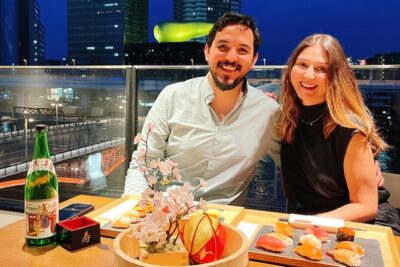
Ramen and Sushi Cooking Class with Sake Pairing Set in Tokyo
Read our review →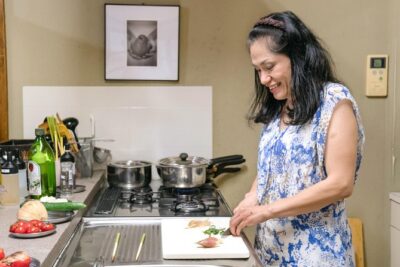
Unique Private Cooking Class with a Tokyo Local Emi
Read our review →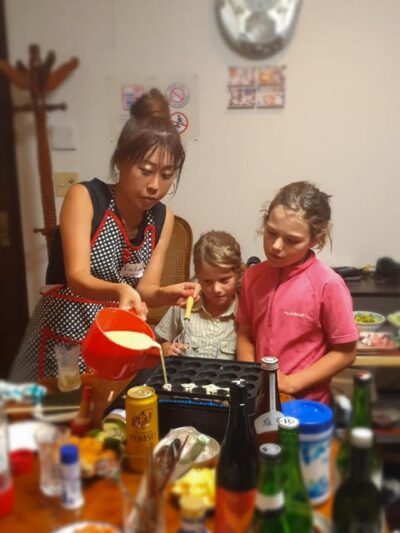
Shinjuku Tokyo: Authentic Japanese Home-Style Culinary Class
Read our review →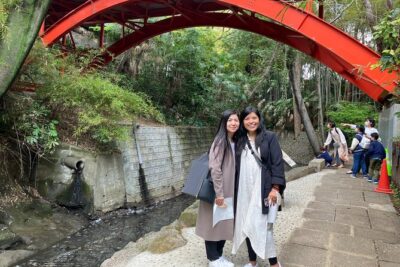
Japanese Home Cooking Class & Walk in Todoroki Temple Tokyo
Read our review →