
Review · KYOTO
Near Fushimiinari: Kyoto Home Cooking Class & Supermarket tour
The best part of this Kyoto experience is that it puts Japanese food in its proper setting: a local home, not a restaurant kitchen. You learn several kinds of dashi, prepare about five dishes, then eat them together in a traditional room with tatami flooring and a garden view.
I like the small group limit of six, which gives you room to ask questions and work with the instructor. I also like the supermarket visit, since Japanese packaging and unfamiliar ingredients can make even a simple recipe hard to repeat at home. The main consideration is price: at $118.92 per person, this is a premium half-day activity, and drinks are not included.
Key points to know before booking
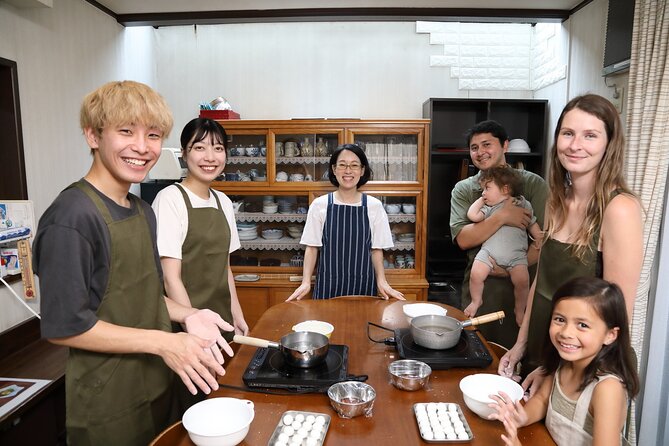
- A real home setting: The class takes place in a traditional Japanese house with a tatami room, tokonoma display area, and garden view.
- Dashi comes first: You learn about the soup stocks used in much of Japanese cooking before preparing the dishes.
- Hands-on cooking: Expect to make about five dishes, either alone or with a partner, after watching demonstrations.
- Miho is a frequent instructor: She is described as friendly, clear, and easy to understand in English.
- The supermarket tour has practical value: A 30-minute visit helps you identify the ingredients used in class and choose items to buy.
- Small and social: The class accepts no more than six people, making it a good fit for solo visitors.
A Japanese cooking class near Fushimi Inari
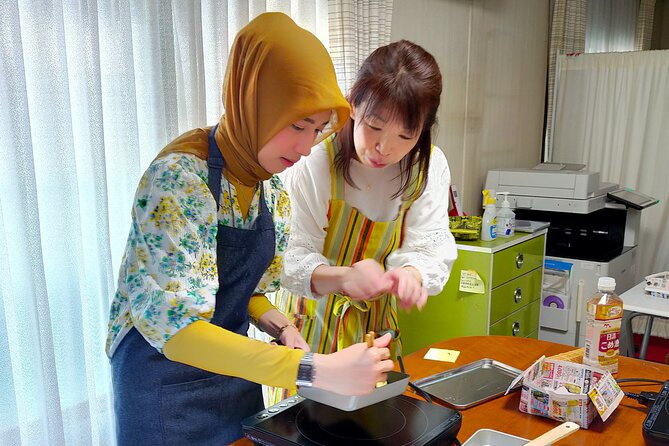
This four-hour class begins at 9:30 a.m. at 38-4 Fukakusa Watamoricho in Fushimi Ward, near Fushimi Inari Shrine. The activity ends back at the same meeting point, so you can plan the rest of your day from there.
The location matters. Fushimi Inari is one of Kyoto’s best-known sights, and pairing a morning at the shrine with a home cooking class gives your day a useful rhythm. You can handle the class first, then continue sightseeing, or visit the shrine before the 9:30 start if your schedule allows. The exact walking time from the shrine is not provided, so check your route before setting out.
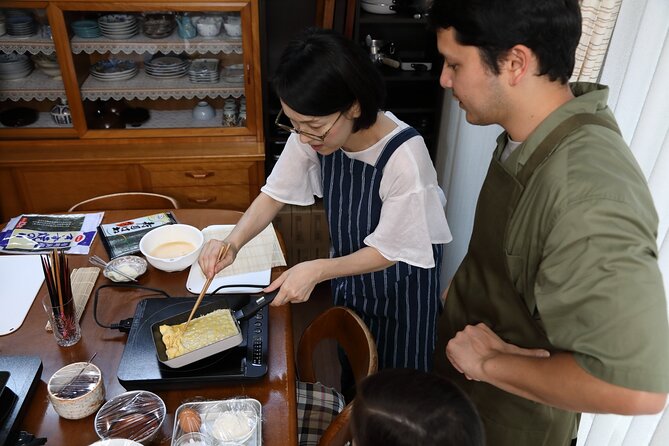
The class is held in an authentic Japanese house rather than a purpose-built cooking school. That changes the feel of the experience. You are not only learning how to slice, season, and cook. You are also seeing how a meal can be prepared and shared in a traditional domestic setting.
The house includes a traditional room with tatami flooring, a tokonoma display area, and a view of a Japanese garden. You do the cooking in the kitchen, then sit together to eat in the tatami room. Those details give the class a sense of place that a standard restaurant lesson cannot easily match.
More Home Cooking Classes in Japan
- Kyoto Home Cooking Class &Supermarket tour near Fushimiinari
★ 5.0 · 31 reviews - Private Home Cooking in Yanaka – Local Flavors in a Warm Setting
★ 5.0 · 173 reviews - Japanese Home Cooking Class & Walk in Todoroki Temple Tokyo
★ 5.0 · 88 reviews
Why the lesson begins with dashi
The first subject is dashi, the Japanese soup stock that appears in a wide range of everyday dishes. This is a smart place to begin because dashi explains much of the savory flavor associated with Japanese cooking.
You are introduced to various types of dashi before starting the main preparation. The class does not simply hand you a finished stock and move on. It gives you a basic understanding of an ingredient that is often less familiar to cooks outside Japan.
That introduction also helps you make sense of the food you prepare later. Miso soup, for example, becomes more than a familiar menu item when you understand the stock beneath it. The lesson connects ingredients with technique, which makes the recipes more useful once you return home.
Preparing about five dishes by hand
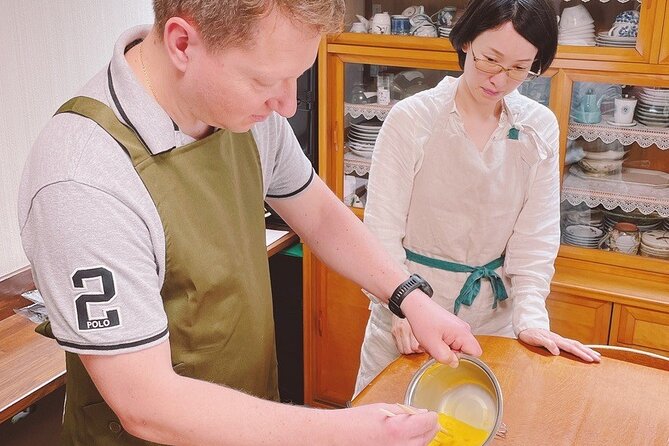
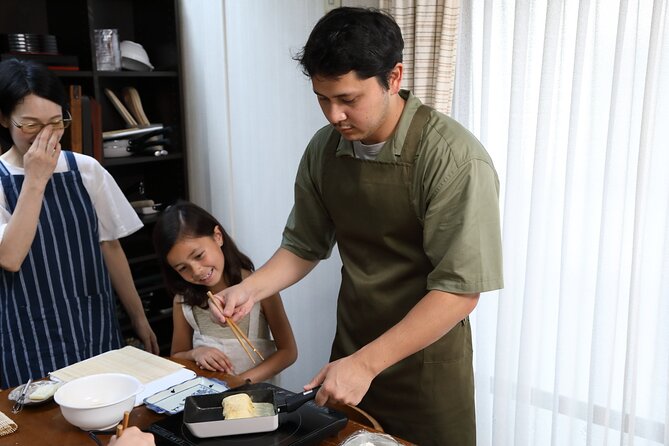
After demonstrations from the instructor, you prepare about five dishes on your own or with a partner. The exact menu can include items such as miso soup, sushi, spinach salad, tempura, and mochi. The dishes described in the class information and participant experiences suggest a pleasant mix of staples, side dishes, fried food, and dessert.
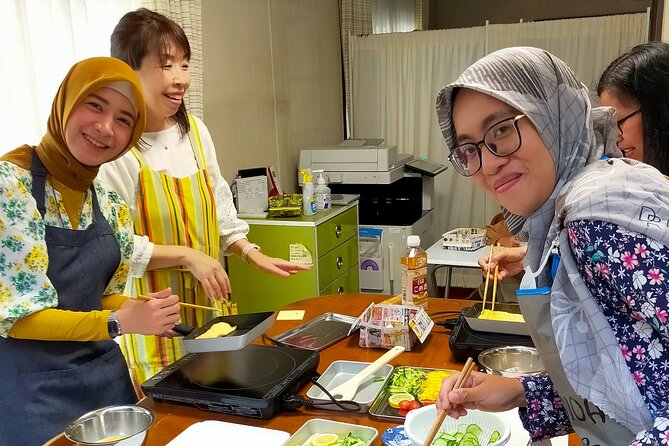
The format is hands-on. You watch the instructor show a method, then try it yourself. That is more useful than sitting through a long demonstration because you can ask about the steps that give you trouble.
You might be shaping sushi, making tempura, preparing a simple vegetable dish, or working with mochi. The class can also accommodate vegetarians, according to the available information. If that matters to you, it is sensible to raise the subject when booking or before the class begins so the instructor can confirm the arrangements.
The menu is not presented as a formal chef’s course. It is home cooking, which is part of its appeal. You are learning dishes that you can reasonably try for family and friends rather than complex restaurant techniques that require specialist equipment.
The small group size helps here. With no more than six people, the instructor has more time to correct a technique, explain a seasoning, or answer a question about an ingredient. If you prefer to learn by doing rather than watching, this format is a strong reason to consider the class.
Lunch in a tatami room with a garden view
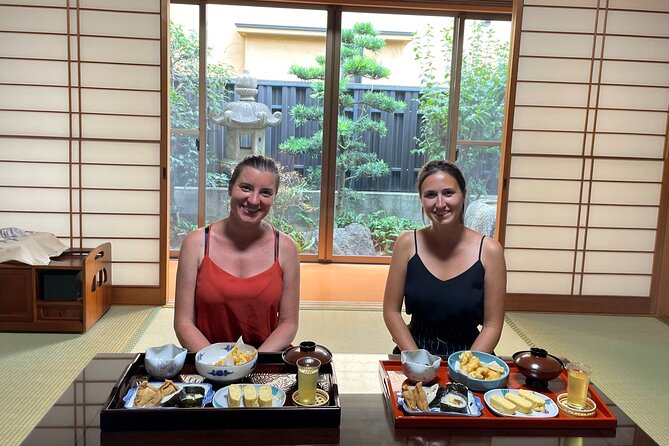
Once the cooking is finished, you sit down together and eat what you made. Lunch is included, as are the ingredients, seasonings, and all fees and taxes.
The setting is a real part of the meal. You eat in a traditional Japanese room with tatami flooring and a view of the garden. A tokonoma display area adds another familiar feature of a traditional home.
This is not a quick tasting between sightseeing stops. You have prepared the food yourself, and the shared meal gives the group time to talk. That makes the class a useful choice for solo visitors who want an easy way to meet people during a Kyoto stay.
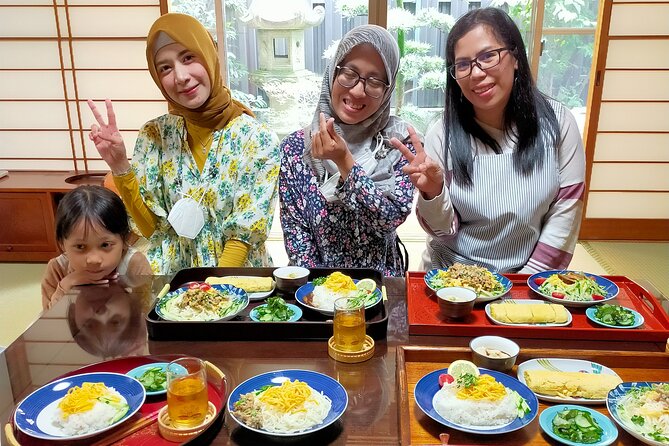
The food experiences described include miso soup, sushi, spinach salad, tempura, and mochi. One class included mochi made by the participants, and another included mochi ice. The exact dishes may vary, so you should treat these as examples rather than a guaranteed menu.
Drinks are not included. That is a small but important detail when comparing the cost with other food activities. Lunch is covered, but you should plan to pay separately for any drinks you want.
More Home Cooking Classes in Kyoto:
- Khmer Cooking Class at a Local’s Home in Krong Siem Reap
★ 5.0 · 2,731 reviews - Porto: Pastel de Nata Cooking Class with Grandma’s Recipe
★ 5.0 · 1,565 reviews - Siem Reap: Khmer Cooking Class at a Local’s Home
★ 5.0 · 1,108 reviews - Local Home Korean Cooking Class & Market Adventure in Seoul
★ 5.0 · 1,024 reviews
The local supermarket visit
After lunch, the group spends about 30 minutes at a local supermarket. This is not just an extra stop added to fill time. It solves one of the biggest problems with cooking classes abroad: you may enjoy the meal but have no idea how to find the ingredients again.
The instructor helps you identify the products used in the class and explains what is available in the store. Japanese food packaging can be difficult to read, and familiar ingredients may appear in forms you do not recognize. A guided walk through the aisles gives you a clearer sense of what to look for.
You can buy ingredients for use at home if you wish. This is especially useful if you have enough time in Kyoto to cook later in your trip, or if you want to recreate the dishes for friends and family after returning home.
The supermarket segment is brief, at around 30 minutes, so do not expect a full shopping excursion. Its value is focus. You are looking at the exact kinds of items connected to the lesson, rather than wandering through a large store without knowing what matters.
The instructors and English-language teaching
The class is conducted in English, and the instructors are licensed guide interpreters. This is important because cooking lessons depend on clear instructions. A small mistake in temperature, timing, or texture can change the result.
Miho is named as an instructor and receives repeated praise for her friendly manner, clear English, and patient answers. She is described as offering detailed guidance while also explaining Japanese customs and food traditions. You should not assume Miho will lead every session, but she is part of the experience offered by the provider.
The teaching style appears practical rather than formal. You get a demonstration, then try the technique yourself. The instructor remains available for questions, including questions about how to prepare the dishes at home.
The class information says it can accommodate English and non-English speakers, while also stating that instruction is entirely in English. If you are not comfortable following an English-language lesson, confirm your needs before booking. The advertised strength is clear English instruction, not multilingual teaching.
Is $118.92 a fair price?
At $118.92 per person, this class costs more than a basic group cooking lesson. You are paying for more than the food. The price includes four hours of instruction, lunch, ingredients, seasonings, taxes, an English-speaking instructor, and the supermarket visit.
The traditional home setting adds value, especially if your goal is cultural context rather than a recipe alone. You also get a small group of six or fewer, which usually means more direct help than a large demonstration class.
The recipes are another important part of the value. You receive recipes to recreate the dishes, so the experience continues after your holiday. That makes the class a better fit for someone who enjoys cooking or wants a practical souvenir from Kyoto.
Still, this is not the right purchase for every visitor. If you only want a quick meal, the price will feel high. If you already have strong Japanese cooking skills, the introductory explanations may not offer enough new material. The value is strongest when you want food, instruction, cultural setting, and a social morning in one booking.
Who will enjoy this class most?
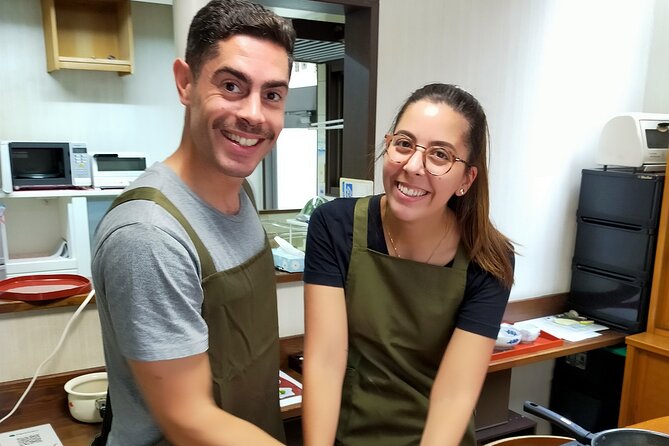
I would recommend it most to solo visitors, couples, families, and small groups who want a personal look at Japanese food. The six-person limit makes it easier to talk with the instructor and other participants.
It is also a good choice for cooks who want recipes they can use at home. The combination of dashi instruction, several dishes, and a supermarket visit gives you more practical help than a meal-only experience.
Families may appreciate the hands-on format, though the available information does not specify a minimum age. Ask before booking if children are part of your group.
The class suits people who want an unhurried morning. Four hours is a substantial block of time, and the start is fixed at 9:30 a.m. It is less suitable if you want to pack several major attractions into the same morning.
What to know about timing and planning
You receive confirmation when booking, and the activity is available with a mobile ticket. The meeting point is near public transportation, but you should allow enough time to find 38-4 Fukakusa Watamoricho in Fushimi Ward.
The class begins at 9:30 a.m. and returns to the meeting point after the supermarket visit. Since the supermarket stop comes after lunch, you can plan your next activity from the same area rather than arranging a separate return transfer.
The experience requires good weather. If poor weather causes cancellation, you are offered another date or a full refund. You can cancel for a full refund up to 24 hours before the start time, but changes or cancellations inside that window are not accepted.
Should you book it?
Book this class if you want to understand Japanese food through everyday ingredients, simple techniques, and a local home setting. The strongest features are the small group, the clear English instruction, the chance to make about five dishes, and the supermarket visit that helps you repeat the recipes later.
I would especially choose it for a first visit to Kyoto, a solo trip, or a food-focused itinerary near Fushimi Inari. The price is not low, but the four-hour format combines lunch, instruction, recipes, and cultural context in one morning.
Skip it if you want a cheap cooking demonstration, a guaranteed fixed menu, or a lesson taught in a language other than English. For everyone else, this is a useful and personable way to spend a morning in Kyoto, with food you make yourself and practical knowledge you can take home.
FAQ
Where does the Kyoto cooking class begin?
The class begins at 38-4 Fukakusa Watamoricho, Fushimi Ward, Kyoto, 612-0022, Japan. It is near Fushimi Inari Shrine and public transportation.
What time does the experience start?
The start time is 9:30 a.m.
How long does the cooking class and supermarket visit last?
The full experience lasts about four hours. The local supermarket portion lasts about 30 minutes.
How many people can join the class?
The class has a maximum of six travelers.
Is lunch included?
Yes. Lunch, all cooking ingredients and seasonings, and all fees and taxes are included. Drinks are not included.
Is the class taught in English?
Yes. The class is conducted entirely in English, and the instructors are licensed guide interpreters.
Can I cancel for a full refund?
Yes. You can cancel at least 24 hours before the experience start time for a full refund. Cancellations or changes made less than 24 hours before the start time are not accepted for a refund.
New cooking classes around Kyoto
- Nishiki Market Food Tour with Cooking Class★ 4.9 · 42 reviews
- Kyoto Udon & Tempura Cooking Class with Professional Chefs★ 3.8 · 3 reviews
- Kyoto: Wagashi (Japanese sweets) Cooking near Fushimiinari★ 5.0 · 40 reviews
- Kyoto: Morning Japanese Bento Cooking Class★ 5.0 · 149 reviews
- Kyoto Home Cooking Class &Supermarket tour near Fushimiinari★ 5.0 · 31 reviews
- Kyoto: Cooking class, learning how to make authentic sushi★ 4.2 · 9 reviews
- Kyoto: Authentic Sushi Making Cooking Lesson★ 5.0 · 103 reviews
- Kyoto: Afternoon Japanese Izakaya Cooking Class★ 4.9 · 241 reviews
Kyoto Cooking Classes, side by side.
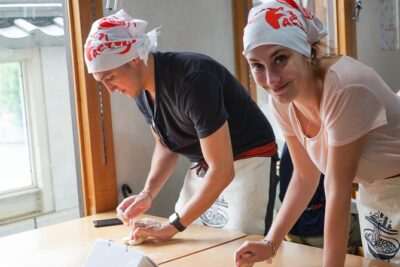
Ramen Cooking Class at Ramen Factory in Kyoto
Read our review →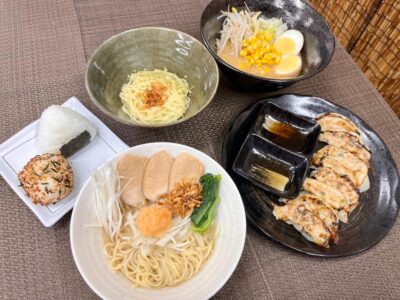
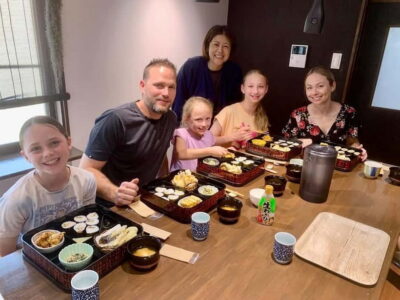
Kyoto: Japanese Washoku Bento Small Group Cooking Class
Read our review →
Kyoto: Afternoon Japanese Izakaya Cooking Class
Read our review →
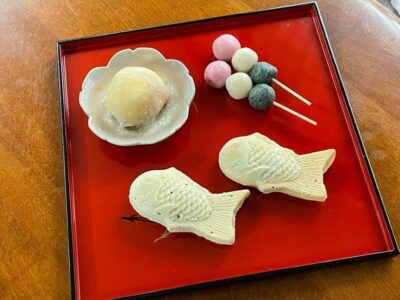
Kyoto: Wagashi (Japanese sweets) Cooking near Fushimiinari
Read our review →This kitchen also appears in