
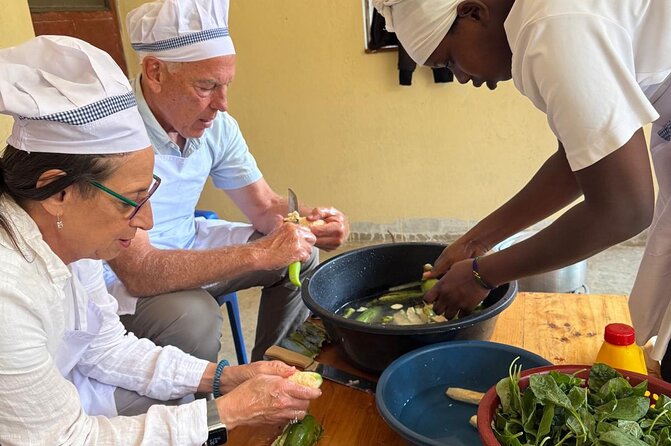
Review · TANZANIA
Arusha: Traditional Tanzania Cooking class& Food Market Tour
The best part of this Arusha experience happens before the cooking begins. You walk through a central food market with guides such as Liroy and Israel, learn what the foods are, and help choose ingredients before heading to the cooking class. It feels less like a staged kitchen lesson and more like being shown how an ordinary meal comes together.
I like two things here: the market visit gives the recipes context, and you do the actual work instead of standing back while a chef performs. The cooking takes place in a small local home, often with Neema leading the lesson, and the meal is cooked on charcoal and propane stoves. The main consideration is comfort. Facilities are simple, drinks are not included, and kitchen cleanliness may not match standards you are used to at home.
Key points to know before booking
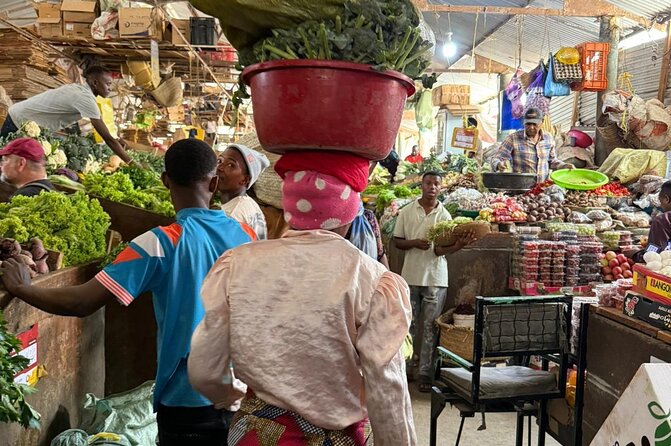
- Market shopping comes first: Expect 30 to 50 minutes among stalls selling produce, dry goods, meat, and other food items.
- You help choose the menu: You may prepare plantain banana, chapati, ugali, vegetables, and a stewed or barbecued meat dish.
- Neema leads the kitchen session: She demonstrates each step, then gives you a turn at the cutting, mixing, shaping, and cooking.
- The meal is part of the lesson: After cooking, you sit down with the group and eat the dishes you made.
- Hotel transport is included: Pickup and drop-off are provided for hotels in Arusha town, especially near the city center.
- Plan for simple conditions: Bring long pants and comfortable shoes, and arrange your own drinks or buy water along the way.
A market-first introduction to Tanzanian food
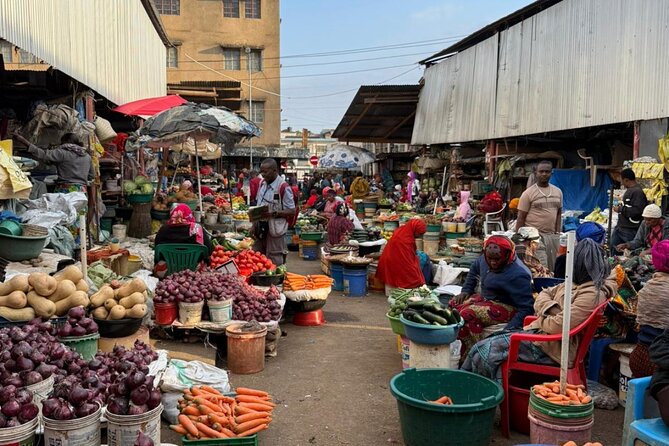
This tour starts with a hotel pickup in Arusha town. From there, you head to a central food market, sometimes using local transport such as a tuk-tuk, depending on the arrangements for the day.
The market stop lasts about 30 to 50 minutes. That is enough time to look around, ask questions, take photographs, and see the ingredients that later appear in your meal. You may pass stalls with fruit, vegetables, dry foods, meat, and other everyday cooking supplies. The value of this stop is not simply the shopping. You get to connect the finished dish with the place where its ingredients are bought.
Liroy and Israel have been especially helpful guides for this part of the outing. They explain the products, the market, and daily life in Arusha, while making room for questions. One guide also took care to move a participant aside when workers carrying heavy loads came through the market. That small detail matters in a crowded food market, where you need to watch your surroundings and give people room to work.
You may visit a second, smaller market to buy the ingredients for the cooking session. This can make the experience feel more practical, since you are not simply looking at food after it has been selected for you. You get to take part in the choices and see how a menu is assembled from what is available.
Photography is allowed, but use ordinary market manners. Ask before photographing people, especially vendors who are working. Your guide can help you handle those interactions in a polite way.
More Cooking Classes with a Market Tour in the world:
- Hanoi Cooking Class: Culture, Local Market & Meaning CSR Impact
★ 5.0 · 5,147 reviews - 5 Traditional Dishes Hanoi Cooking Class with Market Trip
★ 5.0 · 4,890 reviews - Cooking Class and Lunch at a Tuscan Farmhouse with Local Market Tour from Florence
★ 5.0 · 4,831 reviews
The route from market stall to cooking pot
After the market, you travel to the cooking location. The class lasts between one and three hours, so the pace can vary. Some groups finish more quickly, while others spend longer preparing several dishes and talking with the chef.
The kitchen is in a small local house, with a washroom available. This is part of the appeal, but it also sets the right expectation. You are not entering a polished culinary studio with restaurant equipment and spotless counters. You are seeing a more ordinary home kitchen and learning how food is made with charcoal and propane stoves.
Neema leads the class for many bookings. Her method is hands-on. She shows you a step, then lets you complete it while she handles another part of the meal. That gives you more than a demonstration. You learn the feel of the dough, the timing of the cooking, and the basic order of work.
You may also have help from the guide and other members of the household or cooking team. The atmosphere is social, with time to talk while vegetables are prepared and dough is shaped. If you enjoy asking questions, this is the part of the day where you can learn most about home cooking and food traditions.
What you cook: chapati, ugali, plantain, and vegetables
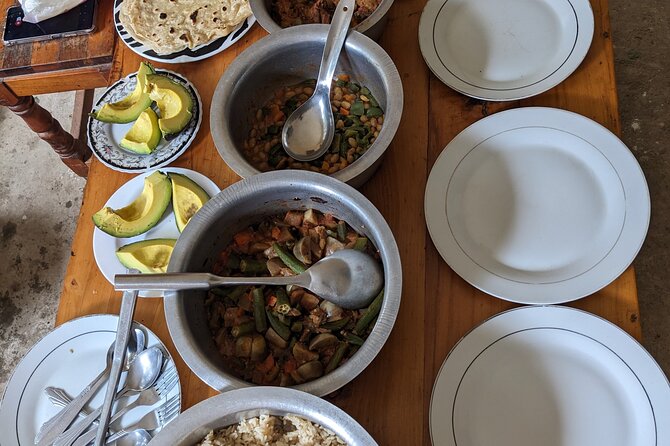
The menu centers on four common foods. You can prepare plantain banana, chapati, ugali, and vegetables, with a choice of three dishes from the available selection in some sessions. If you eat meat, a stewed or barbecued meat dish may also be offered.
Chapati is usually the most hands-on item. You work with dough, shape it, and cook it on the stove. The lesson gives you a chance to see how a simple flatbread becomes part of a complete meal. It is also one of the easier recipes to try again at home because the ingredients and method are approachable.
Ugali offers a different lesson in texture and timing. It is a staple dish made by cooking and stirring a maize-based mixture until it reaches the right firmness. The method may look simple, but the consistency takes attention. Having the chef show you the process is more useful than reading a recipe alone.
Plantain banana adds another texture and flavor to the plate. Vegetables round out the meal, and the meat option gives the menu more weight for people who want it. The cooking class is not built around elaborate restaurant food. Its strength is that the dishes are common, practical, and tied to daily meals.
The four dishes are prepared over charcoal and propane stoves. That adds an authentic household feel, but it can also make cooking slower and less predictable than using a modern electric range. You should expect a working kitchen, not a timed demonstration.
Eating the meal you prepared
Once the food is ready, you sit down and eat with the group. This shared meal is an important part of the experience. It lets you taste the results while you still remember how each dish was made.
The meal is included in the $45 price, along with ingredients and transportation. Drinks are not included. One guide arranged water and a beer for a participant, but you should not count on beverages being supplied. Bring water or buy some during the market visit.
If there is enough food left, you may be able to pack some and take it back to your hotel. This is not guaranteed, since it depends on how much the group prepares and eats. Still, it is a useful possibility, especially if you have an evening arrival or want a second taste of the meal later.
The social side of the meal is just as important as the food. You have time to talk with Neema, Liroy, Israel, and the other people in your group. The guides are described as attentive, friendly, and open to questions, which helps the meal feel relaxed rather than rushed.
More cooking classes around the world:
- Half-Day Thai Cooking Class at Organic Farm in Chiang Mai
★ 5.0 · 19,087 reviews - Florence: Pasta Cooking Class with Unlimited Wine
★ 4.9 · 10,285 reviews - 3 in 1 Cooking Class near Navona: Fettuccine, Ravioli & Tiramisu
★ 5.0 · 7,376 reviews - Florence: Pasta & Tiramisu Cooking Class with Unlimited Wine
★ 4.9 · 6,708 reviews
How authentic is the cooking class?
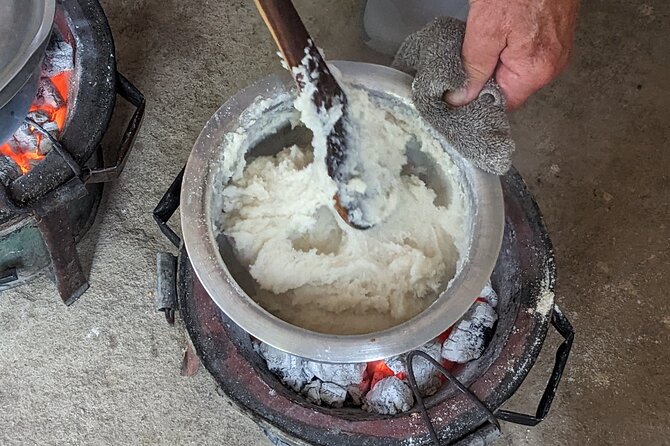
The word authentic can be overused, but here it has a clear meaning. You shop for ingredients in local markets, cook in a small home, use charcoal and propane stoves, and prepare familiar Tanzanian dishes under the direction of a local cook.
That does not mean you will receive a formal lesson on every regional cooking tradition. The available information does not specify a fixed menu for every booking, and the class may adjust the dishes based on the group and the ingredients purchased. Think of this as a practical introduction to everyday food, not a specialist course in Tanzanian cuisine.
I particularly like that the chef demonstrates and then hands the task to you. You are not only watching a local cook make food for you. You are involved in the preparation, and the recipes and skills can be used at home afterward.
The class can also show you how much work goes into a meal that may look simple on the plate. Preparing several dishes takes time, especially when dough, vegetables, starches, and meat are all handled in the same session. One participant found the cooking slow, but also felt the final meal justified the wait. That is a fair description. Keep your schedule open rather than planning a tight appointment immediately afterward.
Hygiene and comfort: what you should know
This is the area where I would be most candid. The setting is simple, and kitchen hygiene may not meet the standards you are used to in the United States or Europe. Soap and water are available, but handwashing and cleaning boards after handling meat may not be as thorough as you expect.
The food is fully cooked, which reduces some concern, but you should still pay attention to your own comfort. Wash your hands carefully when you arrive and before eating. If you have a sensitive stomach or strict food concerns, speak with the guide before cooking begins.
Wear long pants and comfortable clothes. Comfortable shoes are useful for the market walk and the kitchen. You should also avoid bringing weapons or sharp objects, which are not allowed on the activity.
The class is conducted in English. The guides can answer questions about the market, food, and country, and the chef can lead you through the cooking steps. If you want detailed instruction, ask for clarification as you go. The format is friendly and practical rather than formal.
Is $45 good value in Arusha?
At $45 per person, the price is reasonable for a five-hour activity that combines transport, a guided market visit, ingredients, a cooking class, and a cooked meal. You are paying for several parts of the day, not only for food.
The hotel pickup and drop-off add real value. You do not need to arrange transport to the market or find the cooking location yourself. The market visit also gives the day more substance than a standard cooking demonstration.
The value is strongest if you want contact with ordinary local food culture. You get market explanations, time with local people, hands-on preparation, and a meal. If you only want to learn a few recipes in a polished kitchen, another class may suit you better.
Group size is not specified, so ask before booking if the size of the group matters to you. A smaller group will usually make it easier to take a turn with each dish and ask questions, though that is not guaranteed here.
The stated duration is five hours. The detailed timing allows 30 to 50 minutes at the market and one to three hours cooking, with transport and the meal taking up the remaining time. One itinerary reference gives a longer 12-hour figure, but the activity information consistently describes this as a five-hour outing. I would plan around five hours and confirm the start time when you book.
Who will enjoy this Arusha food tour?
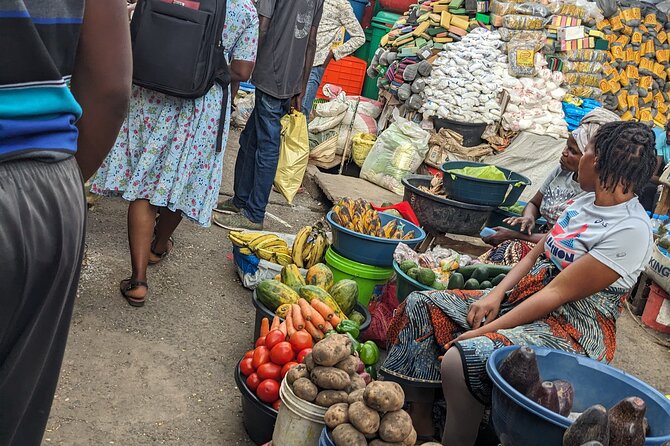
I would recommend it to you if you want a break from sightseeing and safari planning. It gives you a way to meet local people and learn about food through ordinary places rather than only through restaurants.
It is a good fit for people who enjoy participation. You will likely chop, stir, shape, cook, and taste. It is less suitable if you prefer to sit back, take a few photos, and leave the work to someone else.
Families with older children may enjoy the practical format, though the information does not specify a minimum age. Ask the provider if you are booking for young children. The market can be busy, and the cooking involves heat, knives, and open stoves.
It also suits solo participants. The guides and chef create a social setting, and the shared meal gives you an easy way to meet others. Couples and small groups will find plenty to do together, especially when choosing the menu and preparing chapati.
I would be more cautious about booking if you have strict hygiene requirements, limited mobility, or a very tight schedule. The setting is a local home rather than a purpose-built classroom, and the cooking time can stretch.
Practical booking advice
Hotel pickup and drop-off are provided for hotels in Arusha town, with the meeting point described as your hotel. If you are staying outside the town area, confirm the pickup before paying.
The tour has live English guidance. Starting times vary, so check availability for the date you want. You can cancel up to 24 hours in advance for a full refund, and the reserve-now, pay-later option lets you hold a place without paying immediately.
Bring comfortable shoes, long pants, and clothing you do not mind wearing in a working kitchen. Take water with you, since drinks are excluded. A small amount of space in your bag may also be useful if the group has enough food to pack leftovers.
Should you book this cooking class?
Book it if you want hands-on local food experience, a market visit, and an easy way to spend half a day in Arusha. The strongest features are the market shopping, Neema’s practical teaching, the chance to cook four familiar dishes, and the shared meal afterward.
Skip it if you need a polished culinary school, fixed timing, restaurant-level hygiene, or included drinks. For most curious eaters who can accept simple conditions, $45 buys a generous amount of local contact and useful cooking practice.
FAQ
How long does the Arusha cooking class and market tour last?
The activity is listed as five hours. The market visit usually takes 30 to 50 minutes, and the cooking class lasts between one and three hours, with the remaining time used for transport, preparation, and the meal.
Where does hotel pickup take place?
Pickup and drop-off are provided at hotels in Arusha town, especially near the city center. Confirm the exact arrangement if your hotel is outside the town area.
What food will I cook?
The available dishes include plantain banana, chapati, ugali, and vegetables. A stewed or barbecued meat dish may be available, and some sessions allow you to choose three dishes from four local options.
Are drinks included?
No. Drinks are not included in the price. Bring water or buy a drink during the market visit.
Is the cooking class taught in English?
Yes. The activity includes a live English-speaking guide, and the local chef leads you through the cooking steps.
What should I bring?
Bring comfortable shoes, comfortable clothes, and long pants. Photography is allowed, but weapons and sharp objects are not permitted.
New cooking classes around the world
- Shinjuku Tokyo: Authentic Japanese Home-Style Culinary Class★ 4.9 · 125 reviews
- Shibuya Tokyo: Onigiri & Tamagoyaki Cooking Class★ 5.0 · 4 reviews
- M.O.M COOKING CLASS★ 4.8 · 6 reviews
- Shanghai: Authentic Chinese Cooking Class with Master Chef★ 5.0 · 2 reviews
- Seville: Paella-Cooking Experience with Sangria & Full Meal★ 4.9 · 42 reviews
- Sestri Levante: Pesto & Cooking Classes, Wine Tasting★ 4.9 · 56 reviews
- Seville: Paella Cooking Class & 30-Min Local Expert Q&A★ 4.8 · 37 reviews
- Seoul: Korean Kimchi Cooking Class in the Heart of the City★ 5.0 · 3 reviews
Tanzania Cooking Classes, side by side.
Zanzibar: Spice Farm Tour with Traditional Cooking Lesson
Read our review →
Half-Day Kuza Cave Swimming Adventure and Cooking Class
Read our review →
NGO Lifted Strong – Traditional Tanzanian Cooking Class
Read our review →
Arusha: Local Tanzanian Cooking Class by Kingstone Asilia
Read our review →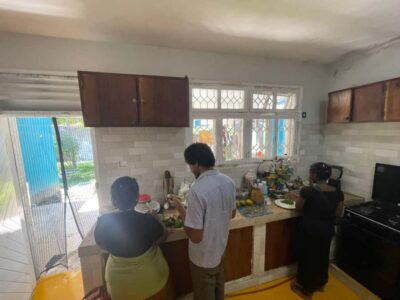
Dar es Salaam: Taste of Tanzania Cooking Class and Food Tour
Read our review →
Cooking Class Tour, Stone Town Tour, Horseback Riding
Read our review →This kitchen also appears in