
Review · TANZANIA
NGO Lifted Strong – Traditional Tanzanian Cooking Class
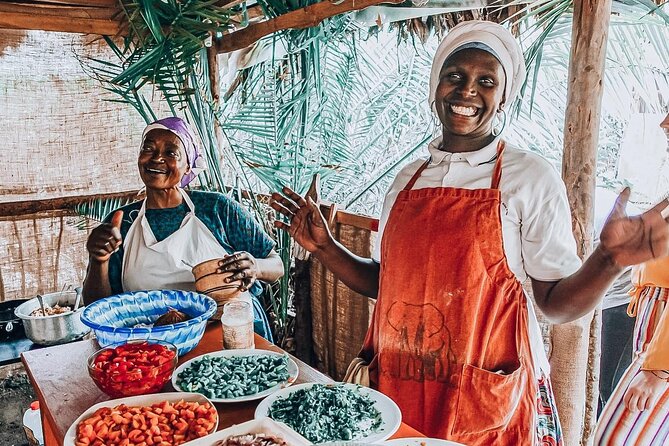
The most valuable part of this Arusha cooking class is the human connection. You cook alongside women supported by Lifted Strong Community Organization, not in a polished restaurant made for tourists. Joyce and the Mama cooks guide you through local dishes, ingredient names, and everyday cooking methods.
I like two things right away: your $50 fee supports women facing poverty, poor health, HIV, and domestic violence, and the menu can be shaped around your needs. The class is also small, with no more than 10 people, so it has the feel of cooking together rather than watching a demonstration. The main consideration is that the class starts at 2 p.m. and lasts about three hours, so it may not fit a tightly packed morning schedule.
Key Points Before You Book
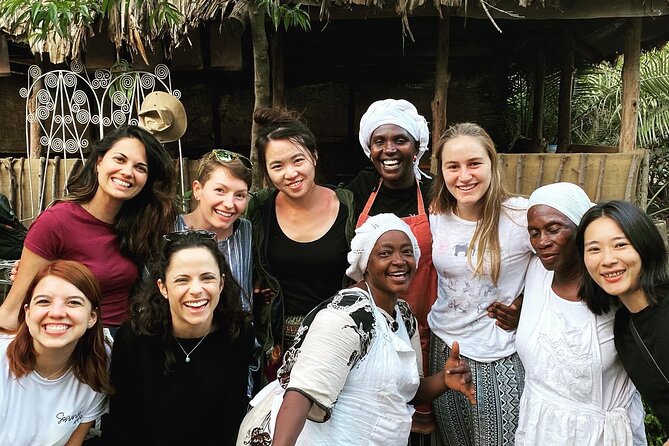
- Cook with the women supported by LISCO: The class connects food with the organization’s work to help women build better lives.
- Expect a shared cooking session: You help prepare the food rather than simply watching a chef work.
- Learn food words in Swahili: Ingredients are introduced by their local names as you prepare them.
- Menus can vary: Past classes have included samosas, soup, ugali with vegetables, rice, and cooked bananas.
- Vegetarian and vegan diets are accommodated: Tell the team in advance, along with any allergies or food concerns.
- Plan for a 2 p.m. start: Pickup may be arranged, or you can meet at the center and return there when the class ends.
Cooking With Purpose in Arusha
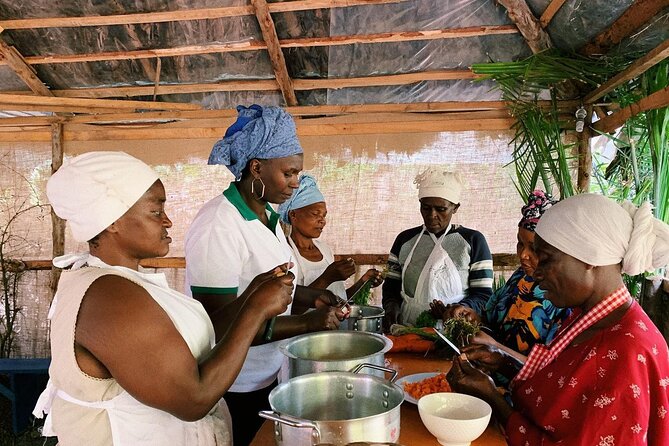
A cooking class can be a pleasant way to fill an afternoon. This one gives the meal a second purpose. Your fee helps Lifted Strong Community Organization support women dealing with serious hardships, including poverty, poor health, HIV, and domestic violence.
That mission is not an add-on tucked into a standard food tour. It shapes the afternoon. You meet the women connected with the organization, hear about the work being done, and cook together in a setting that feels personal and direct.
I appreciate that the class does not try to turn hardship into a performance. The focus stays on practical cooking, conversation, and the women’s resilience. You get a good meal, but you also see how a small local organization uses income and community contact to support its work.
The class has earned a 4.9 rating from 39 published ratings, with 100 percent recommending it. Those figures suggest strong consistency, but I would still book it for the right reason: you want a social cooking session tied to a local cause, not a formal culinary school lesson.
More cooking classes around the world:
- Half-Day Thai Cooking Class at Organic Farm in Chiang Mai
★ 5.0 · 19,087 reviews - Florence: Pasta Cooking Class with Unlimited Wine
★ 4.9 · 10,285 reviews - 3 in 1 Cooking Class near Navona: Fettuccine, Ravioli & Tiramisu
★ 5.0 · 7,376 reviews
Meeting Joyce and the Mama Cooks
Joyce is one of the main contacts for the class, and she helps coordinate the menu and timing. Communication before the class matters here. In some cases, she has contacted participants the day before to discuss what they would like to prepare, including vegetarian choices and allergies.
That flexibility is useful. You are not locked into one fixed dish if the team can adjust the plan. Past menus have included samosas, soup, ugali with vegetables, rice, and cooked bananas. If you have a dish you especially want to learn, ask about it before the cooking day.
The local cooks, often referred to as the Mamas, lead the hands-on work. They show you how to handle the produce and explain the Swahili names of the ingredients. The language lesson is modest, but it adds something you will remember when you see similar foods in markets or on restaurant menus.
Do not expect a chef in a tall hat giving a polished lecture. The format is closer to cooking together with welcoming local women. That is its strength, though it also means the pace and structure may feel informal.
What the Three-Hour Afternoon Looks Like
The class begins at 2 p.m. at MJHR+GF in Arusha. You can arrange pickup or meet at the center yourself. The activity ends at the same meeting point, and the full session takes about three hours.
The exact order can change with the menu, but you can expect the afternoon to move through a few natural stages:
- Meeting the LISCO team and learning about the organization
- Choosing or confirming the dishes
- Preparing produce and other ingredients
- Learning Swahili names for the food
- Cooking with the Mamas
- Sitting down to eat what you helped make
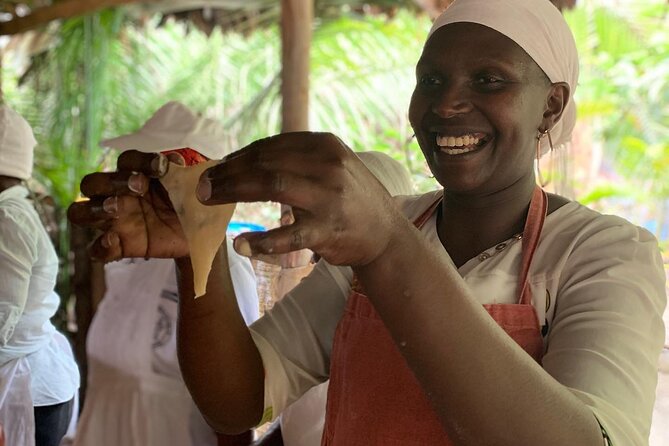
The food preparation is the heart of the class. You may help with samosas, prepare a soup, work on ugali and vegetables, cook rice, or make cooked bananas. One useful detail is that portions can be generous. If the group prepares more than it can eat, you may be allowed to take some food home.
That makes the session feel less like a staged tasting and more like a real shared kitchen activity. You are working with ingredients, helping shape the meal, and then eating the result.
The class is not a full-day program. Once the three hours are over, your afternoon and evening are free. That makes it easy to fit between other Arusha plans, though the 2 p.m. start means you should leave enough time to reach the center without rushing.
Samosas, Ugali, Rice, and Cooked Bananas
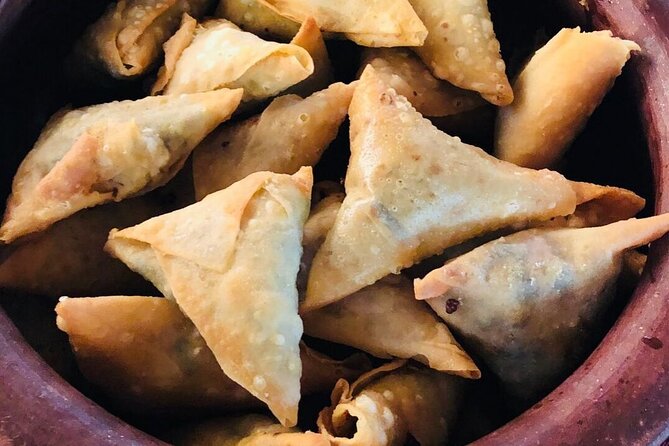
The strongest food appeal here is variety. Samosas provide a practical lesson in shaping and cooking a familiar East African snack. Soup allows you to work with several ingredients and simple seasoning. Ugali, rice, vegetables, and cooked bananas show a different side of Tanzanian home cooking.
Ugali is especially useful to learn because it is a staple across much of East Africa. It is simple in appearance, but the texture and method matter. Paired with vegetables, it becomes a filling meal rather than a small sample.
The menu is not guaranteed, and that is worth understanding before you book. The class is shaped around the ingredients available and the preferences discussed with the team. You should think of the dishes listed above as examples, not promises.
I like that this arrangement gives you some say in the meal. A fixed menu can be easier to plan, but it can also leave you watching a dish you do not eat. Here, advance communication can help the team prepare food that fits your diet.
If you are vegetarian or vegan, tell LISCO ahead of time. The same applies to allergies. The team has accommodated vegetarian requests and food concerns, but you should not wait until you arrive to mention them.
Same kitchen, a different dish:
- Florence: Pasta & Tiramisu Cooking Class with Unlimited Wine
★ 4.9 · 6,708 reviews - Florence: Pasta Cooking Class with Unlimited Wine
★ 5.0 · 6,413 reviews - Hanoi Cooking Class: Culture, Local Market & Meaning CSR Impact
★ 5.0 · 5,147 reviews - 5 Traditional Dishes Hanoi Cooking Class with Market Trip
★ 5.0 · 4,890 reviews
Learning Swahili Through Food
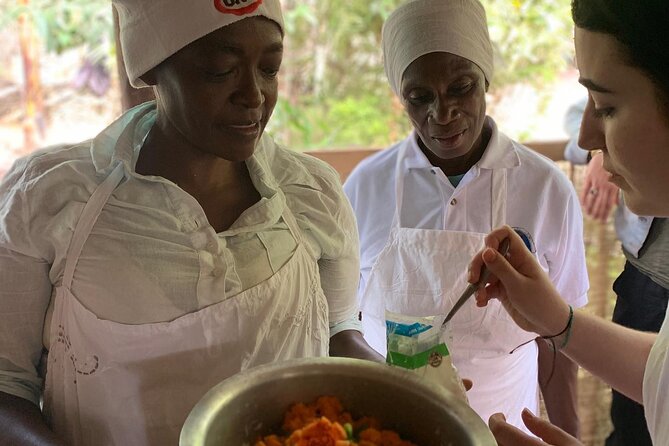
The language portion is practical rather than academic. As you prepare the meal, the Mamas explain the Swahili names for ingredients. You will not leave fluent, but you will gain a handful of useful food words connected to something you have touched, cooked, and eaten.
That approach works well. A word is easier to remember when it belongs to a carrot, banana, rice dish, or samosa you have just prepared. It also gives the cooking a stronger connection to daily life in Tanzania.
The class can suit people who want more than a meal but do not want a formal language lesson. You learn through the work in front of you, with plenty of room for conversation. The social side is just as important as the vocabulary.
For families or school groups, the format can work well because the activity is active and shared. Young participants can receive encouragement from the women leading the class, and the cooking gives everyone a clear task. The class has also been used by a school group learning to make samosas.
A Small Group Makes a Difference
The maximum group size is 10 people. That limit matters because cooking is much more satisfying when you can take part instead of standing at the back of a crowd.
A small group also gives you more time to speak with the women and ask questions. If you are traveling as a couple or with a friend, the setting should feel easy to join. Solo participants may also find it less awkward than entering a large organized group.
Still, the experience is social. If you want a quiet private lesson with exact measurements and a printed recipe booklet, this may not be your ideal choice. The informal style is part of the appeal, but it may feel less structured than a professional cooking school.
I would also keep expectations realistic about recipes. The supplied information describes dishes and techniques, but it does not promise take-home recipe cards. If writing down quantities matters to you, bring a phone or small notebook and ask questions as you cook.
Is $50 a Fair Price?
At $50 per person, this is not the cheapest way to eat in Arusha. A local restaurant meal will cost less, and a market visit may also be inexpensive. You are paying for more than food here.
The fee covers roughly three hours of guided activity, a meal, language instruction, a small group setting, and support for LISCO’s work with women. That makes the price reasonable for people who want a meaningful community connection as part of their holiday.
Value depends on what you want. If you measure the experience by the number of dishes or by advanced cooking instruction, you may find it modest. If you value direct local contact and want your spending to support a community organization, the price makes better sense.
The food itself is also part of the value. You may prepare enough to eat during the class and, in some cases, take leftovers home. That is a pleasant bonus, but I would not book the class mainly for the quantity of food.
Transport, Timing, and Practical Details
The listed meeting point is MJHR+GF in Arusha. Pickup can be arranged, so contact the team before the day if you need that option. If you meet at the center, allow enough time to find it and arrive ready for a 2 p.m. start.
The class finishes back at the meeting point. Since the activity takes about three hours, you can plan another evening activity afterward, but do not schedule anything that requires an exact departure immediately at 5 p.m.
A mobile ticket is provided, and confirmation is received when you book. Service animals are allowed, and the center is near public transportation. These details make the class fairly accessible for a range of visitors, though pickup is worth arranging if you are unsure about getting there.
Free cancellation is available until 24 hours before the local start time for a full refund. Changes made inside that 24-hour window are not accepted, and late cancellations are not refunded. The class also needs a minimum number of participants, so if LISCO cancels for that reason, you receive an alternative date or experience, or a full refund.
Who Will Enjoy This Class Most
I would recommend this experience to you if you want to meet local people through a practical activity. It suits couples, friends, families, school groups, and solo visitors who enjoy talking while they work.
It is also a good fit if your trip includes safari or mountain plans and you want one afternoon focused on Arusha itself. The three-hour length gives you a local activity without taking over a full day.
Vegetarians and vegans should consider it, especially if they contact the team early. The menu can be adjusted, and the class has handled dietary requests successfully.
You may want to choose a different activity if you want advanced knife skills, restaurant-level instruction, guaranteed dishes, or a formal recipe lesson. This is a shared community cooking session, not a professional certification course.
Should You Book the Lifted Strong Cooking Class?
I would book this class if your ideal Arusha afternoon combines food, conversation, and a clear social purpose. The strongest features are the small group size, flexible menu, warm contact with the Mamas, and direct support for LISCO’s work with women.
Before booking, confirm pickup, discuss your preferred dishes, and mention allergies or dietary needs. Go in expecting to cook together rather than watch a formal demonstration.
For $50, you get a three-hour activity and a meal, but the main value is the connection behind them. If that sounds like the kind of local experience you want, Lifted Strong is a thoughtful choice. If you only want a technical cooking lesson, spend the money elsewhere.
FAQ
Where does the cooking class begin?
The class begins at MJHR+GF in Arusha, Tanzania.
What time does the class start?
The scheduled start time is 2 p.m.
How long does the activity last?
The cooking class lasts approximately three hours.
Where does the activity end?
The class ends back at the meeting point.
Can pickup be arranged?
Yes. You can meet at the center or arrange pickup with the provider.
How many people can join the class?
The activity has a maximum of 10 participants.
What food might I prepare?
Possible dishes include samosas, soup, ugali with vegetables, rice, and cooked bananas. The exact menu can vary.
Can vegetarians and vegans join?
Yes. Vegetarian and vegan meals can be arranged if you tell the team in advance.
Are service animals allowed?
Yes. Service animals are allowed.
Can I cancel for a full refund?
Yes. You can cancel at least 24 hours before the local start time for a full refund. Late cancellations and changes made within 24 hours are not accepted.
New cooking classes around the world
- Shinjuku Tokyo: Authentic Japanese Home-Style Culinary Class★ 4.9 · 125 reviews
- Shibuya Tokyo: Onigiri & Tamagoyaki Cooking Class★ 5.0 · 4 reviews
- M.O.M COOKING CLASS★ 4.8 · 6 reviews
- Seville: Paella-Cooking Experience with Sangria & Full Meal★ 4.9 · 42 reviews
- Shanghai: Authentic Chinese Cooking Class with Master Chef★ 5.0 · 2 reviews
- Sestri Levante: Pesto & Cooking Classes, Wine Tasting★ 4.9 · 56 reviews
- Seville: Paella Cooking Class & 30-Min Local Expert Q&A★ 4.8 · 37 reviews
- Seoul: Korean Kimchi Cooking Class in the Heart of the City★ 5.0 · 3 reviews
Tanzania Cooking Classes, side by side.
Zanzibar: Spice Farm Tour with Traditional Cooking Lesson
Read our review →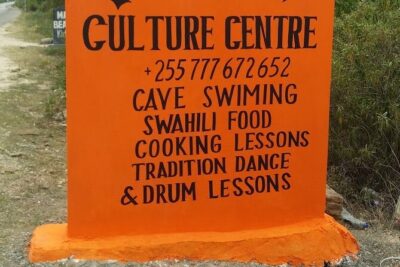
Half-Day Kuza Cave Swimming Adventure and Cooking Class
Read our review →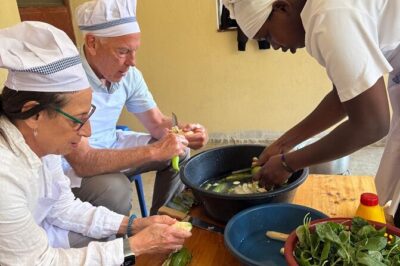
Arusha: Traditional Tanzania Cooking class& Food Market Tour
Read our review →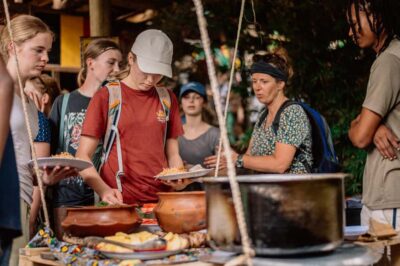
Arusha: Local Tanzanian Cooking Class by Kingstone Asilia
Read our review →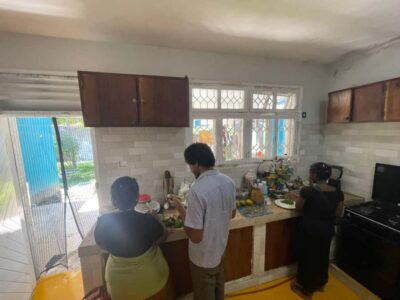
Dar es Salaam: Taste of Tanzania Cooking Class and Food Tour
Read our review →
Cooking Class Tour, Stone Town Tour, Horseback Riding
Read our review →This kitchen also appears in