
Review · CAPE TOWN
Cape Town: Cape Malay Cooking Class in Bo-Kaap
Cape Malay cooking is best understood with your hands busy. In Bo-Kaap, you help prepare a three-course meal with real spices, folding samoosas, making flatbread, and working together on a curry before sitting down to eat. The class also brings local stories into the kitchen, with hosts such as Shafeeqah, Jacinda, Fuad, and Jasmina praised for their warm teaching.
I like the family-home setting, which gives the meal a personal feel that a restaurant class cannot match. I also like the practical teaching: you do not just watch someone cook, you take part in preparing the food and learn where ingredients and techniques fit into Cape Malay cuisine. The main consideration is that this is a shared class, not a private station for each person, and one meal takes place down steep stairs.
Key points
- Cook in a Bo-Kaap home: The class takes place in a traditional family home rather than a formal culinary school.
- Prepare several dishes: Expect hands-on work with samoosas, chilli bites, flatbread, and a Cape Malay curry, with dessert prepared in advance.
- Learn through conversation: Your host explains Cape Malay food, Malay culture, family customs, and the story of Bo-Kaap while you cook.
- Eat what you make: Lunch and soft drinks are included, so the class ends around a shared meal.
- Good for mixed-age groups: Families, teenagers, solo visitors, and couples can all take part, with tasks shared across the class.
- Plan for the stairs: At least one eating area is reached by steep stairs, an important point if you have back or mobility problems.
Cooking Cape Malay food in the heart of Bo-Kaap
The setting does much of the work here. Bo-Kaap is one of Cape Town’s most recognizable neighborhoods, and this class lets you experience it through a household kitchen rather than only from the street. You enter as someone interested in food, then spend two hours learning how that food connects to family and community.
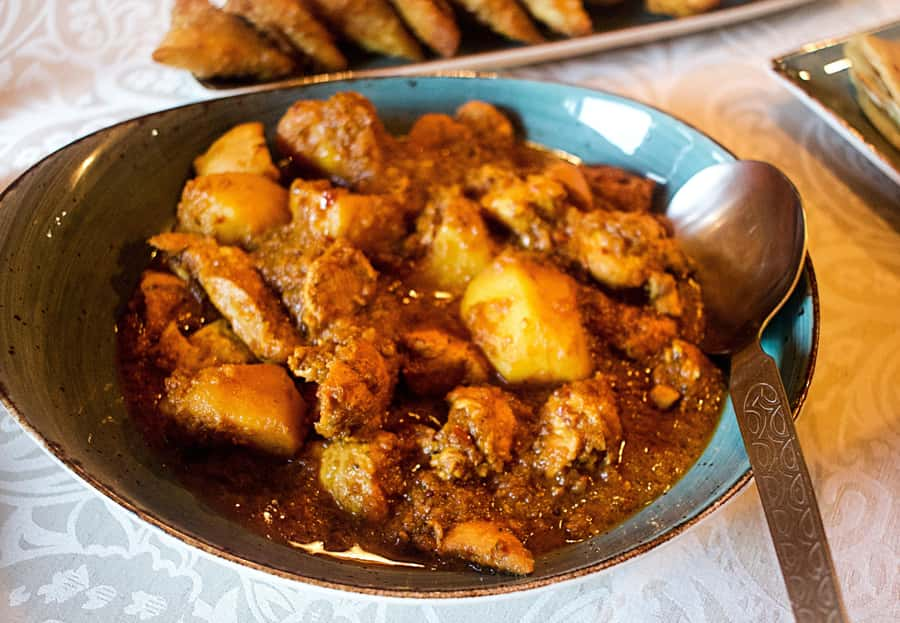
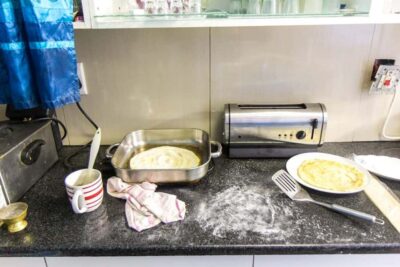
The cooking is centered on a three-course meal prepared from scratch. Fresh ingredients and traditional spices are used throughout. The exact menu may vary, but the dishes associated with this class include samoosas, chilli bites, flatbread or roti, and a beef or chicken curry. Dessert is prepared before the class, so the hands-on work focuses on the savory dishes.
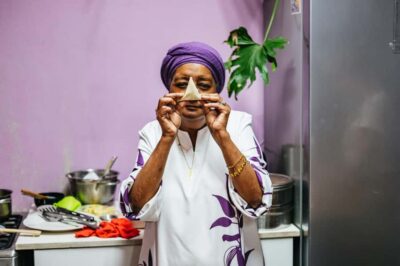
I like that the meal is not treated as a quick demonstration. You are encouraged to help with the actual preparation. That can mean folding pastry, mixing ingredients, shaping bread, or assisting with the curry. One useful lesson involves folding a samoosa so it holds its filling during cooking. It is a small detail, but it is the sort of tip you can use again at home.
More cooking classes around the world:
- Half-Day Thai Cooking Class at Organic Farm in Chiang Mai
★ 5.0 · 19,087 reviews - Florence: Pasta Cooking Class with Unlimited Wine
★ 4.9 · 10,285 reviews - 3 in 1 Cooking Class near Navona: Fettuccine, Ravioli & Tiramisu
★ 5.0 · 7,376 reviews
What Cape Malay cooking means in this class
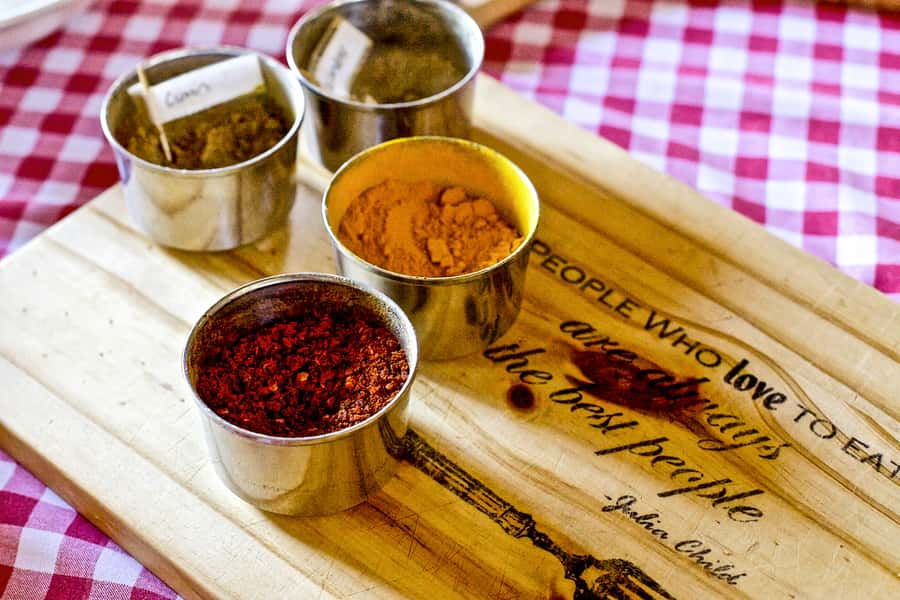
Cape Malay cuisine is not presented as simply another version of South African food. The class explains how its spices, methods, and dishes developed within Cape Malay culture. You learn about the ingredients and tools used in the kitchen, as well as the habits that make the food taste the way it does.
The focus is on balanced spice rather than simple heat. A host may explain how different spices work together and where to find them, giving you a useful starting point if you want to recreate the meal later. The cooking also shows why technique matters. Folding a samoosa, handling flatbread, and building flavor in a curry all call for more than adding ingredients to a pot.
The history lesson is part of the meal, not a separate lecture. As you cook, the host talks about Bo-Kaap, Malay culture, family traditions, and local life. That makes the class worthwhile even if you are not an experienced cook. You are learning a food tradition in the place where it is practiced, with someone who can connect the recipes to everyday life.
A shared kitchen, not a private cooking station
Set your expectations correctly. This is an interactive group class, but it is not a formal school where every person receives a separate workstation and cooks an entire meal alone. The class works together on the starters and main course, with different people helping at different stages.
That format has clear advantages. You get to meet the other people in the class, tasks can be shared, and the pace remains social rather than technical. It also means the host can guide a mixed group without expecting everyone to have the same cooking ability. Teenagers who begin the class unsure about it can find themselves involved once there is pastry to fold or bread to shape.
The tradeoff is control. If you want to make every part of the meal yourself, this may feel less hands-on than a private cooking lesson. You will not necessarily have your own ingredients, utensils, and cooking surface throughout. I would choose this class for conversation and participation, not for intensive chef training.
The meal: samoosas, chilli bites, bread, and curry
The starter work gives the class an easy way to begin. Making samoosas and chilli bites involves manageable tasks, and the group can see the results take shape quickly. The samoosa folding lesson is especially practical because the shape is not only decorative. A well-folded pastry keeps its contents in place during cooking.
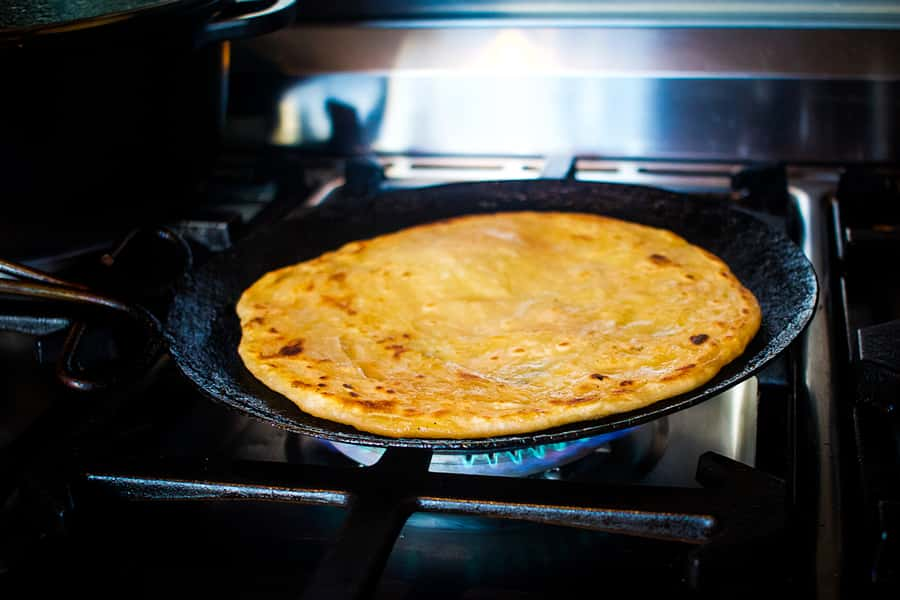
Flatbread or roti adds another useful skill. Working with dough gives you a feel for how Cape Malay meals are eaten and shared, rather than treating the curry as a dish that arrives by itself. The bread also gives younger participants or hesitant cooks a clear job to do.
The main course is a curry, with beef and chicken both appearing in the meal descriptions associated with the class. You help prepare it with traditional spices and fresh ingredients, then eat it after the cooking is finished. The result is not a tasting portion. The food is intended to serve as lunch, and soft drinks are included.
Dessert is prepared before you arrive. That keeps the two-hour session manageable, but it is worth knowing if you expect to make every course from beginning to end. You take part in the starters and main meal, then finish with a dessert you did not prepare yourself.
Same kitchen, a different dish:
- Florence: Pasta & Tiramisu Cooking Class with Unlimited Wine
★ 4.9 · 6,708 reviews - Florence: Pasta Cooking Class with Unlimited Wine
★ 5.0 · 6,413 reviews - Hanoi Cooking Class: Culture, Local Market & Meaning CSR Impact
★ 5.0 · 5,147 reviews - 5 Traditional Dishes Hanoi Cooking Class with Market Trip
★ 5.0 · 4,890 reviews
Meeting your host in a family home
The strongest part of the class is the human contact. You are welcomed into a local home and share the meal with the person teaching you. Hosts named in participant feedback include Shafeeqah, Jacinda, Fuad, and Jasmina, though the host for your session can differ.
The teaching style is warm and practical. Hosts explain the food clearly, answer questions, and encourage everyone to take part. Some sessions have included help for dietary restrictions, but you should raise those needs before booking or as early as possible. The available information does not promise a fixed alternative menu.
The home setting also changes the rhythm of the class. You are not moving through a list of tourist sights. Instead, you spend time around a kitchen table, talk about family, and learn how a local household approaches food. Several hosts have been described as gracious and easy to chat with, which matters because conversation is a large part of the value.
The setting is also a reminder to be respectful. This is a person’s home, not a staged attraction. Alcohol and drugs are not allowed. The class is intended to be a shared meal and cultural exchange, so polite questions and willingness to participate will take you further than simply standing back with a camera.
The history lesson between chopping and cooking
Bo-Kaap is more than a backdrop for colorful photographs. The class gives you a direct introduction to the neighborhood’s Malay culture and the traditions tied to its food. You hear about local history while working, which helps the information settle into memory.
I prefer this kind of explanation to a long speech at the beginning. When the host talks about spices while you are using them, or explains a dish while you are preparing it, the story has a practical anchor. The meal becomes a way to understand the community rather than an isolated cooking exercise.
Do not expect a full walking tour of Cape Town or a formal history course. The activity lasts two hours, and most of that time is devoted to cooking and eating. The history is personal and connected to the host, family, cuisine, and Bo-Kaap. That is a strength if you want a close look at daily traditions, but less suitable if you want a broad academic account of Cape Malay history.
Eating what you prepared
The class ends with the best possible test of the lesson: lunch. You sit down with the host and the rest of the group and eat the food prepared during the session. This is when the separate jobs become one meal.
The shared table is also where the social side comes into its own. Conversation may turn to local customs, family life, ingredients, and the Bo-Kaap community. You have time to ask follow-up questions that might not occur while your hands are occupied with pastry or dough.
The food has received especially strong praise, with the curry, samoosas, chilli bites, and bread repeatedly described as delicious. That does not mean every dish will suit every palate, but the cooking is clearly treated with care. The class is not a token demonstration followed by a snack.
Soft drinks are included. Alcohol is not part of the activity and is not allowed, so choose this if you prefer a meal centered on conversation and food rather than drinks.
Timing, transport, and the steep stairs
The class lasts two hours. That makes it easy to fit into a Cape Town itinerary, especially if you want a substantial activity without giving up half a day. Starting times vary, so check availability when choosing your date.
Transportation is not included. You need to make your own way to Bo-Kaap and should allow enough time to arrive without rushing. The supplied details do not specify a pickup service, so do not count on one.
Pay attention to the physical layout. One participant with a serious back injury found the steep stairs to the eating area difficult. This does not mean the class is unsuitable for everyone with limited mobility, but the stairs are a real consideration. If you have a back, knee, or balance problem, ask for current access details before paying.
The class is conducted in English or Afrikaans. That makes the instruction accessible to English-speaking visitors, while the host may use Afrikaans as well. The activity does not list another language option.
Is $52 good value for two hours?
At $52 per person, the price is fair if you want more than a meal. You are paying for a cooking lesson, ingredients, local conversation, a history introduction, lunch, and soft drinks. A restaurant meal alone would not give you the same chance to learn how the dishes are made or to ask a local host about family traditions.
The value is strongest for people who enjoy participation. If you only want to eat Cape Malay food, a restaurant may be cheaper and more flexible. If you want a recipe demonstration with a personal connection to Bo-Kaap, the class offers more for the money.
The meal is also substantial enough to function as lunch, and the home setting adds something difficult to price. You are not just buying three courses. You are buying access to a household kitchen and time with the person who prepares the food.
You can reserve now and pay later, which helps if your Cape Town plans are still shifting. Free cancellation is available up to 24 hours in advance for a full refund. Those terms are useful, but confirm the current conditions at booking.
Who should book this Bo-Kaap cooking class?
I would recommend it to couples, families, solo visitors, and small groups who enjoy food with a story attached. It is particularly good for people who want to meet locals, take part in a meal, and learn a few techniques they can try again at home.
Families should find the format approachable. One family included two teenagers who were initially reluctant but became involved once the cooking began. Children and teens will get more from the class if they are willing to handle simple preparation tasks rather than merely watch.
It also suits a mixed group of confident and inexperienced cooks. You do not need advanced skills, and the host guides the class through each stage. The social format means you can learn without feeling tested.
I would hesitate to recommend it if you require a private workstation, need guaranteed step-free access, or want to prepare every item, including dessert, yourself. It is also not the best use of your time if your main goal is a detailed walking tour of Bo-Kaap.
Final call: book it for food, stories, and a seat at the table
Book this class if you want Cape Town food in a personal setting. The standout features are the family home, active participation, clear practical tips, and the chance to eat a meal you helped prepare.
Before booking, check the stairs, mention dietary needs, and accept that the cooking is shared rather than individual. If those points work for you, $52 buys a friendly two-hour introduction to Cape Malay cooking that feels far more personal than a standard restaurant lunch.
FAQ
How long does the Cape Malay cooking class last?
The class lasts two hours.
Where does the cooking class take place?
It takes place in the historic Bo-Kaap neighborhood of Cape Town, inside a local family home.
What food will I prepare?
The class prepares a three-course Cape Malay meal. Dishes associated with the activity include samoosas, chilli bites, flatbread or roti, and beef or chicken curry.
Is dessert prepared during the class?
No. The dessert is prepared beforehand, while the class focuses on making the starters and main meal.
Is lunch included?
Yes. Lunch and soft drinks are included after the cooking is finished.
Is transportation included?
No. Transportation to and from the Bo-Kaap cooking class is not included.
What languages are spoken?
The host or greeter speaks English or Afrikaans.
Can I cancel the booking?
You can cancel up to 24 hours in advance for a full refund, according to the provided booking terms.
Can I reserve now and pay later?
Yes. The activity allows you to reserve a place and pay later.
Is the class suitable for someone with mobility problems?
The activity includes steep stairs to the eating area. If you have a back, knee, or mobility concern, ask for current access information before booking.
New cooking classes around the world
- Shinjuku Tokyo: Authentic Japanese Home-Style Culinary Class★ 4.9 · 125 reviews
- Shibuya Tokyo: Onigiri & Tamagoyaki Cooking Class★ 5.0 · 4 reviews
- M.O.M COOKING CLASS★ 4.8 · 6 reviews
- Shanghai: Authentic Chinese Cooking Class with Master Chef★ 5.0 · 2 reviews
- Seville: Paella-Cooking Experience with Sangria & Full Meal★ 4.9 · 42 reviews
- Sestri Levante: Pesto & Cooking Classes, Wine Tasting★ 4.9 · 56 reviews
- Seville: Paella Cooking Class & 30-Min Local Expert Q&A★ 4.8 · 37 reviews
- Seoul: Korean Kimchi Cooking Class in the Heart of the City★ 5.0 · 3 reviews
Cape Town Cooking Classes, side by side.
Cape Town: Malay Cooking Class and Lunch in Bo-Kaap
Read our review →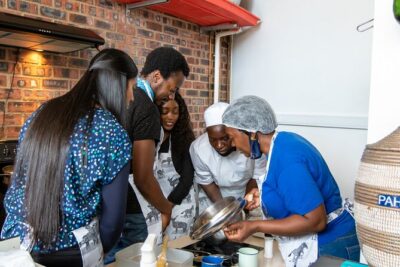
Cape Town: Bo-Kapp Walking Tour and Malay Cooking Class
Read our review →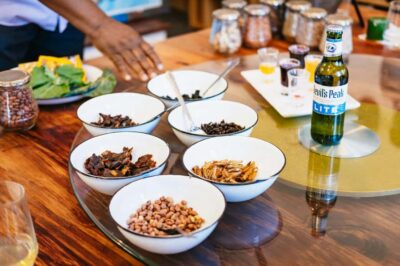
Cape Town: Authentic African Cuisine Cooking Experience
Read our review →This kitchen also appears in