
Review · KYOTO
Kyoto: Ramen Cooking Class at a Ramen Factory with Souvenir
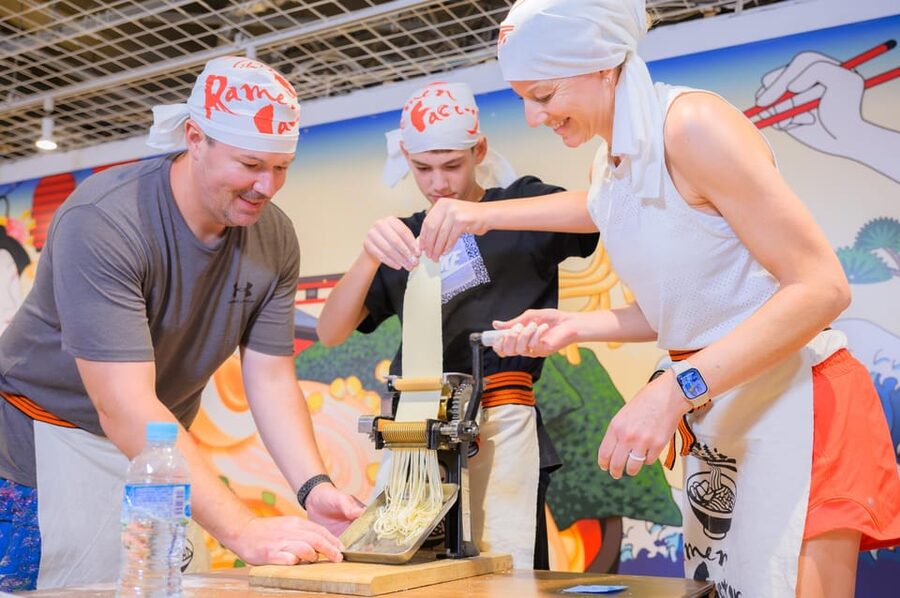
The most interesting part of this Kyoto class is that you make the noodles from flour, not from a ready-made packet. You punch, knead, fold the dough more than 100 times, and turn it into noodles before choosing your broth, sauce, toppings, and condiments. I especially like the hands-on noodle work and the chance to compare miso, salt, and soy flavors in one sitting.
I also like that the class fits neatly into a Kyoto sightseeing day. It takes 90 minutes, sits five minutes from Demachiyanagi Station, and leaves you with a meal, recipe, photos or videos taken by staff, and a selected souvenir. The main consideration is the $127 price, which is high for a bowl of ramen, so you should book for the cooking lesson and memory, not lunch alone.
Key points to know before booking
- Make noodles from flour: Punching, mixing, kneading, draining, and shaking turn basic dough into your finished noodles.
- Choose your own flavor: Try miso, salt, and soy sauces, then select the soup and oil combination for your bowl.
- A compact Kyoto activity: The class lasts 90 minutes and is a short walk from Demachiyanagi Keihan Station.
- Friendly English instruction: English and Japanese are offered, with instructors such as Sakura, Fuku, Akemi, Moeka, and others guiding the class.
- Useful take-home extras: You receive a recipe by email and choose one of four souvenir options, with some classes also providing a printed photo or certificate.
What makes this ramen class different
Kyoto offers plenty of food tours, but this experience asks you to make a complete bowl rather than simply taste one. The class is run at Ramen Factory, a ramen school established by Menbaka Fire Ramen, one of Kyoto’s well-known ramen restaurants.
You begin by putting on a ramen apron and headscarf. A short overview video explains the process, which helps you understand the sequence before the practical work starts. The format is lively, but the cooking itself is broken into clear steps, so you do not need kitchen experience.
The class uses chicken rather than pork for the main preparation. That matters because traditional ramen broth and toppings can take much longer to prepare at home. Here, the staff handle the parts that need extended cooking while you work on the steps that are both practical and fun within 90 minutes.
I like this balance. You get to make the important parts yourself, but the schedule does not pretend that a full restaurant-style broth can be produced from scratch in an hour and a half. The result is a real cooking lesson with a sensible amount of preparation behind the scenes.
More cooking classes around Kyoto:
- Ramen Cooking Class at Ramen Factory in Kyoto
★ 5.0 · 1,937 reviews - Kyoto: Ramen, Gyoza, and Onigiri Cooking Class
★ 5.0 · 445 reviews - Kyoto: Japanese Washoku Bento Small Group Cooking Class
★ 5.0 · 380 reviews
Turning flour into fresh ramen noodles
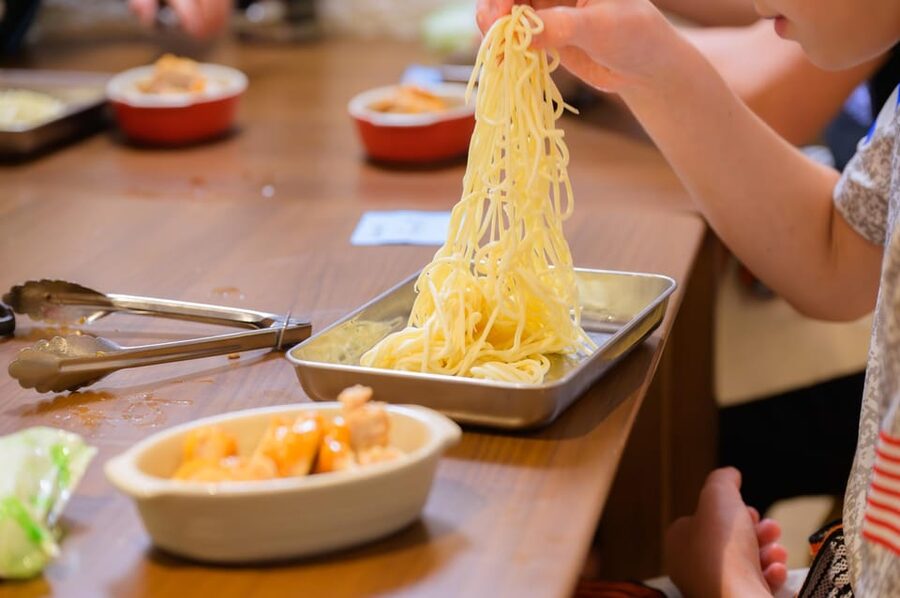
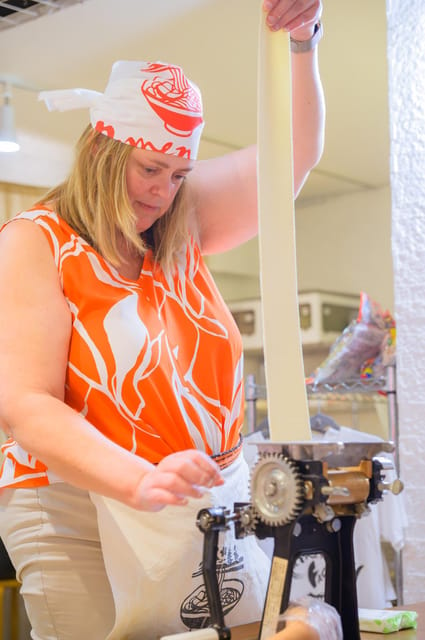
The noodle-making stage is the heart of the class. You start with flour and work it into dough through mixing, punching, kneading, and folding. The dough is folded more than 100 times, a detail that gives you a feel for the patience and repetition behind fresh ramen noodles.
This is not a demonstration where you stand back and watch a chef do everything. You handle the dough, drain the noodles, shake them, and help bring them to the finished stage. The physical work makes the final bowl more satisfying because you can see exactly where your meal began.
You should not worry if you are not confident in the kitchen. The instructions are designed for beginners, and the staff guide you through each movement. Some children and first-time cooks find the dough work a little demanding, but help is available when the process feels awkward.
For families, this is likely the most memorable part. Younger cooks can take part in the mixing and shaping, while adults get a useful look at how texture develops in the noodles. The activity also gives teenagers something more active than a standard sightseeing stop.
Seasoning the chicken and building the bowl
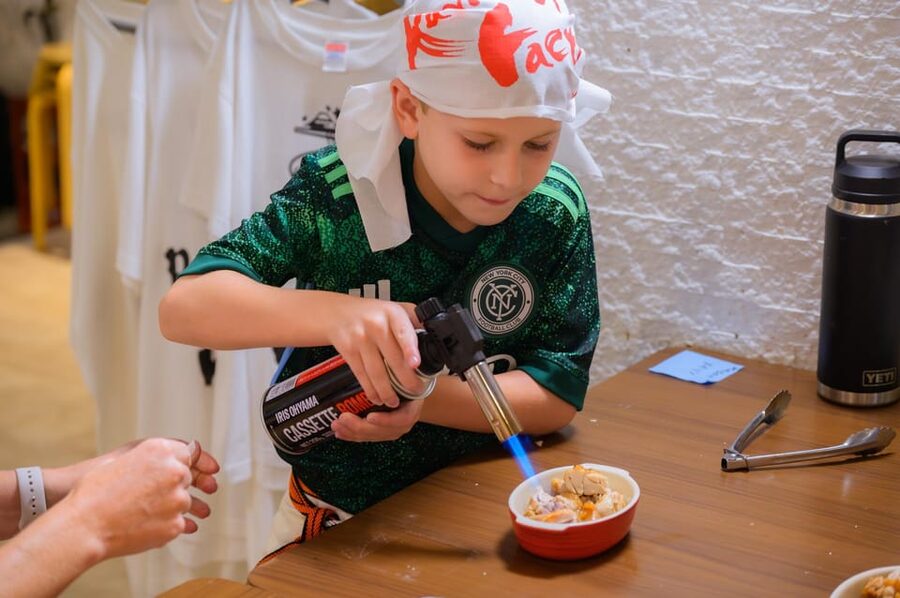
After the noodles, you prepare the chicken with seasonings. The class uses chicken chashu, which gives you a flavorful topping without requiring the long preparation time associated with some pork versions.
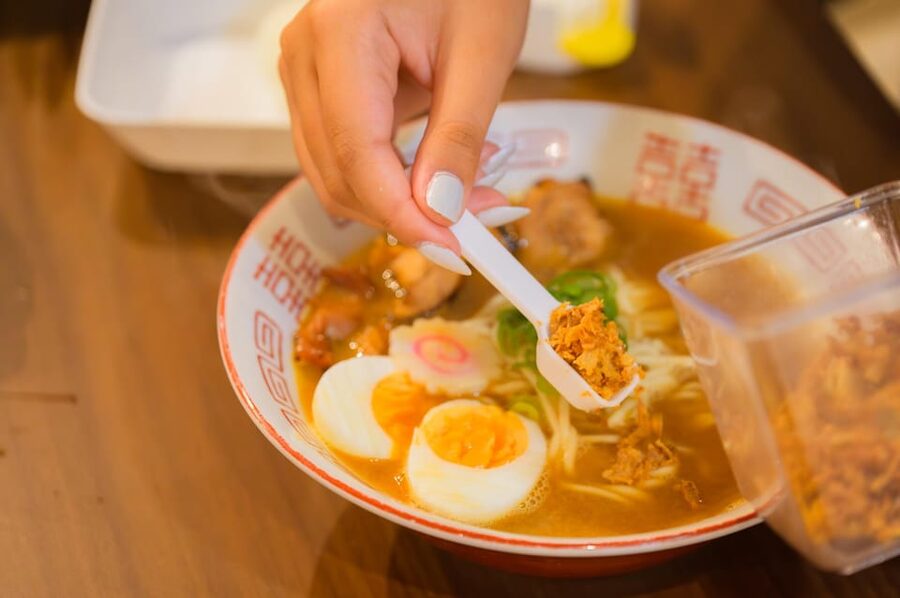
You then choose the soup and sauce combination. The featured sauces are miso, salt, and soy, and the chance to taste and mix them lets you adjust the bowl to your own preference. You can also choose oils, toppings, egg, and condiments as you assemble the dish.
This customization is one of the strongest reasons to book the class. Two people can follow the same basic process and still finish with different bowls. You are not simply copying one fixed recipe. You are making decisions about saltiness, depth, and the final appearance.
The staff help you display the ramen bowl with its toppings. That visual step may sound minor, but it is useful if you plan to recreate the dish at home. You learn that ramen is not only noodles and soup. The arrangement of egg, chicken, toppings, and condiments affects the way the bowl looks before you take the first bite.
Eating the ramen you made
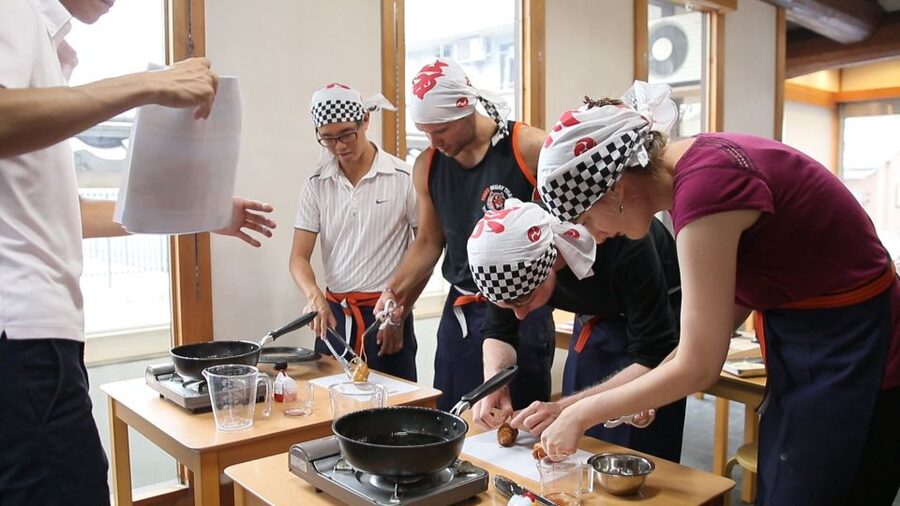
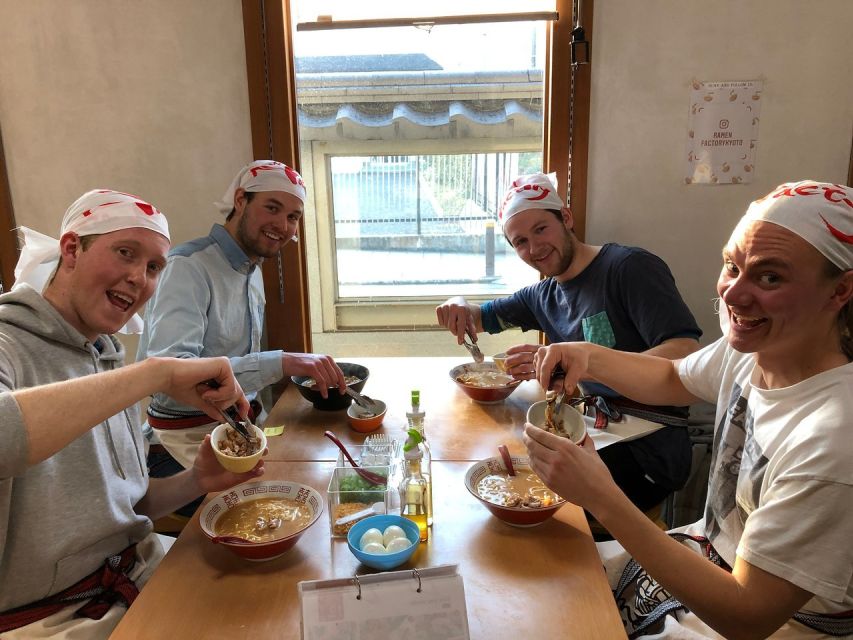
Once the bowl is ready, you sit down and eat it while looking back at the work you have just completed. The meal is included, but drinks are not, so plan to buy a drink separately if you want one.
The finished ramen is not treated as a token sample. The ingredients are prepared carefully, and the cooking process gives you enough control to make a bowl that suits your taste. People who expected a fun activity but an average meal have often been surprised by how good the final ramen is.
That said, your result depends partly on your choices. If you add a strong sauce or too much seasoning, the bowl may be bolder than expected. This is part of the point, and the staff can help you make sensible combinations.
I would plan this as a lunch or early dinner activity rather than an extra snack between meals. The bowl is filling, and the class works well as a break from temple visits and city walking. It gives you a seated meal while still keeping the day active.
Same kitchen, a different dish:
- Kyoto: Afternoon Japanese Izakaya Cooking Class
★ 4.9 · 241 reviews - Kyoto: Morning Japanese Bento Cooking Class
★ 5.0 · 149 reviews - Kyoto: Authentic Sushi Making Cooking Lesson
★ 5.0 · 103 reviews - Near Fushimiinari: Kyoto Home Cooking Class & Supermarket tour
★ 5.0 · 100 reviews
The guides make the 90 minutes work
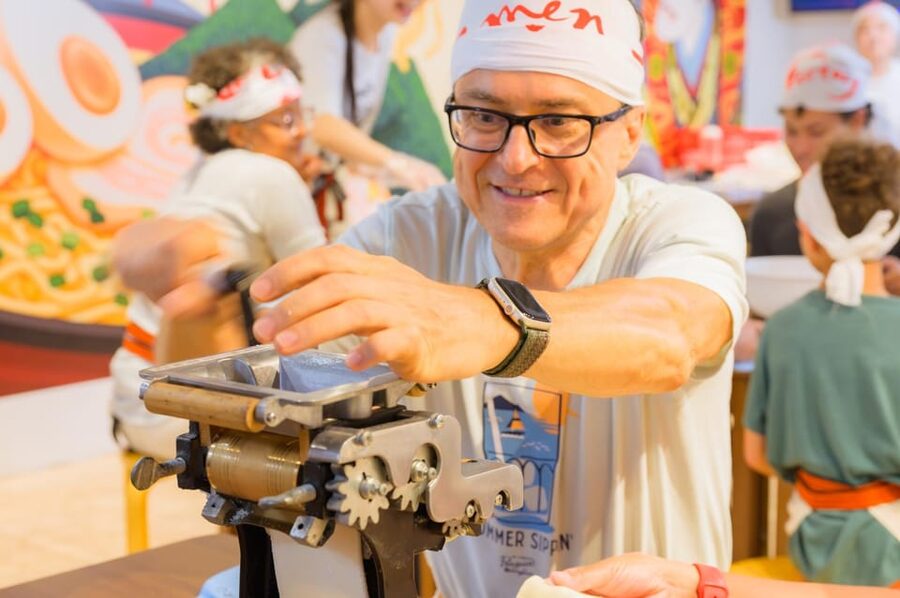
The class depends heavily on clear instruction, and the teaching team receives consistent praise for being upbeat and helpful. Names mentioned by participants include Sakura, Fuku, Akemi, Moeka, Haruka, Kazuma, Kazuki, Maya, Yuto, Mahiro, and others.
You may not have the same instructor listed in advance, but the teaching style is consistent in the available feedback. The guides explain each step, keep the pace moving, and add jokes and background about ramen and Japanese food.
Sakura is noted for keeping the class energetic and helping with photographs. Fuku is described as funny and informative, while Akemi is praised for clear teaching. Moeka is also singled out for making the class engaging. These details matter because a hands-on lesson can become stressful if the instructor rushes or leaves people unsure of what to do.
The staff also take photos and videos during the process. That is helpful if your hands are covered in dough and you cannot document the activity yourself. A printed photo and certificate may be provided, depending on the class arrangements, while the included souvenir is selected from four options.
You should know that filming and photography may take place for professional productions, promotional material, website use, or 360-degree recordings. If you do not want to appear in such material, ask the local supplier about the policy before you attend.
Dietary requests and what to ask about
Dietary needs can be accommodated, but you should contact the local supplier after booking. Do not wait until you arrive and assume that every option will be ready.
The experience has accommodated meat-free requests. A pescatarian option with tofu and fish broth has been provided, and vegan arrangements have also been made on an individual basis. The exact ingredients and preparation can vary, so direct communication is the safest approach.
Allergy information should also be shared in advance. The staff can confirm dietary restrictions and adjust the meal when arrangements are made ahead of time. This is especially important because ramen can involve several separate ingredients, including broth, sauces, oils, toppings, and condiments.
Location near Demachiyanagi Station
Ramen Factory is about a five-minute walk from Demachiyanagi Station on the Keihan Line. That makes it convenient if you are exploring the northern side of central Kyoto or connecting the class with nearby sightseeing.
The entrance is on the basement floor. Use the staircase to the right of the supermarket and go down. One practical warning is that the entrance may not match the location shown by Google Maps. The street-side stairs behind the bus stop are an important landmark, so give yourself a few extra minutes to find the correct way in.
Transportation is not included. You arrange your own way to the meeting point, but the station access keeps the activity simple for visitors already using Kyoto’s rail system.
Because the class is only 90 minutes, it works well as a side trip rather than a full-day commitment. You can fit it around sightseeing, though you should check the available start times before planning a tight sequence of temples, trains, and meals.
Is $127 a fair price?
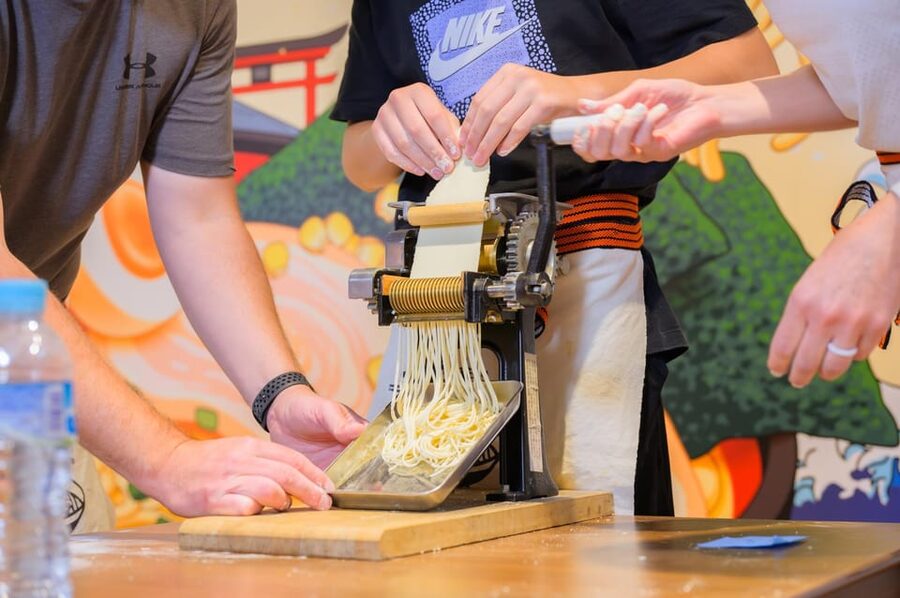
At $127 per person, this is not an inexpensive lunch. A regular ramen bowl in Kyoto will cost far less, so the value comes from the lesson, the staff support, the meal, the recipe, and the souvenir.
I would compare it to a short cultural workshop rather than a restaurant visit. You get a guided activity, fresh noodles made by hand, chicken preparation, sauce and broth choices, a finished meal, and a take-home item. The full recipe is sent by email, which gives the experience some lasting value if you actually cook it later.
The souvenir also helps justify the price for families and couples who want a physical reminder of the day. Some participants have received a ramen bowl, while other options are available. You should confirm what the current four choices are if the souvenir matters to you.
The class is a good value if you enjoy learning by doing and want a memorable food activity. It is weaker value if you only want a cheap, quick bowl of ramen or already plan to take several cooking classes in Japan.
Who should book this activity
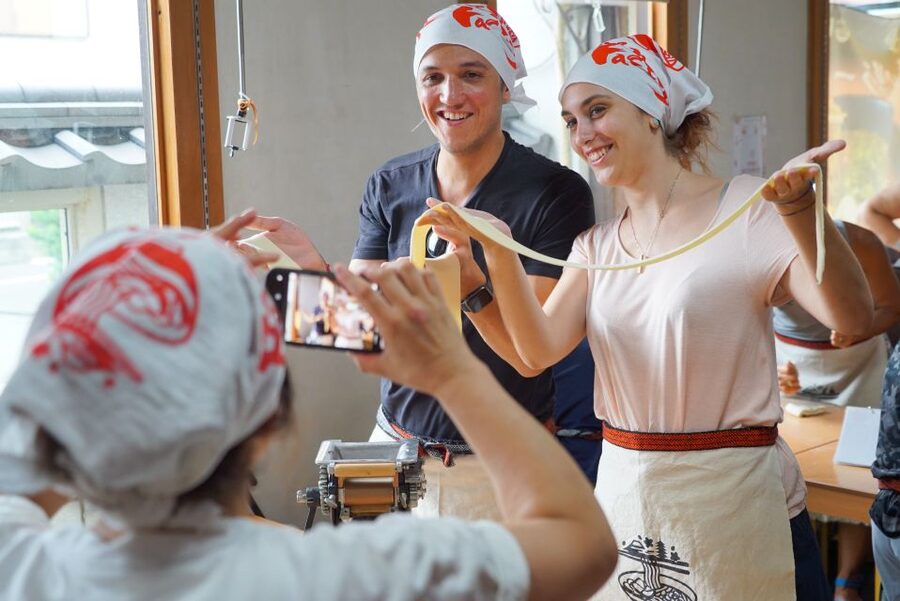
I would recommend it to families, couples, solo visitors, and anyone who loves ramen but has never made fresh noodles. The instructions are beginner-friendly, and the class has enough humor and movement to keep children and teenagers interested.
It also suits a solo visit. Staff can help with photos and make sure you are included in the steps, so you do not need to arrive with a group. A private lesson may occasionally happen if attendance is very low, but you should not count on that when booking.
This is less suitable for someone who wants a quiet, formal cooking lesson. The atmosphere is energetic, and the instructors often use humor to keep the group involved. You may also find the dough work tiring if you have limited hand strength, though assistance is available.
The class is especially useful for people who want to cook ramen at home. The email recipe, flavor choices, and explanation of ingredients give you a clearer starting point than simply eating at a restaurant and trying to guess what went into the bowl.
Should you book the Ramen Factory class?
Book it if you want a short, social Kyoto activity that combines food, practical work, and a souvenir. The strongest reasons are the fresh noodles, the freedom to customize your bowl, the helpful English-speaking instructors, and the chance to eat a meal you prepared yourself.
Skip it if $127 feels too high for a food activity or if your main goal is simply tasting excellent ramen. For everyone else, this is a well-organized choice, especially on a family trip or on a day when you want a break from temples and walking. Contact the supplier ahead of time for dietary needs, allow extra time to find the basement entrance, and arrive ready to work with your hands.
FAQ
How long does the ramen-making class last?
The class lasts 90 minutes, including the cooking process and time to eat the ramen you make.
How much does the experience cost?
The listed price is $127 per person.
Where is Ramen Factory Kyoto located?
It is about a five-minute walk from Demachiyanagi Keihan Line Station in Kyoto, on the basement floor.
How do I find the entrance?
When you arrive, take the staircase to the right of the supermarket and go down to the basement. The entrance may not appear in the same place on Google Maps, and the stairs are on the street side behind the bus stop.
Is transportation included?
No. Transportation to the meeting point is not included.
Are drinks included?
No. Drinks are not included in the activity price.
Which languages are offered?
Instruction is available in English and Japanese.
Can I request a vegetarian, pescatarian, vegan, or allergy-friendly option?
You should contact the local supplier after booking to request a dietary option. Pescatarian meals with tofu and fish broth, as well as other individual adjustments, have been arranged.
What sauces can I use for my ramen?
You can taste and mix three featured sauces: miso, salt, and soy. You also choose a soup and sauce combination for your bowl.
What do I take home after the class?
You receive a selected souvenir from four options, and the full recipe is sent to you by email. Photos, a printed picture, or a certificate may also be provided as part of the class arrangements.
Can I cancel the booking?
You can cancel up to 24 hours in advance for a full refund. A reserve-now, pay-later option is also available.
New cooking classes around Kyoto
- Nishiki Market Food Tour with Cooking Class★ 4.9 · 42 reviews
- Kyoto Udon & Tempura Cooking Class with Professional Chefs★ 3.8 · 3 reviews
- Kyoto: Morning Japanese Bento Cooking Class★ 5.0 · 149 reviews
- Kyoto: Wagashi (Japanese sweets) Cooking near Fushimiinari★ 5.0 · 40 reviews
- Kyoto Home Cooking Class &Supermarket tour near Fushimiinari★ 5.0 · 31 reviews
- Kyoto: Cooking class, learning how to make authentic sushi★ 4.2 · 9 reviews
- Kyoto: Authentic Sushi Making Cooking Lesson★ 5.0 · 103 reviews
- Kyoto: Afternoon Japanese Izakaya Cooking Class★ 4.9 · 241 reviews
Kyoto Cooking Classes, side by side.
Ramen Cooking Class at Ramen Factory in Kyoto
Read our review →
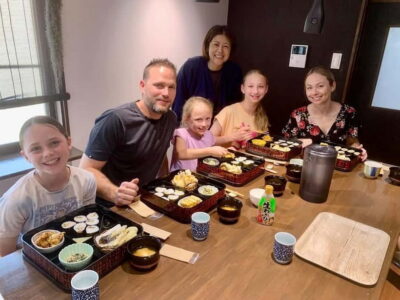
Kyoto: Japanese Washoku Bento Small Group Cooking Class
Read our review →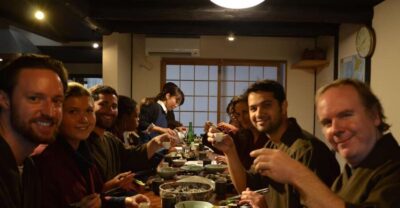
Kyoto: Afternoon Japanese Izakaya Cooking Class
Read our review →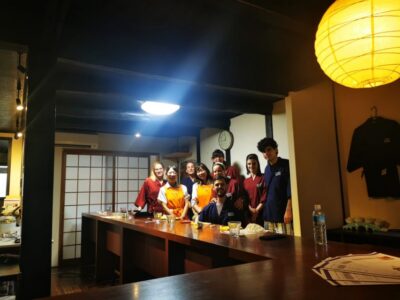
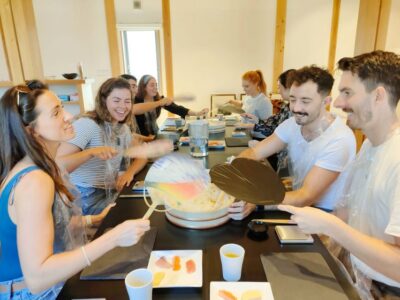
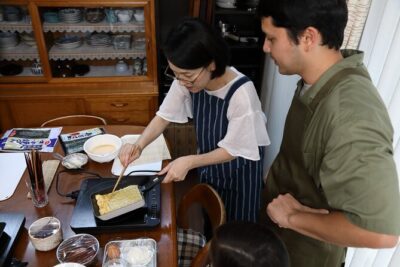
Near Fushimiinari: Kyoto Home Cooking Class & Supermarket tour
Read our review →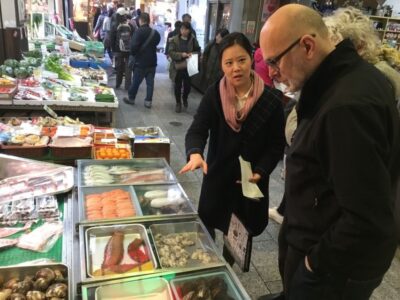
This kitchen also appears in