
Review · KYOTO
Kyoto: Afternoon Japanese Izakaya Cooking Class
Kyoto’s Cooking Sun class teaches the food people actually make and order, not just the polished dishes most visitors recognize. You cook several small plates in two rounds, eat with the chefs, and learn how ingredients such as dashi and mirin fit into everyday Japanese cooking. The recipes are practical, and the English instruction is clear. The one catch is pace: fitting as many as six dishes into three hours means you need to keep moving.
I like the friendly, talk-at-the-counter style, which feels closer to an izakaya than a formal school. I also like that the class gives you recipes to take home, so the afternoon does not end when you leave Kyoto. Dietary needs must be shared when booking, and the menu may be less suitable if you want a slow, highly specialized lesson focused on one dish.
Key points at a glance
- Two cooking and eating rounds: Prepare two or three dishes, sit down to eat, then return to the kitchen for another set.
- Up to six dishes: Past menus have included savory dishes and dessert, with enough variety to make the meal feel substantial.
- Useful Japanese basics: You may work with fundamentals such as dashi, mirin, and simple home cooking methods.
- English-speaking instruction: Yumi, Yumiko, and other instructors have guided classes with clear, patient explanations.
- Recipes for home: Written instructions make it possible to repeat the dishes after your trip.
- Good indoor Kyoto activity: The three-hour class works well when you want a break from temples, shopping, or hot and rainy weather.
What this Kyoto cooking class is really about
At $67 per person, this is not simply a meal with a demonstration attached. You spend three hours preparing food, eating it, asking questions, and learning how Japanese dishes fit into ordinary dining culture.
The class focuses on izakaya cooking. An izakaya is a casual Japanese place where people order several small dishes to share, often alongside drinks. That format explains the broad menu. Instead of spending the entire afternoon perfecting sushi rolls, you work through several savory dishes and possibly a dessert, tasting different flavors and techniques along the way.
I think this is the right approach for a first Japanese cooking lesson. You get a wider view of the kitchen, and the food is not limited to the most familiar tourist choices. Several participants specifically valued learning dishes that were less common outside Japan, while still finding them simple enough to make at home.
The class takes place at Cooking Sun on Funayacho in Kyoto’s Shimogyo Ward. The supplied information does not give a detailed neighborhood route or group size, so you should check your confirmation carefully for the meeting instructions and start time. The activity lasts three hours, with available start times shown when you book.
More cooking classes around Kyoto:
- Ramen Cooking Class at Ramen Factory in Kyoto
★ 5.0 · 1,937 reviews - Kyoto: Ramen Cooking Class at a Ramen Factory with Souvenir
★ 4.9 · 532 reviews - Kyoto: Ramen, Gyoza, and Onigiri Cooking Class
★ 5.0 · 445 reviews
The first cooking round: learn, prepare, and eat
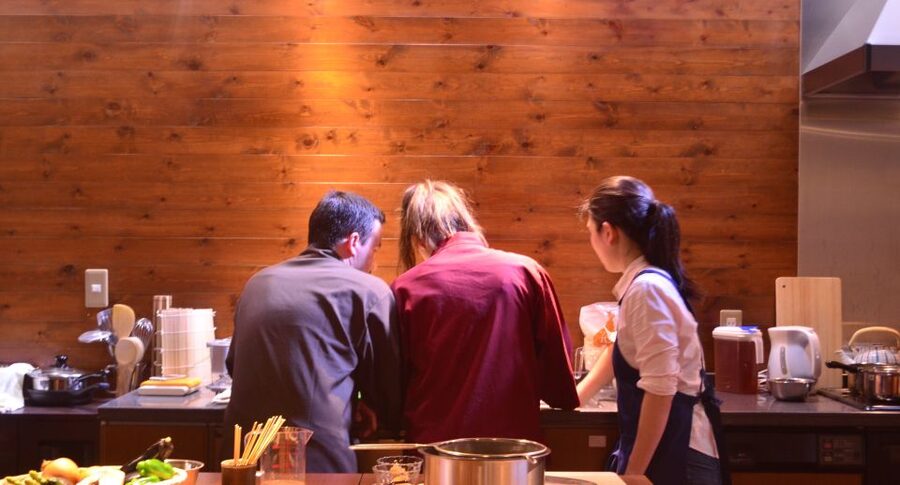
The class begins in the kitchen with your instructor and fellow cooks. You receive ingredients, an apron, utensils, and your own cooking setup. The listed format calls for two or three dishes in the first round, although some sessions have produced a larger set of food across the whole class.
The instruction is hands-on. You are not expected to watch from the side while someone else does the work. The teachers explain each stage, demonstrate techniques, and help you complete the tasks. This matters if you are new to Japanese cooking, since ingredients and methods may be unfamiliar at first.
You might work with basic stock, sauces, chopping, mixing, or pan cooking. One participant singled out making dashi from the basics as a useful part of the lesson. The exact menu can vary, so do not book expecting one fixed list of dishes unless the supplier confirms it directly.
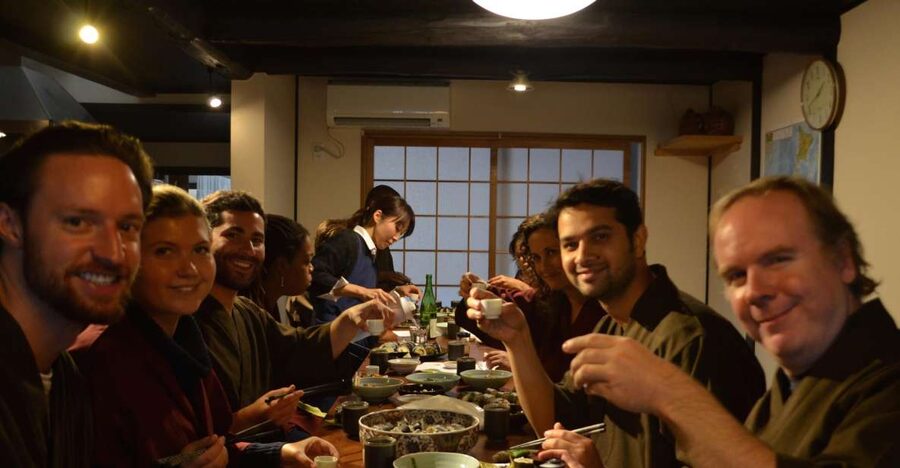
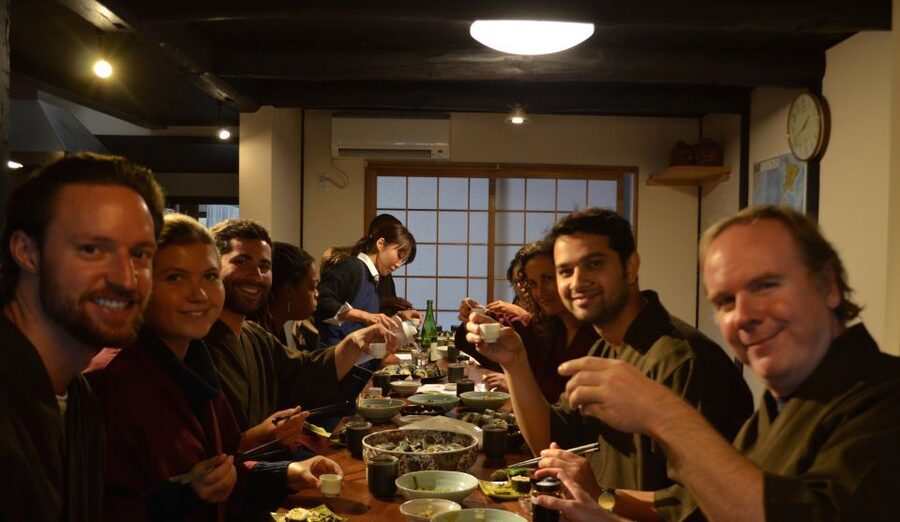
After the first cooking round, you eat what you made. This break gives you a chance to taste the results while the lesson is still fresh. It also brings in the social side of the class. The setup follows the informal feel of an izakaya, where conversation and food happen together rather than in separate stages.
The second round adds range without making the class too formal
After eating, you return to the kitchen for two or three more dishes. This second stage is what makes the class feel like a full introduction to Japanese home food instead of a short demonstration.
The schedule is fairly quick. That is useful because you cover a lot in three hours, but it also means you should arrive ready to participate. One participant described the pace as fast but necessary given the number of dishes. If you want long pauses for detailed questions or careful food photography, this may feel busy.
The payoff is variety. One session produced five savory dishes and a dessert. Another included six traditional Japanese dishes. These details suggest a broad menu, but they should not be treated as a promise of the same dishes every day.
Okonomiyaki has been a particular success for some cooks. The dish is filling, social, and approachable, and it gives you a good example of how Japanese cooking can be casual rather than delicate or elaborate. Other useful lessons may include dashi, mirin, and everyday seasoning combinations. You leave with more than a single recipe to memorize.
The meal matters as much as the lesson
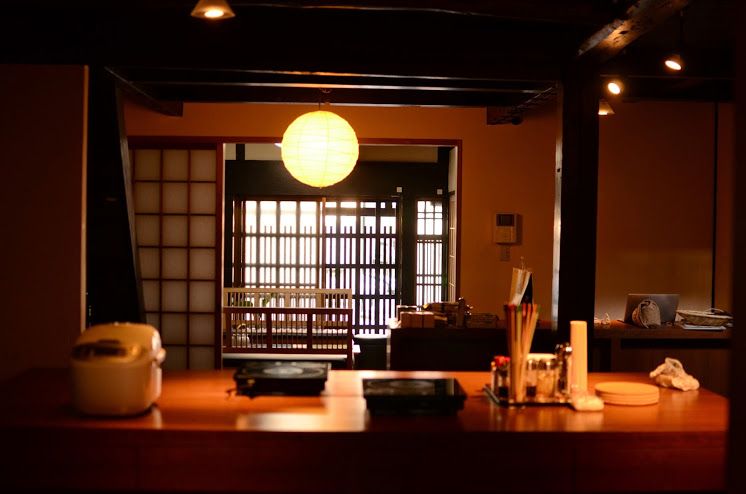
You eat again after the second cooking round, making the afternoon both a class and a meal. This is a practical advantage at $67. You are not paying for instruction alone, and you do not need to arrange a separate lunch or early dinner around the activity.
I like the way the meal reinforces the lesson. You can see how several small dishes work together, rather than tasting each recipe in isolation. You also have time to compare flavors and ask how the food might be served in Japan.
The social tone is informal. You are encouraged to talk with the chef while cooking and eating, much as you would at an over-the-counter izakaya. That can be one of the best parts if you enjoy meeting people, but it may feel less comfortable if you prefer a quiet, private lesson.
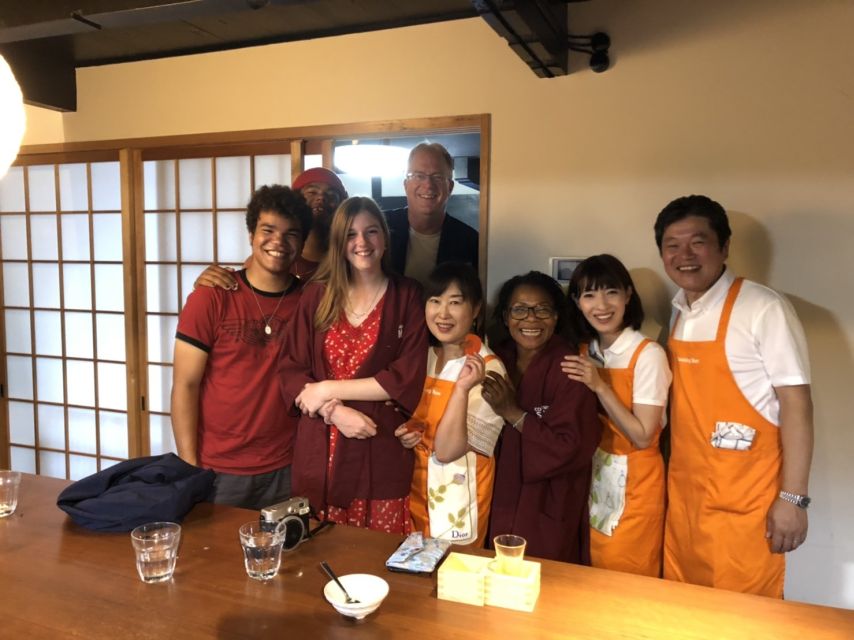
The class has drawn families, couples, solo visitors, and people with very different cooking backgrounds. One experienced chef said the instruction still offered useful lessons, while several beginners said the recipes were easy to follow. That is a good sign for mixed groups, where not everyone arrives with the same skill level.
Same kitchen, a different dish:
- Kyoto: Japanese Washoku Bento Small Group Cooking Class
★ 5.0 · 380 reviews - Kyoto: Morning Japanese Bento Cooking Class
★ 5.0 · 149 reviews - Kyoto: Authentic Sushi Making Cooking Lesson
★ 5.0 · 103 reviews - Near Fushimiinari: Kyoto Home Cooking Class & Supermarket tour
★ 5.0 · 100 reviews
The instructors keep the food accessible
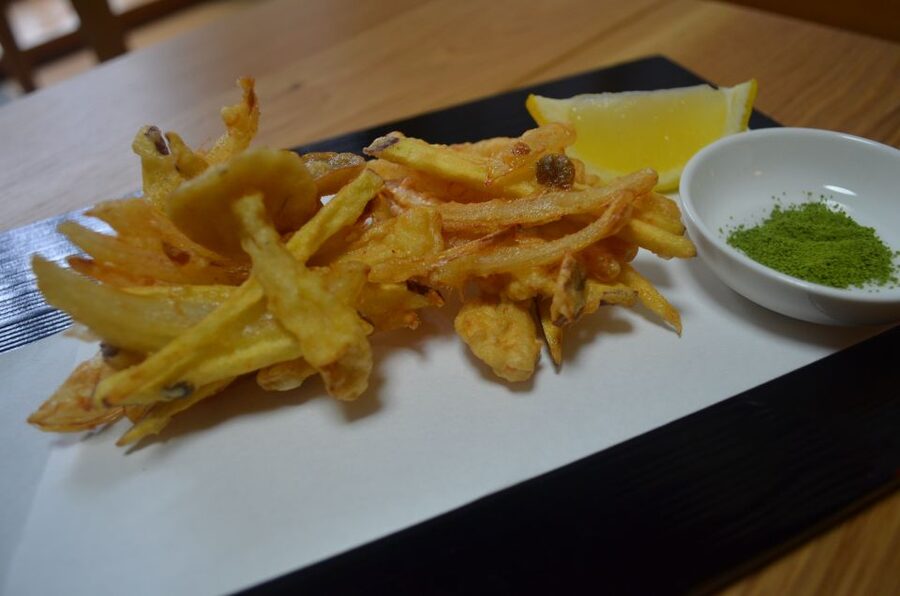
English is the teaching language. The instructors explain the steps in clear terms and help you through the practical work. English ability has been praised repeatedly, including by people who wanted to understand cooking fundamentals rather than just copy a demonstration.
Yumi and Yumiko have led sessions described as warm, organized, and entertaining. Other classes have included different instructors, so you should not assume a particular teacher will be present on your date. The common feature is a friendly teaching style built around helping people succeed.
This is important with Japanese food because some ingredients are hard to judge by appearance alone. A teacher can explain what dashi does, how a seasoning changes the dish, or how to handle an unfamiliar ingredient. The value is not just the recipe card. It is the explanation behind the recipe.
The class also appears patient with noncooks. One family included a person who rarely cooks, and the class still worked well. Another group included a vegetarian who received separate utensils and pans when needed. You should still report dietary requirements at booking, rather than relying on an adjustment after you arrive.
Recipes you can actually use at home
Many cooking classes produce food that is fun to make once but difficult to repeat outside the teaching kitchen. This one earns its price partly through recipes designed for home use.
You receive written instructions for the dishes. Past participants found the steps clear enough to recreate the food after returning home, and several specifically appreciated having the recipes as a lasting reminder of the afternoon.
That does not mean every ingredient will be easy to find everywhere. Japanese pantry items such as dashi and mirin may require a well-stocked supermarket or an Asian grocery. Still, the class gives you a better starting point than simply trying to guess the ingredients from a restaurant meal.
I would bring a small notebook or use your phone for extra notes, if allowed. Write down substitutions, brand names, or tips that matter to your own kitchen. The printed recipes provide the structure, while the teacher’s comments can help you adapt the dishes later.
Who gets the most from the $67 price
The cost is $67 per person for three hours. I consider that fair value because it includes the class, ingredients, apron, utensils, multiple dishes, and the meal you prepare. You also get recipes and direct access to an English-speaking instructor.
Compared with paying for a restaurant meal, the class costs more. You are paying for participation and instruction, not just food. Compared with a private culinary lesson, it offers a lower-cost way to learn several dishes, though the group setting means less individual attention than a private booking would provide.
The price makes the most sense for you if at least one of these is true:
- You enjoy cooking and want techniques you can repeat at home.
- You want to understand Japanese food beyond sushi, ramen, and tempura.
- You need an indoor activity during a hot, rainy, or tiring Kyoto afternoon.
- You are traveling with family and want an activity that works across age and skill levels.
- You value meeting local instructors over simply visiting another restaurant.
If you are mainly looking for the cheapest meal in Kyoto, skip it. If you dislike cooking or want a slow luxury food experience, the pace and practical format may not suit you. For an interactive cultural activity with a substantial meal, the price is sensible.
Practical details before you book
The meeting point is Cooking Sun, Funayacho, Shimogyo Ward, Kyoto, Kyoto 600-8466. Check the exact starting time and allow enough time to reach the address, since the activity begins at a fixed time shown during booking.
The class is listed as wheelchair accessible. If you use a wheelchair or have mobility concerns, confirm the precise access arrangements when you reserve, especially since the available information does not describe the room layout.
Tell the local supplier about allergies, dietary restrictions, or other food requirements when booking. A vegetarian accommodation has been provided in at least one class, but you should request this in advance so the kitchen can prepare properly.
Cancellation is free up to 24 hours before the activity for a full refund. You can also reserve now and pay later, which helps if your Kyoto schedule is still changing.
No special cooking ability is required. Wear something comfortable for a hands-on kitchen session, and avoid arriving hungry enough to rush through the instruction. You will eat during the class, but the main benefit is learning as you go.
Is this the right Kyoto food experience for you?
I would book this class if you want to cook several everyday Japanese dishes, eat what you make, and leave with recipes you can use at home. The strongest reasons are the friendly English instruction, the broad menu, the practical recipes, and the chance to talk with local chefs while you work.
I would hesitate only if you want a very slow lesson, a private experience, or a guaranteed menu. The class covers a lot in three hours, and the exact dishes may change. For most visitors who want a useful and sociable afternoon in Kyoto, Cooking Sun offers much more than a standard restaurant meal.
FAQ
How long is the Kyoto Japanese izakaya cooking class?
The class lasts three hours. Start times vary, so check availability for the date you want.
How many dishes will I cook?
The stated format includes two or three dishes in the first cooking round and two or three more in the second. Some sessions have included six dishes, including dessert, but the exact menu can vary.
Is the class taught in English?
Yes. English is the listed teaching language, and the instructors provide step-by-step guidance in English.
What is included in the price?
The $67 price includes the cooking class, ingredients, apron, utensils, and the dishes prepared during the session.
Where does the class meet?
The meeting point is Cooking Sun, Funayacho, Shimogyo Ward, Kyoto, Kyoto 600-8466.
Can I request accommodation for dietary requirements?
Yes. You should tell the local supplier about dietary requirements when booking. Advance notice is important so the kitchen can prepare appropriately.
New cooking classes around Kyoto
- Nishiki Market Food Tour with Cooking Class★ 4.9 · 42 reviews
- Kyoto Udon & Tempura Cooking Class with Professional Chefs★ 3.8 · 3 reviews
- Kyoto: Wagashi (Japanese sweets) Cooking near Fushimiinari★ 5.0 · 40 reviews
- Kyoto: Morning Japanese Bento Cooking Class★ 5.0 · 149 reviews
- Kyoto Home Cooking Class &Supermarket tour near Fushimiinari★ 5.0 · 31 reviews
- Kyoto: Cooking class, learning how to make authentic sushi★ 4.2 · 9 reviews
- Kyoto: Authentic Sushi Making Cooking Lesson★ 5.0 · 103 reviews
- Authentic Japanese Cooking Experience at Izakaya restaurant★ 4.2 · 5 reviews
Kyoto Cooking Classes, side by side.
Ramen Cooking Class at Ramen Factory in Kyoto
Read our review →
Kyoto: Japanese Washoku Bento Small Group Cooking Class
Read our review →
Near Fushimiinari: Kyoto Home Cooking Class & Supermarket tour
Read our review →
Kyoto: Wagashi (Japanese sweets) Cooking near Fushimiinari
Read our review →This kitchen also appears in