
Review · KYOTO
Kyoto: Morning Japanese Bento Cooking Class
Kyoto’s food culture is not only about finding the right restaurant. This hands-on bento class lets you prepare several familiar Japanese dishes, then arrange them into the lunch box you eat at the end. You learn the practical steps, the cultural meaning of bento, and small tricks you can use back home.
I like the small-group feel, with classes reported as ranging from four to about ten people, and I like that English-speaking instructors such as Mei, Tomoko, and Yukari take time to explain each dish. The main consideration is that ingredients are prepared in advance, so this is more about cooking techniques and assembly than knife skills or market shopping.
Key points at a glance
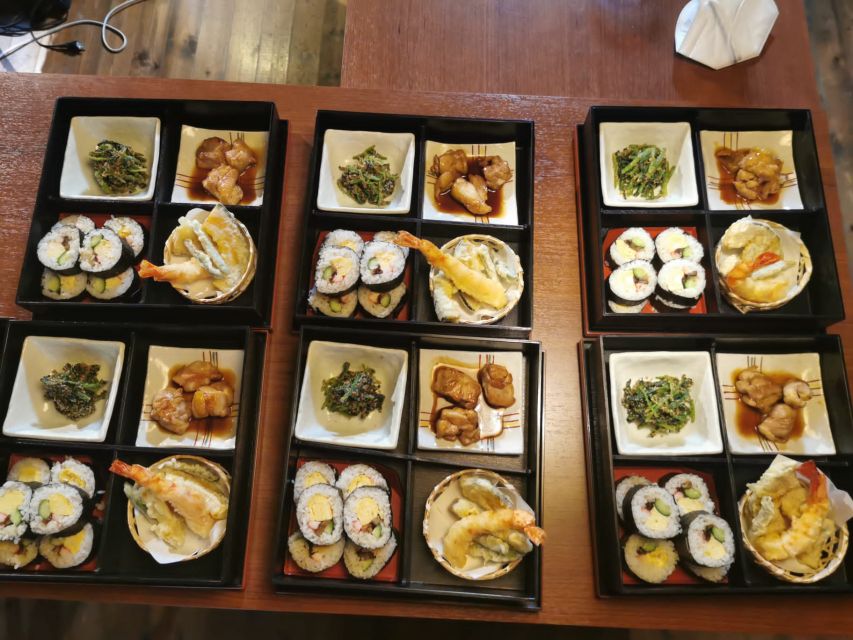
- Make a full bento lunch: Prepare sushi, tempura, teriyaki chicken, miso soup, and other Japanese dishes during one morning class.
- Learn the story behind bento: The lesson connects the lunch box to Japanese food culture and its origins in the late Kamakura Period.
- Cook with clear English instruction: The instructors demonstrate each step, provide written recipes, and help at your station.
- Eat what you prepare: Your finished dishes become lunch, giving you a useful test of the recipes before trying them at home.
- Good for families and dietary needs: Children around age 10 have taken part, and vegetarian and no-shellfish adjustments have been provided.
- Useful three-hour format: The class includes ingredients, an apron, utensils, instruction, and lunch for $67 per person.
A Kyoto morning built around one bento box
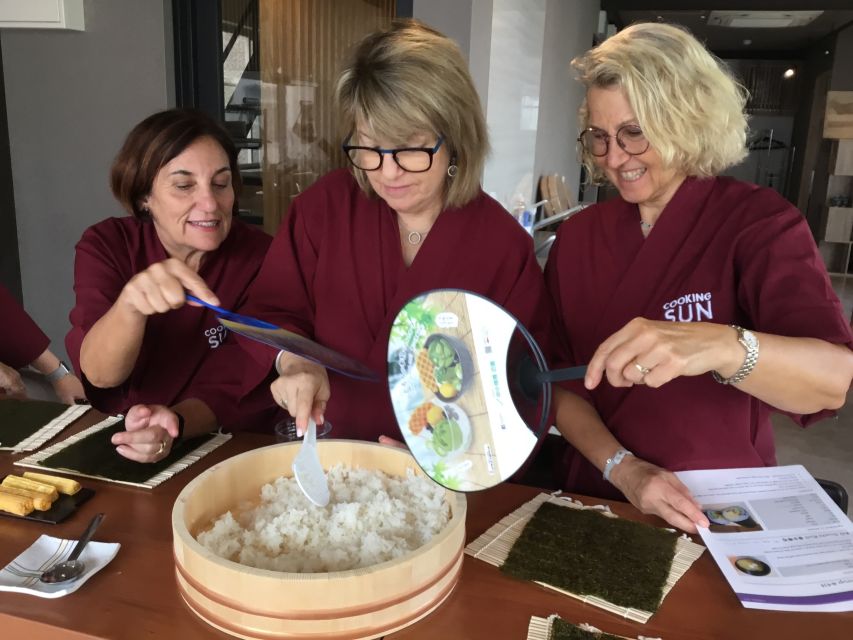
The class takes place at Cooking Sun, at Funayacho in Kyoto’s Shimogyo Ward. You arrive for a morning session lasting about three hours, collect your apron and utensils, and receive the ingredients for the dishes you will prepare.
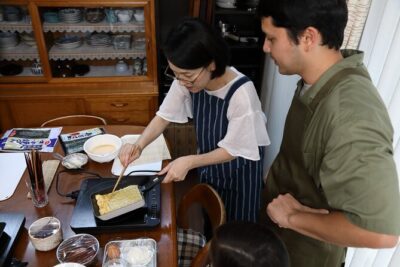
The appeal is simple: instead of watching a chef work from a distance, you follow the process yourself. The instructors demonstrate the recipes, explain the purpose of each step, and give you time to repeat it. That format works well for beginners because you can see the finished technique before attempting it.
You are not signing up for a full-day culinary school. The class moves through several dishes in a limited time, so the pace is purposeful. You will cook a good range of food, but you should not expect a long lesson on every knife cut or a detailed discussion of every ingredient.
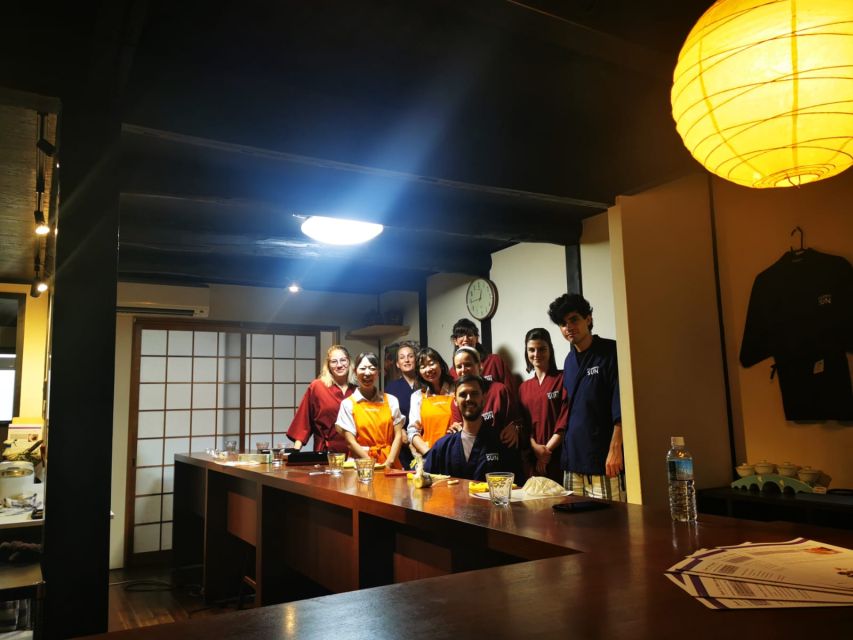
The kitchen setup also makes the activity social. You may work alongside couples, families, or people from several countries, then sit down together for the meal. For me, that shared table is part of the value. You get a food lesson and a relaxed cultural exchange without giving up a full day of sightseeing.
More morning classes around Kyoto:
- Tingly Thai Cooking Class with Morning Market Tour
★ 5.0 · 589 reviews - Balinese Cooking class with traditional morning market visit
★ 5.0 · 161 reviews - Chiang Mai: Morning Cooking Class with Market Visit
★ 4.9 · 81 reviews
What you cook: sushi, tempura, and more
The menu centers on dishes many visitors already associate with Japan, but the class gives them more context and practical detail.
Sushi is one of the most appealing parts for home cooks. You learn how the ingredients come together and how to form a portion suitable for a bento. One useful point from the class format is that the ingredients are already prepared, allowing you to focus on making the dish rather than spending the morning on basic chopping and setup.
Tempura adds a different technique. You work with batter and frying rather than cold assembly, which gives the menu variety. A cooking lesson can make restaurant food feel less mysterious, even if your home version will not look exactly like the one served in Kyoto.
Teriyaki chicken is another practical choice. It is familiar enough for a beginner, yet the sauce and cooking method offer useful tips you can repeat later. One former participant specifically came away eager to make sushi and teriyaki chicken at home, which says something about how approachable the recipes are.
Miso soup rounds out the meal. It is a staple of Japanese home cooking, and preparing it alongside the other dishes helps you understand how a bento lunch can include different textures, colors, and flavors rather than one large main course.
The exact class menu can include additional dishes, and past sessions have covered six or seven preparations. You should think of the experience as a broad introduction to a bento meal, not a single-recipe workshop.
Why the bento lesson adds more than recipes
A bento is not simply a plastic box filled with leftovers. The class explains the cultural background of the Japanese takeaway meal, which dates back to the late Kamakura Period, from 1185 to 1333.
That history matters because it changes how you look at the finished lunch. A bento brings together separate portions in one compact meal, with attention to balance and presentation. You see how sushi, fried food, chicken, soup, and smaller items can work together.
The lesson also gives you a useful way to think about Japanese food at home. Instead of memorizing isolated recipes, you begin to see how a meal can combine contrasting flavors and textures. You may find that the most useful takeaway is not one exact bento design, but the habit of preparing several modest dishes and arranging them as a complete lunch.
The presentation side is worth noting. The instructors demonstrate ways to make the food look attractive inside the box, not just ways to make it edible. If you enjoy food photography or want a more polished lunch for family and friends, this part will likely hold your attention.
A teaching style suited to beginners
The instruction is in English, and the format relies on demonstration followed by practice. That is a good match for visitors who want clear guidance without a technical lecture.
Names associated with the class include Mei, Tomoko, and Yukari. The teaching team has been described as patient, kind, and easy to understand. In some sessions, instructors have also taken photos and videos while participants cooked, a thoughtful touch if you want a record of the experience without stopping to document every step yourself.
Written recipes are provided. This makes a real difference after you leave Kyoto, since you will not have to rely on memory when looking for ingredients or trying to repeat the cooking process. Instructors have also offered advice about finding Japanese ingredients at home.
The class seems especially forgiving for people with different cooking backgrounds. Complete beginners can follow the demonstrations, while experienced home cooks may still pick up small tips about egg rolls, tempura, sauces, or preparation. One experienced cook found the intimate format informative rather than basic.
Do not expect a private chef for every person. One participant wanted more individual interaction and found that some equipment had to be shared. That is a fair tradeoff in a group class, but it is worth knowing if you prefer uninterrupted access to your own workspace.
More cooking classes around Kyoto:
- Ramen Cooking Class at Ramen Factory in Kyoto
★ 5.0 · 1,937 reviews - Kyoto: Ramen Cooking Class at a Ramen Factory with Souvenir
★ 4.9 · 532 reviews - Kyoto: Ramen, Gyoza, and Onigiri Cooking Class
★ 5.0 · 445 reviews - Kyoto: Japanese Washoku Bento Small Group Cooking Class
★ 5.0 · 380 reviews
Group size, family appeal, and dietary needs
Group size can vary. Some sessions have been very small, including one with only two participants, while others have had about eight or ten people with several instructors. A smaller group gives you more direct contact and makes it easier to ask questions. A larger group may feel more social, though you could share some cooking equipment.
Families can fit comfortably into the format. Two 10-year-olds took part in one family session and were able to participate in the cooking and enjoy the meal. Teenagers can also benefit, especially if they need a little extra guidance at the work surface.
You should state dietary requirements when booking. Vegetarian adjustments have been made, and a no-shellfish version has also been provided. Still, the information does not promise every possible dietary substitution, so explain your needs clearly before the class rather than waiting until you arrive.
This is a useful activity for mixed groups. A food enthusiast can focus on technique, a first-time cook can follow the basic steps, and a child can take part in the assembly and presentation. Since everyone eats the finished meal, the class has a clear reward at the end.
Eating the lunch you made
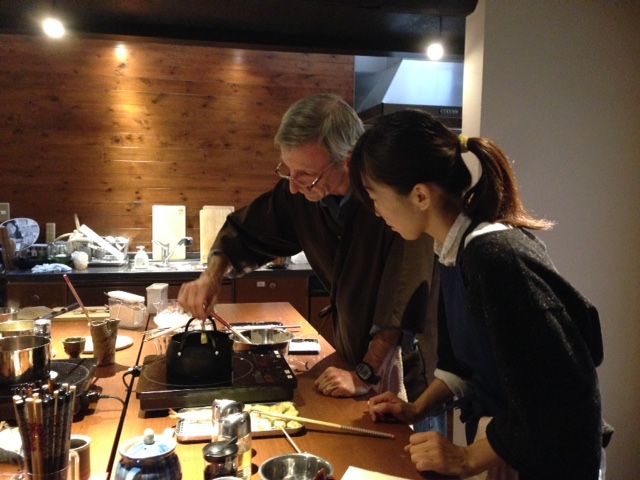
After the cooking is finished, you sit down with your bento lunch. This is not a separate restaurant meal, so the quality depends partly on how carefully you followed the instructions. That makes the meal more satisfying: you can see the work behind every portion.
The menu gives you plenty to taste. Sushi, tempura, teriyaki chicken, miso soup, and the other bento dishes create a fuller lunch than a single cooking demonstration would. Several participants described the food as delicious, and the format allows you to test the balance of the meal immediately.
I also like the practical feedback built into this stage. You learn which steps matter most, which parts are easy to recreate, and which techniques may need more practice. If a sauce or presentation method seems tricky, you can ask about it while the lesson is still fresh.
The meal can take time, so keep the rest of your morning flexible. The listed duration is three hours, and that includes instruction, cooking, and lunch. You will not want to schedule a major timed attraction immediately afterward.
Is $67 a fair price?
At $67 per person, this is not the cheapest way to eat lunch in Kyoto. It is a fair price if you value instruction and want to leave with recipes and cooking practice, not just a meal.
The fee includes the class, ingredients, apron, utensils, and lunch. You do not need to purchase a separate meal afterward, and you avoid the cost of sourcing several Japanese ingredients for a one-time cooking attempt. The included equipment also keeps the experience straightforward for visitors who are packing light.
The best value comes if you cook at home later. Participants have found the recipes easy enough to repeat, and one person even bought equipment after the lesson for future use. If you only want to taste sushi and tempura, a restaurant will be faster and may cost less. If you want to understand how the food is made, three hours of instruction makes the price easier to justify.
Hotel pickup and drop-off are not included. You need to make your own way to Cooking Sun at Funayacho, Shimogyo Ward, Kyoto 600-8466. Check the starting time and allow enough time to find the venue, since one participant had difficulty locating the place.
The class is wheelchair accessible. Cancellation is free up to 24 hours before the start time, and you can reserve now and pay later, which helps if your Kyoto plans are still moving around.
Who will get the most from this class?
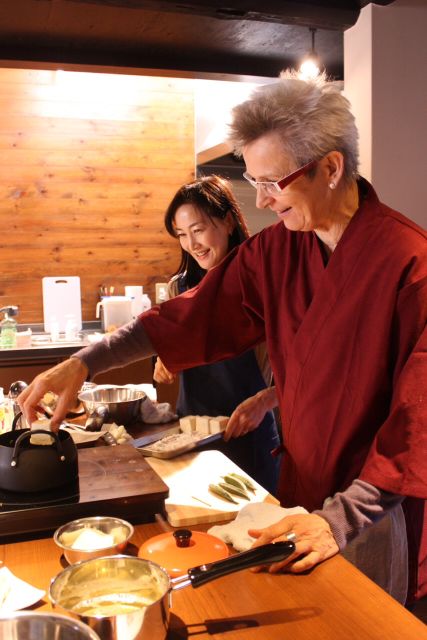
I would choose this experience for anyone who wants a useful food activity rather than another passive tasting. It suits first-time visitors who want cultural context, home cooks who want Japanese recipes, and families looking for something children can do with their hands.
It is also a good break from temple visits. Kyoto sightseeing can become a long sequence of walking and looking. A morning in the kitchen gives you a different connection with the city, one based on everyday food rather than famous buildings.
You may want to skip it if you dislike group activities, have very strict dietary restrictions that have not been confirmed, or want advanced knife instruction. The pre-prepared ingredients keep the class moving, but they also mean you will not spend much time learning professional cutting technique.
The experience works best when you arrive ready to participate. Ask questions, take notes, and pay attention to the small suggestions about ingredients and equipment. The written recipes help, but the informal tips are often the part you will remember when you try the dishes at home.
Should you book the Kyoto morning bento class?
Yes, if you want to cook several familiar Japanese dishes, eat a full lunch, and take practical recipes home. The combination of sushi, tempura, teriyaki chicken, miso soup, and bento presentation gives you more range than a single-dish lesson.
Book it with realistic expectations. This is a friendly three-hour introduction, not an intensive chef course. Ingredients are prepared in advance, group sizes can vary, and you may share equipment. For most visitors, those limits are balanced by patient English instruction, a relaxed setting, dietary flexibility, and the simple pleasure of eating a lunch you assembled yourself.
FAQ
Where does the cooking class take place?
The class takes place at Cooking Sun, Funayacho, Shimogyo Ward, Kyoto, Kyoto 600-8466.
How long does the class last?
The activity lasts about three hours. The cooking, instruction, and bento lunch all take place within that time.
What dishes will I learn to make?
The class covers sushi, tempura, teriyaki chicken, and miso soup. You may also prepare additional dishes as part of the bento meal.
Is lunch included?
Yes. You eat the bento lunch you prepare during the class.
Are ingredients included?
Yes. The class fee includes the ingredients used for the cooking lesson.
Are an apron and utensils provided?
Yes. An apron and cooking utensils are included.
Is the class taught in English?
Yes. English instruction is provided.
Can I request a vegetarian or no-shellfish meal?
You should advise the provider of dietary requirements when booking. Vegetarian and no-shellfish adjustments have been provided, but requests should be made in advance.
Is the class wheelchair accessible?
Yes. The activity is listed as wheelchair accessible.
Is hotel transportation included?
No. Hotel pickup and drop-off are not included, so you must reach Cooking Sun independently.
Can I cancel for a refund?
You can cancel up to 24 hours in advance for a full refund.
Can I reserve now and pay later?
Yes. The activity allows you to reserve your place and pay later.
New cooking classes around Kyoto
- Nishiki Market Food Tour with Cooking Class★ 4.9 · 42 reviews
- Kyoto Udon & Tempura Cooking Class with Professional Chefs★ 3.8 · 3 reviews
- Kyoto: Wagashi (Japanese sweets) Cooking near Fushimiinari★ 5.0 · 40 reviews
- Kyoto Home Cooking Class &Supermarket tour near Fushimiinari★ 5.0 · 31 reviews
- Kyoto: Cooking class, learning how to make authentic sushi★ 4.2 · 9 reviews
- Kyoto: Authentic Sushi Making Cooking Lesson★ 5.0 · 103 reviews
- Kyoto: Afternoon Japanese Izakaya Cooking Class★ 4.9 · 241 reviews
- Authentic Japanese Cooking Experience at Izakaya restaurant★ 4.2 · 5 reviews
Kyoto Cooking Classes, side by side.
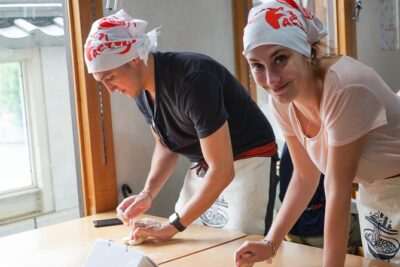
Ramen Cooking Class at Ramen Factory in Kyoto
Read our review →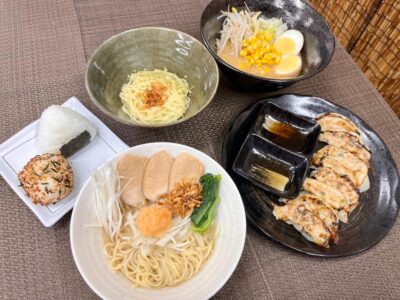
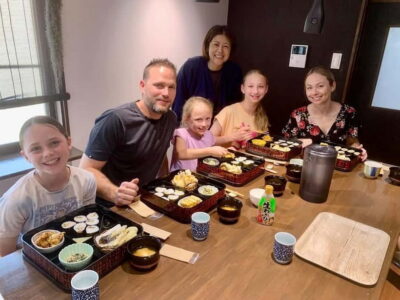
Kyoto: Japanese Washoku Bento Small Group Cooking Class
Read our review →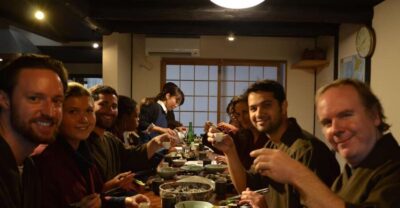
Kyoto: Afternoon Japanese Izakaya Cooking Class
Read our review →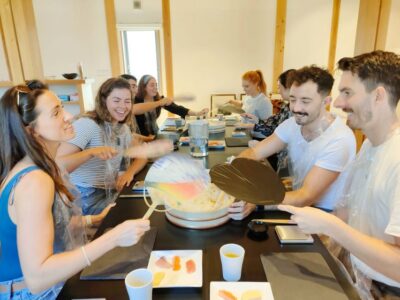
Near Fushimiinari: Kyoto Home Cooking Class & Supermarket tour
Read our review →
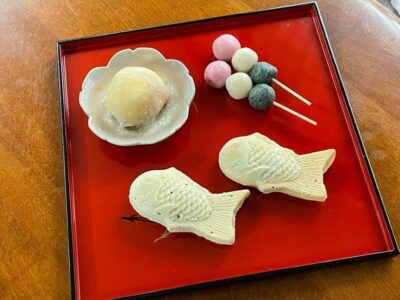
Kyoto: Wagashi (Japanese sweets) Cooking near Fushimiinari
Read our review →This kitchen also appears in