
Review · KYOTO
Ramen Cooking Class at Ramen Factory in Kyoto
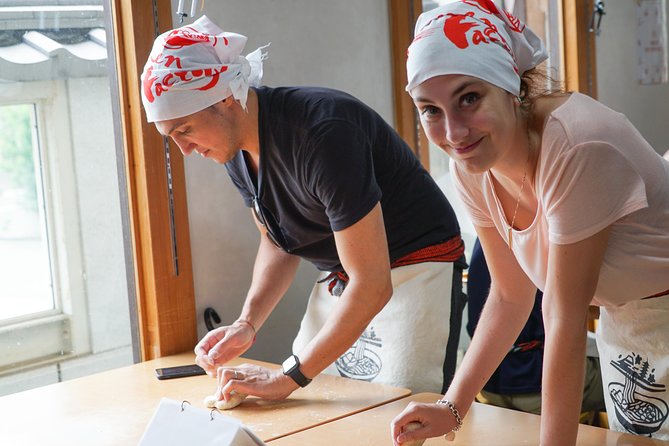
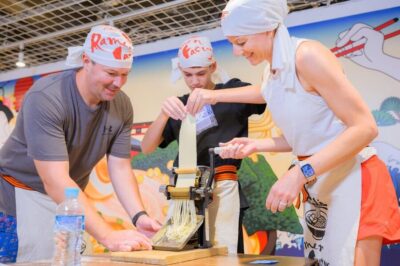
The best part of this Kyoto cooking class is that you do not simply watch someone prepare ramen. You knead the dough, press the noodles, season the broth, and build your own bowl before sitting down to eat it. The process is active, social, and easy to follow, even if your cooking skills begin and end with boiling water.
I like the full meal at the end, since the $131.32 price includes lunch rather than just a demonstration. I also like the choice built into the bowl: you can select flavors and toppings, and the class can accommodate vegetarian, vegan, and Halal preferences with advance notice. The main consideration is that drinks cost extra, and a 90-minute class may feel brief if you want a serious lesson in ramen technique.
What makes this Kyoto ramen class worth your time
- Handmade noodles from raw dough: You knead, roll, and press the dough rather than using packaged noodles.
- A lunch you prepare yourself: Your finished bowl is the main meal, not a small sample.
- Personalized broth and toppings: You can adjust the flavor and choose from available toppings.
- Friendly named instructors: Classes may be led by teachers such as Mahiro, Moeka, Haruka, Fuku, Akemi, or Hiro.
- Good for families and mixed diets: Vegetarian, vegan, and Halal options are available when requested ahead of time.
- Several class times: You can often place the session around lunch or dinner plans.
Starting in Kyoto’s Kamigyo Ward
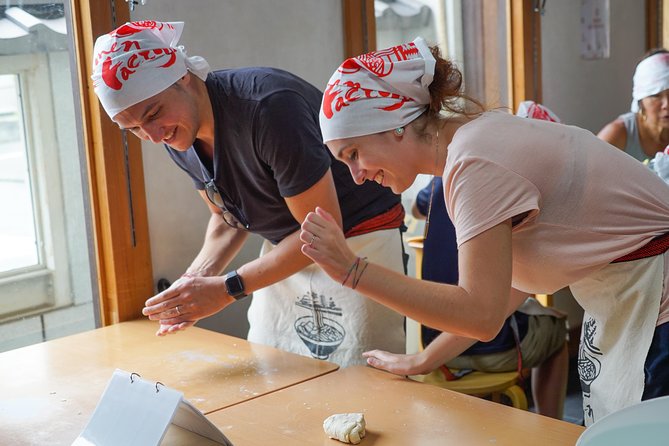
You make your own way to Ramen Factory Kyoto at 44714 Kajiicho, Kamigyo Ward, Kyoto 602-0841. The venue is in the BF1 level and is near public transportation, so you will want to allow enough time to find the entrance and get downstairs.
This is not a sightseeing tour with a guide leading you through Kyoto. It is a compact food activity at one fixed location. That makes it easy to fit between temples, shopping, or an evening reservation. The mobile ticket is useful for a quick check-in, and confirmation is provided when you book.
The class has a maximum of 20 people. That is large enough for a lively room, but small enough for an instructor to move around and help with the practical steps. A quieter time slot may have fewer people. One couple even received what felt like a private lesson when they were the only participants in their session, though you should not count on having the room to yourself.
More cooking classes around Kyoto:
- Kyoto: Ramen Cooking Class at a Ramen Factory with Souvenir
★ 4.9 · 532 reviews - Kyoto: Ramen, Gyoza, and Onigiri Cooking Class
★ 5.0 · 445 reviews - Kyoto: Japanese Washoku Bento Small Group Cooking Class
★ 5.0 · 380 reviews
Kneading dough and making the noodles
The class begins with the part that gives the experience its hands-on appeal: making ramen noodles from scratch. You work with the dough, kneading and rolling it before pressing it into noodles.
The process is not presented as a professional chef’s master class. It is designed for ordinary people on holiday, including children and first-time cooks. Instructors demonstrate each stage, then help you repeat it. That balance matters. You get to do the work, but you are not left guessing what to do next.
Some participants describe pounding or working the dough by hand before pressing the noodles. The motions are simple, though they take more effort than a quick cooking video suggests. One useful expectation is that homemade noodles may not look perfectly uniform. That is part of the fun, and the bowl still comes together nicely once the noodles are cooked.
This stage also gives the class a bit of cultural context without turning into a lecture. Ramen is often treated as fast, casual food, but making the noodles shows you how much texture comes from the noodles themselves. You leave with a clearer sense of why fresh noodles can make such a difference.
Mixing broth and choosing your flavor
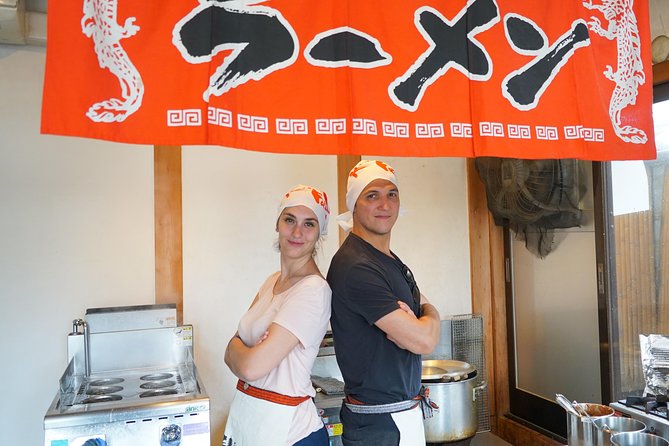
Once the noodles are prepared, you work on the soup. You can mix the broth seasonings and select from the available flavor choices and toppings. This is where each person can create a slightly different bowl.
The choices are useful for groups with different tastes. One person may prefer a stronger, more savory soup, while another may want a different combination of toppings. The class is not simply handing everyone an identical bowl. Your finished meal reflects the decisions you make along the way.
The exact menu can vary, so do not book expecting a fixed list of toppings or a particular regional style of ramen unless the provider confirms it. The supplied details promise a range of flavors and toppings, not a specific recipe. That flexibility is a plus for families and mixed groups, but people seeking a highly specialized lesson in one exact ramen style may find the class more introductory.
Vegetarian food is available, and vegan food can be arranged by contacting the provider after booking. The factory is Halal-certified. If dietary needs matter to you, make the request early rather than waiting until you arrive. The same practical rule applies to serious allergies, since the supplied information confirms diet categories but does not provide a full allergen policy.
Preparing toppings, chicken, and the finishing touches
The toppings give the class its most playful cooking moments. Depending on the class setup, you may prepare a protein such as chicken thigh, tie it, cook it in broth, and finish it with a small torch to add color. This is a memorable step because it feels more like restaurant preparation than a basic noodle lesson.
You also assemble the toppings and bring the separate parts together. The instructors help keep things moving, which is important in a 90-minute class. There is enough time to make the food and eat it, but not much room for a slow, improvised cooking session.
The teachers are a major part of the atmosphere. Past sessions have included instructors named Mahiro, Moeka, Haruka, Fuku, Akemi, Hiro, China, and Reika. Names and staff assignments may change, but the teaching style described for this class is friendly, energetic, and supportive. Mahiro is known for a humorous demonstration, while Moeka and Haruka have been praised for making the instructions easy to follow. The class works best when you join in rather than hang back.
Families should find plenty to do. Children can take part in the dough work and topping preparation, though an adult should keep an eye on hot broth and the torch step. The class is also a good choice for couples who want an activity that gives them something to talk about beyond the usual sightseeing routine.
Same kitchen, a different dish:
- Kyoto: Afternoon Japanese Izakaya Cooking Class
★ 4.9 · 241 reviews - Kyoto: Morning Japanese Bento Cooking Class
★ 5.0 · 149 reviews - Kyoto: Authentic Sushi Making Cooking Lesson
★ 5.0 · 103 reviews - Near Fushimiinari: Kyoto Home Cooking Class & Supermarket tour
★ 5.0 · 100 reviews
Sitting down to eat your own ramen
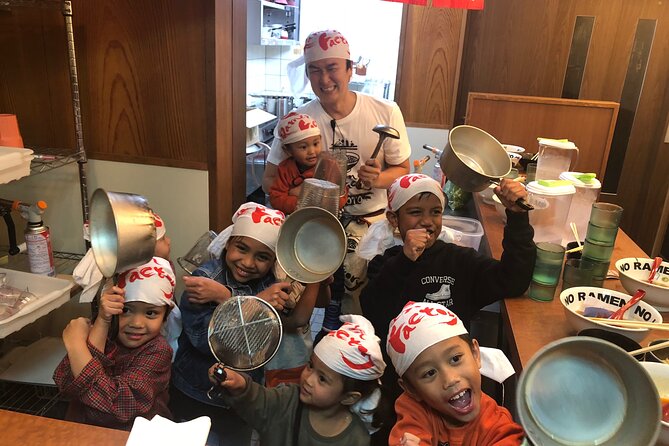
The meal at the end is more than a small taste. You eat the personalized bowl you prepared during the session, which makes the class feel like both an activity and lunch.
That built-in meal improves the value of the experience. At $131.32 per person, this is not a cheap bowl of ramen. You are paying for instruction, ingredients, staff time, the cooking space, and the food you eat afterward. If you only want to try ramen, a restaurant will cost far less. If you want a social cooking activity with lunch included, the price is easier to justify.
The finished bowl may taste especially satisfying because you made each part yourself. You have handled the dough, made choices about the soup, and prepared the toppings. The food carries the memory of the process, not just the flavor.
You should arrive hungry, but not so hungry that you rush the class. The session is often a good match for a lunch or dinner slot, since you finish with a substantial bowl. Drinks are not included, so budget separately if you want something to go with the meal.
What you take home besides the recipe
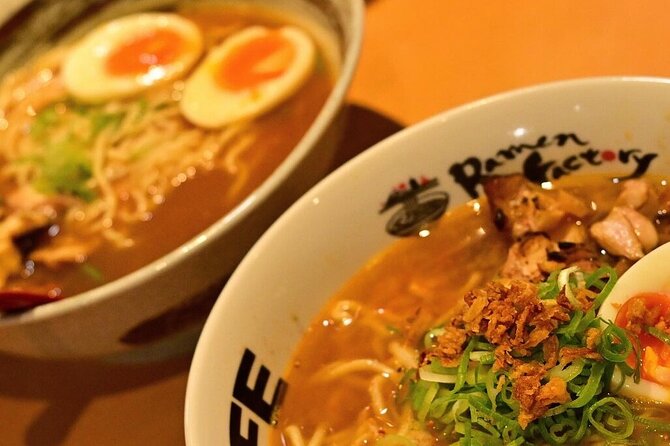
The practical souvenir is the method. You learn a basic approach to making noodles, soup, and toppings that you can try again at home. The class is not likely to turn you into a ramen specialist in one sitting, but it gives you a working understanding of the main parts.
Some sessions also provide an apron and photos, and one account mentions a free photo and an apron as part of the fun. Another describes receiving souvenirs including a T-shirt. These extras may depend on the class or current promotion, so treat them as possible additions rather than guaranteed inclusions.
Photography and filming can take place inside the factory. Promotional shoots, professional video, and 360-degree recordings may use images captured during your visit without payment. If you do not want to appear, tell a staff member before the class begins. The staff will try to accommodate that request.
This policy is worth knowing before you book, especially if you are careful about appearing online. It does not ruin the activity, but it is a real condition of entering the premises.
Who will enjoy the 90-minute format
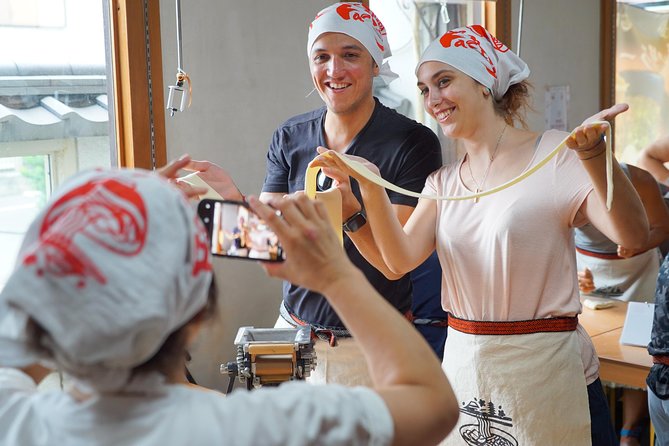
I would choose this class for ramen fans, families, couples, and anyone who wants a break from temple visits and city walking. It also works well for a mixed-age group because the activity has several jobs to share: dough work, noodle pressing, soup mixing, topping preparation, and assembly.
The format suits you if you want a relaxed introduction rather than advanced culinary training. The instructors guide you closely, and the mood is meant to be fun. You will likely leave with a better understanding of how ramen comes together and a recipe idea to try at home.
You may want to skip it if your main goal is a quiet meal, a small intimate class guaranteed for your group, or detailed instruction in traditional ramen chemistry. The maximum group size is 20, and the lively teaching style is part of the experience.
The class is also less useful for people who do not eat noodles, broth, or the available toppings. Vegetarian and vegan arrangements help, but you should contact the provider after booking to request vegan food. The tour description does not promise a wide range of non-ramen alternatives.
Price, timing, and cancellation advice
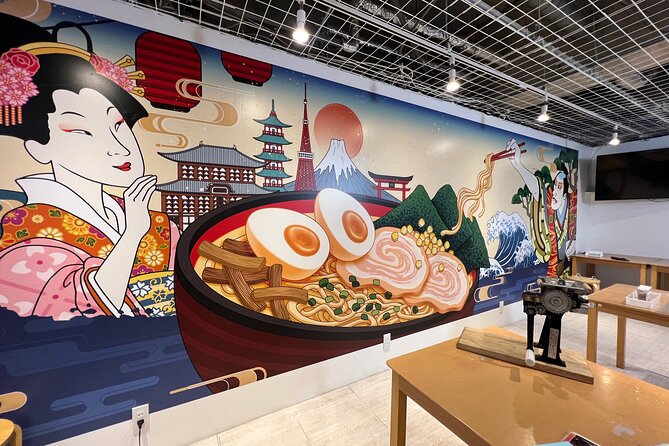
The listed price is $131.32 per person. With lunch, instruction, ingredients, and a hosted activity included, I see it as a premium food experience rather than a budget meal. The value improves if you were already planning to buy lunch and want a memorable activity at the same time.
Several departure times are offered during the day. I would choose a session that lands close to lunch or dinner, since you finish with your ramen. Leave room before the class to find the BF1 meeting point and settle in. The activity lasts about 1 hour and 30 minutes and ends back at the meeting point.
The tour includes a host or escort, local taxes, food tasting, and lunch. Drinks are not included. Free cancellation is available if you cancel at least 24 hours before the local start time. Cancellations or changes made less than 24 hours ahead are not refunded or accepted.
Should you book Ramen Factory Kyoto?
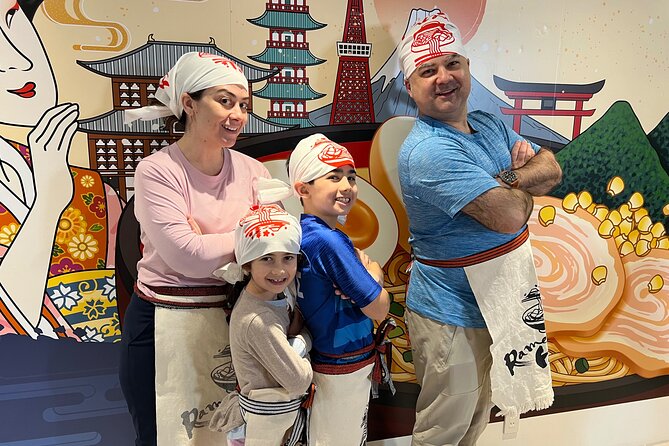
Book it if you want to make your own noodles, eat a full bowl, and share a lively activity with family or friends. The strongest reason to go is the complete sequence: dough, noodles, soup, toppings, and lunch, all within a manageable 90 minutes.
I would be especially inclined to book this for children, first-time visitors to Kyoto, or a rainy afternoon when you want something indoors. Request vegetarian, vegan, or Halal arrangements before the class, and choose a meal-time departure for the best value.
Skip it if you only want inexpensive ramen or a highly technical cooking course. For everyone else, this is a cheerful, practical way to turn a familiar Japanese dish into a meal you helped create.
FAQ
Where does the ramen cooking class meet?
The class meets at Ramen Factory Kyoto, at 44714 Kajiicho in Kyoto’s Kamigyo Ward. The listed address is on the BF1 level, and the venue is near public transportation.
How long does the experience last?
The activity lasts approximately 1 hour and 30 minutes.
What is included in the price?
The price includes a tour host or escort, local taxes, food tasting, and lunch consisting of the ramen you prepare.
Are drinks included?
No. Drinks are not included in the activity price.
Can I request vegetarian or vegan ramen?
A vegetarian option is available. Vegan food can be requested by contacting the provider after booking.
Is the Ramen Factory Halal-certified?
Yes. The factory is Halal-certified.
How many people can join the class?
The activity accepts a maximum of 20 participants.
Can I cancel for a full refund?
Yes, if you cancel at least 24 hours before the experience start time. Cancellations or changes made less than 24 hours in advance are not refunded or accepted.
New cooking classes around Kyoto
- Nishiki Market Food Tour with Cooking Class★ 4.9 · 42 reviews
- Kyoto Udon & Tempura Cooking Class with Professional Chefs★ 3.8 · 3 reviews
- Kyoto: Morning Japanese Bento Cooking Class★ 5.0 · 149 reviews
- Kyoto: Wagashi (Japanese sweets) Cooking near Fushimiinari★ 5.0 · 40 reviews
- Kyoto Home Cooking Class &Supermarket tour near Fushimiinari★ 5.0 · 31 reviews
- Kyoto: Cooking class, learning how to make authentic sushi★ 4.2 · 9 reviews
- Kyoto: Authentic Sushi Making Cooking Lesson★ 5.0 · 103 reviews
- Kyoto: Afternoon Japanese Izakaya Cooking Class★ 4.9 · 241 reviews
Kyoto Cooking Classes, side by side.
Kyoto: Ramen Cooking Class at a Ramen Factory with Souvenir
Read our review →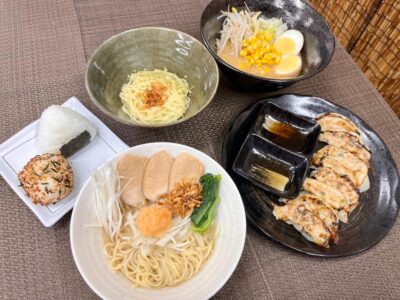
Kyoto: Japanese Washoku Bento Small Group Cooking Class
Read our review →
Kyoto: Afternoon Japanese Izakaya Cooking Class
Read our review →
Near Fushimiinari: Kyoto Home Cooking Class & Supermarket tour
Read our review →
This kitchen also appears in