
Review · KYOTO
Kyoto: Authentic Sushi Making Cooking Lesson
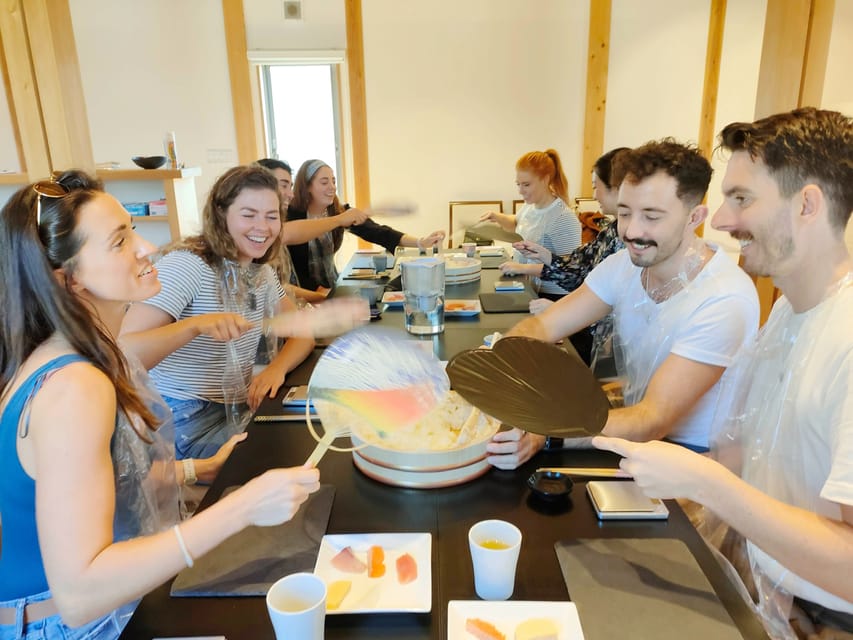
The best part of this Kyoto class is that you do not simply watch a chef work. You season the rice, shape nigiri, roll maki, and sit down to eat what you made. Kana leads the lesson in English, with plenty of time for questions about sushi, Kyoto, Japanese history, and home cooking.
I like the small groups of up to eight, which give the lesson a friendly, hands-on feel. I also like the generous meal: expect enough sushi to make this a proper lunch, not just a taste. The main consideration is that the class is not suitable for vegetarians or wheelchair users, and the fish is prepared for you rather than cut by you.
Key points at a glance
- Make several sushi styles: Learn nigiri, maki, and gunkan sushi rather than one simple roll.
- Meet Kana at Kyoto Wand: The class is a short walk from Kiyomizu-Gojō Station and close to Kiyomizu-dera and Gion.
- Eat a full sushi lunch: Your handmade sushi comes with miso soup, soy sauce, wasabi, and ginger.
- Keep useful souvenirs: The gift bag includes a sushi rolling mat, chopsticks, and a recipe card.
- Ask about Kyoto: Kana’s lessons include conversation about Japanese culture, local history, food, and places to visit.
- Allow 1.5 hours: The compact format fits neatly between sightseeing stops, though you should arrive hungry.
A sushi lesson with more than one kind of roll
Many cooking classes teach one recipe and send you on your way. This one gives you a wider look at sushi making. You work with properly seasoned rice and use it for several forms, including nigiri and maki. Some sessions also include gunkan sushi, the small battleship-shaped style that holds loose toppings.
That variety matters. Nigiri looks simple, but shaping the rice and placing the fish neatly takes care. Maki introduces a different skill, since you must spread the rice and filling evenly before rolling. Gunkan sushi gives you another shape and texture to manage. You get a better sense of how sushi changes from one format to the next.
The lesson uses fresh fish sourced locally that morning. Examples described from the class include salmon, tuna, squid, yellowtail, and egg omelette, with fillings such as corn and tuna salad also possible. The exact selection can vary, so do not treat that list as a fixed menu. The important point is that you work with the ingredients provided for that day.
You will not be expected to arrive with kitchen skills. Kana demonstrates each step slowly and lets you copy the motion. People who already make sushi at home can still pick up useful details about traditional local methods and presentation.
More Sushi Making Classes around Kyoto:
- Kyoto: Cooking class, learning how to make authentic sushi
★ 4.2 · 9 reviews - Sushi Making Osaka! Popular Sushi Class in Japan!
★ 5.0 · 500 reviews - Tokyo Tsukiji Fish Market Tour and Sushi Making Lesson
★ 5.0 · 390 reviews
Meeting Kana at Kyoto Wand
The class takes place at the Kyoto Wand building, close to Kiyomizu-Gojō Station on the Keihan Main Line. The meeting point is also within walking distance of major areas such as Gion and Kiyomizu-dera, so it can fit well into a day spent around eastern Kyoto.
The activity does not include hotel pickup. You make your own way to the building, using the supplied Google Plus Code, XQVC+J7 Kyoto, if needed. Check the exact location before leaving your hotel, especially if you are coming from another part of the city.
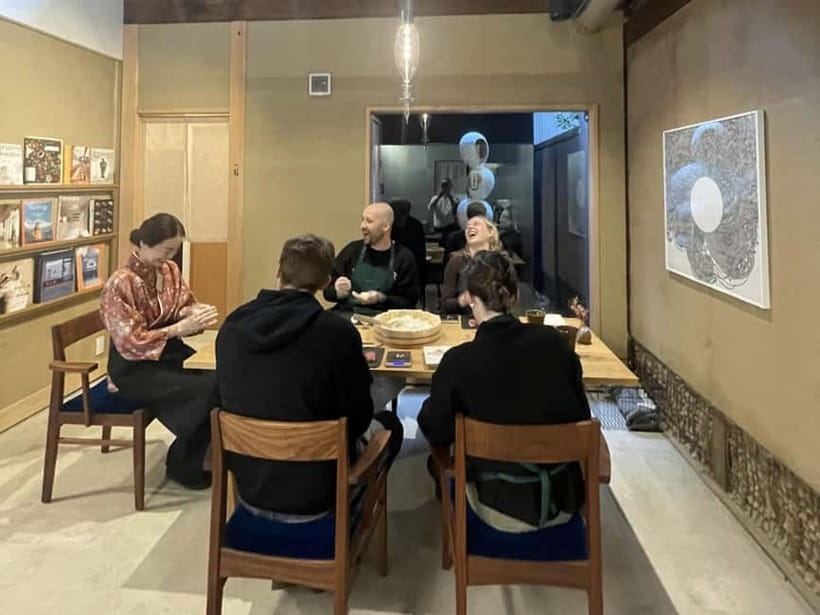
The setting is described as cozy and welcoming rather than formal. That suits this kind of class. You are not entering a restaurant kitchen to observe a professional service. You are sitting down to learn, ask questions, and work at your own pace.
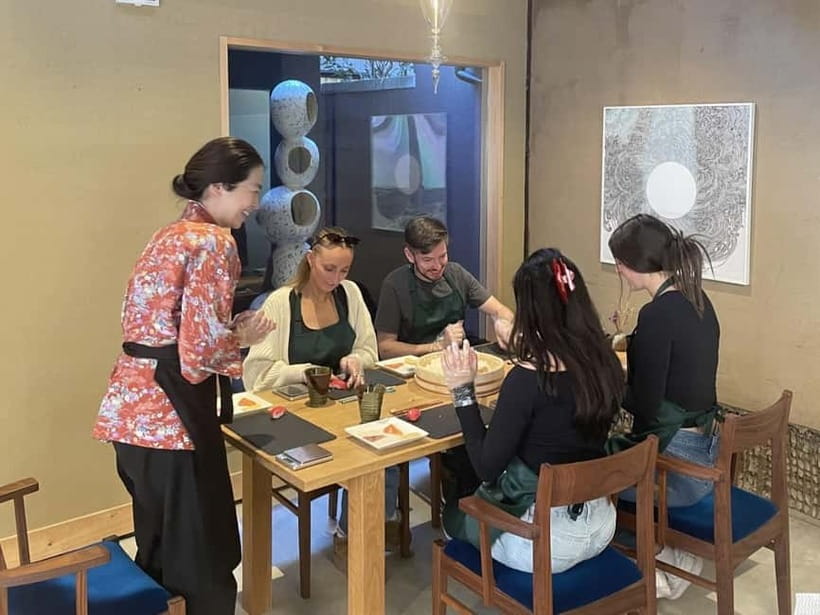
Kana is the main English-speaking instructor, and an assistant may help during the session. The small group limit keeps the format personal. In some sessions, a family or couple may have much of the room to themselves. In others, you share the table with solo participants and other small groups. Both arrangements have an advantage: a private-feeling class gives you more direct time with the instructor, while a mixed group adds easy conversation over the meal.
Seasoning the rice and learning the basics
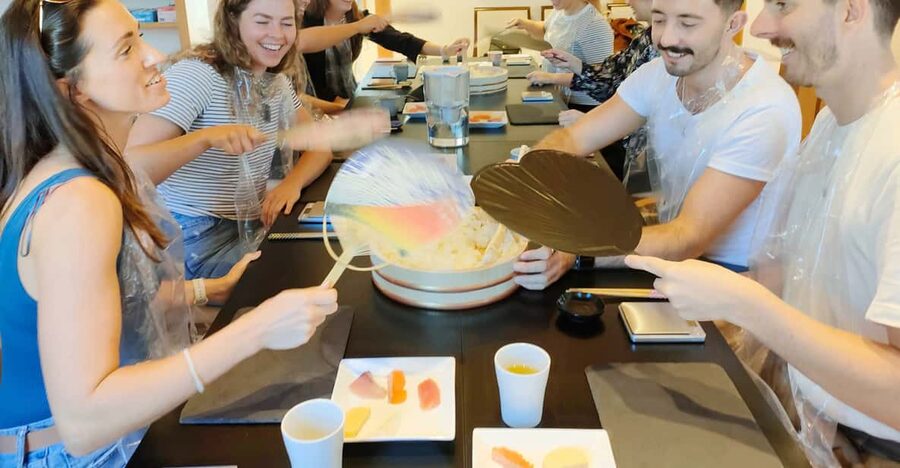
The lesson begins with the foundation of sushi: rice. You learn how to season perfectly cooked rice before using it to form the sushi. This may sound like a minor step, but it is one of the most useful things to take home. Poorly seasoned or badly handled rice can make even good fish taste flat.
Kana demonstrates how to handle the rice and shape it without crushing it. You then make your own pieces, with guidance when your hands need correcting. Disposable gloves and an apron are supplied, which keeps the work tidy and removes the need to pack special clothing.
Expect the teaching to be practical rather than technical in a restaurant-school sense. You are learning skills you can repeat at home, not training for a professional sushi counter. The included recipe card helps with that. It will not replace practice, but it gives you a prompt when you want to recreate the meal after returning home.
The class also offers a chance to ask questions as you work. You can ask about sushi preparation, home-style Japanese food, local attractions, and Japanese culture. Kana is also interested in Japanese history, which gives the conversation a broader focus than food alone.
Making nigiri, maki, and gunkan sushi
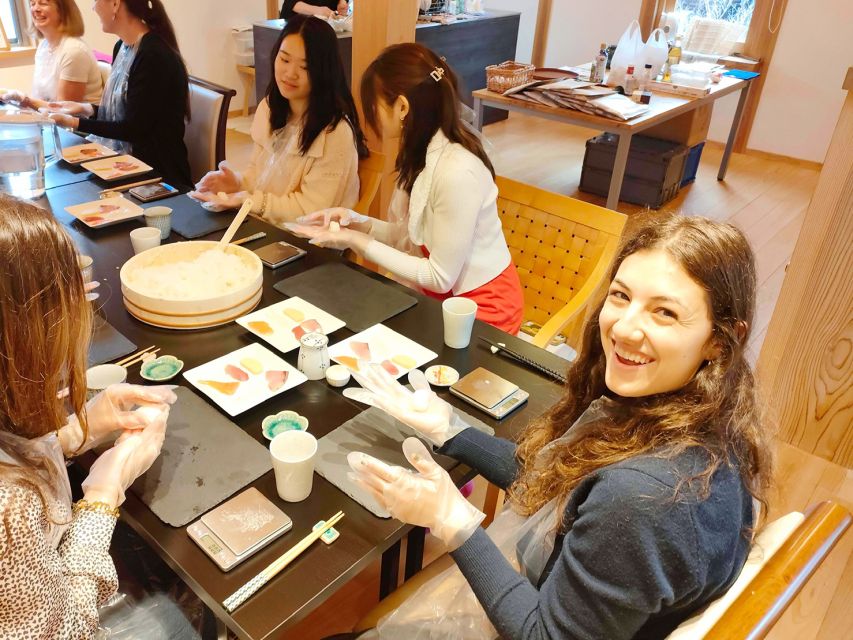
Nigiri is usually the clearest test of your new skills. You shape a small portion of rice and place a slice of fish on top. It is an easy form to recognize and a surprisingly satisfying one to make, since small changes in size and shape affect the final result.
Maki gives you a more active project. You use the rolling mat from the class to form a cylinder of rice and filling. The mat is part of the gift bag, so you can try again at home. The first roll may not look perfect, but that is part of the fun. The class is designed for participation, not for producing identical pieces.
Gunkan sushi adds another useful technique. Its raised seaweed edge holds toppings that would not sit neatly on a standard nigiri piece. The fillings may include items such as corn or tuna salad, depending on the day.
The fish is prepared for you. One practical limitation is that you do not appear to cut the fish yourself, so anyone hoping for a full fish-to-sushi lesson may find the class less detailed than expected. That choice also keeps the 1.5-hour schedule manageable and lets the instructor focus on rice, shaping, and rolling.
More cooking classes around Kyoto:
- Ramen Cooking Class at Ramen Factory in Kyoto
★ 5.0 · 1,937 reviews - Kyoto: Ramen Cooking Class at a Ramen Factory with Souvenir
★ 4.9 · 532 reviews - Kyoto: Ramen, Gyoza, and Onigiri Cooking Class
★ 5.0 · 445 reviews - Kyoto: Japanese Washoku Bento Small Group Cooking Class
★ 5.0 · 380 reviews
Your handmade lunch with miso soup
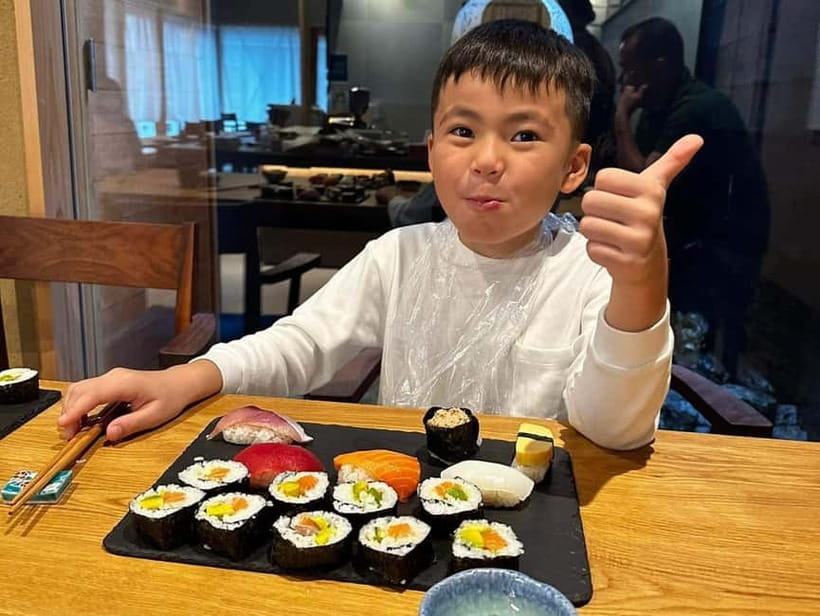
Once the sushi is ready, you eat it for lunch in the same cozy setting. Miso soup is included, along with the usual accompaniments of soy sauce, wasabi, and ginger. Because you have made the food yourself, lunch becomes part of the lesson rather than a separate restaurant stop.
Plan to arrive hungry. The amount of sushi can be substantial, particularly if you make several batches. The class includes enough for a satisfying meal, and you may want to avoid scheduling an elaborate lunch immediately afterward.
This is also where the class becomes social. You can compare rolls, talk about your stay in Japan, and trade Kyoto tips with the other participants. The setting suits families, couples, solo visitors, and small groups. Children have taken part successfully, including a 10-year-old who made and ate a large serving with a parent.
Food quality is central to the experience. The fish is sourced locally that morning, and the rice and ingredients are intended for immediate eating. If you are nervous about raw seafood, you can raise that concern when booking and ask about the available options. The provided information does not promise a complete cooked-fish alternative, so do not assume the menu can be changed without notice.
The cultural conversation is part of the value
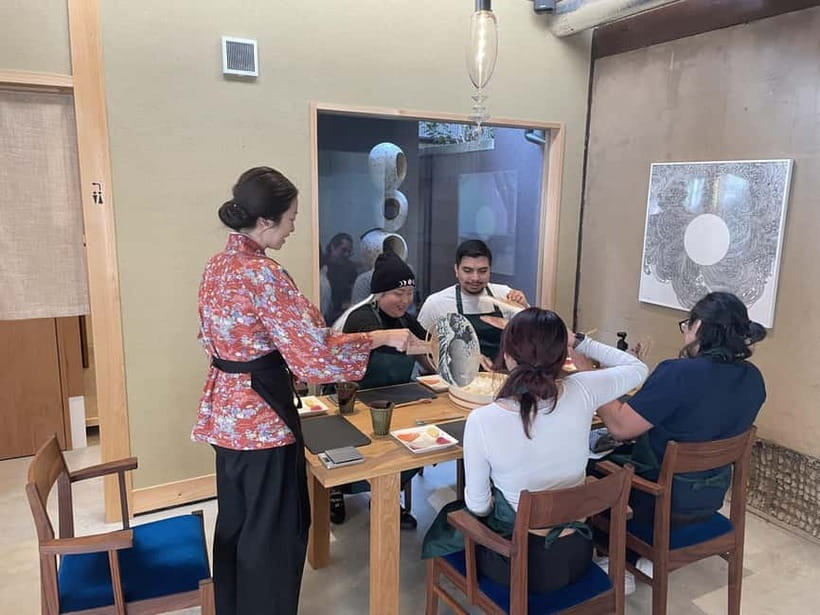
At $102 per person, this is not the cheapest lunch in Kyoto. You can buy sushi for less at many restaurants. The price makes more sense when you count the instruction, the fresh ingredients, the meal, the small group format, and the gift bag.
I especially like the conversation with Kana. She does not treat the class as a race through a recipe. She welcomes questions about Japanese culture and local Kyoto history, and the relaxed pace allows the food lesson to become a broader introduction to daily life in Japan.
That makes the class useful early in a Kyoto stay. Ask about nearby districts, restaurants, or sightseeing areas, then use those suggestions during the rest of your visit. It also works near the end of a trip, when you want one practical memory to take home. Several class members have said they planned to make sushi again after returning home, which is a good measure of the activity’s lasting value.
The experience is not a formal cultural lecture. The information comes through conversation while you work. If you want a silent, tightly timed cooking demonstration, this may feel loose. If you enjoy asking questions and meeting people, the relaxed format is a strength.
Who will enjoy this class most
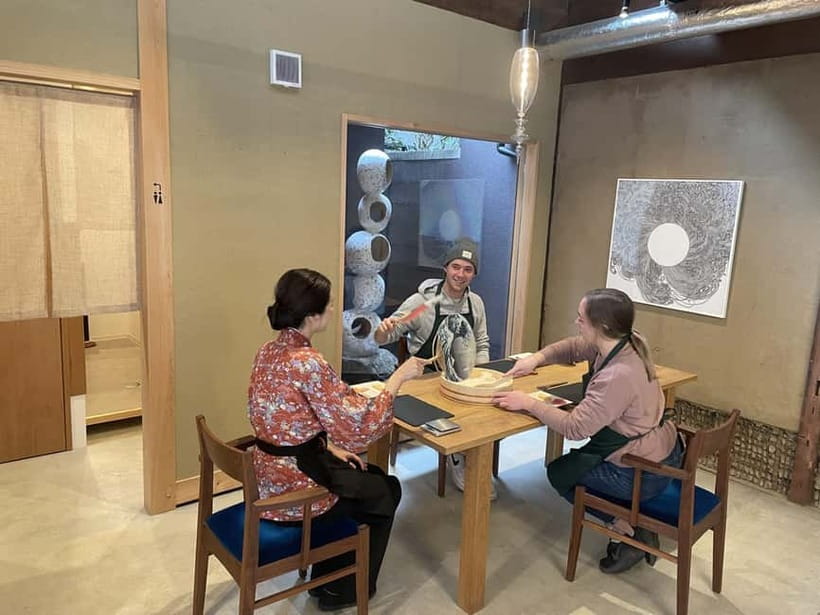
I would choose this activity for anyone who wants a food experience with real participation. It is particularly well suited to:
- First-time sushi makers: The instruction starts with the basics and moves step by step.
- Families with older children: The hands-on work gives children a clear role, and the meal provides a satisfying finish.
- Couples and friends: You can make food together and leave with a shared activity rather than another sightseeing photo.
- Solo visitors: The group setting makes conversation easy, and the small size avoids the feel of a large tour.
- Home cooks: The rolling mat, recipe card, and repeatable methods give you something practical to use later.
- Culture-focused visitors: Kana’s English conversation covers more than recipes, including local history and Japanese customs.
I would think twice if you are vegetarian, have major dietary restrictions, use a wheelchair, or want to handle every part of the fish preparation. Dietary restrictions should be given when booking so the host can tell you what is possible.
Timing, location, and practical planning
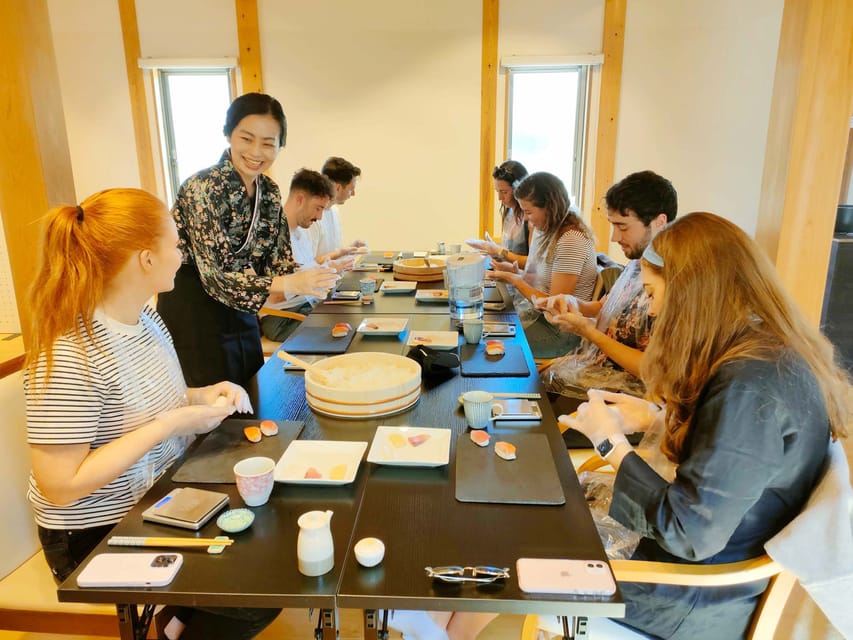
The workshop lasts 1.5 hours. That is short enough to pair with sightseeing, but you should not pack the schedule too tightly. Allow time to reach Kyoto Wand, find the entrance, and settle in before the lesson begins.
Kiyomizu-Gojō Station on the Keihan Main Line is the nearest stated rail reference. The class is also near Kiyomizu-dera and Gion, making it a natural choice for a day in eastern Kyoto. You could schedule the lesson before exploring those areas or use it as a break between temple visits and an evening meal.
The activity finishes back at the meeting point. There is no hotel transfer, and the details provided do not include a separate restaurant stop afterward. Wear something comfortable and easy to protect with an apron. Gloves and the apron are provided, but cooking is still a hands-on activity.
The class is conducted in English. The group limit is eight people, which is small enough for the instructor to demonstrate and watch your technique. Availability and starting times vary, so check the schedule before building your day around it.
Cancellation is flexible up to 24 hours before the activity for a full refund, and you can reserve now and pay later. Those terms help if your Kyoto plans are still shifting, though you should still provide dietary information at the time of booking.
What you take home
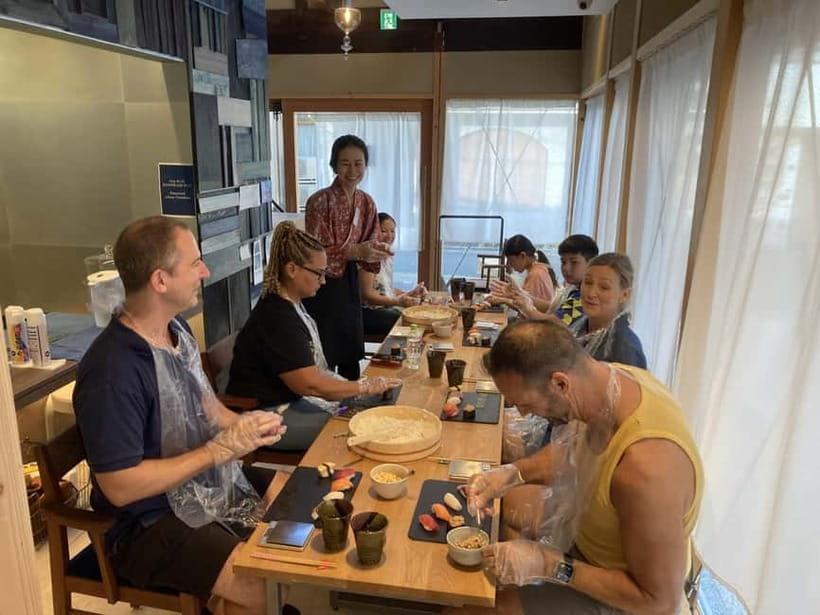
The gift bag is a useful touch rather than a disposable souvenir. It includes a sushi rolling mat, chopsticks, and a recipe card. The mat is the most practical item, since it lets you repeat the maki technique in your own kitchen.
You also take home a method. After the lesson, you understand how the rice should feel, how much filling to use, and how to shape different kinds of sushi. Your first home attempt may be uneven, but it will be far less mysterious than it was before the class.
The memory matters, too. You have made lunch with an English-speaking local host, talked about Kyoto, and shared the table with people from different places. That is a more personal souvenir than another packaged food item.
Should you book the Kyoto sushi lesson?
Book it if you want to make and eat a generous sushi lunch, not just watch a chef demonstrate. Kana’s patient instruction, English conversation, fresh local fish, and small groups give the $102 price real value, especially for families, couples, and people who enjoy learning a skill they can repeat at home.
Skip it if you are vegetarian, need wheelchair access, or mainly want to cut and prepare fish from start to finish. For everyone else, this is a well-paced way to add food, conversation, and a little Kyoto culture to a sightseeing schedule.
FAQ
How long does the sushi-making class last?
The workshop lasts 1.5 hours. Starting times vary, so check availability when booking.
Where does the class meet?
The class takes place at the Kyoto Wand building, a short walk from Kiyomizu-Gojō Station on the Keihan Main Line. It is also within walking distance of Kiyomizu-dera and Gion. The Google Plus Code is XQVC+J7 Kyoto.
What sushi will I learn to make?
You will learn to season sushi rice and make different types of sushi, including nigiri and maki. Gunkan sushi may also be included, with the exact ingredients depending on the session.
Is lunch included?
Yes. You eat the sushi you make, and miso soup is included. Soy sauce, wasabi, and ginger are also provided.
What is included in the gift bag?
The gift bag includes a sushi rolling mat, chopsticks, and a recipe card. Disposable gloves and an apron are supplied for the workshop.
Is the class suitable for vegetarians or wheelchair users?
The activity is not suitable for vegetarians or wheelchair users. You should provide any dietary restrictions when booking so the host can advise you.
New cooking classes around Kyoto
- Nishiki Market Food Tour with Cooking Class★ 4.9 · 42 reviews
- Kyoto Udon & Tempura Cooking Class with Professional Chefs★ 3.8 · 3 reviews
- Kyoto: Morning Japanese Bento Cooking Class★ 5.0 · 149 reviews
- Kyoto: Wagashi (Japanese sweets) Cooking near Fushimiinari★ 5.0 · 40 reviews
- Kyoto Home Cooking Class &Supermarket tour near Fushimiinari★ 5.0 · 31 reviews
- Kyoto: Cooking class, learning how to make authentic sushi★ 4.2 · 9 reviews
- Kyoto: Afternoon Japanese Izakaya Cooking Class★ 4.9 · 241 reviews
- Authentic Japanese Cooking Experience at Izakaya restaurant★ 4.2 · 5 reviews
Kyoto Cooking Classes, side by side.
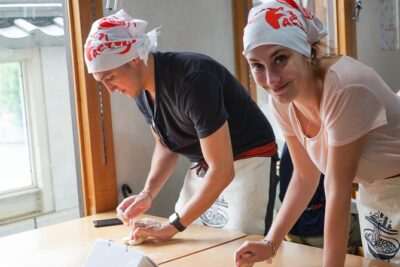
Ramen Cooking Class at Ramen Factory in Kyoto
Read our review →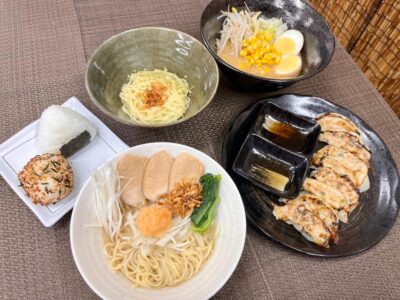
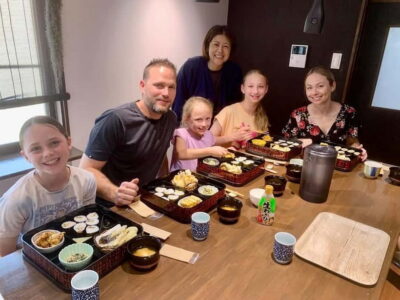
Kyoto: Japanese Washoku Bento Small Group Cooking Class
Read our review →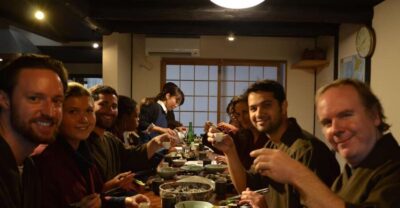
Kyoto: Afternoon Japanese Izakaya Cooking Class
Read our review →
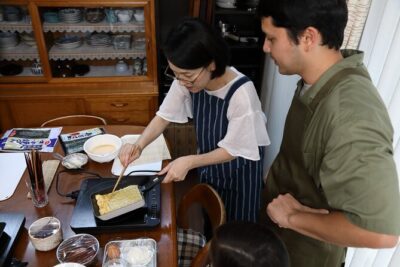
Near Fushimiinari: Kyoto Home Cooking Class & Supermarket tour
Read our review →
Kyoto: Wagashi (Japanese sweets) Cooking near Fushimiinari
Read our review →This kitchen also appears in