
Review · MARRAKECH
Marrakech: Traditional Moroccan Crepes & Bread Cooking Class
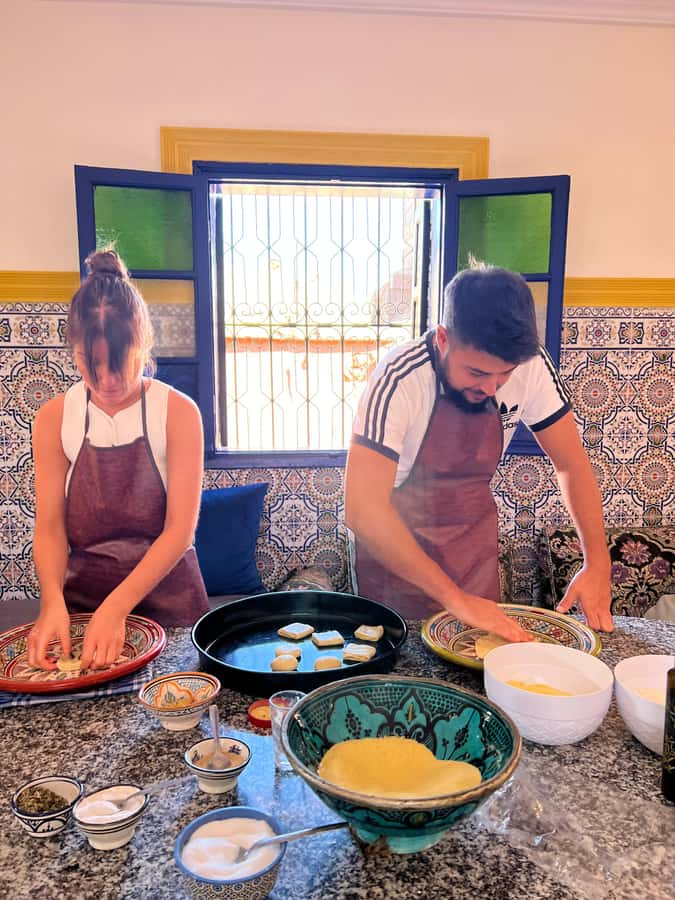
Marrakech’s best food lesson may be the one that teaches you what you have been eating every morning. In two hours, you make msemen, harcha, and batbout, three Moroccan breads with very different textures and cooking methods, then eat them with mint tea, olives, jam, honey, or other simple accompaniments.
I like the small groups, capped at 10, and the fact that you work from raw ingredients to finished bread. I also like the setting near Bab Doukkala, where reaching the workshop takes you through food markets used more by local residents than by tourists.
The main consideration is communication. Instruction is offered in Arabic, French, and English, but the person demonstrating may not always speak your language directly. The teaching is hands-on, and translation may be available, though you should not expect a long question-and-answer session in English every time.
Key points at a glance
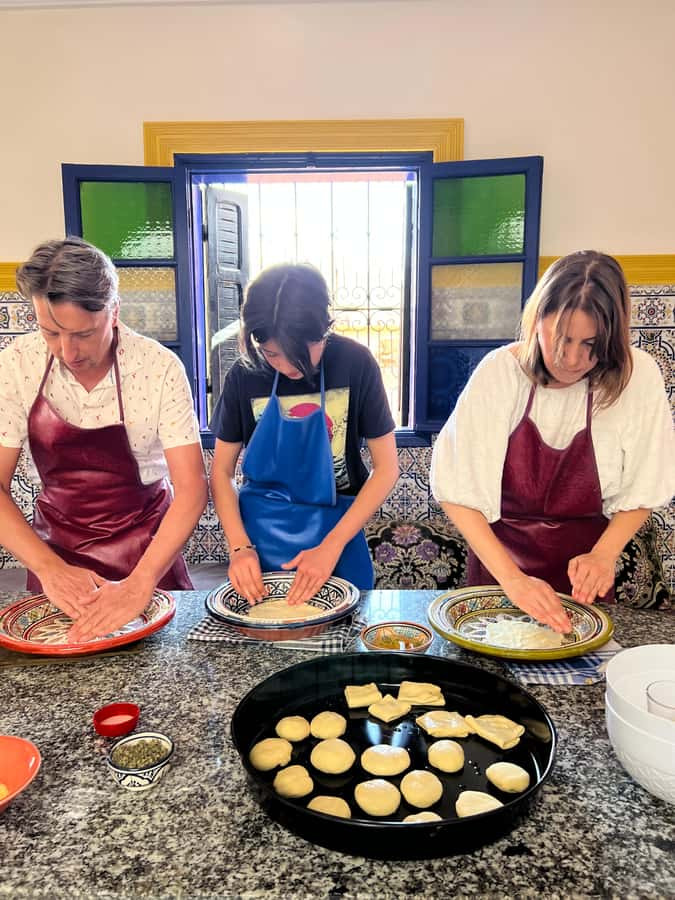
- Three distinct Moroccan breads: Make flaky msemen, crumbly semolina harcha, and soft, pocket-style batbout.
- Mint tea is part of the lesson: Prepare and pour the tea in the traditional Moroccan style, then drink it with your baking.
- Small class size: Groups are limited to 10, with some sessions becoming private or nearly private when fewer people book.
- Food market setting: The workshop is at 44 Der Hajra near Bab Doukkala, reached through a more local part of Marrakech.
- Useful take-home material: You receive electronic recipes, and some sessions provide a box for bread you cannot finish.
- Good value at $37: For two hours of instruction, ingredients, equipment, tasting, tea, and recipes, the price is sensible for Marrakech.
Why these three Moroccan breads are worth learning
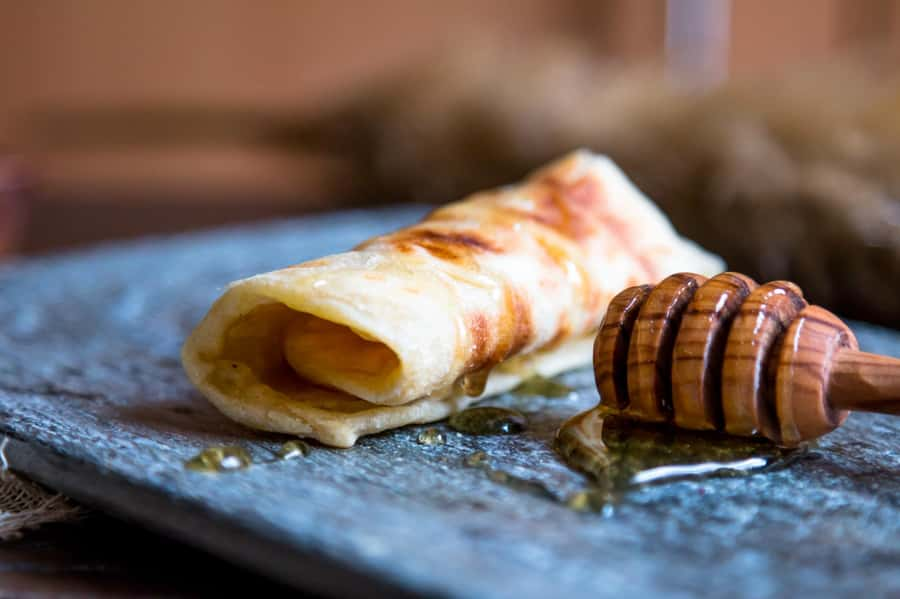
This is not one generic bread recipe repeated three times. Msemen, harcha, and batbout show you three different sides of Moroccan home cooking.
Msemen is the showpiece. The dough is folded and layered, producing a flat bread with a delicate, flaky bite. It is the bread many people notice at Moroccan breakfasts, and learning to make it at home gives you a better sense of the care behind something that can look simple on a plate.
Harcha is a semolina pancake or galette. It has a different feel from msemen, with a more crumbly, grainy texture. This is a useful lesson because it shows that Moroccan breads are not all based on the same dough or cooked in the same way.
Batbout is a soft Moroccan pita bread. It is less flaky and more bread-like, and it can be cooked quickly compared with a large oven loaf. Making it alongside the other two lets you compare texture, shaping, and cooking methods while the techniques are still fresh in your mind.
I like this trio because you leave with recipes that are practical rather than decorative. These are foods you can make again at home without needing a special oven, a long list of rare ingredients, or advanced baking skills.
More Baking and Bread Classes in Marrakesh:
- Lisbon: Pastel de Nata Baking Class
★ 4.9 · 2,106 reviews - Paris Croissant Small-Group Baking Class with a Chef
★ 5.0 · 910 reviews - Paris: French Croissant Baking Class with a Chef
★ 4.9 · 712 reviews
Arriving at 44 Der Hajra near Bab Doukkala
The workshop address is 44 Der Hajra, in the Bab Doukkala area of Marrakech. You do not get transportation, so plan your route before class and allow time to find the entrance.
The walk is part of the experience. You may pass through food stalls and market streets that feel more local than the main tourist routes. That makes the approach interesting, but it also means you should pay attention to directions. Clear WhatsApp instructions have been sent before some classes, which is helpful in the close streets around the medina.
The location is described as a beautiful Moroccan home and workshop rather than a polished cooking school with a commercial classroom feel. That matters. You are learning food associated with ordinary Moroccan kitchens, not watching a chef perform in a staged restaurant.
Still, the medina can be confusing. Wear comfortable shoes and do not assume the address alone will guide you straight to the door. If your class confirmation includes directions or a contact number, keep them easy to reach.
What happens during the two-hour class
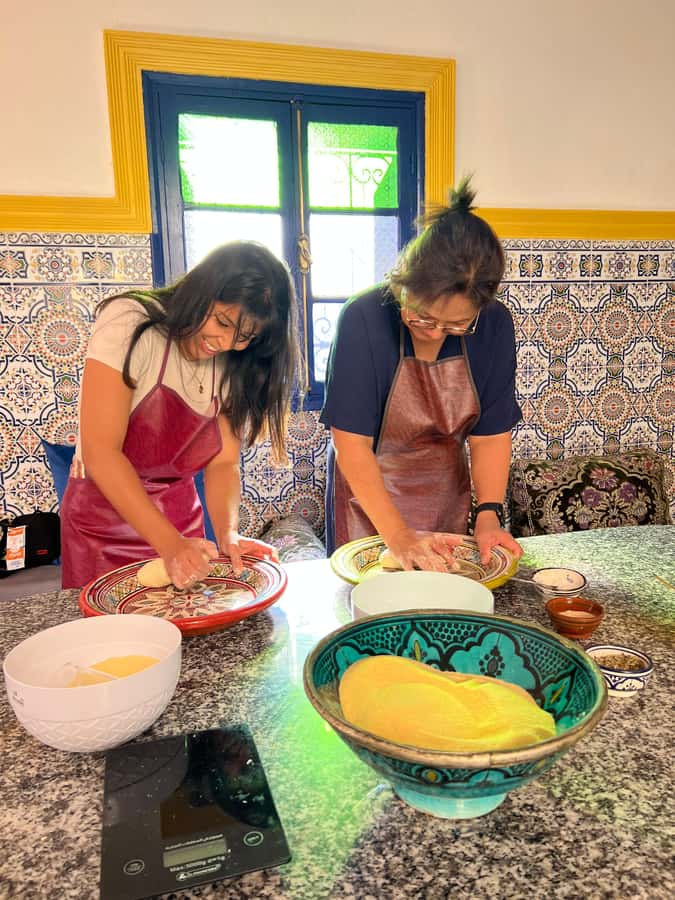
The session begins with a welcome, an apron, and the ingredients and tools needed for the lesson. You do not need to shop for flour, semolina, or other supplies before arriving. Water is worth bringing, and comfortable clothing is a sensible choice because you will be handling dough and working around cooking equipment.
The host demonstrates the basic process, then guides you as you make the dough yourself. The strongest part of this format is control. You are not simply watching someone shape bread while standing at the back of a room. You handle the dough, try the folds, shape the breads, and see how the different mixtures behave.
For msemen, the folding technique is the key moment. The aim is to create layers rather than a plain, thick pancake. This takes a little attention, but the instructor can correct your hands and show you the movement directly.
Harcha offers a change of pace. Its semolina dough has a different feel, so you learn to judge it by touch rather than assuming every bread should be kneaded and shaped in the same way.
Batbout rounds out the lesson with soft Moroccan pita bread. Cooking three breads in one sitting gives you a useful comparison. You can see how different doughs respond to heat and why each one has its own place at the Moroccan table.
The class is designed for beginners. The recipes are described as quick and simple, and the teaching is practical. You do not need professional baking experience, though you do need to take part rather than sit back.
The teaching style and language question
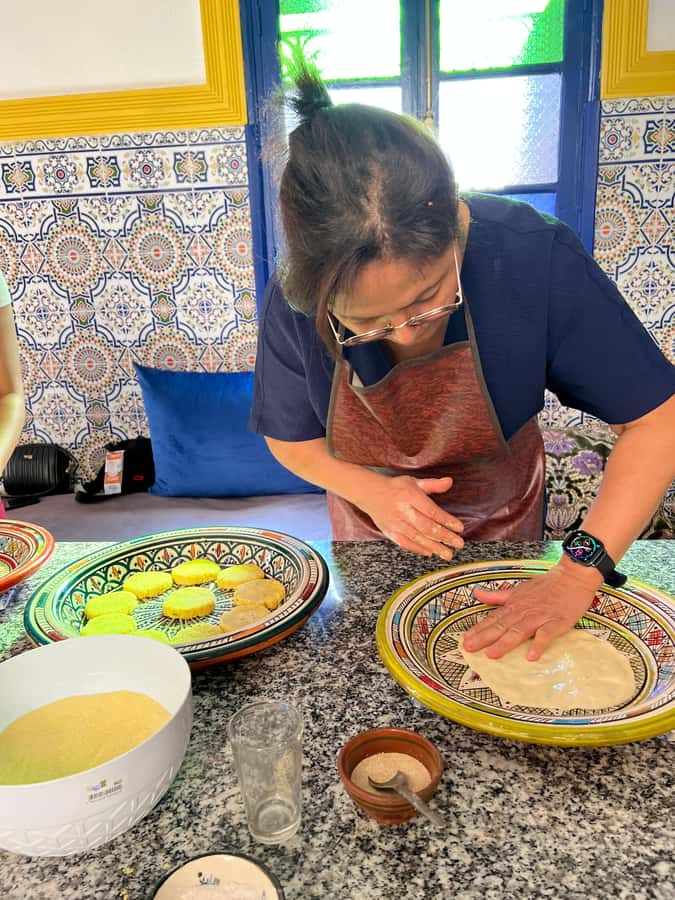
English, French, and Arabic are listed as the working languages. Some classes have had a translator or a second person helping with communication. The teaching is also physical: the instructor shows you how to mix, fold, shape, and cook the dough.
That hands-on style helps when words are limited. You can watch a demonstration, copy the movement, and receive correction as you work. A recent class led by Jamila was especially practical in this way, with direct help during preparation and baking.
Fatima is another name associated with the workshop. The exact person teaching you can vary, so I would not book this expecting a particular instructor unless the provider confirms it.
The drawback is clear. If you want a detailed explanation of Moroccan food culture, ingredient ratios, or the chemistry of bread, the language gap may frustrate you. One participant had trouble asking questions because the demonstrator did not speak English, and the promised electronic recipes had not yet arrived at the time of writing.
For most people, the class works best if you are comfortable learning by watching and doing. Ask questions early, confirm how you will receive the recipes, and use the provided translation support when available.
More Moroccan Cooking Classes around Marrakesh:
- Marrakech: Moroccan Cooking Class with Pickup
★ 4.6 · 1,862 reviews - Marrakech: Traditional Moroccan Cooking Class & Market Visit
★ 4.8 · 1,861 reviews - Marrakesh: Moroccan Dishes Cooking Class with a Local Chef
★ 5.0 · 1,615 reviews - Marrakech: Moroccan Cooking Class with a Local Family
★ 4.9 · 668 reviews
Mint tea is more than a drink
After the dough is prepared and the breads are cooked, you help make Moroccan mint tea. This is not just a quick cup poured from a kitchen pot. The tea preparation is presented as a traditional ritual, including the preparation and pouring.
The tea gives the class a proper Moroccan finish. You sit down with the breads you made and taste them together. Depending on the session, accompaniments can include olives, jam, honey, or similar table items.
I like this part because it slows the experience down. Baking can become a race to finish each recipe, but sharing the food with tea turns it into a social meal. You also get a chance to talk about your time in Morocco and compare the breads while they are still fresh.
The tea lesson is not a separate formal workshop with extensive historical explanation. Think of it as a practical introduction to the ritual and a chance to practice preparing and pouring it.
Eating everything you make
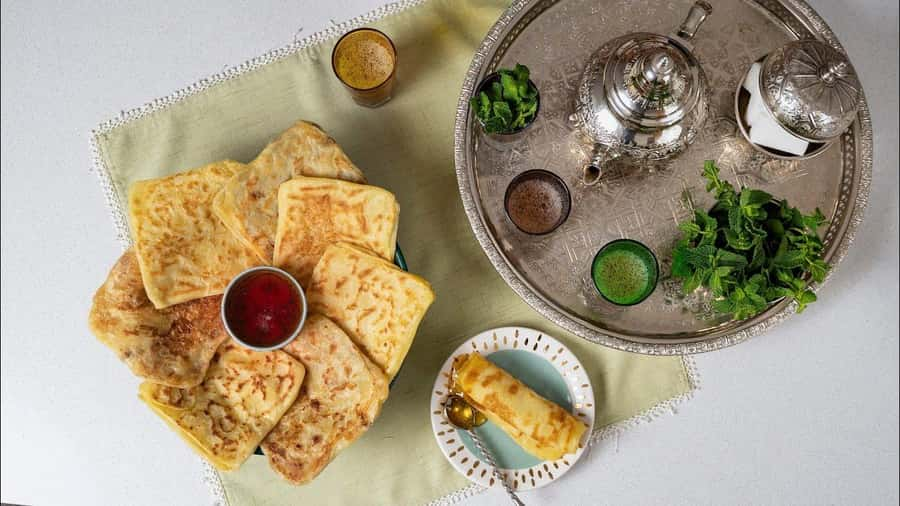
The tasting is generous. You eat the breads after they cool, and the amount can be more than two people can finish comfortably. When the class is small, you may be able to take leftovers home in a box.
That is a pleasant benefit, but it is also something to plan for. Do not arrive expecting only a small sample. Bring your appetite, and ask whether there is a container if you think you will have food left.
The combination of three breads, accompaniments, and mint tea makes the $37 price look reasonable. You are paying for a two-hour activity, instruction, ingredients, utensils, an apron, tasting, tea preparation, and electronic recipes. Transportation and personal expenses are not included, but the core food experience is covered.
The value is strongest if you care about food and want a skill to take home. If you only want a quick snack, you can eat more cheaply in Marrakech. If you want a small-group lesson that gives you recipes and practice, the price is fair.
What you can take home
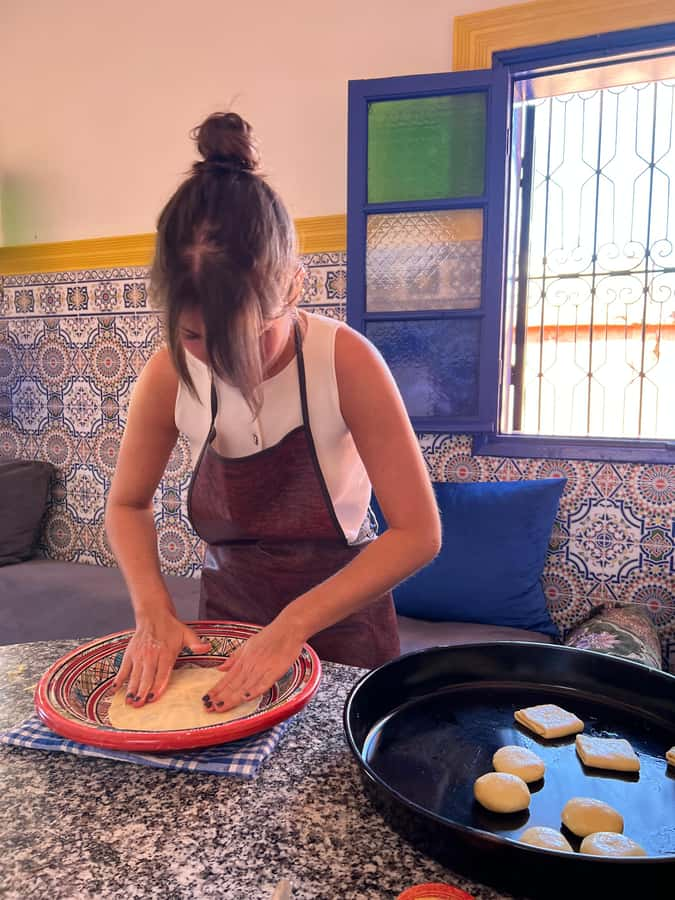
The electronic recipes are an important part of the experience. They turn the class from a pleasant morning into something you can repeat after Morocco.
The recipes are especially useful because the class covers three breads with different methods. You can start with the one you liked best, then work your way through the others. Msemen may require the most attention because of its layered folds, while batbout can feel more approachable for a first attempt.
There has been at least one delay in sending the recipes, so check your messages after the class. If they do not arrive, contact the provider rather than assuming they have been sent correctly.
Some sessions also provide a box for leftovers. This is useful if you have made more than you can eat, though the box arrangement may depend on the size and circumstances of your class.
Group size, families, and who should book
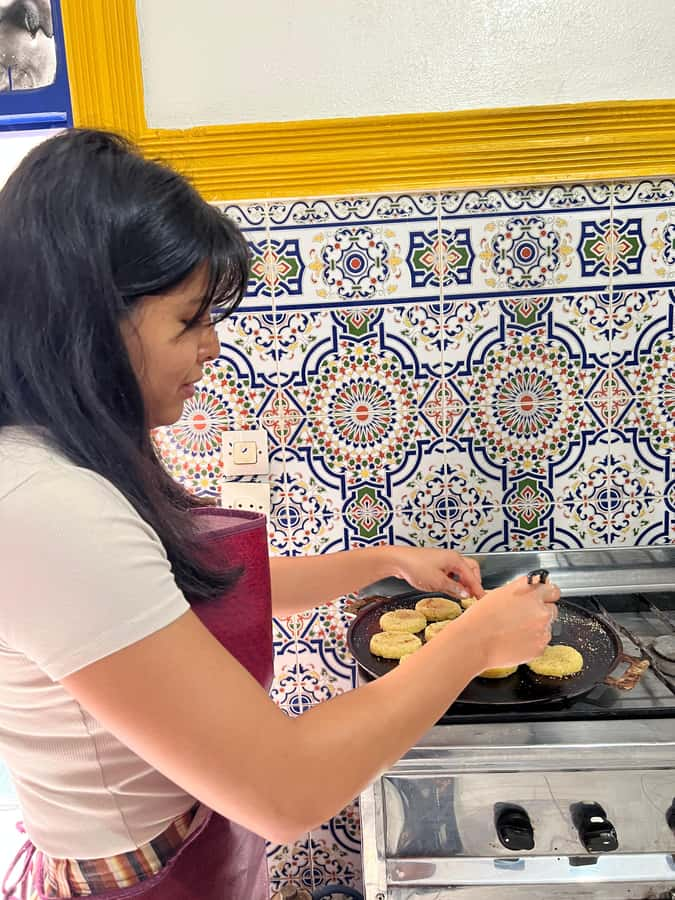
The maximum group size is 10. That is small enough for the instructor to see your work and help with shaping, though the experience will naturally feel more personal when only two to four people attend.
Families can enjoy it, but children under 4 are not accepted. Older children who can follow instructions and handle a kitchen activity may find it fun, especially because the class lets everyone eat the finished food.
This class suits you best if:
- You like Moroccan food and want to recreate it at home.
- You prefer doing rather than watching.
- You enjoy small, social activities.
- You want a break from sightseeing in the medina.
- You are comfortable with practical instruction in Arabic, French, English, or through demonstration.
It is not suitable for people with food allergies or gluten intolerance. All three breads are wheat-based or associated with gluten, and the class is not presented as an allergy-adapted activity.
Timing, clothing, and practical details
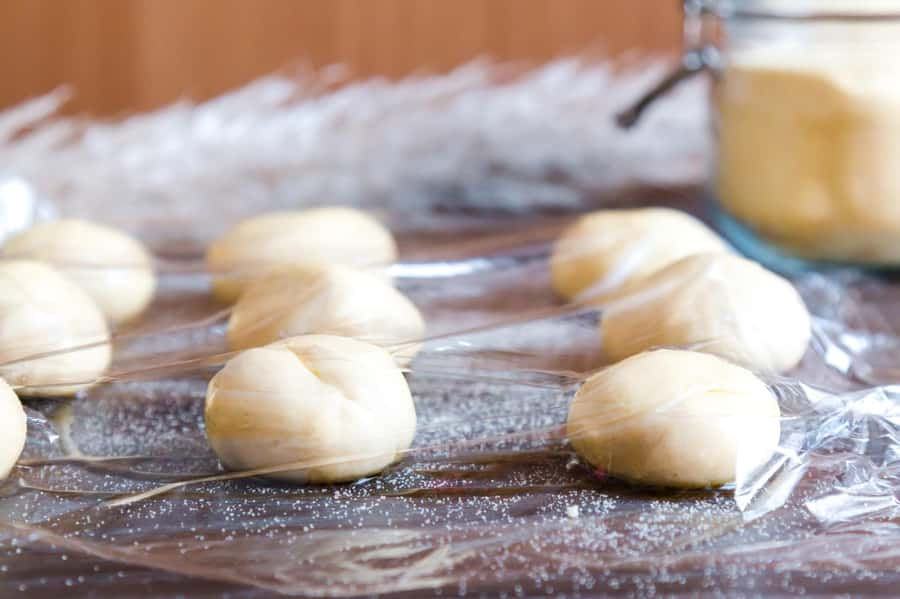
The activity lasts two hours, but you should allow extra time for reaching Bab Doukkala. Starting times vary, so check availability when choosing your date.
Wear comfortable clothes suitable for baking. You will be working with dough and cooking, so formal clothing is not useful. Bring water, arrive ready to participate, and do not plan a large meal immediately before class.
The booking terms are flexible. You can cancel up to 24 hours ahead for a full refund, and the reserve-now, pay-later option lets you hold a place without paying at the time of booking. These terms are useful if your Marrakech plans are still shifting.
Should you book the Moroccan bread class?
I would book this if you want a hands-on food activity with a clear local focus. The best features are the small class size, the three genuinely different breads, the mint tea ritual, and the chance to taste what you make in a home-style setting.
I would think twice if you need detailed English instruction, have a food allergy, or want a formal culinary course with precise technical explanations. Communication can depend on the instructor and translator available that day.
For most food-loving visitors, $37 is a solid price for two hours of practical teaching and a filling meal of your own baking. Bring comfortable clothes, allow time to find 44 Der Hajra, and confirm the recipe delivery afterward. If you leave with a good msemen technique and the confidence to make batbout at home, the class has done its job.
FAQ
How much does the Marrakech bread cooking class cost?
The price is $37 per person.
How long does the class last?
The cooking class lasts two hours.
Where does the activity take place?
The workshop is at 44 Der Hajra, near Bab Doukkala in Marrakech.
Which breads will I make?
You will make msemen, harcha, and batbout, three traditional Moroccan crepes or breads.
Is mint tea included?
Yes. You help prepare traditional Moroccan mint tea and taste it with your baked creations.
What languages are available?
Instruction is available in Arabic, French, and English.
How many people can join the class?
The group is limited to 10 participants.
Can I cancel the booking?
Yes. You can cancel up to 24 hours in advance for a full refund.
New cooking classes around Marrakesh
- Moroccan Food Cooking Class with a Local Chef in Marrakech★ 4.7 · 90 reviews
- Marrakech: 3-Hour Open-Air Moroccan Cooking Course★ 4.9 · 74 reviews
- Moroccan cooking class in Marrakech with berber chef★ 5.0 · 16 reviews
- Edgy 8 Dish Private, Fusion Cooking Class, Menu Plan, Market★ 4.9 · 31 reviews
- Marrakesh: Private Cooking Class & Local Market Shopping★ 4.7 · 15 reviews
- Marrakech: Moroccan Cooking Class for vegetarians and vegan★ 4.9 · 156 reviews
- Marrakech: Moroccan Cooking Class with Amazing Local Chef!★ 4.9 · 100 reviews
- Marrakech: Moroccan Cooking Class with Local Chef★ 4.6 · 87 reviews
Marrakech Cooking Classes, side by side.
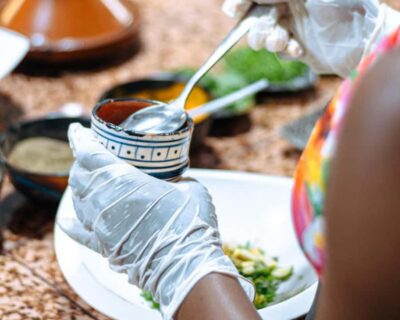
Marrakech: Moroccan Cooking Class with Pickup
Read our review →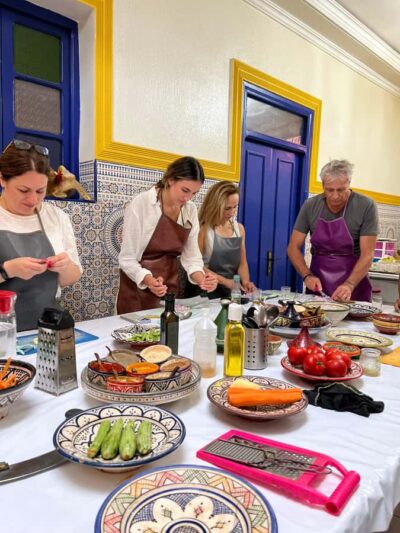
Marrakech: Traditional Moroccan Cooking Class & Market Visit
Read our review →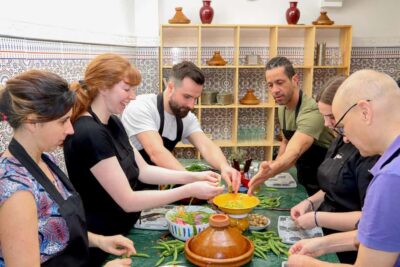
Marrakesh: Moroccan Dishes Cooking Class with a Local Chef
Read our review →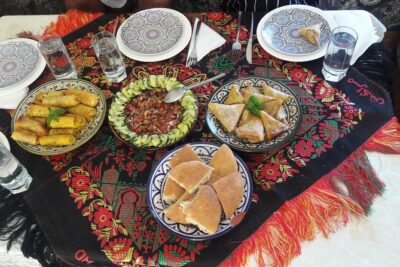
Moroccan Cooking Class & Marrakech Market Visit with Chef Khmisa
Read our review →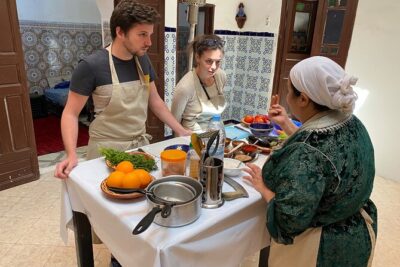
Half-Day Cooking Class with Local Chef Laila in Marrakech
Read our review →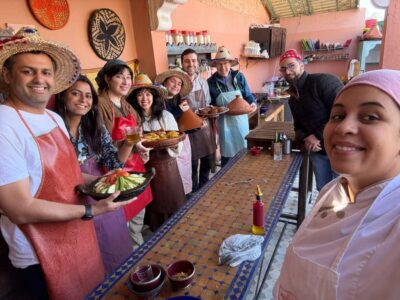
Marrakech: Moroccan Cooking Class with a Local Family
Read our review →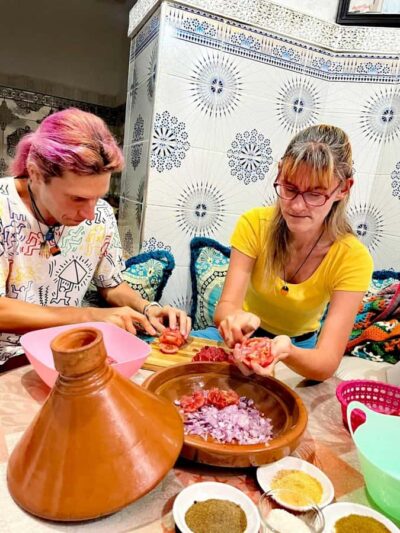
Marrakech: Moroccan Cuisine Cooking Class in Local Home
Read our review →
Marrakech: Moroccan Cooking Workshop at La Maison Arabe
Read our review →This kitchen also appears in