Review · INDIA
Pondicherry: Indian Cooking Class with Market Visit
At Sita Cultural Centre, the most interesting part happens before you touch a cooking pot: you visit a local market by autorickshaw and shop for the ingredients you will use. I like the chance to ask about unfamiliar foods, such as banana stem, and I like that the meal can include Pondicherry specialties such as meen kozhumbhu as well as chicken Chettinad, sambar, or carrot halwa. The one caution is that the cooking space may feel tight, and you should confirm the number of dishes and teaching language when booking.
Key points at a glance
- Goubert Market by autorickshaw: Ride with your instructor to a local market, where you can see spices, vegetables, coconut, and other ingredients being selected.
- Choose your own menu: Pick from South Indian, North Indian, vegetarian, vegan, and non-vegetarian recipes.
- Hands-on preparation: Chop vegetables, grate coconut, cook with spices, and take part in each stage rather than simply watching.
- Garden meal: Sit down to eat the food you prepared, often served in a friendly group setting.
- Small class size: The group is limited to 10 people, giving you room to ask questions and work with the instructor.
- Recipes to take home: An electronic recipe booklet is sent after the class.
Why this Pondicherry cooking class works
Indian food is easy to admire and harder to reproduce at home. The spice jars can look familiar, yet the order of cooking, the use of coconut, and the balance of heat and sourness are less obvious. This class gives you a practical way to understand those details.
The three-hour format combines a market visit, cooking session, and shared meal. You are not spending the entire afternoon in a kitchen, but you get enough time to handle ingredients and prepare several dishes. At $24 per person, that combination gives the price real value, especially since ingredients, cooking materials, market transport by autorickshaw, and the meal are included.
I especially like the market stop. Many food classes begin with ingredients already arranged on a table. Here, you see some of the buying process first. Your instructor explains products that may be unfamiliar, helps select fresh ingredients, and gives you a better sense of how local cooking begins.
There is also a useful social side to the class. With no more than 10 people, you will likely cook beside a small mix of visitors and share the final meal together. That makes this a good choice if you want an activity with conversation rather than a private demonstration.
The setting and organization deserve a little caution. One particularly negative account described a small kitchen and concerns about cleanliness, along with disagreement over whether four separate dishes were prepared. Most of the available feedback is highly positive, but that criticism is specific enough to take seriously. Ask at the start how many recipes the group will make and tell the provider about any expectations you have for the menu.
More Cooking Classes with a Market Tour in India
- Jaipur Market Tour & Vegetarian Rajasthani Home Cooking Class
★ 5.0 · 113 reviews - Spice Knight (Cooking Class -> Meal -> Local Market walk)
★ 5.0 · 59 reviews - New Delhi: Traditional Indian Cooking Class & Market Visit
★ 5.0 · 32 reviews
A ride to Goubert Market
The class begins with a trip to a local vegetable market. Autorickshaw transport for this part is included, but you must arrange your own way to and from the cooking class location.
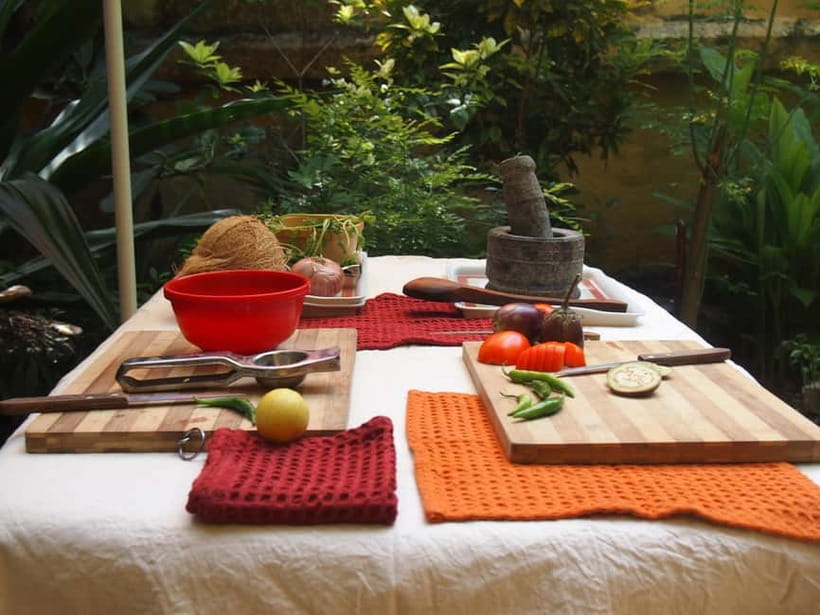
The market is not just a quick stop for supplies. Your instructor takes you around, points out ingredients, and explains how they are used. You may see fresh vegetables, spices, coconut, and other products in their raw form, rather than only encountering them after they have been cleaned and portioned for a recipe.
This is useful if you are new to Indian cooking. A recipe might call for a particular vegetable or spice, but a market visit helps you connect the written name with the actual product. You can also ask why one ingredient is chosen over another and how it changes the finished dish.
The instructors named in the feedback include Saranya, Krishti, Keerthi, and Keerthy. Saranya was singled out for her friendly guidance and strong background in the food being discussed. Keerthi and Keerthy were also praised for helping people feel at ease in the market, an important point if you would not normally feel comfortable shopping in an unfamiliar bazaar alone.
One memorable detail came from a group that did not know how banana stem was prepared. The ingredient was added to their menu, giving them a chance to learn something they would probably not have ordered or cooked without help. That flexibility is one of the best reasons to tell your instructor what interests you.
The market may feel busy and noisy, with vendors calling out and shoppers moving around. Wear comfortable clothing and bring a camera if you want to record the ingredients and the outing. Smoking is not allowed during the activity.
Choosing four recipes that fit your appetite
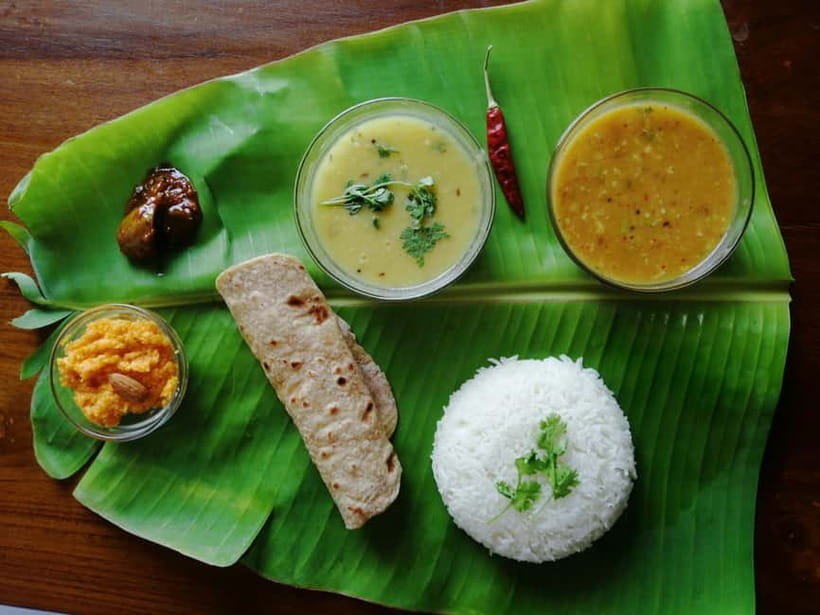
Back at the cooking school, you work through about four recipes with the instructor. The available styles include vegetarian, vegan, South Indian, North Indian, and non-vegetarian cooking.
That range matters because Indian food is not one single cooking style. South Indian dishes may feature lentils, coconut, rice, vegetables, and tangy sauces. North Indian options can include paneer, spinach, and different spice combinations. You can also choose meat dishes if that suits you, or keep the menu fully plant-based.
Possible recipes include:
- Meen kozhumbhu, a Pondicherry-style fish preparation
- Sambar, made with lentils and vegetables
- Carrot halwa, a sweet dish with carrots, milk, sugar, raisins, and cashews
- Palak paneer, a North Indian spinach and cheese dish
- Chicken Chettinad, known for its assertive spice blend
The menu is not described as fixed, so speak up about what you want to learn. If you are interested in local Pondicherry food, ask about meen kozhumbhu. If you prefer a familiar introduction to Indian cooking, sambar or carrot halwa may be a better starting point. Those wanting a taste of northern food can ask for palak paneer.
You should also state dietary restrictions and allergies before the class. Vegetarian and vegan choices are available, but the provider needs to know your needs in advance. The same applies if you want to avoid a certain ingredient or build the meal around a particular style of cooking.
One practical point deserves emphasis: the description promises around four recipes of your choice, yet one account raised a concern that the group did not actually cook four different dishes. I would not treat that as the normal outcome, given the otherwise strong response to the class, but I would confirm the plan with the manager or instructor when you arrive.
Cooking instead of watching
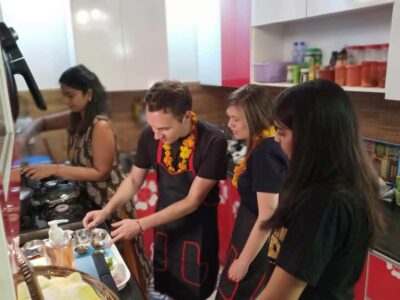
The class is intended to be fully hands-on. You chop vegetables, grate coconut, work with spices, and follow the cooking process step by step.
That approach gives you more than a pleasant meal. You learn the physical work behind the food. Grating coconut, for instance, is a small task, but it helps you understand how coconut becomes part of a sauce or seasoning. Chopping vegetables yourself also lets you see how size and texture affect cooking time.
The instructors encourage questions about ingredients, substitutions, and different ways to prepare a dish. This is where the class can become useful for your own kitchen. You can ask about spice levels, variations, or the order in which ingredients go into the pan.
The class is offered in English, Hindi, or French. If language matters to you, make sure the language you select is confirmed. One French-speaking participant ended up taking the class in English instead, which worked because the group spoke English but was still a disappointing mismatch. That is an easy detail to check before you commit.
The small-group limit of 10 is helpful. You are less likely to be lost behind a large demonstration table, and there should be more opportunity to handle ingredients and speak directly with the instructor. Still, a small class does not guarantee a spacious kitchen. The cooking area has been described as quite compact, so expect a working class rather than a polished professional studio.
More Indian Cooking Classes around India:
- Indian Cooking Class in an Authentic Local Home – Learn 6 Dishes
★ 5.0 · 195 reviews - New Delhi: Indian Cooking Class in a Local Home
★ 5.0 · 65 reviews - Mumbai: Indian Cooking Class & Cultural Delights
★ 5.0 · 38 reviews - Private South Indian Tamil Cooking Class in Chennai with Srividya
★ 5.0 · 24 reviews
Eating in the garden
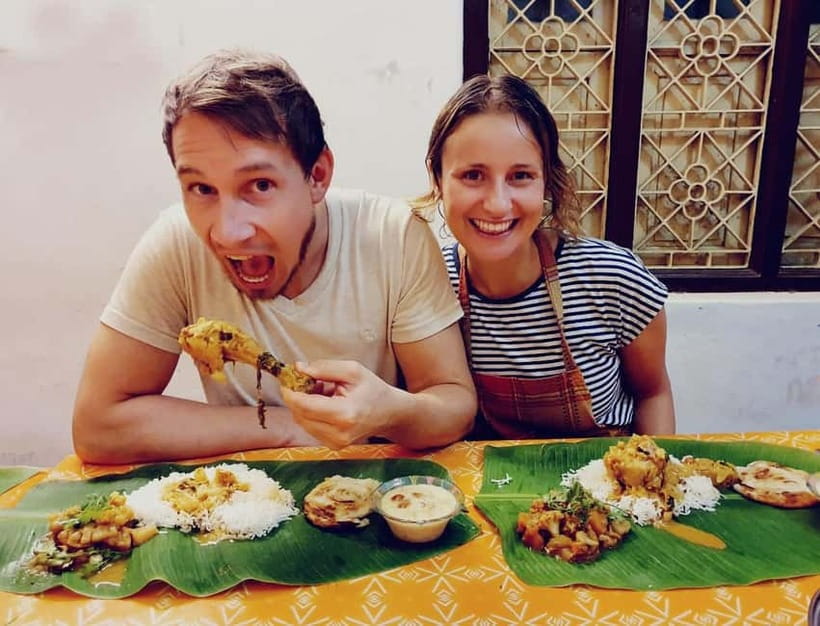
The final stage is the meal you have prepared. You sit in the garden with the other participants and share the results of the cooking session.
This changes the tone of the activity. Instead of leaving after the last recipe, you have time to compare dishes, talk about the market, and enjoy the meal as a group. Food prepared by your own hands also gives you a better sense of how each recipe comes together.
Some meals may be served on a banana leaf, a detail that connects the food with local dining customs. You should not assume every group will have exactly the same menu or presentation, since the dishes are chosen according to preference and available ingredients.
The shared meal is listed as lunch or dinner, depending on the starting time. Check the available session time when booking so the activity fits your day in Pondicherry. The class lasts three hours, which makes it substantial enough to plan around rather than a quick drop-in lesson.
I would choose this activity for an evening when you are happy to make the cooking class one of the main events of the day. It includes the meal, so you do not need to arrange a separate lunch or dinner afterward unless you want something else.
What the $24 price really includes
At $24 per person, the class is inexpensive for a three-hour activity that combines instruction, food, market transport, and a meal. You also receive an electronic booklet with the recipes afterward, which gives the class value beyond the day itself.
The strongest value comes from the number of elements packed into the session. A market walk alone would offer local context but no cooking practice. A cooking lesson alone might teach technique but leave out the shopping side. Here, you get both, along with food to eat and recipes to keep.
You should remember that transport to and from the cooking school is not included. Only the autorickshaw transport connected with the market visit is part of the activity. That is a small but important distinction when working out your total cost.
The price may not suit someone who only wants to eat Indian food. Pondicherry has many places where you can order a meal for less than the cost of a class. You are paying for participation, instruction, the market visit, and the chance to repeat the dishes later. If you want a cheap dinner, eat at a restaurant. If you want to understand how the food is made, the class is the better use of the money.
Who should book this class
I would recommend it to first-time visitors who want a direct connection with local food. It is also a good fit for people who enjoy asking questions and getting their hands involved, rather than sitting through a formal cooking demonstration.
Families can consider it too. Children over 6 are welcome, and two children aged 11 and 13 were able to take part alongside adults and enjoyed the activity. Younger children under 6 are not suitable for the class.
Vegetarians and vegans have clear menu options, while meat and fish eaters can choose dishes such as chicken Chettinad or meen kozhumbhu. People with allergies should provide those details in advance and repeat them to the instructor before cooking begins.
This is less suitable if you expect a large, spotless teaching kitchen or restaurant-level presentation. The class takes place in a cultural center, and the working area may be close and basic. It is also not ideal if you want a guaranteed four-course menu without checking the arrangement first.
Small details that can improve the day
Wear clothes you can move in and do not mind wearing around food and market stalls. Bring a camera, but keep your attention on the cooking and on the explanations at the market.
Tell the provider your preferred language, dietary needs, allergies, and preferred food style. If you have a particular recipe in mind, mention it early. The menu has enough variety that a clear request can help shape a more satisfying class.
Plan for three hours, plus the time needed to reach the cooking school. Since your own transport is not included, allow extra time to get there. The class includes the meal, so avoid booking it immediately before another fixed dining reservation.
The cancellation policy allows a full refund when you cancel at least 24 hours ahead. You can also reserve and pay later, which is useful if your Pondicherry schedule is still changing.
Should you book the Sita Cultural Centre class?
Book it if you want to shop for ingredients, cook with local guidance, and eat the results with a small group. The market visit, flexible menu, hands-on work, and recipe booklet make this more useful than a simple restaurant meal, especially at $24.
Before booking, confirm the teaching language, the expected number of dishes, and any dietary requirements. Go in expecting a friendly, practical class in a modest setting, not a luxury culinary school. With those expectations in place, this is a strong choice for curious food lovers, families with older children, and anyone who wants to take a little piece of Pondicherry’s cooking home.
FAQ
How long does the Pondicherry cooking class last?
The activity lasts three hours, including the market visit, cooking session, and meal.
What languages are available?
The class can be taught in English, Hindi, or French. Confirm your preferred language when booking.
Is transport included?
Autorickshaw transport for the market visit is included. Transportation to and from the cooking class location is not included.
What types of food can I learn to cook?
You can choose vegetarian, vegan, non-vegetarian, South Indian, or North Indian recipes. Possible dishes include meen kozhumbhu, sambar, carrot halwa, palak paneer, and chicken Chettinad.
Are children allowed to join?
Children over 6 are welcome. Children under 6 are not suitable for this activity.
What should I bring and what restrictions apply?
Bring comfortable clothes and a camera if you wish. Smoking is not allowed. Tell the provider about dietary restrictions or allergies before the class.
New cooking classes around India
- Private Cooking Class In Jodhpur With Family★ 5.0 · 2 reviews
- New Delhi: Indian Cooking Class in a Local Home★ 5.0 · 65 reviews
- New Delhi: Full-Day Cooking Class learn 8 dishes with Locals★ 5.0 · 7 reviews
- New Delhi: 5-Hour Traditional Cooking Class with Local Chef★ 5.0 · 2 reviews
- Mumbai Coastal Cooking: From Fishing Net to Flavourful Plate★ 5.0 · 5 reviews
- Kerala: Cooking Class in Munnar★ 5.0 · 2 reviews
- Kerala Traditional village cooking class (Munnar)★ 4.8 · 15 reviews
- Jodhpur 11 Dishes Cooking Class With REKHA Pick Up & Drop OF★ 5.0 · 24 reviews
India Cooking Classes, side by side.
Indian Cooking Class in an Authentic Local Home – Learn 6 Dishes
Read our review →
Private Guided Cooking Workshop Experience in Jodhphur
Read our review →
Jaipur Market Tour & Vegetarian Rajasthani Home Cooking Class
Read our review →
Cooking Class in Jaipur – Family Experience with Meal & Transport
Read our review →
Interactive Cooking Class with a Local Family in Jaipur
Read our review →