
Review · TANZANIA
Arusha: Local Tanzanian Cooking Class by Kingstone Asilia
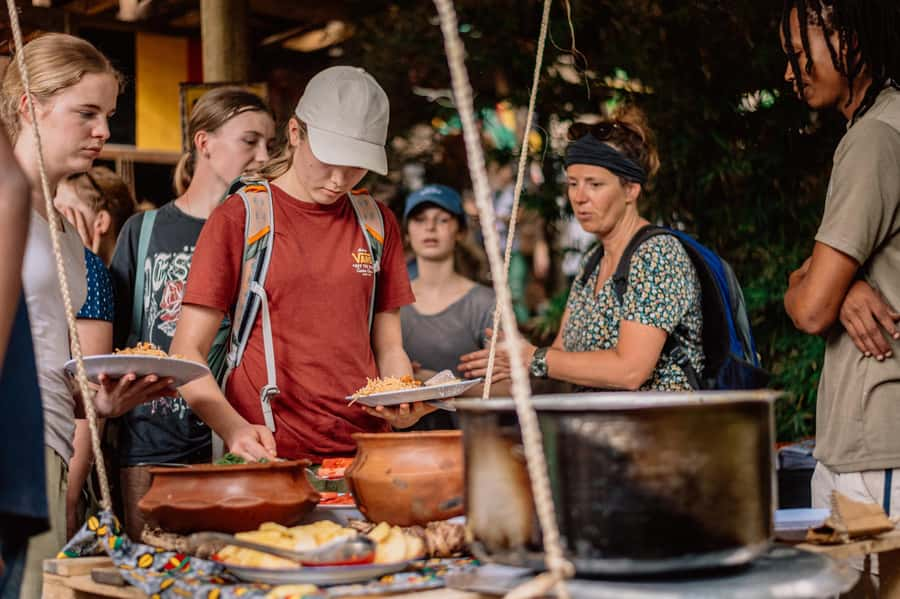
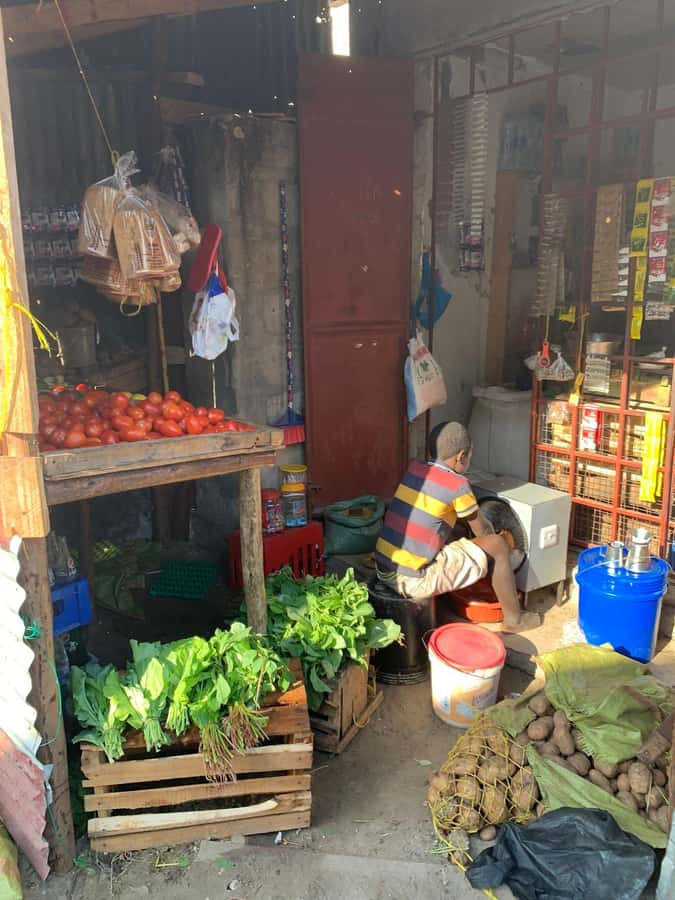
The best part of this Arusha experience happens before the cooking begins: you visit a local market, choose vegetables, and negotiate prices for the meal you will later eat. That simple step turns lunch into a lesson in daily life, not just a cooking demonstration.
I like the market-to-table format, and I like the quiet farm setting outside town, where the Kingstone Asilia family welcomes you into a wooden hideaway among the greenery. The chance to learn about plants with Ozili and possibly spot monkeys adds a pleasant extra.
The main drawback is practical: transport is not included in the $50 price. You can arrange pickup and dropoff from central Arusha for another $15, paid in cash, or make your own way to Kambi Ya Chupa Madukani and continue by motorbike.
Key points to know before booking
- Six or more vegetarian dishes: You help prepare a generous Tanzanian meal, rather than simply watching a chef work.
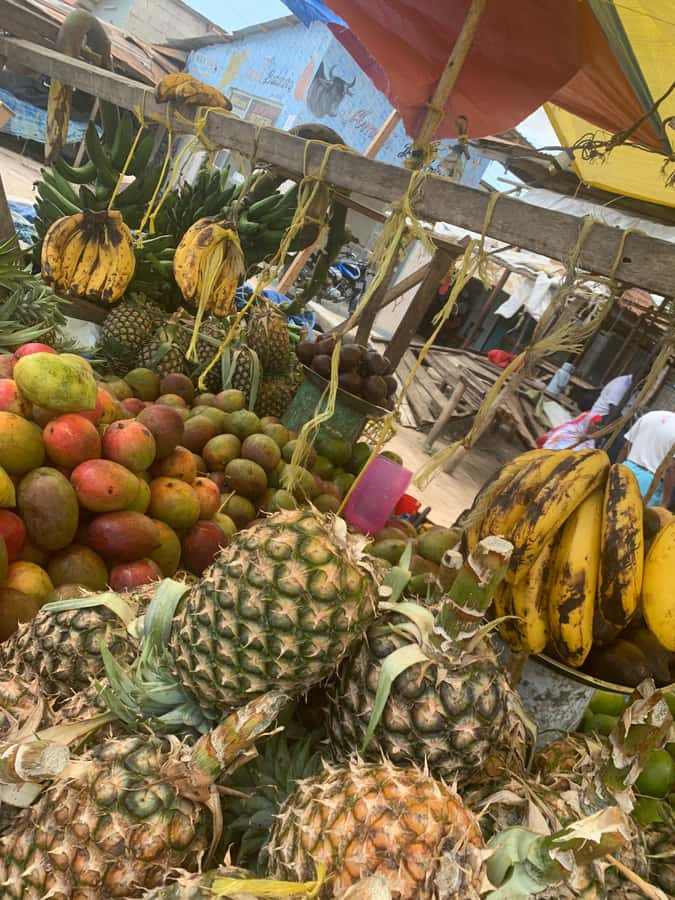
- A real local market visit: You select ingredients, practice negotiating prices, and see how the cooking begins at the source.
- A peaceful farm setting: The class takes place at a wooden hideaway on the Kingstone Asilia family property outside Arusha.
- Coffee and possible monkeys: Coffee from the farm may be served, and monkeys can sometimes be seen nearby.
- Ozili adds a nature walk: You may learn about the trees and plants around the property as part of the visit.
- Plan your transport: Central Arusha pickup and dropoff costs $15 total, while extras at the property require cash.
From Arusha market to a home-cooked feast
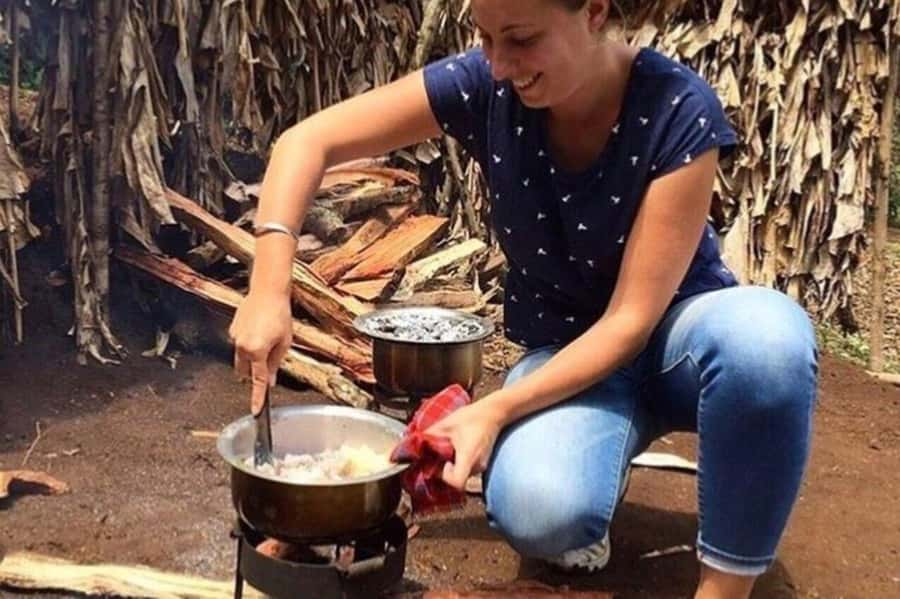
This five-hour experience follows a sensible order. You begin in town at a local food market, then travel to the Kingstone Asilia family farm, prepare the ingredients, cook several dishes, and sit down to eat together.
That sequence matters. Many cooking classes hand you a basket of ready-to-use vegetables. Here, you see the buying stage first. You can examine the produce, help choose what looks best, and learn how prices are discussed. The market stop gives you a small but useful window into ordinary food shopping in Arusha.
You are not only learning recipes. You are seeing how a meal takes shape through local ingredients, bargaining, preparation, and shared work. If you enjoy understanding the setting behind a dish, this is more rewarding than a class held entirely in a restaurant kitchen.
The pace is also generous. Five hours gives you time for conversation, cooking, eating, and the farm setting without turning the day into a rushed checklist. Starting times vary, so you should check availability when booking and allow room around the class if you have another activity planned.
More cooking classes around the world:
- Half-Day Thai Cooking Class at Organic Farm in Chiang Mai
★ 5.0 · 19,087 reviews - Florence: Pasta Cooking Class with Unlimited Wine
★ 4.9 · 10,285 reviews - 3 in 1 Cooking Class near Navona: Fettuccine, Ravioli & Tiramisu
★ 5.0 · 7,376 reviews
Choosing vegetables and negotiating at the market
The market visit is the most distinctive part of the itinerary. You will select fresh vegetables and other ingredients for the meal, then help negotiate prices. The description does not name the market, so you should think of it as a genuine neighborhood food stop rather than a major sightseeing attraction.
That is good news if you want ordinary Arusha life. You will see the practical side of cooking: what is available, how ingredients are selected, and how a shopper deals with sellers. It is also a chance to ask questions through your English-speaking guide and compare market customs with those at home.
The market may feel less polished than a purpose-built food tour. It could be crowded, noisy, or simple in appearance, and the point is participation rather than a curated display. I would treat this as a working market visit, not a photo stop designed for comfort.
Negotiating prices is part of the activity, but you should follow the lead of the host. Bargaining can be enjoyable when handled with good humor and respect. The host family can show you how the exchange works without making the moment feel like a performance.
Cooking six Tanzanian vegetarian dishes
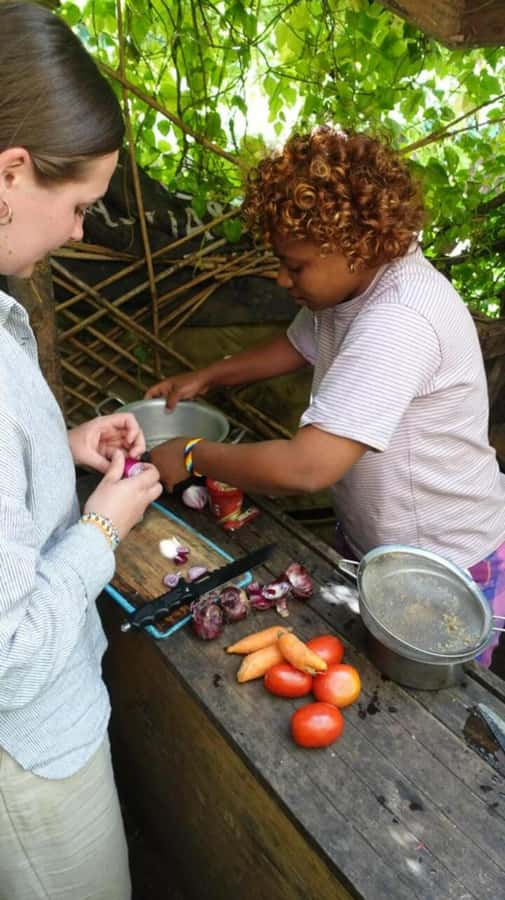
At the farm, you move into the hands-on part of the class. The hosts teach traditional ways to prepare ingredients and cook typical Tanzanian dishes. One visit included at least six vegetarian dishes, giving you a broad taste of the local kitchen rather than one recipe repeated in different forms.
The meal is cooked fresh with ingredients bought that day. That makes the class practical: you can connect the vegetables from the market with the finished food on your plate. You also get to help with the preparation, rather than standing at a distance while somebody else does the work.
The food is vegetarian, and dietary requirements or food preferences can be discussed before the tour. You should share those needs early, since the hosts say they can tailor the dishes to suit you while keeping the meal local.
The experience includes all food and drink, along with a vegetarian buffet lunch. The buffet format works well for a group because you can sample several dishes and take smaller portions before returning for more. It also makes the lunch feel communal, with everyone sharing the results of the morning’s work.
You should not expect a formal culinary school lesson with printed recipes or technical instruction unless the provider confirms that separately. The emphasis here is traditional preparation, conversation, and eating together. If your goal is to master precise restaurant techniques, this may feel informal. If you want to learn how a family prepares familiar Tanzanian food, that informality is part of the appeal.
A wooden hideaway on the family farm
The Kingstone Asilia property sits on the green outskirts of Arusha, away from the center of town. The cooking takes place in a wooden nature hideaway overlooking the farm grounds, giving the class a calmer setting than you would get in a city kitchen.
This setting is one of the strongest reasons to choose the experience. You can spend part of the day surrounded by plants and open farm space, with time to talk rather than rushing between attractions. The farm also gives the food a clear sense of place. You are not just cooking Tanzanian dishes in an anonymous room.
The property is connected to a family project, and the experience offers a direct way to support a small community-based operation. One participant particularly valued being part of a project connected with a coffee farm in a local village. That does not mean the activity is a farm work program, but it does give the visit a purpose beyond lunch.
There are a few special touches. Coffee from the family farm may be served during the workshop, and monkeys may occasionally pass through the area. These sightings are not guaranteed, so consider them a bonus rather than a promised part of the program.
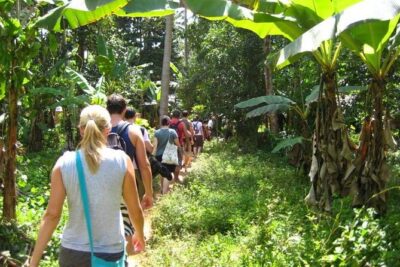
Ozili can also introduce you to the trees and plants around the property. This adds another layer to the visit, especially if you are interested in how local food connects with the surrounding environment. The available information does not give a fixed nature-walk schedule, so ask the host how much time is available on your date.
Same kitchen, a different dish:
- Florence: Pasta & Tiramisu Cooking Class with Unlimited Wine
★ 4.9 · 6,708 reviews - Florence: Pasta Cooking Class with Unlimited Wine
★ 5.0 · 6,413 reviews - Hanoi Cooking Class: Culture, Local Market & Meaning CSR Impact
★ 5.0 · 5,147 reviews - 5 Traditional Dishes Hanoi Cooking Class with Market Trip
★ 5.0 · 4,890 reviews
Conversation is part of the meal
The hosts make time to exchange stories about Tanzanian life, your own background, and different experiences. That social side is central to the activity. You are not simply paying for food preparation; you are sharing a meal with the family and learning through conversation.
The class is conducted in English. That makes it easier to ask about ingredients, cooking methods, family traditions, and life around Arusha. A live guide is included, but the exact number of people in the group is not specified. If group size matters to you, ask before booking.
The atmosphere sounds friendly and relaxed, but you should still arrive ready to participate. This is not a silent demonstration. You will get more from it if you are willing to chop, stir, taste, ask questions, and talk with the people hosting you.
The social setting may suit solo visitors especially well. A cooking class gives you an easy way to spend time with local people without the pressure of arranging a private visit yourself. Couples and families can also enjoy it, though younger children may find the long five-hour format demanding if they are not interested in food preparation.
What the $50 price covers
At $50 per person, the experience includes five hours, the market visit, instruction, all food and drink, and the cooked vegetarian lunch. I consider that fair value if you want a full half-day activity rather than a short restaurant lesson.
The price also buys access to a family-run farm setting and a meal built around ingredients selected during the visit. Those details make the cost easier to justify than a simple cooking demonstration. You are paying for time, food, hosting, local contact, and the setting.
Transport is the extra cost to watch. Pickup and dropoff from central Arusha locations costs $15 total, or 45,000 Tanzanian shillings, paid in cash. If you choose that option, the door-to-door convenience makes the total price $65 per person, assuming the transport charge applies to your booking in the stated way.
You can also meet the hosts independently. The meeting point is available on Google Maps, or you can take a bus to Kambi Ya Chupa Madukani and ask a motorbike driver to take you to Kingstone. If you use this option, allow extra time and confirm the route before setting out.
Coffee, gifts, and alcoholic drinks are not included. Extras at the property can only be paid for in cash, although handwritten receipts are available if you want one. Bring Tanzanian shillings for transport and purchases, rather than assuming a card will work.
Who will enjoy this Arusha cooking class?
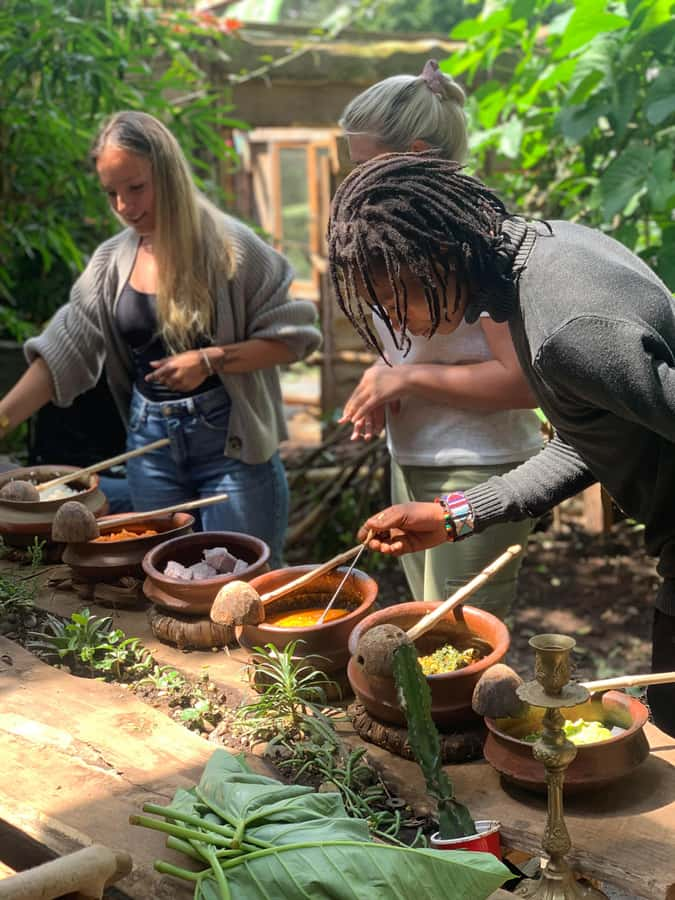
I would choose this experience if you want food to be a way into local culture. It suits people who prefer a family setting, fresh ingredients, and conversation over a polished tourist attraction.
It is also a strong match for vegetarians. The meal is built around vegetarian Tanzanian dishes, and one visit included at least six different preparations. People with other food preferences should state them before the tour so the hosts can plan accordingly.
The class fits well into an Arusha stay before or after a safari. It gives you a slower day away from vehicle rides and wildlife schedules, while keeping you close to town. The five-hour duration is long enough to feel substantial, but short enough to fit into a wider itinerary if you arrange transport carefully.
You may want to skip it if you dislike markets, informal settings, or shared meals. It is also not the right choice if you want a tightly timed professional cooking course, a guaranteed wildlife sighting, or a menu centered on meat. The available meal is vegetarian, and monkeys are only a possible extra.
Free cancellation is available up to 24 hours before the start time, and you can reserve without paying immediately. That gives you some useful flexibility while arranging an Arusha schedule.
Should you book Kingstone Asilia’s cooking class?
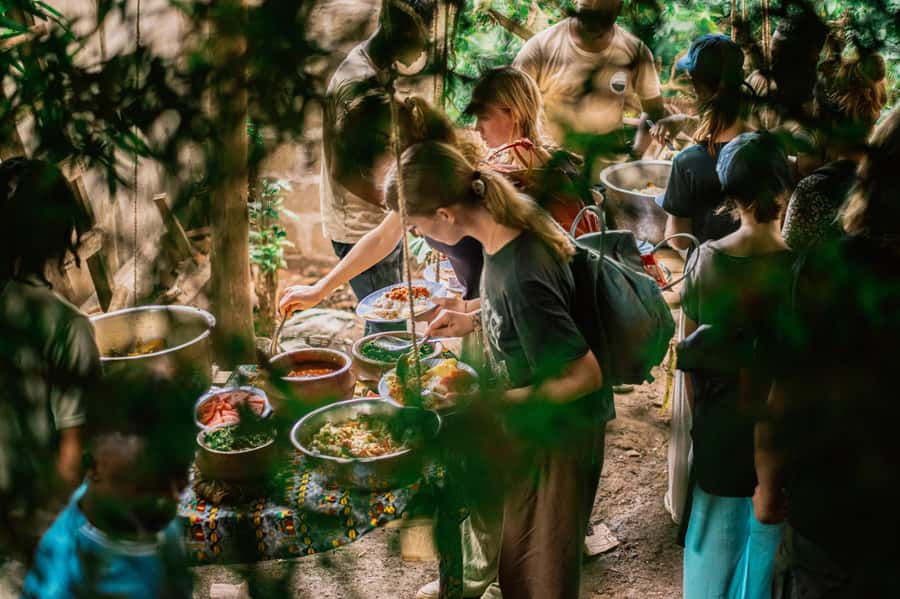
Book it if you want to spend a half-day with a local family, shop for ingredients in an Arusha market, and cook a fresh vegetarian feast in a peaceful farm setting. The combination of market bargaining, hands-on preparation, coffee, plant knowledge, and shared stories gives the activity more substance than a standard lunch outing.
The strongest reason to go is the connection between place and food. You see the ingredients being chosen, help prepare them, and eat the finished meal where the family has created its own small nature retreat. Add the extra $15 for town transport if finding the farm sounds awkward, and bring cash for all extras.
If you want an informal, social, community-based experience, this is an easy recommendation. If you want a formal lesson with exact recipes, fixed group details, and hotel pickup included, check those points first or choose a different class.
FAQ
How long does the Kingstone Asilia cooking class last?
The activity lasts five hours. Starting times vary, so check availability for the date you want.
What food will I cook?
You will prepare typical Tanzanian vegetarian dishes using fresh local ingredients. One visit included at least six different dishes, followed by a vegetarian buffet lunch.
Is lunch included?
Yes. All food and drink are included, including the meal you prepare and eat at the farm.
Is pickup from Arusha included?
No. Pickup and dropoff from central Arusha locations costs an additional $15, or 45,000 Tanzanian shillings, paid in cash. You can also travel independently to the meeting point.
Where do I meet the hosts if I do not book pickup?
You can find Kingstone Asilia on Google Maps, or take a bus to Kambi Ya Chupa Madukani and ask a motorbike driver to take you to Kingstone. Pickup from Kambi Ya Chupa is also available.
Can I request dietary changes?
Yes. You should tell the hosts about dietary requirements or food preferences before the tour so they can tailor the dishes while keeping the meal local.
New cooking classes around the world
- Shinjuku Tokyo: Authentic Japanese Home-Style Culinary Class★ 4.9 · 125 reviews
- M.O.M COOKING CLASS★ 4.8 · 6 reviews
- Shibuya Tokyo: Onigiri & Tamagoyaki Cooking Class★ 5.0 · 4 reviews
- Seville: Paella-Cooking Experience with Sangria & Full Meal★ 4.9 · 42 reviews
- Shanghai: Authentic Chinese Cooking Class with Master Chef★ 5.0 · 2 reviews
- Sestri Levante: Pesto & Cooking Classes, Wine Tasting★ 4.9 · 56 reviews
- Seville: Paella Cooking Class & 30-Min Local Expert Q&A★ 4.8 · 37 reviews
- Seoul: Korean Kimchi Cooking Class in the Heart of the City★ 5.0 · 3 reviews
Tanzania Cooking Classes, side by side.
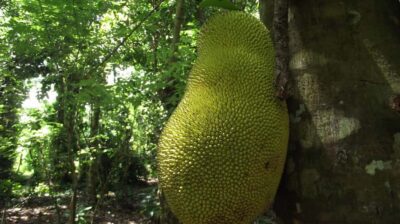
Zanzibar: Spice Farm Tour with Traditional Cooking Lesson
Read our review →
Half-Day Kuza Cave Swimming Adventure and Cooking Class
Read our review →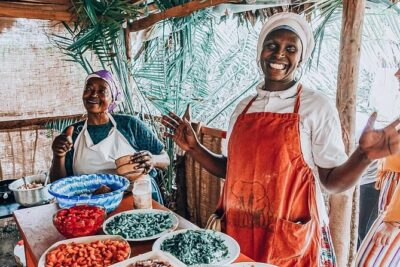
NGO Lifted Strong – Traditional Tanzanian Cooking Class
Read our review →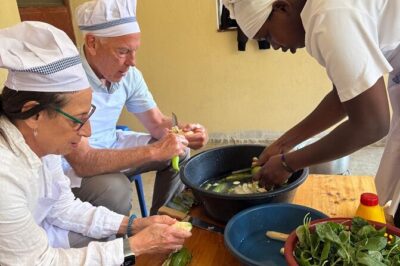
Arusha: Traditional Tanzania Cooking class& Food Market Tour
Read our review →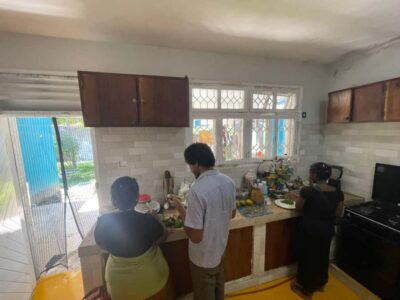
Dar es Salaam: Taste of Tanzania Cooking Class and Food Tour
Read our review →
Cooking Class Tour, Stone Town Tour, Horseback Riding
Read our review →This kitchen also appears in