
Review · JAPAN
Kushiro: Japanese Bento Cooking Class with a Local Host
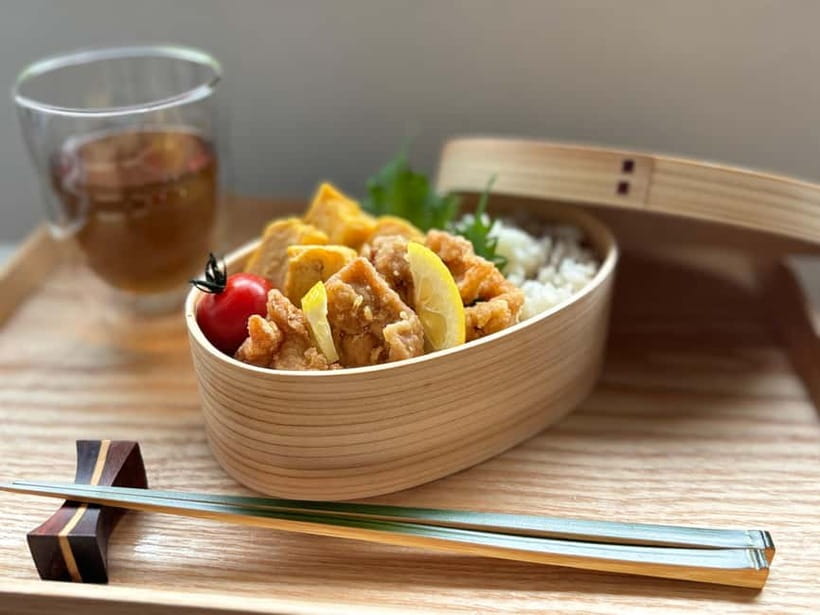
The best part of this Kushiro activity is that you do not simply eat Japanese food, you learn how an everyday lunch comes together. With local host Yuko, you prepare several colorful dishes, including tamagoyaki, then pack them into a bento box and sit down to enjoy the meal.
I like the hands-on format and the personal conversation in English. I also like the practical take-home value: recipes, cooking skills, and a better sense of how Japanese families balance meat or fish with smaller side dishes. The reported class experience also points to a useful tip: tamagoyaki looks tricky, but the right method makes it manageable.
The main consideration is the food policy. This class uses chicken, pork, or fish and is not suitable for vegetarians or people with food allergies. Ask about dietary needs before booking, since special arrangements are not included.
Key points to know before booking
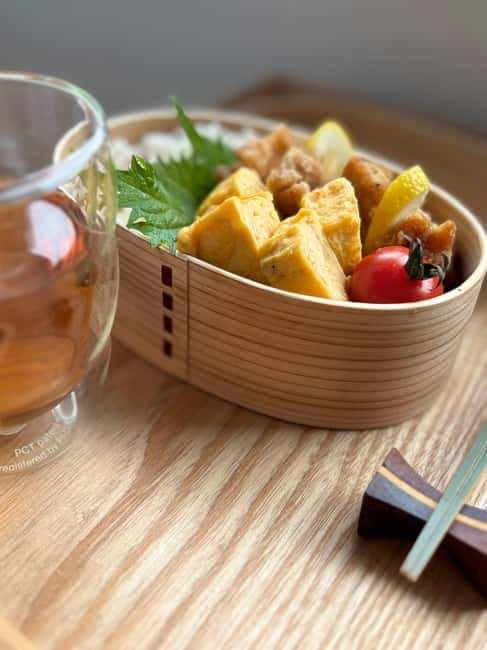
- Tamagoyaki is a featured skill: Learn how to make the rolled Japanese omelet, then add the technique to your home cooking.
- The class meets at MOO: Find the information counter on the ground floor of Kushiro Fisherman’s Wharf MOO.
- Your lunch is part of the lesson: You prepare, arrange, and eat a full homemade bento rather than watching a demonstration.
- Yuko teaches in English or Japanese: This makes the class suitable for visitors who want conversation as well as cooking instruction.
- The listed price is $61 per person: Ingredients, tools, tea, apron rental, recipes, and lunch are included.
- Check the food restrictions carefully: The class is not suitable for vegetarians or people with food allergies.
Starting at Kushiro Fisherman’s Wharf MOO
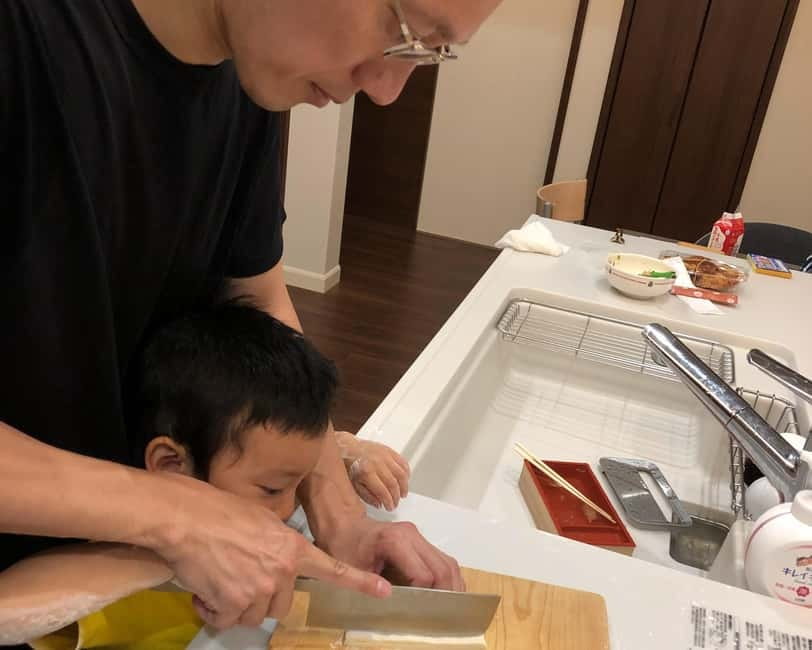
Your meeting point is the information counter on the ground floor of Kushiro Fisherman’s Wharf MOO. This gives you a clear place to begin, but allow enough time to find the counter and arrive ready to cook.
The activity lasts two hours. That is a useful length for a cooking class because it leaves enough time for instruction, preparation, packing, and eating without taking over your whole day in Kushiro. You will want comfortable clothes that can handle kitchen work. An apron is provided, so you do not need to bring your own.
The booking information lists the class as a small group limited to one participant. That is an unusually personal arrangement, and it means the teaching can focus closely on your technique and questions. At the same time, the wording is worth confirming when you reserve, especially if you are booking with a companion and expect a shared class.
More cooking classes around Japan:
- Ramen Cooking Class at Ramen Factory in Kyoto
★ 5.0 · 1,937 reviews - Ramen & Gyoza Cooking Class in Tokyo with Local Supermarket Visit
★ 5.0 · 823 reviews - Kyoto: Ramen Cooking Class at a Ramen Factory with Souvenir
★ 4.9 · 532 reviews
Learning the parts of a balanced bento
A bento is more than a lunch put into a box. Its appeal comes from the balance between a main item, smaller side dishes, color, texture, and neat arrangement. This class gives you a practical way to see that balance instead of treating bento as a mysterious display of food.
You prepare a selection of dishes with either meat or fish as the main element. The available choices are listed as chicken, pork, or fish. The precise menu can vary, so do not book expecting one particular recipe unless you confirm it in advance.
This is useful for visitors who enjoy Japanese food but find restaurant menus hard to reproduce at home. You learn the small decisions that make a lunch feel complete: how much of each item to prepare, how to keep the box colorful, and how to place food so it looks inviting. These are everyday skills, not just tricks for a special occasion.
The class includes all ingredients and cooking tools. That matters because you can focus on preparation rather than shopping for unfamiliar products or packing kitchen equipment in your suitcase.
Tamagoyaki gives the class a useful challenge
Tamagoyaki, the rolled Japanese omelet, is likely to be the most memorable technique in the class. It is a familiar bento item, but the layered shape can look harder than it is when you first see it.
Lisa-Marie from Germany singled out the tamagoyaki as the highlight of her class with Yuko. She also found it much easier once she knew the method and later planned to buy a rectangular pan in Japan so she could continue making it at home.
That detail tells you something important about the lesson. You are not just shown an attractive finished dish. You get a technique that can change how you cook after the class. A rectangular pan is helpful for the classic shape, but the real value is learning the rolling process and gaining the confidence to try it again.
Do not worry if your first omelet is not perfectly square. The point is to understand the method and leave with a recipe you can use. The class gives you a chance to ask questions at the moment they matter, rather than trying to copy a short video later.
Cooking with Yuko, not just watching a demonstration
Yuko teaches in English and Japanese. That makes the activity accessible to English-speaking visitors who want more than a silent cooking session, and it creates room for questions about food and daily life in Japan.
The personal nature of the class is one of its strongest features. With the listed group size limited to one participant, you should have a direct line to the host while preparing the dishes. You can ask why a step matters, check your technique, and talk about the role of bento in ordinary Japanese routines.
The social part continues when the cooking ends. You sit down and eat the meal you made with your host. Lisa-Marie described Yuko as open and very comfortable speaking English, and said they had plenty of time to talk while eating. That makes this a good choice if your main goal is local contact rather than a fast food lesson.
The conversation is not a separate add-on. It is part of what makes the class different from buying a bento at a station or restaurant. You leave with a meal in your stomach, but also with a more personal connection to the food.
Same kitchen, a different dish:
- Sushi Making Osaka! Popular Sushi Class in Japan!
★ 5.0 · 500 reviews - Kyoto: Ramen, Gyoza, and Onigiri Cooking Class
★ 5.0 · 445 reviews - Tokyo Tsukiji Fish Market Tour and Sushi Making Lesson
★ 5.0 · 390 reviews - Kyoto: Japanese Washoku Bento Small Group Cooking Class
★ 5.0 · 380 reviews
Packing the box and eating your own lunch
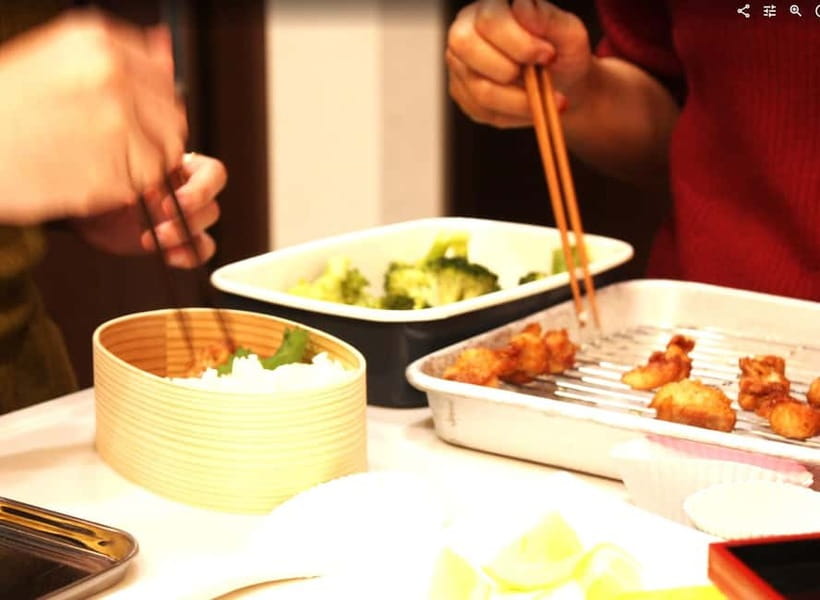
Once the dishes are ready, you arrange them in the bento box. This step deserves attention. A bento is meant to look appealing when the lid comes off, so placement and color matter almost as much as taste.
You will pack a range of dishes rather than one large serving. That makes the bento feel like a small meal with several choices. The exact contents depend on the menu and your meat or fish selection, but the lesson is built around a well-balanced box.
The full homemade bento is included in the price. You can eat it with Yuko, or choose to take it with you if you prefer. Eating together gives you the fuller social experience, while taking it away may suit you if your schedule is tight or you want to continue sightseeing.
A welcome tea or drink is also included. Additional food and drinks outside the class are not included, so bring that expectation to the meeting point. The bento itself is the main meal provided.
What the $61 price gives you
At $61 per person, this is not the cheapest way to obtain lunch in Kushiro. A shop or restaurant will cost less if all you want is food. The value here comes from combining lunch with instruction, equipment, conversation, and recipes.
Your price includes:
- A two-hour, hands-on bento class
- All ingredients and cooking tools
- English or Japanese instruction
- A full homemade bento
- Welcome tea or another drink
- Apron rental
- Recipes to take home
- Conversation with a local host
- The option to take your bento with you
That is a fair package for someone who wants an activity rather than a quick meal. You are paying for time with a local host and the chance to repeat the recipes later.
I would especially consider it good value for solo visitors. A class limited to one participant can feel expensive compared with a large group lesson, but the personal teaching and conversation help explain the price. For couples or families, confirm the group arrangement before booking, since the activity information specifies one participant.
A few practical limits to consider
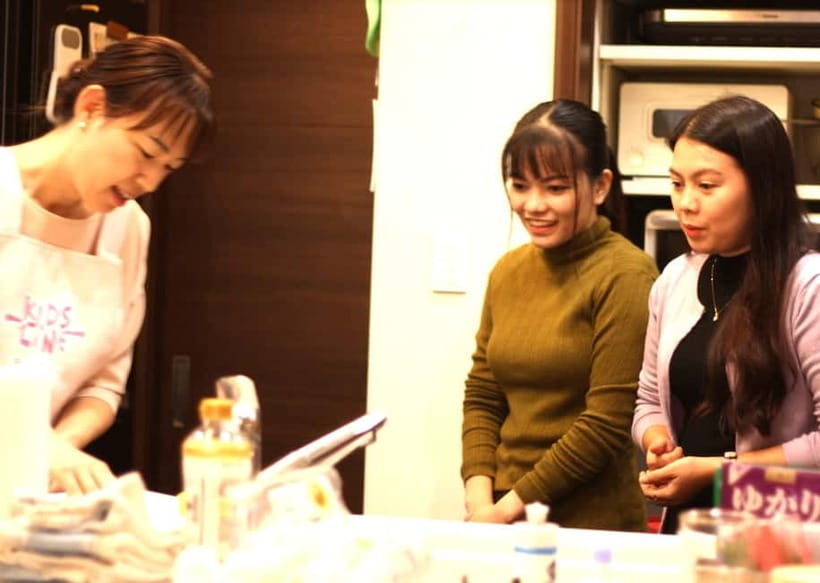
The food restrictions are the most important issue. The class is not suitable for vegetarians or people with food allergies. The dishes may use chicken, pork, or fish, and special dietary accommodations such as vegan or gluten-free cooking are not included.
You are asked to report allergies or dietary restrictions in advance. That is still worth doing even if you think your needs are simple, since the host can tell you whether the planned ingredients are appropriate. Do not assume a substitution will be available on the day.
The class is also not designed for visitors seeking a broad menu of dietary choices. Its focus is a traditional bento built around meat or fish. That clear focus is a strength for the right person, but a poor fit if you need strict control over ingredients.
Smoking is not allowed indoors, in the vehicle, or during the activity. Comfortable clothing is the only item specifically required. An apron is supplied, along with the cooking equipment.
The activity is listed as wheelchair accessible. If you use a wheelchair and need details about the route inside MOO or the cooking setup, confirm those arrangements before booking rather than relying only on the general accessibility label.
Who will enjoy this Kushiro cooking class
I would recommend this activity to you if you meet one or more of these descriptions:
- You enjoy cooking and want a skill you can use after the trip.
- You want to meet a local person in a relaxed setting.
- You like Japanese food but do not know how to prepare it.
- You are curious about ordinary home-style meals rather than formal restaurant cuisine.
- You are traveling alone and value one-to-one instruction.
- You want an indoor activity with a clear two-hour schedule.
- You like food souvenirs that are recipes and techniques, not just packaged snacks.
It is also a good choice for a visitor who has already seen Kushiro’s outdoor attractions and wants a quieter cultural activity. You do not need advanced cooking experience. The class is meant to guide you through the process, and the tamagoyaki lesson offers a manageable challenge for beginners.
I would skip it if your priority is a low-cost lunch, a large group social event, or a class with flexible vegetarian and allergy-friendly options. I would also choose another activity if you dislike hands-on cooking or would rather have a chef prepare everything for you.
Booking and timing advice
The class offers free cancellation up to 24 hours before the start time, and you can reserve now and pay later. That gives you some flexibility while arranging your Kushiro schedule, but you still need to check available starting times because the class does not list one fixed daily departure.
Plan to arrive at the MOO information counter with enough time to get oriented. The cooking portion is only part of the two hours, so arriving late could cut into the preparation and conversation that make the activity worthwhile.
If your day includes other meals, remember that the bento is a full lunch. You can eat it with Yuko or take it with you. It is sensible to avoid booking a large meal immediately afterward unless you plan to save the bento for later.
The activity is offered in English and Japanese. It does not include an interpreter for other languages. If you need another language, arrange your own support and confirm that it will work with the cooking format.
Is the Kushiro bento class worth booking?
Book it if you want personal instruction, a homemade Japanese lunch, and a useful recipe to carry into your own kitchen. The tamagoyaki lesson, one-to-one format, and conversation with Yuko give this two-hour activity more substance than a simple food tasting.
The $61 price makes the most sense when you count the ingredients, tools, apron, drink, meal, recipes, and host time together. It is less attractive if you only need lunch or if you cannot eat chicken, pork, or fish.
For an English-speaking solo visitor who enjoys food and local conversation, this is a strong Kushiro pick. Confirm the participant limit and discuss any dietary concerns before paying, then arrive ready to cook, eat, and perhaps start shopping for a rectangular pan.
FAQ
Where does the bento cooking class meet?
The meeting point is the information counter on the ground floor of Kushiro Fisherman’s Wharf MOO in Kushiro.
How long does the activity last?
The cooking class lasts two hours.
How much does the class cost?
The listed price is $61 per person.
Who teaches the class?
Local host Yuko teaches the class. Instruction is available in English and Japanese.
What food will I prepare?
You will make a balanced Japanese bento using chicken, pork, or fish, along with a variety of colorful side dishes. The exact menu is not specified.
Is tamagoyaki included?
Tamagoyaki is part of the cooking experience and is highlighted as an important technique in the class.
Is lunch included?
Yes. You prepare and receive a full homemade bento lunch as part of the class.
Can I take the bento with me?
Yes. You can eat it with your host or take it with you if you prefer.
Is the class suitable for vegetarians or people with food allergies?
No. The activity is listed as unsuitable for vegetarians and people with food allergies. You should report dietary restrictions or allergies in advance.
What is included besides the food?
The price includes ingredients, cooking tools, English or Japanese instruction, a welcome tea or drink, apron rental, recipes, and conversation with a local host.
New cooking classes around Japan
- Shinjuku Tokyo: Authentic Japanese Home-Style Culinary Class★ 4.9 · 125 reviews
- Shibuya Tokyo: Onigiri & Tamagoyaki Cooking Class★ 5.0 · 4 reviews
- Ramen Making from Scratch +Akihabara Tour –Cooking Class★ 5.0 · 25 reviews
- Okonomiyaki&Takoyaki for Families:Osaka Street Food Festival★ 5.0 · 4 reviews
- Osaka Sake Tasting with Takoyaki Cooking★ 5.0 · 156 reviews
- Osaka: Sashiko Japanese Craftsmanship Workshop★ 5.0 · 31 reviews
- Osaka: Japanese Cooking Class with Matcha Experience★ 5.0 · 4 reviews
- Osaka Okonomiyaki Cooking Experience for Families & Groups★ 4.9 · 8 reviews
Japan Cooking Classes, side by side.
Ramen Cooking Class at Ramen Factory in Kyoto
Read our review →
Ramen & Gyoza Cooking Class in Tokyo with Local Supermarket Visit
Read our review →
Sushi Making Osaka! Popular Sushi Class in Japan!
Read our review →
Tokyo Tsukiji Fish Market Tour and Sushi Making Lesson
Read our review →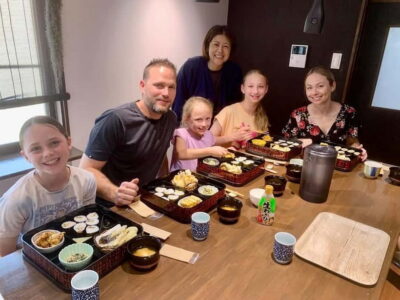
Kyoto: Japanese Washoku Bento Small Group Cooking Class
Read our review →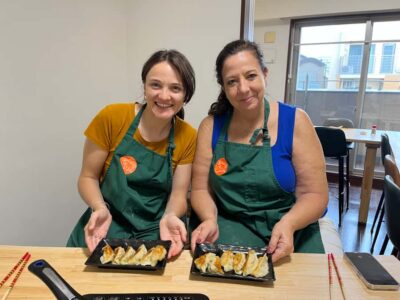
Osaka: Ramen and Gyoza Cooking Class in Dotonbori
Read our review →
Tokyo: Easy Ramen Cooking Experience in Kabukicho, Shinjuku
Read our review →This kitchen also appears in