
Review · KYOTO
Kyoto: Japanese Washoku Bento Small Group Cooking Class
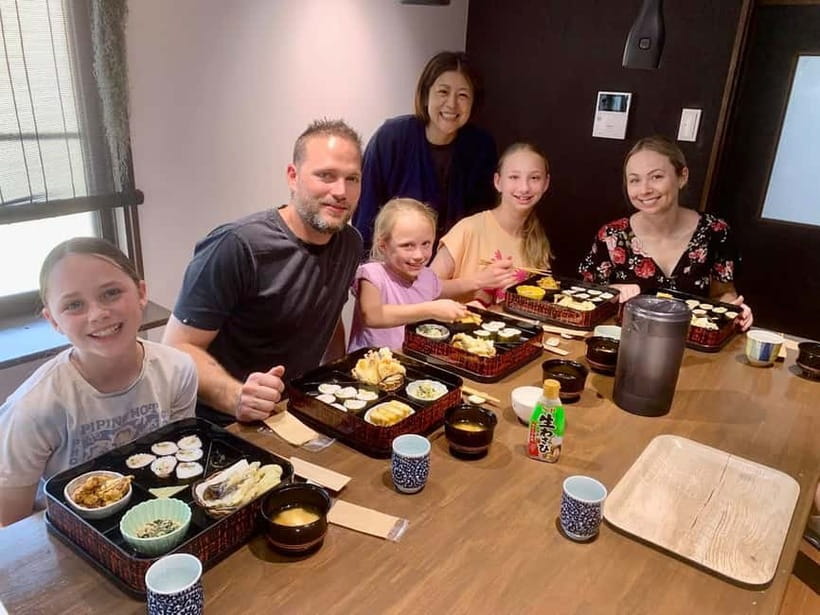
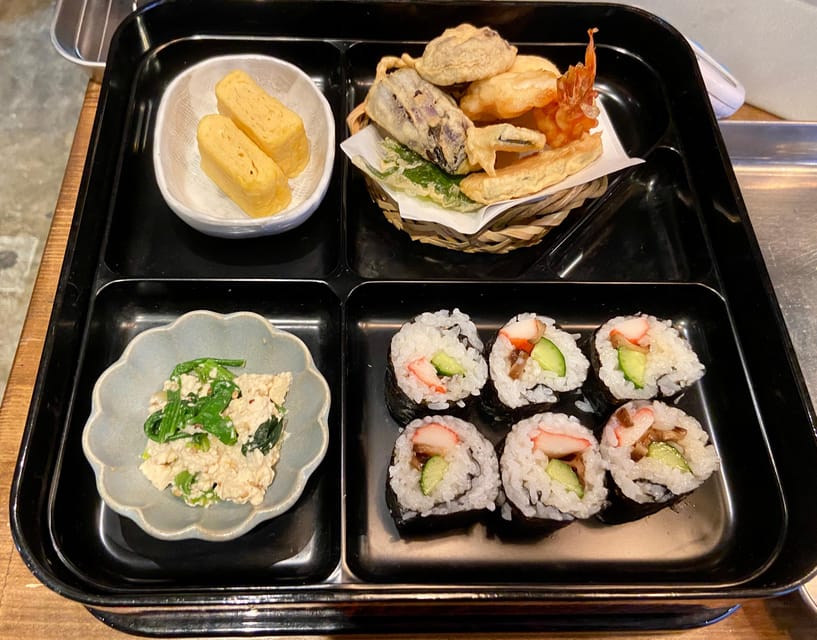
A bento class is a smart way to get past the usual restaurant menu. In 150 minutes, you prepare four separate dishes, including sushi rolls, tempura, tofu salad, and Japanese rolled omelette, then arrange them into your own portable meal. I like the small group of no more than five, which gives you room to ask questions and handle the food yourself. I also like that the lesson covers useful skills, from making dashi stock to frying tempura and improving your knife work.
The main drawback is the strict meeting-time rule. You must arrive at Kyoto Laundry Cafe before the chef’s pickup, and arriving more than 15 minutes late can cancel the booking without a refund. The class is also not suitable for wheelchair users or very young children, so check the practical details before you reserve.
Key points at a glance
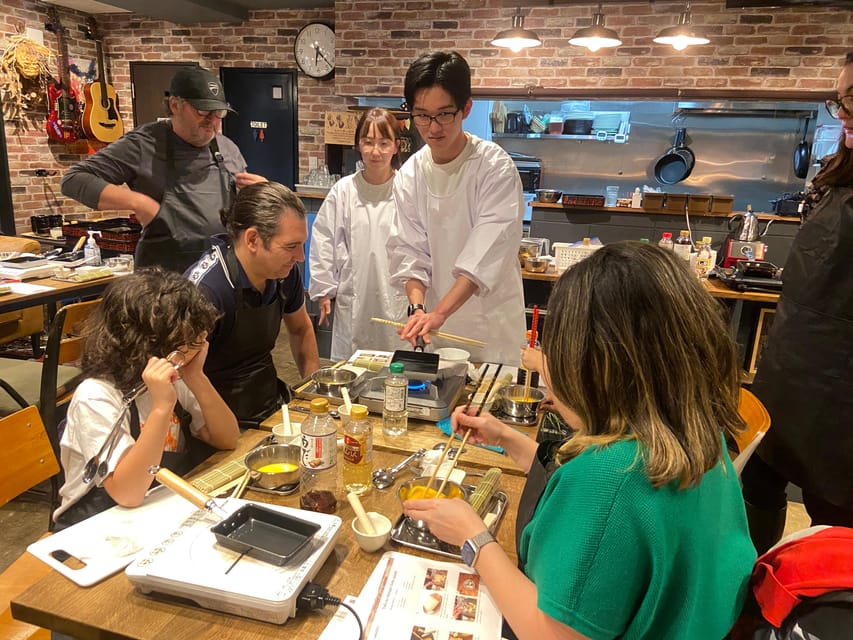
- Cook four classic dishes: Prepare sushi rolls, tempura, tofu salad, and Japanese rolled omelette for a substantial bento meal.
- Learn the building blocks of washoku: Practice dashi stock, seasonal ingredients, balanced flavors, and the Japanese approach to presentation.
- Work with an English-speaking chef: Instructors have included Ai, Rie, and Miyu, with Japanese also available.
- Enjoy a genuinely small class: The maximum group size is five, making this a hands-on lesson rather than a demonstration.
- Meet near Saiin Station: Kyoto Laundry Cafe is about five minutes from the Hankyu Railway station and serves as the pickup point.
- Plan around the 150-minute schedule: You cook several items, eat together, and leave with skills and recipes you can use at home.
Why a Kyoto bento class is worth your afternoon
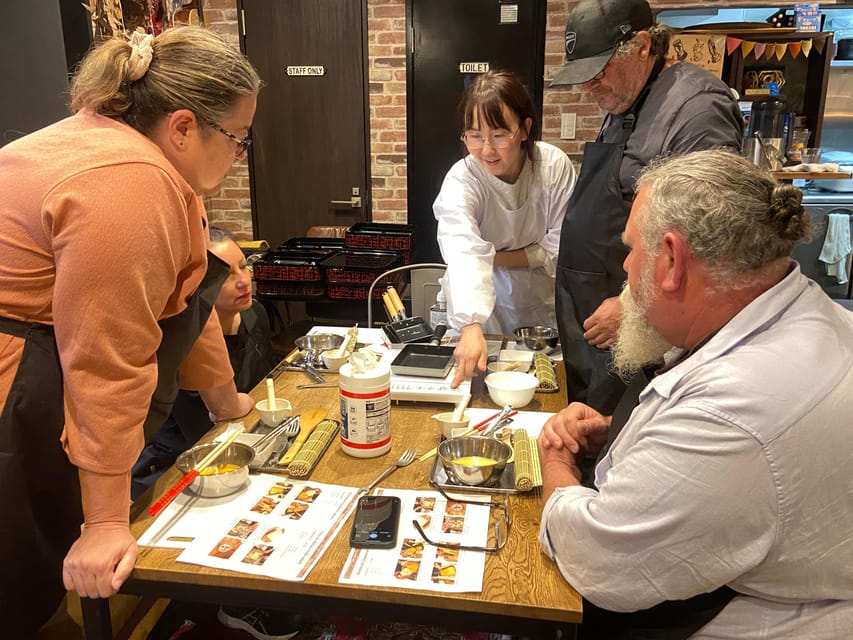
A bento is more than a lunch box. Its separate compartments let you combine different tastes, colors, textures, and cooking methods in one meal. That makes this class more interesting than a single-dish cooking lesson. You are not just learning how to make sushi or tempura. You are learning how several small dishes fit together.
The focus is washoku, the Japanese approach to food that values fresh, seasonal ingredients and balance. The meal is designed to work as a whole. A soft omelette, crisp tempura, seasoned rice or sushi, and tofu salad give you contrasts in texture and flavor.
I like this format for a first visit to Japan because food becomes a doorway into daily life. You hear how bento is prepared and eaten in Japanese homes, and you learn why each dish has a particular place in the box. The class also gives you something practical to take home. Several participants used the dashi and dashimaki techniques again for lunches after returning home.
At $58 per person, the price is reasonable for a 2.5-hour class that includes ingredients, equipment, an apron, instruction, four dishes, and the meal you prepare. It is not the cheapest way to eat lunch in Kyoto, but it offers far more than lunch. You receive guided practice, cultural background, and recipes you can repeat. For a small-group activity, the price compares well with other hands-on food experiences.
More cooking classes around Kyoto:
- Ramen Cooking Class at Ramen Factory in Kyoto
★ 5.0 · 1,937 reviews - Kyoto: Ramen Cooking Class at a Ramen Factory with Souvenir
★ 4.9 · 532 reviews - Kyoto: Ramen, Gyoza, and Onigiri Cooking Class
★ 5.0 · 445 reviews
Finding Kyoto Laundry Cafe near Saiin Station
The meeting point is Kyoto Laundry Cafe, near Saiin Station on the Hankyu Railway. The cafe is about five minutes from the station. It is important to treat the cafe as the meeting point rather than assuming the cooking room is there. On the day of your class, the chef comes to collect you.
Use Google Maps for the address. The instructions specifically warn against using the map function on Instagram, a useful tip if you are relying on your phone in an unfamiliar part of Kyoto.
This is one place where you should arrive early. If you are more than 15 minutes late, the reservation is automatically canceled, and late arrival does not qualify for a refund or schedule change. Kyoto’s station areas can be confusing, especially if you are still learning which exit to use, so build in extra time.
The activity lasts 150 minutes, with different starting times available depending on the date. Since the class includes several dishes and a full meal, do not schedule it too tightly against a major sightseeing appointment.
What happens during the cooking session
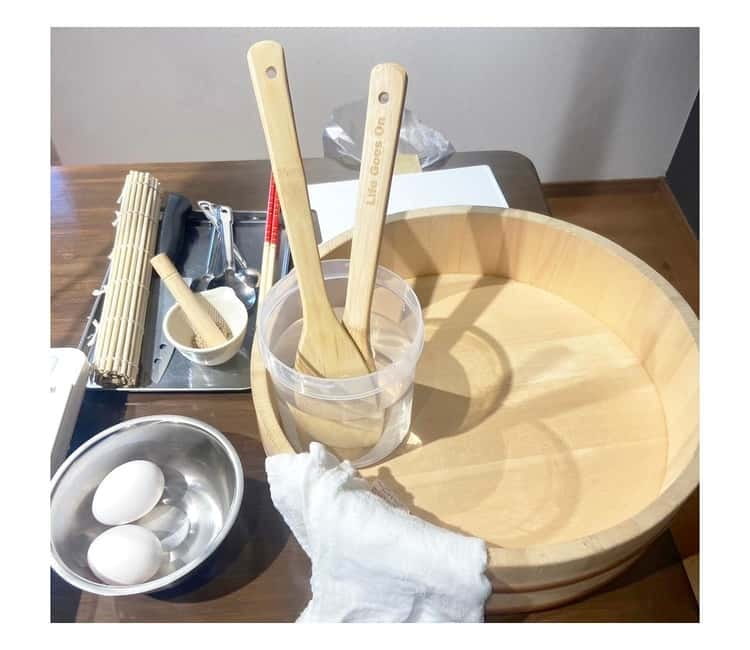
The chef begins by introducing bento and washoku, then explains the dishes you will prepare. The exact rhythm can vary with the group and instructor, but the class is built around active participation. You listen to a demonstration, try the technique yourself, and receive help as you go.
The small format matters here. With a maximum of five people, the chef can watch your knife work, correct your method, and answer questions about ingredients. This is especially useful if you have never prepared dashi, folded a Japanese omelette, or worked with tempura batter.
The pace is friendly but purposeful. You should expect to do real cooking rather than simply watch someone prepare a meal. The result is also a large amount of food. Come hungry, since you will eat the dishes you make together at the end.
Making dashi, the quiet foundation of the meal
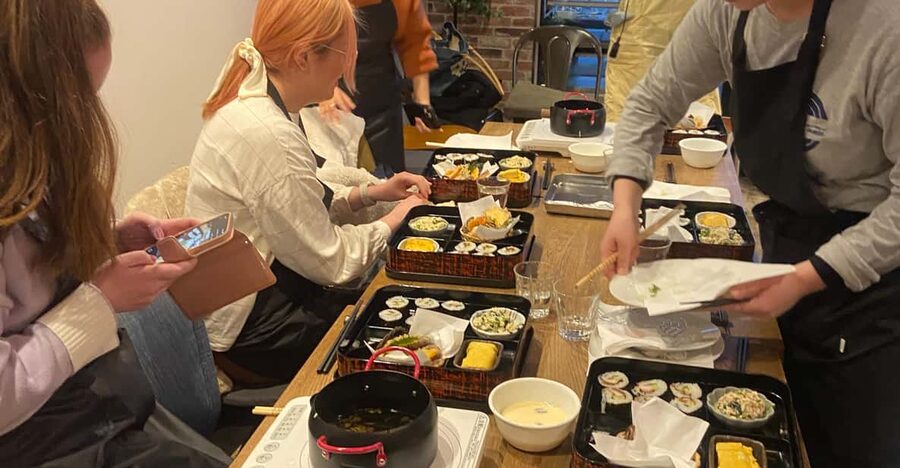
Dashi is a Japanese stock used to build flavor in many dishes. The class teaches the method rather than treating stock as a mysterious ingredient that appears from nowhere. You learn how it is made and how it supports the other flavors in Japanese cooking.
This is one of the most useful parts of the lesson for home cooks. Sushi and tempura may be the dishes you look forward to, but dashi is the technique that can change how you cook Japanese food later. You can use the process for soups, sauces, omelette, and other dishes.
The instructors explain the ingredients and the role of the stock as you work. That context helps you understand why washoku can taste subtle while still having depth. You are not simply following a recipe. You are learning how Japanese cooks build a base flavor.
Same kitchen, a different dish:
- Kyoto: Afternoon Japanese Izakaya Cooking Class
★ 4.9 · 241 reviews - Kyoto: Morning Japanese Bento Cooking Class
★ 5.0 · 149 reviews - Kyoto: Authentic Sushi Making Cooking Lesson
★ 5.0 · 103 reviews - Near Fushimiinari: Kyoto Home Cooking Class & Supermarket tour
★ 5.0 · 100 reviews
Rolling omelette and improving knife skills
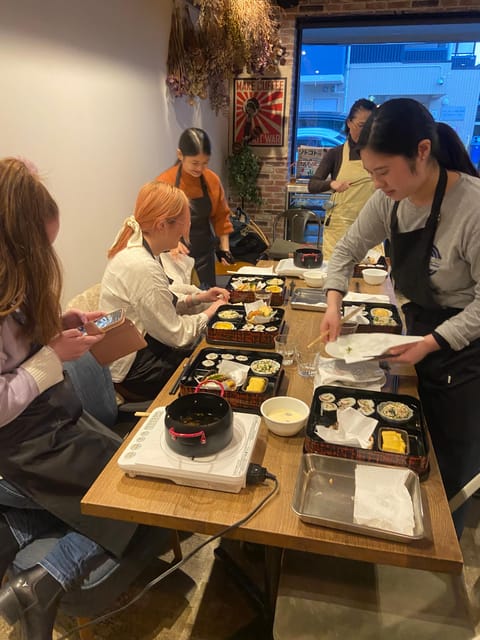
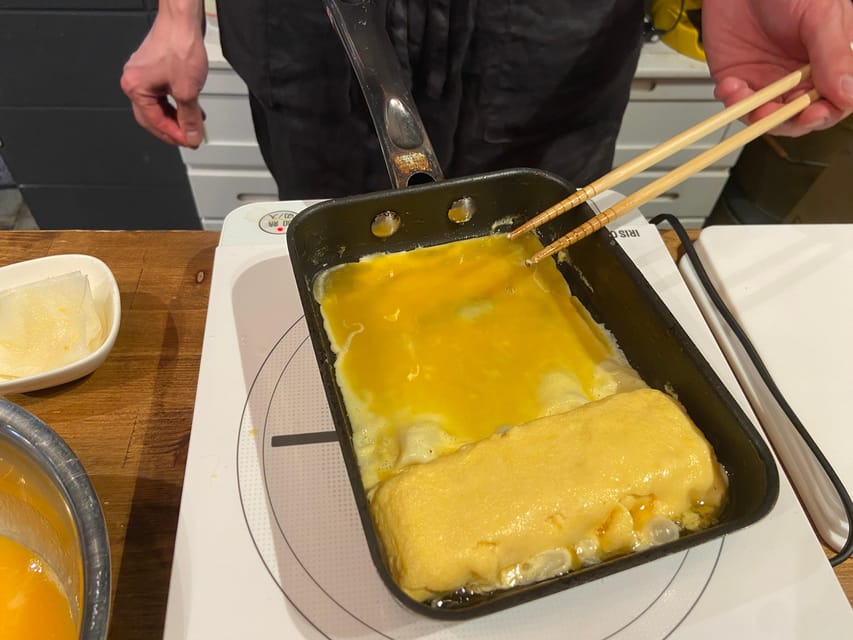
Japanese rolled omelette, often called dashimaki tamagoyaki, looks simple until you try to make one. The mixture must be cooked in thin layers and rolled carefully. The class breaks the process into manageable steps, and the chef demonstrates the movement before you try it.
Knife practice is another useful part of the session. You learn how to handle a knife in the Japanese style and how careful cutting affects the final dish. Even if you already cook often, the lesson can sharpen your awareness of size, shape, and consistency.
This is not a professional chef course, and you should not expect advanced culinary training. Its strength is that the techniques are practical enough for a home kitchen. You leave with methods you can repeat instead of one impressive dish you will never make again.
Frying tempura without losing the texture
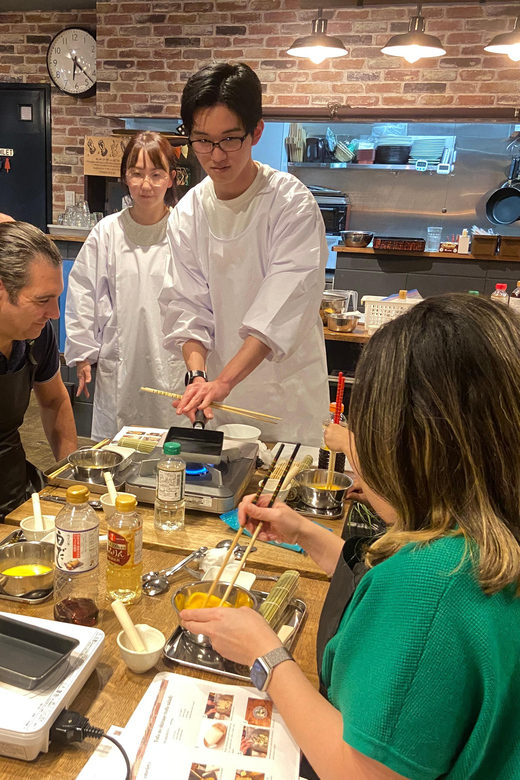
Tempura adds the hot, crisp element to the bento. The chef shows you how to prepare and fry it, with attention to the batter and cooking technique. Since deep frying can feel intimidating, having an instructor beside you is helpful.
The class also puts tempura in context. It is not served alone, but as part of a meal that includes softer and more delicate dishes. That contrast is central to the bento format.
You should follow the chef’s instructions closely around hot oil and equipment. The class provides the necessary utensils and ingredients, so you can concentrate on technique rather than trying to organize a kitchen in an unfamiliar place.
Sushi rolls, tofu salad, and the final bento
Sushi rolls give you another chance to work with careful assembly and presentation. Tofu salad adds a fresh, lighter component to balance the fried food and omelette. Together, the dishes create the four-part meal promised by the class.
Presentation matters, but the tone is not described as a formal competition. You are guided step by step and encouraged to take part. The goal is to build a bento that looks appealing and tastes good, not to produce a restaurant-perfect box on your first attempt.
At the end, you sit down and eat what you prepared. This shared meal is a pleasant part of the experience because it gives you time to talk with the chef and the other people in the group. You can compare your cooking, ask follow-up questions, and enjoy the food while it is fresh.
The chefs and the teaching style
The listed instructors include Ai, Rie, and Miyu, with English and Japanese offered. Ai is especially associated with clear explanations of bento history, dashi, and Japanese food culture. Rie is known for a warm, patient teaching style and careful guidance through the cooking steps. Miyu has led classes that combine food preparation with cultural explanation and easy conversation.
Nana and Lausa have also helped with some sessions. The teaching team can vary, so you may not know the exact chef until your booking is confirmed. That said, the class structure is consistent: demonstration, hands-on preparation, and a shared meal.
English ability is important in a cooking class, and this experience is designed for international visitors. The available information indicates that the instructors teach in English and Japanese, making it easier to ask about ingredients, cooking times, and cultural details.
What the small group changes
A five-person limit is one of the strongest features. Large cooking schools can turn into a line of people waiting for their turn at the cutting board. Here, you have a better chance to handle each part of the meal yourself.
The group setting also makes the meal more social. You may be cooking with a couple, a family, or people from different countries, but the shared work gives everyone an easy topic. This suits solo visitors who want a structured activity with conversation, as well as couples and families.
Families should check the age rules closely. The activity is not suitable for children under four, and the information also separately lists children under two and under three as unsuitable. The overlapping limits are awkwardly written, but the safe reading is that very young children should not attend. One family successfully brought a nine-year-old, and teenagers have also enjoyed the class.
Who should book this experience
I would choose this class if you like Japanese food and want to understand how it is made. It suits curious home cooks, first-time visitors, couples, families with older children, and anyone who wants a quieter cultural activity between temple visits.
It is particularly useful early in a Japan trip. You learn about ingredients and dishes that will appear on restaurant menus for the rest of your stay. You may recognize dashi, rolled omelette, tofu, and the careful balance of a bento more clearly afterward.
This is less suitable if you want a quick meal, a sightseeing tour, or a highly advanced professional workshop. It is also not suitable for wheelchair users, people with diabetes, babies under one year, or children under four according to the supplied restrictions.
Practical details before you reserve
The activity costs $58 per person and lasts 150 minutes. Ingredients, four dishes, cooking equipment, and aprons are included. You do not need to bring cooking supplies.
Free cancellation is available up to 24 hours before the activity for a full refund. You can also reserve now and pay later, which helps if your Kyoto schedule is still changing.
The meeting point is near Saiin Station, not in central Gion or beside the major temple sights. Allow time to reach the cafe, locate the correct address, and meet the chef before the pickup time. The strict late-arrival policy is the main logistical point you should not overlook.
Should you book the Kyoto bento class?
Yes, if you want a practical introduction to Japanese home cooking rather than another passive sightseeing stop. For $58, you receive a small-group lesson, a full meal, cultural background, and techniques that can stay with you after your holiday.
I would book it for the hands-on mix of dashi, tempura, sushi rolls, tofu salad, and rolled omelette. The range of dishes keeps the 2.5 hours active, while the small group gives the chef time to help.
Skip it if you need wheelchair access, are bringing a very young child, or prefer a short food tasting with no cooking. Otherwise, arrive early at Kyoto Laundry Cafe, bring an appetite, and expect to leave with a bento you made yourself and a better sense of how Japanese meals are put together.
FAQ
Where does the cooking class meet?
The meeting point is Kyoto Laundry Cafe, located about five minutes from Saiin Station on the Hankyu Railway.
Is Kyoto Laundry Cafe the cooking location?
Kyoto Laundry Cafe serves as the meeting point. On the day of the activity, the chef comes to the cafe to pick you up.
How long does the experience last?
The class lasts 150 minutes, or 2.5 hours.
What dishes will I make?
You prepare four dishes: sushi rolls, tempura, tofu salad, and Japanese rolled omelette. The class also teaches you how to make dashi stock.
Is the food included?
Yes. Ingredients for the class are included, and you eat the bento you prepare during the session.
Are cooking equipment and aprons provided?
Yes. Aprons and other necessary cooking equipment are included.
Is the class taught in English?
Yes. Instruction is available in English and Japanese. Instructors include Ai, Rie, and Miyu, depending on the session.
How large is the group?
The class is limited to five participants.
What happens if I arrive late?
If you arrive more than 15 minutes after the scheduled meeting time, the reservation is automatically canceled. Late arrivals are not eligible for a refund or schedule change on the day.
Can I cancel for a full refund?
Yes. You can cancel up to 24 hours in advance for a full refund.
Is the class suitable for children?
The activity is not suitable for children under four. The supplied conditions also list children under two and under three as unsuitable.
Is the class wheelchair accessible?
No. The activity is listed as unsuitable for wheelchair users.
New cooking classes around Kyoto
- Nishiki Market Food Tour with Cooking Class★ 4.9 · 42 reviews
- Kyoto Udon & Tempura Cooking Class with Professional Chefs★ 3.8 · 3 reviews
- Kyoto: Wagashi (Japanese sweets) Cooking near Fushimiinari★ 5.0 · 40 reviews
- Kyoto: Morning Japanese Bento Cooking Class★ 5.0 · 149 reviews
- Kyoto Home Cooking Class &Supermarket tour near Fushimiinari★ 5.0 · 31 reviews
- Kyoto: Cooking class, learning how to make authentic sushi★ 4.2 · 9 reviews
- Kyoto: Authentic Sushi Making Cooking Lesson★ 5.0 · 103 reviews
- Kyoto: Afternoon Japanese Izakaya Cooking Class★ 4.9 · 241 reviews
Kyoto Cooking Classes, side by side.
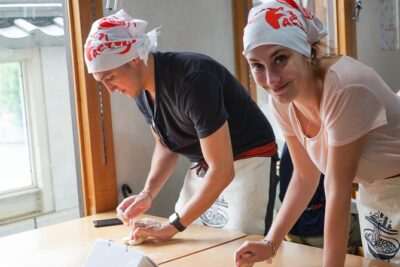
Ramen Cooking Class at Ramen Factory in Kyoto
Read our review →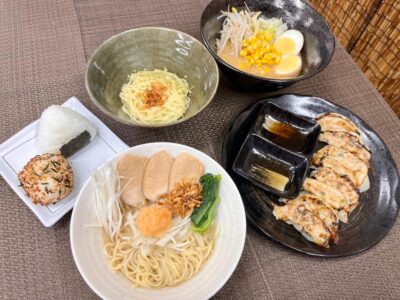
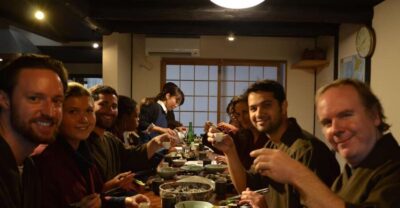
Kyoto: Afternoon Japanese Izakaya Cooking Class
Read our review →
Near Fushimiinari: Kyoto Home Cooking Class & Supermarket tour
Read our review →
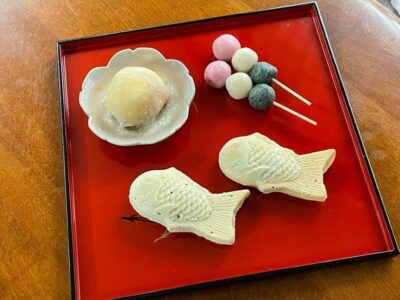
Kyoto: Wagashi (Japanese sweets) Cooking near Fushimiinari
Read our review →This kitchen also appears in