
Review · JAPAN
Japanese cooking class
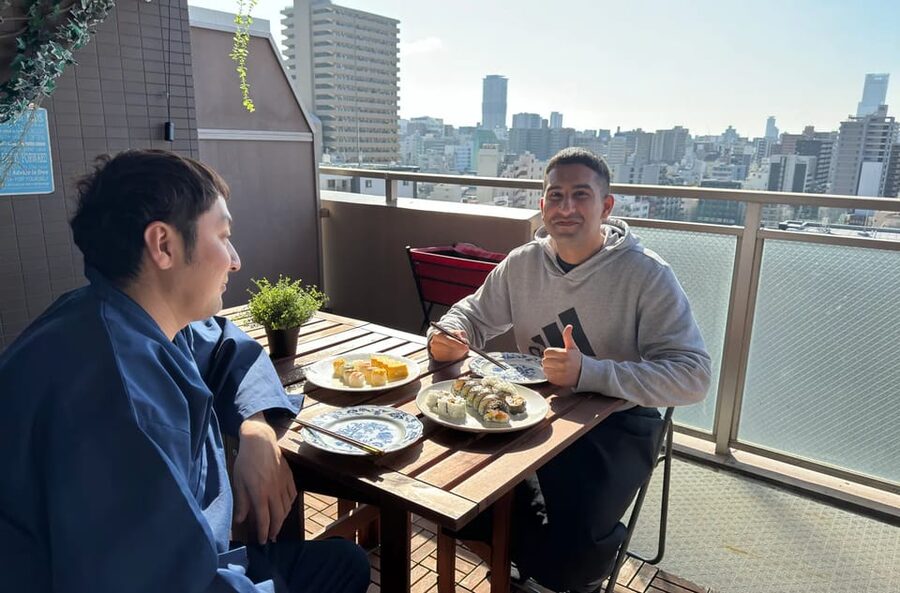
This Osaka cooking class pairs a hands-on Japanese meal with a short walk through an old-fashioned shopping street. You meet guides dressed as blue samurai, gather ingredients and local context, then cook together in a studio before sitting down to eat.
I like the small-group feel and the clear teaching from instructors such as Shohei, who speaks excellent English, and Max, who made one birthday booking especially fun. I also like that you leave with the recipes and a souvenir, not just a full stomach.
The main thing to consider is the pace. At 150 minutes, you get a taste of Japanese food culture rather than a long culinary course, and one participant wanted more time to cook independently. The shopping street walk can also involve personal spending if you want drinks or snacks.
Key points to know before booking
- Ramen and gyoza may be on the menu: Recent classes have prepared both dishes, with families able to take part in the cooking.
- A short shopping street walk comes first: You see an old-fashioned local shopping area before entering the cooking studio.
- The meeting point is easy to reach: Matsuya-cho Station, Exit 3, is about a five-minute walk from the venue.
- Blue samurai guides make the meeting point clear: Look for the guides holding a placard.
- Recipes and souvenirs are included: You can recreate the dishes after returning home.
- English, Japanese, and Chinese instruction is available: Shohei and Max are two instructors named by participants.
From Matsuya-cho Station to the shopping street
The meeting point is at Exit 3 of Matsuya-cho Station on the Nagahori Tsurumi-ryokuchi Line. From there, the venue is about a five-minute walk. Look for the guides in blue samurai clothing holding a sign. That distinctive outfit should make the first meeting less stressful, especially in a busy city where several station exits can look alike.
The activity begins with a stroll through a nearby old-fashioned shopping street. This is not a separate sightseeing tour with a long historical lecture. It is a short local walk tied to the cooking lesson, giving you a chance to see the sort of everyday shopping area that can be missed when you move only between Osaka’s major sights.
I like this opening because it gives the food some setting. Japanese cooking is not just a list of ingredients and techniques. Seeing a local shopping street first helps connect the studio meal with the shops and food culture around you. Still, keep your expectations in check. The walk is part of a 150-minute activity, so it is an introduction, not a full neighborhood tour.
You may want to carry a little extra money during this part. Drinks, alcohol, and personal purchases in the shopping district are not included in the price. You do not need to spend anything, but the street gives you the chance to buy something on your own if you wish.
More cooking classes around Japan:
- Ramen Cooking Class at Ramen Factory in Kyoto
★ 5.0 · 1,937 reviews - Ramen & Gyoza Cooking Class in Tokyo with Local Supermarket Visit
★ 5.0 · 823 reviews - Kyoto: Ramen Cooking Class at a Ramen Factory with Souvenir
★ 4.9 · 532 reviews
Cooking Japanese food together in the studio
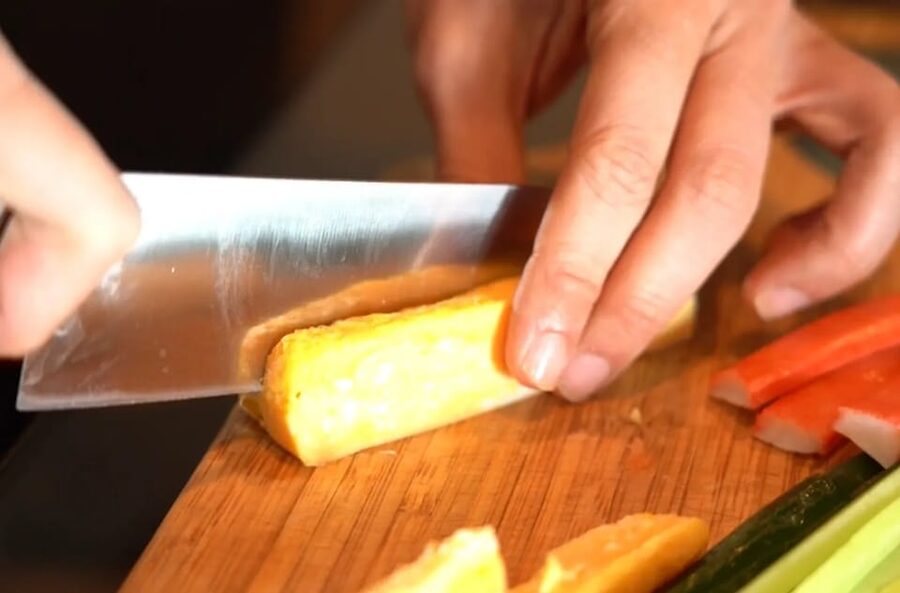
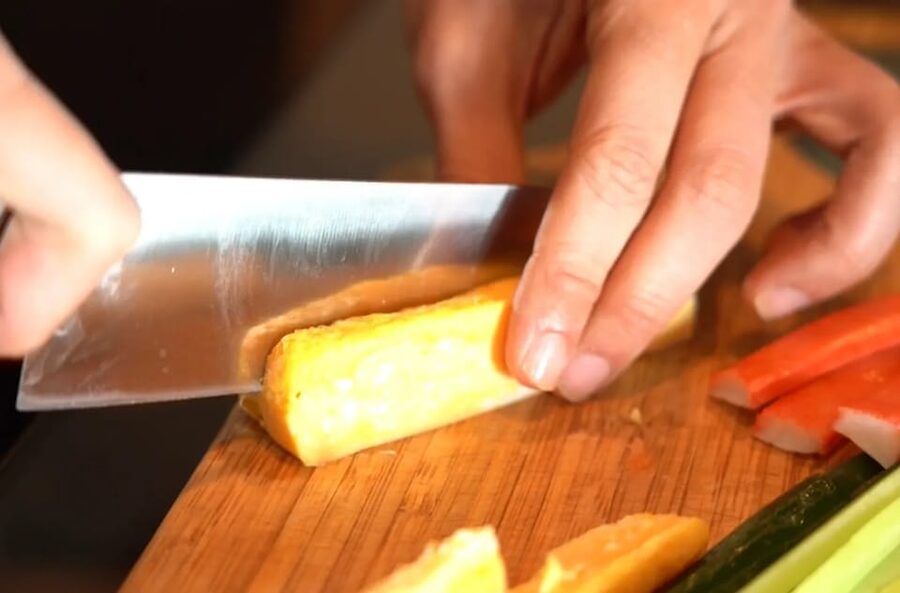
After the walk, you head to the cooking studio. The class uses Japanese ingredients and is designed for foreign visitors who want to understand the food by preparing it themselves. The provider offers more than 300 Japanese and Japanese-made Western dishes across its cooking programs, so the exact menu can vary.
Recent sessions have focused on ramen and gyoza, a practical combination for a first Japanese cooking class. Both dishes are familiar enough to appeal to many people, but they still involve techniques and ingredients that can be hard to understand from a restaurant table alone.
You can expect the instructor to explain the steps, show you what to do, and guide you through the process. Shohei received particularly strong praise for his English and for explaining not only what to do, but why each step matters. That second part is useful. A class is far more valuable when you understand the reason behind a method instead of simply copying the instructor’s hands.
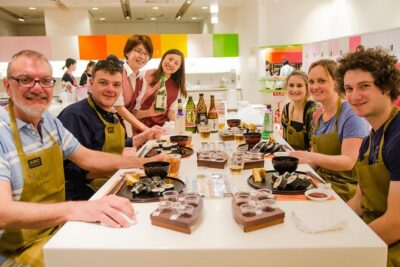
The cooking is meant to be shared. A family of five was able to take an active role in preparing the meal, which makes this a good choice if you want an activity that gives children or teenagers something real to do. It is more engaging than watching a chef work at the front of a room while everyone else waits.
At the same time, you should not expect each person to cook every part of the meal from start to finish. One participant felt the class could have offered more individual cooking and suggested that not every promised element was fully delivered. That is a fair point to keep in mind. If you want a serious lesson with extensive personal practice, ask about the exact menu and group format before booking.
Ramen and gyoza, the likely main event
Ramen and gyoza work well together in a short class because they offer different kinds of preparation. Ramen gives you the satisfaction of building a complete bowl, while gyoza adds the hands-on task of assembling small dumplings.
The available information does not specify every ingredient or technique used in each session, so I would not book this expecting a fixed professional syllabus. Menus may depend on the selected course and the day’s arrangement. What you can count on is cooking Japanese food with ingredients chosen for the class, followed by eating what you prepare.
This is where the class earns much of its value. You are not simply tasting a dish selected by somebody else. You help make it, then see how the finished meal comes together. That makes it easier to remember the process and repeat parts of it later.
Shohei’s teaching style is worth noting if you are nervous about language. English instruction is available, and his ability to explain each step clearly was singled out as a major strength. Japanese and Chinese instruction are also available. Instructor quality can make or break a cooking class, so this language range is a practical advantage.
Max brings a different strength. He made the lesson fun, engaging, and educational for one birthday booking, and even arranged a slice of birthday cake after learning about the occasion. That extra touch is not listed as a standard inclusion, so you should not assume cake will be provided. It does suggest that the instructors can respond warmly to special occasions.
Eating together and taking the lesson home
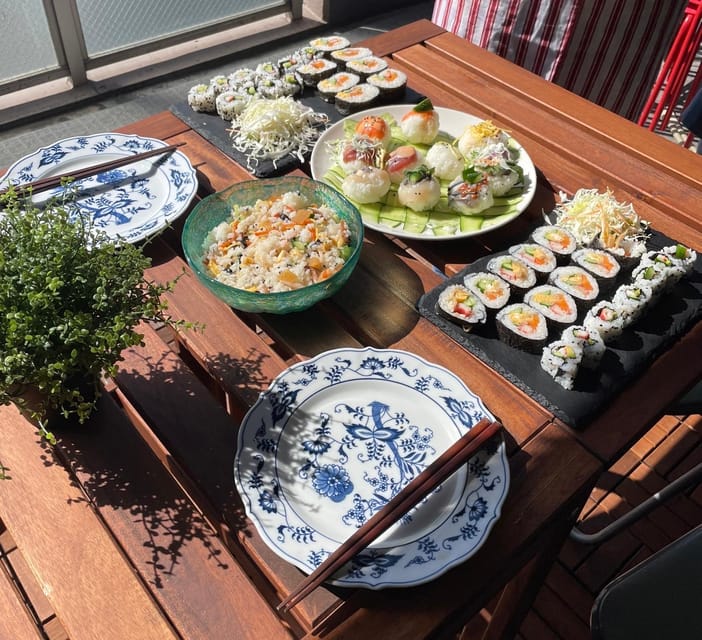
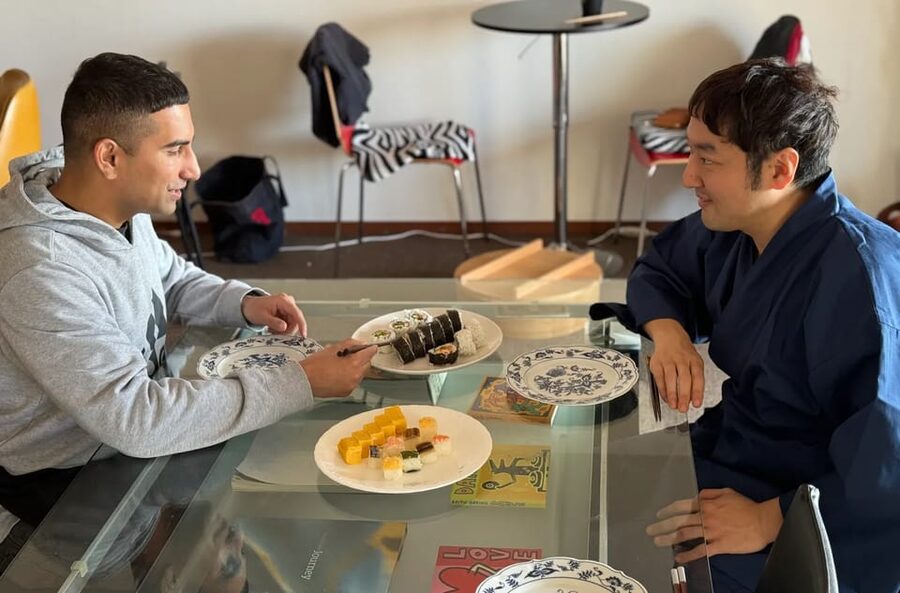
Once the food is ready, you eat it in the studio. The venue fee for cooking and drinking, tableware, cooking equipment rental, material costs, and the lesson fee are included. You do not need to bring cooking tools or pay extra for the basic meal setup.
Eating together matters because it gives you a natural finish to the class. You can see the result of your work, compare the dishes, and take photos before leaving. The activity specifically allows time for photos, so you do not have to rush through the meal without recording the experience.
The recipes are given to you afterward. This is one of the most useful parts of the package. A cooking class can fade into a pleasant holiday memory once you return home, but a recipe gives you a chance to make the dish again. The souvenir is also based on the recipes learned in the course, making it more connected to the activity than a random gift-shop item.
The phrase souvenir based on the recipes leaves the exact item unspecified. I would treat it as a small keepsake rather than a major gift. Its value is in helping you remember the meal and the method, not in replacing a shopping excursion.
Same kitchen, a different dish:
- Sushi Making Osaka! Popular Sushi Class in Japan!
★ 5.0 · 500 reviews - Kyoto: Ramen, Gyoza, and Onigiri Cooking Class
★ 5.0 · 445 reviews - Tokyo Tsukiji Fish Market Tour and Sushi Making Lesson
★ 5.0 · 390 reviews - Kyoto: Japanese Washoku Bento Small Group Cooking Class
★ 5.0 · 380 reviews
What the $83 price includes
At $83 per person, this is not the cheapest way to eat ramen in Osaka. A restaurant meal would cost less, and you could certainly walk through a shopping street without booking an activity. The price makes more sense when you count the full package: the guided walk, cooking instruction, ingredients, studio, equipment, tableware, meal, recipes, and souvenir.
I see the strongest value for people who want participation instead of sightseeing alone. You are paying for access to a teaching kitchen and an instructor’s time, not just for food. Families can also get good value if several people want to take part together rather than split up during a museum visit.
The value is less convincing if your main goal is a long neighborhood tour or advanced culinary training. The walk is short, the total duration is two and a half hours, and the class format may not give every person equal control over every step. A participant who wanted to cook more independently found this limiting.
There are no listed extra charges for the core activity. You should budget separately for transportation to the meeting point and anything you choose to buy in the shopping district, including drinks and alcohol. Those costs are easy to overlook when comparing the headline price.
Who will enjoy this 150-minute class most
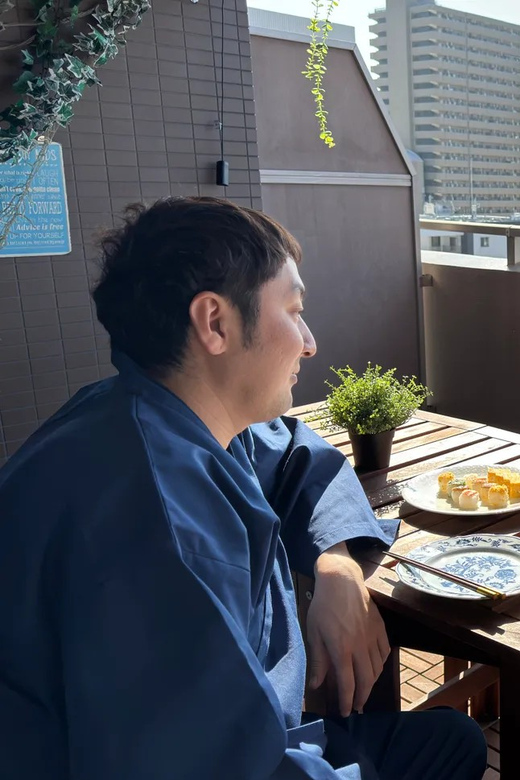
I would recommend this experience to first-time visitors who want a direct way to connect with Japanese food. You do not need to spend a whole day in a professional kitchen, and the class gives you a manageable introduction before or after other Osaka sightseeing.
It also suits families. The group of five that took part was able to stay active during the preparation, and the shared meal gives the activity a clear reward. A birthday or other special occasion can work well too, especially if you tell the instructor in advance, though special extras are not guaranteed.
It is a good fit for couples and solo visitors as well. One booking became a private lesson because there were no other participants that day. You should not count on having a private class, but a small group can make it easier to ask questions and receive individual guidance.
I would be more cautious if you have strict dietary requirements. The supplied information does not explain substitutions, allergy handling, vegetarian options, or the exact ingredients. Contact the provider before booking if those details matter to you.
The class may also be less suitable if you dislike organized activities or prefer to explore at your own speed. The meeting time, shopping street walk, cooking sequence, and shared meal follow a planned structure. That structure helps beginners, but it leaves less room for wandering or spontaneous shopping.
Practical timing, language, and cancellation advice
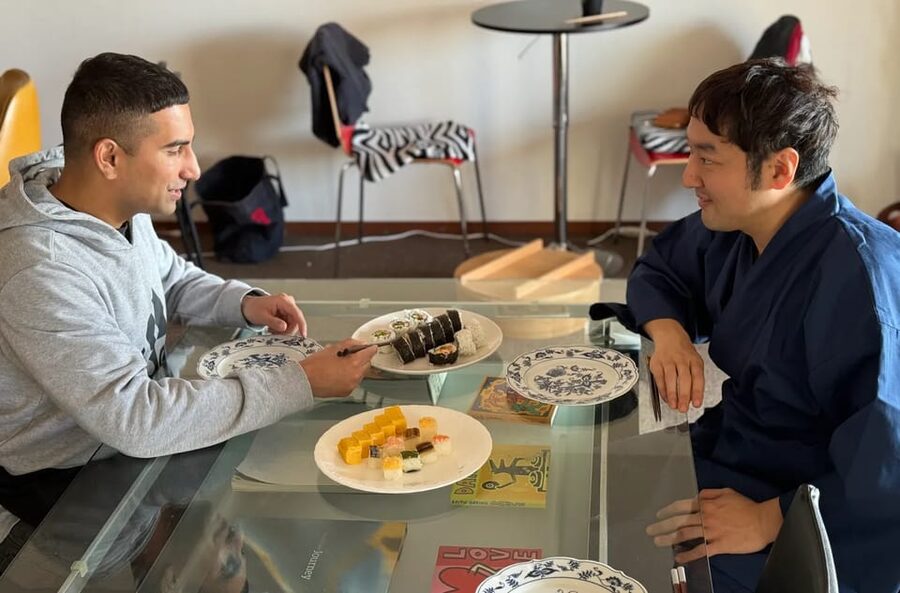
The total duration is 150 minutes. Starting times vary, so check availability for the date you want. Arrive at the stated meeting point rather than going directly to the studio, since the activity begins with the guide and the shopping street walk.
Instruction is offered in Japanese, Chinese, and English. Shohei has been specifically noted for his strong English explanations, while Max has been praised for keeping the class lively and involving. Instructor assignments may vary, so you should not assume one particular guide will lead your session.
The experience includes cooking and drinking at the venue, but personal drinks or alcohol purchased during the shopping street portion are extra. Transportation to the meeting point is also not included.
Cancellation is flexible only up to a point. You can cancel up to eight days in advance for a full refund. After that deadline, the supplied information does not promise a full refund, so check the terms carefully before making a last-minute change.
Should you book this Japanese cooking class?
Book it if you want to make Japanese food with an instructor, not just eat it. The combination of a local shopping street, ramen and gyoza preparation, a shared meal, recipe cards, and a souvenir gives you a well-rounded two-and-a-half-hour activity.
I would especially choose it for families, couples, first-time visitors, and anyone marking a birthday. The strongest features are the clear English teaching, the chance to participate actively, and the useful take-home recipes.
Skip it if you want a long food tour, a fixed advanced curriculum, or complete control over every dish. At $83, the class needs to be judged as a food lesson and cultural activity, not as a cheap meal. For that purpose, it offers good value, with the main caution being that the amount of individual cooking may vary.
FAQ
Where does the Japanese cooking class meet?
Meet at Exit 3 of Matsuya-cho Station on the Nagahori Tsurumi-ryokuchi Line. The guides wear blue samurai clothing and hold a placard.
How far is the venue from Matsuya-cho Station?
The venue is about a five-minute walk from Matsuya-cho Station.
How long does the activity last?
The cooking class and related activities last 150 minutes.
What food might I prepare?
Recent sessions have prepared ramen and gyoza. The provider also offers more than 300 Japanese and Japanese-made Western dishes, so the exact menu can vary.
Are ingredients and cooking equipment included?
Yes. Material costs, tableware, cooking equipment rental, the lesson, and the venue fee are included.
Are recipes and souvenirs included?
Yes. You receive the recipes learned during the course and a souvenir based on them.
What languages are available?
The activity is offered in Japanese, Chinese, and English.
Can I cancel for a full refund?
You can cancel up to eight days in advance for a full refund.
New cooking classes around Japan
- Shinjuku Tokyo: Authentic Japanese Home-Style Culinary Class★ 4.9 · 125 reviews
- Shibuya Tokyo: Onigiri & Tamagoyaki Cooking Class★ 5.0 · 4 reviews
- Ramen Making from Scratch +Akihabara Tour –Cooking Class★ 5.0 · 25 reviews
- Okonomiyaki&Takoyaki for Families:Osaka Street Food Festival★ 5.0 · 4 reviews
- Osaka Sake Tasting with Takoyaki Cooking★ 5.0 · 156 reviews
- Osaka: Sashiko Japanese Craftsmanship Workshop★ 5.0 · 31 reviews
- Osaka: Japanese Cooking Class with Matcha Experience★ 5.0 · 4 reviews
- Osaka Okonomiyaki Cooking Experience for Families & Groups★ 4.9 · 8 reviews
Japan Cooking Classes, side by side.
Ramen Cooking Class at Ramen Factory in Kyoto
Read our review →
Ramen & Gyoza Cooking Class in Tokyo with Local Supermarket Visit
Read our review →
Sushi Making Osaka! Popular Sushi Class in Japan!
Read our review →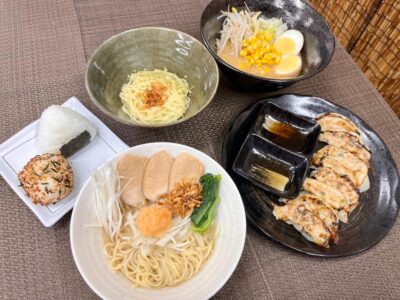
Tokyo Tsukiji Fish Market Tour and Sushi Making Lesson
Read our review →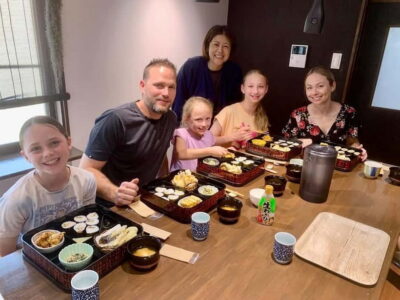
Kyoto: Japanese Washoku Bento Small Group Cooking Class
Read our review →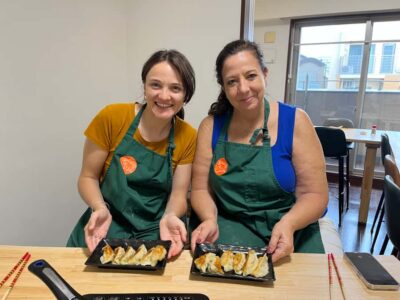
Osaka: Ramen and Gyoza Cooking Class in Dotonbori
Read our review →
Tokyo: Easy Ramen Cooking Experience in Kabukicho, Shinjuku
Read our review →This kitchen also appears in