
Review · JAPAN
Nara: Cooking class, learning how to make authentic sushi
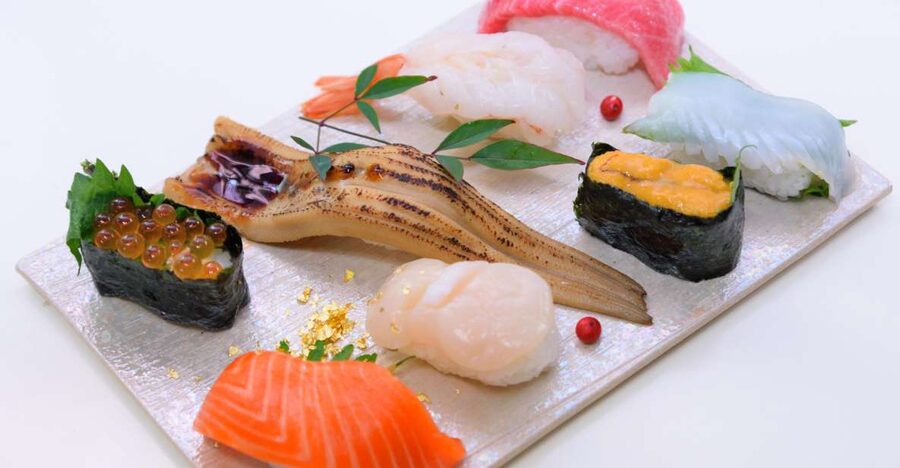
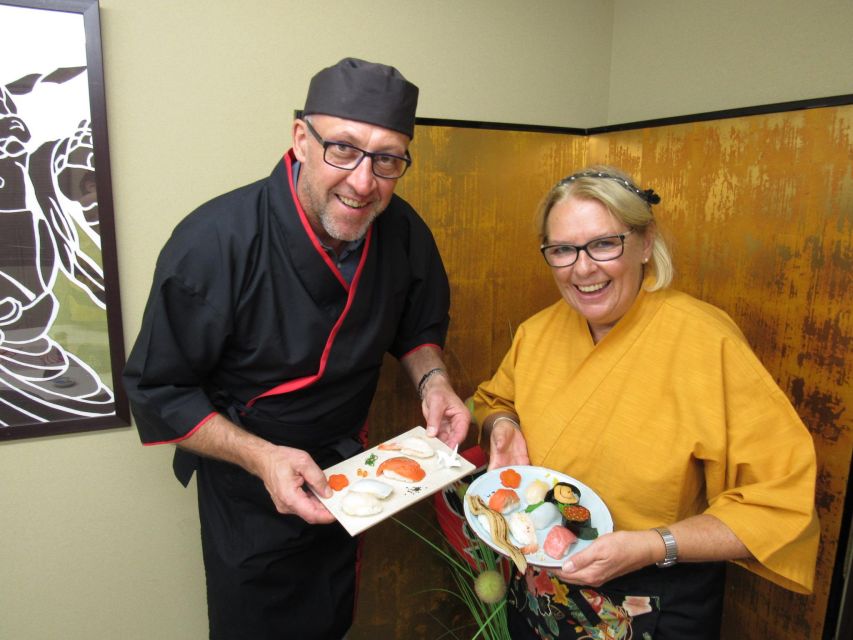
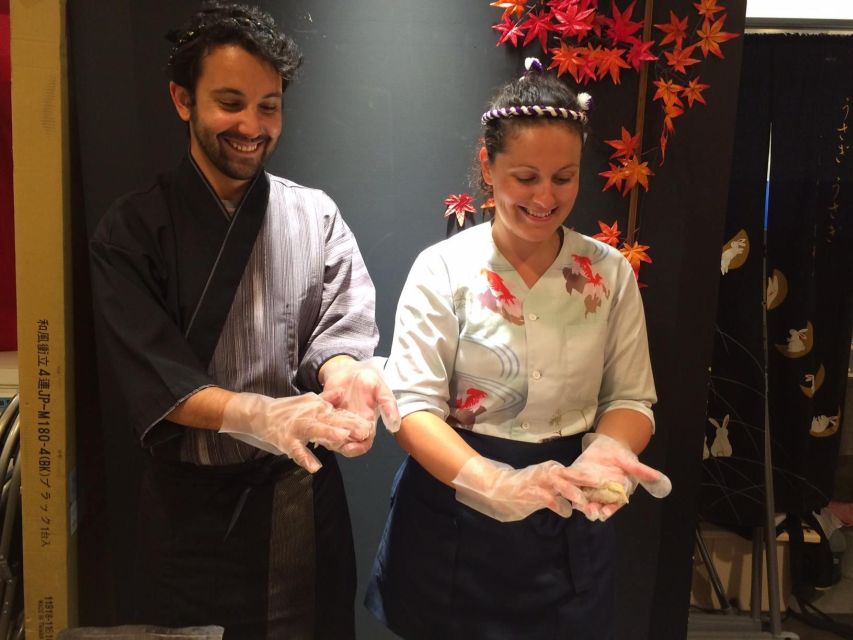
Making sushi here is more than rolling rice around a filling. You learn the key first step, mixing freshly cooked rice with a specially blended vinegar, then shape eight pieces of sushi using prepared ingredients and seasonal toppings. The lesson is friendly to beginners, and you can wear a traditional happi coat while you work.
I like two things in particular: the focus on sushi you can repeat at home, and the care taken with dietary needs. You can ask for vegetarian, vegan, Muslim-friendly, allergy-aware, non-raw, or gluten-free choices. The main caution is timing. Although the class is sold as 90 minutes, one session ran close to three hours because of extra fish cutting, photos, framing, and the graduation ceremony.
Key points to know before booking
- You start with sushi rice: The lesson explains how to mix shari, or sumeshi, with sushi vinegar, including the technique that keeps the rice from turning heavy or wet.
- You make eight pieces: Ingredients arrive already cut for beginners, while fish-cutting instruction is available if you request it.
- You may wear a happi coat: Choose from various rental garments for a simple taste of traditional Japanese style.
- Dietary requests are possible: Vegetarian, vegan, Muslim-friendly, allergy-aware, non-raw, gluten-free, and other options are available.
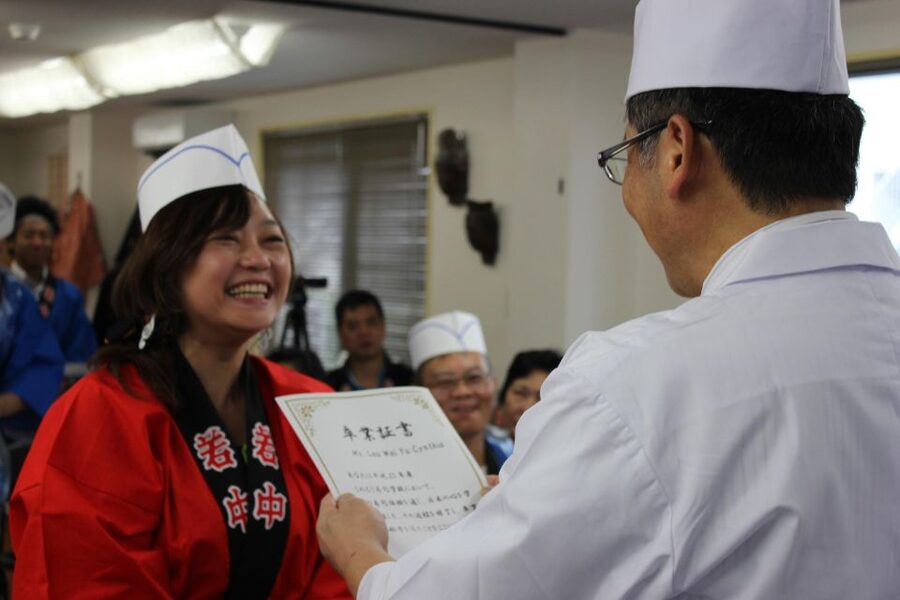
- The class can run longer than 90 minutes: Allow extra time if you want fish preparation, photos, framing, or the full certificate ceremony.
- The meeting point is near Shin-Omiya Station: From the south entrance, turn right into the narrow street, continue to the railroad crossing, then turn right toward the Nara Loyal Hotel.
What you actually learn in the sushi lesson
The lesson begins with the part many home cooks skip: the rice. Sushi is not simply ordinary rice topped with fish. The texture, temperature, and vinegar balance affect every piece, so learning to prepare shari gives you the most useful skill to take home.
You mix freshly cooked rice with a special sushi vinegar blend. The instructor shows you the right way to combine them, and that small technique matters. Stir too hard and the grains can become sticky and crushed. Handle the rice properly and it keeps the light texture needed for sushi.
This is a good setup for beginners because you do not have to spend the class measuring every ingredient or trying to cut fish at restaurant speed. The ingredients are prepared in advance, so you can focus on the method and on building the sushi yourself.
The class also gives you a chance to ask for more advanced instruction. If you want to learn how to cut fish, say so. That request can add considerable time, but it is useful if your goal is to recreate the full process at home rather than simply assemble the final pieces.
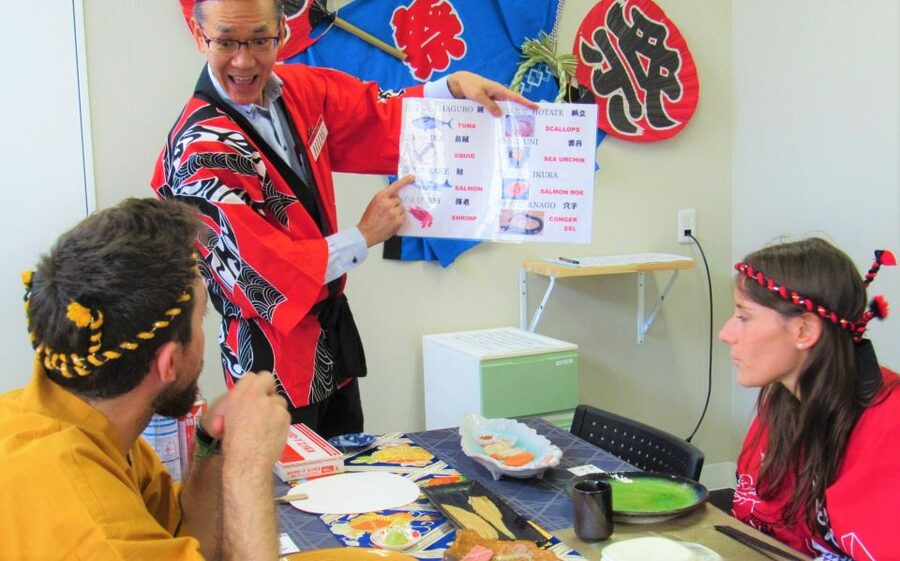
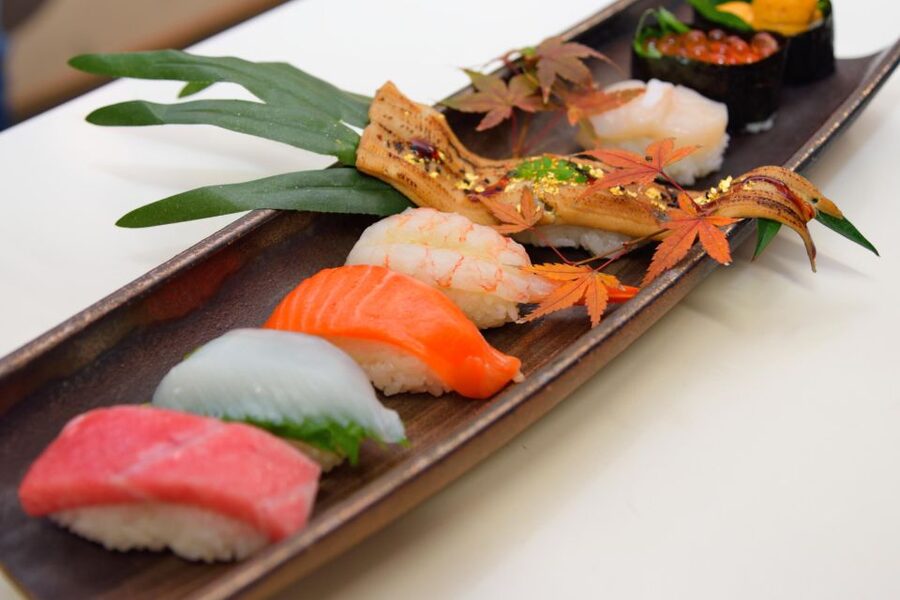
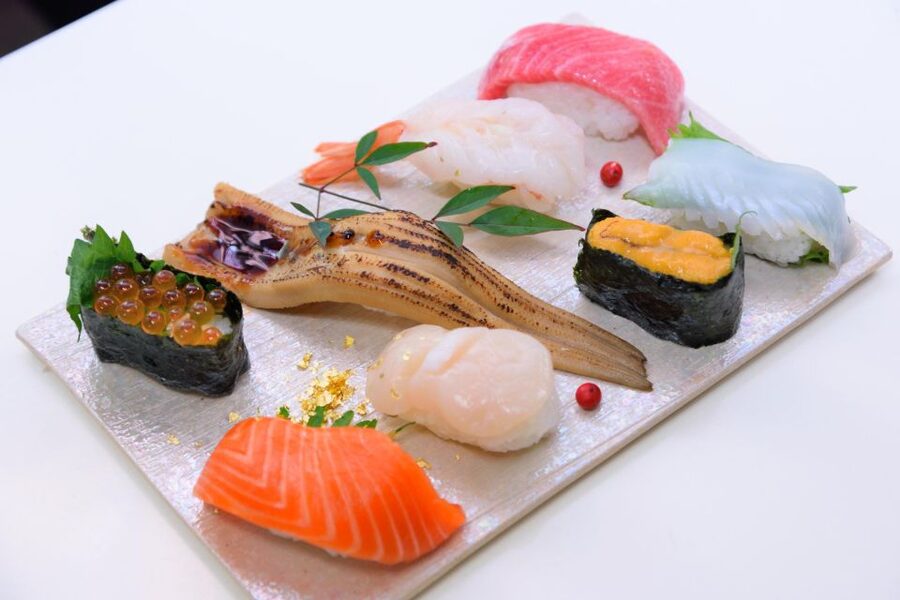
The seafood and toppings vary with the season. The menu may include special ingredients such as fatty tuna or red shrimp, though no fixed topping list is promised. You can also choose favorites such as green onion and ginger from the toppings provided.
More Sushi Making Classes around Japan:
- Sushi Making Osaka! Popular Sushi Class in Japan!
★ 5.0 · 500 reviews - Tokyo Tsukiji Fish Market Tour and Sushi Making Lesson
★ 5.0 · 390 reviews - Ramen and Sushi Cooking Class with Sake Pairing Set in Tokyo
★ 5.0 · 291 reviews
Eight pieces you prepare and eat yourself
The reward for the lesson is immediate: you eat the sushi you make. Eight pieces is enough to turn the class into a light meal or substantial snack, though drinks are not included.
There is a nice difference between watching a chef prepare sushi and making it with your own hands. You see how the rice behaves, how much topping is practical, and how presentation changes when you work at a beginner’s pace. Even a slightly uneven piece becomes useful practice.
The class is designed to leave you with a repeatable process. You are not just shown a finished plate and sent away with a few photos. The aim is to help you make sushi after returning home, using the rice method and shaping skills from the lesson.
I would keep your expectations sensible. This is a short introductory class, not professional chef training. You will learn the basic preparation and assembly, and you can ask about fish cutting, but the advertised core format is focused on making sushi with prepared ingredients.
The happi coat adds a distinctly Japanese touch
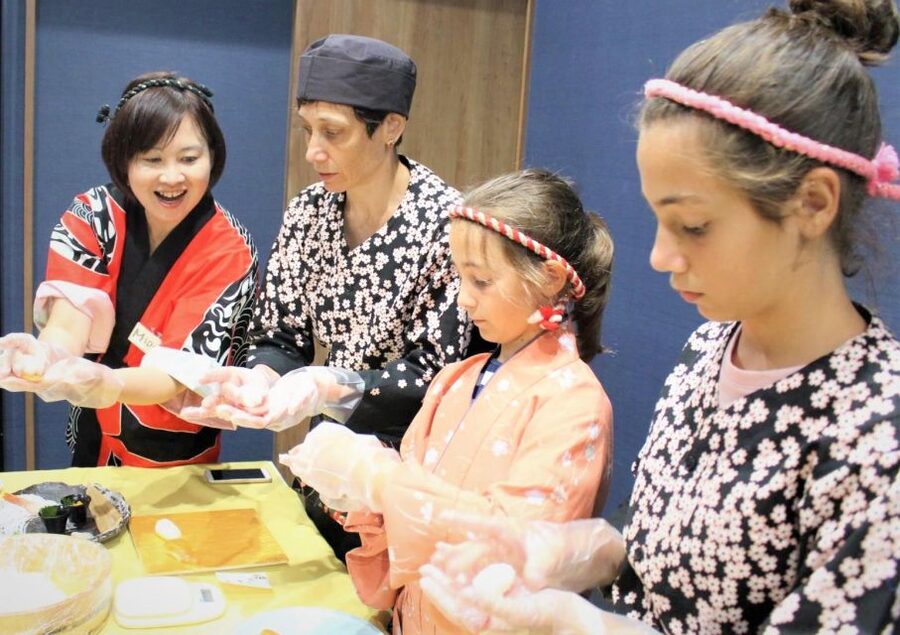
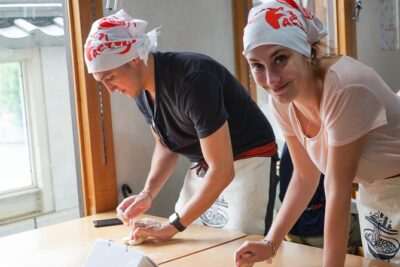
Before or during the lesson, you can wear a happi, a traditional Japanese work coat. Various garments are available, so you can choose one that suits you.
This is not a costume requirement, and you do not need specialist clothing for the cooking itself. The happi simply adds a cultural element to the activity and makes the souvenir photographs more memorable. It also helps give the class a sense of occasion without turning the cooking into a formal performance.
The class includes a graduation ceremony and a certificate of completion. You are also given souvenir photography. Some people will enjoy the certificate and framed photo process, especially if this is a first visit to Japan or a family occasion. If you prefer a tight cooking lesson, these extras may feel lengthy.
That distinction is important. The photos and certificate are included, but they are not essential to learning sushi. If your day in Nara is packed with temple visits, tell the staff early that you need to leave on time.
Dietary needs are handled with advance communication
The class can offer menus suited to vegetarians, vegans, and Muslims. It can also accommodate allergies, non-raw preferences, gluten-free diets, and other requests.
This is a strong point, but you should communicate your needs clearly when booking or before the class begins. The available toppings change by season, and the activity does not promise a special infant meal. If you have a serious allergy, explain it carefully rather than relying on a general request.
The shellfish option is especially worth noting. A participant with a shellfish allergy was able to receive an adjusted menu, which shows that the kitchen can adapt when informed. Still, the provided information does not promise a completely allergen-free environment, so people with severe allergies should ask specific questions before arrival.
Vegetarian and vegan participants should also confirm the exact toppings available on their date. The class provides choices, but seasonal ingredients vary.
More cooking classes around Japan:
- Ramen Cooking Class at Ramen Factory in Kyoto
★ 5.0 · 1,937 reviews - Ramen & Gyoza Cooking Class in Tokyo with Local Supermarket Visit
★ 5.0 · 823 reviews - Kyoto: Ramen Cooking Class at a Ramen Factory with Souvenir
★ 4.9 · 532 reviews - Kyoto: Ramen, Gyoza, and Onigiri Cooking Class
★ 5.0 · 445 reviews
Allow time for the class to grow
The official duration is 90 minutes. That is a reasonable planning figure for the core lesson, eating, and normal closing activities.
In practice, the session can take much longer. One class lasted almost three hours after including detailed fish cutting, the certificate, photos, and the framing process. That longer format may be ideal if you want a fuller lesson. It can also disrupt a carefully timed afternoon in Nara.
I would leave a generous buffer after the booking. Do not schedule a train, timed admission, or distant appointment immediately afterward. If you have a temple route planned, place the sushi class at a point where an extended lunch break will not cause trouble.
You can ask at the beginning how long the day’s version is likely to take. If you want the short format, request the basic sushi lesson and avoid optional fish preparation or lengthy photo arrangements. If you want the full cultural package, the extra time may be part of the appeal.
Getting to the class from Shin-Omiya Station
The meeting point is near the south entrance of Shin-Omiya Station on the Kintetsu Line. Exit there, turn right into the narrow street, and continue until you reach a railroad crossing.
Turn right at the crossing. The school is soon afterward, in front of the Nara Loyal Hotel and behind a parking area.
This is a practical meeting point because the building is close to public transportation. I would still allow a few extra minutes for the narrow streets and the final turn. The location is not described as a large roadside venue, so having the hotel and parking area as landmarks will help.
The building has no elevator. Staff can help elderly or disabled participants up the stairs, and the activity is listed as wheelchair accessible, but you should contact the provider ahead of time if you need assistance. The staff may need to plan how to help you reach the classroom.
Is $113 a fair price?
At $113 per person, this is not a cheap way to eat sushi. You could spend less on a restaurant meal, and the class provides only eight pieces. Drinks, warm udon, tempura, tofu, pork shabu-shabu, and other Japanese food are extra.
The value comes from instruction and participation, not quantity. You are paying for an English-speaking instructor, sushi-rice guidance, hands-on preparation, ingredient choices, traditional clothing, photography, and a certificate. For someone who wants to understand sushi and make it at home, that package can justify the price.
The value is weaker if you mainly want a quick meal or a polished restaurant-style tasting. You may also pay for extras you do not care about, such as the photo and graduation process. The price makes the most sense for people who want a cooking lesson with a cultural side, especially first-time visitors looking for a structured activity in Nara.
Optional food is available, including warm udon and other Japanese dishes, but these cost more. Ask about those additions if you want the class to replace a larger meal.
Who will enjoy this class most?
This is a good fit for beginners, couples, families with older children, and anyone who wants a practical food activity rather than another sightseeing stop. The instructor speaks English and Japanese, and the class is designed so you can begin without prior knife or sushi-making skills.
It suits you especially well if you want to cook Japanese food after your trip. The focus on sushi vinegar and rice gives you a useful foundation, while the toppings and shaping provide an easy first project.
Children under three are not accepted. Older children may enjoy the hands-on format, happi coats, and certificate, though the activity can become long if fish cutting and photographs are added.
This may not suit you if your schedule is rigid, you dislike ceremonial extras, or you want a large meal. It is also not the right choice for anyone expecting a full professional sushi apprenticeship in 90 minutes.
Small practical details that affect your visit
The class runs in all weather, so rain should not affect the activity itself. Smoking is not allowed indoors, and pets are not permitted, although assistance dogs are allowed.
You should not assume drinks are part of the package. Bring your own plan for refreshments or purchase the optional offerings if available.
The class is held near public transportation, and the staff can assist with stairs. Since there is no elevator, contact the provider in advance if mobility support is important.
Free cancellation is available up to 24 hours before the activity for a full refund. You can also reserve now and pay later, which helps if your Nara schedule is still changing.
Should you book this Nara sushi class?
Book it if you want to understand what makes sushi work, prepare eight pieces yourself, and take home a method rather than just a meal. The rice lesson, dietary flexibility, English instruction, and chance to request fish cutting make it more useful than a simple assembly demonstration.
I would book it with a time buffer and clear expectations. Treat 90 minutes as the basic estimate, not a guaranteed finish. Tell the instructor about allergies or dietary needs, decide whether you want the extra fish-cutting lesson, and ask how much time the photos and certificate will take.
Skip it if you have a tightly packed Nara itinerary or if the price feels high for eight pieces of sushi. For everyone else, it offers a pleasant break from sightseeing and a skill you can use long after your Japanese trip ends.
FAQ
How long does the sushi class last?
The advertised duration is 90 minutes. The class can run longer, particularly if you request fish-cutting instruction or take part in the full photo, framing, certificate, and graduation process.
How many pieces of sushi will I make?
The activity includes eight pieces of sushi, which you eat after preparing them.
Is the class suitable for beginners?
Yes. The ingredients are prepared and cut in advance, and the class begins with instruction on making sushi rice. You can ask for fish-cutting instruction if you want a more advanced lesson.
Are vegetarian, vegan, or Muslim-friendly options available?
Yes. Menus can be provided for vegetarians, vegans, and Muslims. Allergy-aware, non-raw, gluten-free, and other options are also available.
Can I wear traditional Japanese clothing?
Yes. Rental clothing is included, and you can choose from various garments, including a happi coat.
Where is the meeting point?
Go to the south entrance of Shin-Omiya Station on the Kintetsu Line. Turn right into the narrow street, continue to the railroad crossing, then turn right. The venue is near the Nara Loyal Hotel and behind a parking area.
Is the activity wheelchair accessible?
The activity is listed as wheelchair accessible, but the building has no elevator. Staff can help elderly or disabled participants up the stairs, so contact the provider ahead of time if you need assistance.
New cooking classes around Japan
- Shinjuku Tokyo: Authentic Japanese Home-Style Culinary Class★ 4.9 · 125 reviews
- Shibuya Tokyo: Onigiri & Tamagoyaki Cooking Class★ 5.0 · 4 reviews
- Ramen Making from Scratch +Akihabara Tour –Cooking Class★ 5.0 · 25 reviews
- Okonomiyaki&Takoyaki for Families:Osaka Street Food Festival★ 5.0 · 4 reviews
- Osaka Sake Tasting with Takoyaki Cooking★ 5.0 · 156 reviews
- Osaka: Sashiko Japanese Craftsmanship Workshop★ 5.0 · 31 reviews
- Osaka: Japanese Cooking Class with Matcha Experience★ 5.0 · 4 reviews
- Osaka Okonomiyaki Cooking Experience for Families & Groups★ 4.9 · 8 reviews
Japan Cooking Classes, side by side.
Ramen Cooking Class at Ramen Factory in Kyoto
Read our review →
Ramen & Gyoza Cooking Class in Tokyo with Local Supermarket Visit
Read our review →
Sushi Making Osaka! Popular Sushi Class in Japan!
Read our review →
Tokyo Tsukiji Fish Market Tour and Sushi Making Lesson
Read our review →
Kyoto: Japanese Washoku Bento Small Group Cooking Class
Read our review →
Osaka: Ramen and Gyoza Cooking Class in Dotonbori
Read our review →
Tokyo: Easy Ramen Cooking Experience in Kabukicho, Shinjuku
Read our review →This kitchen also appears in