
Review · JAPAN
Okinawa: Traditional farming experience & cooking and a meal
The most unusual part of this Sesoko Island outing is the chance to handle food at every stage: harvest vegetables, turn them into Okinawan dishes, then sit down to eat what you helped prepare. You also make kusu, a traditional seasoning whose recipe is usually kept within families. The finished jar can go home with you.
I like the friendly contact with local farmers and the fact that this is not just a cooking demonstration. I also like the mix of garden work, food, island stories, and a practical souvenir. The main consideration is timing: the advertised duration is 150 minutes, while the activity schedule describes roughly an hour each for farming, cooking, and eating, so confirm the exact start and finish time when you book.
Key points to know before you go
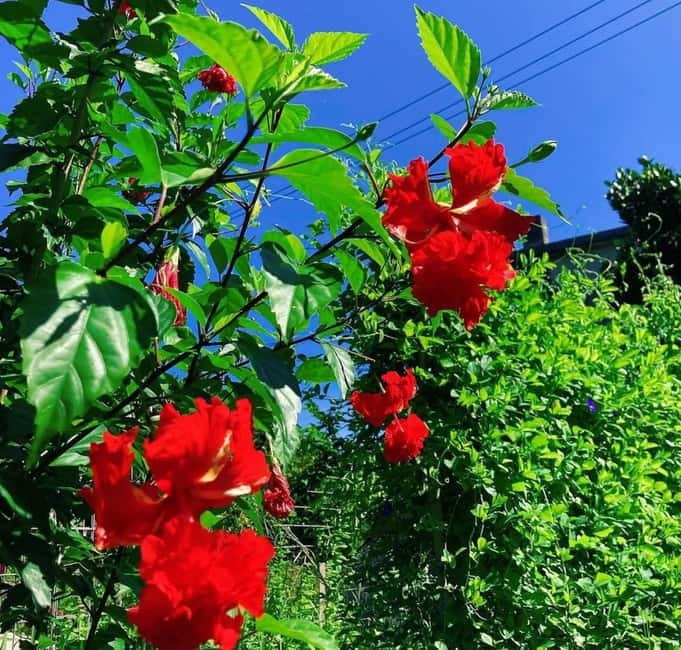
- Harvest on Sesoko Island: Feel the texture of local vegetables and herbs as you gather ingredients from the island.
- Make family-style kusu: Prepare a traditional Okinawan seasoning at a factory and take your own batch home.
- Cook what you pick: The meal uses seasonal produce and ingredients connected to Okinawan food traditions.
- Meet local farmers: You can ask simple questions and hear how farming supports island cooking.
- Private group format: The experience is offered for a private group, with Chinese, English, or Japanese guidance.
- Bring practical clothing: Wear comfortable shoes and clothes, and carry water for the outdoor portion.
From Kadoya Noodle Shop to Sesoko’s gardens
Your meeting point is Kadoya Seimenjo Hoshifuru Mori no Beer Garden, written in Japanese as かどや製麺所 星降る森のビアガーデン. From there, you walk about 10 minutes to the Sesoko Island activity area.
That short walk matters. You do not need to arrange a separate taxi or complicated transfer for the listed route, and the outing begins with a gradual move away from the meeting point and toward the island’s agricultural setting. Still, bring shoes that can handle uneven or outdoor ground. This is a hands-on farm activity, not a polished indoor food tour.
Sesoko Island is presented here through its produce and people rather than through a long sightseeing circuit. You spend your time touching plants, listening to farmers, and learning why food matters in Okinawan life. If your idea of a good tour involves doing one thing quickly before rushing to the next attraction, this may feel slow. If you want a closer look at how an island meal begins, the pace makes sense.
The outing is private, which can make questions easier. You are not trying to speak over a large group, and the farmers can respond to the interests of your party. Language support is available in Chinese, English, and Japanese.
More cooking classes around Japan:
- Ramen Cooking Class at Ramen Factory in Kyoto
★ 5.0 · 1,937 reviews - Ramen & Gyoza Cooking Class in Tokyo with Local Supermarket Visit
★ 5.0 · 823 reviews - Kyoto: Ramen Cooking Class at a Ramen Factory with Souvenir
★ 4.9 · 532 reviews
Harvesting vegetables and herbs for the meal
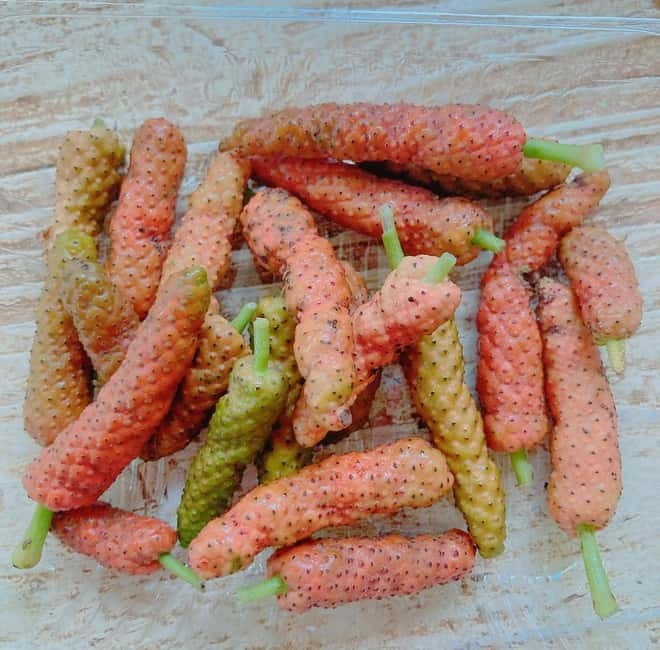
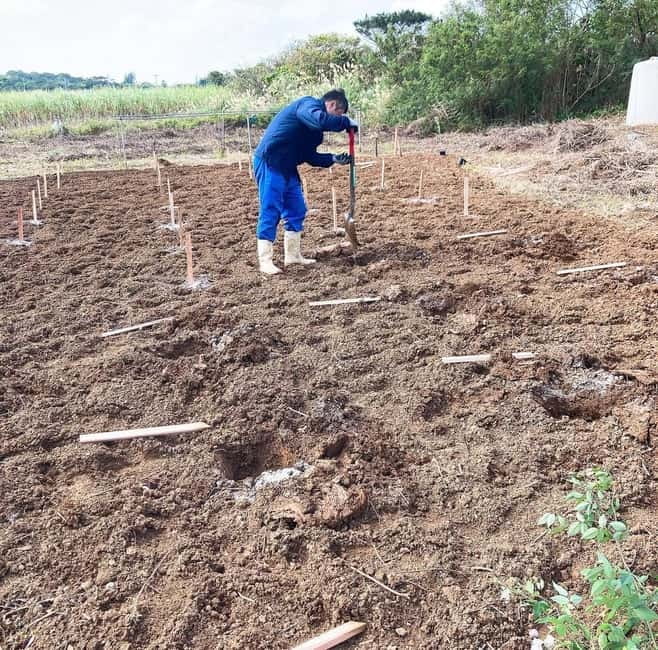
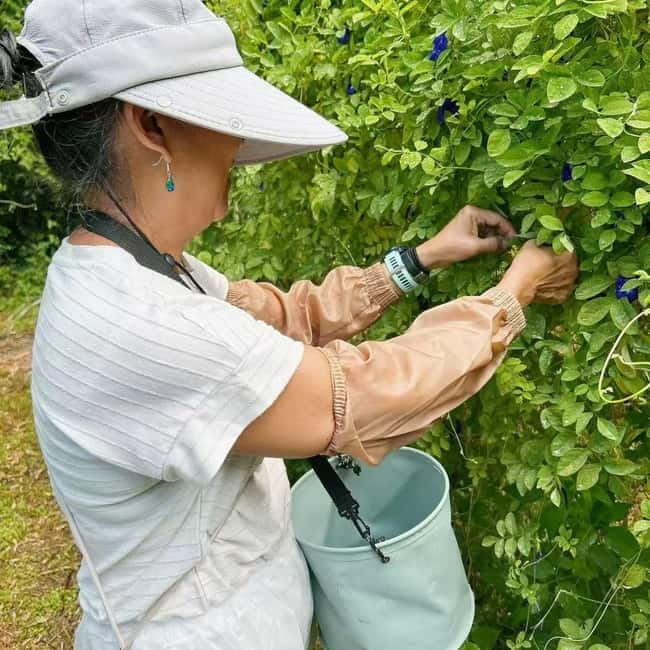
The first major part takes place on Sesoko Island, with about an hour set aside for the visit and agricultural activity. You help harvest vegetables and ingredients native to the island, including seasonal produce and herbs.
This is the part that gives the meal its meaning. Instead of hearing a guide list Okinawan ingredients and then eating a prepared plate, you handle some of the food yourself. You can feel the leaves and vegetables, notice their texture, and see the work behind what arrives at the table.
The activity also offers a useful lesson in food production without turning into a formal lecture. Local farmers explain the importance of growing and eating fresh produce, and you can ask basic questions directly. That personal exchange is one of the strongest reasons to choose this experience over a standard cooking class.
The exact crops will depend on the season. The supplied information does not promise a fixed menu or a specific harvest, so you should expect the ingredients to change. That is a plus if you like food to reflect the time of year, but it means you should not book this expecting one particular vegetable or recipe.
The outdoor section also requires a little common sense. Wear comfortable clothes and shoes, carry water, and be ready to work with your hands. The activity is not designed for people with altitude sickness, an unusual restriction for an island farm visit, so take that note seriously when deciding if it suits you.
Making kusu, Okinawa’s secret seasoning
The most distinctive food activity is making kusu at a factory. Kusu is described as a traditional Okinawan seasoning passed down through generations, with recipes often kept inside families. Here, you get a rare look at that tradition and prepare your own version to keep.
The souvenir is more useful than a decorative trinket. You take home something connected to a meal, a place, and a process you carried out yourself. One participant also received help arranging shipment of the finished secret elixir by post, which is useful if you do not want to carry it through the rest of your Japan trip. Postage and shipping arrangements are not listed as included, so ask about the cost before sending anything.
This part also gives the experience a cultural angle. Okinawan cuisine is not only about a list of famous dishes. It is about preservation, family knowledge, local ingredients, and the way people build flavor from what the island provides. Making kusu lets you see one small piece of that food culture from the inside.
The wording around the recipe suggests that the exact formula is special to the experience. You should not expect a generic seasoning workshop with a premeasured packet and no connection to local practice. At the same time, the available information does not spell out the ingredients, method, or shelf life, so ask the guide for storage advice before you leave.
Cooking traditional Okinawan dishes together
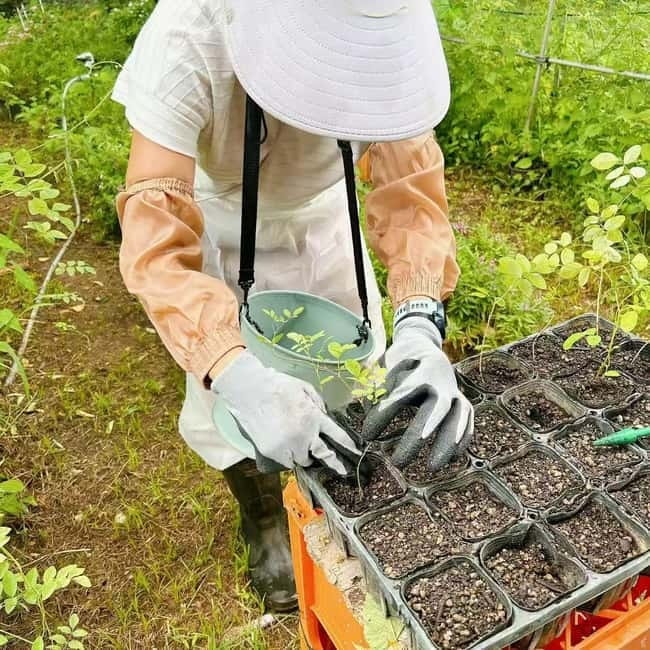
After harvesting, you prepare traditional Okinawan dishes with the local ingredients. The food includes produce from the garden along with other seasonal ingredients, and the cooking is done as a shared activity rather than as a show performed entirely by a chef.
Master Jun is associated with the Okinawan traditional cuisine experience, while Mei is specifically praised for explaining each step clearly. The exact guide assigned to your booking may vary, but these names give you useful points of reference when confirming the reservation.
I like this format because it connects the farm work to the plate. You see where the ingredients come from, help prepare them, and then taste the result. That chain makes the food easier to remember than a meal served without context.
The cooking class is listed as about an hour. That gives you enough time for instruction and participation, but do not expect a full culinary course covering every corner of Okinawan cuisine. This is a focused introduction built around the ingredients available on Sesoko Island.
The class should suit beginners. The experience description emphasizes that local farmers answer even simple questions with care, and the personal accounts point to explanations at each step. You do not need advanced cooking skills to take part. Comfortable clothing is still wise, since the day combines garden work and food preparation.
Same kitchen, a different dish:
- Sushi Making Osaka! Popular Sushi Class in Japan!
★ 5.0 · 500 reviews - Kyoto: Ramen, Gyoza, and Onigiri Cooking Class
★ 5.0 · 445 reviews - Tokyo Tsukiji Fish Market Tour and Sushi Making Lesson
★ 5.0 · 390 reviews - Kyoto: Japanese Washoku Bento Small Group Cooking Class
★ 5.0 · 380 reviews
Sitting down to a freshly harvested meal
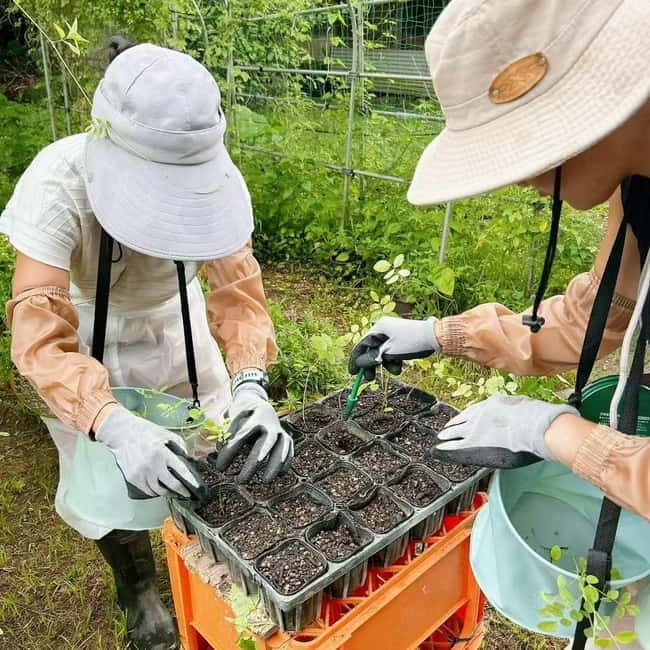
The final part is a meal and food tasting using the ingredients you harvested, along with local products. The schedule allows roughly an hour for dinner and conversation.
This is not simply a reward after the work. Eating together gives you time to understand the people who support Okinawa’s food traditions. Conversation with farmers and local residents is part of the experience, so the meal carries more weight than a restaurant stop squeezed into a sightseeing day.
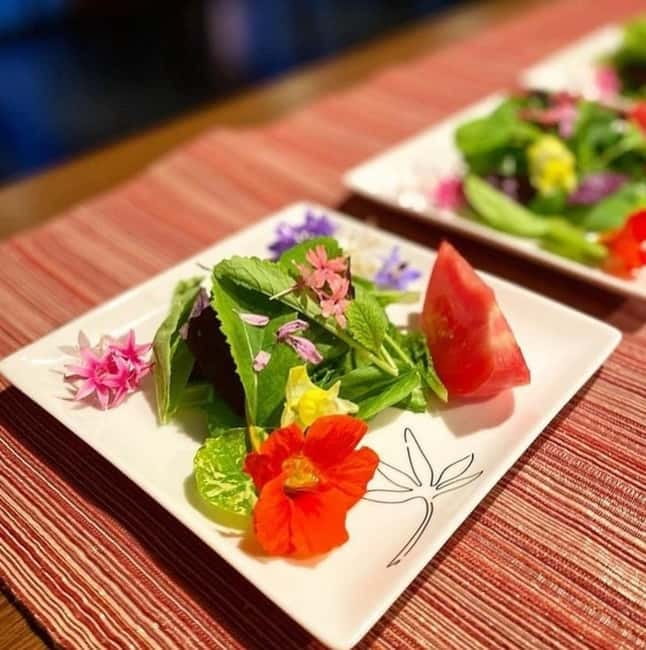
The menu is seasonal, and the exact dishes are not specified. You may eat vegetables or flowers prepared in an Okinawan style, as one participant did, but you should not assume that flowers or any particular dish will appear on your date. The best approach is to arrive curious and flexible.
Alcohol is not included. That matters because the meeting point includes the words beer garden, but the activity price covers the agricultural experience and meal, not alcoholic drinks. If you want beer or another alcoholic beverage, plan to pay separately if it is available.
The food has received the strongest praise in the available feedback. One account singled out the meal as delicious, another described eating handpicked flowers in Okinawan style, and another enjoyed making lunch from garden ingredients. Those details suggest that the meal is a central part of the outing, not an afterthought.
What the $61 price really covers
At $61 per person, this experience offers more than a basic farm visit. Your fee covers the agricultural activity, the meal with local ingredients, and interaction with local farmers. It also includes the cooking element and the kusu-making activity described in the program.
The value depends on what you want from a food tour. If you only want to eat Okinawan dishes, you may find a restaurant cheaper and more efficient. If you want a private, guided activity that combines farming, cooking, conversation, and a take-home seasoning, the price is easier to justify.
You are paying for access to a local setting and for participation, not just ingredients. The private group format is especially useful for families, couples, or friends who want to ask questions at their own pace. It also avoids the impersonal feel that can come with a large food class.
The price does not include alcoholic drinks. It also does not clearly state that shipping your kusu is included. Keep those possible extras in mind when calculating the final cost.
The timing, walking, and comfort details
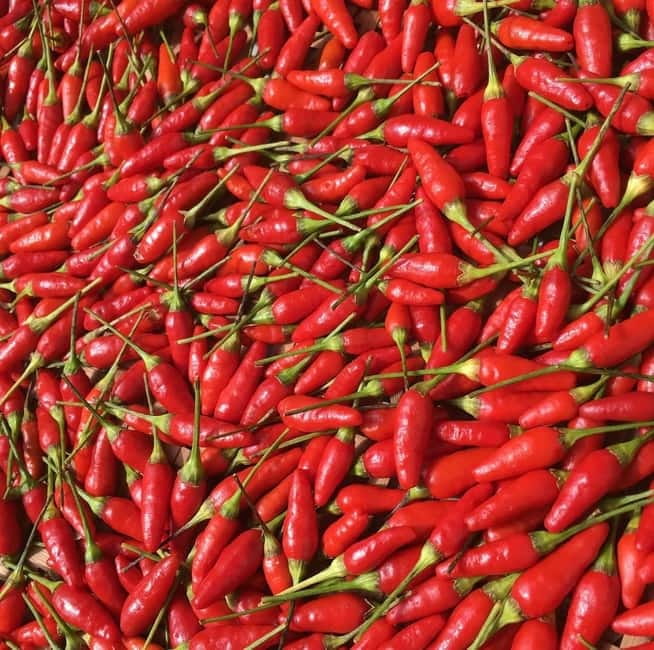
The total duration is listed as 150 minutes. The route describes a 10-minute walk from the starting point, followed by about an hour on Sesoko Island, about an hour of cooking, and about an hour for the meal before returning to the starting point. Those sections add up to longer than 150 minutes, so you should check the actual schedule and return time before booking transportation afterward.
The walk from the starting point is short, but the agricultural work may involve standing, bending, or moving around an outdoor area. The information does not give details about toilets, shade, or the precise ground conditions, so comfortable shoes, light clothing, and water are sensible choices.
The tour is not presented as a strenuous hike. Still, it is active enough that you should not treat it like a sit-down restaurant reservation. Leave room in your plans rather than scheduling a tight connection immediately afterward.
Free cancellation is available up to 24 hours before the activity for a full refund. You can also reserve now and pay later, which helps if your Okinawa plans are still changing.
Who will enjoy this Sesoko Island experience
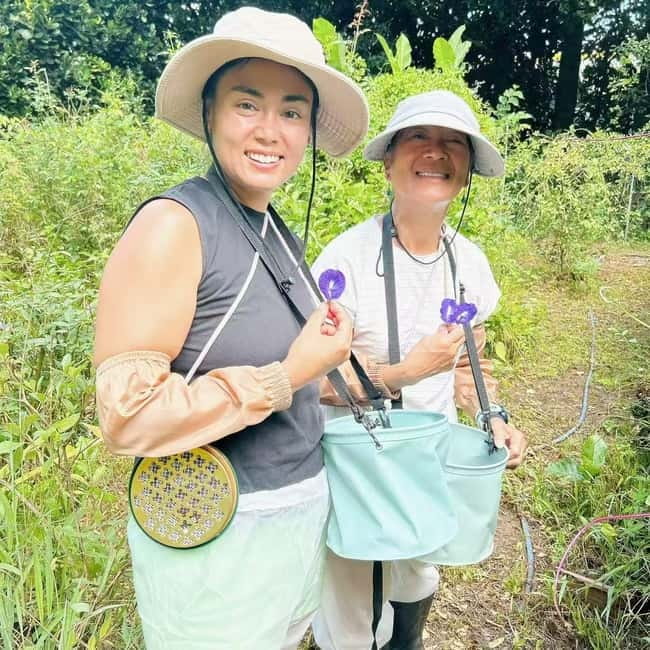
I would choose this for you if you care about food origins, enjoy meeting local people, or want a hands-on activity away from the usual sightseeing route. It is a particularly good match for food-focused visitors who want to understand Okinawan cooking through ingredients and family traditions.
Families may like the mix of planting, gathering, making, and eating, though the supplied information does not give a minimum age or specific child facilities. Ask before booking if you are traveling with young children.
It also suits couples and small private groups. The private format gives you room to ask questions and share the cooking without competing with a large class. If you are traveling alone, confirm how the private-group pricing works before reserving, since the listed price is per person.
People who prefer a fixed menu, a polished kitchen, or a quick tasting should think twice. The crops and meal change with the season, the outdoor portion may be muddy or warm, and the experience is built around participation. You will get more from it if you enjoy the process as much as the final plate.
The available rating is 5 out of 5 from three verified bookings, with praise focused on the helpful explanations, the variety of activities, the meal, and the friendly owners and guides. One person also enjoyed meeting cats on site. That detail may appeal to animal lovers, but cats are an incidental part of the setting, not a promised feature.
Should you book this Okinawan cooking experience?
Book it if you want a personal connection to Okinawan food and do not mind getting involved. The strongest reasons are the farm-to-table sequence, the chance to prepare kusu, and the time spent talking with local farmers.
Skip it if you only have a narrow window, need a clearly fixed schedule, or want alcohol included. Before paying, confirm the exact duration, who will guide your group, the plan for shipping kusu, and how the 150-minute timing fits with the longer activity outline.
For the right visitor, $61 buys a useful souvenir, a seasonal meal, and a story about Okinawa that begins in the soil rather than at a souvenir shop.
FAQ
Where does the experience start?
It starts at かどや製麺所 星降る森のビアガーデン, also written as Kadoya Seimenjo Hoshifuru Mori no Beer Garden.
How do I reach Sesoko Island from the meeting point?
The listed route includes a walk of about 10 minutes from the starting location to the Sesoko Island activity area.
How long does the experience last?
The activity is advertised as lasting 150 minutes. The schedule also describes roughly one hour for the island visit, one hour for cooking, and one hour for the meal, so confirm the exact timing when you book.
What languages are available?
Guidance is available in Chinese, English, and Japanese.
Is the group private?
Yes. The activity is offered as a private group experience.
Is a meal included?
Yes. A meal made with local ingredients, including produce from the agricultural activity when available, is included.
Is alcohol included?
No. Alcoholic drinks are not included in the price.
What should I bring?
Bring comfortable shoes, water, and comfortable clothes suitable for agricultural work and cooking.
Can I cancel for a refund?
You can cancel up to 24 hours in advance for a full refund. You can also reserve now and pay later.
New cooking classes around Japan
- Shinjuku Tokyo: Authentic Japanese Home-Style Culinary Class★ 4.9 · 125 reviews
- Shibuya Tokyo: Onigiri & Tamagoyaki Cooking Class★ 5.0 · 4 reviews
- Ramen Making from Scratch +Akihabara Tour –Cooking Class★ 5.0 · 25 reviews
- Okonomiyaki&Takoyaki for Families:Osaka Street Food Festival★ 5.0 · 4 reviews
- Osaka Sake Tasting with Takoyaki Cooking★ 5.0 · 156 reviews
- Osaka: Sashiko Japanese Craftsmanship Workshop★ 5.0 · 31 reviews
- Osaka: Japanese Cooking Class with Matcha Experience★ 5.0 · 4 reviews
- Osaka Okonomiyaki Cooking Experience for Families & Groups★ 4.9 · 8 reviews
Japan Cooking Classes, side by side.
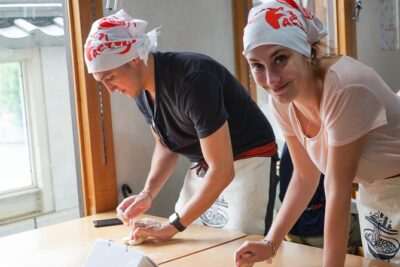
Ramen Cooking Class at Ramen Factory in Kyoto
Read our review →
Ramen & Gyoza Cooking Class in Tokyo with Local Supermarket Visit
Read our review →
Sushi Making Osaka! Popular Sushi Class in Japan!
Read our review →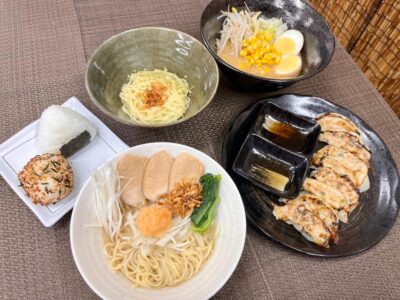
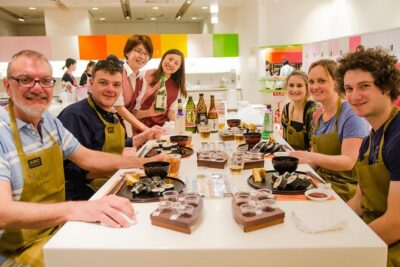
Tokyo Tsukiji Fish Market Tour and Sushi Making Lesson
Read our review →
Kyoto: Japanese Washoku Bento Small Group Cooking Class
Read our review →
Osaka: Ramen and Gyoza Cooking Class in Dotonbori
Read our review →
Tokyo: Easy Ramen Cooking Experience in Kabukicho, Shinjuku
Read our review →This kitchen also appears in