
Review · TANZANIA
Dar es Salaam: Taste of Tanzania Cooking Class and Food Tour
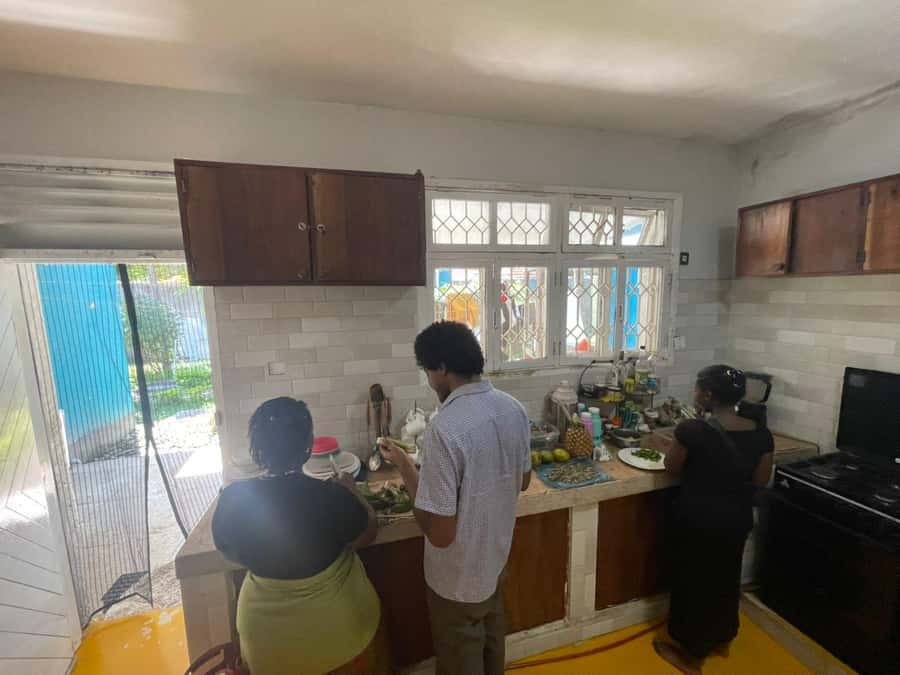
Tanzanian food makes the kitchen part of the tour, not just the final meal. You’ll sample street foods, shop for ingredients in a local market, then use a mbuzi coconut scraper, kinu mortar and pestle, clay pot, and woven mats to prepare dishes such as ugali, pilau, and chapati. I like the market-to-table flow, and I like that you eat what you cook with hibiscus juice or maziwa mgando. The main concern is practical: the meeting point can change, and one booking had serious trouble reaching the provider by phone.
This is also a friendly cultural introduction. Hosts Angel and Irene are named as part of the cooking experience, while Shipra handles booking and logistics. I would book at least 48 hours ahead, confirm the meeting details directly, and treat the temporary contact number issue as something to check before setting out.
Key Points
- Market first, cooking second: You shop for seasonal produce, spices, and staples before entering the kitchen.
- Traditional tools are part of the lesson: Try the mbuzi, ungo, kinu, chungu, sufuria, and mikeka rather than simply watching a demonstration.
- Three useful Tanzanian dishes: The class may cover ugali, pilau, or chapati, with recipes to take home.
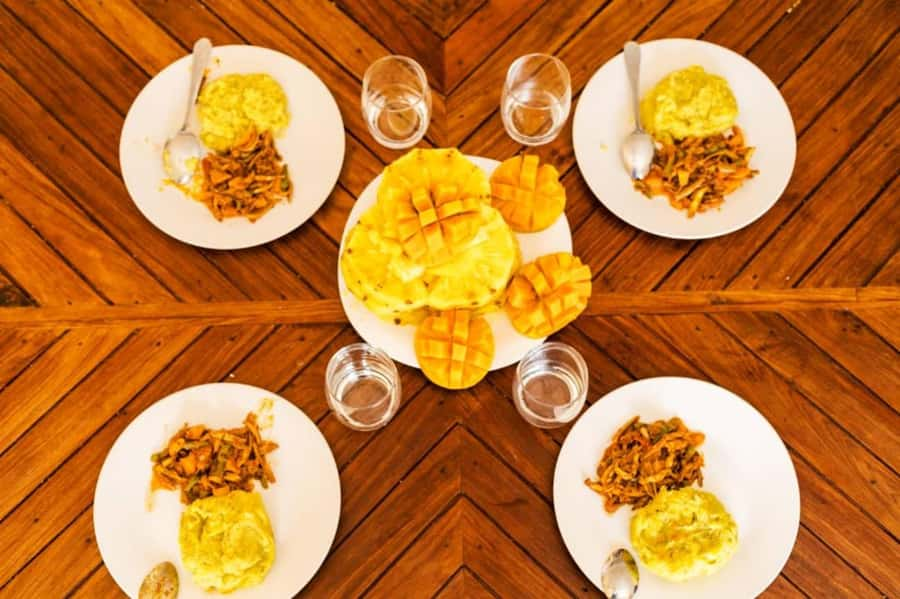
- A proper sit-down meal is included: You eat the dishes you prepare, along with drinks and seasonal vegetables.
- Private and small-group formats are available: This can work well for families, couples, or travelers who prefer personal instruction.
- Allow extra time for arrangements: The advertised duration ranges from 2 to 5 hours, the meeting point varies, and advance notice is required.
From Street Snacks to the Cooking Pot
The strongest idea here is the order of the experience. You do not begin with a recipe and miss the setting around it. You start out on a guided food walk, tasting local snacks and street foods while learning why particular dishes matter in Tanzania.
That first part gives your meal some context. A snack bought from a local vendor is more than a quick bite. It shows you how food fits into ordinary daily life, how vendors serve their neighborhoods, and which flavors people eat outside the home. You can ask about ingredients, preparation, and the place of each dish in local food culture.
The walk takes place through streets and a local market, so expect movement, conversation, and food stops rather than a polished restaurant presentation. Wear shoes you can walk in, bring water, and use sunscreen. The tour information does not provide a fixed list of tastings, so the selection may depend on what is available that day.
I like this format because it gives you a chance to try foods you might otherwise pass by. It also supports local sellers directly. If you are nervous about unfamiliar food, tell the guide what you can and cannot eat before the tour begins. The available details do not specify allergy handling or dietary substitutions, so you should ask in advance rather than assume.
More cooking classes around the world:
- Half-Day Thai Cooking Class at Organic Farm in Chiang Mai
★ 5.0 · 19,087 reviews - Florence: Pasta Cooking Class with Unlimited Wine
★ 4.9 · 10,285 reviews - 3 in 1 Cooking Class near Navona: Fettuccine, Ravioli & Tiramisu
★ 5.0 · 7,376 reviews
Shopping for Ingredients at a Local Market
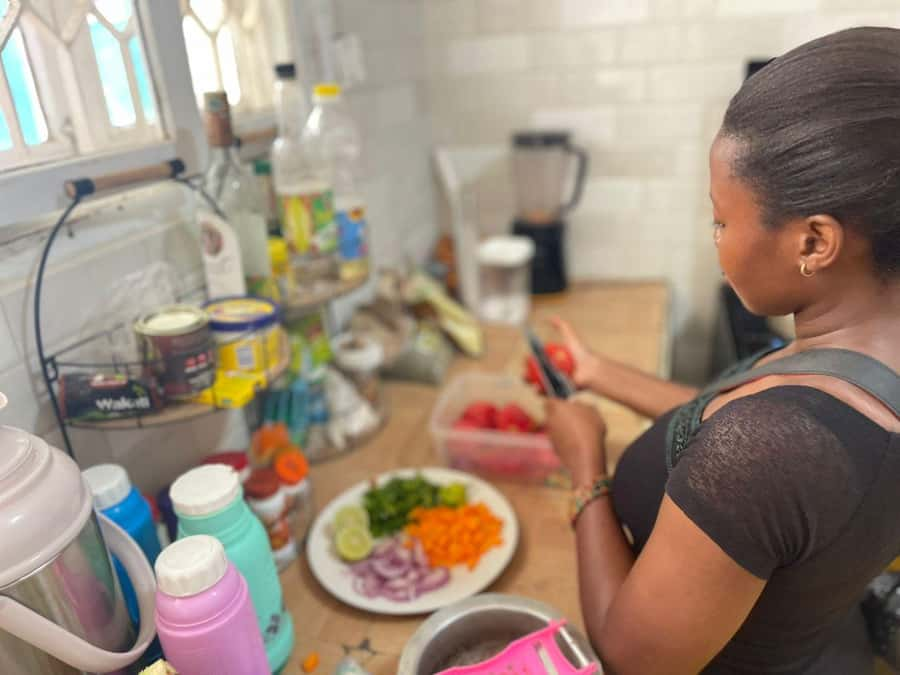
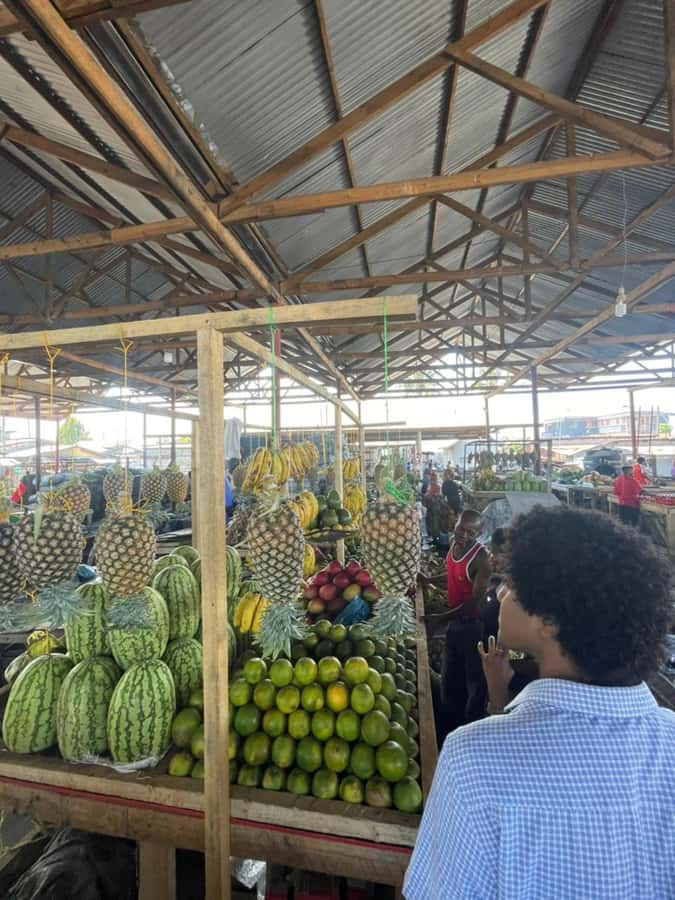
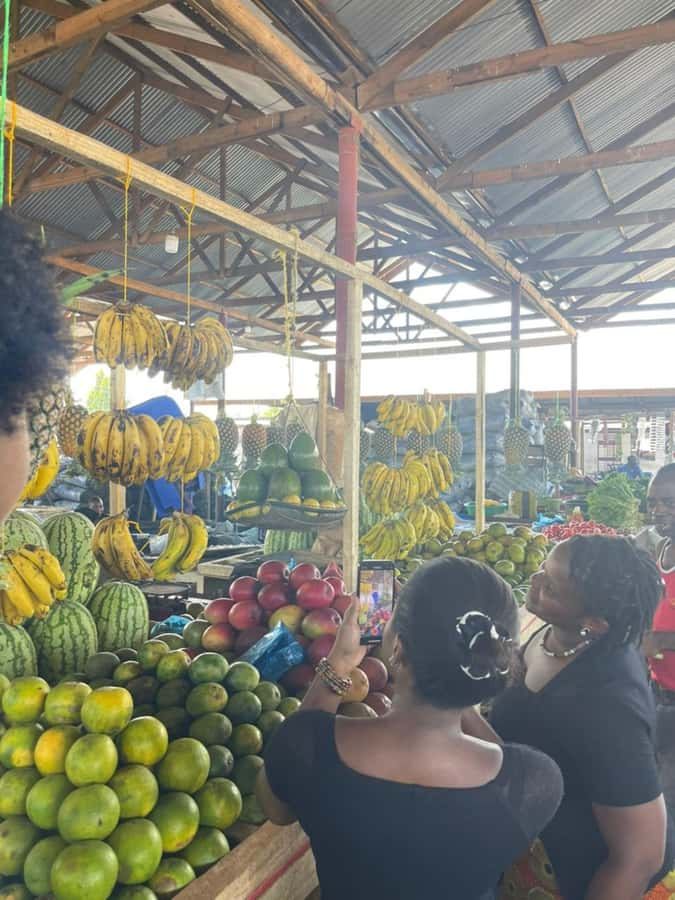
The market visit is not filler before the class. It is where you see the raw materials that shape the meal. Stalls may include seasonal produce, spices, and traditional staples, and you will help source ingredients for the cooking session.
This is a good place to pay attention to smell, texture, and color. A pile of spices tells you more about the character of pilau than a finished plate does. Fresh vegetables show what is in season, while the market setting helps connect the meal to local shopping habits.
You also meet vendors along the way. That contact is one reason I would choose this experience over a standard restaurant meal. You get a sense of how ingredients move from market stall to home kitchen, and you can ask questions with the guide translating or explaining in English.
Bring a little patience. Markets are working places, not displays arranged for visitors. The pace can depend on the group, the shopping list, and the time of day. Since the activity can last anywhere from 2 to 5 hours, ask for the expected schedule when you confirm your booking.
Personal shopping is not included. If you want to buy spices, cloth, or other items, budget separately and make sure you have time for it. The market stop is primarily for the cooking class ingredients.
Cooking with the Mbuzi, Kinu, and Chungu
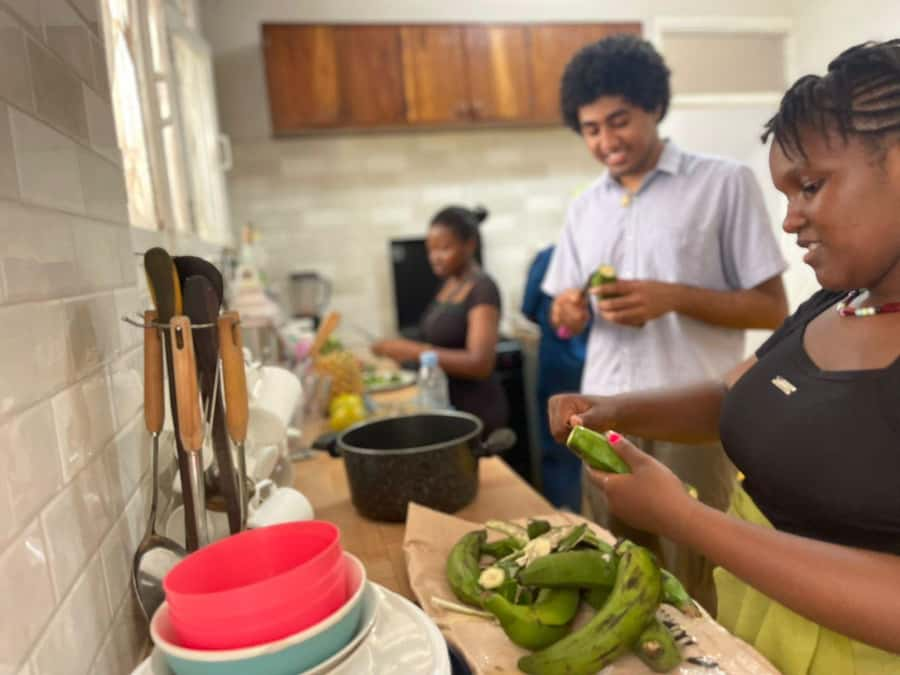
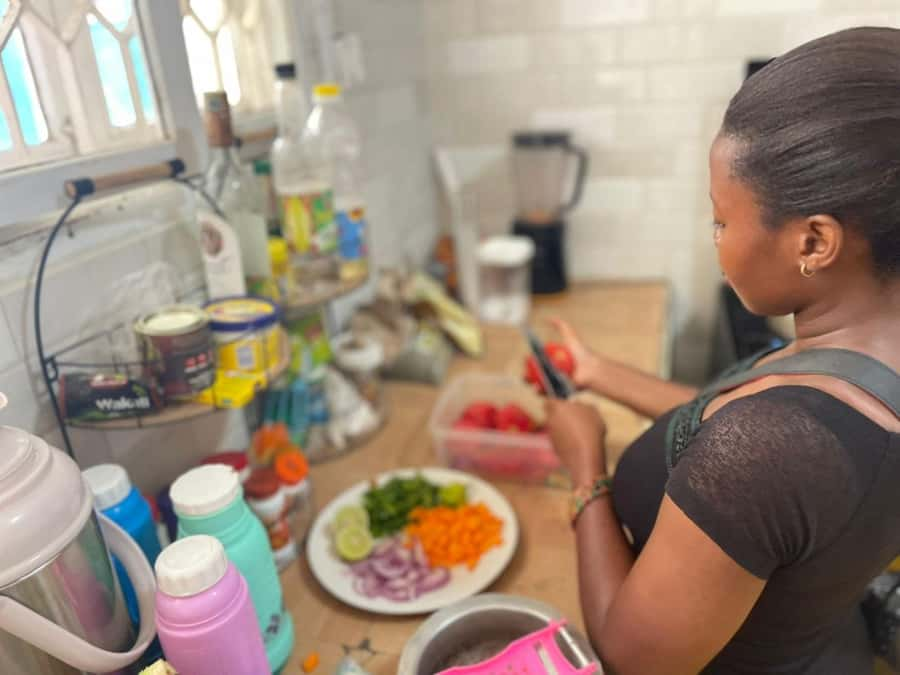
The cooking class uses traditional tools that make the lesson more physical than a demonstration in a modern kitchen. You may handle a mbuzi, used for scraping coconut, an ungo, used as a sieve, and a kinu, a mortar and pestle. You may also cook with a chungu clay pot and sufuria steel pot, then eat or sit on mikeka woven mats in a home-style setting.
These details matter because they show the work behind the food. You are not simply told that coconut or spices are important. You see how ingredients are prepared and how older kitchen methods still shape the meal.
The class is meant for beginners as well as confident cooks. You will roll up your sleeves and take part, but the exact amount of work will depend on the dishes selected and the group. The advertised choices include ugali, pilau, and chapati.
Ugali is a simple staple made from a firm maize mixture. Its appeal is in the technique and texture, not a long list of ingredients. Pilau brings rice and spice into the center of the meal, while chapati gives you a chance to work with dough and heat. If you cook at home, chapati may be the dish that requires the most practice.
Recipes are provided for use at home. That adds real value to the $45 price, especially if you want the experience to continue after your trip. I would take notes about cooking times, quantities, and substitutions, because traditional instruction often moves at a quicker pace than a printed recipe.
The cooking area is described as homey and traditional. Do not expect a formal culinary school with individual workstations or restaurant-style equipment. That is part of the appeal, but it also means the lesson may feel less structured than a professional cooking course.
Sitting Down to Eat What You Made
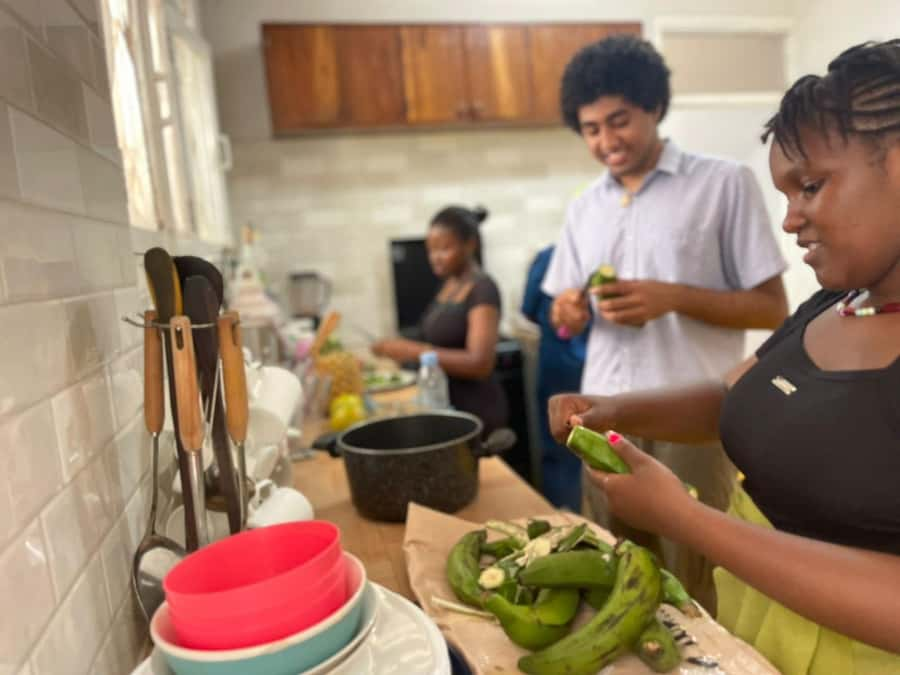
After the preparation, you sit down for a meal of the dishes you helped make. Seasonal vegetables accompany the food, and drinks include hibiscus juice or maziwa mgando.
This shared meal is the payoff, but it also gives you a way to judge what you learned. You can compare the texture of your ugali, taste the balance of your pilau, and see how chapati should turn out. A meal made by your own hands tends to stay with you longer than a plate served without explanation.
The food is not presented as a separate tasting menu. You prepare it, eat it, and talk through it with the hosts. Angel and Irene are identified as hosts, and the strongest personal praise attached to the experience focuses on their friendliness and the way they made the setting feel comfortable.
Photos are included, including candid shots. That is useful if you want a record of the cooking and meal without asking someone in your group to document every step. Still, ask before photographing market vendors or other people. A camera is recommended, but respectful behavior matters more than getting every picture.
Optional extras can extend the day. You may add swimming, an exotic fruit platter, or a coconut drink. These are not included in the $45 price, so ask for the cost and timing before agreeing. Handmade souvenirs such as beaded sandals, waist beads, aprons, dresses, or Tanzanian and Maasai cloth may also be arranged. The clothing and some items need advance notice because they can be handmade.
Same kitchen, a different dish:
- Florence: Pasta & Tiramisu Cooking Class with Unlimited Wine
★ 4.9 · 6,708 reviews - Florence: Pasta Cooking Class with Unlimited Wine
★ 5.0 · 6,413 reviews - Hanoi Cooking Class: Culture, Local Market & Meaning CSR Impact
★ 5.0 · 5,147 reviews - 5 Traditional Dishes Hanoi Cooking Class with Market Trip
★ 5.0 · 4,890 reviews
Is $45 Good Value?
At $45 per person, this is fairly priced if you want several experiences in one outing. The fee covers the guided food tour, market visit, hands-on class, use of traditional tools, the meal, drinks, and candid photos. You are paying for more than a plate of food. You get an introduction to street food, shopping, cooking, and a local meal.
The value is strongest for people who enjoy participation. If you only want to eat, a food-focused restaurant visit may be simpler. If you want a recipe lesson with no walking or market time, a dedicated cooking school may suit you better.
Private and small-group options can also justify the price. A smaller group should make it easier to ask questions, work with the tools, and choose the pace. The information provided does not guarantee a specific group size, so check which option you are booking.
Optional add-ons can change the final cost. Swimming, fruit, coconut drinks, souvenirs, and personal shopping are separate. I would decide in advance which extras matter to you instead of treating the base price as the complete budget.
Timing, Meeting Points, and the One Important Warning
The duration is listed as 2 to 5 hours, with starting times available according to the date you choose. That is a wide range, so do not schedule a tight airport transfer, boat departure, or other fixed appointment immediately afterward.
The meeting point may vary by option. Transportation to the meeting point is not included, so you must arrange that yourself. This is where careful confirmation matters most.
One booking had a major communication problem: the driver could not find the address, and the supplied phone number disconnected. The booking message also went unanswered at the time. That is a serious weakness, especially when the meeting location is not fixed.
The provider says the regular number is temporarily blocked because a phone was lost and supplies another number, +601125581518, for questions. Contact the provider or booking platform before the 48-hour cutoff, confirm the exact meeting point, and save the information offline. If you are using a ride service, send the driver the confirmed location rather than relying on a vague address.
The provider asks for at least 48 hours of advance notice, even if the booking system appears to allow a later reservation. That request is reasonable for a market visit and home cooking, since ingredients and staff need preparation. You can cancel up to 24 hours before the experience for a full refund, and reserve now while paying later, according to the booking terms.
Who Will Enjoy This Food Tour?
I would recommend it to you if you want a close look at everyday Tanzanian food and prefer doing something rather than watching a guide talk. It suits first-time cooks because the lesson is designed for beginners, and it suits experienced cooks who want to compare methods and tools.
Families may like the hands-on format, provided everyone is comfortable with walking, heat, and a less formal kitchen. Couples and small groups can make good use of the private option. Food-focused visitors will appreciate the chance to connect street snacks, market ingredients, and a finished meal.
It is less suitable if you have a strict schedule, need a confirmed fixed address with no follow-up, or want a highly polished cooking school. It may also be a poor fit if you have serious dietary restrictions that have not been discussed in advance.
The English-language instruction is useful for international visitors. Still, clear questions before booking are worthwhile, especially about the dishes planned, the market timing, and any food you cannot eat.
Should You Book Taste of Tanzania?
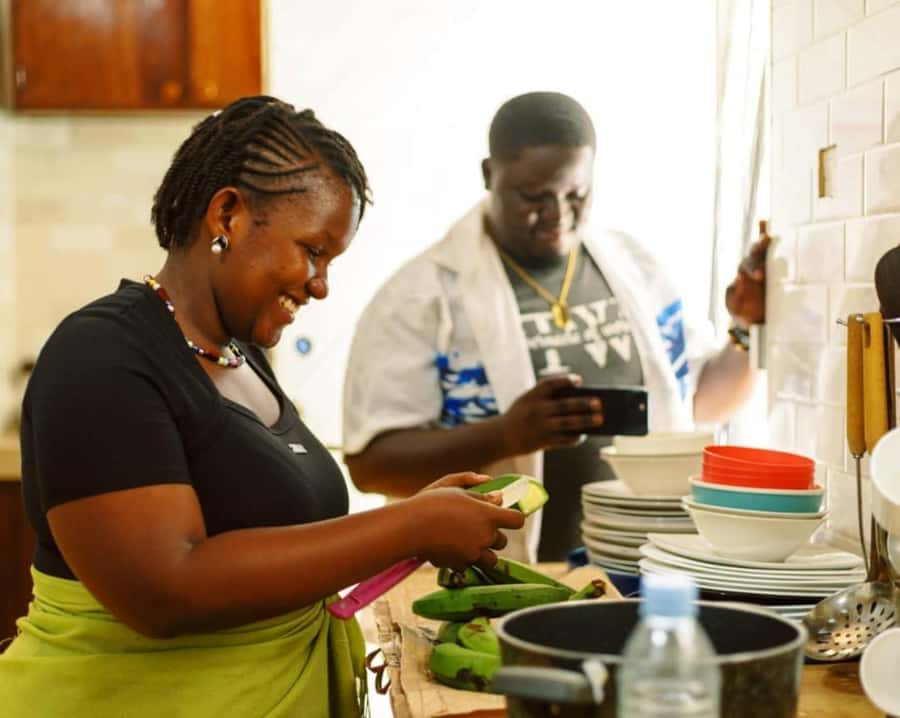
Book it if your idea of a good outing includes tasting street food, meeting vendors, handling traditional tools, and sitting down to eat a meal you helped prepare. The market-to-kitchen format is the real strength, and the named hosts Angel and Irene add a personal touch to the cooking portion.
I would not book it casually at the last minute. Confirm the meeting point, the correct contact number, the duration, and any add-ons at least 48 hours ahead. That small amount of preparation addresses the main weakness in the experience.
For $45, you receive a full cultural food outing rather than a single cooking demonstration. If you value personal contact and practical recipes, it is a good choice. If reliable pickup instructions and fixed timing are your top priorities, proceed only after the provider confirms those details clearly.
FAQ
How much does the Taste of Tanzania cooking class cost?
The experience costs $45 per person. Swimming, an exotic fruit platter, a coconut drink, souvenirs, personal shopping, and transportation to the meeting point are not included.
How long does the activity last?
The duration ranges from 2 to 5 hours. Starting times depend on availability, so check the schedule and leave room afterward for possible variation.
What food will I prepare?
The class may include classic dishes such as ugali, pilau, or chapati. The exact dishes are not fixed in the supplied information, so ask when confirming your booking.
Is the market visit included?
Yes. The experience includes a guided food tour and a local market visit where you source fresh ingredients for the cooking class.
Is the class suitable for beginners?
Yes. The class is designed for both beginners and experienced cooks. You receive recipes to try at home and use traditional tools during the preparation.
What should I bring?
Bring comfortable walking shoes, sunscreen, a water bottle, and a camera if you want photos. You should also confirm the meeting point and contact details before you go.
New cooking classes around the world
- Shinjuku Tokyo: Authentic Japanese Home-Style Culinary Class★ 4.9 · 125 reviews
- Shibuya Tokyo: Onigiri & Tamagoyaki Cooking Class★ 5.0 · 4 reviews
- M.O.M COOKING CLASS★ 4.8 · 6 reviews
- Seville: Paella-Cooking Experience with Sangria & Full Meal★ 4.9 · 42 reviews
- Shanghai: Authentic Chinese Cooking Class with Master Chef★ 5.0 · 2 reviews
- Sestri Levante: Pesto & Cooking Classes, Wine Tasting★ 4.9 · 56 reviews
- Seville: Paella Cooking Class & 30-Min Local Expert Q&A★ 4.8 · 37 reviews
- Seoul: Korean Kimchi Cooking Class in the Heart of the City★ 5.0 · 3 reviews
Tanzania Cooking Classes, side by side.
Zanzibar: Spice Farm Tour with Traditional Cooking Lesson
Read our review →
Half-Day Kuza Cave Swimming Adventure and Cooking Class
Read our review →
NGO Lifted Strong – Traditional Tanzanian Cooking Class
Read our review →
Arusha: Traditional Tanzania Cooking class& Food Market Tour
Read our review →
Arusha: Local Tanzanian Cooking Class by Kingstone Asilia
Read our review →
Cooking Class Tour, Stone Town Tour, Horseback Riding
Read our review →This kitchen also appears in