
Review · SOUTH AFRICA
GQ: City Walking Tour & African Cuisine Cooking Class
The best part of this Gqeberha experience is the jump from city streets to a home-style kitchen. You begin with local stories and landmarks, then help prepare an African meal and eat it with your hosts. That gives you more than a quick look at Port Elizabeth, now officially called Gqeberha.
I like the personal scale, with no more than 10 people, and I like that the cooking is hands-on rather than a simple tasting. Guide Rawson, also spelled Rowson in one booking record, gets particular praise for showing less polished parts of the city and helping solo visitors take photos. The main caution is simple: confirm which option you have booked, since the city walk and the combined walk-plus-cooking class are separate choices, and one recorded booking did not include the cooking portion.
Key points
- Two ways to book: Choose the city walking tour alone or add the African cooking class.
- City sights with context: See the Campanile Memorial, Donkin Reserve, Victorian buildings, markets, and street art.
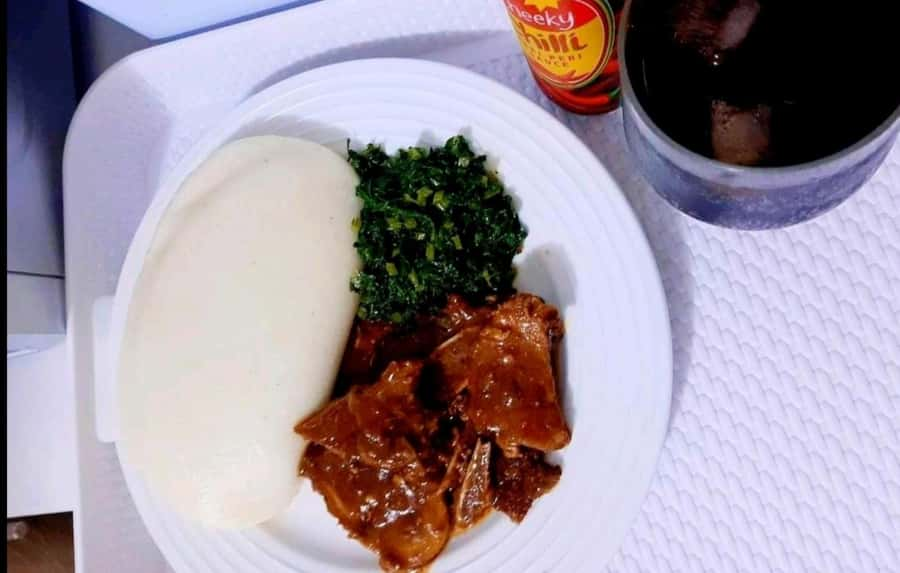
- Cook a full meal: Help prepare sadza, beef bones with greens, chicken stew, chakalaka, and sugar beans.
- Small-group setting: The group is limited to 10 people, making it easier to ask questions and take part.
- Pickup included: Collection is offered around Port Elizabeth, with listed pickup options for Port Elizabeth and Addo.
- Good cultural exchange: The meal is shared with the hosts, and the class explains how food traditions pass through families.
Starting with Gqeberha’s streets, not a bus window

Gqeberha is often treated as a stop on the way to other Eastern Cape sights. This tour asks you to slow down and look at the city itself. You walk through central streets, hear stories about its past, and see how older buildings sit beside markets, murals, and daily life.
The walking portion is listed at about two and a half hours, although the overall experience is described as lasting between two and three and a half hours depending on the option. That difference matters. If you are booking the city walk only, expect a substantial outing on foot. If you add the cooking class, allow extra time beyond the basic walking tour and confirm the exact starting time.
The guide leads in English and provides pickup from the location supplied with your booking. This is useful if you are staying around Port Elizabeth and do not want to work out local transport before breakfast. The details also list Addo as a pickup option, but drop-off is described as being within Port Elizabeth, so I would confirm the return arrangement if you are staying in Addo.
More cooking classes around the world:
- Half-Day Thai Cooking Class at Organic Farm in Chiang Mai
★ 5.0 · 19,087 reviews - Florence: Pasta Cooking Class with Unlimited Wine
★ 4.9 · 10,285 reviews - 3 in 1 Cooking Class near Navona: Fettuccine, Ravioli & Tiramisu
★ 5.0 · 7,376 reviews
Campanile Memorial and the first city views
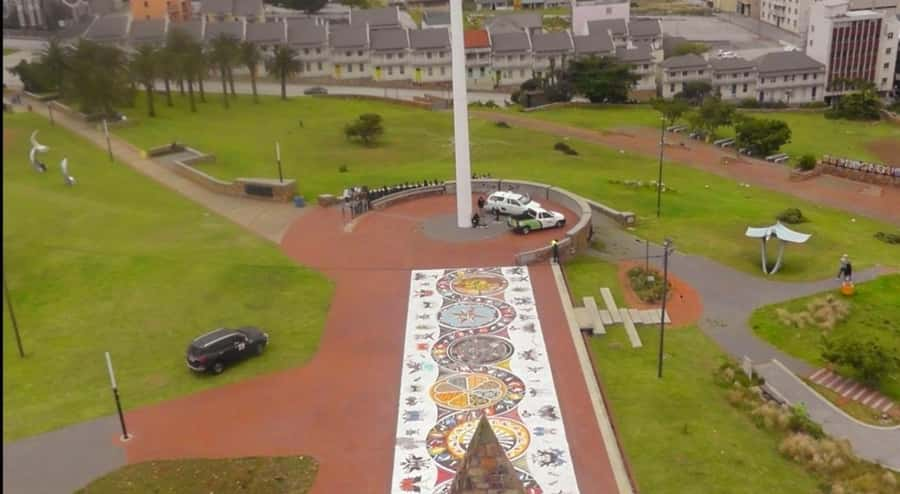
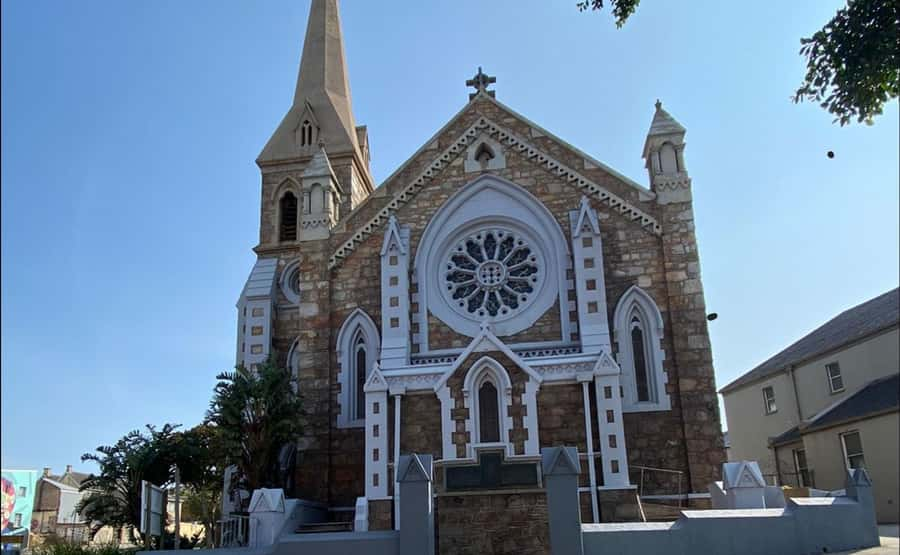
The Campanile Memorial is one of the walk’s main landmarks. Its height gives you a broad view across the city and toward Algoa Bay. It is a useful first stop because it helps you understand the shape of Gqeberha before you continue along its streets.
The memorial also opens a door into the city’s settler past. Your guide explains what you are seeing instead of leaving you with a name and a photograph. That personal explanation is important here, since the central area includes several monuments and older buildings that can look similar if you do not know the story behind them.
The views are a strong reason to bring a phone or camera, but the tour’s value is not only visual. One of the strongest points in the feedback is that the guide did not focus only on the polished attractions. You get a better sense of the city when the route includes ordinary streets and less showy places too.
Donkin Reserve and the city’s public memory
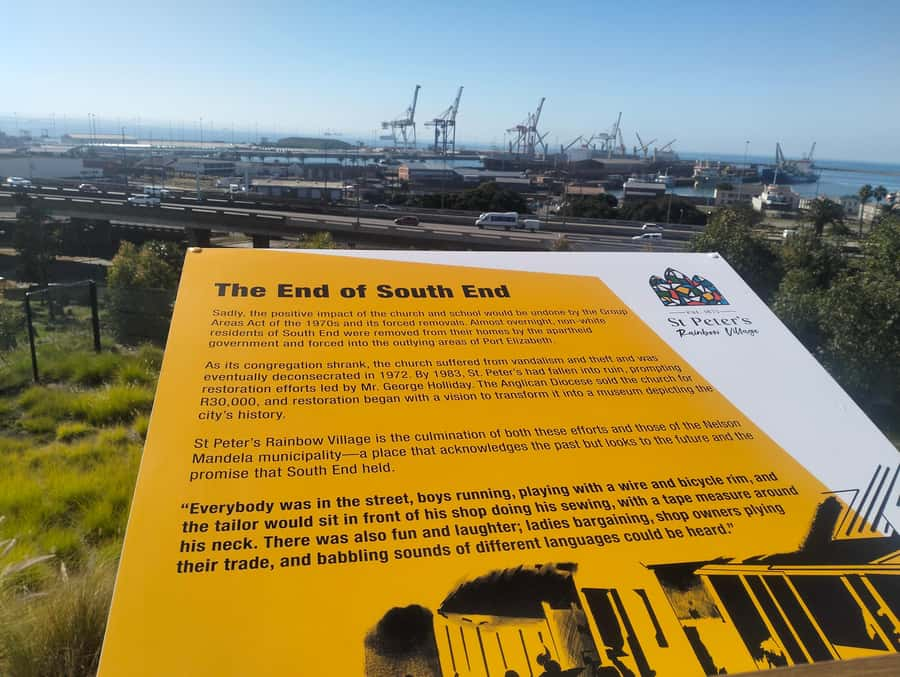
From the Campanile, the walk continues toward Donkin Reserve. This area combines open views, public art, memorial features, and colorful mosaics. It is one of the places where Gqeberha’s past and present meet in a compact space.
Donkin Reserve is especially useful for first-time visitors. You can see why the city has been called the Friendly City, while also learning about the people and events that shaped it. The guide’s job is not just to point out a monument, but to explain whose story is being told and what may have been left out.
I would pay attention to the guide’s pacing here. There are several things to look at, and a rushed stop would reduce the place to a photo break. The small group limit should help. With up to 10 people, it is easier to hear the explanation and ask about details that catch your interest.
Victorian buildings, alleys, markets, and street art
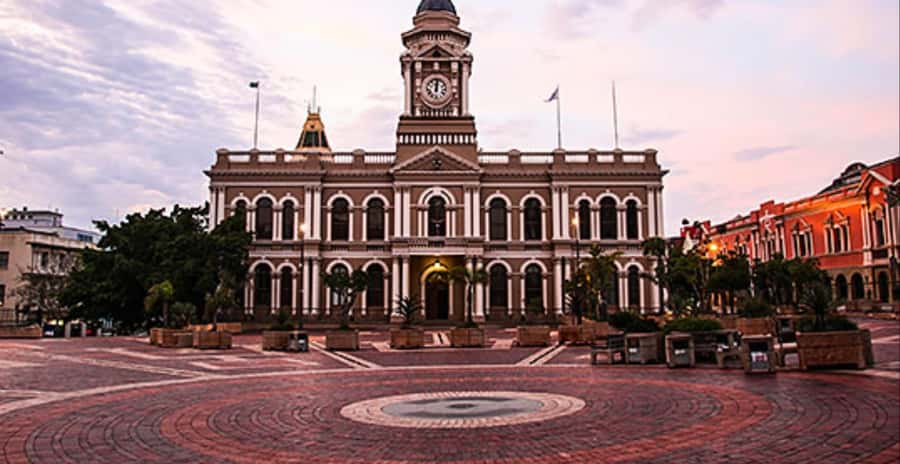
The tour moves beyond the headline sights into older streets and narrow alleyways. Victorian architecture gives the center a distinct character, while local markets add food, crafts, and everyday activity. You may also see street art that shows the city’s current creative side.
This mix is one of the tour’s best features. A landmark-only walk can leave you with a neat list of buildings but little feeling for the place. Here, the changes in architecture, artwork, and commerce help you see Gqeberha as a living city rather than an outdoor museum.
The market stop may also be your first chance to notice African ingredients and local craft traditions before the cooking class begins. The exact vendors and displays can vary, so you should treat this as a chance to look and ask questions rather than a guaranteed shopping stop.
The supplied schedule also mentions beer, lunch, wine tasting, and an arts and crafts market visit in a four-minute itinerary entry. That timing is clearly too short to describe a full meal or tasting, so I would not plan your day around those items unless the operator confirms they are included in your chosen option. The dependable core is the walking tour, with the cooking class available as the combined choice.
Same kitchen, a different dish:
- Florence: Pasta & Tiramisu Cooking Class with Unlimited Wine
★ 4.9 · 6,708 reviews - Florence: Pasta Cooking Class with Unlimited Wine
★ 5.0 · 6,413 reviews - Hanoi Cooking Class: Culture, Local Market & Meaning CSR Impact
★ 5.0 · 5,147 reviews - 5 Traditional Dishes Hanoi Cooking Class with Market Trip
★ 5.0 · 4,890 reviews
From sightseeing to the African kitchen
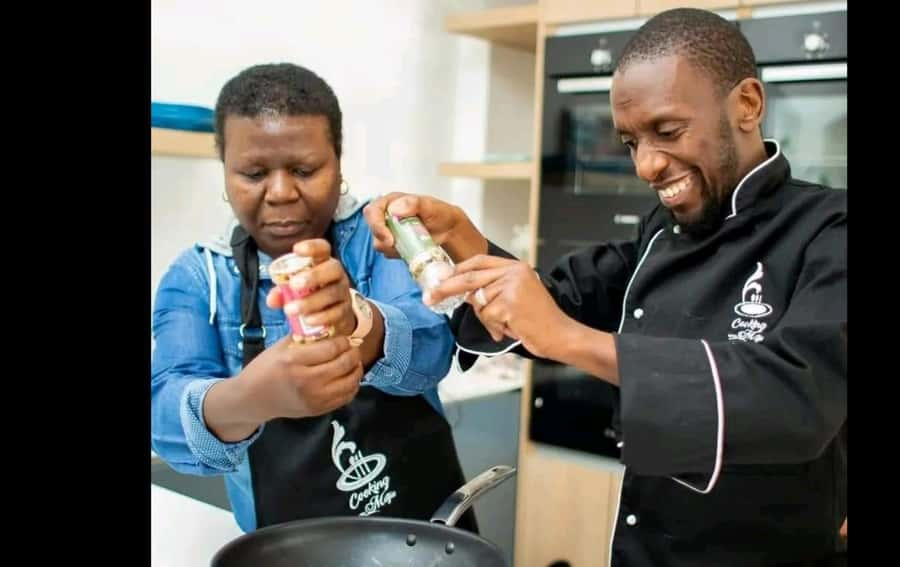
The cooking class changes the pace. After the walk, you are welcomed with traditional drinks and starter snacks before learning about African food and its ingredients. The emphasis is on how recipes are carried through families, not just on following a printed list of instructions.
You take part in the preparation from start to finish. That is a better deal than a demonstration where you sit at the edge of the room and watch someone else do the work. The host explains the steps, and you help prepare the dishes before sitting down to share the finished meal.
The menu gives you a useful introduction to several staples and side dishes:
- Sadza: A ground-maize staple and an important part of the meal.
- Beef bones with greens: A hearty dish combining meat and cooked vegetables.
- Chicken stew: A familiar comfort food prepared in an African home-style setting.
- Chakalaka: A strongly flavored vegetable relish or side dish.
- Sugar beans: A filling bean dish that adds substance to the table.
The menu sounds generous for a short experience, so do not expect a long restaurant-style tasting course by course. Think of it as preparing a shared home meal, with several dishes served together. The final African hot beverage gives the session a calm finish.
What the communal meal adds
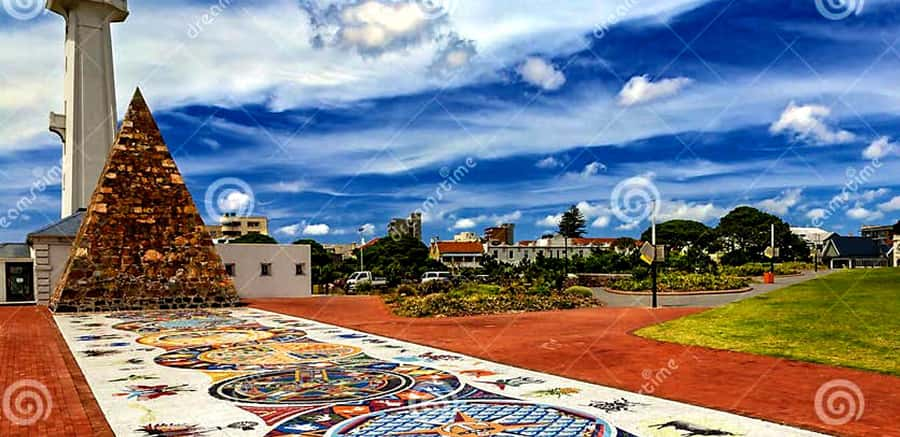
Eating the food you helped prepare gives the class its real purpose. You learn what the ingredients mean, how they fit together, and how food becomes part of family and community life. That connection is harder to get from a restaurant meal, even when the restaurant serves excellent local dishes.
The communal format also makes this a social experience. You share the table with the hosts and the other members of the group, rather than eating separately and leaving. Solo visitors can benefit especially from this setup, while families, friends, and work groups may enjoy having a practical activity that everyone can do together.
Vegetarian and vegan options are available, which widens the appeal. Still, I would state your dietary needs when booking or before the class begins. The published menu centers on beef, chicken, and beans, so clear communication matters if you need a fully plant-based meal.
What the guide adds to the experience
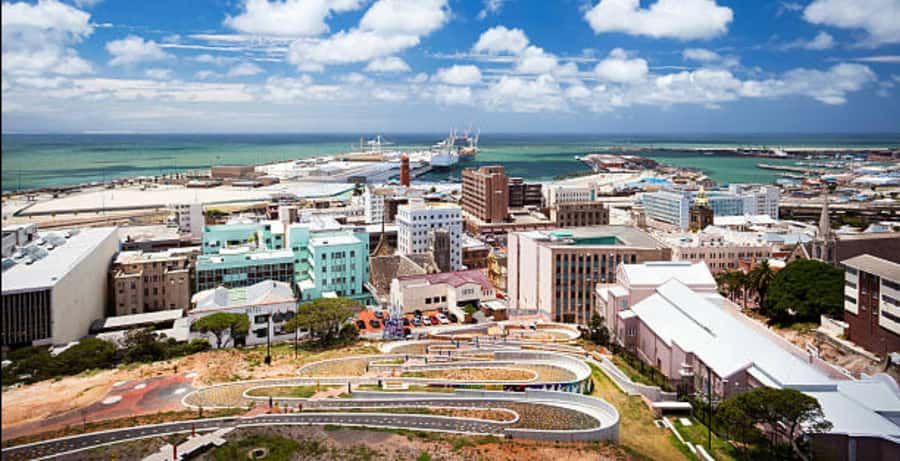
The guide is central to the walking tour. Several high ratings single out Rawson, sometimes written as Rowson, for his friendly manner, city knowledge, photo help, and ability to point out worthwhile places. One particularly useful detail is that he was happy to take photos, a small kindness that matters if you are exploring alone.
The strongest praise is not aimed at grand speeches. It is about greetings, personal contact, and the feeling of being introduced to the city rather than simply marched through it. That suits a walking tour well. The experience depends on conversation, so it is worth asking questions about the buildings, neighborhoods, food, and local life as you go.
The guide also appears to show more than the shiny central sights. That gives the walk a more honest shape, though it may mean the route includes ordinary urban areas rather than a nonstop parade of postcard views. I consider that a benefit, provided you want context instead of only photographs.
Price, timing, and practical value
At $56 per person, the combined activity can offer good value if the price includes both the walking tour and the cooking class, along with pickup and drop-off within the stated Port Elizabeth area. You are paying for a guide, transport, a hands-on lesson, ingredients, drinks, snacks, and a full shared meal.
The value is less clear if you only want a short city walk. In that case, make sure you select the city-tour option rather than paying for the combined experience. The booking system offers two choices, and the difference should be clear before you finalize the reservation.
The small group limit of 10 is another reason the price may make sense. A large group would make kitchen participation awkward and would reduce the chance to speak with the host. Here, you should have a fair opportunity to take part, although the exact amount of hands-on work may depend on the group size and the dishes being prepared.
Free cancellation is offered up to 24 hours before the activity, and you can reserve now and pay later. Those terms are useful if your Eastern Cape schedule may shift. Pregnant women are listed as unsuitable for the activity, so anyone affected by that restriction should choose another experience.
Who should choose this experience
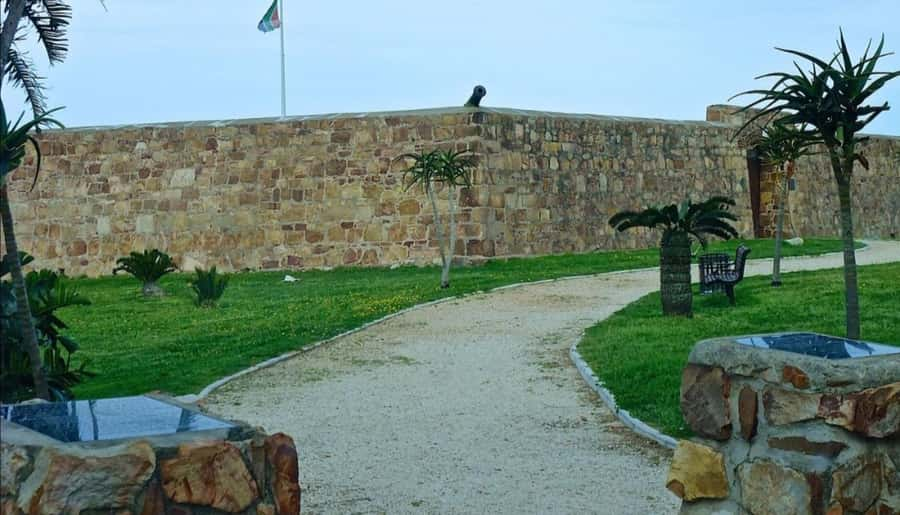
I would recommend the combined option if you want a first introduction to Gqeberha that includes both place and food. It works particularly well for solo visitors, couples, small groups, families, and colleagues who enjoy doing something together rather than splitting up for a meal.
It also suits people with limited time. The walking tour gives you a useful city orientation, while the cooking class adds a cultural activity you might not find by simply following a standard sightseeing route. If you are flying out and have a few spare hours, the city walk alone can fill that gap, as one booking was made by someone with time before departure.
You should think twice if you dislike walking, want a tightly timed luxury outing, or prefer to eat without participating. The cooking class involves preparation, shared work, and a communal meal. The city portion also includes regular streets and local areas, not only grand monuments.
Should you book the city walk or the combined option?
Choose the city walk alone if you mainly need orientation, history, views, and a friendly local guide. It is the simpler choice for a short stay or a day when you already have lunch plans.
Choose the combined walk and cooking class if food, conversation, and local home traditions matter as much as landmarks. The chance to make sadza, stews, greens, chakalaka, and beans, then eat with the hosts, gives you a more personal connection to Gqeberha.
Before booking, confirm the selected option, total duration, pickup point, return location, and whether the cooking class is definitely included. With that checked, this is a worthwhile choice for curious visitors who want to see the city and take part in its food culture, not simply pass through it.
FAQ
Where does the experience take place?
The experience takes place in Gqeberha, formerly known as Port Elizabeth, in South Africa’s Eastern Cape.
What are the two booking options?
You can choose a normal city walking tour or a combined city walking tour with the African cooking class.
How long does the experience last?
The listed duration ranges from two hours to 210 minutes. The walking portion is described as about two and a half hours, so confirm the exact timing for your selected option.
Is pickup included?
Yes. Pickup is included from the location provided during booking. The listed pickup choices are Port Elizabeth and Addo.
Where is drop-off available?
Drop-off is listed for areas within Port Elizabeth. If you need to return to Addo, confirm that arrangement before booking.
What language is the tour conducted in?
The live guide conducts the tour in English.
What food will you prepare?
The cooking class may include sadza, beef bones with greens, chicken stew, chakalaka, and sugar beans. Traditional drinks, starter snacks, and an African hot beverage are also included.
Are vegetarian or vegan options available?
Yes. Vegetarian and vegan options are available. State your dietary requirements when arranging the booking so the host can prepare appropriately.
New cooking classes around the world
- Shinjuku Tokyo: Authentic Japanese Home-Style Culinary Class★ 4.9 · 125 reviews
- Shibuya Tokyo: Onigiri & Tamagoyaki Cooking Class★ 5.0 · 4 reviews
- M.O.M COOKING CLASS★ 4.8 · 6 reviews
- Seville: Paella-Cooking Experience with Sangria & Full Meal★ 4.9 · 42 reviews
- Shanghai: Authentic Chinese Cooking Class with Master Chef★ 5.0 · 2 reviews
- Sestri Levante: Pesto & Cooking Classes, Wine Tasting★ 4.9 · 56 reviews
- Seville: Paella Cooking Class & 30-Min Local Expert Q&A★ 4.8 · 37 reviews
- Seoul: Taste of Korea, Authentic Home Style Cooking Class★ 4.9 · 166 reviews
South Africa Cooking Classes, side by side.
Cape Town: Malay Cooking Class and Lunch in Bo-Kaap
Read our review →
Cape Town: Bo-Kapp Walking Tour and Malay Cooking Class
Read our review →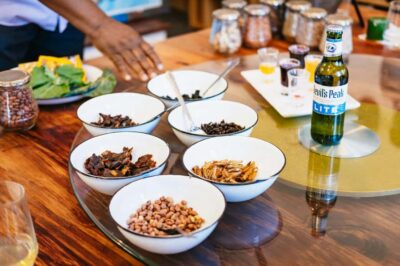
Cape Town: Authentic African Cuisine Cooking Experience
Read our review →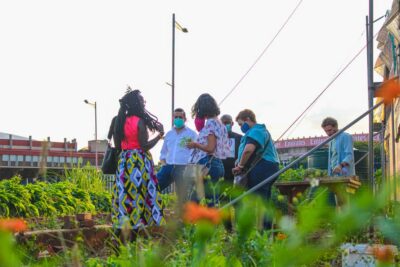
Johannesburg: Pan-African Cooking & Dinning Experience
Read our review →This kitchen also appears in