
Review · BUDAPEST
Hungarian Cooking and optional Local Market Tour
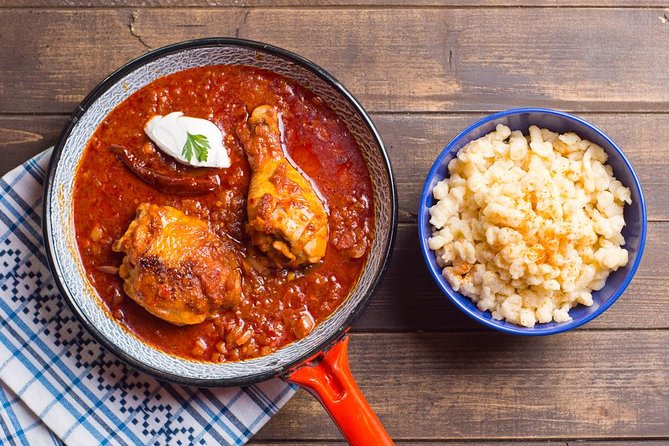
Hungarian food is at its best when you learn what goes into it, not when you simply order another plate of goulash. This experience takes you from market ingredients to a three-course meal, with goulash soup, chicken paprikash, nokedli, and apple strudel often on the menu. You cook, eat, and hear about Hungarian customs along the way.
I like the hands-on format and the chance to taste paprika, meats, cheeses, pastries, wines, and local spirits as part of the lesson. I also like the small-group feel, with a maximum of 15 people and occasional classes that turn out to be nearly private. The main caution is practical: the market option, transport, and class location have caused confusion for some participants, so read the final instructions closely.
Key points to know before booking
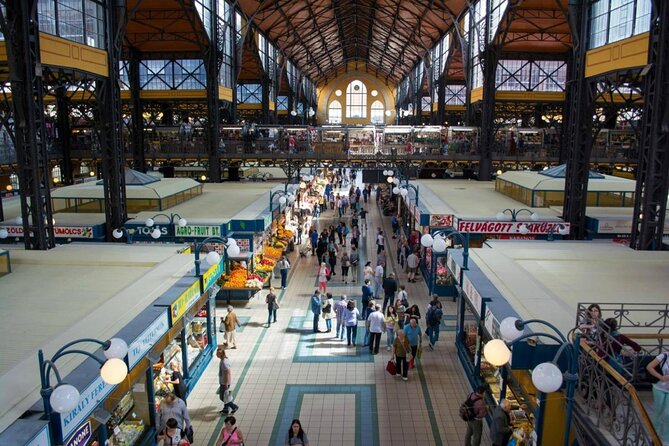
- Three dishes from scratch: You may prepare goulash soup, chicken or mushroom paprikash with fresh nokedli, and apple strudel.
- Central Market Hall option: The market visit offers tastings and advice about Hungarian paprika, produce, meat, cheese, and pastries.
- Several excellent instructors: Vesna, Bernadette, Brigitte, Betty, Adrienne, Sylvia, and others have led classes.
- Wine and spirits included: Local wine accompanies the meal, with pálinka tasting and sometimes a small Unicum tasting.
- Small groups help: The advertised maximum is 15, but some sessions have had only a few people.
- Check the return plan: The class can finish at Bécsi Street 27 in Buda or Páva Street 13 in Pest, and the advertised transport details may not always be clear.
From Central Market Hall to the cooking school
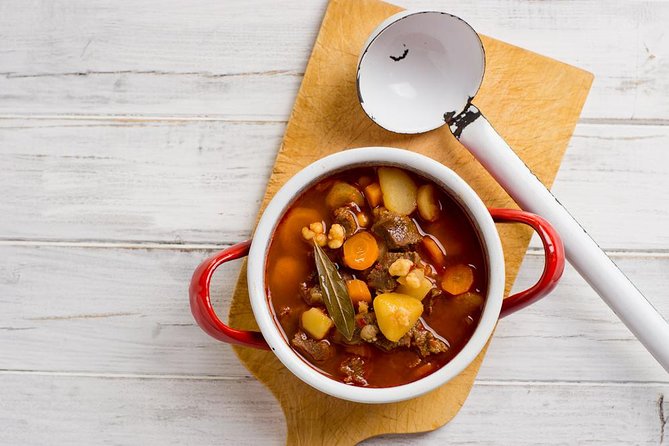
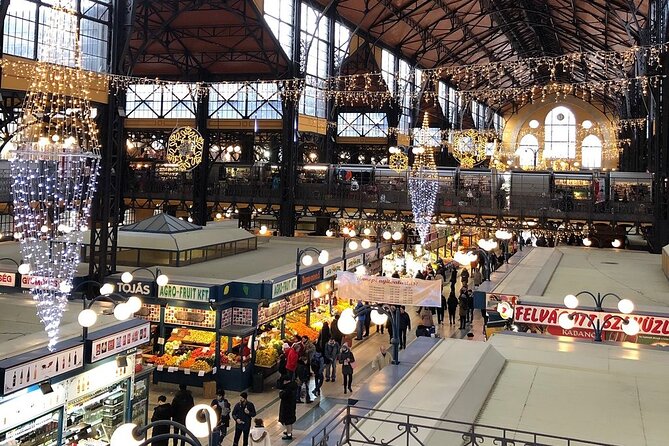
The optional market visit begins around Central Market Hall, Budapest’s grand indoor food market near the Danube. The itinerary also names Páva Street, so the exact order and meeting arrangements deserve attention when you book. The tour information lists Central Market Hall as the starting point, but the cooking school may be in a different part of town.
The market tour is not simply a quick walk past souvenir stalls. You can expect an introduction to everyday Hungarian ingredients, including paprika, fresh produce, cheeses, meats, pastries, and other foods used in the class. The most useful part is learning that similar products can vary in quality, and tasting a few examples before you buy.
This is especially handy if you plan to take home sweet paprika, spices, or Hungarian condiments. One participant bought the ingredients needed to make goulash and pörkölt at home, which is exactly the sort of practical souvenir I prefer to a decorative trinket.
Allow roughly an hour for the market portion when it is included. The visit may feel rushed if you want to shop, photograph the building, and follow the food talk at the same time. You might have enough time for small purchases, but do not treat this as a leisurely market-shopping morning. If buying ingredients matters to you, ask at the start when you will have time to stop.
A further point is that the guide’s advice can be quite direct. That can help you avoid poor-quality goods, but one participant felt the tour spent too much time explaining what not to buy. The best approach is to tell your guide clearly if you want time to shop, not just sample.
More Cooking Classes with a Market Tour in the world:
- Hanoi Cooking Class: Culture, Local Market & Meaning CSR Impact
★ 5.0 · 5,147 reviews - 5 Traditional Dishes Hanoi Cooking Class with Market Trip
★ 5.0 · 4,890 reviews - Cooking Class and Lunch at a Tuscan Farmhouse with Local Market Tour from Florence
★ 5.0 · 4,831 reviews
What happens on Páva Street and at Chefparade
After the market, you head to the cooking school. The supplied information gives two possible school addresses: Bécsi Street 27 in Buda or Páva Street 13 in Pest. The itinerary names Páva Street, while the meeting information names Central Market Hall, so do not rely on a general map pin alone.
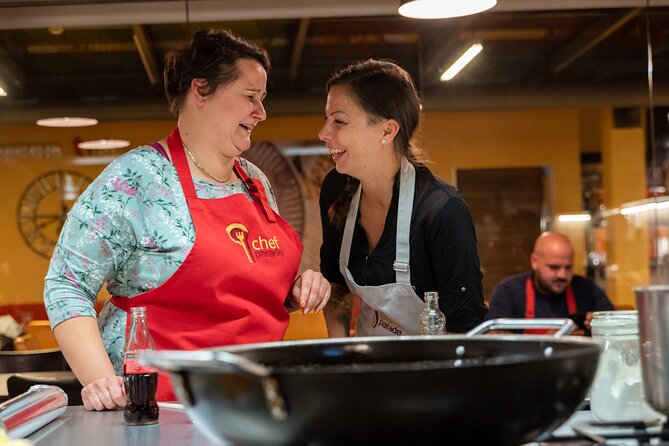
The school is described as well equipped, organized, and suitable for group cooking. You work with an English-speaking chef, and instructors named in the feedback include Vesna, Bernadette, Brigitte, Betty, Adrienne, Sylvia, Brigi, and others. The strongest praise goes to patient instruction, clear explanations, and a relaxed atmosphere.
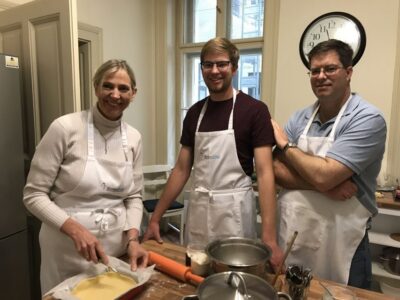
The class is not a demonstration where you sit back and watch someone else cook. You should expect to chop vegetables, prepare ingredients, make nokedli, work with pastry, and help cook the meal. The exact division of tasks can vary by group size and instructor. In some sessions, each person handled much of the preparation. In another, participants prepared portions of the recipes while the food was cooked in large pots for the group.
That difference matters. If you want a private lesson with every step performed individually, ask how the day’s class will be organized. The maximum group size is 15, but some sessions have been much smaller, including one that became a private class for two people. A small group gives you more time with the chef and makes it easier to ask questions.
The three-course Hungarian menu
The sample menu begins with goulash soup, a hearty beef and vegetable soup seasoned with paprika. It is a useful introduction to Hungarian cooking because the flavor depends on careful preparation rather than simply adding a lot of spice. You learn how vegetables, meat, stock, and paprika work together.
The main course is commonly chicken paprikash with nokedli, a soft Hungarian dumpling similar to spätzle. The dish is creamy, savory, and filling. One participant noted that the chicken needed steady attention while the sauce cooked, a good reminder that this is not a quick shortcut meal. The recipe takes time and care if you want the sauce and meat to come out properly.
A mushroom paprikash may replace the chicken option. This gives vegetarians a more substantial main course, although the tour notes that vegetarian meals must be requested in advance. Other allergy or religious dietary needs may be possible, but choices can be limited, so tell the operator when booking rather than waiting until you arrive.
Making nokedli from scratch is one of the most useful parts of the class. It is a simple technique that transfers well to home cooking, and you receive recipes to take with you. Several participants planned to repeat the dishes at home, which is a strong sign that the instruction is practical rather than merely entertaining.
Dessert is apple strudel, made with thin pastry and a sweet apple and cinnamon filling. Depending on the class menu, you may instead prepare palacsinta, a Hungarian pancake. The strudel is a fitting finish because it gives you a pastry project after the savory work. Extra strudel has sometimes been available to take home, though that should not be treated as guaranteed.
Eating, wine, pálinka, and Hungarian stories
The meal is served after the cooking, with local wine available during the class and lunch. Pálinka tasting is part of the experience as described, and some sessions have also included Unicum afterward. These drinks are part of the cultural explanation, not just add-ons, so expect the instructor to connect them with Hungarian food and hospitality.
You can also expect conversation about Hungarian life, family cooking, traditions, and the reasons behind certain methods. The best instructors make the food the doorway into culture. Betty, Vesna, Bernadette, Brigitte, and others were singled out for explaining not only what to do, but why an ingredient or technique matters.
That is where this experience earns its value. You are not simply given a recipe card and a plate of food. You get context for paprika, home-style cooking, local shopping, and the social side of a Hungarian meal. The class ends with everyone sitting down to eat what the group prepared, which makes the meal feel shared rather than staged.
The portions appear generous. One participant was still eating leftovers afterward, and several described the meal as among their best in Budapest. That does not mean your result will beat every restaurant in town, but cooking the food yourself changes how you taste it. You notice the sauce, the dumplings, and the pastry because you helped make them.
More cooking classes around the world:
- Half-Day Thai Cooking Class at Organic Farm in Chiang Mai
★ 5.0 · 19,087 reviews - Florence: Pasta Cooking Class with Unlimited Wine
★ 4.9 · 10,285 reviews - 3 in 1 Cooking Class near Navona: Fettuccine, Ravioli & Tiramisu
★ 5.0 · 7,376 reviews - Florence: Pasta & Tiramisu Cooking Class with Unlimited Wine
★ 4.9 · 6,708 reviews
The instructors make the difference
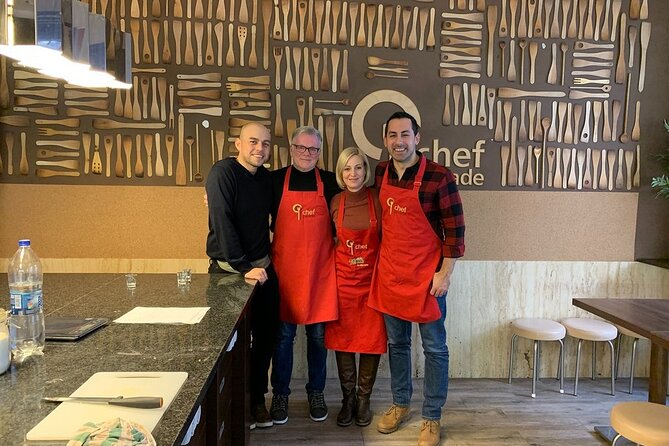
The experience depends heavily on the chef leading your session. Names that appear repeatedly include Vesna and Bernadette, with Brigitte, Betty, Sylvia, Adrienne, Brigi, and others also praised for teaching and hospitality.
Vesna is associated with both the market walk and the cooking class. Her role includes explaining local products, helping participants make choices, and guiding the hands-on work. Bernadette and Brigitte are praised for clear instruction and a friendly manner. Betty received especially strong praise for explaining technique in a way that could be used with other dishes at home.
You should expect the instructors to have different personalities and teaching styles. That is normal in a cooking school, and it can be a strength. Some people prefer lively storytelling, while others want close guidance at the stove. The common thread is that the class is conducted in English and designed for people who may not already know Hungarian cooking.
Late arrival is worth avoiding. One participant became lost and had to call the school, and the staff stayed in contact until the person arrived. That is reassuring, but it is still better to build in extra time, especially because the market and school can be in different parts of Budapest.
Price, group size, and the real value
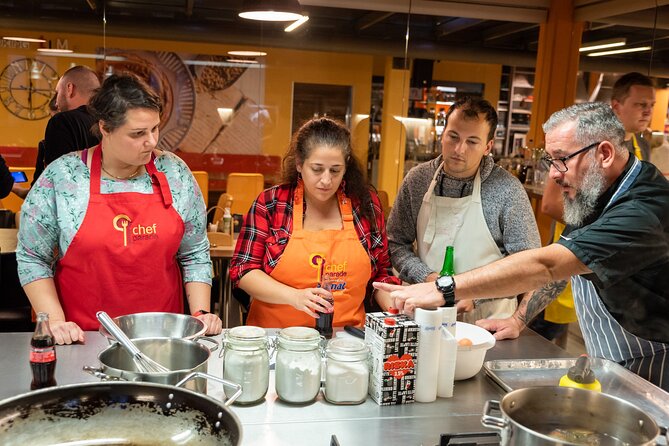
At $126.98 per person, this is not a cheap lunch. You are paying for roughly four hours of instruction, food, drinks, a possible market tour, and the chance to learn recipes you can repeat. The value is strongest if you enjoy cooking or want a useful connection to Hungarian culture, not if you only want a low-cost meal.
The price also needs to be judged against what is actually included in your booking. Some packages have included extras such as an apron, cookbook, or return taxi, while the basic option may not. The information about transport has not always been clear, and one group discovered that premium inclusions applied to some bookings but not others.
Ask specifically about:
- The exact cooking school address
- Whether the market tour is included in your selected option
- How you will return to central Budapest
- Whether an apron or cookbook is included
- Which menu will be prepared
- How dietary requests will be handled
At its best, the class offers a small-group lesson, a substantial meal, drinks, recipes, and a local market orientation. That is a fair package for someone who values participation. It is less attractive if you are mainly looking for a guided market visit or a polished restaurant-style lunch.
The main drawbacks to plan around
The clearest weakness is communication between the booking channel and the local cooking school. One participant paid for the market tour but arrived to a class where the market portion was not clearly recognized. The problem was eventually resolved, but the lost time and uncertainty affected the experience.
The second issue is transport. The cooking school may not be at the market, and the basic package may not include a taxi back to the starting point. In one difficult case, the group waited for a cab and shared a ride back. The operator later acknowledged that the wording about the end point could be confusing.
There can also be a difference between a relaxed, hands-on class and a tightly managed group session. Many sessions have been praised for personal attention, but one participant felt rushed, with the group preparing food in large pots and eating quickly before the next class. That may depend on the day, group size, and schedule.
None of these concerns cancels out the good cooking instruction, but they do make advance checking important. Confirm the details in writing and keep enough time afterward that a delayed taxi will not ruin your afternoon.
Who should book this Budapest cooking class
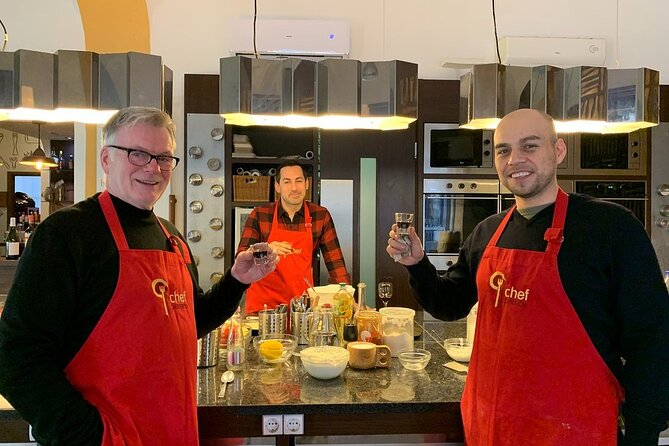
I would recommend it to you if you enjoy food, want to learn a few dishes you can make at home, and like meeting other people around a shared table. It suits couples, families with adult children, friends, and solo participants who are comfortable joining a small group.
It is also a good choice near the end of a Budapest visit. By then, you will recognize paprika, goulash, and paprikash on menus, and the class helps connect those dishes with the people and habits behind them.
You may want a different activity if your priority is an unhurried shopping trip, a private lesson, strict dietary control, or guaranteed door-to-door transport. The market add-on is useful, but it is not a full morning of independent shopping.
The class is recommended by 93 percent of participants and carries a 4.7 rating from 98 reviews. Those numbers fit the overall picture: the cooking, instructors, food, and cultural conversation are usually the strongest parts, while the main risks involve package details and transport.
Should you book it?
Book this experience if you want to cook Hungarian food rather than simply eat it. The goulash, paprikash, nokedli, and strudel lesson gives you something lasting to take home, especially when the chef explains the reasons behind each step.
I would add the market tour if you care about ingredients and can accept a fairly brisk visit. Before paying, confirm the school address, return arrangements, market inclusion, and any premium extras. With those points clear, this is a thoughtful and tasty way to spend four hours in Budapest.
FAQ
How long does the Hungarian cooking experience last?
The experience lasts approximately four hours, including the cooking and meal. The optional market visit forms part of the overall outing.
Where does the tour begin?
The listed starting point is Central Market Hall in Budapest, 1093 Hungary. The itinerary also names Páva Street, so check the final meeting instructions carefully.
Where does the experience end?
The class ends at the cooking school. The listed possible school locations are Bécsi Street 27 in Buda or Páva Street 13 in Pest.
What dishes might I prepare?
The sample menu includes goulash soup, chicken paprikash with nokedli, and apple strudel. A mushroom paprikash may replace the chicken, and some sessions have prepared palacsinta or creamy potato soup instead.
Is a vegetarian menu available?
Yes. A vegetarian menu is available upon request. Allergy and religious dietary options may be limited, so provide your requirements when booking.
Are drinks included?
The experience includes local wine while you cook and eat, along with a little pálinka tasting. Some sessions have also served Unicum afterward.
What is the cancellation policy?
You can cancel up to 24 hours before the start time for a full refund. Cancellations or changes made less than 24 hours before the experience are not accepted for a refund.
New cooking classes around the world
- Shinjuku Tokyo: Authentic Japanese Home-Style Culinary Class★ 4.9 · 125 reviews
- Shibuya Tokyo: Onigiri & Tamagoyaki Cooking Class★ 5.0 · 4 reviews
- M.O.M COOKING CLASS★ 4.8 · 6 reviews
- Seville: Paella-Cooking Experience with Sangria & Full Meal★ 4.9 · 42 reviews
- Shanghai: Authentic Chinese Cooking Class with Master Chef★ 5.0 · 2 reviews
- Sestri Levante: Pesto & Cooking Classes, Wine Tasting★ 4.9 · 56 reviews
- Seville: Paella Cooking Class & 30-Min Local Expert Q&A★ 4.8 · 37 reviews
- Seoul: Premium Korean Feast Cooking Class★ 5.0 · 3 reviews
Budapest Cooking Classes, side by side.
Budapest Cooking Class & Market Tour with Local Guide & Wines
Read our review →
Premium Hungarian Home Cooking Experience with Chef Marti
Read our review →
Budapest: Small-Group Cooking Class & Market Tour with Local
Read our review →
Hungarian Premium Cooking Class with 4-course meal
Read our review →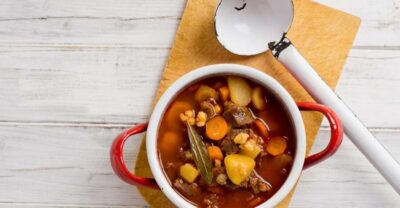
Budapest: Cooking School – Hungarian Menu & Local Market
Read our review →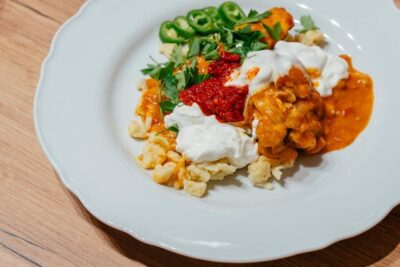
Budapest: Hungarian Cooking Class – Foodapest™ 2025
Read our review →This kitchen also appears in