
Review · JAPAN
Okinawa: Traditional Cooking Class at Ufuyaa
The best part of this Ufuyaa cooking class is that you do not simply watch an Okinawan meal being prepared. You handle the ingredients, follow family-style recipes, and learn why dishes such as Goya Champuru and Rafute belong on the island’s table. I like the use of fresh seasonal produce, and I like the chance to hear local stories in a traditional Okinawan house.
A second strength is the relaxed, practical teaching. Step-by-step guidance in English makes the class friendly for beginners, and vegetarian dishes can be arranged in advance. The main drawback is simple: transportation is not included, so you must make your own way to 59, Sesoko Island, and alcoholic drinks cost extra.
Key points to know before booking
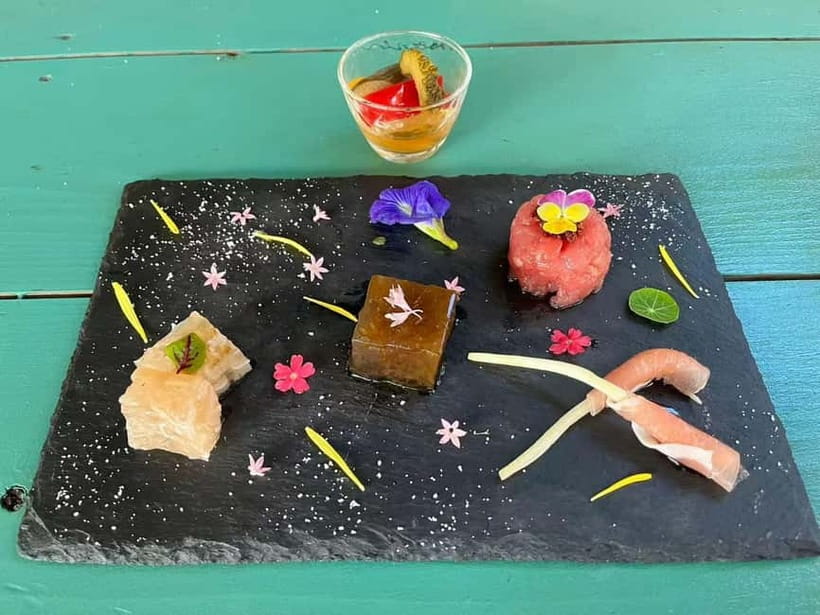
- Four Okinawan dishes in one session: The menu can include Goya Champuru, Rafute, Jiimami Tofu, and Aasa Soup.
- A traditional house, not a standard cooking studio: The setting gives the meal a stronger connection to local life.
- Fresh island ingredients: Seasonal produce helps you understand how Okinawan cooking changes with what is available.
- Practical English guidance: No previous cooking experience is needed, and language support is also available in Chinese, Traditional Chinese, and Japanese.
- A meal you help create: You sit down to enjoy the food after preparing it, rather than leaving with a few small samples.
- Sesoko Island location: Meet and finish at 59, Sesoko Island, Okinawa. Plan your transport before booking.
Cooking Okinawan food inside a traditional home
Ufuyaa offers a useful change of pace from sightseeing. Instead of moving from one attraction to another, you spend time in one place and learn how Okinawan food fits into everyday culture. The class takes place in a traditional Okinawan house, where the surroundings help put the cooking into context.
That setting matters. Okinawan cooking is not just a list of recipes. Ingredients, seasons, family habits, and local history all shape the food. Preparing a dish in a home-style setting makes those connections easier to grasp than reading a short explanation on a menu.
The local instructors guide you through each stage. You do not need to arrive with knife skills or experience in Japanese cooking. The instructions are broken into clear steps, and the class is designed to work for solo visitors, couples, families, and groups of friends.
You may also learn a few Okinawan words along the way. These small details give the class a local feel without turning it into a formal lecture. The focus stays on cooking, eating, and talking.
More cooking classes around Japan:
- Ramen Cooking Class at Ramen Factory in Kyoto
★ 5.0 · 1,937 reviews - Ramen & Gyoza Cooking Class in Tokyo with Local Supermarket Visit
★ 5.0 · 823 reviews - Kyoto: Ramen Cooking Class at a Ramen Factory with Souvenir
★ 4.9 · 532 reviews
What you cook: four useful introductions to Okinawan flavor
The menu introduces several different sides of Okinawan food. Each dish uses its own texture and seasoning, so you get more than one narrow taste of the island.
Goya Champuru and the taste of bitter melon
Goya Champuru is one of Okinawa’s best-known home dishes. It brings together bitter melon with other ingredients in a simple stir-fried preparation. The bitter flavor can surprise you, especially if you have not eaten goya before, but that is part of the point. The class helps you understand how a strong local ingredient becomes part of a balanced meal.
Cooking it yourself also makes the texture easier to appreciate. You see how the ingredient is prepared and how it works with the rest of the dish. If you enjoy trying foods that are closely tied to place, this is likely to be one of the most memorable parts of the class.
Rafute and slow-cooked pork
Rafute is braised pork belly, a rich and comforting dish with a very different character from Goya Champuru. It shows the slower side of Okinawan cooking. You learn how a familiar cut of meat can become tender and full of flavor through careful preparation.
Because Rafute is heavier than the vegetable dishes, it helps give the menu balance. You are not making several versions of the same thing. You are building a meal with contrasting tastes and textures.
Same kitchen, a different dish:
- Sushi Making Osaka! Popular Sushi Class in Japan!
★ 5.0 · 500 reviews - Kyoto: Ramen, Gyoza, and Onigiri Cooking Class
★ 5.0 · 445 reviews - Tokyo Tsukiji Fish Market Tour and Sushi Making Lesson
★ 5.0 · 390 reviews - Kyoto: Japanese Washoku Bento Small Group Cooking Class
★ 5.0 · 380 reviews
Jiimami Tofu and local ingredients
Jiimami Tofu is made from peanuts, giving it a distinct flavor and soft texture. It is a good example of how Okinawan cooking uses ingredients in ways that may be unfamiliar to visitors from outside Japan.
This is also where the explanation of local produce becomes useful. You learn not only what goes into the dish, but why certain ingredients matter. If you have food allergies or dietary restrictions, ask about the menu before booking and request vegetarian options in advance.
Aasa Soup and sea vegetables
Aasa Soup introduces another local ingredient and a lighter style of cooking. Aasa is a sea vegetable used in Okinawan cuisine, and the soup offers a gentler contrast to the pork and stir-fried dishes.
Together, these four foods create a well-rounded lesson. You get vegetables, pork, peanuts, and sea ingredients, with different cooking methods across the menu. The exact menu may depend on seasonal ingredients, so think of these dishes as the main examples rather than an absolute guarantee for every session.
Fresh ingredients and the small details that make the class special
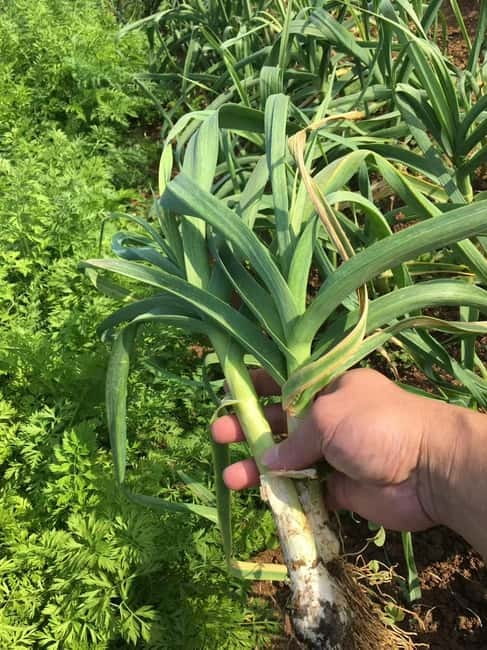
The cooking uses fresh, seasonal island ingredients. That is important for more than flavor. It gives you a practical look at how Okinawan households work with what is available at different times of year.
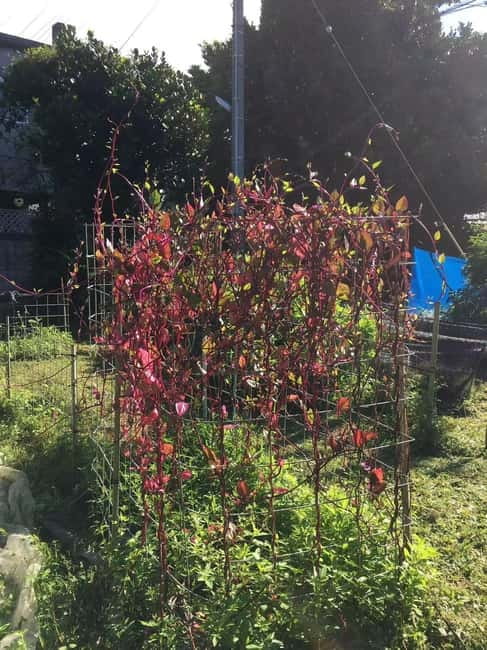
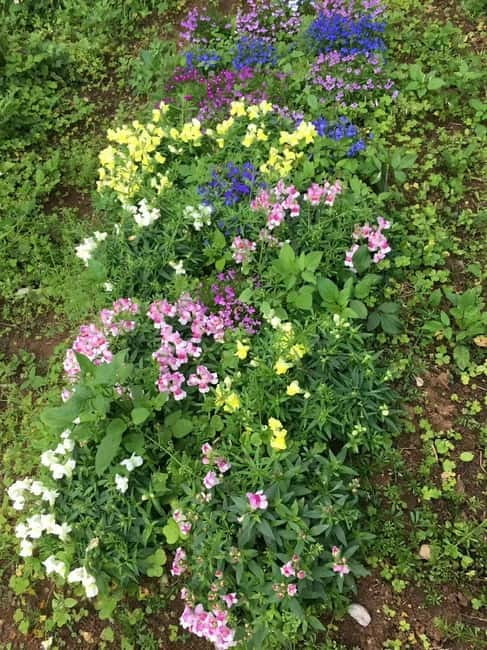
One especially appealing possibility is helping pick some ingredients yourself. This was part of one session, but it may not happen every time. If available, it makes the cooking feel more connected to the garden and the house rather than something prepared entirely in advance.
There is also a wonderfully simple local trick involving freshly cut lemongrass. During one session, lemongrass from the garden was used to help keep mosquitoes away. It is a small detail, but it captures the informal nature of the class. You are learning food customs while also seeing how island residents make practical use of what grows around them.
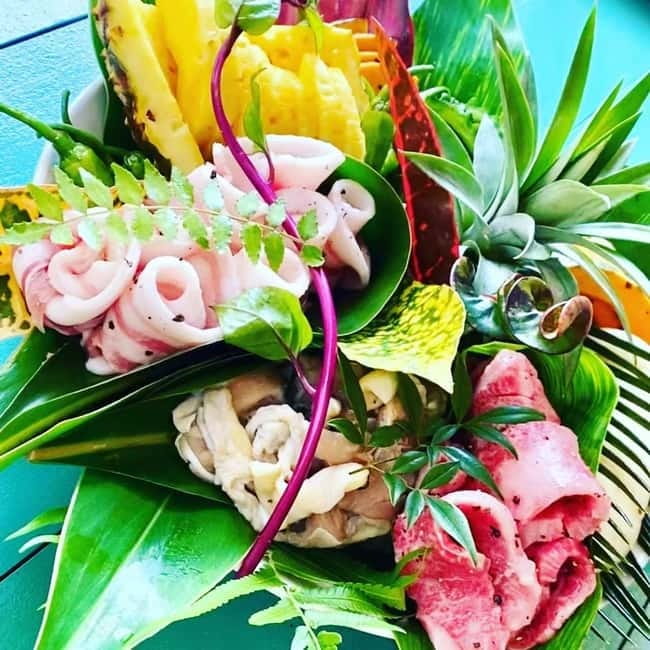
The menu can include four different dishes, so the class has enough variety to feel like a full meal. You are not just assembling one recipe and leaving. You help prepare several foods, then enjoy what you have made in a pleasant setting.
From instruction to shared meal
The session follows a natural rhythm. You arrive at the meeting point, settle into the traditional house, and begin with an introduction to the ingredients and dishes. The local instructors then lead you through the preparation, one step at a time.
Expect to do real work rather than simply stand nearby. You may chop, mix, season, and help with the various stages of preparation. The exact tasks depend on the menu and the pace of the group, but the format is hands-on by design.
As you cook, the instructors explain the meaning of the dishes and the role of local ingredients. This is where the class becomes more than a recipe lesson. You begin to see how food connects with Okinawan hospitality, seasonal habits, and family cooking.
After the preparation, you eat the finished dishes together. Non-alcoholic drinks are included in the price. Alcoholic drinks are available at an additional charge, so budget accordingly if you hope to pair the meal with beer, awamori, or another alcoholic drink.
The shared meal is a strong part of the experience. Cooking gives you something to do together, while eating gives you time to talk with the hosts and ask questions. The atmosphere is likely to feel more personal than a large commercial food demonstration.
Why the local stories matter

A cooking class can become forgettable if it only teaches measurements and motions. Ufuyaa adds value by explaining the stories and meanings behind the food.
You may learn why certain ingredients are common in Okinawa, how dishes fit into local life, and how recipes have been passed through families. The information is tied to what you are preparing, so it should feel practical rather than academic.
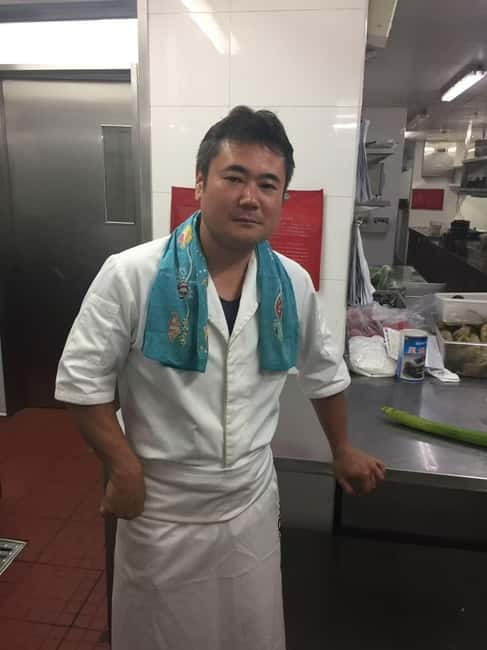
The instructors are local people who enjoy sharing family recipes and stories. Specific guide names are not provided, but the class is hosted by local instructors rather than a remote demonstration team. That gives you a chance to ask direct questions about the island’s food and customs.
For many visitors, this personal exchange will be the most valuable part. A recipe can be recreated at home, but the conversation about how food is chosen, prepared, and shared is harder to find elsewhere.
English support and dietary needs
The class is suitable for beginners. English guidance is available, and interpreters or language support are offered in English, Chinese, Traditional Chinese, and Japanese. You should still feel free to ask for a demonstration if a cooking term or instruction is unclear.
The activity is not presented as a professional culinary course. You are there to learn approachable home cooking, not to master restaurant techniques. That makes it a good choice if you want a relaxed cultural activity rather than a demanding kitchen workshop.
Vegetarian options are available upon request. Make that request before the session so the menu can be planned properly. The supplied information does not specify vegan, gluten-free, allergy-safe, or other special menus, so ask directly if you have needs beyond vegetarian food.
Comfortable clothing is sensible. Cooking can involve splashes, heat, and movement, and you will be more comfortable in clothes that let you work easily. Bring a camera if you want to record the food, the house, or the garden, but do not let photographs replace your attention during the preparation.
The $57 price and what you receive
At $57 per person, the class is priced as a full cultural meal and lesson rather than a quick tasting. Your fee includes the hands-on cooking activity, local instruction, use of fresh seasonal ingredients, the traditional house setting, and non-alcoholic beverages.
I see the strongest value in the combination of learning and eating. You leave with recipes and techniques you can try at home, along with a clearer sense of Okinawan ingredients. A restaurant meal might let you taste Rafute or Goya Champuru, but it would not show you how the dishes come together.
The price is less appealing if you only want a short food sample or if you are already familiar with Okinawan cooking. It also does not cover your transportation to Sesoko Island or personal expenses. Alcohol costs extra.
For a couple or small group, the shared preparation can justify the cost. Families may also find it useful because the class gives everyone a task and a reason to talk. Solo visitors can join as well, though the social value will depend on the group and the interaction with the hosts.
Getting to 59, Sesoko Island
The meeting point is 59, Sesoko Island, Okinawa, Japan. The activity begins and ends at this same address, so you should organize transportation before the day of the class.
No transportation is included. The information provided does not specify a shuttle, pickup service, parking arrangement, or public transport directions, so confirm the best way to reach the address when you book.
Morning and afternoon sessions are available. This gives you some flexibility when fitting the class around other plans, but you should choose a time that allows you to arrive without rushing. Cooking is more enjoyable when you are not watching the clock.
The class is also a good anchor for a quieter day on Sesoko Island. Since the activity takes place at one address and includes food preparation, it works best when you treat it as a main part of your schedule rather than a quick stop between distant attractions.
Who will enjoy Ufuyaa most
I would recommend this class to anyone who wants a personal introduction to Okinawa through food. It works especially well for:
- First-time visitors who want more than sightseeing
- Couples looking for a shared activity
- Families who enjoy practical, hands-on experiences
- Solo visitors who like meeting local hosts
- Food lovers curious about bitter melon, sea vegetables, and peanut-based tofu
- Beginners who want clear instruction rather than a technical cooking course
It may be less suitable if you need guaranteed transport, dislike group activities, or want a menu with every dish confirmed in advance. Seasonal ingredients are part of the appeal, but they also mean the final dishes may vary.
The experience also requires a little openness. Okinawan flavors can be unfamiliar, especially the bitterness of goya and the texture of Jiimami Tofu. That is a reason to take the class, not a problem, but picky eaters should keep it in mind.
Should you book this Okinawan cooking class?
Book Ufuyaa if you want to spend time with local people, prepare a proper meal, and understand the island through its ingredients. The chance to work with seasonal produce, learn four different dishes, and eat the results in a traditional house gives the $57 price solid value.
I would make the booking after checking two things: your transportation to 59, Sesoko Island, and any dietary requirements. If both are manageable, this is a warm, practical way to add local food and conversation to your Okinawa plans. If you only want a quick taste or need a fully fixed menu, choose a simpler food stop instead.
FAQ
Where does the Okinawan cooking class take place?
The class takes place at Ufuyaa at 59, Sesoko Island, Okinawa, Japan.
Does the class include transportation?
No. Transportation to the location is not included, and you must arrange your own way to 59, Sesoko Island.
What dishes can I learn to cook?
The class can include Goya Champuru, Rafute, Jiimami Tofu, and Aasa Soup. The menu uses seasonal ingredients, so the exact dishes may vary.
Do I need cooking experience?
No. Previous cooking experience is not required. The instructors provide step-by-step guidance.
Is the cooking instruction available in English?
Yes. Guidance is available in English. Language support is also offered in Chinese, Traditional Chinese, and Japanese.
Are vegetarian options available?
Yes. Vegetarian options are available upon request. Ask for them before the class.
Are drinks included?
Non-alcoholic beverages are included in the price. Alcoholic beverages cost extra.
What should I bring?
Bring comfortable clothes and a camera if you would like to take photographs.
Can I choose a morning or afternoon session?
Yes. Sessions are available in both the morning and afternoon.
New cooking classes around Japan
- Shinjuku Tokyo: Authentic Japanese Home-Style Culinary Class★ 4.9 · 125 reviews
- Shibuya Tokyo: Onigiri & Tamagoyaki Cooking Class★ 5.0 · 4 reviews
- Ramen Making from Scratch +Akihabara Tour –Cooking Class★ 5.0 · 25 reviews
- Okonomiyaki&Takoyaki for Families:Osaka Street Food Festival★ 5.0 · 4 reviews
- Osaka Sake Tasting with Takoyaki Cooking★ 5.0 · 156 reviews
- Osaka: Sashiko Japanese Craftsmanship Workshop★ 5.0 · 31 reviews
- Osaka: Japanese Cooking Class with Matcha Experience★ 5.0 · 4 reviews
- Osaka Okonomiyaki Cooking Experience for Families & Groups★ 4.9 · 8 reviews
Japan Cooking Classes, side by side.
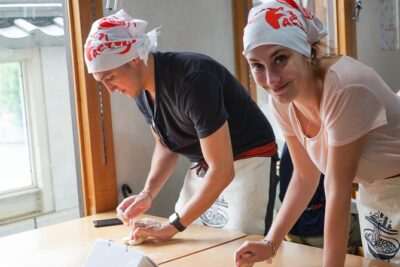
Ramen Cooking Class at Ramen Factory in Kyoto
Read our review →
Ramen & Gyoza Cooking Class in Tokyo with Local Supermarket Visit
Read our review →
Sushi Making Osaka! Popular Sushi Class in Japan!
Read our review →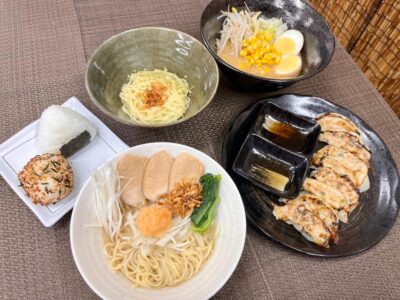
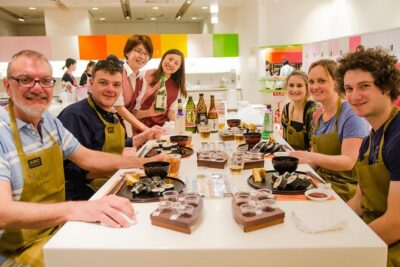
Tokyo Tsukiji Fish Market Tour and Sushi Making Lesson
Read our review →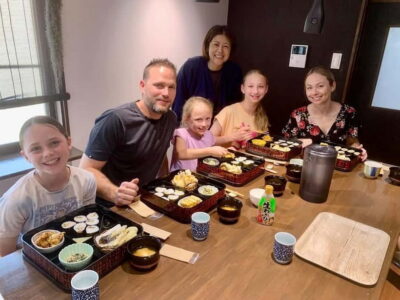
Kyoto: Japanese Washoku Bento Small Group Cooking Class
Read our review →
Osaka: Ramen and Gyoza Cooking Class in Dotonbori
Read our review →
Tokyo: Easy Ramen Cooking Experience in Kabukicho, Shinjuku
Read our review →This kitchen also appears in