
Review · SEOUL
Seoul: Kimchi Dishes Cooking Class with Wine Pairing
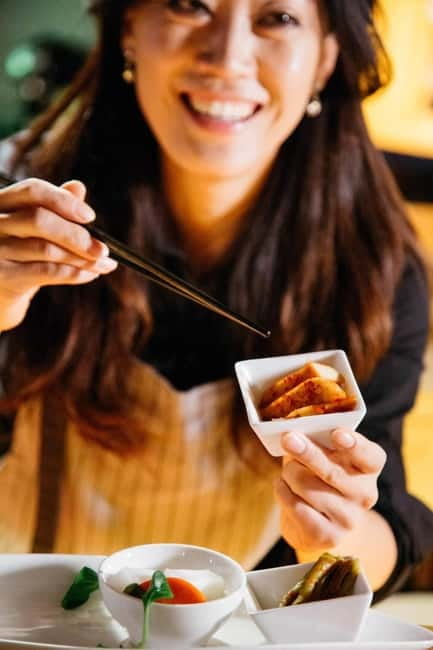
The best part of this Seoul class is that kimchi gets treated as more than a side dish. Suyeon, a former wine bar owner and sommelier, explains four kinds of kimchi, then shows you how to turn them into easy dishes you can make at home. The meal finishes with her slow-cooked aged kimchi and braised pork belly.
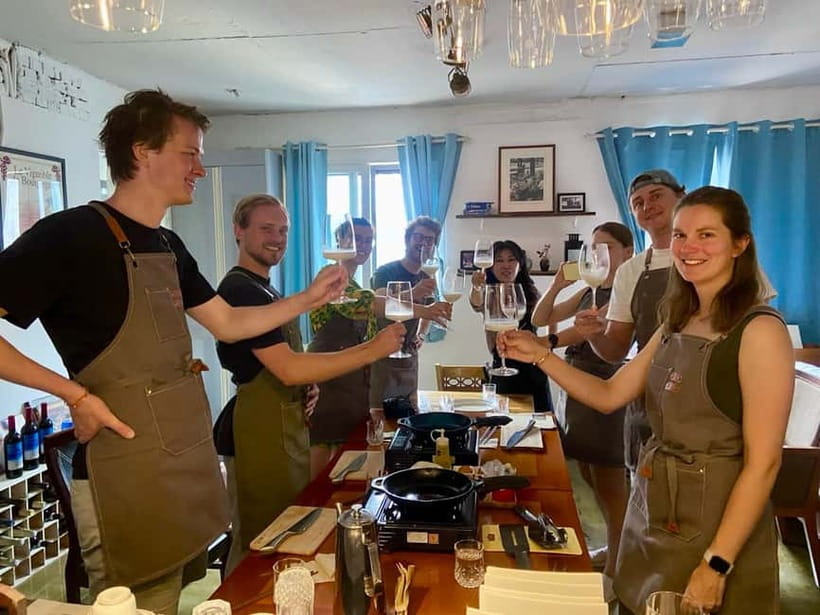
I like the small six-person limit and the practical recipes. I also like the setting: the studio is about five minutes from Gyeongbokgung Palace, so you can pair palace sightseeing with a relaxed food lesson. The main consideration is the adult-only format and the compact two-hour schedule. You will cook one main recipe, though the exact mix of dishes can change with the group.
Key points to know before booking
- Taste four styles of kimchi: Compare cabbage, white, radish, and aged kimchi before cooking.
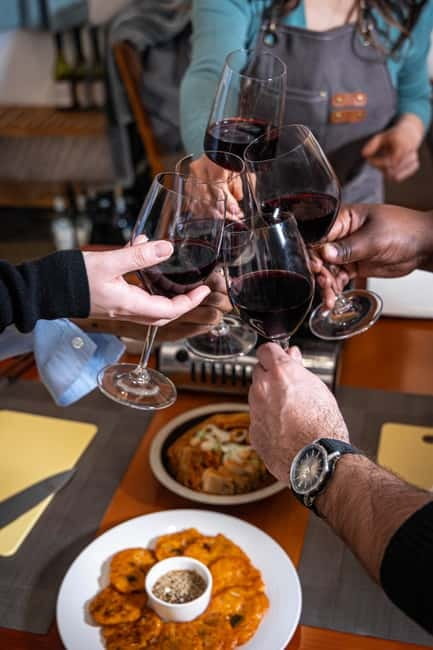
- Learn from a sommelier: Suyeon explains how wine works with kimchi’s spice, acidity, and fermented flavors.
- Choose a hands-on dish: Make a kimchi pancake, white kimchi noodles, or radish-bacon stir-fried rice.
- Try the host’s specialty: Aged kimchi with braised pork belly is prepared in advance because it takes too long for beginners.
- Keep the plan compact: The English-language class lasts two hours and accepts no more than six participants.
- Pair it with palace sightseeing: Gyeongbokgung Station and the palace are close to the cooking studio.
Why this kimchi class is different
Many Korean food classes focus on making kimchi itself. This one takes a different route. You taste several kinds, learn how they differ, and then use kimchi as a cooking ingredient in familiar, manageable dishes.
That distinction matters. Fermenting a batch of kimchi properly takes time, space, and some planning. A beginner may not want to spend a short Seoul visit chopping a large amount of cabbage and waiting for fermentation. Here, you get the flavor lesson and the useful cooking ideas without having to make a large jar from scratch.
The class also gives kimchi a place beside wine. That is an unusual pairing for many visitors, and it gives the session a clear point of view. Suyeon’s background as a sommelier means you are not simply handed a glass with your meal. You learn why a particular wine can work with salty, sour, spicy, or fermented food.
At $58 per person, this is not the cheapest meal you can find in Seoul. It is a reasonable price if you value instruction, a small group, several tastings, a cooked meal, and the chance to ask questions in English. If you only want to eat kimchi, a restaurant will cost less. If you want to understand it and take home a few recipes, the class makes better sense.
More Korean Cooking Classes around Seoul:
- Local Home Korean Cooking Class & Market Adventure in Seoul
★ 5.0 · 1,024 reviews - Master Korean traditional cooking with a Kimchi chef
★ 5.0 · 385 reviews - Seoul: Korean Cooking Class at a Local Home and Market Tour
★ 5.0 · 348 reviews
Finding the studio near Gyeongbokgung
The meeting point is a cooking studio close to Gyeongbokgung Palace. From Exit 2 of Gyeongbokgung Station, walk straight for about 200 meters, then turn left at Woori Bank. Pass the bar called Cham and look for the building with Cuisine La Cle restaurant on the first floor. The studio is on the third floor.
This is an easy stop to add to a palace day. You can visit Gyeongbokgung first, then walk to the class while the palace buildings and nearby streets are still fresh in your mind. The host also recommends combining the experience with the palace and the Museum of Contemporary and Modern Art.
Give yourself enough time to find the correct building. The studio is upstairs, and the directions depend on visible local businesses. If you are coming straight from another part of Seoul, allow a little extra time rather than arriving breathless with a cooking class already underway.
The location is also useful after the class. The area has bars nearby, though the shared meal should leave you well fed. One practical advantage of the small venue is that the experience feels more like an intimate kitchen gathering than a large demonstration.
First taste: four kinds of kimchi
The session begins with tasting, not chopping. This is smart teaching. Before you cook with kimchi, you need to notice that the word covers more than one flavor and texture.
You taste four types:
- Cabbage kimchi, the familiar spicy fermented cabbage
- White kimchi, a milder version without the same red pepper punch
- Radish kimchi, with a firmer bite and a different texture
- Aged kimchi, which has had more time to develop a stronger, deeper sourness
The point is comparison. Cabbage kimchi may be the style most people recognize, but white kimchi shows how Korean fermentation can be gentle as well as hot. Radish kimchi changes the texture of a dish, while aged kimchi is especially useful in cooked recipes because its bold flavor can stand up to pork, rice, and heat.
Suyeon explains the food’s place in Korean cooking and culture as she leads the tasting. The class is not just a list of ingredients. You learn how age and type affect the way kimchi works at the table.
This opening portion is especially helpful if you have only tried kimchi as a small side dish. You begin to see it as an ingredient with several uses. Pay attention to the differences in sourness and crunch, since those details help you understand why one recipe calls for a certain style rather than another.
Choosing your hands-on recipe
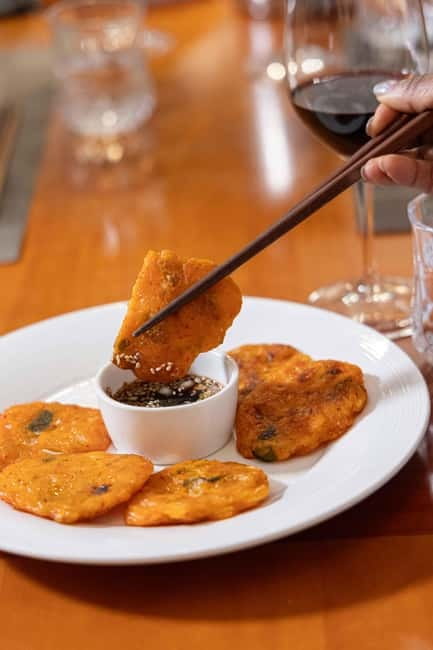
The cooking portion gives you a choice among three dishes. The options are designed to be approachable, and the recipes use kimchi in ways that are practical for a home kitchen.
More Cooking Classes with Wine Tasting in Seoul:
- Florence: Pasta Cooking Class with Unlimited Wine
★ 4.9 · 10,285 reviews - Florence: Pasta & Tiramisu Cooking Class with Unlimited Wine
★ 4.9 · 6,708 reviews - Florence: Pasta Cooking Class with Unlimited Wine
★ 5.0 · 6,413 reviews - Rome: Pasta Making Class with Wine, Limoncello, and Dessert
★ 4.9 · 3,177 reviews
Kimchi pancake
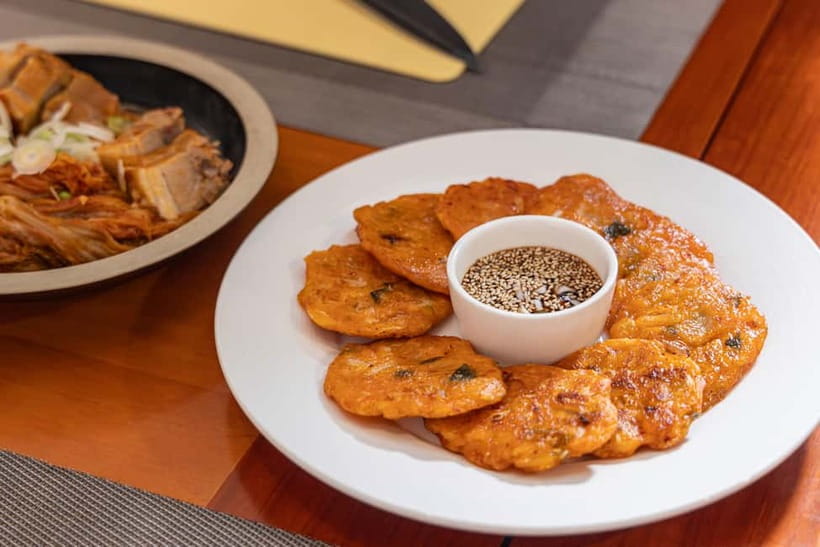
Kimchi pancake is likely the most instantly familiar option. The batter brings the kimchi together in a crisp, savory dish, and it gives you a clear lesson in balancing moisture and texture.
This is a good pick if you want a dish that works as a snack, light lunch, or shared starter. The kimchi provides seasoning, so the recipe also shows how a few simple ingredients can carry plenty of flavor.
White kimchi noodles
White kimchi noodles offer a quieter contrast to the red, spicy style. The dish lets the mild kimchi come forward, and the noodles provide a different base from the pancake or rice.
Choose this if you want to understand how kimchi can be refreshing rather than fiery. It is also a useful recipe for anyone who enjoys noodle dishes and wants an easy way to bring Korean flavor into meals at home.
Radish-bacon stir-fried rice
The radish-bacon stir-fried rice is the heartier option. It pairs the bite of radish kimchi with bacon and rice, making a filling dish with a clear savory profile.
This is the best choice if you want something close to a full comfort-food meal. It also demonstrates how older or stronger kimchi can be folded into a hot rice dish rather than served cold on the side.
The class may prepare slightly different combinations depending on how many people attend. You should not assume every session will follow exactly the same menu. That flexibility is useful for a small group, but it means you should treat the three options as the working plan rather than a rigid promise that every dish will be made by every participant.
The specialty dish: aged kimchi and pork belly
One dish is handled by Suyeon: aged kimchi with braised pork belly. It is prepared in advance because the pork takes time and the method is more difficult for beginners.
That choice improves the class. You still taste a dish that would be hard to fit into a two-hour lesson, without spending most of the session watching meat cook. The combination also shows why aged kimchi matters. Its stronger, more developed flavor can match the richness of pork belly.
The prepared dish is served with the food made by the group. This creates a shared meal rather than a series of isolated cooking tasks. You can compare your own recipe with the host’s specialty and see how the same central ingredient changes from one preparation to another.
Wine pairing with Korean fermented flavors
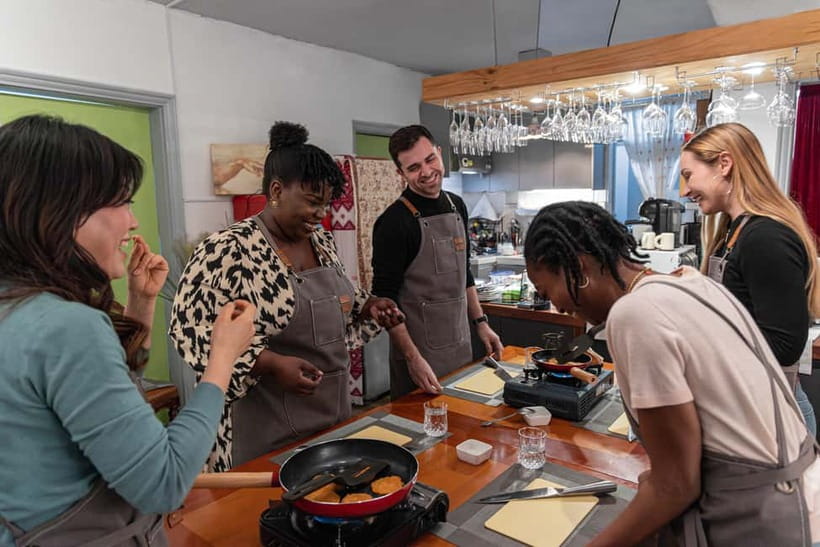
The wine portion gives the class its most distinctive angle. Kimchi can be salty, sour, spicy, fermented, and sometimes sweet or fruity. Those qualities can make pairing tricky, especially with a full-bodied wine that competes with the food.
Suyeon selects the wine and explains the match. Her former wine bar experience gives the tasting a practical focus: you learn how the drink interacts with what is on the plate, not just what the bottle tastes like on its own.
The pairing is served with the shared meal, so you can test it while eating. Notice how the wine changes the sensation of heat and acidity. The lesson is useful beyond this class because it gives you a way to think about pairing Korean dishes at home.
The main description centers on wine, but some individual sessions have included makgeolli, including a yuja makgeolli pairing. If the exact drink matters to you, confirm the current pairing when you book. The experience remains focused on matching Korean flavors with a carefully selected drink.
A small group makes the lesson work

The group limit is six people. That is an important detail, not just a nice extra. Cooking instruction becomes much less useful when you are standing behind a crowd and watching someone else handle every step.
With a small group, you have a better chance to ask about ingredients, cooking methods, spice levels, and substitutions. Suyeon can also adjust her explanations to the people in the room. The class has been run for only two participants during a quiet period, and all three dishes were made with them.
The small setting also supports conversation. Several parts of the experience connect food with Korean culture and personal stories, and the format leaves room for that exchange. If you enjoy meeting other people over a meal, this is a strength. If you prefer to cook entirely alone, the shared format may feel less private.
English is the teaching language. The host guides you through the tasting, preparation, and meal in English, which makes the cultural and food explanations easier to follow.
What you take home from the class
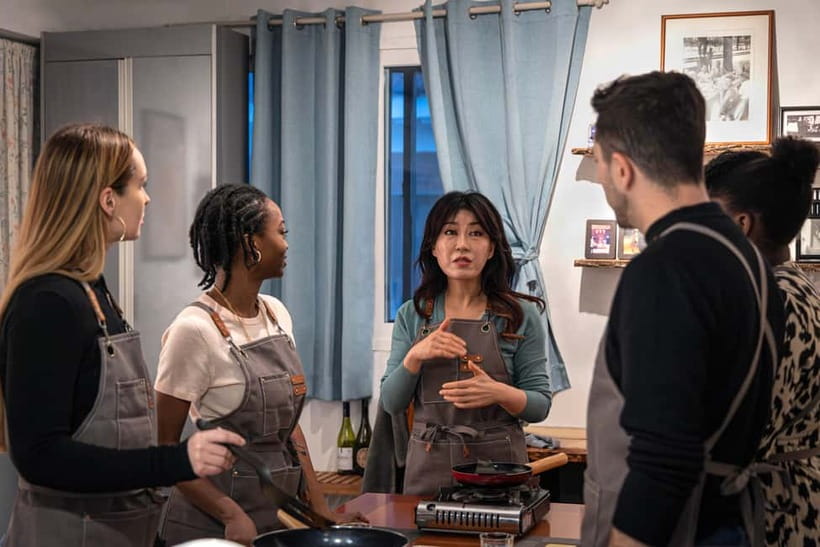
The most useful result is not a packet of ingredients. It is a new way to use kimchi.
You learn at least one recipe in detail, and the dishes are intended to be simple enough to recreate with friends or family. The recipes are not presented as restaurant tricks that require specialist equipment. They give you a practical starting point for kimchi pancake, white kimchi noodles, or radish-bacon rice.
You also leave with a better sense of which kimchi to choose. A mild white kimchi may suit a cold noodle dish, while a stronger aged kimchi may be better for a rich pork or rice recipe. That distinction can make your future Korean food shopping more interesting and less of a guess.
The cultural context adds value, too. The host explains the history and traditions connected with kimchi rather than treating it as a fashionable condiment. You get a clearer picture of why it is such a central part of Korean meals.
The two-hour pace and possible drawbacks
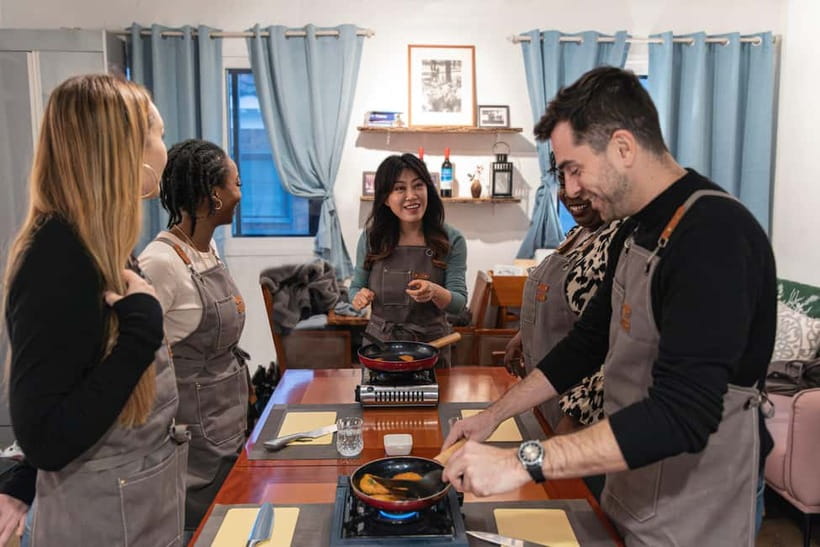
Two hours is long enough for a tasting, a hands-on recipe, the prepared pork dish, and a glass of wine. It is short enough to fit neatly into a day of sightseeing.
The tradeoff is that this is not a full course in fermentation. You taste and cook with kimchi, but you should not book it expecting to prepare and ferment a large batch from beginning to end. The focus is on easy dishes and pairing.
You also cook one selected dish rather than completing a full menu alone. The group may make several dishes together, and everyone shares the results, but the exact cooking assignments can vary.
The adult-only rule is firm in the supplied details, with children under 18 not suited to the activity. That makes it a better fit for adult couples, friends, solo participants, and small groups who want food conversation with their meal.
Cancellation is flexible: you can cancel up to 24 hours ahead for a full refund, and you can reserve now and pay later. Starting times depend on availability, so check the schedule before building the rest of your palace day around it.
Who should book this experience?
I would choose this class if you want more than a quick Korean meal and you enjoy learning by tasting and doing. It suits people who like small groups, cultural conversation, and recipes that can be repeated at home.
It is particularly good after Gyeongbokgung Palace. You can spend the morning with royal architecture, then switch to a kitchen lesson a short walk away. The two activities give you different ways to understand Seoul, one through place and one through food.
Food lovers who already know kimchi will still find useful detail in the comparison of four types and the wine pairing. Beginners may get even more from the class because Suyeon explains the basic differences before asking you to cook.
I would skip it if you want a large menu, a long fermentation workshop, or a cheap drop-in meal. The $58 price is justified by the instruction, small group, tastings, cooked food, specialty dish, and wine, but it is not simply a budget lunch.
Should you book the kimchi and wine class?
Book it if you want an intimate, adult cooking session close to Seoul’s main palace district. The strongest reasons are Suyeon’s patient teaching, the four-style tasting, and the practical recipes that do not require advanced cooking skills.
The class works best as part of a full day near Gyeongbokgung. Arrive with time to find the third-floor studio, expect the menu to adjust slightly with the group, and confirm the drink pairing if you specifically want wine rather than makgeolli.
For a small investment of time, you get a meal, a cultural lesson, and cooking ideas you can use after Korea. That is solid value for anyone who wants to understand why kimchi belongs at the center of Korean cooking, not just at the edge of the plate.
FAQ
How long does the kimchi cooking class last?
The activity lasts two hours.
How much does the experience cost?
The listed price is $58 per person.
Where does the class meet?
You meet at the kimchi and wine cooking studio near Gyeongbokgung Station. From Exit 2, walk about 200 meters to Woori Bank, turn left, pass the bar called Cham, and find the building with Cuisine La Cle restaurant on the first floor. The studio is on the third floor.
How many people can join?
The class is limited to six participants.
What kinds of kimchi will I taste?
You taste cabbage kimchi, white kimchi, radish kimchi, and aged kimchi.
Which dishes can I learn to cook?
You choose from kimchi pancake, white kimchi noodles, and radish-bacon stir-fried rice. The exact dishes can vary slightly based on the number of participants.
Is the aged kimchi and braised pork belly cooked during the class?
No. The host prepares this specialty dish in advance because it takes a long time and can be difficult for beginners.
Is the class taught in English?
Yes. The host or greeter speaks English, and the activity is listed as an English-language experience.
Can children join the class?
The activity is not suitable for children under 18.
New cooking classes around Seoul
- Seoul: Taste of Korea, Authentic Home Style Cooking Class★ 4.9 · 166 reviews
- Seoul: Korean Kimchi Cooking Class in the Heart of the City★ 5.0 · 3 reviews
- Seoul: Premium Korean Feast Cooking Class★ 5.0 · 3 reviews
- (Seoul) Korean Cooking Class with a Professional Chef★ 5.0 · 14 reviews
- Seoul: Korean Home Visit, Cooking & Cultural Experience★ 5.0 · 2 reviews
- Seoul: Korean Cooking Class with Local Grocery Shopping★ 5.0 · 13 reviews
- Seoul: Cooking Class and Tour with Michelin-Trained Chef★ 5.0 · 11 reviews
- Seoul: Authentic Korean Cooking Class and Market Tour★ 5.0 · 6 reviews
Seoul Cooking Classes, side by side.
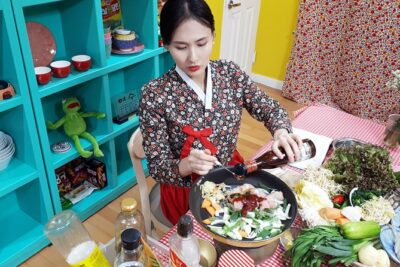
Local Home Korean Cooking Class & Market Adventure in Seoul
Read our review →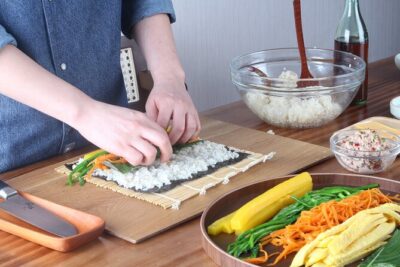
Master Korean traditional cooking with a Kimchi chef
Read our review →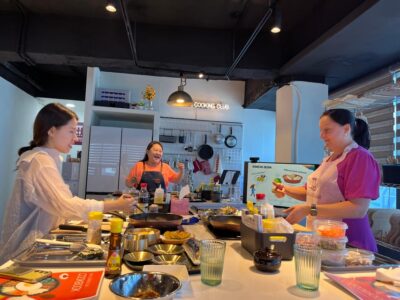
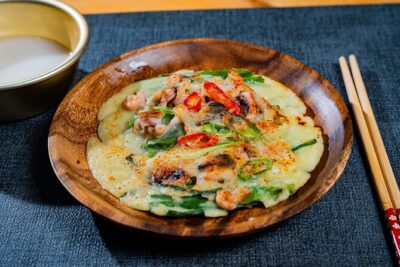
Seoul: Taste of Korea, Authentic Home Style Cooking Class
Read our review →
Seoul: Royal Seoul Cooking Class in a 100-Year-Old Hanok
Read our review →
Seoul: Temple Vegan Cooking Class & Oriental Medicine Tour
Read our review →
Seoul: Experience Korean Cooking in Modern Hanok Kitchen
Read our review →
From Forest to Table: A Hansik Cooking Journey in Seoul
Read our review →This kitchen also appears in