
Review · SEOUL
Seoul: Authentic Korean Cooking Class and Market Tour
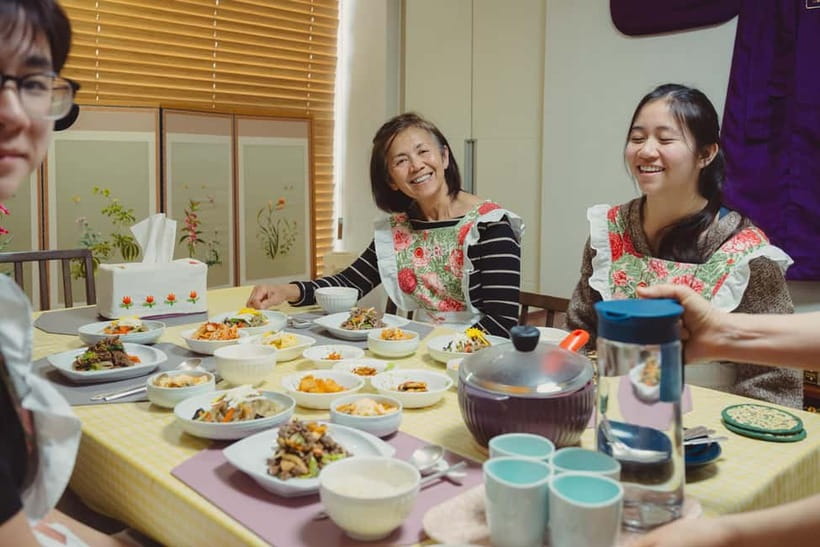
Seoul’s best food lessons often begin before anyone turns on the stove. Here, you start at a traditional market, choosing fresh ingredients and learning why Korean cooks use them. Then you cook in a family home, eat what you made, and finish with dessert and tea in a room lined with hand-embroidered work.
I like the small group of no more than four, which leaves room for questions and personal dish choices. I also like the gentle pace: market walk, cooking, lunch, dessert, and tea fill 210 minutes without trying to cram in half of Seoul. The main consideration is that the menu is chosen with your input, so this is less suited to anyone seeking a fixed, highly polished restaurant-style class.
Key points at a glance
- Sillim market first: Shop for seasonal produce and Korean seasonings with an English-speaking host.
- Choose your dishes: Possible choices include bulgogi, bibimbap, kimchi pancakes, and other Korean foods.
- Cook in a family home: The class takes place at a Korean house where the host’s mother may welcome you.
- Lunch is part of the lesson: Sit down to eat the dishes you prepared together.
- Dessert and tea finish the visit: Make a traditional sweet, then relax in an embroidery-filled room.
- Four people maximum: The small format makes this more personal than a large demonstration class.
Why this Seoul food experience feels different
Many cooking classes separate food from daily life. You arrive at a studio, collect ingredients, follow a recipe, and leave. This experience takes a more personal route. You meet at Sillim Station, walk through a local market, shop for ingredients, and then continue to a Korean home.
That sequence matters. Food makes more sense when you see the produce and seasonings before they reach the cutting board. You can ask about ingredients while standing beside the vendors who sell them, then see how those same items are used in lunch.
The host, identified as Ann in the experience details, leads the English-language visit. Her mother welcomes you at the house, adding a family connection that a commercial kitchen cannot easily copy. The setting also includes traditional hand-embroidered works, giving the visit a cultural element beyond cooking technique.
I would think of this as a food-and-home visit with a cooking lesson at its center. You will not simply learn how to make one dish. You will get a window into shopping, preparing, eating, and sharing food in a Korean household.
More Korean Cooking Classes around Seoul:
- Local Home Korean Cooking Class & Market Adventure in Seoul
★ 5.0 · 1,024 reviews - Master Korean traditional cooking with a Kimchi chef
★ 5.0 · 385 reviews - Seoul: Korean Cooking Class at a Local Home and Market Tour
★ 5.0 · 348 reviews
Meeting Ann at Sillim Station
The meeting point is inside Sillim Station at 10:30 a.m. Sillim is station number 230 on Seoul’s subway Line 2. After passing through the ticket turnstiles, do not head for an exit yet. Look for Cafe Mignon, a takeaway cafe inside the station, and meet in front of it.
The host will be holding a Sobaan cooking sign. This detail is useful because large Seoul stations can be confusing, and leaving through the wrong exit could put you on a busy street with no obvious way back inside. Give yourself enough time to find the correct platform area and ticket gates.
Starting at 10:30 a.m. also gives the market portion a clear morning feel. You are not squeezing a food stop between late lunch and afternoon sightseeing. The timing creates a natural order: shop while the day is getting started, cook next, then sit down for lunch.
The activity is marked wheelchair accessible. Since the exact route through the station, market, and home is not described, you may want to confirm any specific mobility needs before booking.
Shopping for ingredients in a local market
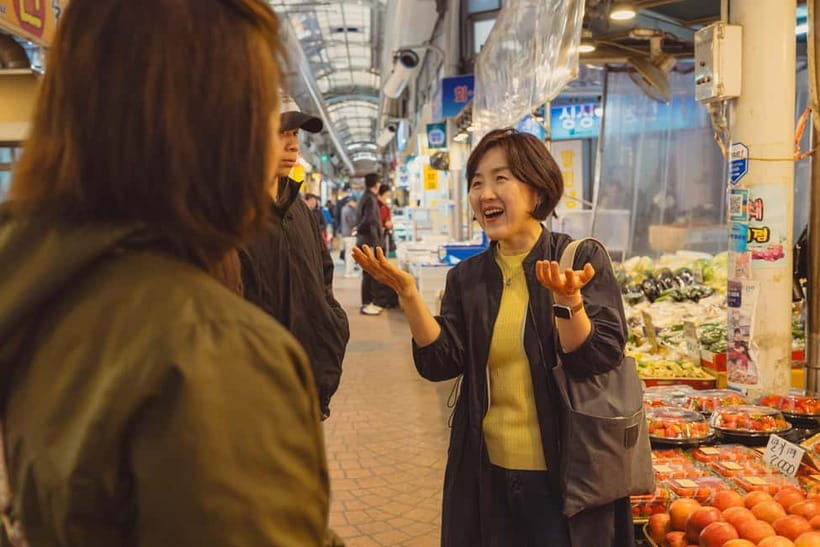
The first part is a guided walk through a traditional Korean market. You pick up fresh produce and authentic seasonings for the meal, while learning about ingredients used in Korean cooking.
This is where the class earns much of its cultural value. A market gives you visual clues that a recipe card cannot. You see how Korean food begins with a range of vegetables, condiments, and seasonings, and you learn which items are useful for the dishes you plan to cook.
The host also explains cultural stories behind the food and points out typical market products. The visit is not just a grocery run. It gives you a better sense of how Korean meals are assembled and why certain ingredients appear again and again.
I like the shared shopping because it keeps the lesson practical. Instead of hearing a list of ingredients in a classroom, you encounter them in their real setting. You can also ask questions as you go, which is especially helpful if Korean food is new to you.
One thing to keep in mind is that this market walk is part of the class, not a dedicated shopping tour. You will not be given a long block of free time to browse every stall. The focus is on selecting what you need and understanding its role in the meal.
Choosing between bulgogi, bibimbap, and more
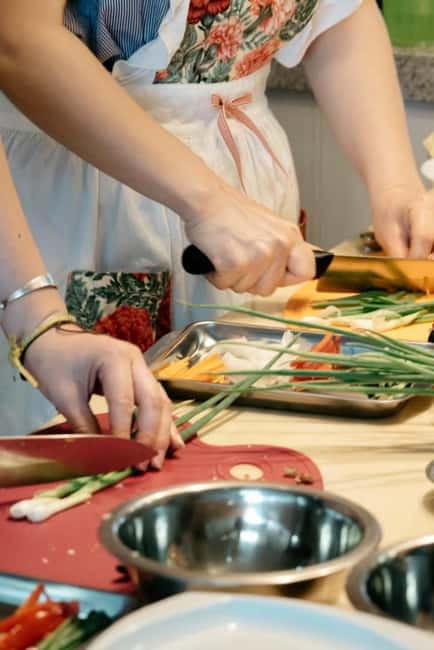
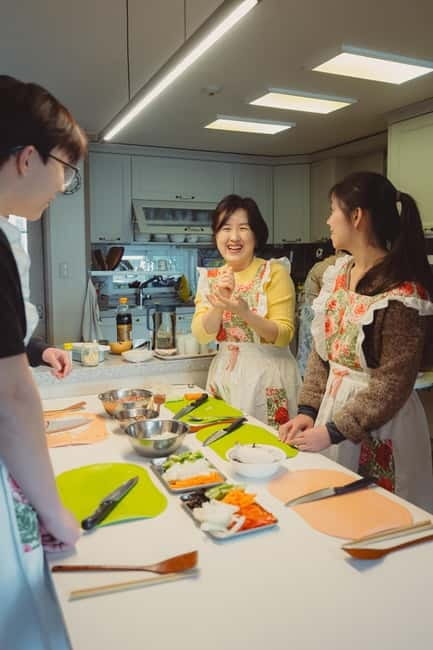
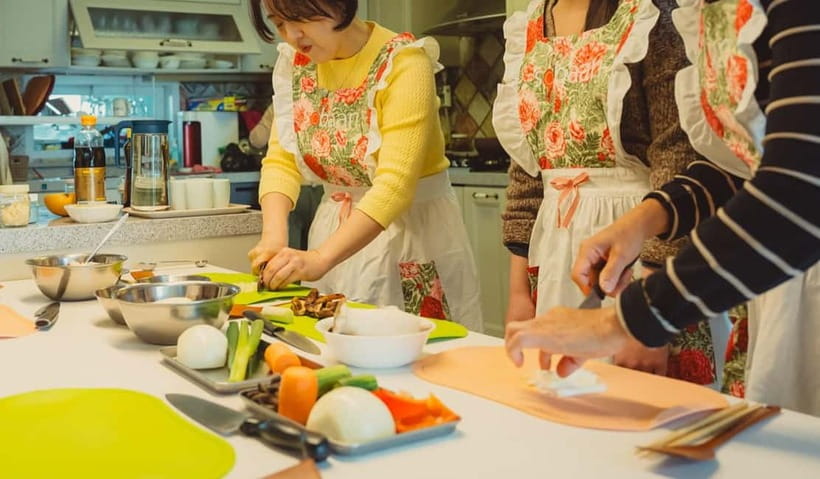
The cooking menu is flexible. You can choose dishes such as bulgogi, bibimbap, or kimchi pancakes, along with other Korean foods you are curious about. Your input helps shape the class.
That flexibility is a real advantage for couples, friends, or families with different interests. One person may want to learn bibimbap, while another wants to understand how bulgogi is prepared. You are not locked into a dish that you already know well.
The tradeoff is that there is no single fixed menu to describe in detail. Your final meal depends on the choices made with the host. If you have dietary restrictions or a particular dish in mind, raise the subject before or during booking so you can learn what is possible.
The class is also not presented as an advanced chef course. It is aimed at helping you make traditional Korean dishes in a welcoming home setting. Expect instruction, shared preparation, and conversation rather than a formal professional kitchen setup.
More Cooking Classes with a Market Tour in Seoul:
- Hanoi Cooking Class: Culture, Local Market & Meaning CSR Impact
★ 5.0 · 5,147 reviews - 5 Traditional Dishes Hanoi Cooking Class with Market Trip
★ 5.0 · 4,890 reviews - Cooking Class and Lunch at a Tuscan Farmhouse with Local Market Tour from Florence
★ 5.0 · 4,831 reviews - Chiang Mai: Cooking Class, Market & Thai Herbs Garden Tour
★ 4.9 · 4,824 reviews
Cooking inside a Korean family home
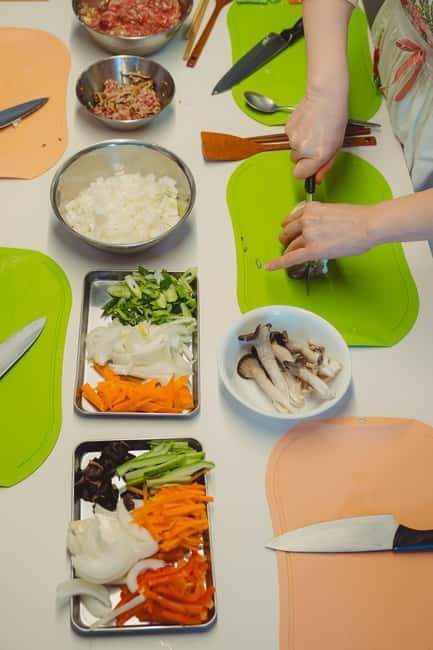
After the market, you go to a beautiful Korean house filled with hand-embroidered works. The home setting is one of the most distinctive parts of the experience. You are not only learning recipes, you are seeing the environment in which the family hosts and shares food.
The host’s mother welcomes you, and the visit includes further insight into Korean culture. That family presence helps explain why the experience feels different from a standard cooking studio. The focus is not only on correct measurements. It is also on hospitality, home life, and the pleasure of preparing food for other people.
The group limit matters here. With no more than four participants, you should have more opportunity to take part rather than watch from the back of a crowded room. You can ask about methods, ingredients, and the dishes you are making without competing with a large class.
The pace is intentionally unhurried. You prepare the dishes you selected with guidance from the host, and the lesson develops around your choices. That suits you if you enjoy asking questions and learning by doing. It may feel slower than a tightly timed demonstration, but the extra breathing room is part of the appeal.
Sitting down to a homemade Korean lunch
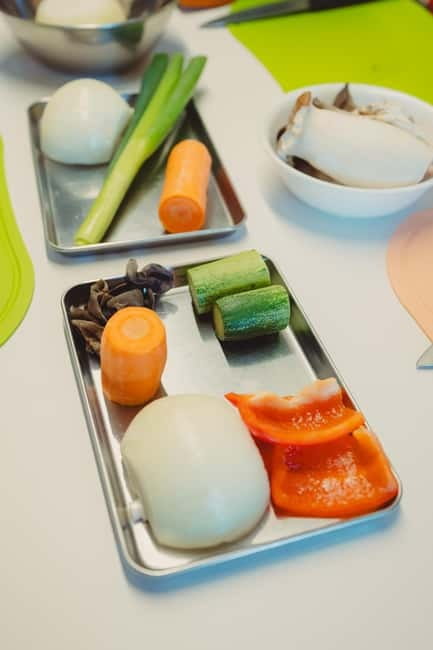
Once the cooking is complete, you eat a homemade lunch in the house. This is more satisfying than treating the meal as a quick sample at the end of a lesson. You have followed the ingredients from the market to the kitchen and then to the table.
The meal also gives you a chance to taste your work while it is fresh. If you have cooked Korean food before, you may appreciate seeing how familiar dishes are handled in a home setting. If this is your first Korean cooking class, lunch helps connect the separate steps into one meal.
The setting is attractive, with traditional embroidered pieces in the room. It is a calm place to pause after the market and cooking. The experience details do not promise a particular table style or menu beyond the dishes you choose, so you should book for the home meal and cultural setting rather than for a guaranteed restaurant-level presentation.
At $69 per person, the value is strong if you would otherwise pay separately for a market tour, cooking lesson, lunch, dessert activity, and a small-group cultural visit. You are paying for three and a half hours of hosted time, not only for food. The price is less compelling if you mainly want a quick recipe demonstration or a large menu of dishes to take home.
Making dessert and slowing down over tea
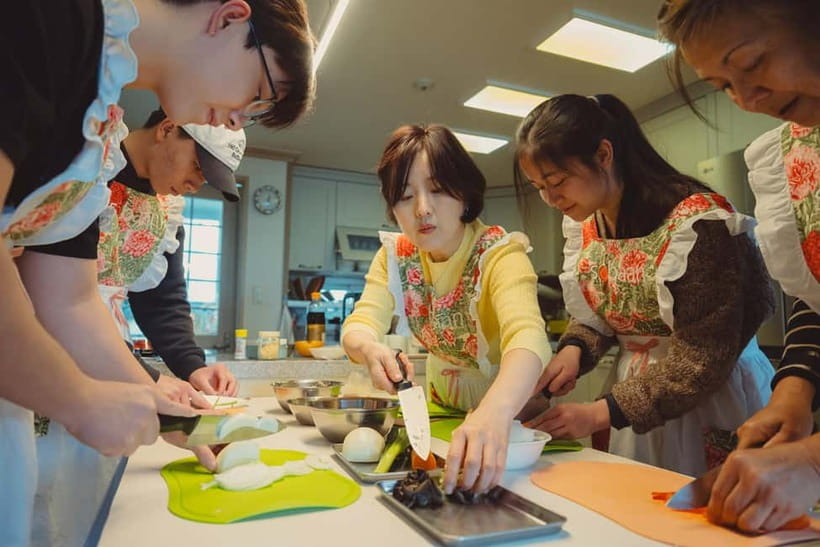
The last part of the visit shifts from cooking lunch to making a traditional Korean dessert. You prepare the sweet together, then enjoy it during tea-time in the embroidery-filled room.
This ending gives the class a pleasant change of pace. The market and meal are active, while dessert and tea allow you to sit and talk. It also means the experience does not finish the moment the main dishes are served.
The exact dessert is not specified, so do not book with one particular sweet in mind. The point is the shared preparation and the chance to try a traditional finish to the meal. Tea-time also helps the visit feel like a social introduction to Korean hospitality rather than a class that ends with a recipe handout.
I especially like this final stage for anyone who wants a quieter cultural experience. You get time to notice the room, talk with the host, and enjoy the food without rushing to the next attraction.
How the small group changes the experience
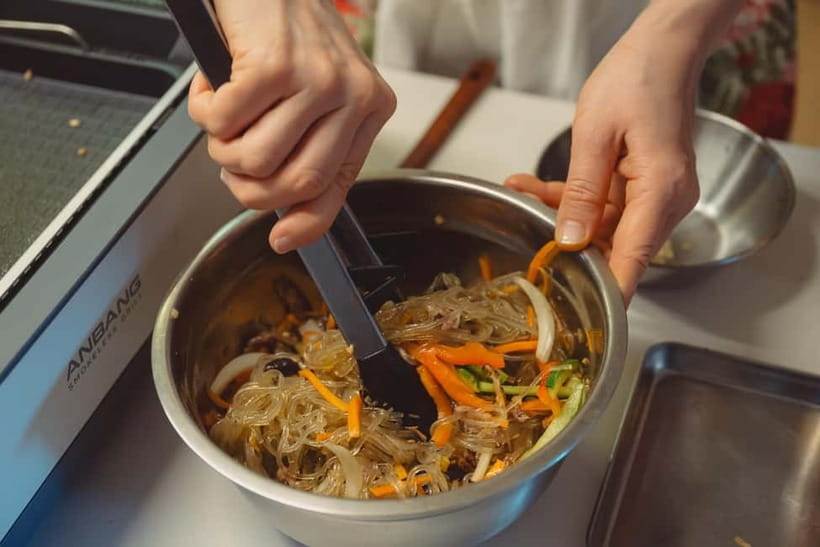
The maximum group size is four. That is a major practical detail, not just a marketing line. In a small group, your dish preferences can shape the session, and you can ask questions about ingredients as they appear.
A group of four also fits the home setting better than a large tour. You should expect a more personal visit, with the host able to respond to your cooking interests and explain cultural details along the way.
The small size has one possible downside: availability may be limited. If you are traveling with a larger party, this activity may not fit everyone in one session. The supplied details only confirm a maximum of four participants, so check availability for your dates before building your day around it.
The host speaks English, and the experience is offered in English. That makes the market explanations, cooking instruction, and cultural conversation accessible to English-speaking participants.
Who should book this experience
I would recommend this to you if you want to understand Korean food through ordinary routines: shopping, seasoning, cooking, eating, and sharing tea. It is particularly well suited to people who prefer a personal home visit over a large group class.
It also works well for anyone who wants to choose the food. The chance to request bulgogi, bibimbap, kimchi pancakes, or another dish makes the lesson feel more relevant than a fixed menu.
Families and small groups of friends may appreciate the relaxed format, provided everyone is comfortable sharing the kitchen and eating the selected dishes. Solo visitors can also fit easily into the group of four.
I would hesitate only if you need a guaranteed menu, a professional culinary curriculum, or a class built around advanced technique. The experience is about culture and connection as much as cooking precision.
Booking details that matter
The total duration is 210 minutes, or three and a half hours. Plan the rest of your day around a late lunch or early afternoon finish rather than scheduling a tight morning attraction afterward.
The meeting time is 10:30 a.m. inside Sillim Station, not outside at a street address. You need to pass the ticket gates and find Cafe Mignon before reaching an exit. Look for the Sobaan cooking sign.
The activity allows free cancellation up to 24 hours before the start time for a full refund. You can also reserve now and pay later, which helps if your Seoul schedule is still changing.
The activity is listed as wheelchair accessible, and the host or greeter language is English. Since the route includes a subway station, market, and home, confirm any detailed accessibility requirements directly before you commit.
Should you book this Seoul cooking class?
Book it if you want a small, personal introduction to Korean food and home life, not just a recipe lesson. The market visit, flexible dish choices, family home, homemade lunch, embroidery-filled room, dessert, and tea create a full half-day experience for $69.
The strongest reasons to choose it are the group size and the setting. You get time with the host, a chance to shop for ingredients, and a meal connected to the work you did together. The host’s mother and the home setting add a human touch that a commercial kitchen cannot provide.
Skip it if you want a fixed menu or a fast class focused only on technique. For everyone else, especially food-minded visitors who value conversation and local context, this is a thoughtful use of a Seoul morning.
FAQ
Where does the experience begin?
It begins inside Sillim Station, station number 230 on subway Line 2.
What time is the meeting?
The meeting time is 10:30 a.m.
Where inside Sillim Station should I meet the host?
After passing through the ticket turnstiles, look for Cafe Mignon, a takeaway cafe inside the station. Meet in front of it before going through an exit.
How will I recognize the host?
Look for someone holding a Sobaan cooking sign.
How long does the activity last?
The experience lasts 210 minutes, or three and a half hours.
What dishes can I learn to cook?
Possible dishes include bulgogi, bibimbap, kimchi pancakes, and other Korean dishes selected with your input.
Is lunch included?
Yes. A homemade Korean lunch is included after the cooking session.
Is dessert included?
Yes. You make a traditional Korean dessert together and enjoy it during tea-time.
How many people can join the group?
The activity is limited to four participants.
Is the experience offered in English?
Yes. The host or greeter language is English, and the activity language is English.
New cooking classes around Seoul
- Seoul: Korean Kimchi Cooking Class in the Heart of the City★ 5.0 · 3 reviews
- Seoul: Premium Korean Feast Cooking Class★ 5.0 · 3 reviews
- Seoul: Taste of Korea, Authentic Home Style Cooking Class★ 4.9 · 166 reviews
- (Seoul) Korean Cooking Class with a Professional Chef★ 5.0 · 14 reviews
- Seoul: Korean Home Visit, Cooking & Cultural Experience★ 5.0 · 2 reviews
- Seoul: Korean Cooking Class with Local Grocery Shopping★ 5.0 · 13 reviews
- Seoul: Cooking Class and Tour with Michelin-Trained Chef★ 5.0 · 11 reviews
- Seoul: Kimchi Dishes Cooking Class with Wine Pairing★ 4.7 · 38 reviews
Seoul Cooking Classes, side by side.
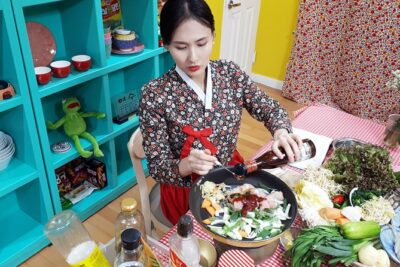
Local Home Korean Cooking Class & Market Adventure in Seoul
Read our review →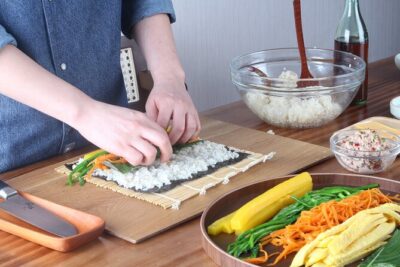
Master Korean traditional cooking with a Kimchi chef
Read our review →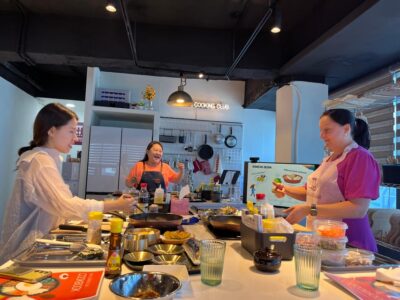
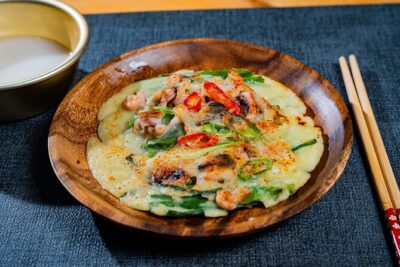
Seoul: Taste of Korea, Authentic Home Style Cooking Class
Read our review →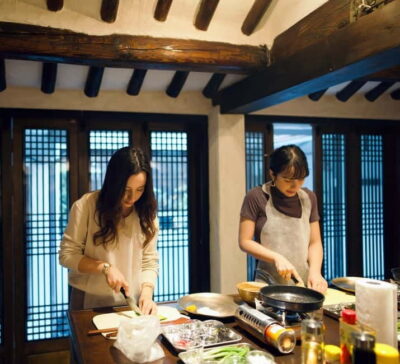
Seoul: Royal Seoul Cooking Class in a 100-Year-Old Hanok
Read our review →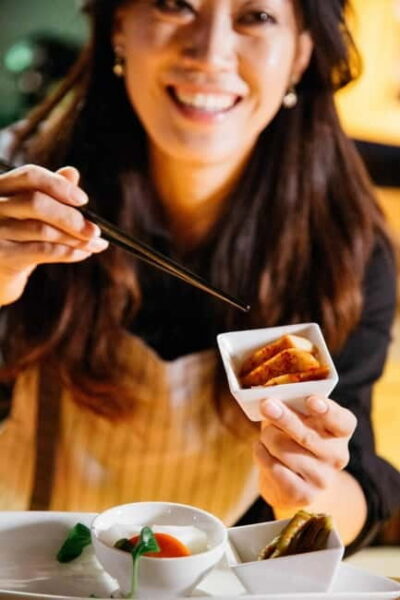
Seoul: Kimchi Dishes Cooking Class with Wine Pairing
Read our review →
Seoul: Temple Vegan Cooking Class & Oriental Medicine Tour
Read our review →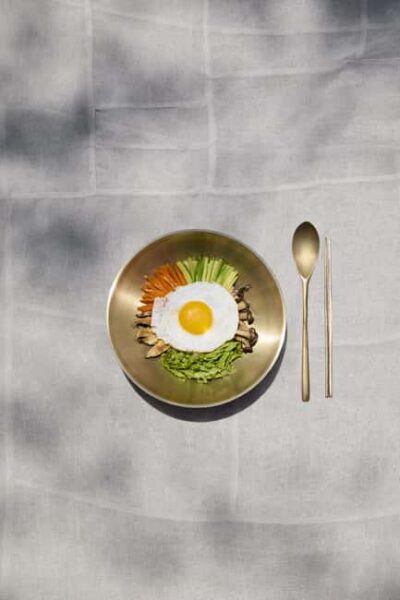
Seoul: Experience Korean Cooking in Modern Hanok Kitchen
Read our review →This kitchen also appears in