
Review · SEOUL
Seoul: Korean Cooking Class with Local Grocery Shopping
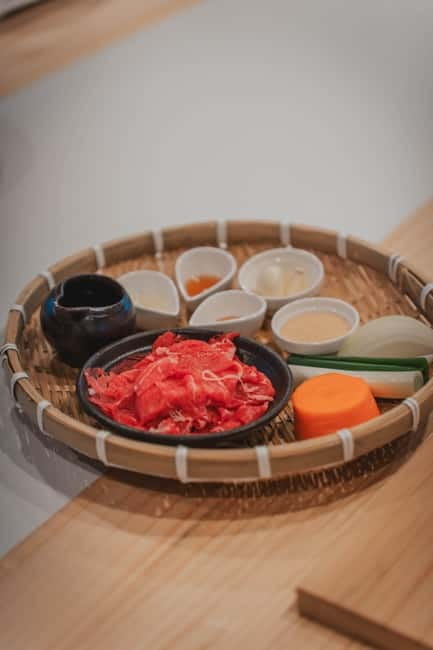
Mangwon Market is the real draw here. Instead of starting in a polished tourist setting, you shop where Seoul residents buy everyday food, then carry those ingredients into a nearby studio and turn them into bulgogi, gyeran-jjim, and kimbap. I like the local market setting and the fact that Phoebe and Rachel keep the class small, friendly, and easy to follow.
I also like that you do the cooking yourself, not just watch a demonstration. The market visit is available only with morning classes, so that timing matters. If you book an afternoon or evening session, you still cook and eat, but you miss the shopping portion.
Key points at a glance
- Mangwon Market instead of Gwangjang Market: You shop in a neighborhood market known for its local feel and everyday food stalls.
- Three Korean staples: Prepare marinated beef bulgogi, fluffy gyeran-jjim, and rolled kimbap.
- Small group of eight: Phoebe and Rachel can give the class a personal feel and help first-time cooks.
- Morning classes include shopping: The market tour is not offered with afternoon or evening sessions.
- Meal, drinks, and recipes included: You eat the food you prepare and take home a recipe booklet.
- Han River picnic option: Pack leftover kimbap and enjoy it near the river, as many Koreans do on a casual outing.
Starting near Mangwon Station and Mangwon Market
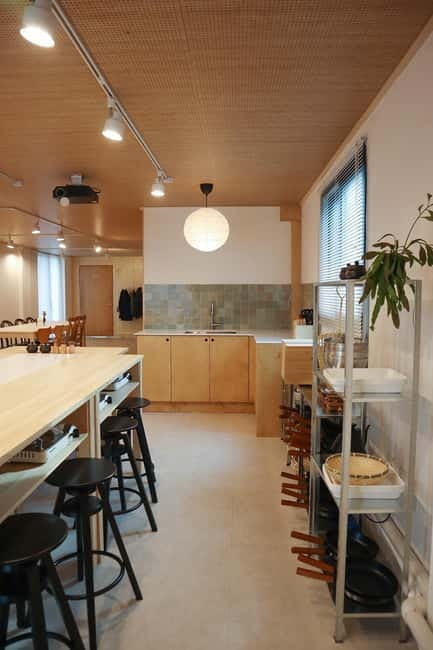
The meeting point is Seoul Foodventure’s studio at 4th floor, 8, World Cup-ro 13-gil, Mapo-gu, Seoul. It is just steps from Mangwon Station Exit 2 and close to Mangwon Market, with Hongdae also within easy reach.
You can search Seoul Foodventure on Google or Naver to locate the studio. That search tip is useful in Seoul, where map results can vary by platform and Korean listings often give the clearest directions.
The class lasts 150 minutes, so you get a focused half-day activity rather than an all-day food tour. I like this length for a cooking class. It gives you enough time to shop, cook, eat, and ask questions without taking over your entire Seoul schedule.
Wear comfortable shoes. The walking is not presented as strenuous, but the market visit involves moving between shops and stalls before you settle in at the studio.
More Korean Cooking Classes around Seoul:
- Local Home Korean Cooking Class & Market Adventure in Seoul
★ 5.0 · 1,024 reviews - Master Korean traditional cooking with a Kimchi chef
★ 5.0 · 385 reviews - Seoul: Korean Cooking Class at a Local Home and Market Tour
★ 5.0 · 348 reviews
Why Mangwon Market changes the feel of the class
Mangwon Market gives you a look at everyday shopping in Seoul. It has more local shoppers than the tourist-heavy Gwangjang Market, which matters if you want a food stop that feels connected to neighborhood life rather than built mainly for sightseeing.
During the morning market visit, you pick out the ingredients needed for the class. The point is not only to collect groceries. You also get to see the products before they become part of a finished dish, and Phoebe and Rachel can explain what you are buying and how it fits into Korean home cooking.
One German participant especially enjoyed a rice drink discovered at the market and later looked for it again during the rest of the trip. That is the sort of small food memory that can make a market visit worthwhile. You might find an unfamiliar drink, snack, or ingredient that becomes a useful souvenir of Seoul, even though you never planned to buy it.
The market portion is only included with morning classes. If shopping is a major reason you want this activity, check the start time carefully before booking. An afternoon or evening class may suit your schedule better, but it will not offer the same market walk.
Cooking bulgogi, gyeran-jjim, and kimbap
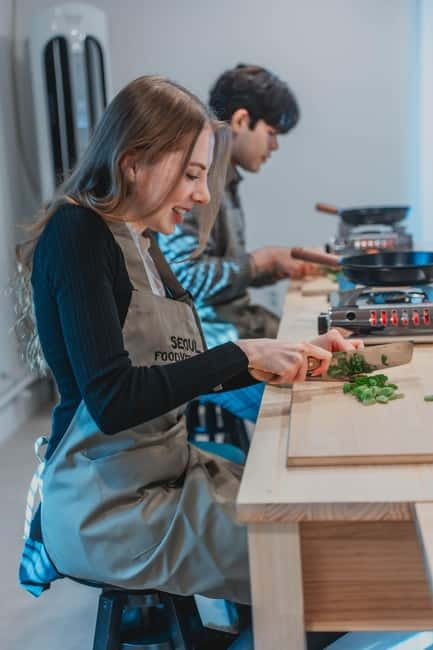
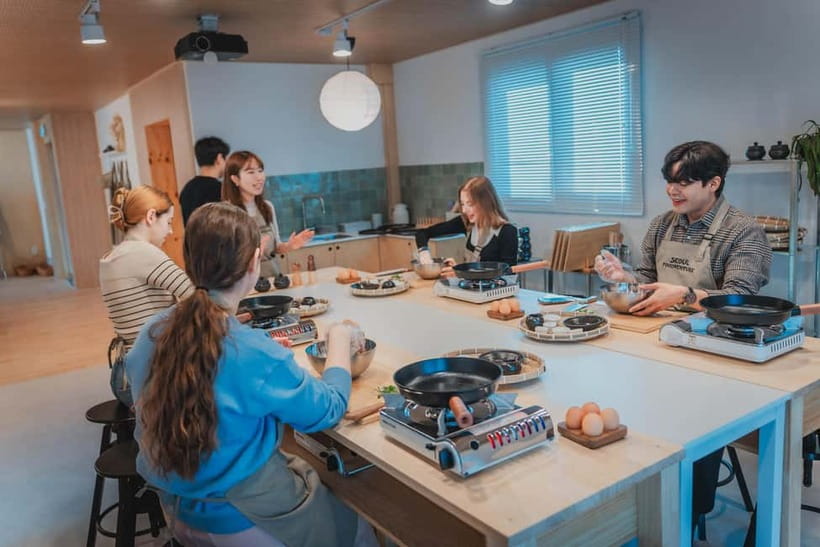
Once you have the ingredients, the class moves to the studio for hands-on cooking. The three dishes give you a good sample of Korean home food because they cover different cooking methods and eating styles.
Bulgogi is marinated beef, usually associated with a sweet and savory flavor and a relaxed shared meal. Here, it becomes part of the Korean-style home meal you prepare and eat in the studio. The dish is familiar enough for many first-time cooks, but the preparation can also give experienced home cooks useful ideas for Korean marinades and serving.
Gyeran-jjim is steamed egg. It is soft, light, and comforting, and it shows a different side of Korean cooking from the stronger flavors often found in restaurant dishes. The texture can be the tricky part, but the class is designed to guide you through it rather than assume you already know the technique.
Then you make kimbap, the rolled rice and filling snack often packed for picnics. Kimbap gives the class a practical finish because you assemble something you can eat right away or carry with you afterward. Rolling it is hands-on and social, and you can expect Phoebe and Rachel to help if your first roll looks less tidy than the example.
You do not need prior cooking experience. The class is intended for complete beginners as well as confident cooks, and the instructions are in English. The available feedback points to clear guidance, simple tips, and an easy way to follow the recipes beside the instructors.
What the small group means for you
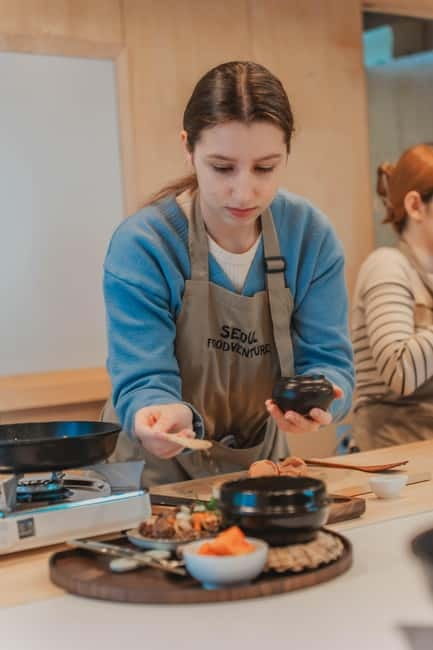
The maximum group size is eight people. That is large enough to give the class some social energy, but small enough that the instructors can keep an eye on the cooking and answer questions.
Phoebe and Rachel are the instructors named for this experience. Feedback about them consistently points to warmth, kindness, and helpful instruction. One participant noted that even the cooking felt easy with their guidance, while another appreciated the practical tips and tricks that could be used again at home.
That personal help is important in a kitchen class. If you have never made kimbap or steamed egg, you may need a quick correction with technique, timing, or assembly. A group limited to eight gives you a better chance of getting that help than a large demonstration class.
The tone also seems suited to people who want a social activity without committing to a huge group. You can exchange ideas with the other cooks, but the class remains small enough for the instructors to look after everyone.
More cooking classes around Seoul:
- Seoul: Korean Cooking at Seoul Cooking Club!
★ 5.0 · 311 reviews - Seoul: Taste of Korea, Authentic Home Style Cooking Class
★ 4.9 · 166 reviews - Seoul: Royal Seoul Cooking Class in a 100-Year-Old Hanok
★ 5.0 · 96 reviews - Seoul: Kimchi Dishes Cooking Class with Wine Pairing
★ 4.7 · 38 reviews
Eating your Korean home meal
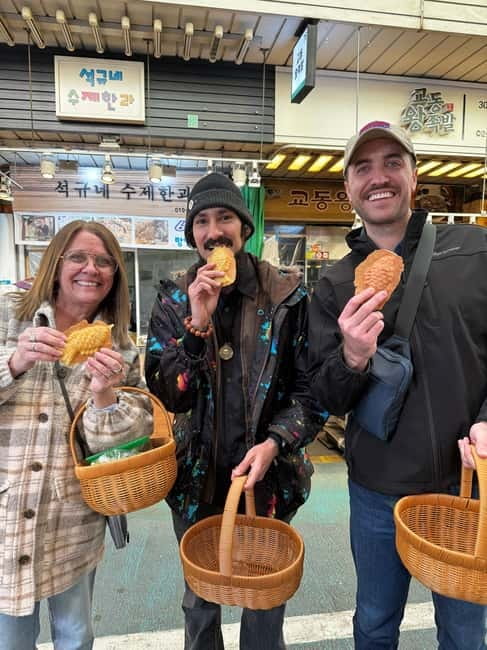
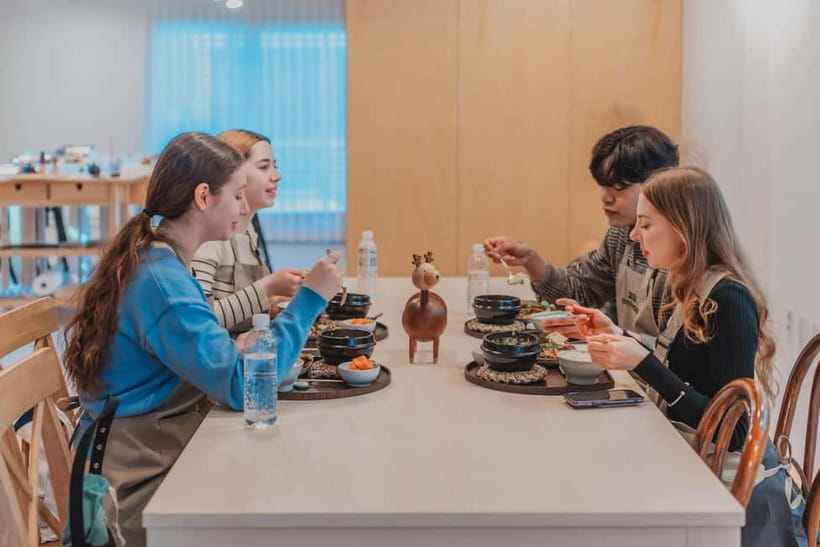
The class includes lunch or dinner, depending on the session you book. You eat the food prepared during the class, including bulgogi and gyeran-jjim, and you can enjoy the kimbap as part of the meal or save some for later.
Drinks are included too. That may sound minor, but it means the stated price covers more than the lesson itself. You are paying for the market visit when available, ingredients, instruction, a meal, drinks, and a recipe booklet.
The meal also helps you understand how the dishes fit together. Bulgogi brings the main savory element, gyeran-jjim adds a soft side dish, and kimbap works as a portable snack or picnic food. This is more useful than learning three unrelated recipes because you see how a simple Korean home meal can come together.
You should tell the provider about dietary restrictions or allergies in advance. The supplied information does not specify which substitutions are possible, so do not wait until the class begins to raise an issue.
Taking kimbap to the Han River
The suggested finish is to take any leftover kimbap to the nearby Han River. Spread out a mat, relax, and eat it in the sun, following a familiar Korean picnic habit.
This is an optional idea, not a stated part of the 150-minute class. Still, it gives the activity a nice second chapter. Instead of ending the moment you leave the studio, you can turn the kimbap into a casual outdoor meal.
The suggestion works best if you have time after the class and the weather is suitable. It also makes the morning option appealing: you can shop, cook, eat, and then continue your day beside the river or in the nearby Mapo and Hongdae area.
Is $89 a good value?
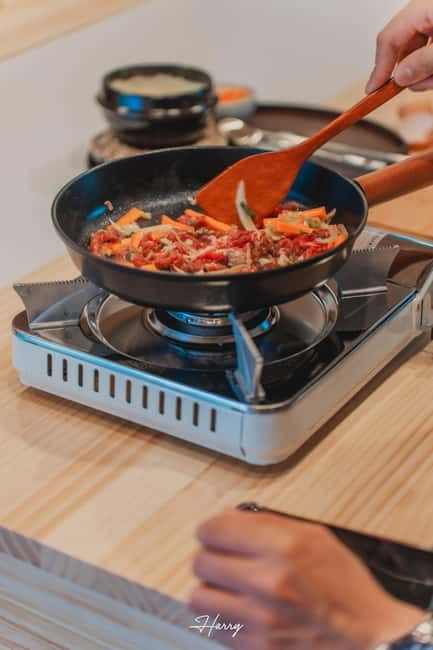
The price is $89 per person. That is not the cheapest way to eat Korean food in Seoul, where you can find inexpensive market snacks and restaurant meals. The value here comes from combining several parts in one booking.
You get a market tour, ingredients, a 150-minute English-language class, your prepared meal, drinks, and a recipe booklet. You also get a small group capped at eight people, which can make a real difference when you need hands-on help.
I would see the price as fair for someone who wants participation rather than just a meal. If your main goal is to eat as cheaply as possible, Mangwon Market on its own will cost less. If you want to learn dishes you can try again at home, meet a small group, and understand some everyday Korean food culture, the package has stronger value.
The recipe booklet matters here. It gives the class a life beyond your Seoul visit, provided you can find the ingredients where you live. Bulgogi ingredients are generally easier to source than some Korean specialties, but you may need to visit an Asian grocery store for certain items.
Who should book this cooking class?
I would recommend it to first-time visitors who want a food activity with a strong neighborhood setting. It gives you a market, a cooking lesson, and a meal without requiring advanced skills or a full day.
It also suits couples, friends, and solo visitors who like small-group activities. The eight-person limit leaves room to talk with other people while keeping the class manageable.
Families may find the hands-on format appealing, though the supplied information does not give a minimum age. If you are booking for children, confirm age requirements directly before reserving.
Experienced home cooks can enjoy it too, especially if they want practical Korean recipes rather than a formal culinary course. The class is not presented as advanced chef training. Its strength is approachable home cooking, local shopping, and clear instruction.
I would be more cautious if you dislike group cooking, have severe dietary restrictions, or want an afternoon market visit. You should also allow for walking at Mangwon Market and wear shoes that will be comfortable for it.
Morning or later session?
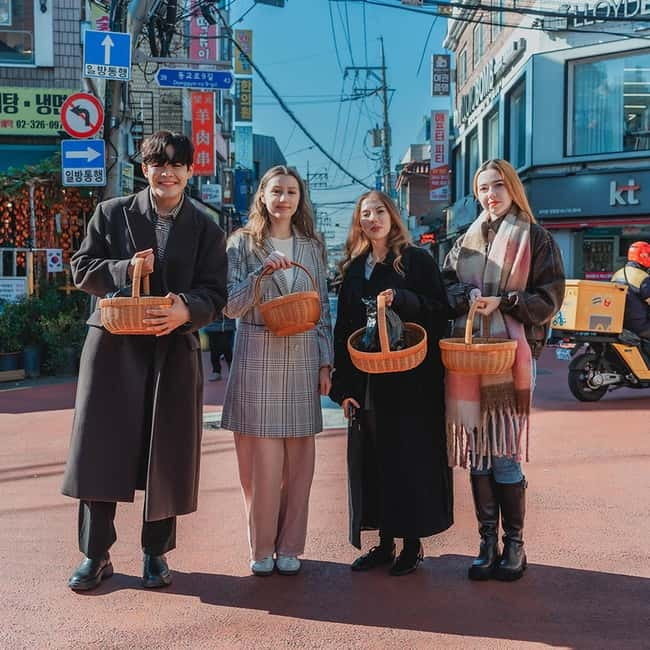
Choose a morning class if the market is one of your main reasons for booking. That is the only session that includes the Mangwon Market tour.
Choose a later class if you mainly want the cooking, meal, and recipe booklet, or if your Seoul plans make mornings difficult. You will miss the market shopping, but the core dishes and studio lesson remain the focus.
This difference is easy to overlook, so I would treat the start time as part of the product, not a small scheduling detail.
Booking details worth knowing
The class is taught in English and is wheelchair accessible. The group is limited to eight participants, and you can reserve now and pay later, which keeps your schedule flexible.
Free cancellation is available up to 24 hours in advance for a full refund. Check the exact session availability before booking, since the market tour depends on choosing a morning time.
The studio is near Mangwon Station Exit 2, and the meeting point is easy to search using Seoul Foodventure on Google or Naver. Bring comfortable shoes and send any allergy or dietary information ahead of time.
Should you book Seoul Foodventure?
Book this class if you want to shop in a local Seoul market, cook three recognizable Korean dishes, and eat the results in a small English-speaking group. The combination of Mangwon Market and hands-on instruction gives it more substance than a simple restaurant meal.
I would choose the morning session for the full experience. Phoebe and Rachel’s warm instruction, the practical recipes, and the chance to take leftover kimbap toward the Han River make this a good fit for curious beginners and food-focused visitors.
Skip it if you want a low-cost meal, an advanced culinary course, or a market tour at any time of day. For everyone else, $89 buys a useful introduction to Korean home cooking and a pleasant way to spend 150 minutes in Mapo.
FAQ
Where does the cooking class meet?
The class meets at the Seoul Foodventure studio on the 4th floor at 8, World Cup-ro 13-gil, Mapo-gu, Seoul, Korea.
How can I find the studio?
Search Seoul Foodventure on Google or Naver. The studio is close to Mangwon Station Exit 2 and Mangwon Market.
How long does the experience last?
The activity lasts 150 minutes.
Is the Mangwon Market tour included in every session?
No. The market tour is available only for morning classes.
Which Korean dishes will I make?
You will prepare bulgogi, gyeran-jjim, and kimbap.
Is the class suitable for beginners?
Yes. The class is designed for all skill levels, including people with no cooking experience.
What language is the class taught in?
The class is taught in English.
How many people can join the class?
The group is limited to eight participants.
Are food and drinks included?
Yes. Ingredients, a meal, drinks, and a recipe booklet are included.
Is the class wheelchair accessible?
Yes, the activity is listed as wheelchair accessible.
New cooking classes around Seoul
- Seoul: Korean Kimchi Cooking Class in the Heart of the City★ 5.0 · 3 reviews
- Seoul: Premium Korean Feast Cooking Class★ 5.0 · 3 reviews
- Seoul: Taste of Korea, Authentic Home Style Cooking Class★ 4.9 · 166 reviews
- (Seoul) Korean Cooking Class with a Professional Chef★ 5.0 · 14 reviews
- Seoul: Korean Home Visit, Cooking & Cultural Experience★ 5.0 · 2 reviews
- Seoul: Cooking Class and Tour with Michelin-Trained Chef★ 5.0 · 11 reviews
- Seoul: Authentic Korean Cooking Class and Market Tour★ 5.0 · 6 reviews
- Seoul: Kimchi Dishes Cooking Class with Wine Pairing★ 4.7 · 38 reviews
Seoul Cooking Classes, side by side.
Local Home Korean Cooking Class & Market Adventure in Seoul
Read our review →
Master Korean traditional cooking with a Kimchi chef
Read our review →
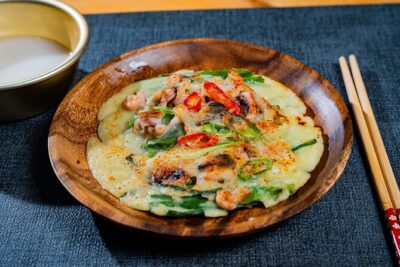
Seoul: Taste of Korea, Authentic Home Style Cooking Class
Read our review →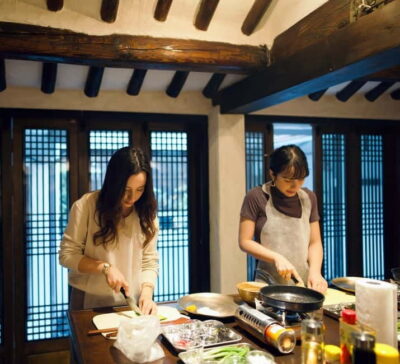
Seoul: Royal Seoul Cooking Class in a 100-Year-Old Hanok
Read our review →
Seoul: Kimchi Dishes Cooking Class with Wine Pairing
Read our review →
Seoul: Temple Vegan Cooking Class & Oriental Medicine Tour
Read our review →
Seoul: Experience Korean Cooking in Modern Hanok Kitchen
Read our review →This kitchen also appears in