
Review · SEOUL
(Seoul) Korean Cooking Class with a Professional Chef
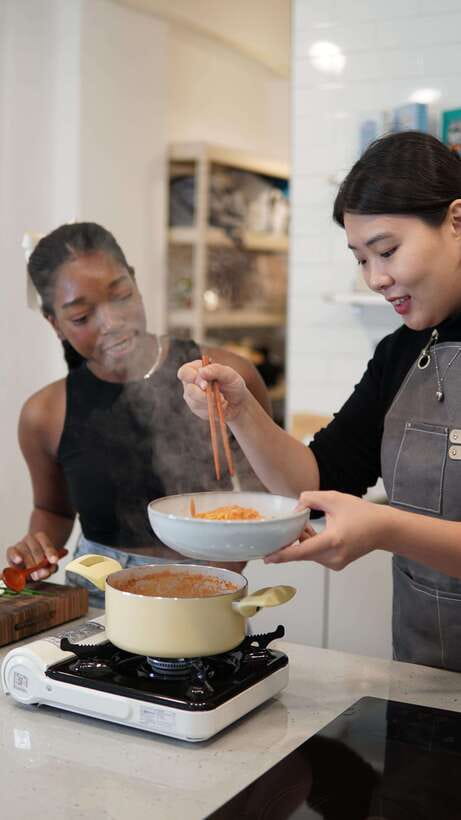
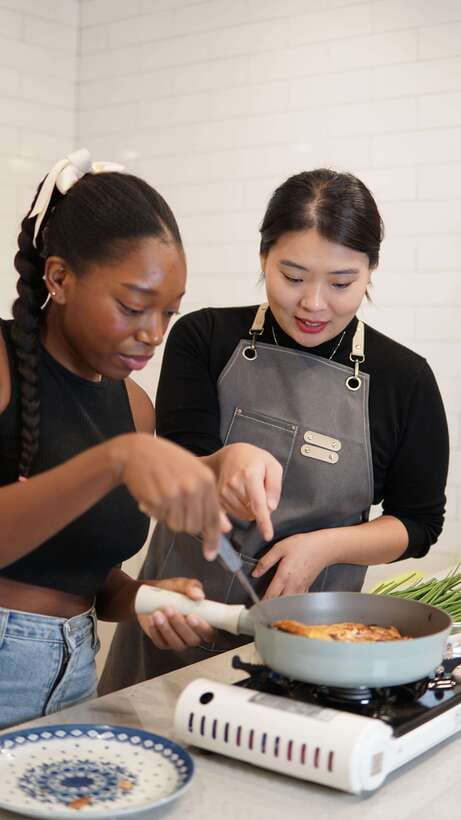
The best part of this Korean cooking class is its tiny size. With no more than three participants, chef Da-ye can show you the small tricks that make Korean home cooking work, from handling a pancake batter to balancing the flavors in a stew. You cook at your own station, then sit down to eat what you made.
I like the personal teaching and the useful takeaway: recipe cards, photos, and videos help you repeat the dishes at home. I also like the choice of menus, including a full vegan class on Fridays. The main drawback is the fixed schedule. Your preferred dish may only be available on one particular day, and the class is for adults 18 and older.
Key points at a glance
- A three-person maximum: This is a close, hands-on class rather than a large demonstration.
- Chef Da-ye leads the class: She trained in hotel culinary arts in South Korea and has taught Korean food for 12 years.
- Different menus by day: Choose Korean home cooking, Korean street food, or a vegan Korean meal.
- You cook and eat your own food: The 2.5-hour time includes both instruction and the meal.
- Useful take-home material: Recipe cards, photos, and videos are provided after the lesson.
- Good value for serious food fans: At $105 per person, the price makes most sense if you want personal instruction and a meal, not just a quick tasting.
A small cooking studio with a personal feel
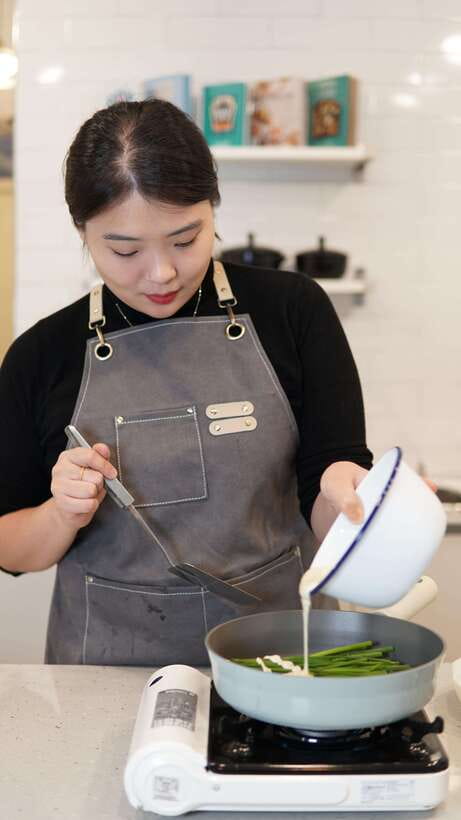
Ricely Cooking Studio is in Gyeonggi Province, outside central Seoul. The class is led by Da-ye, who also owns Nosh, a British brunch cafe in Seoul. Her background gives the lesson a useful mix of Korean cooking knowledge and experience with food from other countries.
Da-ye studied hotel culinary arts in South Korea before moving to the United Kingdom in her twenties. There, she explored European cooking and advised restaurant owners on Korean, vegan, and vegetarian menus. She has taught Korean cuisine to children and adults from many countries for 12 years.
That background matters because Korean food can look simple while hiding plenty of small decisions. The right cut of meat, the balance of fermented flavors, or the texture of a pancake can change the final dish. In a very small class, you have room to ask why a step matters instead of simply copying it.
The class is taught in English. Since the maximum is three participants, you should expect direct help rather than a lecture from across a crowded room. One past participant had a private class, which can happen when only one person books a session. That makes the experience especially useful if you want to ask lots of questions or need help with a particular dietary style.
More Korean Cooking Classes around Seoul:
- Local Home Korean Cooking Class & Market Adventure in Seoul
★ 5.0 · 1,024 reviews - Master Korean traditional cooking with a Kimchi chef
★ 5.0 · 385 reviews - Seoul: Korean Cooking Class at a Local Home and Market Tour
★ 5.0 · 348 reviews
Pick your menu before choosing your date
The menu changes by day, so check the schedule before booking. This is not a class where you simply arrive and select anything from a long list.
Monday and Tuesday: Korean home cooking
The Monday and Tuesday menu includes three main dishes:
- Beef bulgogi
- Seafood pa-jeon, a seafood and spring onion pancake
- Pork kimchi jjigae
This is a strong choice if you want a broad introduction to a Korean home meal. Bulgogi gives you a savory meat dish, pa-jeon adds a crisp pancake texture, and kimchi jjigae brings the warm, spicy character of a Korean stew.
The combination also lets you see how several dishes work together at the table. Korean meals are often built around contrasts, and these three recipes give you meat, seafood, fermented kimchi, and a hot broth in one sitting.
Wednesday: Korean street food, or bunsik
Wednesday is devoted to bunsik, the casual street-food side of Korean cooking. You prepare:
- Tteok-bokki
- Korean fried chicken, or dakgangjeong
- Mini kimbap
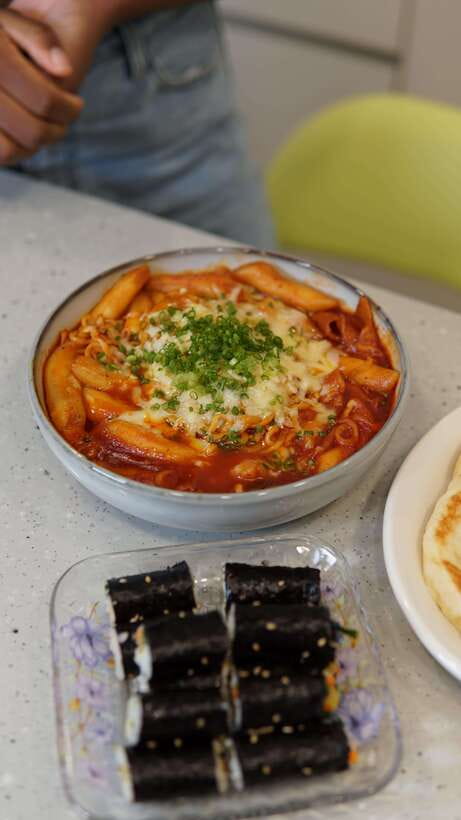
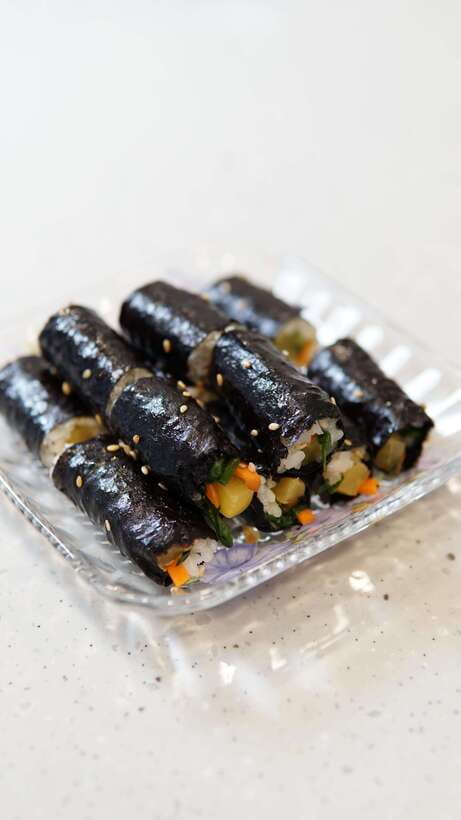
This menu may suit you best if you want familiar Korean street-food staples rather than a traditional home meal. Tteok-bokki focuses on chewy rice cakes and a spicy sauce. Dakgangjeong brings crisp fried chicken with a sweet and savory coating, while mini kimbap gives you a compact version of the seaweed rice rolls found throughout Korea.
The street-food menu is also a good pick for first-time Korean food explorers because it covers several textures in one class. Just remember that the lesson remains a cooking class, not a food crawl around Seoul.
More cooking classes around Seoul:
- Seoul: Korean Cooking at Seoul Cooking Club!
★ 5.0 · 311 reviews - Seoul: Taste of Korea, Authentic Home Style Cooking Class
★ 4.9 · 166 reviews - Seoul: Royal Seoul Cooking Class in a 100-Year-Old Hanok
★ 5.0 · 96 reviews - Seoul: Kimchi Dishes Cooking Class with Wine Pairing
★ 4.7 · 38 reviews
Thursday: Another Korean home-cooked meal
Thursday offers a different three-dish home menu:
- Dakgalbi
- Kimchi jeon, or kimchi pancake
- Doenjang jjigae, a soybean paste stew
This menu leans into bold Korean flavors. Dakgalbi gives you a chicken-based dish, kimchi jeon offers a crisp and savory pancake, and doenjang jjigae shows how soybean paste creates a deep, earthy broth.
If you already know you enjoy kimchi and fermented flavors, Thursday may be the most appealing date. If those flavors are new to you, Da-ye’s instruction can help you understand how they fit into a complete Korean meal.
Friday: Vegan Korean home cooking
Friday is the vegan option, with:
- Bibimbap
- Japchae
- Doenjang jjigae
This is more than a token meat-free alternative. You prepare three well-known Korean dishes, and the menu shows how vegetables, noodles, rice, and soybean paste can carry a full meal.
Friday suits vegans and vegetarians, but it may also appeal to anyone who wants to learn how Korean cooking works without relying on meat. Tell the provider about your dietary needs when booking, though the supplied information only confirms the Friday vegan menu and does not promise other custom changes.
What happens during the 2.5-hour class
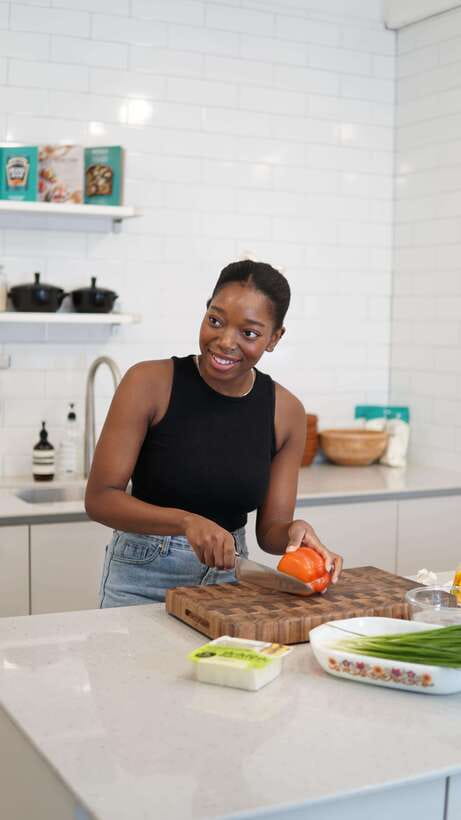
Your session begins with a welcome coffee or another welcome drink. The lesson then moves into preparation and cooking at your own station. The exact order of recipes can vary with the menu, but the basic format is consistent: Da-ye teaches, you prepare the dishes, and you eat the finished food during the same appointment.
The cooking time and the eating time are both included in the advertised 2.5 hours. That point is worth noting. You are not paying for two and a half hours of nonstop instruction, so set your expectations accordingly. Part of the value comes from sitting down with the food you have made.
The format also gives the class a more relaxed pace. You are not rushing through a demonstration just to catch a bus or make room for the next large group. Da-ye can explain techniques, answer questions, and offer the kind of home-cooking advice that is easy to miss in a standard sightseeing activity.
You should also expect to take photos and videos during or after the class. These are included along with recipe cards, giving you a practical record of the dishes. One useful benefit is that you can refer back to the process later, when Korean ingredients and measurements may not be fresh in your mind.
Why the three-person limit matters
The small group is the central feature of this experience. At many cooking classes, you watch a chef work and then try to recreate the steps at a shared table. Here, each participant cooks at an individual station.
That arrangement gives you more control. You can work at your own pace, see what Da-ye is doing, and get help with your own pan or ingredients. If your pancake batter looks different from the chef’s, you can ask about it right away.
A group of three also makes conversation easier. A past participant described having a nice conversation during the lesson, and that fits the format. You are spending several hours in a small room with the instructor and possibly one or two other people, so the social side is part of the experience.
There is a firm limit, though. Only paying participants who are taking the lesson can be inside the studio while class is underway. Friends and family cannot sit in as spectators, and there is no waiting area for them. If someone in your party does not want to cook, that person will need to make other plans.
Eating what you prepared
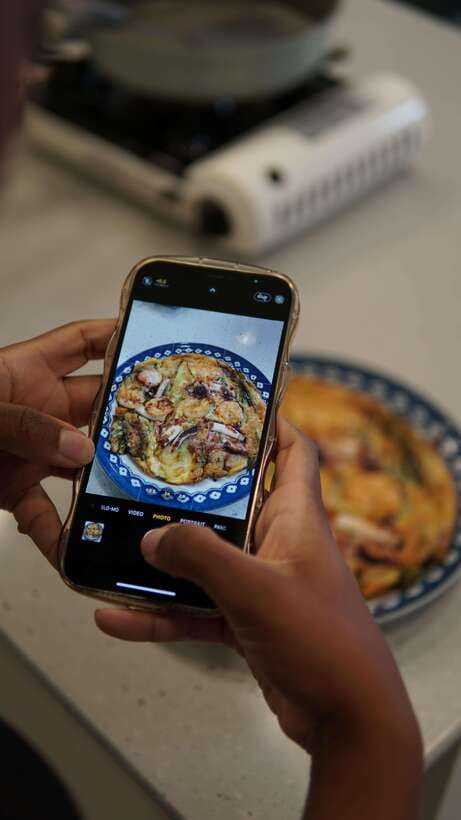
After the cooking, you sit down and enjoy the dishes with rice, kimchi, and complimentary drinks. The extras help turn the lesson into a complete meal rather than a few small samples.
You may also have enough food left to take some back to your hotel. That depends on the amount prepared and how much you eat, so do not book dinner on the assumption that leftovers are guaranteed. Still, the possibility adds practical value to the experience.
The meal is also a useful checkpoint. You can taste the balance of the dishes and ask Da-ye about changes you might make at home. Perhaps you prefer less spice, a softer pancake, or a different texture in the noodles. That conversation is more useful than simply eating a finished dish in a restaurant because you have seen how it came together.
How much value do you get for $105?

At $105 per person, this is not the cheapest way to eat Korean food in Seoul. If your only goal is a large meal, local restaurants will cost less. You are paying for several things at once: a professional instructor, hands-on cooking, a welcome drink, the meal, rice and kimchi, recipes, photos, and videos.
The three-person maximum is the strongest argument for the price. Personal instruction usually costs more than a group demonstration, and this class gives you a chance to ask questions throughout the process. The recipes and visual records also extend the value beyond the day itself.
The price makes the most sense for you if you enjoy cooking, want to recreate Korean food at home, or prefer a personal cultural activity to another sightseeing stop. It is less compelling if you only want a quick taste of Korean cuisine or are trying to keep every activity inexpensive.
The menu choice adds value, but only if you plan around it. A vegan visitor gets a dedicated menu on Friday, while someone focused on tteok-bokki and kimbap needs Wednesday. Check availability and starting times before you commit to a date.
Who will enjoy this Korean cooking class?
I would recommend it most strongly to adults who enjoy food and want to learn by doing. You do not need to be an expert cook, since the class is designed around instruction, but you should be ready to participate rather than watch.
It also fits people who want a quieter, more personal activity. The small setting gives you time to talk with Da-ye, and she has experience offering recommendations for things to do around Seoul. One past participant planned to visit Nosh, her nearby brunch cafe, after the class.
The class is suitable for English speakers, including people from different food cultures and religious backgrounds. Da-ye’s teaching experience includes a wide range of dietary habits. Still, the published information only confirms the specific Friday vegan menu, so you should ask in advance about any allergy or restriction that goes beyond that menu.
This is not a good choice for children under 18, since the activity is specifically not suitable for them. It is also not a good choice for noncooking companions, because spectators cannot remain in the studio during the lesson.
Practical details before you book

Plan on 2.5 hours, including cooking and eating. Starting times vary, so check availability before arranging transportation or another appointment.
The activity takes place in Gyeonggi Province, not at a central Seoul sightseeing site. The supplied information does not provide a travel route or exact meeting instructions, so read the final booking details carefully and allow enough time to reach the studio.
Cancellation is free up to 24 hours before the class for a full refund. You can also reserve now and pay later, which helps if your Seoul schedule is still changing.
The experience has a rating of five from 14 reviews, and the praise centers on Da-ye’s teaching, the intimate atmosphere, the quality of the food, and the useful recipes. That matches what this class is built to do: give you a real cooking session with a professional rather than a quick photo opportunity.
Should you book Ricely Cooking Studio?
Book this class if you want to learn Korean cooking in a private-feeling setting, especially if you value recipes you can use after your trip. Pick the date by menu: Wednesday for street food, Friday for vegan dishes, Monday or Tuesday for bulgogi and kimchi jjigae, and Thursday for dakgalbi and doenjang jjigae.
Skip it if you want a low-cost meal, need a child-friendly activity, or have a companion who only wants to watch. For the right audience, the $105 price is fair because the class combines close instruction, a full meal, and practical material to take home.
FAQ
Where does the Korean cooking class take place?
The class takes place at Ricely Cooking Studio in Gyeonggi Province, South Korea.
How long does the class last?
The class lasts 2.5 hours. This time includes both the cooking lesson and the time spent eating the food you prepare.
How many people can join?
The class is limited to a maximum of three participants.
Is the class taught in English?
Yes. English is the listed language for the instructor and the activity.
Who teaches the class?
The class is taught by Da-ye, the owner of Ricely Cooking Studio and Nosh, a British brunch cafe in Seoul.
What food can I prepare on Monday and Tuesday?
The Monday and Tuesday menu includes beef bulgogi, seafood pa-jeon, and pork kimchi jjigae.
What food can I prepare on Wednesday?
Wednesday is the Korean street-food menu. It includes tteok-bokki, Korean fried chicken called dakgangjeong, and mini kimbap.
What food can I prepare on Thursday?
Thursday includes dakgalbi, kimchi jeon, and doenjang jjigae made with soybean paste.
Is there a vegan menu?
Yes. Friday offers a vegan Korean home-cooked menu with bibimbap, japchae, and doenjang jjigae.
Are recipes and photos included?
Yes. Recipe cards, photos, and videos are provided after the class.
New cooking classes around Seoul
- Seoul: Korean Kimchi Cooking Class in the Heart of the City★ 5.0 · 3 reviews
- Seoul: Premium Korean Feast Cooking Class★ 5.0 · 3 reviews
- Seoul: Taste of Korea, Authentic Home Style Cooking Class★ 4.9 · 166 reviews
- Seoul: Korean Home Visit, Cooking & Cultural Experience★ 5.0 · 2 reviews
- Seoul: Korean Cooking Class with Local Grocery Shopping★ 5.0 · 13 reviews
- Seoul: Cooking Class and Tour with Michelin-Trained Chef★ 5.0 · 11 reviews
- Seoul: Authentic Korean Cooking Class and Market Tour★ 5.0 · 6 reviews
- Seoul: Kimchi Dishes Cooking Class with Wine Pairing★ 4.7 · 38 reviews
Seoul Cooking Classes, side by side.
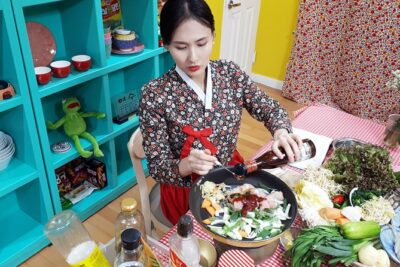
Local Home Korean Cooking Class & Market Adventure in Seoul
Read our review →
Master Korean traditional cooking with a Kimchi chef
Read our review →
Seoul: Taste of Korea, Authentic Home Style Cooking Class
Read our review →
Seoul: Royal Seoul Cooking Class in a 100-Year-Old Hanok
Read our review →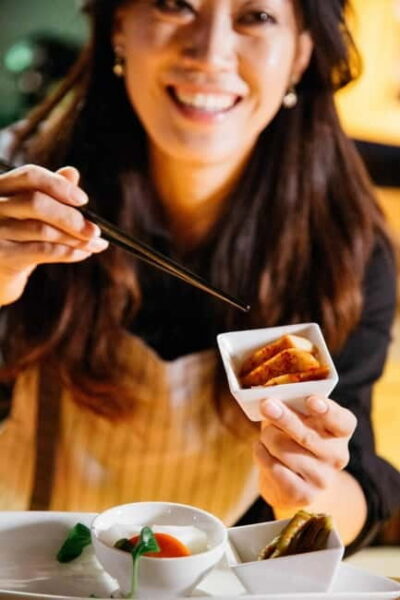
Seoul: Kimchi Dishes Cooking Class with Wine Pairing
Read our review →
Seoul: Temple Vegan Cooking Class & Oriental Medicine Tour
Read our review →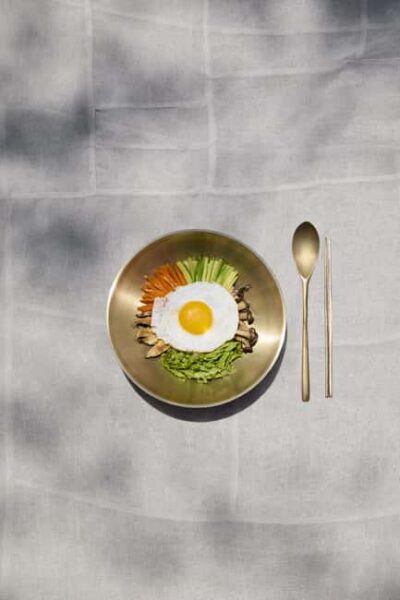
Seoul: Experience Korean Cooking in Modern Hanok Kitchen
Read our review →This kitchen also appears in