
Review · BAKING AND BREAD CLASSES
Prague: Traditional Czech Baking Class
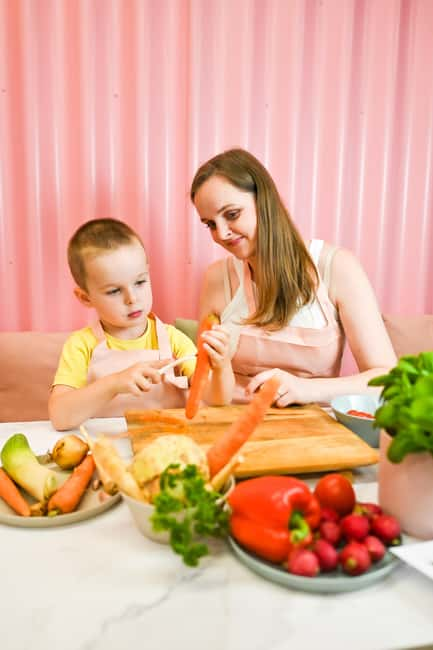
Fresh pastry and a playful finish make this Prague class more than a standard cooking lesson. You prepare apple strudel and seasonal fruit cakes from scratch, with measured ingredients, aprons, equipment, and printed recipes supplied. While the dough rests or the pastries bake, you can use five ball pits downstairs, an unusual twist for a culinary activity.
I especially like the small maximum group of 10, which should make it easier to follow the instructor and ask questions. I also like the 25-minute introduction to Czech baking traditions, followed by two hours of actual hands-on work rather than a demonstration from the sidelines. The main drawback is timing: the class is offered on weekday mornings, and the venue is not suitable for wheelchair users.
Key points at a glance
- Two Czech pastries in one class: Make apple strudel with homemade puff pastry and a seasonal fruit cake with handmade dough.
- A short cultural introduction: Begin with 25 minutes about Czech baking customs and the background of traditional sweets.
- A small English or Czech-speaking group: The class accepts up to 10 participants, with at least two required.
- Useful take-home extras: You receive printed recipes and packages for your baked products.
- A very unusual waiting activity: Five ball pits downstairs offer something to do while dough proofs or pastries bake.
- Coffee and lemonade included: Specialty coffee and homemade lemonades are provided, while alcohol and outside meals are not.
Making Czech pastries from scratch in three hours
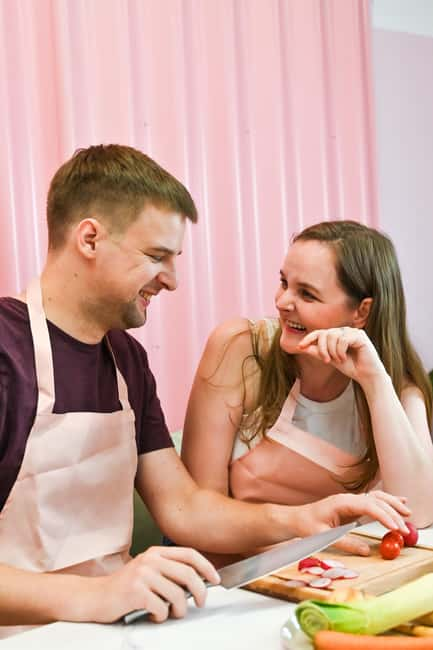
This experience takes place at Kuličkário, a very pink venue in Prague that should be easy to recognize. The meeting point is described as a very pink place, so you are unlikely to confuse it with a plain café or office entrance. Transportation is not included, and you will need to make your own way there.
The class lasts three hours. The first 25 minutes introduce Czech baking traditions and the role of familiar sweets in local home cooking. That opening matters because it gives the recipes some context. You are not simply mixing flour and fruit. You are learning why apple strudel and fruit cakes belong to the Czech baking table.
The remaining two hours are hands-on. You work with the ingredients, equipment, and recipes provided, wearing an apron supplied by the venue. Since the ingredients are pre-measured, as one participant specifically noted, the class keeps its attention on technique rather than spending much of the morning weighing and sorting.
That is a good arrangement for a short activity. You get more time to shape, fill, and bake, and less time standing around waiting for the next instruction. It should also help if you are new to baking or want to enjoy the class without worrying about bringing specialist tools.
More Baking and Bread Classes in the world:
- Lisbon: Pastel de Nata Baking Class
★ 4.9 · 2,106 reviews - Paris Croissant Small-Group Baking Class with a Chef
★ 5.0 · 910 reviews - Paris: French Croissant Baking Class with a Chef
★ 4.9 · 712 reviews
Apple strudel with homemade puff pastry
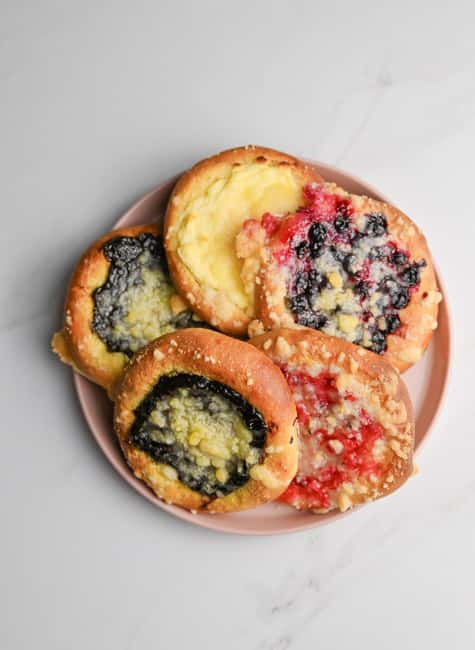
The apple strudel is one of the main reasons to book this class. You make it from scratch, including the pastry, rather than starting with a ready-made sheet. That gives you a better sense of the work behind a dessert that can look deceptively simple on a café counter.
The class description calls the pastry homemade puff pastry. Expect the instructor to guide you through the process step by step, with the ingredients already prepared for use. Exact filling details are not provided, so you should not expect a fixed list of spices or a guaranteed recipe variation beyond the apple strudel itself.
The practical value is clear: you leave with a recipe you can try again at home. The printed instructions are particularly useful here, since pastry work can be hard to remember after a single lesson. You also receive packaging for your baked goods, so the food is intended to go with you rather than be eaten only at the table.
I would pay close attention to how the dough is handled. That is likely to be the part most useful in your own kitchen. The class is not just about producing a sweet treat during a morning in Prague. It gives you a chance to watch the process closely, ask questions in English or Czech, and repeat it later with your own ingredients.
Seasonal fruit cake and the rhythm of Czech baking
The second bake is a seasonal fruit cake made with handmade dough. This adds variety to the class. You are not repeating the same pastry technique twice, and the fruit changes with the season, giving the recipe a connection to the time of year you visit.
Because the fruit is seasonal, the final cake may not look exactly the same on every date. That is part of the appeal, but it also means you should not book expecting a particular fruit unless the venue confirms it. The supplied information promises seasonal fruit cakes, not a fixed flavor.
Making two different pastries in one session gives the class a useful balance. Apple strudel introduces filled pastry, while the fruit cake offers a different dough and baking approach. You get a broader taste of Czech home baking than you would from a single-recipe workshop.
The process also includes waiting time while dough proofs and pastries bake. Rather than treating those pauses as dead time, the venue offers five interactive ball pits downstairs. It is an odd pairing with traditional baking, but it gives the activity a playful side, especially for groups of friends or families with children old enough to take part.
The ball pits change the mood
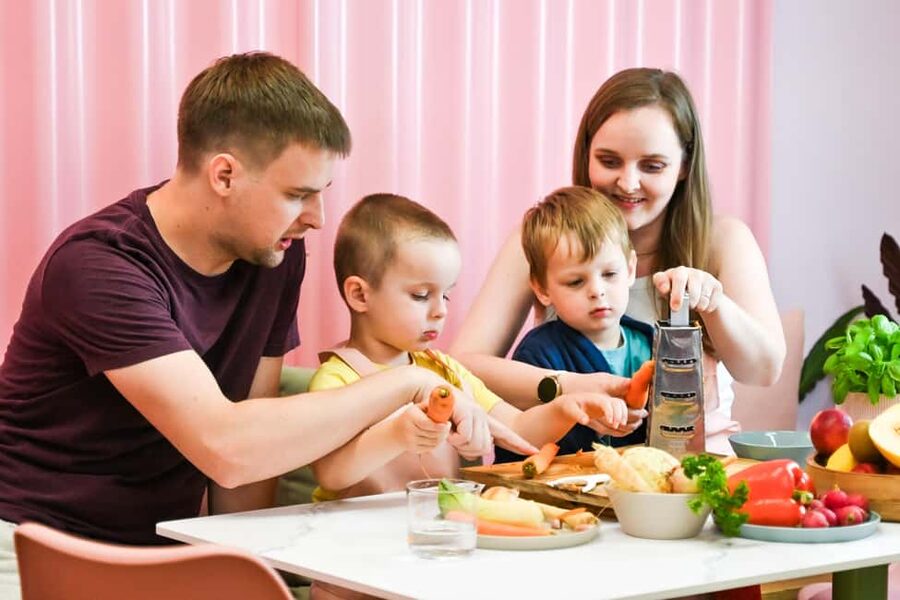
The ball pits are the most unexpected feature here. They are not a minor decorative detail. They are included as part of the experience and provide an activity between stages of baking.
That can be useful in a three-hour class. Dough needs time, and baked goods need time in the oven. Instead of remaining at the worktable for every minute, you can move downstairs and play while the next stage is underway. The venue has five interactive ball pits, so this is not simply a single small play area.
One important limit: the class is not suitable for children under two or babies under one. The information also lists people over 95 years and wheelchair users as unsuitable, so check the physical requirements carefully before booking. The ball pits make the experience more playful, but they do not make the venue accessible to every age or mobility level.
For adults, the ball pits may sound silly, and that is fair. If you want a quiet, formal pastry lesson, this is probably not the right setting. If you enjoy an informal activity with a lighthearted break, the combination is memorable without adding to the price.
More cooking classes around the world:
- Half-Day Thai Cooking Class at Organic Farm in Chiang Mai
★ 5.0 · 19,087 reviews - Florence: Pasta Cooking Class with Unlimited Wine
★ 4.9 · 10,285 reviews - 3 in 1 Cooking Class near Navona: Fettuccine, Ravioli & Tiramisu
★ 5.0 · 7,376 reviews - Florence: Pasta & Tiramisu Cooking Class with Unlimited Wine
★ 4.9 · 6,708 reviews
Drinks, packaging, and what you take home
Specialty coffee and homemade lemonades are included. These drinks give you something to enjoy during the class and make the session feel more like a café-based experience than a bare kitchen workshop.
Meals outside the class are not included, and alcohol is not provided. The class itself is focused on baking, so do not plan on it replacing lunch. A weekday morning start may make it a good first activity of the day, followed by a separate meal elsewhere.
The baked products are packaged for you to take away. That is a small but important benefit. Fresh pastries can be awkward to carry through a city, especially if you have other plans, so proper packaging protects the result and makes the class useful beyond the three hours.
The printed recipes are just as valuable. A food activity can be fun in the moment but hard to repeat later if there are no instructions. Here, you leave with a record of the two pastries, allowing you to recreate the apple strudel and fruit cake after returning home.
Why the small group matters

The class is limited to 10 participants, with a minimum of two. That is a sensible size for a baking lesson. You have enough people to give the session energy, but not so many that the instructor must turn every step into a distant demonstration.
The instructor speaks English and Czech. For English-speaking visitors, that removes a major concern when learning tasks that depend on precise instructions. Baking dough is not a place where vague directions help. You need to understand timing, texture, and the order of each step.
The supplied comments point to clear instructions and a helpful instructor. One participant also noted that the staff were excellent, while another found the instructor especially nice and helpful. No instructor name is provided, so you should not expect to book a particular named teacher.
The pre-measured ingredients are another group advantage. You can focus on the hands-on stages, and the instructor can keep the class moving. Still, remember that the exact amount of individual attention can depend on how full the group is. A class of two will feel different from one with 10 people.
Weekday mornings and the real cost
The listed price is $80 per person, or 1,650 Kč per person. The Czech crown price is the more useful figure once you are planning in Prague, though the amount charged to you may depend on the booking platform and exchange rate.
At that price, you are paying for three hours, a 25-minute cultural introduction, two hours of practical baking, all ingredients, equipment, aprons, packaging, printed recipes, specialty coffee, homemade lemonade, and access to the ball pits. You also get two recipes and two types of pastries rather than a single finished item.
I consider that reasonable value if you want an activity rather than just a snack. You are paying for instruction, a social setting, and the chance to make something yourself. The value is weaker if you are mainly looking for a cheap breakfast or a professional pastry certification.
The schedule is the biggest practical issue. The class is available on weekday mornings, so it will not suit every Prague itinerary. If your sightseeing plan is built around early museum visits or day trips, fitting this in may take some juggling. On the other hand, a morning class leaves the rest of the day open for the Old Town, museums, or another part of the city.
The cancellation policy gives you some flexibility: you can cancel up to 24 hours ahead for a full refund. You can also reserve and pay later, which helps if your Prague schedule is still changing.
Who will enjoy this Prague baking class
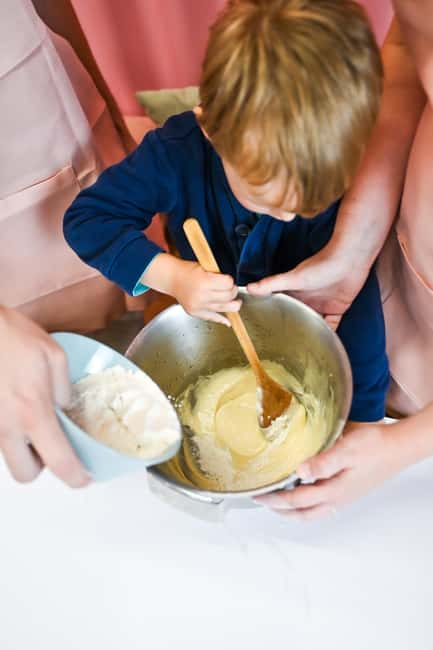
I would recommend this for people who like food activities with a social and playful edge. It suits couples, friends, and small groups who want to make something rather than only watch a cooking show.
It is also a good choice if you want a piece of Czech culture that reaches beyond famous buildings and city-center sightseeing. The opening talk about baking traditions, followed by familiar local sweets, gives you a practical connection to everyday food customs.
Families need to read the age limits carefully. Children under two and babies under one are not suitable, and the ball pits may appeal to older children, but the experience is not suitable for every mobility level. The supplied restrictions also exclude wheelchair users and people over 95 years.
You should skip it if you need a fully accessible venue, cannot attend on a weekday morning, or dislike playful spaces. You should also avoid booking if your main goal is a full meal, since food outside the pastries is not included.
A useful Prague souvenir you can eat

Many city activities leave you with photographs and a vague memory of what happened. This one gives you pastries, recipes, and a method you can use again. That makes the experience especially practical for anyone who enjoys cooking at home.
The result is not only a souvenir. It is a way to bring part of the activity into your own kitchen. When you make the strudel again, you will remember the dough work, the filling, and the timing. The seasonal fruit cake can change with the time of year, so it offers more room for future attempts.
The take-home packaging also helps if you want to continue sightseeing after class. You can carry your baked goods with you instead of eating everything before leaving. Exact storage guidance is not provided, so ask the instructor if you need advice about keeping the pastries fresh.
Should you book this class?
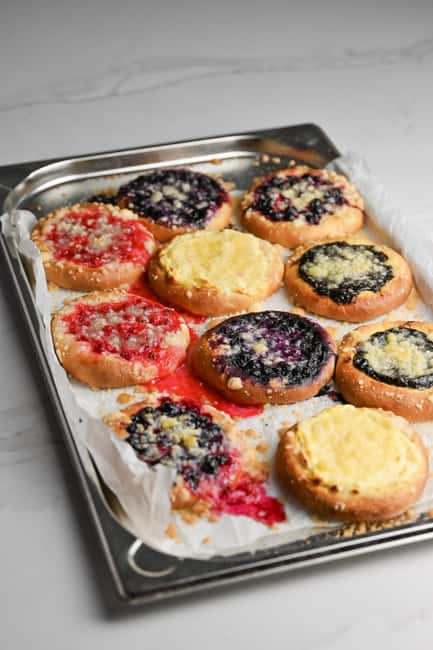
Book it if you want a hands-on morning, enjoy Czech sweets, and like the idea of leaving Prague with both food and recipes. The strongest reasons are the two from-scratch bakes, the small group, the clear English or Czech instruction, and the unusual ball-pit break.
Think twice if weekday mornings do not work, if accessibility is a concern, or if you prefer a quiet and formal cooking school. At $80, or 1,650 Kč, the price makes the most sense when you value the full package: instruction, drinks, equipment, packaging, recipes, and a playful setting.
For the right person, this is a fun change from standard Prague sightseeing. It gives you something to do with your hands, something sweet to take away, and a better understanding of Czech baking at home.
FAQ
How long does the Prague baking class last?
The experience lasts three hours. It includes a 25-minute introduction to Czech baking traditions and a two-hour hands-on class.
What will I bake?
You will make apple strudel with homemade puff pastry and a seasonal fruit cake made with handmade dough.
Are ingredients and equipment provided?
Yes. All ingredients and equipment are provided, along with aprons.
Is the class taught in English?
Yes. The instructor can teach in English or Czech.
What is included with the baked products?
You receive packaging for your baked products and printed recipes. Specialty coffee and homemade lemonades are also included.
When is the class available?
The class is available on weekday mornings. A minimum of two people is required, and the group can include up to 10 participants.
New cooking classes around the world
- Shinjuku Tokyo: Authentic Japanese Home-Style Culinary Class★ 4.9 · 125 reviews
- Shibuya Tokyo: Onigiri & Tamagoyaki Cooking Class★ 5.0 · 4 reviews
- M.O.M COOKING CLASS★ 4.8 · 6 reviews
- Seville: Paella-Cooking Experience with Sangria & Full Meal★ 4.9 · 42 reviews
- Shanghai: Authentic Chinese Cooking Class with Master Chef★ 5.0 · 2 reviews
- Sestri Levante: Pesto & Cooking Classes, Wine Tasting★ 4.9 · 56 reviews
- Seville: Paella Cooking Class & 30-Min Local Expert Q&A★ 4.8 · 37 reviews
- Seoul: Premium Korean Feast Cooking Class★ 5.0 · 3 reviews
Baking and Bread Classes, side by side.
Paris Croissant Small-Group Baking Class with a Chef
Read our review →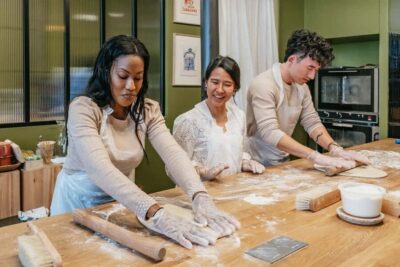
Paris: French Croissant Baking Class with a Chef
Read our review →
Paris: Macaron Baking Class for Families and Kids
Read our review →
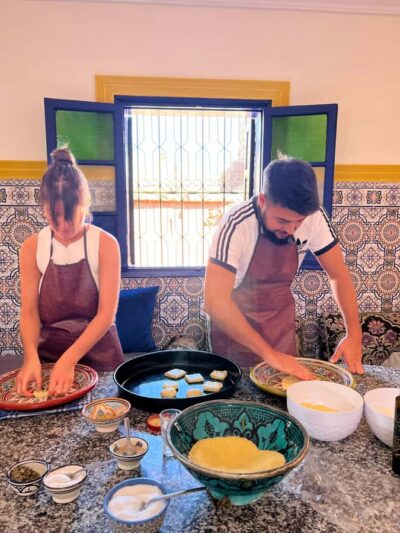
Marrakech: Traditional Moroccan Crepes & Bread Cooking Class
Read our review →
Paris: French Macarons Baking Class with a Parisian Chef
Read our review →This kitchen also appears in