
Review · SEOUL
Seoul: Korean Cooking at Seoul Cooking Club!
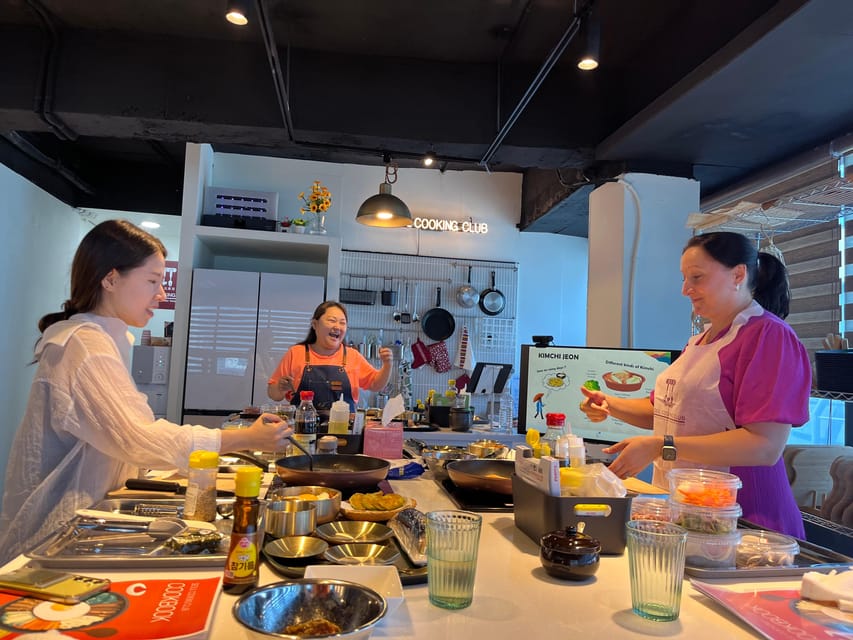
Korean cooking is at its best when several small dishes crowd the table, and this 150-minute Seoul Cooking Club class lets you help make that spread yourself. You’ll prepare jeon, japchae, bulgogi, Jeonju bibimbap, banchan, dessert, and drinks with an English-speaking chef who explains where the food comes from.
I like the wide menu and the practical setup. You get to taste roughly ten side dishes, and the cooking is arranged so even beginners can keep up. I also like the useful take-home extras: a recipe booklet, a small bag, and often containers for leftovers. The main consideration is price: at $109 per person, this costs more than a simple Korean meal, though it includes a large amount of food and instruction.
Key points to know before booking
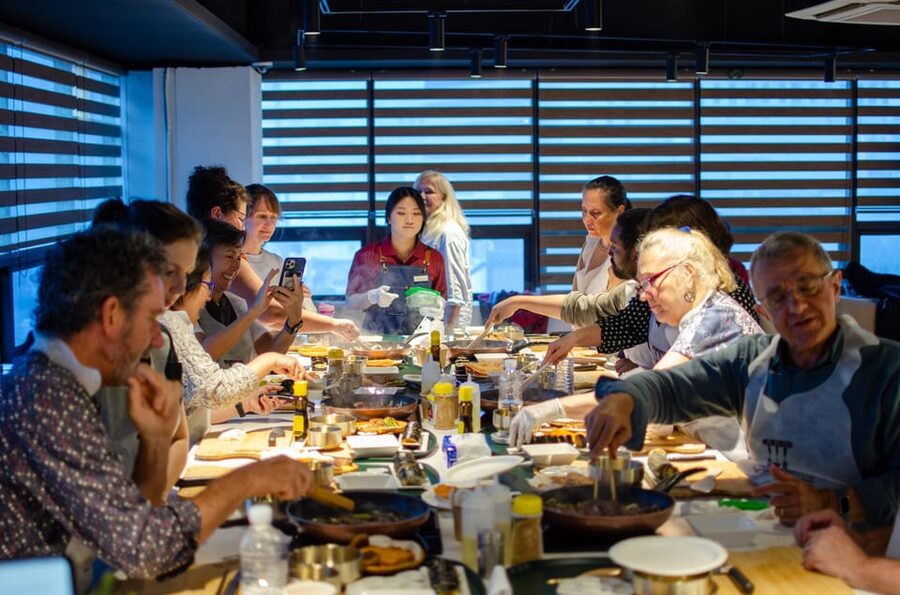
- Seven or more Korean dishes: Prepare staples including japchae, bulgogi, bibimbap, and several kinds of jeon.
- English-speaking chefs: Sally, Olivia, Elly, and Grace have led sessions, with clear explanations and help at each station.
- A full meal, not just a demonstration: You cook, taste as you go, then sit down to eat the finished dishes.
- Recipe booklet and takeaway food: You receive recipes to use at home, and generous portions may leave you with lunch for the next day.
- Easy central location: The class is 15 metres from Jonggak Station, Exit 12, close to Insadong, Ikseondong, Gwangjang Market, and Myeongdong.
- Adults and older teens only: Children under 16 cannot join, and closed-toe shoes are required.
What happens during the 150-minute Seoul cooking class
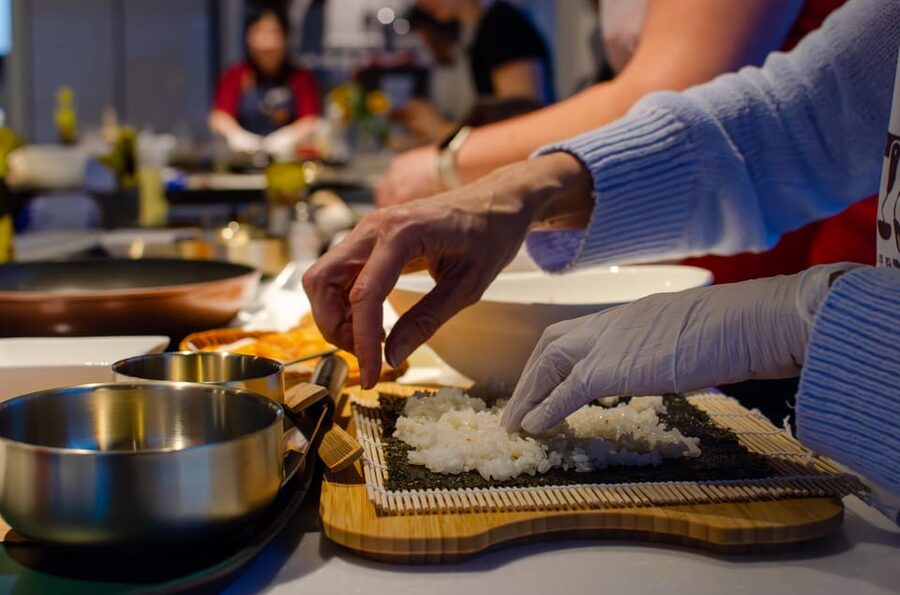
This is a hands-on class rather than a chef’s demonstration where you watch from the sidelines. You work at a station, follow the chef’s instructions, and help build a multi-dish Korean meal.
The menu is broad. The exact jeon selection can change, but you might make donggrangttaeng, pollack pancake, pajeon, beef pancake, tofu pancake, or sesame leaf pancake. That variety gives you a useful introduction to Korean cooking because jeon is less a single dish than a whole family of pan-fried foods.
The class also covers three main Korean favorites. Japchae combines stir-fried vegetables with glass noodles. Bulgogi uses thinly sliced beef seasoned with soy sauce before it is cooked. Jeonju bibimbap brings together rice and toppings in the familiar mixed Korean bowl.
The food is prepared in a way that keeps the class moving. Some chopping and ingredient preparation is done ahead of time, so you can focus on key methods rather than spend the whole session peeling and slicing. That is good news if you are new to Korean cooking, though experienced home cooks may find the process less technical than a full professional lesson.
You will taste while you work, then sit down for the completed meal. The class is designed around a three-course experience, but the number of individual dishes makes it feel more like a Korean table spread than a simple starter, main, and dessert.
More Korean Cooking Classes around Seoul:
- Local Home Korean Cooking Class & Market Adventure in Seoul
★ 5.0 · 1,024 reviews - Master Korean traditional cooking with a Kimchi chef
★ 5.0 · 385 reviews - Seoul: Korean Cooking Class at a Local Home and Market Tour
★ 5.0 · 348 reviews
Jeon: small pancakes with a lot of variety
The jeon section is one of the most enjoyable parts because each version has a different texture and filling. Pajeon, made with seafood, is probably the closest to the Korean pancake many people already know. Tofu, beef, pollack, and sesame leaf versions show how flexible the technique can be.
You prepare three or four kinds from the daily selection. This keeps the menu manageable while still giving you several recipes to remember. The cooking method is straightforward, but the lesson helps you see how Koreans turn modest ingredients into food that works as a snack, side dish, or part of a larger meal.
The class is especially useful here if you plan to cook at home. Jeon does not require a long list of unusual equipment, and the recipe booklet gives you a reference after your return. You should still expect to pay attention to heat and timing, since pan-fried foods can go from pale to overdone quickly.
Japchae, bulgogi, and bibimbap at the main table
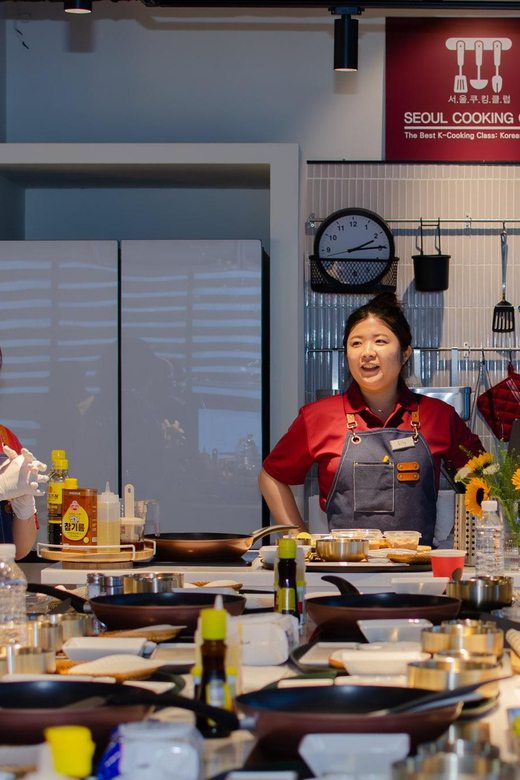
The main dishes bring three different ideas together. Japchae is soft, springy, and packed with vegetables. Bulgogi shows how a soy-based seasoning can give thin beef plenty of flavor without a complicated cooking process. Bibimbap teaches the simple pleasure of arranging separate ingredients before mixing them into one bowl.
Jeonju bibimbap is particularly useful for understanding Korean food as a combination of prepared parts. You do not just make one sauce and pour it over everything. You assemble rice, vegetables, meat, and seasonings so each bite changes slightly.
The recipes are presented in a beginner-friendly way. Several people have found the instructions easy to follow even without much kitchen experience. That does not mean you can switch off completely, but it does mean you will not need to arrive with advanced knife skills or knowledge of Korean ingredients.
If you are gluten-free or have coeliac disease, tell the provider in advance. The class has accommodated gluten-free participants, including a coeliac diner who was able to eat everything prepared during the session. Still, dietary needs should be confirmed before booking rather than left to chance on the day.
Ten tastings, Korean drinks, and dessert
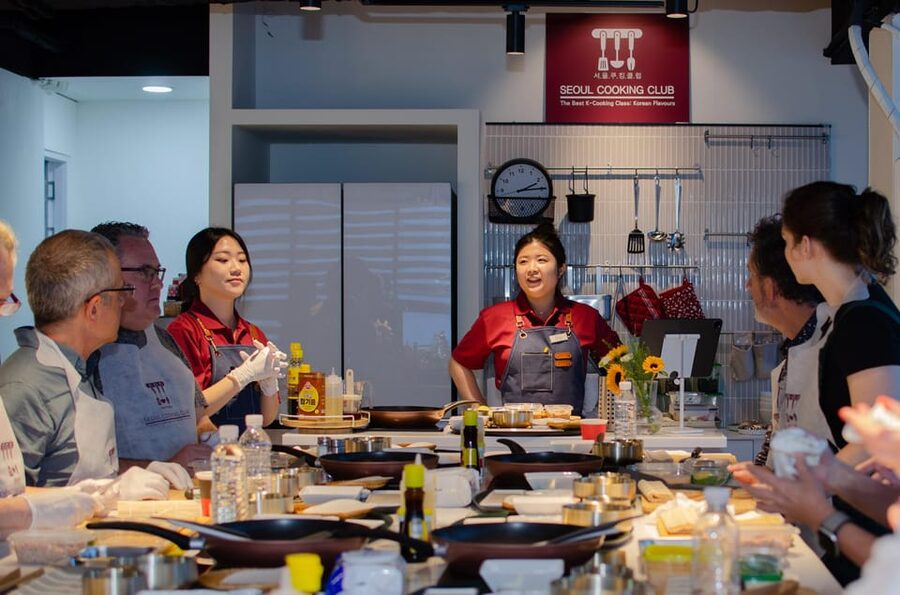
The side dishes make the meal feel distinctly Korean. You may taste kimchi, radish kimchi, seasoned soybean sprouts, seasoned spinach, spicy cucumber, Korean egg-roll, and stir-fried anchovy. The selection can change, but the point is to show how a Korean meal relies on several small portions instead of one oversized main dish.
This is also where the class offers useful cultural context. The chef explains the origins of dishes and talks about Korean food customs while you cook. It is not a formal lecture, and the stories are woven into the practical work, which makes them easier to remember.
Drinks include water, sikhye, and Korean tea. Sikhye is a sweet rice drink often served as a refreshing finish to a meal. Dessert changes from day to day, and bingsu may be included. Since the dessert is not fixed, you should think of it as a pleasant final course rather than book specifically for one named sweet.
Come hungry. The portions are generous, and you will eat during the preparation as well as at the final meal. If you have plans immediately afterward, especially another food-focused activity, you may find the amount difficult to manage.
More cooking classes around Seoul:
- Seoul: Taste of Korea, Authentic Home Style Cooking Class
★ 4.9 · 166 reviews - Seoul: Royal Seoul Cooking Class in a 100-Year-Old Hanok
★ 5.0 · 96 reviews - Seoul: Kimchi Dishes Cooking Class with Wine Pairing
★ 4.7 · 38 reviews - Seoul: Temple Vegan Cooking Class & Oriental Medicine Tour
★ 4.6 · 32 reviews
The chefs make the difference
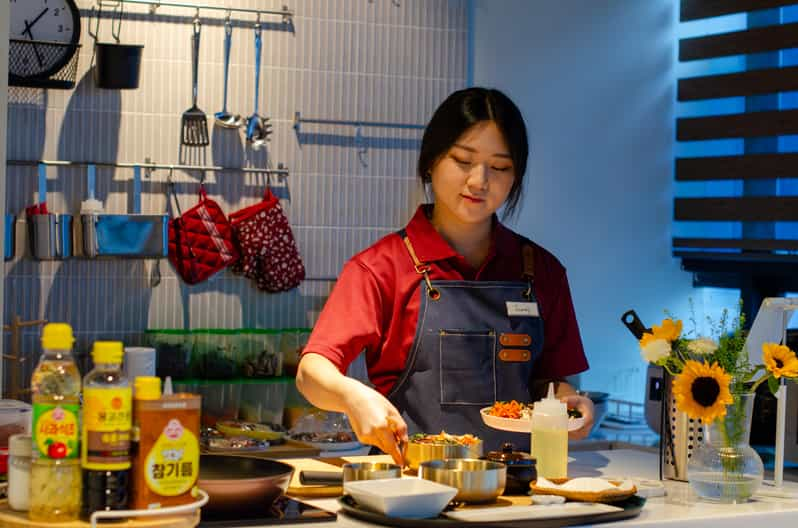
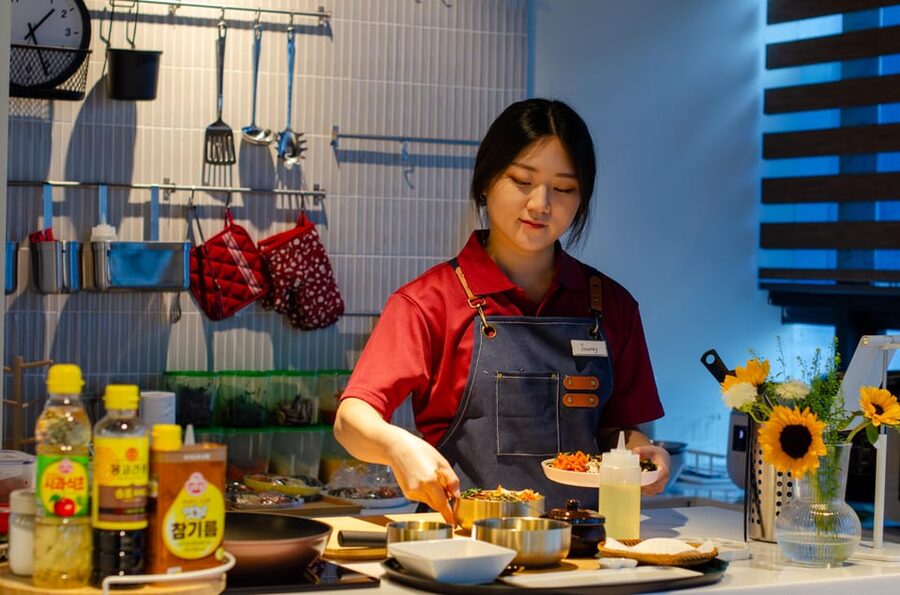
The English-speaking instructors are a major part of the experience. Sally, Olivia, Elly, and Grace have all led classes, and the teaching style is warm and patient rather than rigid. The chef explains each step, answers questions, and adds stories about the dish’s origins.
Olivia has been praised for making beginners comfortable and for explaining steps in detail. Sally is especially good at keeping instructions clear while maintaining a friendly kitchen atmosphere. Elly has helped late arrivals catch up, and Grace has been described as attentive and generous with practical guidance.
The exact chef depends on the session, so you should not book expecting one particular person unless the provider confirms that in advance. The consistent advantage is the English instruction, which removes much of the guesswork when handling unfamiliar ingredients.
The class also appears well supported behind the scenes. Assistants may clear used tools and keep each work area orderly as the cooking continues. That matters because seven dishes can create a serious pile of bowls and utensils. Here, you spend more time cooking and less time washing up.
A clean, organized kitchen for beginners
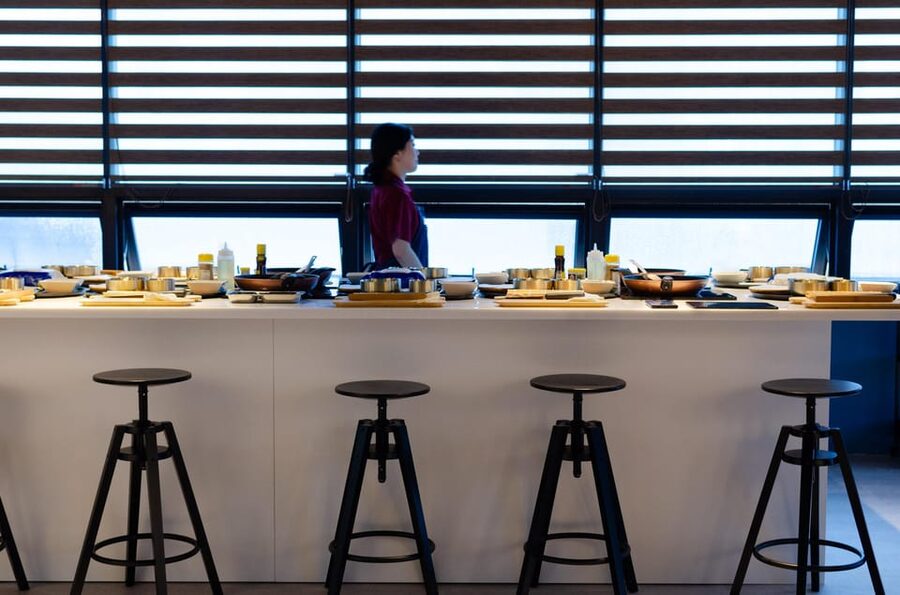
The cooking space is modern, clean, and arranged with individual workstations. Ingredients and utensils are laid out before you begin, so you can concentrate on the recipe instead of hunting for equipment.
That organization is one reason the class works well for solo visitors. You can meet other people while preparing food, but you are not expected to bring a partner or know anyone in advance. The atmosphere is social without requiring forced group games or complicated teamwork.
The pace is active but not frantic. You move from one dish to another, taste along the way, and finish with time to sit down. Since preparation is partly completed before class, this is not the place to learn every stage of Korean food production from raw ingredients. It is the place to learn several useful dishes in one sitting and understand how they fit together.
Closed-toe shoes are required. The activity is wheelchair accessible, and the provider offers sessions throughout the week. Three start times are available from Monday to Sunday, covering a brunch, lunch, or early dinner schedule, though you should check the current times when booking.
Location near Jonggak, Insadong, and Gwangjang Market
The meeting point is unusually easy to reach. From Jonggak Station on Line 1, use Exit 12. Walk straight, take the immediate first right around Pascucci, and look for the orange-fronted Good Game Zone in the same building. Seoul Cooking Club is on the seventh floor.
The address puts the class in central Jongno, so you can combine it with sightseeing. Insadong and Ikseondong are about a minute away, and Gwangjang Market, Myeongdong, and Gyeongbokgung Palace are within roughly ten minutes on foot according to the provided directions.
That makes timing worth considering. A morning class can lead into sightseeing and lunch. A lunch session fits neatly between palace visits and shopping. An early evening class gives you dinner without requiring a long ride across Seoul afterward.
There is no hotel pickup or drop-off. You do not need it here. The subway access is simple, and the central setting is more useful than a pickup service would be for most visitors.
Is $109 a fair price?
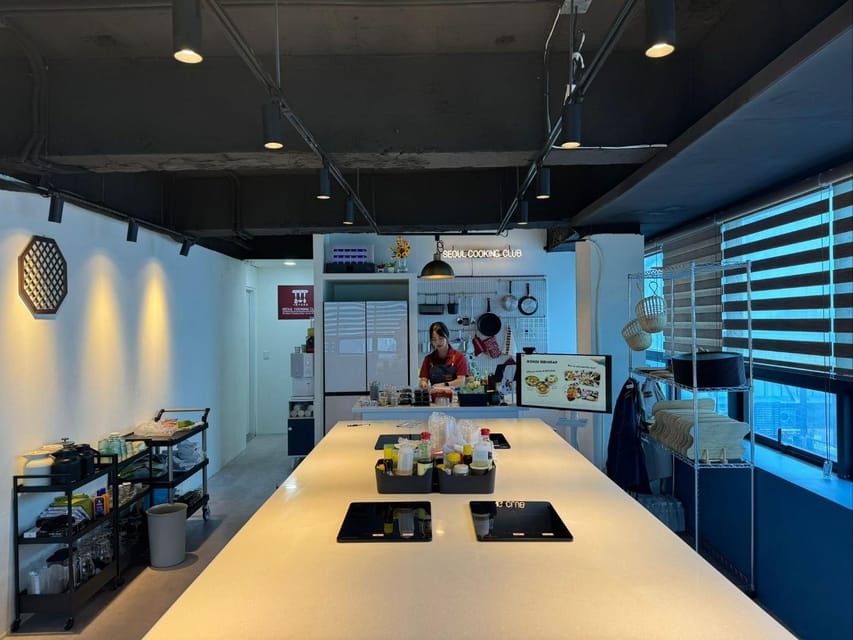
The $109 fee is not cheap for a two-and-a-half-hour activity. You could eat Korean food for less, and a cooking class with only one or two recipes would offer weaker value at this price.
The calculation changes because this is a full meal and a large cooking session. You prepare several main dishes, three or four jeon, a range of banchan, dessert, and drinks. You also receive instruction in English, a recipe booklet, and, in many sessions, takeaway containers and a bag for leftovers.
The take-home food matters. Several portions are generous enough to provide more than one meal, though you should not assume you can always carry everything away if you have immediate plans. Bring an appetite, and leave room in your schedule and luggage for the recipe booklet and possible leftovers.
I would consider the price fair for someone who values instruction, food, and a central location. It is less compelling if you mainly want to eat Korean dishes or if you have little interest in cooking at home.
Who will enjoy this most?
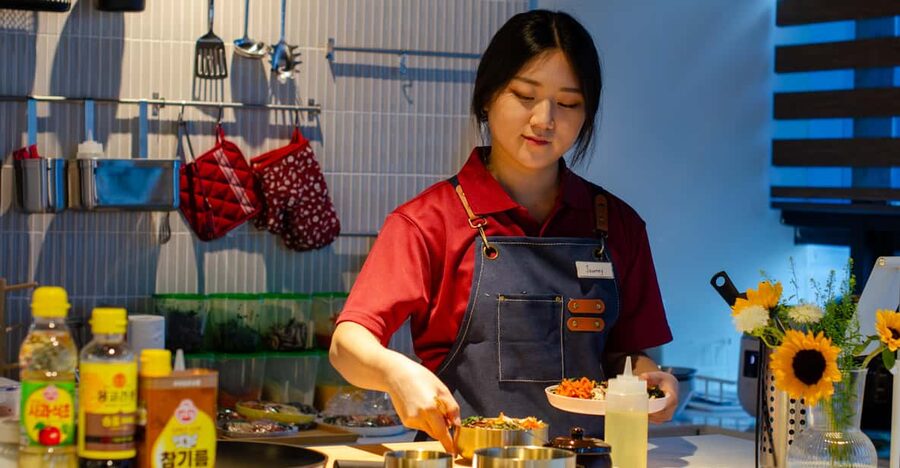
I would recommend this class to food-focused visitors, curious beginners, solo visitors, and couples who want an activity with a meal at the end. It also suits families with older teenagers, provided everyone is at least 16.
You do not need cooking experience. The recipes are explained clearly, and the chef or assistant can help when you get stuck. The format also works for experienced cooks who want a broad introduction to Korean dishes rather than a single detailed recipe.
This is not ideal for young children, rushed schedules, or anyone who wants a quiet sit-down meal with no participation. It is also not the right pick if you dislike shared group activities or cannot eat the listed ingredients without arranging a dietary option ahead of time.
The social side is a useful bonus. You may arrive alone and leave with new recipes, a full stomach, and a few conversations with people from elsewhere. The focus remains on food, not entertainment for its own sake.
Booking details and practical advice
Cancellation is free up to 24 hours before the activity for a full refund. You can also reserve and pay later, which helps if your Seoul schedule is still changing.
Plan to arrive at Jonggak Station with enough time to find the seventh-floor entrance. The provider gives precise directions, but central Seoul buildings can be easier to locate when you are not rushing.
Wear closed-toe shoes and comfortable clothing suitable for standing and cooking. You are likely to eat a lot, so do not schedule a large meal immediately afterward.
For dietary restrictions, contact the provider before booking. Gluten-free arrangements have been handled successfully, but the class menu includes soy sauce, meat, seafood, tofu, and other ingredients that may need adjustment.
Should you book Seoul Cooking Club?
Book it if you want more than a meal and would like to understand how several Korean dishes come together at one table. The strong points are clear English instruction, a broad menu, an organized kitchen, generous food, and recipes you can use after Seoul.
Skip it if $109 feels too high for a food activity, if you are under 16, or if you prefer discovering dishes in restaurants without cooking. For everyone else, this is a practical and satisfying way to spend 150 minutes in central Seoul, especially when you arrive hungry and keep the rest of the day flexible.
FAQ
How long is the Seoul Cooking Club class?
The class lasts 150 minutes, or two and a half hours.
How much does the cooking class cost?
The listed price is $109 per person.
Where does the class meet?
It meets at Seoul Cooking Club near Jonggak Station in Jongno. Use Line 1, Exit 12, walk straight, take the immediate right around Pascucci, and go to the seventh floor of the building beside the orange Good Game Zone.
Is the class taught in English?
Yes. The instructor teaches in English, and chefs including Sally, Olivia, Elly, and Grace have led sessions.
What dishes will I cook?
You will prepare three or four types of jeon, japchae, bulgogi, and Jeonju bibimbap. The experience also includes Korean side dishes, dessert, and traditional drinks. The exact jeon and dessert selection may vary.
Are drinks and dessert included?
Yes. The included drinks are water, sikhye, and Korean tea. A Korean dessert is included, and bingsu may be served.
Can children join the cooking class?
Children under 16 are not permitted to participate.
What should I bring?
You should bring or wear closed-toe shoes. Hotel pickup and drop-off are not included.
New cooking classes around Seoul
- Seoul: Korean Kimchi Cooking Class in the Heart of the City★ 5.0 · 3 reviews
- Seoul: Premium Korean Feast Cooking Class★ 5.0 · 3 reviews
- Seoul: Taste of Korea, Authentic Home Style Cooking Class★ 4.9 · 166 reviews
- (Seoul) Korean Cooking Class with a Professional Chef★ 5.0 · 14 reviews
- Seoul: Korean Home Visit, Cooking & Cultural Experience★ 5.0 · 2 reviews
- Seoul: Korean Cooking Class with Local Grocery Shopping★ 5.0 · 13 reviews
- Seoul: Cooking Class and Tour with Michelin-Trained Chef★ 5.0 · 11 reviews
- Seoul: Authentic Korean Cooking Class and Market Tour★ 5.0 · 6 reviews
Seoul Cooking Classes, side by side.
Local Home Korean Cooking Class & Market Adventure in Seoul
Read our review →
Master Korean traditional cooking with a Kimchi chef
Read our review →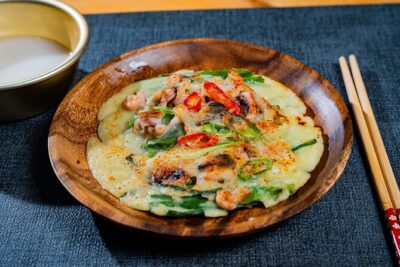
Seoul: Taste of Korea, Authentic Home Style Cooking Class
Read our review →
Seoul: Royal Seoul Cooking Class in a 100-Year-Old Hanok
Read our review →
Seoul: Kimchi Dishes Cooking Class with Wine Pairing
Read our review →
Seoul: Temple Vegan Cooking Class & Oriental Medicine Tour
Read our review →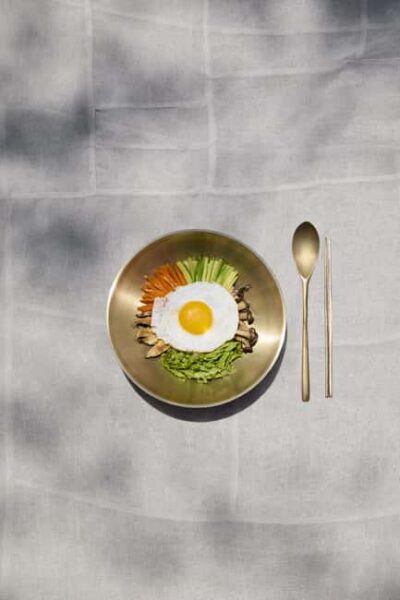
Seoul: Experience Korean Cooking in Modern Hanok Kitchen
Read our review →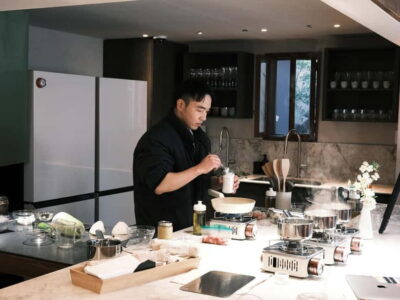
From Forest to Table: A Hansik Cooking Journey in Seoul
Read our review →This kitchen also appears in