
Review · SEOUL
Seoul: Korean Home Visit, Cooking & Cultural Experience
The most meaningful part of this Seoul experience happens around a family table, not at a famous sight. You’ll cook Korean food with a local host, eat together, and talk about ordinary life, family, and customs. I like the small groups of up to five and the chance to learn directly from people who cook these dishes at home. I also like that the 4-hour option can include hanbok, Hangul, or traditional games.
The main consideration is that this is a personal home visit, not a polished cooking school. English ability varies by host, homes may use floor seating, and the extra activities are not guaranteed. You should arrive with patience, curiosity, and a willingness to communicate beyond perfect words.
Key Points at a Glance
- Cook with a real Korean host: Prepare bibimbap, kimbap, bulgogi, or another classic dish using ingredients supplied for the session.
- Share the meal at home: Eating together gives you a closer look at Korean hospitality and the meaning of jeong, a bond formed through warmth and shared time.
- Choose two or four hours: The shorter option focuses on cooking and the meal, while the longer visit may add hanbok, Hangul, games, or storytelling.
- Keep the group intimate: No more than five participants take part, so you have room to ask questions and join the preparation.
- Go directly to the host’s home: The correct address arrives by email after booking, and transportation is not included.
- Plan around the food: Standard dietary needs should be shared in advance, but the experience is not suitable for people with gluten intolerance.
A Korean Home Is the Main Attraction
Seoul has no shortage of palaces, markets, food streets, and grand views. This experience takes a different route. You leave the sightseeing circuit for a few hours and enter a Korean home, where the focus is daily life rather than major attractions.
That change matters. In a market, you can taste Korean food. Here, you can see how a local person prepares it, why certain ingredients matter, and how cooking becomes a social activity. The host is not simply demonstrating a recipe while you watch. You are expected to help, ask questions, and sit down for the meal afterward.
I especially like the personal scale. With a maximum of five participants, the visit has a chance to feel like a conversation instead of a class full of strangers. You can ask about family routines, celebrations, food preferences, and life in Korea. The host will also be curious about you and your home culture.
The program works with more than 12,000 hosts across Korea, so no two home visits will be exactly alike. That gives the experience a human quality, but it also means you should not expect the same house, menu, or activity list every time.
More Korean Cooking Classes around Seoul:
- Local Home Korean Cooking Class & Market Adventure in Seoul
★ 5.0 · 1,024 reviews - Master Korean traditional cooking with a Kimchi chef
★ 5.0 · 385 reviews - Seoul: Korean Cooking Class at a Local Home and Market Tour
★ 5.0 · 348 reviews
Cooking Bibimbap, Kimbap, or Bulgogi
The cooking portion is the anchor of the visit. Depending on your host, you may prepare bibimbap, kimbap, bulgogi, or another traditional Korean dish. Ingredients and cooking materials are included, so you do not need to shop before arriving.
The supplied details do not promise one fixed menu. That is useful to know before booking. If you are hoping to make one particular dish, ask about it in advance rather than assuming it will be served.
Bibimbap gives you a look at the balance of rice, vegetables, and sauce in a familiar Korean meal. Kimbap shows how simple ingredients can be arranged into a neat, portable dish. Bulgogi offers a chance to learn about Korean marinating and shared meals. The value is not just the finished plate. It is the small decisions along the way, such as how the host cuts ingredients, seasons the food, and organizes the cooking.
One helpful detail comes from the experience with Sena. She offered a good balance between hands-on work and demonstration. That is exactly what I want from a home cooking visit. Too much demonstration leaves you standing around. Too much hands-on work can feel rushed if you do not know what you are doing. A useful host lets you participate while stepping in when a technique needs explaining.
Cooking also gives you an easy way to connect when language is limited. You can point, copy a movement, taste a sauce, and ask simple questions. The hosts speak English and Korean, but their English ability varies. You do not need advanced language skills, though openness and patience will make the visit smoother.
The Shared Meal and the Meaning of Jeong
After the cooking, you sit down and eat what you helped prepare. This is not a minor finish to the activity. The shared meal is the point at which the cooking turns into a personal exchange.
Korean culture places great importance on food as an expression of care. A meal can show welcome, generosity, and affection without requiring a formal speech. The idea of jeong describes the closeness and emotional bond that can grow through shared experiences. You will not understand the word fully from a definition alone. You get a better sense of it through the host’s attention, the food on the table, and the unhurried conversation.
I like that the meal is homemade rather than presented as a restaurant tasting. Everyday family recipes can tell you more about home life than a carefully staged menu. You may learn how a dish fits into family routines or special occasions, though the exact stories depend on your host.
The visit with Nan-young and her daughter shows how personal this format can become. They were able to accommodate extra requests, and the time passed quickly for the participants. That kind of flexibility is a real advantage of meeting a host in her own home, though it should not be treated as a guarantee for every booking.
You should also keep your expectations sensible. This is not a formal food lecture, and the host may not explain every ingredient in polished English. The best questions are direct and practical: How is this usually eaten? Is this made for holidays? What would your family serve with it? These questions invite stories instead of one-word answers.
What the Four-Hour Visit Can Add
The two-hour option centers on cooking and eating. That is enough if your schedule is tight or food is your main interest. The four-hour option gives the host more time to share other parts of Korean culture and daily life.
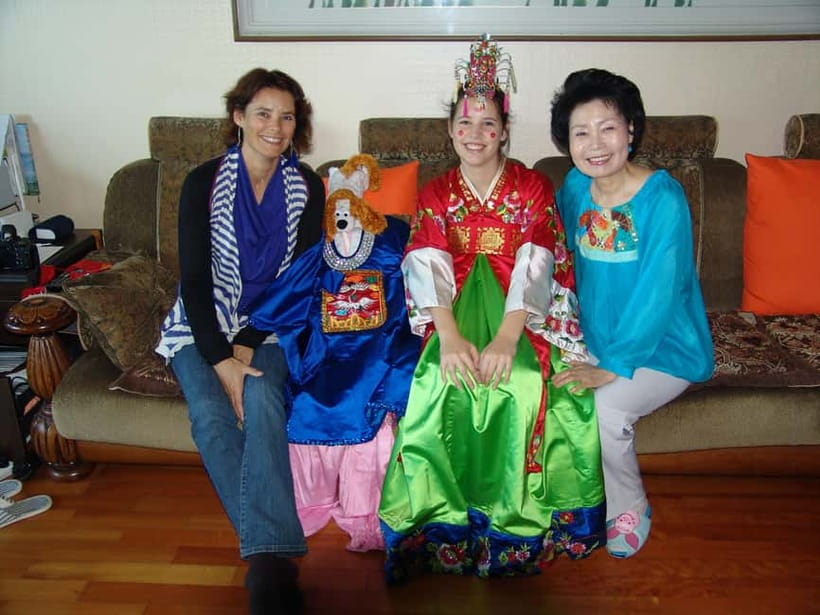
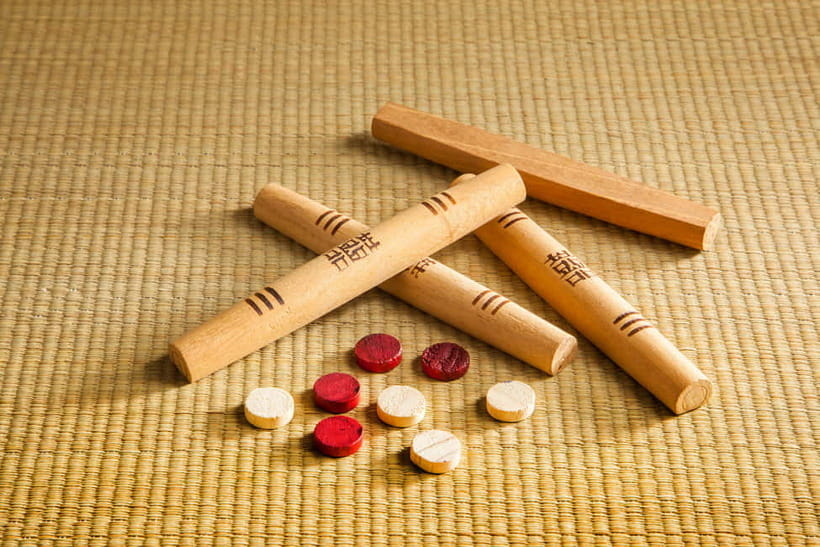
Activities depend on the host’s background and home setup. You might try on hanbok, learn to write a heartfelt message in Hangul, or play traditional games such as yutnori or tuho. You may also hear stories about Korean history and family life or spend more time talking about everyday routines, hopes, and dreams.
Because these additions vary, treat them as possibilities rather than a fixed program. One host may have hanbok ready. Another may prefer conversation and food. Neither approach is wrong. The longer visit simply gives you more time for the host to shape the experience around what they can offer.
I would choose four hours if you have a strong interest in Korean customs and want the visit to feel less like a cooking lesson. The extra time can let conversations develop naturally. You may begin with ingredients and end up discussing family traditions or the differences between daily life in Korea and your own country.
The longer option is less suitable if you want a tightly timed schedule with guaranteed activities. The experience is built around personal exchange, so some flexibility is part of the bargain.
More cooking classes around Seoul:
- Seoul: Korean Cooking at Seoul Cooking Club!
★ 5.0 · 311 reviews - Seoul: Taste of Korea, Authentic Home Style Cooking Class
★ 4.9 · 166 reviews - Seoul: Royal Seoul Cooking Class in a 100-Year-Old Hanok
★ 5.0 · 96 reviews - Seoul: Kimchi Dishes Cooking Class with Wine Pairing
★ 4.7 · 38 reviews
How the Home Setting Changes the Experience
A home visit has a warmth that a public venue cannot easily copy. You may see the kind of seating, kitchen arrangement, or family objects that help explain how people live. You are not being shown a model home, so the setting will differ from host to host.
Some traditional homes may require floor seating. If sitting on the floor is uncomfortable for you, consider this before booking or ask for more information in advance. The available details do not promise a particular home style or seating arrangement.
The home setting also comes with basic social rules. Arrive on time because the host has planned the meal and prepared the ingredients. Be respectful about household customs, ask before taking photographs, and remember that this is a personal exchange rather than a commercial performance.
Some hosts provide photographs from the visit. That can be a nice record of the day, but it is not listed as a guaranteed service for every host. Bring the same courtesy you would use when visiting someone you know at home.
Pets and weapons or sharp objects are not allowed. The important practical point is simple: you are entering someone’s private space. Good manners matter more here than rushing to fit in every possible activity.
Group Size, Language, and the Human Connection
The group limit of five is one of the strongest practical features. A small group gives you more time at the cutting board, more chances to ask questions, and a better chance to speak with the host directly. It also keeps the meal from feeling like a large organized event.
English communication is available, but fluency varies. I would not book this expecting a detailed lecture delivered in perfect English. Instead, think of it as a shared activity supported by conversation, gestures, demonstrations, and simple questions.
This can work especially well for families, couples, solo visitors, and small groups of friends who want a personal cultural encounter. Children or adults who enjoy cooking and talking are likely to get the most from it. If you prefer to observe quietly and avoid interaction, this may feel demanding.
The program’s emphasis on jeong also means emotional warmth is part of the experience. Your host is likely to ask about your life and culture, not simply explain Korea to you. Come prepared to share something about your own food, family customs, or hometown. That exchange is what separates a home visit from a standard class.
Is $100 a Fair Price?
At $100 per person, this is not the cheapest way to eat Korean food in Seoul. You can find excellent meals for much less, and a cooking class in a commercial kitchen may offer a more predictable format.
The price makes more sense when you count what is included: a home visit, ingredients, cooking instruction, a homemade meal, conversation, and possibly several cultural activities in the four-hour option. You are paying for access to a personal setting and a small group, not just a plate of food.
Value depends heavily on your priorities. If you want a quick introduction to Korean cuisine, the two-hour choice may be enough. If you care about family life, language, customs, and personal connection, the four-hour option gives the $100 price more weight.
I would compare this with the cost of a guided food tour and a separate cultural class. This experience can cover some of both, though it will not offer the broad restaurant stops or city sightseeing of a food tour. Its value comes from depth and attention, not variety.
The lack of included transportation is worth noting. You make your own way to the host’s home, so allow time to reach an unfamiliar address. Do not rely on the meeting point shown elsewhere. The correct address and host details are sent in a separate email after booking.
Food Restrictions and Practical Preparation
Tell the organizer about allergies, dietary restrictions, or cultural preferences at [email protected] before the visit. Standard dietary accommodations may be possible, but special ingredients or major meal changes are not included.
The experience is specifically marked as unsuitable for people with gluten intolerance. If gluten is a serious health concern, do not assume that a traditional Korean menu will be safe. Ask for clear information before booking, and consider choosing another activity if the organizers cannot confirm suitable food.
The hosts prepare the ingredients before you arrive, so last-minute changes may be difficult. Early communication is the fair approach because it gives the host a chance to understand your needs.
Wear something comfortable for cooking and possible floor seating. The supplied information does not set a dress code, but clothing that allows easy movement is sensible. If the four-hour option includes hanbok, your host will explain what is available.
Free cancellation is offered up to two days in advance for a full refund. Check the exact start time when booking because the available times vary. Since the host plans food and materials around your arrival, punctuality matters more than it would for a casual restaurant booking.
Who Should Book This Seoul Home Visit?
I recommend this experience to you if you want a personal look at Korean life and are willing to participate. It is particularly good for people who enjoy home cooking, small groups, cultural conversation, and shared meals.
The four-hour version suits you if you want more than a recipe. It may give you time for hanbok, Hangul, traditional games, and longer conversations. The two-hour version suits a busy schedule and still includes the key elements: cooking, eating, and meeting a local family.
I would be cautious about booking if you need a fixed menu, a fully fluent English instructor, guaranteed cultural activities, or a professional cooking-school format. I would also avoid it if you have gluten intolerance unless the organizer gives you a clear and safe alternative.
Book with the right mindset and this can become one of the most personal parts of a Seoul visit. You will not simply collect facts about Korea. You will spend time with people who are willing to open their home, prepare food with you, and share a small piece of ordinary life.
FAQ
How long does the Korean home visit last?
The experience lasts between two and four hours, depending on the option you choose. The shorter option focuses on cooking and eating, while the four-hour option may include additional cultural activities.
What dishes might I cook?
You may prepare traditional Korean dishes such as bibimbap, kimbap, or bulgogi. The exact menu depends on the host, so ask in advance if you have a particular dish in mind.
How many people can join?
The experience is limited to five participants, making it a small-group visit with more direct time with the host.
Is transportation included?
No. Transportation to and from the host’s home is not included. You will receive the correct home address and host information by email after booking.
Where do I meet the host?
You go directly to the host’s home. Ignore any meeting point address shown elsewhere and use the address sent in your separate email confirmation.
Are cultural activities included?
Cultural activities are included with the four-hour option, but they vary by host. Possibilities include hanbok, Hangul writing, yutnori, tuho, storytelling, and conversation about Korean life and history.
Can I request dietary accommodations?
You should report allergies, dietary restrictions, and cultural preferences in advance by emailing [email protected]. Standard accommodations may be possible, but special ingredients or major meal adjustments are not included.
Is the experience suitable for someone with gluten intolerance?
No. The experience is listed as unsuitable for people with gluten intolerance.
What languages are spoken?
The activity is offered in English and Korean. Hosts have different levels of English, but they are able to engage in conversation and provide hospitality.
Can I cancel for a refund?
You can cancel up to two days in advance for a full refund. Check the booking details for the exact cancellation terms that apply to your reservation.
New cooking classes around Seoul
- Seoul: Korean Kimchi Cooking Class in the Heart of the City★ 5.0 · 3 reviews
- Seoul: Premium Korean Feast Cooking Class★ 5.0 · 3 reviews
- Seoul: Taste of Korea, Authentic Home Style Cooking Class★ 4.9 · 166 reviews
- (Seoul) Korean Cooking Class with a Professional Chef★ 5.0 · 14 reviews
- Seoul: Korean Cooking Class with Local Grocery Shopping★ 5.0 · 13 reviews
- Seoul: Cooking Class and Tour with Michelin-Trained Chef★ 5.0 · 11 reviews
- Seoul: Authentic Korean Cooking Class and Market Tour★ 5.0 · 6 reviews
- Seoul: Kimchi Dishes Cooking Class with Wine Pairing★ 4.7 · 38 reviews
Seoul Cooking Classes, side by side.
Local Home Korean Cooking Class & Market Adventure in Seoul
Read our review →
Master Korean traditional cooking with a Kimchi chef
Read our review →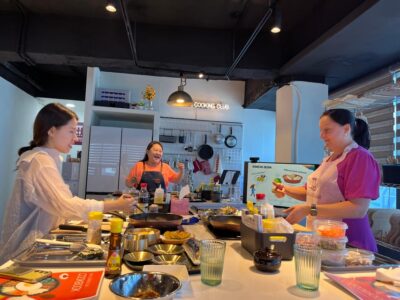
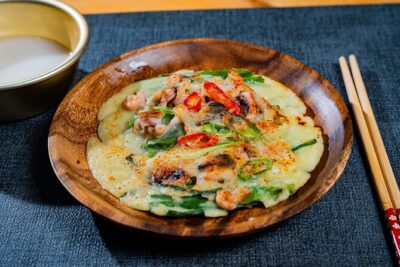
Seoul: Taste of Korea, Authentic Home Style Cooking Class
Read our review →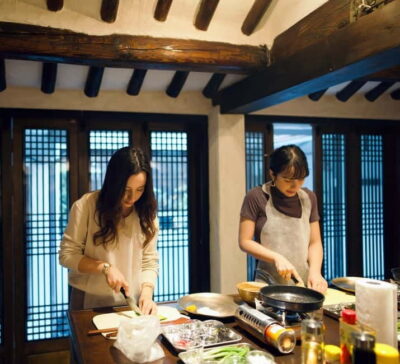
Seoul: Royal Seoul Cooking Class in a 100-Year-Old Hanok
Read our review →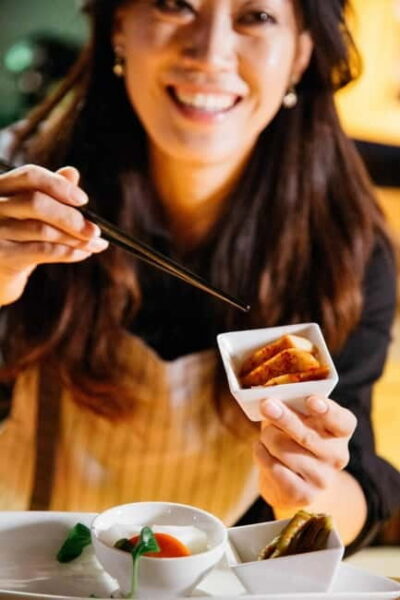
Seoul: Kimchi Dishes Cooking Class with Wine Pairing
Read our review →
Seoul: Temple Vegan Cooking Class & Oriental Medicine Tour
Read our review →
Seoul: Experience Korean Cooking in Modern Hanok Kitchen
Read our review →This kitchen also appears in