
Review · JAPAN
Private Japanese Home Cooking Class in Kyoto with Michiyo
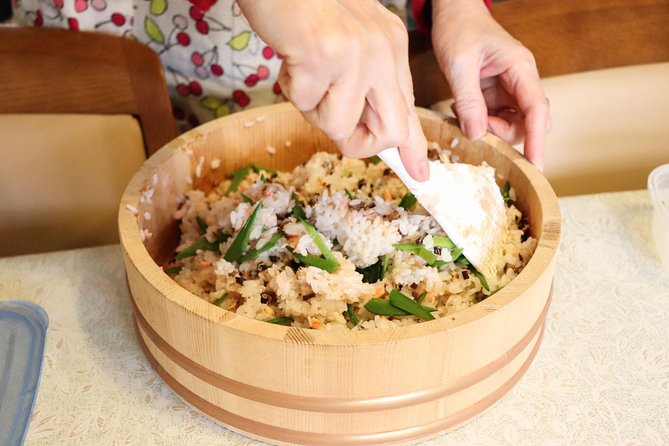
The best part of this three-hour experience is not just learning a few Japanese recipes. It is being welcomed into Michiyo’s home, where cooking, conversation, and a shared meal all happen around the same table. You’ll make dashi, prepare sushi rice, and decorate chirashi sushi in a traditional wooden bowl.
I like the small private format and the useful cooking lessons you can repeat at home. I also like the simple logistics: Michiyo meets you at Otsukyo Station and drives you three minutes to her house. The main consideration is location. You meet in Otsu, not at a central Kyoto hotel, and you need to arrange your own way to the station.
Key points to know before booking
- A real home kitchen: Michiyo and her husband welcome only your group into their house.
- Two classic Japanese foundations: You learn to make dashi stock and properly seasoned sushi rice.
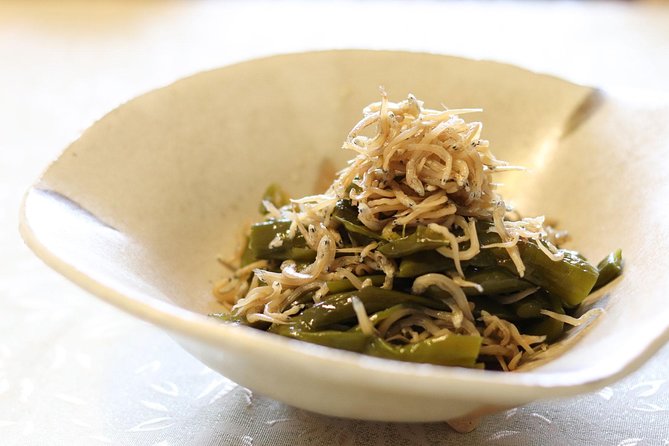
- Seasonal cooking: The vegetables and menu can change with the time of year.
- About 90 minutes of hands-on work: Cooking comes before sitting down to eat the meal you made.
- Lunch or dinner flexibility: You can choose the time that fits your Kyoto-area plans.
- Otsukyo Station pickup: Michiyo collects you at the meeting point and drives you to her home.
Why this home cooking class feels different
Many food classes take place in a studio built for visitors. This one begins at a train station and ends at a private dining table. That change matters. You are not just following a recipe in a classroom. You are seeing how a Japanese host shares food, drinks, and conversation at home.
Michiyo and her husband host the class together. Michiyo leads the cooking, while both hosts take part in the meal and conversation. The supplied information says they speak excellent English, which is especially helpful when you are learning techniques that depend on small details.
The class is private, so only your own group participates. That gives you room to ask questions, work at your own pace, and focus on the dishes rather than trying to keep up with a large class. It also makes this a good choice for couples, families, or friends who want a more personal evening.
The setting comes with one small household detail: Michiyo and her husband share their home with El, a well-behaved dachshund. If you enjoy having a dog around, that may add to the welcome. If you have allergies or simply prefer a pet-free setting, take it into account before booking.
More Home Cooking Classes in Japan
- Private Home Cooking in Yanaka – Local Flavors in a Warm Setting
★ 5.0 · 173 reviews - Near Fushimiinari: Kyoto Home Cooking Class & Supermarket tour
★ 5.0 · 100 reviews - Japanese Home Cooking Class & Walk in Todoroki Temple Tokyo
★ 5.0 · 88 reviews
Meeting Michiyo at Otsukyo Station
Your meeting point is Otsukyo Station on the JR Kosei Line, at 2 Chome-8 Ojigaoka, Otsu, Shiga. This is the part of the plan you need to take seriously when arranging your day. Hotel pickup and drop-off are not included, so you must reach the station on your own.
Once you meet Michiyo, she picks you up in her car. The drive to her home takes about three minutes, so there is no long transfer or complicated route after the meeting. At the end, the activity returns you to the same meeting point.
That arrangement is practical, but it also means you should leave enough time to reach Otsukyo Station. Do not treat the class as if it begins at a central Kyoto hotel. Check your train plans before selecting lunch or dinner, and keep the confirmation details handy in case you need to locate the meeting point.
Entering a Kyoto-area home
At Michiyo’s house, you receive an introduction to the menu and the plan for the session. The class is built around food that depends on careful preparation rather than flashy presentation. You work with fresh vegetables sourced from local producers, with the menu changing according to the season.
Cooking in a home gives the class a useful sense of scale. You can see how the dishes fit together as part of a meal, rather than treating each recipe as an isolated exercise. You also get direct access to Michiyo’s years of cooking practice and the small methods she has refined over time.
The home setting is also where the social side begins. Michiyo and her husband invite you to sit down, talk, and share drinks as part of the meal. If you want a quiet, independent cooking lesson, this may feel more social than expected. If you want a personal connection with a Japanese household, that is one of the main reasons to choose it.
Making dashi, the base of Japanese cooking
One of the most useful lessons is dashi, the stock that forms the base of many Japanese dishes. The class gives you a chance to see how this foundation is made rather than relying on a packaged shortcut.
For a visitor who enjoys Japanese food, dashi is a worthwhile subject because it helps explain the clean, savory flavor found in many soups and other dishes. The class does not simply hand you a finished broth. You take part in preparing it and learn from Michiyo’s method.
This is also the sort of lesson that can travel home with you. A famous dish may be difficult to recreate because of special equipment or hard-to-find ingredients. A lesson in dashi gives you a basic technique that can support many future Japanese meals.
More Private Cooking Classes in Japan
- Unique Private Cooking Class with a Tokyo Local Emi
★ 5.0 · 131 reviews - Tokyo: Private Japanese Cooking Class with a Local Chef
★ 5.0 · 81 reviews
Preparing chirashi sushi in a wooden bowl
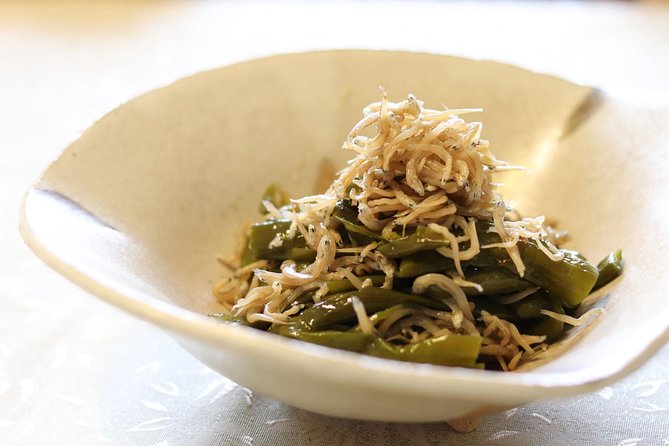
The other central dish is chirashi sushi. You learn to prepare sushi rice correctly, then garnish it in a traditional wooden bowl. The dish is more forgiving than shaping individual pieces of sushi, but the rice still requires care. Getting the texture and seasoning right is a key part of the lesson.
The finished bowl gives you a clear reward for the work. You have prepared the base, added the toppings, and helped bring the meal together. The seasonal vegetables mean the final dish may differ from one visit to another, so the class is not locked into a single menu all year.
This is a useful option if you like Japanese food but do not want a lesson focused only on raw fish or restaurant technique. Chirashi sushi lets you work with rice, garnishes, and seasonal ingredients in a format that is both traditional and approachable.
Ninety minutes of cooking, then a shared meal
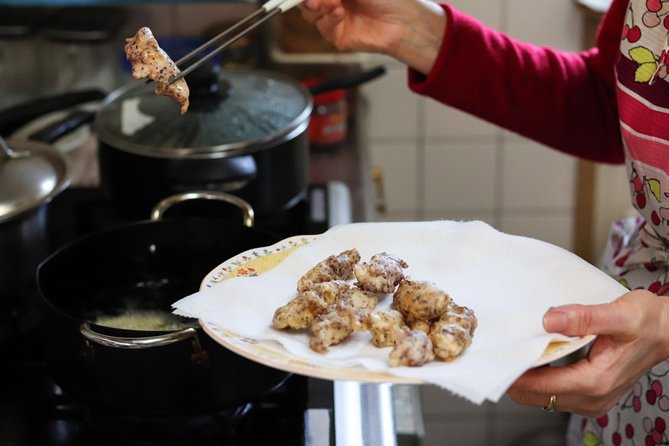
The cooking portion takes about an hour and a half. That is enough time to make the class hands-on without turning the whole visit into a long kitchen shift. You should expect to participate, not simply watch Michiyo demonstrate.
After the cooking, everyone sits down to eat the meal you helped prepare. This transition is important. The class does not end when the final ingredient is added. The food becomes the center of a shared lunch or dinner with Michiyo and her husband.
The experience includes one or two glasses of local alcohol. You can also choose non-alcoholic drinks, so you are not required to drink. The paired drinks are intended to go with the food and add to the meal, but the cooking and conversation remain the main event.
Previous visitors specifically praised the practical tips Michiyo shared during dinner and the usefulness of the recipes after returning home. That is a good sign for anyone who wants more than a pleasant meal. Pay attention to the small instructions, since they may be the parts you use later in your own kitchen.
Lunch or dinner: choosing the better fit
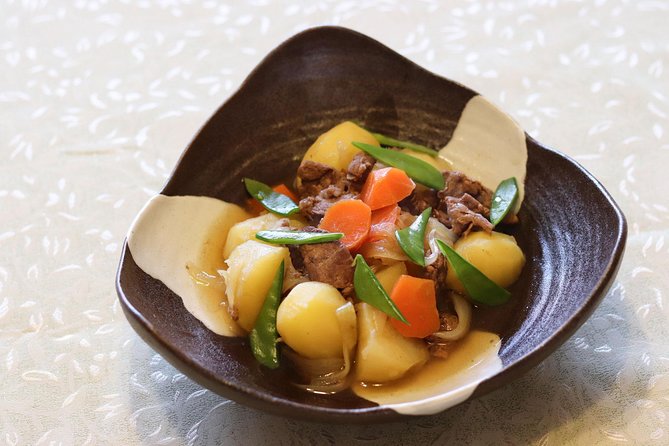
You can select either lunch or dinner. Lunch works well if you want to keep the evening open for sightseeing, while dinner gives the class a natural ending after a day in the Kyoto area. The better choice depends on your wider plans and your train connection back from Otsukyo Station.
Dinner may suit couples particularly well because the activity moves from cooking into a relaxed shared meal with drinks. Lunch can be a smarter choice if you have an early departure, a packed evening, or a preference for daytime activities.
Because the class lasts about three hours, do not place another tightly timed booking immediately afterward. You will need time to finish the meal, say goodbye, return to the station, and continue your day without rushing.
What the $86 price includes
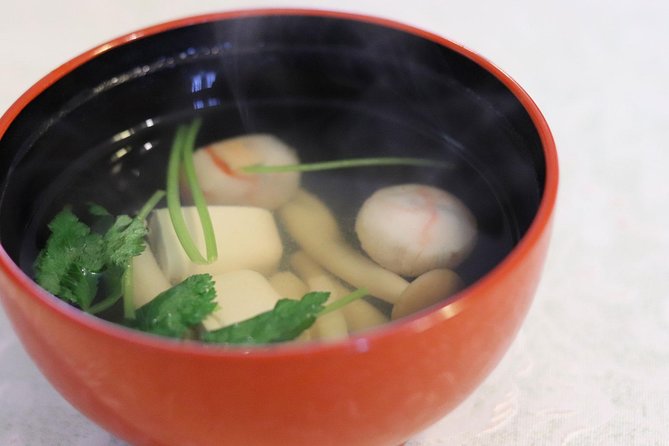
At $86 per person, the cost is more than a basic restaurant meal. You are paying for a private class, a prepared meal, local drinks, station pickup, and time with two local hosts in their home.
The value is strongest if you care about participation. You make the dashi and chirashi sushi yourself, receive personal guidance, and share the result at the table. If you only want to eat Japanese food, a restaurant will usually give you a simpler and possibly cheaper option. If you want a meal plus skills and personal contact, the price is easier to justify.
The private format also affects the value. You are not paying for a large group demonstration where questions may be rushed. Your group receives the attention, and the menu can be discussed around your own dietary needs when you book.
The class is often reserved about 67 days ahead, so it is wise to plan early if your Japan dates are fixed. Confirmation arrives within 48 hours of booking, subject to availability. Free cancellation is available up to 24 hours before the start time. Changes or cancellations inside that window are not accepted for a refund.
Who will enjoy this most
I would recommend this class to anyone who wants a personal food experience rather than another restaurant reservation. It suits couples, families, and friends who enjoy cooking together and are comfortable spending part of a visit in a private home.
It is also a strong choice for repeat visitors to Japan who have already seen the major sights and want time with a local household. The cooking lessons give the visit a clear purpose, while the shared meal creates room for conversation.
Families should consider the three-hour duration and the fact that the class involves active kitchen participation. The private format makes it easier to keep the group together, but the home setting may not suit every child.
You should also share dietary requirements in the special requirements box when booking. The menu can vary by season, so advance notice matters. The supplied details do not promise that every request can be met, but giving Michiyo the information early gives her a chance to plan.
The main drawbacks to weigh
The location is the biggest practical issue. You need to reach Otsukyo Station in Otsu and return there afterward. If your plans are centered far from the JR Kosei Line, the train ride may make this feel less convenient than a class in central Kyoto.
The menu is seasonal, which is mostly a benefit, but it also means you cannot assume you will receive a fixed list of dishes beyond the stated focus on dashi and chirashi sushi. If you have a strict food preference, ask about it before committing.
The home setting may not be right for everyone. You share space with the hosts and their dog, and the atmosphere is personal rather than anonymous. That is exactly what makes the activity special, but it requires a willingness to take part in a household visit.
Should you book Michiyo’s cooking class?
Book it if you want to learn useful Japanese techniques, eat a meal you helped make, and spend time with a local couple in their home. The combination of dashi, chirashi sushi, seasonal ingredients, and a private dinner gives the experience real substance.
Skip it if you want a central Kyoto location, a quick demonstration, or a fixed menu with no household setting. For everyone else, the $86 price is fair for three hours of instruction, food, drinks, and personal attention. Plan your train connection carefully, mention dietary needs early, and choose lunch or dinner based on the rest of your schedule.
FAQ
Where does the cooking class meet?
The meeting point is Otsukyo Station on the JR Kosei Line, at 2 Chome-8 Ojigaoka, Otsu, Shiga 520-0025, Japan.
How do I reach Michiyo’s home?
Michiyo picks you up at Otsukyo Station in her car and drives you about three minutes to her home.
Is hotel pickup included?
No. Hotel pickup and drop-off are not included. You need to reach Otsukyo Station on your own.
How long does the activity last?
The class and meal take about three hours.
What will I learn to cook?
You learn to make dashi stock and prepare sushi rice for chirashi sushi. You also garnish the chirashi sushi in a traditional wooden bowl.
Is the class private?
Yes. Only your own group participates in the activity.
Are drinks included?
Yes. The experience includes one or two glasses of local alcohol. Non-alcoholic drinks are also available.
Can I choose lunch or dinner?
Yes. Lunch and dinner options are available.
Does the menu stay the same all year?
No. The menu may vary depending on the season, with fresh seasonal vegetables used in the dishes.
Can I share dietary requirements?
Yes. You should provide any specific dietary requirements in the Special Requirements box when booking.
Does the household have pets?
Yes. Michiyo and her husband share their home with El, their well-behaved dachshund.
What is the cancellation policy?
You can cancel up to 24 hours before the experience start time for a full refund. Cancellations or changes made less than 24 hours before the start time are not accepted for a refund.
New cooking classes around Japan
- Shinjuku Tokyo: Authentic Japanese Home-Style Culinary Class★ 4.9 · 125 reviews
- Shibuya Tokyo: Onigiri & Tamagoyaki Cooking Class★ 5.0 · 4 reviews
- Ramen Making from Scratch +Akihabara Tour –Cooking Class★ 5.0 · 25 reviews
- Okonomiyaki&Takoyaki for Families:Osaka Street Food Festival★ 5.0 · 4 reviews
- Osaka Sake Tasting with Takoyaki Cooking★ 5.0 · 156 reviews
- Osaka: Sashiko Japanese Craftsmanship Workshop★ 5.0 · 31 reviews
- Osaka: Japanese Cooking Class with Matcha Experience★ 5.0 · 4 reviews
- Osaka Okonomiyaki Cooking Experience for Families & Groups★ 4.9 · 8 reviews
Japan Cooking Classes, side by side.
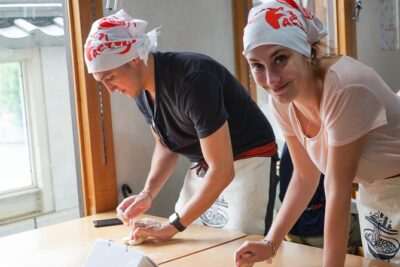
Ramen Cooking Class at Ramen Factory in Kyoto
Read our review →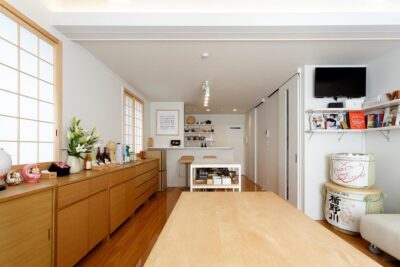
Ramen & Gyoza Cooking Class in Tokyo with Local Supermarket Visit
Read our review →
Sushi Making Osaka! Popular Sushi Class in Japan!
Read our review →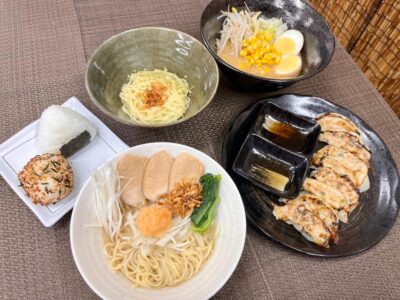
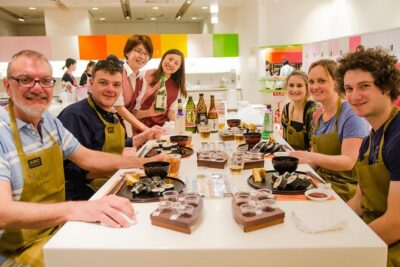
Tokyo Tsukiji Fish Market Tour and Sushi Making Lesson
Read our review →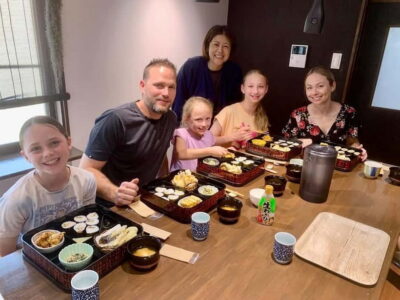
Kyoto: Japanese Washoku Bento Small Group Cooking Class
Read our review →
Osaka: Ramen and Gyoza Cooking Class in Dotonbori
Read our review →
Tokyo: Easy Ramen Cooking Experience in Kabukicho, Shinjuku
Read our review →This kitchen also appears in